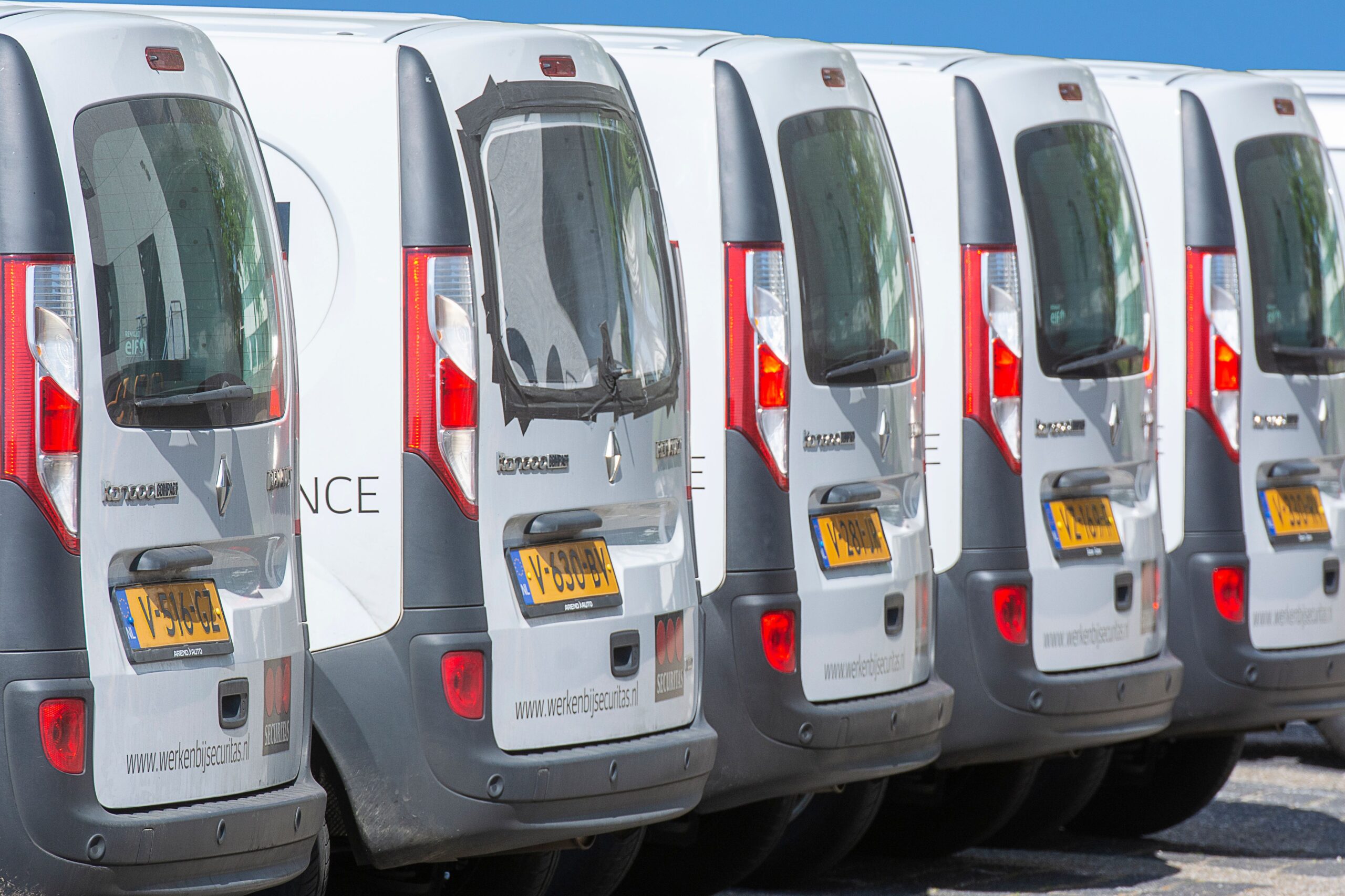
Finding the Best Commercial Auto Insurance for Small Businesses starts with understanding how your vehicles are used and what risks your company faces. A business vehicle can be essential to daily operations, but an accident can create significant repair, liability, and legal costs.
Commercial auto insurance can help protect businesses that use cars, vans, pickups, trucks, or other vehicles for work. The right policy can cover several types of risks, depending on the policy, limits, deductibles, and endorsements you choose.
There is no single insurer that is best for every company. Progressive Commercial, GEICO, The Hartford, Nationwide, and biBerk are among the providers worth comparing for small-business commercial auto coverage. Current 2026 industry comparisons place these insurers among notable options, although availability, pricing, and coverage vary by state and business type.
This guide explains the main coverage options, estimated costs, factors that affect premiums, and ways to compare commercial auto insurance quotes.
What Is Commercial Auto Insurance?
Commercial auto insurance is designed for vehicles used in connection with a business. It can provide liability protection and coverage for physical damage to eligible vehicles, depending on the policy.
Businesses may need commercial coverage when vehicles are owned, leased, or regularly used for business purposes. The exact requirements depend on the vehicle, business activity, state, and how the vehicle is operated.
The U.S. Small Business Administration business insurance resources recommend evaluating business risks and understanding applicable insurance requirements before choosing coverage.
If you use a personal vehicle for occasional business activities, do not automatically assume your personal auto policy provides sufficient protection. Discuss the business use with your insurer before relying on personal coverage.
Why Small Businesses Need Commercial Auto Insurance
Vehicles create risks that are different from many other business assets. An employee could cause an accident while making a delivery. A company van could be damaged in a collision. A work truck could be stolen or damaged by another covered event.
Commercial auto insurance can help transfer some of these risks to an insurance company. It can also satisfy insurance requirements in certain contracts or commercial arrangements.
The policy should match how your business actually uses its vehicles. A contractor transporting tools has different risks from a courier transporting packages. A real estate company with employees visiting properties may have different needs again.
Best Commercial Auto Insurance Companies for Small Businesses
Progressive Commercial
Progressive Commercial is a strong starting point for many small businesses. MoneyGeek ranked Progressive Commercial first overall in its 2026 commercial auto comparison, based on affordability, customer experience, and coverage options. It also identified Progressive as particularly strong for transportation and more complex logistics operations.
Progressive offers commercial auto coverage for different types of business vehicles. It can be worth comparing if you want a major insurer with online quote options and a broad commercial auto presence.
Explore Progressive Commercial Auto Insurance
GEICO
GEICO is another major provider to include when comparing commercial auto insurance. MoneyGeek ranked it second overall in its 2026 analysis and found it particularly competitive for certain lower-risk business categories.
GEICO may be worth considering for businesses that primarily use cars, SUVs, or light commercial vehicles. However, coverage suitability depends on the vehicle, industry, drivers, and business activities.
Learn about GEICO commercial auto insurance
The Hartford
The Hartford is a strong option for businesses that place a high value on coverage depth. MoneyGeek ranked it third overall and first for coverage depth in its 2026 study.
The Hartford offers commercial coverage for vehicles such as cars, cargo vans, pickup trucks, box trucks, and service utility trucks. It can also provide hired and non-owned auto liability coverage for certain situations involving vehicles that a business does not own.
Explore The Hartford commercial auto coverage
Nationwide
Nationwide is another insurer worth comparing, especially for businesses that want a range of commercial coverage options. MoneyGeek ranked Nationwide among its top commercial auto providers for 2026 and highlighted its coverage value and policy flexibility.
Nationwide can be particularly relevant for businesses with specialized vehicle or operational needs. Requesting a personalized quote is the best way to determine whether its pricing works for your company.
Learn about Nationwide commercial auto insurance
biBerk
biBerk focuses on small-business insurance and offers a digital-first experience. MoneyGeek included biBerk among its leading commercial auto providers in 2026 and highlighted its online approach for smaller businesses.
It may appeal to business owners who prefer managing insurance online. As with any provider, compare the actual policy terms rather than relying only on the advertised price.
Commercial Auto Insurance Coverage Options
Commercial Auto Liability
Commercial auto liability insurance is a core component of most commercial auto policies. It can help cover certain claims when an insured business or driver is legally responsible for injuries or property damage caused by an accident.
State laws establish minimum auto insurance requirements, but a business may need higher limits because of its contracts, assets, industry, or risk exposure.
Collision Coverage
Collision coverage can help pay for covered damage to an insured vehicle after a collision, subject to the deductible and policy terms.
This coverage can be important when the business depends on a vehicle for daily operations. A damaged vehicle can interrupt deliveries, appointments, construction work, or other services.
Comprehensive Coverage
Comprehensive coverage generally addresses certain non-collision losses. Depending on the policy, covered events can include theft, vandalism, fire, falling objects, or certain weather-related damage.
Uninsured and Underinsured Motorist Coverage
Uninsured and underinsured motorist coverage can help protect against certain losses caused by drivers who have no insurance or insufficient insurance. Availability and requirements vary by state.
Hired and Non-Owned Auto Coverage
Hired and non-owned auto coverage can be useful when employees use rented or personally owned vehicles for business activities. It is particularly relevant for businesses that do not own every vehicle used for work.
Medical Payments or Personal Injury Protection
Depending on your state and policy, medical payments or personal injury protection may provide coverage for certain medical expenses after an accident. State rules differ, so review the specific coverage available in your location.
How Much Does Commercial Auto Insurance Cost?
There is no standard commercial auto insurance rate for every small business. Premiums can vary significantly based on the company and its vehicles.
Factors include the type and number of vehicles, business location, vehicle use, driving records, coverage limits, deductibles, claims history, mileage, industry, and the types of goods or passengers transported.
For example, a small consulting company using one sedan for occasional client visits may have very different insurance costs from a contractor operating several pickup trucks every day.
Commercial truck coverage can also cost substantially more than insurance for a standard business vehicle. MoneyGeek’s 2026 analysis of commercial truck insurance found average monthly rates for specific truck profiles can be hundreds of dollars, demonstrating why vehicle type and coverage requirements matter.
Use online estimates only as benchmarks. Your actual quote is the more useful number for budgeting.
Factors That Affect Commercial Auto Insurance Rates
Vehicle Type
A sedan, cargo van, pickup, box truck, and heavy truck can carry different levels of risk. Larger or specialized vehicles may require more expensive coverage.
Business Use
How you use the vehicle matters. Frequent deliveries, long-distance driving, passenger transportation, and hauling certain materials can affect underwriting.
Driver History
Insurers may review driving records when calculating commercial auto premiums. A history of accidents or violations can increase risk.
Number of Vehicles
Adding vehicles can increase your total premium. Businesses with multiple vehicles should ask insurers about fleet policies and available discounts.
Coverage Limits
Higher liability limits generally provide more protection but can increase premiums. Choose limits based on your actual exposure and contractual requirements.
Deductible
A higher deductible can reduce premium costs in some situations. However, your business must be prepared to pay that amount after a covered loss.
How to Compare Commercial Auto Insurance Quotes
Comparing commercial auto insurance quotes is easier when you use the same information for every insurer.
Start by listing every vehicle used for business. Include the make, model, year, estimated mileage, ownership status, and primary use.
Next, list every employee who may drive the vehicles. Provide accurate information about driver history and business use.
Then compare the same liability limits, deductibles, collision coverage, comprehensive coverage, and optional endorsements across insurers.
Do not choose a policy simply because it has the lowest monthly premium. Check exclusions, coverage limits, claims support, payment terms, and the insurer’s financial strength.
Industry comparisons can help narrow your choices. For example, NerdWallet’s 2026 research considers factors such as complaints, financial strength, and commercial auto coverage options when evaluating providers.
How to Save Money on Commercial Auto Insurance
There are several practical ways to manage commercial auto insurance costs.
First, compare multiple insurers. Different companies may price the same business differently.
Second, maintain good driver records. Safe driving can reduce the likelihood of accidents and may improve your insurance profile over time.
Third, ask about available discounts. Depending on the insurer, savings may be available for multiple vehicles, safety features, bundled policies, or other qualifying factors.
Fourth, review your deductible. A higher deductible may lower your premium, but only choose one your business can afford.
Finally, review your policy every year. Adding vehicles, changing drivers, increasing mileage, expanding delivery operations, or changing business locations can alter your coverage needs.
When Should You Consider Commercial Auto Insurance?
You should review commercial auto insurance if your company owns a vehicle or regularly uses vehicles for business activities.
Common examples include contractors, landscapers, electricians, plumbers, delivery companies, caterers, mobile service businesses, real estate companies, retailers, and professional service companies.
The SBA business insurance guidance is a useful starting point for identifying insurance requirements and evaluating business risks.
Commercial Auto Insurance vs. Personal Auto Insurance
Personal auto insurance is designed primarily for personal vehicle use. Commercial auto insurance is designed around business-related vehicle risks.
If a vehicle is owned by a business or used extensively for business, commercial coverage may be appropriate or required. The distinction matters because a personal policy may contain restrictions related to business use.
Never assume that a personal policy will cover every business activity. Tell your insurer how the vehicle is actually used and ask what coverage applies.
Final Thoughts
Choosing the Best Commercial Auto Insurance for Small Businesses requires more than finding the lowest price. The best policy is one that matches your vehicles, drivers, business activities, coverage requirements, and budget.
Progressive Commercial is a strong option to compare for many businesses. GEICO, The Hartford, Nationwide, and biBerk are also worth researching based on your industry and coverage needs. Current 2026 comparisons show meaningful differences between insurers in pricing, coverage, and customer experience.
Get several quotes using identical coverage information. Then compare liability limits, physical damage protection, deductibles, exclusions, endorsements, and claims support.
For related information, visit our small business insurance guide and business insurance costs guide. Reviewing your coverage regularly can help your insurance keep pace as your company grows.
