Tag: Business Insurance Quotes
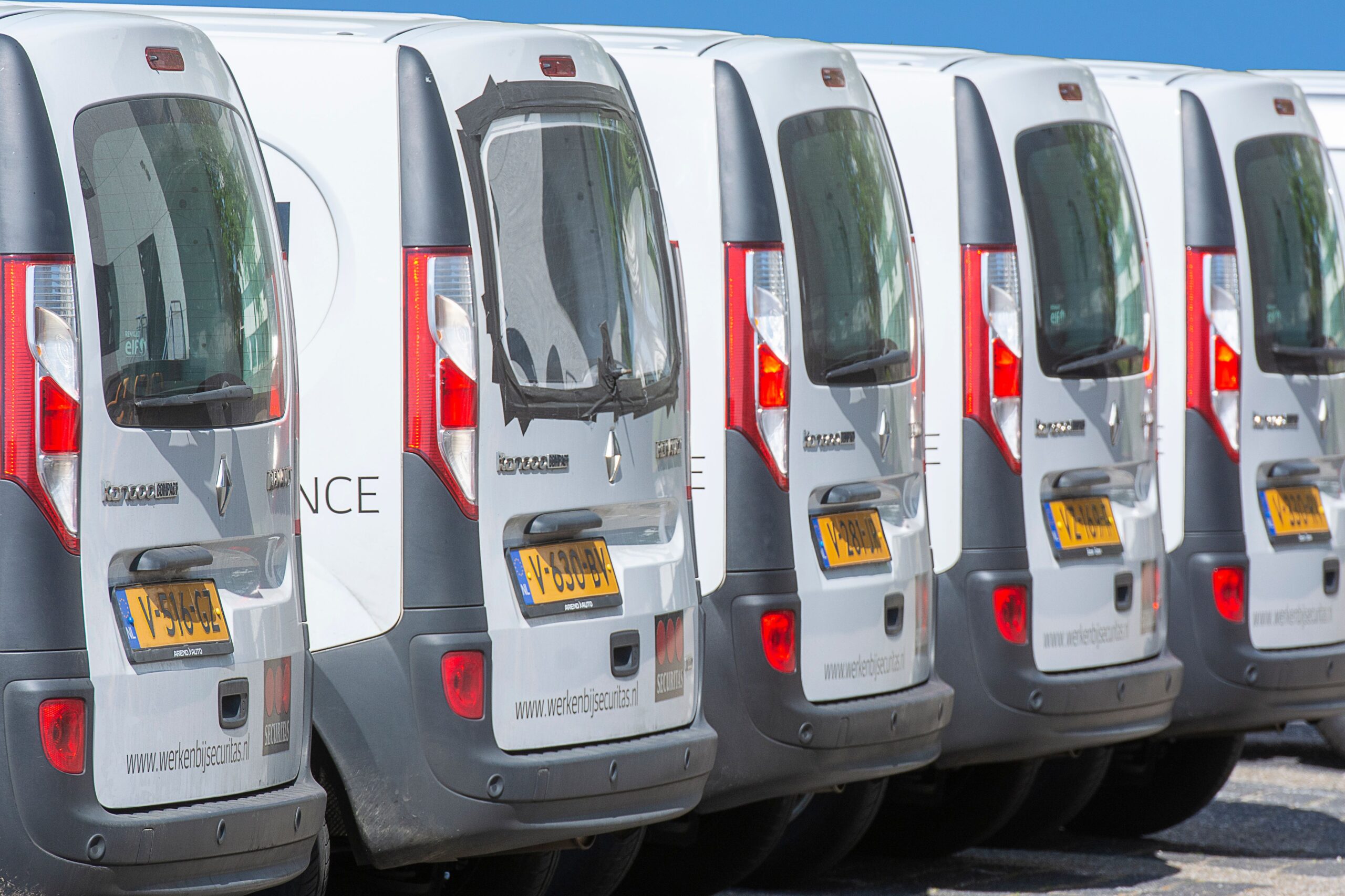
  • Best Commercial Auto Insurance for Small Businesses

    Best Commercial Auto Insurance for Small Businesses

    Finding the Best Commercial Auto Insurance for Small Businesses starts with understanding how your vehicles are used and what risks your company faces. A business vehicle can be essential to daily operations, but an accident can create significant repair, liability, and legal costs.

    Commercial auto insurance can help protect businesses that use cars, vans, pickups, trucks, or other vehicles for work. The right policy can cover several types of risks, depending on the policy, limits, deductibles, and endorsements you choose.

    There is no single insurer that is best for every company. Progressive Commercial, GEICO, The Hartford, Nationwide, and biBerk are among the providers worth comparing for small-business commercial auto coverage. Current 2026 industry comparisons place these insurers among notable options, although availability, pricing, and coverage vary by state and business type.

    This guide explains the main coverage options, estimated costs, factors that affect premiums, and ways to compare commercial auto insurance quotes.

    What Is Commercial Auto Insurance?

    Commercial auto insurance is designed for vehicles used in connection with a business. It can provide liability protection and coverage for physical damage to eligible vehicles, depending on the policy.

    Businesses may need commercial coverage when vehicles are owned, leased, or regularly used for business purposes. The exact requirements depend on the vehicle, business activity, state, and how the vehicle is operated.

    The U.S. Small Business Administration business insurance resources recommend evaluating business risks and understanding applicable insurance requirements before choosing coverage.

    If you use a personal vehicle for occasional business activities, do not automatically assume your personal auto policy provides sufficient protection. Discuss the business use with your insurer before relying on personal coverage.

    Why Small Businesses Need Commercial Auto Insurance

    Vehicles create risks that are different from many other business assets. An employee could cause an accident while making a delivery. A company van could be damaged in a collision. A work truck could be stolen or damaged by another covered event.

    Commercial auto insurance can help transfer some of these risks to an insurance company. It can also satisfy insurance requirements in certain contracts or commercial arrangements.

    The policy should match how your business actually uses its vehicles. A contractor transporting tools has different risks from a courier transporting packages. A real estate company with employees visiting properties may have different needs again.

    Best Commercial Auto Insurance Companies for Small Businesses

    Progressive Commercial

    Progressive Commercial is a strong starting point for many small businesses. MoneyGeek ranked Progressive Commercial first overall in its 2026 commercial auto comparison, based on affordability, customer experience, and coverage options. It also identified Progressive as particularly strong for transportation and more complex logistics operations.

    Progressive offers commercial auto coverage for different types of business vehicles. It can be worth comparing if you want a major insurer with online quote options and a broad commercial auto presence.

    Explore Progressive Commercial Auto Insurance

    GEICO

    GEICO is another major provider to include when comparing commercial auto insurance. MoneyGeek ranked it second overall in its 2026 analysis and found it particularly competitive for certain lower-risk business categories.

    GEICO may be worth considering for businesses that primarily use cars, SUVs, or light commercial vehicles. However, coverage suitability depends on the vehicle, industry, drivers, and business activities.

    Learn about GEICO commercial auto insurance

    The Hartford

    The Hartford is a strong option for businesses that place a high value on coverage depth. MoneyGeek ranked it third overall and first for coverage depth in its 2026 study.

    The Hartford offers commercial coverage for vehicles such as cars, cargo vans, pickup trucks, box trucks, and service utility trucks. It can also provide hired and non-owned auto liability coverage for certain situations involving vehicles that a business does not own.

    Explore The Hartford commercial auto coverage

    Nationwide

    Nationwide is another insurer worth comparing, especially for businesses that want a range of commercial coverage options. MoneyGeek ranked Nationwide among its top commercial auto providers for 2026 and highlighted its coverage value and policy flexibility.

    Nationwide can be particularly relevant for businesses with specialized vehicle or operational needs. Requesting a personalized quote is the best way to determine whether its pricing works for your company.

    Learn about Nationwide commercial auto insurance

    biBerk

    biBerk focuses on small-business insurance and offers a digital-first experience. MoneyGeek included biBerk among its leading commercial auto providers in 2026 and highlighted its online approach for smaller businesses.

    It may appeal to business owners who prefer managing insurance online. As with any provider, compare the actual policy terms rather than relying only on the advertised price.

    Commercial Auto Insurance Coverage Options

    Commercial Auto Liability

    Commercial auto liability insurance is a core component of most commercial auto policies. It can help cover certain claims when an insured business or driver is legally responsible for injuries or property damage caused by an accident.

    State laws establish minimum auto insurance requirements, but a business may need higher limits because of its contracts, assets, industry, or risk exposure.

    Collision Coverage

    Collision coverage can help pay for covered damage to an insured vehicle after a collision, subject to the deductible and policy terms.

    This coverage can be important when the business depends on a vehicle for daily operations. A damaged vehicle can interrupt deliveries, appointments, construction work, or other services.

    Comprehensive Coverage

    Comprehensive coverage generally addresses certain non-collision losses. Depending on the policy, covered events can include theft, vandalism, fire, falling objects, or certain weather-related damage.

    Uninsured and Underinsured Motorist Coverage

    Uninsured and underinsured motorist coverage can help protect against certain losses caused by drivers who have no insurance or insufficient insurance. Availability and requirements vary by state.

    Hired and Non-Owned Auto Coverage

    Hired and non-owned auto coverage can be useful when employees use rented or personally owned vehicles for business activities. It is particularly relevant for businesses that do not own every vehicle used for work.

    Medical Payments or Personal Injury Protection

    Depending on your state and policy, medical payments or personal injury protection may provide coverage for certain medical expenses after an accident. State rules differ, so review the specific coverage available in your location.

    How Much Does Commercial Auto Insurance Cost?

    There is no standard commercial auto insurance rate for every small business. Premiums can vary significantly based on the company and its vehicles.

    Factors include the type and number of vehicles, business location, vehicle use, driving records, coverage limits, deductibles, claims history, mileage, industry, and the types of goods or passengers transported.

    For example, a small consulting company using one sedan for occasional client visits may have very different insurance costs from a contractor operating several pickup trucks every day.

    Commercial truck coverage can also cost substantially more than insurance for a standard business vehicle. MoneyGeek’s 2026 analysis of commercial truck insurance found average monthly rates for specific truck profiles can be hundreds of dollars, demonstrating why vehicle type and coverage requirements matter.

    Use online estimates only as benchmarks. Your actual quote is the more useful number for budgeting.

    Factors That Affect Commercial Auto Insurance Rates

    Vehicle Type

    A sedan, cargo van, pickup, box truck, and heavy truck can carry different levels of risk. Larger or specialized vehicles may require more expensive coverage.

    Business Use

    How you use the vehicle matters. Frequent deliveries, long-distance driving, passenger transportation, and hauling certain materials can affect underwriting.

    Driver History

    Insurers may review driving records when calculating commercial auto premiums. A history of accidents or violations can increase risk.

    Number of Vehicles

    Adding vehicles can increase your total premium. Businesses with multiple vehicles should ask insurers about fleet policies and available discounts.

    Coverage Limits

    Higher liability limits generally provide more protection but can increase premiums. Choose limits based on your actual exposure and contractual requirements.

    Deductible

    A higher deductible can reduce premium costs in some situations. However, your business must be prepared to pay that amount after a covered loss.

    How to Compare Commercial Auto Insurance Quotes

    Comparing commercial auto insurance quotes is easier when you use the same information for every insurer.

    Start by listing every vehicle used for business. Include the make, model, year, estimated mileage, ownership status, and primary use.

    Next, list every employee who may drive the vehicles. Provide accurate information about driver history and business use.

    Then compare the same liability limits, deductibles, collision coverage, comprehensive coverage, and optional endorsements across insurers.

    Do not choose a policy simply because it has the lowest monthly premium. Check exclusions, coverage limits, claims support, payment terms, and the insurer’s financial strength.

    Industry comparisons can help narrow your choices. For example, NerdWallet’s 2026 research considers factors such as complaints, financial strength, and commercial auto coverage options when evaluating providers.

    How to Save Money on Commercial Auto Insurance

    There are several practical ways to manage commercial auto insurance costs.

    First, compare multiple insurers. Different companies may price the same business differently.

    Second, maintain good driver records. Safe driving can reduce the likelihood of accidents and may improve your insurance profile over time.

    Third, ask about available discounts. Depending on the insurer, savings may be available for multiple vehicles, safety features, bundled policies, or other qualifying factors.

    Fourth, review your deductible. A higher deductible may lower your premium, but only choose one your business can afford.

    Finally, review your policy every year. Adding vehicles, changing drivers, increasing mileage, expanding delivery operations, or changing business locations can alter your coverage needs.

    When Should You Consider Commercial Auto Insurance?

    You should review commercial auto insurance if your company owns a vehicle or regularly uses vehicles for business activities.

    Common examples include contractors, landscapers, electricians, plumbers, delivery companies, caterers, mobile service businesses, real estate companies, retailers, and professional service companies.

    The SBA business insurance guidance is a useful starting point for identifying insurance requirements and evaluating business risks.

    Commercial Auto Insurance vs. Personal Auto Insurance

    Personal auto insurance is designed primarily for personal vehicle use. Commercial auto insurance is designed around business-related vehicle risks.

    If a vehicle is owned by a business or used extensively for business, commercial coverage may be appropriate or required. The distinction matters because a personal policy may contain restrictions related to business use.

    Never assume that a personal policy will cover every business activity. Tell your insurer how the vehicle is actually used and ask what coverage applies.

    Final Thoughts

    Choosing the Best Commercial Auto Insurance for Small Businesses requires more than finding the lowest price. The best policy is one that matches your vehicles, drivers, business activities, coverage requirements, and budget.

    Progressive Commercial is a strong option to compare for many businesses. GEICO, The Hartford, Nationwide, and biBerk are also worth researching based on your industry and coverage needs. Current 2026 comparisons show meaningful differences between insurers in pricing, coverage, and customer experience.

    Get several quotes using identical coverage information. Then compare liability limits, physical damage protection, deductibles, exclusions, endorsements, and claims support.

    For related information, visit our small business insurance guide and business insurance costs guide. Reviewing your coverage regularly can help your insurance keep pace as your company grows.

  • Business Insurance Quotes: Compare Coverage and Premiums

    Business Insurance Quotes: Compare Coverage and Premiums

    Finding the right Business Insurance Quotes: Compare Coverage and Premiums can help you protect your company without paying for coverage you do not need. Insurance costs vary by business type, location, revenue, employees, claims history, and coverage limits. That is why comparing several quotes is often a smart step before choosing a policy.

    A low premium may look attractive. However, price should never be the only factor. A cheaper policy could have lower coverage limits, a higher deductible, or exclusions that create financial risks for your business.

    The goal is to compare similar policies and understand what you are getting for your money. This guide explains how business insurance quotes work, what affects premiums, which coverages you may need, and how to compare providers effectively.

    What Are Business Insurance Quotes?

    A business insurance quote is an estimate of what an insurer may charge for specific coverage. The quote is based on information about your company and the risks associated with its operations.

    Insurers may ask about your industry, annual revenue, number of employees, business location, years in operation, property, vehicles, previous claims, and services. They may also ask about the type and amount of insurance you want.

    Because every business has different risks, two companies in the same industry can receive different quotes. Even similar businesses may have different premiums because insurers use different underwriting methods.

    Before requesting quotes, it helps to understand the main types of small business insurance available. This makes it easier to compare policies on an equal basis.

    Why Should You Compare Business Insurance Quotes?

    Insurance companies do not always price risk in the same way. One insurer may offer a competitive rate for a professional service company. Another may be more attractive for a contractor, retailer, restaurant, or technology business.

    Comparing quotes can help you identify differences in premiums, deductibles, limits, endorsements, and exclusions. It can also reveal coverage gaps that may not be obvious when you focus only on price.

    The U.S. Small Business Administration business insurance guide provides an overview of common insurance types and factors business owners should consider when protecting their companies.

    Getting multiple quotes does not mean choosing the cheapest option. Instead, it gives you more information so you can make a better-informed decision.

    What Types of Business Insurance Should You Compare?

    Your insurance needs depend on your business activities. Some companies need only a few core policies. Others require several types of coverage.

    General Liability Insurance

    General liability insurance is one of the most common forms of business coverage. It can help protect a company against certain third-party claims involving bodily injury, property damage, and personal or advertising injury, subject to policy terms.

    Some landlords, customers, vendors, and contractors may require businesses to carry general liability insurance before entering into a contract.

    Professional Liability Insurance

    Professional liability insurance is important for businesses that provide advice, expertise, or professional services. It can cover certain claims related to alleged errors, omissions, or professional negligence.

    Consultants, accountants, designers, technology professionals, and other service providers may need this type of coverage.

    Commercial Property Insurance

    Commercial property insurance can help protect eligible business property from covered losses. Depending on the policy, this may include buildings, equipment, furniture, inventory, and other physical assets.

    If your company depends on expensive equipment or inventory, compare property limits carefully. A low premium may not provide enough protection for the value of your assets.

    Workers’ Compensation Insurance

    Workers’ compensation insurance can help cover eligible employee work-related injuries and illnesses. In many locations, businesses with employees are required to carry workers’ compensation insurance.

    Rules vary by state and business circumstances. Check your local requirements before deciding what coverage your company needs.

    Commercial Auto Insurance

    If vehicles are used for business purposes, commercial auto insurance may be necessary. Personal auto insurance does not necessarily provide the coverage needed for business activities.

    Compare vehicle limits, liability coverage, deductibles, and covered drivers when reviewing commercial auto quotes.

    Cyber Insurance

    Cyber insurance can be worth considering if your business stores sensitive information, accepts online payments, uses cloud systems, or depends heavily on technology.

    Cyber policies can differ substantially. Review the covered events, exclusions, security requirements, response services, and coverage limits before purchasing.

    What Factors Affect Business Insurance Premiums?

    Several factors can influence the cost of business insurance. Understanding them can help you make sense of the differences between quotes.

    Industry and Business Activities

    Different industries face different risks. A construction company may have greater physical liability exposure than a home-based consultant. An online retailer may have different property and product liability risks.

    Insurers consider the activities your business performs when calculating premiums.

    Business Location

    Where your company operates can affect insurance pricing. Local regulations, property risks, weather exposure, crime rates, and other factors may influence premiums.

    Revenue and Payroll

    Revenue and payroll can be important rating factors for certain commercial policies. As your business grows, your insurance needs and premiums may change.

    Number of Employees

    Businesses with employees can face different risks from solo businesses. Employee count may affect workers’ compensation and other commercial insurance costs.

    Claims History

    Previous insurance claims can influence how an insurer evaluates your business risk. A history of frequent or costly claims may result in higher premiums or different underwriting terms.

    Coverage Limits and Deductibles

    Higher coverage limits can increase premiums. A higher deductible may reduce the premium in some situations, but it also means your business would pay more out of pocket after a covered loss.

    Choose a deductible that your company could realistically afford.

    How to Get Better Business Insurance Quotes

    1. Gather Accurate Business Information

    Start by collecting basic information about your company. This may include annual revenue, payroll, employee count, business address, years in operation, property values, vehicles, and claims history.

    Accurate information helps insurers provide more useful quotes. Avoid intentionally underestimating revenue, payroll, inventory, or property values just to obtain a lower premium.

    2. Determine Your Coverage Needs

    Make a list of the risks your company faces. Consider customer injuries, property damage, professional mistakes, employee injuries, cyber incidents, equipment damage, and business interruptions.

    You can also review contracts from landlords, clients, lenders, or business partners. Some agreements require specific insurance limits.

    3. Request Multiple Quotes

    Compare quotes from several insurers or work with an independent insurance agent who can help you evaluate multiple options.

    Request similar coverage limits and deductibles from each provider. Otherwise, comparing premiums can be misleading.

    4. Compare the Policy Details

    Do not stop after looking at the premium. Review the coverage limits, deductible, exclusions, endorsements, and conditions.

    For example, one policy may cost less because it provides a lower liability limit. Another may include additional coverage that increases the premium but provides greater protection.

    5. Ask About Discounts

    Some insurers offer discounts for bundling eligible policies, maintaining certain safety measures, or meeting other requirements. Discount availability varies by insurer and location.

    Ask each provider which discounts may apply to your business. Then compare the final premiums after eligible discounts are included.

    How to Compare Business Insurance Premiums

    When reviewing business insurance quotes, create a simple comparison table. List each insurer, annual premium, monthly payment, deductible, coverage limits, and major endorsements.

    Then review exclusions and policy conditions. This process makes it easier to identify meaningful differences between policies.

    For example, suppose Company A offers a lower premium but has a significantly higher deductible. Company B costs more but includes broader coverage and a lower deductible. The better choice depends on your company’s risk tolerance and financial situation.

    In other words, the cheapest business insurance is not always the best value.

    Business Insurance Quotes vs. a Business Owner’s Policy

    A Business Owner’s Policy, or BOP, can combine several common coverages into one package for eligible small businesses.

    A BOP often combines general liability and commercial property coverage. It may also include business income coverage and other features, depending on the insurer and policy.

    A BOP can be convenient for qualifying companies. However, it does not automatically cover every business risk. You may still need professional liability, commercial auto, workers’ compensation, cyber insurance, or other specialized coverage.

    Read the policy carefully and ask an insurance professional about any risks that are not included.

    How to Lower Your Business Insurance Premium

    There are several ways to potentially reduce insurance costs without removing important protection.

    • Compare multiple insurers before renewing or purchasing coverage.
    • Review your coverage annually to remove outdated or unnecessary options.
    • Ask about bundling eligible policies with one provider.
    • Consider your deductible and choose an amount your business can afford.
    • Improve workplace safety and document risk-management practices.
    • Maintain accurate business records so insurers can properly assess your risk.
    • Ask about available discounts before accepting a quote.

    Do not reduce essential coverage simply to save a small amount each month. An insurance policy should protect against losses that could seriously affect your business.

    Questions to Ask Before Buying Business Insurance

    Before accepting a quote, ask the insurer or agent several important questions.

    • What exactly does this policy cover?
    • What are the major exclusions?
    • What are the coverage limits?
    • What is the deductible?
    • Are there separate deductibles for different types of claims?
    • Does the policy include business interruption coverage?
    • Do I need additional professional or cyber coverage?
    • Are my employees and contractors covered?
    • Is the policy available for my business type and location?
    • How do I report a claim?

    Clear answers can help you avoid unpleasant surprises after purchasing coverage.

    Where Can You Research Business Insurance Companies?

    When comparing providers, look beyond advertising. Research the company’s financial strength, licensing, customer service, claims process, and reputation.

    The National Association of Insurance Commissioners consumer resources can help business owners understand insurance and research state-specific regulatory information.

    You can also review your state’s insurance department website for licensing and consumer information. If you work with an agent, verify that the agent is properly licensed in your state.

    When Should You Review Your Business Insurance?

    Do not wait until renewal to think about insurance. Review your coverage whenever your business changes significantly.

    This may include opening a new location, hiring employees, buying equipment, adding vehicles, launching a new service, signing a major contract, or experiencing significant revenue growth.

    Your insurance policy should reflect your current operations. A policy that was appropriate when you started may not provide enough protection after your company expands.

    Final Thoughts on Business Insurance Quotes

    Comparing Business Insurance Quotes: Compare Coverage and Premiums is one of the most practical steps a business owner can take before purchasing commercial insurance. Quotes provide useful information about pricing, but the premium is only one part of the decision.

    Start by identifying your company’s risks. Then determine which coverages you need. Request multiple quotes using comparable limits and deductibles. Finally, review exclusions, policy conditions, claims support, and the insurer’s reputation.

    Remember that business insurance is about more than finding the lowest monthly payment. The right policy can help protect your company’s property, income, employees, customers, and long-term financial stability.

    If you are building an online business, expanding a small business, or launching a new venture, insurance should be part of your broader risk-management plan. You can also explore our small business insurance guide, learn about general liability insurance, or compare Business Owner’s Policy coverage for more information.

    Take time to compare your options. A well-matched policy can provide valuable protection while keeping insurance costs aligned with your business budget.

  • Best Business Insurance Companies for Small Businesses

    Best Business Insurance Companies for Small Businesses

    Choosing the best business insurance companies for small businesses can feel complicated. Every company has different risks, coverage needs, budget limits, and legal requirements. A freelance consultant may need professional liability coverage, while a contractor may need general liability, commercial auto, and equipment protection.

    The right insurance company should do more than offer a low premium. It should provide coverage that fits your industry, useful policy limits, reasonable deductibles, and a claims process you can understand. It should also make it easy to update your coverage as your business grows.

    In this guide, we compare several well-known providers and explain what to consider before purchasing a policy. The goal is to help you build a practical shortlist rather than choose an insurer based only on advertising or price.

    What Is Small Business Insurance?

    Small business insurance is a collection of insurance coverages designed to protect a company against specific financial risks. Depending on the business, coverage may address customer injuries, property damage, lawsuits, employee injuries, professional mistakes, cyber incidents, damaged equipment, or business interruptions.

    The U.S. Small Business Administration business insurance guide identifies general liability, product liability, professional liability, commercial property, and other forms of coverage as important options for businesses.

    Not every business needs every policy. Your industry, location, employees, property, vehicles, contracts, and services should determine what coverage makes sense.

    Best Business Insurance Companies for Small Businesses

    There is no single insurer that is ideal for every small business. However, several established providers and digital-first companies are worth considering when you request quotes.

    1. NEXT Insurance: Best for Digital-First Small Businesses

    NEXT Insurance is designed around the needs of small businesses and offers a largely digital insurance experience. It can be appealing to owners who prefer getting quotes, managing documents, and handling policy tasks online.

    NEXT is particularly worth considering for entrepreneurs who want a streamlined purchasing process. Coverage availability depends on the business, state, and policy requirements.

    Current industry comparisons have placed NEXT among the leading small business insurers, particularly for affordability and digital customer experience.

    For business owners who value online convenience, you can explore small business insurance from NEXT and review available coverage for your industry.

    2. The Hartford: Best for Broad Small Business Coverage

    The Hartford is one of the most established names in commercial insurance. Its small business offerings include coverage options such as general liability, commercial property, professional liability, workers’ compensation, commercial auto, and cyber insurance.

    One potential advantage is the breadth of its small business insurance portfolio. The company also offers a Business Owner’s Policy, commonly called a BOP, for eligible businesses.

    A BOP can combine general liability, commercial property, and business income coverage into one package. That may simplify insurance management for qualifying businesses.

    The Hartford currently reports more than 1.3 million small business customers and offers online quote tools.

    Visit The Hartford small business insurance page to explore coverage options and request a personalized quote.

    3. Travelers: Best for Industry-Specific Risk Management

    Travelers is another major insurer with extensive commercial insurance experience. Its business insurance portfolio covers different industries and includes solutions for small businesses.

    Travelers offers a range of commercial products and emphasizes risk management as part of its business insurance approach. Its services include risk control resources and claims support.

    For eligible small businesses, a Business Owner’s Policy can combine commercial general liability, commercial property, and business income and extra expense coverage.

    Businesses with more complicated operations may appreciate the ability to discuss coverage with an insurance professional. You can learn about Travelers business insurance and find coverage options for your industry.

    4. Chubb: Best for Growing and Higher-Value Businesses

    Chubb is known for commercial insurance and offers a broad range of products for businesses of different sizes. Its small business portfolio includes property, liability, workers’ compensation, cyber, management liability, and professional liability coverage.

    Chubb’s Business Owner’s Policy is designed for eligible small businesses and can provide a foundation for property and liability protection. The company says its BOP is available across hundreds of business classes, although eligibility and coverage vary.

    This can make Chubb worth considering for businesses that expect to grow or have more specialized insurance requirements.

    Learn more through Chubb small business insurance before requesting a quote.

    5. Hiscox: Best for Professional Services

    Hiscox focuses heavily on small business insurance and provides coverage for many professional occupations. This makes it a potential option for consultants, technology professionals, photographers, marketing businesses, contractors, and other service providers.

    Its product lineup includes general liability, professional liability, business owner’s policies, cyber coverage, workers’ compensation, commercial auto, and other options.

    Professional liability, also known as errors and omissions insurance, can be especially important for businesses that provide advice, expertise, or professional services.

    You can explore Hiscox small business insurance to see which policies may be available for your profession.

    6. Thimble: Best for Flexible Coverage Needs

    Thimble is another provider worth researching, particularly for freelancers, contractors, and small businesses that want flexible insurance options. Digital purchasing and policy management can be useful for business owners who do not want a traditional insurance process.

    Industry comparisons have highlighted Thimble for flexible and short-term coverage options.

    However, flexibility should not replace careful policy review. Check coverage periods, limits, exclusions, and eligibility before purchasing any policy.

    What Types of Business Insurance Does a Small Business Need?

    The best insurance package depends on what your company does. Start by identifying the risks that could create a large financial loss.

    General Liability Insurance

    General liability insurance is common for small businesses. It can protect against certain third-party claims involving bodily injury, property damage, and personal or advertising injury, subject to policy terms.

    Landlords, clients, contractors, and other partners may also require proof of liability coverage before signing a contract.

    Professional Liability Insurance

    Professional liability insurance is designed for businesses that provide professional services or advice. It can help address certain claims involving errors, omissions, negligence, or professional mistakes.

    Consultants, accountants, designers, technology professionals, and similar businesses may need this type of protection.

    Commercial Property Insurance

    Commercial property insurance can protect eligible business property against covered losses. Depending on the policy, this may include buildings, equipment, furniture, inventory, and other business property.

    Workers’ Compensation Insurance

    If you have employees, workers’ compensation may be required depending on your state and circumstances. Requirements differ by jurisdiction, employee count, and business type.

    Before buying coverage, check your state’s requirements and speak with a licensed insurance professional. The SBA insurance requirements resource is also a useful starting point.

    Commercial Auto Insurance

    If vehicles are used for business purposes, personal auto insurance may not provide the protection your company needs. Commercial auto insurance can address business-related vehicle risks, subject to the policy.

    Cyber Insurance

    Businesses that store customer information, process payments, use online systems, or rely heavily on technology may want to consider cyber insurance. Coverage can vary significantly, so review exclusions and security requirements carefully.

    How to Choose the Best Business Insurance Company

    Price is important, but it should not be your only consideration. Use a consistent process when comparing insurers.

    Compare Equivalent Coverage

    Request quotes using similar liability limits, deductibles, property values, and optional coverage. Otherwise, the cheapest quote may simply provide less protection.

    Check Industry Experience

    An insurer that understands your industry may be better positioned to identify relevant risks. Ask whether the company regularly covers businesses like yours.

    Review Policy Exclusions

    Read the exclusions before purchasing. A policy can look comprehensive while still excluding risks that matter to your company.

    Consider the Claims Process

    Insurance matters most when something goes wrong. Look for clear claims procedures and accessible customer support. Ask how claims are reported and whether you can manage your policy online.

    Check Availability in Your State

    Insurance products and eligibility can vary by state. A company may offer a particular policy in one location but not another. Always confirm availability when requesting a quote.

    How Much Does Small Business Insurance Cost?

    There is no universal price for small business insurance. Premiums can depend on industry, location, revenue, number of employees, claims history, coverage limits, deductible, property, and other risk factors.

    For example, a home-based consultant may have very different insurance costs from a construction company with employees, vehicles, and expensive equipment.

    Some insurers publish average prices, but those figures should not be treated as a personal quote. The best way to understand your cost is to request several comparable quotes.

    The Hartford also notes that factors such as industry, location, claims history, employee count, and coverage needs can affect premiums.

    Ways to Save Money on Small Business Insurance

    Small businesses can often improve their insurance value without simply cutting coverage.

    • Compare multiple quotes before choosing a provider.
    • Bundle eligible policies when the combined price and coverage make sense.
    • Choose appropriate limits based on your actual risks.
    • Review your deductible and make sure you can afford it.
    • Ask about available discounts and risk-management programs.
    • Update your policy when your business operations change.
    • Improve workplace safety to help reduce preventable risks.

    Do not reduce important coverage solely to obtain a lower premium. A small saving today may create a much larger financial exposure later.

    Frequently Asked Questions

    What is the best business insurance company for a small business?

    The best provider depends on your industry, location, coverage requirements, budget, and preferred service model. NEXT, The Hartford, Travelers, Chubb, Hiscox, and Thimble are among the companies worth comparing, but no single provider is best for every business.

    Is a BOP good for a small business?

    A Business Owner’s Policy can be useful for eligible businesses that need several common coverages in one package. A BOP often combines general liability, commercial property, and business income coverage. Additional insurance may still be necessary.

    Should a new business get insurance?

    Many businesses should evaluate insurance before opening or signing contracts. Some coverage may be legally required, while clients, landlords, lenders, or professional organizations may also require proof of insurance.

    Can I buy small business insurance online?

    Yes. Some insurers offer online quotes and digital policy management. Others use agents or brokers for certain products and business types. Your preferred buying method may help determine which insurer is the best fit.

    Final Thoughts

    The best business insurance companies for small businesses are not necessarily the ones with the lowest advertised prices. The right choice is the company that can provide suitable coverage for your risks at a price your business can reasonably afford.

    NEXT may appeal to owners who prefer a digital-first experience. The Hartford offers a broad small business portfolio. Travelers can be attractive for businesses seeking industry-focused solutions and risk-management resources. Chubb is worth considering for specialized or growing businesses, while Hiscox can be a strong option for many professional services. Thimble may appeal to businesses seeking flexible coverage options.

    Before making a decision, obtain multiple quotes and compare equivalent coverage. Check limits, deductibles, exclusions, policy conditions, and claims support. Also verify that the insurer is licensed and that the coverage is available for your business in your state.

    Most importantly, think about the financial risks your company could not comfortably absorb on its own. The right insurance policy is not simply another business expense. It can be an important part of protecting your company’s assets, customers, employees, and ability to keep operating after an unexpected event.