Tag: Insurance Coverage

  • Best Commercial Auto Insurance for Small Businesses

    Best Commercial Auto Insurance for Small Businesses

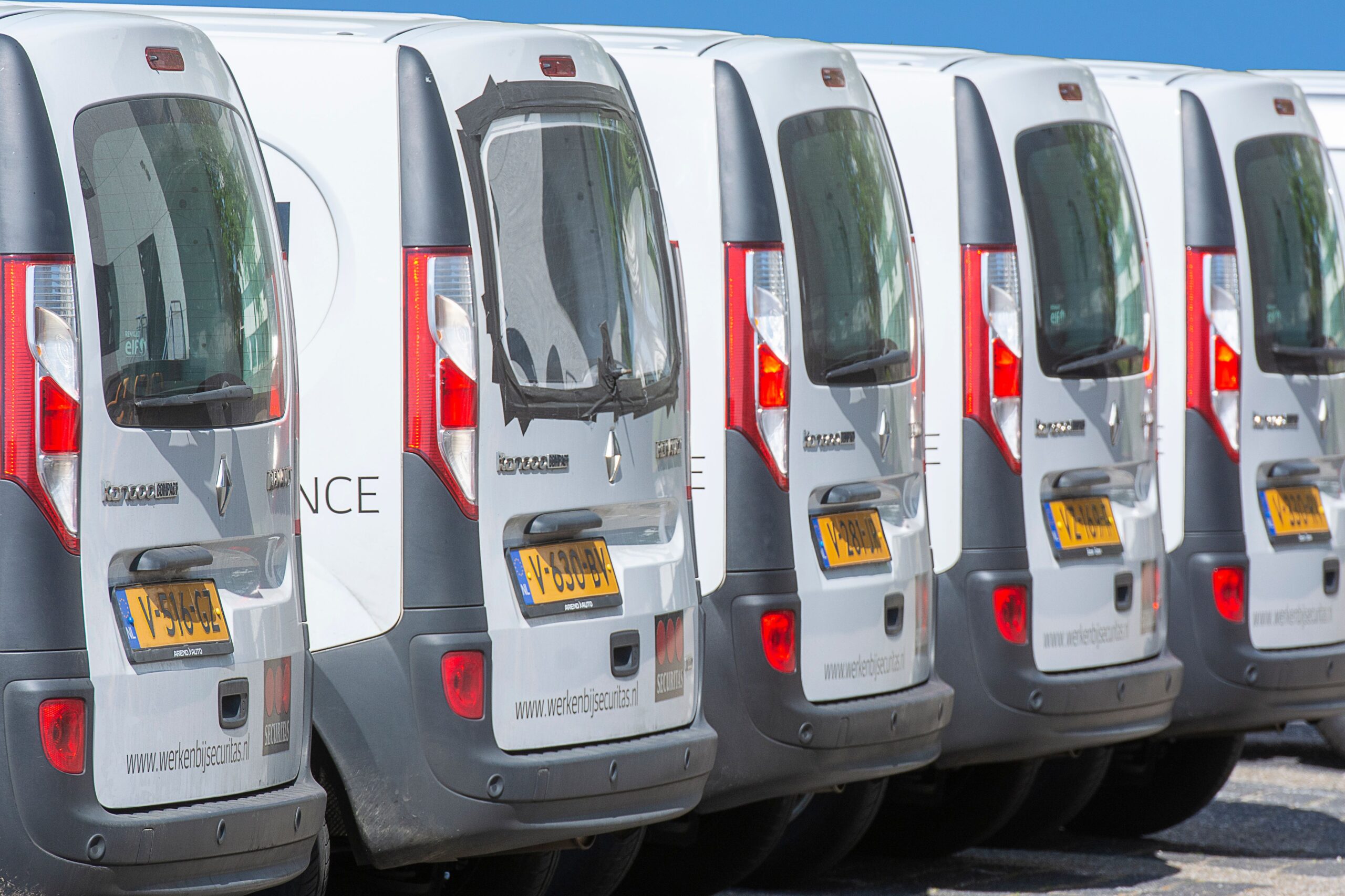
    Finding the Best Commercial Auto Insurance for Small Businesses starts with understanding how your vehicles are used and what risks your company faces. A business vehicle can be essential to daily operations, but an accident can create significant repair, liability, and legal costs.

    Commercial auto insurance can help protect businesses that use cars, vans, pickups, trucks, or other vehicles for work. The right policy can cover several types of risks, depending on the policy, limits, deductibles, and endorsements you choose.

    There is no single insurer that is best for every company. Progressive Commercial, GEICO, The Hartford, Nationwide, and biBerk are among the providers worth comparing for small-business commercial auto coverage. Current 2026 industry comparisons place these insurers among notable options, although availability, pricing, and coverage vary by state and business type.

    This guide explains the main coverage options, estimated costs, factors that affect premiums, and ways to compare commercial auto insurance quotes.

    What Is Commercial Auto Insurance?

    Commercial auto insurance is designed for vehicles used in connection with a business. It can provide liability protection and coverage for physical damage to eligible vehicles, depending on the policy.

    Businesses may need commercial coverage when vehicles are owned, leased, or regularly used for business purposes. The exact requirements depend on the vehicle, business activity, state, and how the vehicle is operated.

    The U.S. Small Business Administration business insurance resources recommend evaluating business risks and understanding applicable insurance requirements before choosing coverage.

    If you use a personal vehicle for occasional business activities, do not automatically assume your personal auto policy provides sufficient protection. Discuss the business use with your insurer before relying on personal coverage.

    Why Small Businesses Need Commercial Auto Insurance

    Vehicles create risks that are different from many other business assets. An employee could cause an accident while making a delivery. A company van could be damaged in a collision. A work truck could be stolen or damaged by another covered event.

    Commercial auto insurance can help transfer some of these risks to an insurance company. It can also satisfy insurance requirements in certain contracts or commercial arrangements.

    The policy should match how your business actually uses its vehicles. A contractor transporting tools has different risks from a courier transporting packages. A real estate company with employees visiting properties may have different needs again.

    Best Commercial Auto Insurance Companies for Small Businesses

    Progressive Commercial

    Progressive Commercial is a strong starting point for many small businesses. MoneyGeek ranked Progressive Commercial first overall in its 2026 commercial auto comparison, based on affordability, customer experience, and coverage options. It also identified Progressive as particularly strong for transportation and more complex logistics operations.

    Progressive offers commercial auto coverage for different types of business vehicles. It can be worth comparing if you want a major insurer with online quote options and a broad commercial auto presence.

    Explore Progressive Commercial Auto Insurance

    GEICO

    GEICO is another major provider to include when comparing commercial auto insurance. MoneyGeek ranked it second overall in its 2026 analysis and found it particularly competitive for certain lower-risk business categories.

    GEICO may be worth considering for businesses that primarily use cars, SUVs, or light commercial vehicles. However, coverage suitability depends on the vehicle, industry, drivers, and business activities.

    Learn about GEICO commercial auto insurance

    The Hartford

    The Hartford is a strong option for businesses that place a high value on coverage depth. MoneyGeek ranked it third overall and first for coverage depth in its 2026 study.

    The Hartford offers commercial coverage for vehicles such as cars, cargo vans, pickup trucks, box trucks, and service utility trucks. It can also provide hired and non-owned auto liability coverage for certain situations involving vehicles that a business does not own.

    Explore The Hartford commercial auto coverage

    Nationwide

    Nationwide is another insurer worth comparing, especially for businesses that want a range of commercial coverage options. MoneyGeek ranked Nationwide among its top commercial auto providers for 2026 and highlighted its coverage value and policy flexibility.

    Nationwide can be particularly relevant for businesses with specialized vehicle or operational needs. Requesting a personalized quote is the best way to determine whether its pricing works for your company.

    Learn about Nationwide commercial auto insurance

    biBerk

    biBerk focuses on small-business insurance and offers a digital-first experience. MoneyGeek included biBerk among its leading commercial auto providers in 2026 and highlighted its online approach for smaller businesses.

    It may appeal to business owners who prefer managing insurance online. As with any provider, compare the actual policy terms rather than relying only on the advertised price.

    Commercial Auto Insurance Coverage Options

    Commercial Auto Liability

    Commercial auto liability insurance is a core component of most commercial auto policies. It can help cover certain claims when an insured business or driver is legally responsible for injuries or property damage caused by an accident.

    State laws establish minimum auto insurance requirements, but a business may need higher limits because of its contracts, assets, industry, or risk exposure.

    Collision Coverage

    Collision coverage can help pay for covered damage to an insured vehicle after a collision, subject to the deductible and policy terms.

    This coverage can be important when the business depends on a vehicle for daily operations. A damaged vehicle can interrupt deliveries, appointments, construction work, or other services.

    Comprehensive Coverage

    Comprehensive coverage generally addresses certain non-collision losses. Depending on the policy, covered events can include theft, vandalism, fire, falling objects, or certain weather-related damage.

    Uninsured and Underinsured Motorist Coverage

    Uninsured and underinsured motorist coverage can help protect against certain losses caused by drivers who have no insurance or insufficient insurance. Availability and requirements vary by state.

    Hired and Non-Owned Auto Coverage

    Hired and non-owned auto coverage can be useful when employees use rented or personally owned vehicles for business activities. It is particularly relevant for businesses that do not own every vehicle used for work.

    Medical Payments or Personal Injury Protection

    Depending on your state and policy, medical payments or personal injury protection may provide coverage for certain medical expenses after an accident. State rules differ, so review the specific coverage available in your location.

    How Much Does Commercial Auto Insurance Cost?

    There is no standard commercial auto insurance rate for every small business. Premiums can vary significantly based on the company and its vehicles.

    Factors include the type and number of vehicles, business location, vehicle use, driving records, coverage limits, deductibles, claims history, mileage, industry, and the types of goods or passengers transported.

    For example, a small consulting company using one sedan for occasional client visits may have very different insurance costs from a contractor operating several pickup trucks every day.

    Commercial truck coverage can also cost substantially more than insurance for a standard business vehicle. MoneyGeek’s 2026 analysis of commercial truck insurance found average monthly rates for specific truck profiles can be hundreds of dollars, demonstrating why vehicle type and coverage requirements matter.

    Use online estimates only as benchmarks. Your actual quote is the more useful number for budgeting.

    Factors That Affect Commercial Auto Insurance Rates

    Vehicle Type

    A sedan, cargo van, pickup, box truck, and heavy truck can carry different levels of risk. Larger or specialized vehicles may require more expensive coverage.

    Business Use

    How you use the vehicle matters. Frequent deliveries, long-distance driving, passenger transportation, and hauling certain materials can affect underwriting.

    Driver History

    Insurers may review driving records when calculating commercial auto premiums. A history of accidents or violations can increase risk.

    Number of Vehicles

    Adding vehicles can increase your total premium. Businesses with multiple vehicles should ask insurers about fleet policies and available discounts.

    Coverage Limits

    Higher liability limits generally provide more protection but can increase premiums. Choose limits based on your actual exposure and contractual requirements.

    Deductible

    A higher deductible can reduce premium costs in some situations. However, your business must be prepared to pay that amount after a covered loss.

    How to Compare Commercial Auto Insurance Quotes

    Comparing commercial auto insurance quotes is easier when you use the same information for every insurer.

    Start by listing every vehicle used for business. Include the make, model, year, estimated mileage, ownership status, and primary use.

    Next, list every employee who may drive the vehicles. Provide accurate information about driver history and business use.

    Then compare the same liability limits, deductibles, collision coverage, comprehensive coverage, and optional endorsements across insurers.

    Do not choose a policy simply because it has the lowest monthly premium. Check exclusions, coverage limits, claims support, payment terms, and the insurer’s financial strength.

    Industry comparisons can help narrow your choices. For example, NerdWallet’s 2026 research considers factors such as complaints, financial strength, and commercial auto coverage options when evaluating providers.

    How to Save Money on Commercial Auto Insurance

    There are several practical ways to manage commercial auto insurance costs.

    First, compare multiple insurers. Different companies may price the same business differently.

    Second, maintain good driver records. Safe driving can reduce the likelihood of accidents and may improve your insurance profile over time.

    Third, ask about available discounts. Depending on the insurer, savings may be available for multiple vehicles, safety features, bundled policies, or other qualifying factors.

    Fourth, review your deductible. A higher deductible may lower your premium, but only choose one your business can afford.

    Finally, review your policy every year. Adding vehicles, changing drivers, increasing mileage, expanding delivery operations, or changing business locations can alter your coverage needs.

    When Should You Consider Commercial Auto Insurance?

    You should review commercial auto insurance if your company owns a vehicle or regularly uses vehicles for business activities.

    Common examples include contractors, landscapers, electricians, plumbers, delivery companies, caterers, mobile service businesses, real estate companies, retailers, and professional service companies.

    The SBA business insurance guidance is a useful starting point for identifying insurance requirements and evaluating business risks.

    Commercial Auto Insurance vs. Personal Auto Insurance

    Personal auto insurance is designed primarily for personal vehicle use. Commercial auto insurance is designed around business-related vehicle risks.

    If a vehicle is owned by a business or used extensively for business, commercial coverage may be appropriate or required. The distinction matters because a personal policy may contain restrictions related to business use.

    Never assume that a personal policy will cover every business activity. Tell your insurer how the vehicle is actually used and ask what coverage applies.

    Final Thoughts

    Choosing the Best Commercial Auto Insurance for Small Businesses requires more than finding the lowest price. The best policy is one that matches your vehicles, drivers, business activities, coverage requirements, and budget.

    Progressive Commercial is a strong option to compare for many businesses. GEICO, The Hartford, Nationwide, and biBerk are also worth researching based on your industry and coverage needs. Current 2026 comparisons show meaningful differences between insurers in pricing, coverage, and customer experience.

    Get several quotes using identical coverage information. Then compare liability limits, physical damage protection, deductibles, exclusions, endorsements, and claims support.

    For related information, visit our small business insurance guide and business insurance costs guide. Reviewing your coverage regularly can help your insurance keep pace as your company grows.

  • Renters Insurance Quotes: Compare Coverage and Monthly Rates

    Renters Insurance Quotes: Compare Coverage and Monthly Rates

    Shopping for Renters Insurance Quotes: Compare Coverage and Monthly Rates can help you find affordable protection without sacrificing important coverage. Renters insurance is designed to protect your personal belongings and provide liability protection while you rent a home or apartment.

    However, the cheapest quote is not always the best option. Two insurers can offer very different prices for similar coverage. Your location, deductible, coverage limits, claims history, and available discounts can all affect your monthly premium.

    That is why comparing several renters insurance quotes is a smart step before choosing a policy. This guide explains what affects your rate, what renters insurance covers, how to compare policies, and how to potentially lower your monthly cost.

    What Are Renters Insurance Quotes?

    A renters insurance quote is an estimated price for a specific insurance policy based on information about you and your rental property. The final premium depends on the insurer’s underwriting rules and the coverage you select.

    When requesting a quote, an insurance company may ask for your address, the type of rental property, desired coverage limits, deductible, and information about your insurance history. Some insurers may also consider factors such as claims history and credit-based insurance information where permitted by state law.

    Because insurers use different pricing models, it is useful to request quotes from multiple companies. Comparing several offers can show you whether a low monthly rate comes with lower coverage limits or higher out-of-pocket costs.

    How Much Does Renters Insurance Cost Per Month?

    Renters insurance is often relatively inexpensive compared with many other forms of insurance. Still, there is no universal monthly rate.

    NerdWallet’s 2026 renters insurance analysis reported an average sample cost of about $151 per year. That works out to roughly $13 per month. Your actual rate can be higher or lower because insurers consider many personal and location-specific factors.

    For example, renters in areas with higher property crime or severe weather risks may receive different quotes from renters in lower-risk areas. Higher personal property limits can also increase the premium.

    Instead of searching only for the cheapest renters insurance, compare the price against the protection you receive.

    What Factors Affect Renters Insurance Rates?

    Several factors can influence your monthly renters insurance premium. Understanding them can make it easier to compare quotes.

    Location

    Your ZIP code can have a significant effect on pricing. Insurers consider local risks such as theft, severe weather, fire exposure, and claims frequency.

    Coverage Limits

    The more personal property coverage you select, the more you may pay. However, choosing a limit that is too low could leave you underinsured after a major covered loss.

    Deductible

    Your deductible is the amount you generally pay before your insurance coverage contributes toward a covered claim. A higher deductible may reduce your monthly premium, while a lower deductible can increase the premium.

    Claims History

    Previous insurance claims may affect your quote. Insurers use claims information as part of their risk assessment.

    Safety Features

    Security systems, smoke alarms, sprinkler systems, and other protective features may qualify for discounts with some insurers. Ask about available savings when you request a quote.

    Bundling

    If you already have auto insurance, ask whether combining your policies with the same company could reduce your overall insurance cost. Bundling discounts vary by insurer and state.

    What Does Renters Insurance Cover?

    Understanding coverage is essential when comparing renters insurance quotes. A policy can contain several important types of protection.

    Personal Property Coverage

    Personal property coverage can protect covered belongings against specific losses listed in your policy. Depending on the policy, covered property may include furniture, clothing, electronics, appliances, and other personal items.

    Before choosing your coverage limit, make a basic inventory of your possessions. Estimate what it would cost to replace your belongings. Remember that the total value can be higher than expected when you add furniture, clothing, electronics, kitchen equipment, and other items.

    For additional guidance, the National Association of Insurance Commissioners renters insurance resources can help you understand common policy features and insurance terminology.

    Personal Liability Coverage

    Liability coverage can help protect you if you are legally responsible for certain injuries to another person or damage to someone else’s property.

    For example, an accidental incident in your rental could potentially result in a liability claim. Your policy’s terms, exclusions, and coverage limits determine whether and how the claim is covered.

    Additional Living Expenses

    Additional living expense coverage can help with certain extra costs if a covered loss makes your rental temporarily unlivable.

    Depending on your policy, covered expenses may include temporary accommodation and other necessary costs above your normal living expenses. Coverage limits and eligibility requirements apply.

    Actual Cash Value vs. Replacement Cost Coverage

    One important question to ask when comparing renters insurance is how the insurer values your belongings after a covered loss.

    Actual cash value generally considers depreciation when determining the value of covered property. As a result, an older item may be valued at less than what it costs to purchase a comparable new item.

    Replacement cost coverage is designed to help pay the cost of replacing covered property with comparable new property, subject to the policy’s terms and limits.

    Replacement cost coverage can increase your premium. However, it may provide more useful protection for renters who own a large amount of furniture, electronics, clothing, or other replaceable property.

    How to Compare Renters Insurance Quotes

    Getting multiple quotes is only useful if you compare similar policies. Follow these steps to make your comparison more accurate.

    1. Use the Same Coverage Limits

    Start by selecting similar personal property and liability limits with each insurer. Otherwise, one quote may appear cheaper simply because it provides less protection.

    2. Compare Deductibles

    Check the deductible attached to every quote. A policy with a lower monthly premium may have a higher deductible.

    3. Review Replacement Cost Options

    Ask whether the quote uses actual cash value or replacement cost for personal property. This difference can affect the amount you receive after a covered claim.

    4. Check Policy Exclusions

    Read the exclusions carefully. Standard renters insurance does not cover every type of loss. Flood damage, for example, is generally excluded from standard renters policies.

    The Consumer Financial Protection Bureau’s insurance guidance is another useful resource for understanding how insurance can fit into your financial planning.

    5. Ask About Discounts

    Before accepting a quote, ask the insurer to check every discount for which you may qualify. Potential savings can include bundling, protective devices, claims-free status, and payment-related discounts.

    What Is Not Covered by Standard Renters Insurance?

    Renters sometimes assume their policy covers every possible problem. That is not the case.

    Flood damage is generally not included in a standard renters policy. Earthquake coverage may also require separate protection or an endorsement, depending on the insurer and your location.

    High-value belongings can have special limits as well. Jewelry, collectibles, expensive electronics, musical instruments, and other valuables may require additional coverage.

    Your roommate’s belongings may not automatically be covered under your policy either. If you share a rental, ask the insurer how coverage works before assuming everyone in the household is protected.

    How to Lower Your Monthly Renters Insurance Rate

    You do not always have to reduce coverage to lower your premium. Instead, look for legitimate ways to improve the value of your policy.

    Compare Several Companies

    Rates can vary substantially between insurers. Request quotes from several providers using the same coverage information.

    Consider a Higher Deductible

    A higher deductible may reduce your monthly premium. However, only choose a deductible that you could comfortably afford if you needed to file a covered claim.

    Bundle Policies

    If you need both auto and renters insurance, compare the total cost of bundling them with one insurer. The discount can sometimes make a meaningful difference.

    Improve Rental Security

    Ask whether security equipment or safety devices qualify for discounts. The available savings depend on the insurer and your location.

    Review Your Policy Annually

    Your insurance needs can change. You may buy new electronics, move to a different apartment, or acquire valuable belongings.

    Review your coverage each year. This helps ensure your policy still matches your needs.

    Best Way to Shop for Renters Insurance Quotes

    The best approach is to compare both price and protection. Start by estimating the value of your belongings. Then choose reasonable liability and personal property limits.

    Next, obtain quotes from several insurers. Compare the monthly premium, deductible, exclusions, coverage limits, replacement cost options, and available discounts.

    You can also research the insurer’s reputation before buying. Look at complaint information, financial strength, claims experience, and customer service reviews. A slightly higher premium may be worthwhile if the policy provides better protection and service.

    Common Mistakes When Comparing Renters Insurance

    Choosing the Cheapest Quote

    Price matters, but it should not be the only factor. A very cheap policy may have lower limits or a higher deductible.

    Underestimating Personal Property

    Many renters underestimate the value of everything they own. Create a simple inventory before selecting your coverage limit.

    Ignoring Exclusions

    Always review what the policy does not cover. Knowing exclusions before purchasing can prevent unexpected surprises later.

    Skipping Discounts

    Ask about every available discount. You may qualify for savings that are not automatically included in your initial quote.

    Frequently Asked Questions About Renters Insurance Quotes

    How many renters insurance quotes should I get?

    There is no required number, but comparing several insurers can give you a better idea of the available pricing and coverage. Use the same coverage limits when comparing quotes.

    Is renters insurance worth the monthly cost?

    For many renters, renters insurance can provide valuable protection at a relatively low monthly cost. It can protect covered belongings and provide liability coverage, subject to policy terms and exclusions.

    Can I get renters insurance without owning a car?

    Yes. Renters insurance is separate from auto insurance. You can generally purchase a renters policy even if you do not own a vehicle.

    Does renters insurance cover theft?

    Many renters policies cover certain theft losses, subject to the policy’s covered causes of loss, limits, exclusions, and deductible.

    Can my landlord require renters insurance?

    Many landlords require tenants to carry renters insurance as part of a lease agreement. Check your rental agreement for the specific requirements.

    Final Thoughts on Renters Insurance Quotes

    Comparing Renters Insurance Quotes: Compare Coverage and Monthly Rates is about more than finding the lowest monthly price. The goal is to find a policy that offers suitable protection at a price that fits your budget.

    Compare personal property coverage, liability limits, deductibles, replacement cost options, exclusions, and discounts. Then look at the insurer’s reputation and policy service.

    Remember that renters insurance rates are personalized. A quote that is inexpensive for one renter may be more expensive for another. Request several quotes and compare equivalent coverage before making your decision.

    For more information, visit our complete renters insurance guide or learn more about ways to save on insurance costs. Reviewing your options carefully can help you choose affordable coverage without overlooking important protection.

  • Best Renters Insurance Companies: Compare Quotes

    Best Renters Insurance Companies: Compare Quotes

    Finding the Best Renters Insurance Companies: Compare Quotes and Coverage options can help you protect your belongings without paying for coverage you do not need. Renters insurance can cover personal property, personal liability, and certain additional living expenses after a covered loss.

    The right policy is not always the cheapest policy. Your location, deductible, coverage limits, claims history, and selected options can all affect the price. That is why it is smart to compare several renters insurance quotes before choosing a provider.

    In this guide, we compare several well-known insurers and explain what to look for in a policy. We also cover renters insurance costs, coverage types, discounts, deductibles, and practical ways to choose the right policy.

    What Is Renters Insurance?

    Renters insurance is designed for people who rent an apartment, house, condo, or other residential property. Unlike homeowners insurance, it generally does not insure the building itself. The landlord typically carries insurance for the structure.

    Your policy can instead help protect your personal belongings and provide liability coverage. According to the National Association of Insurance Commissioners renters insurance guide, common renters policies include personal property, liability, and additional living expense coverage.

    This protection can be valuable after events such as theft, fire, or certain types of accidental damage. However, coverage depends on the policy. Always check exclusions, limits, and deductibles before purchasing.

    Best Renters Insurance Companies to Consider

    There is no single insurer that is best for every renter. A company that offers an excellent price in one state may cost more in another. Coverage availability also varies by location.

    1. State Farm

    State Farm is one of the major insurers worth including when you compare renters insurance quotes. Its renters policies can be attractive to customers who want a large insurer, multiple coverage options, and access to local agents.

    Price is another reason to request a quote. NerdWallet’s 2026 analysis found State Farm had the lowest average rate among the major insurers it studied, although individual premiums can be very different from sample rates.

    State Farm can also be worth considering if you already have auto insurance. Bundling multiple policies may provide a discount, depending on your eligibility and location.

    Get more information about State Farm insurance

    2. Amica

    Amica is another strong option for renters who place a high value on customer service. NerdWallet rated Amica among its top renters insurance companies for 2026 and highlighted its low rate of consumer complaints.

    Amica also offers options that can increase protection for valuable belongings. Depending on the policy, renters may be able to select replacement cost coverage and additional protection for certain valuables.

    Replacement cost coverage can be important because actual cash value coverage may account for depreciation. That difference can affect how much you receive after a covered loss.

    Explore Amica renters insurance coverage

    3. Erie Insurance

    Erie Insurance is a regional insurer that may be a strong choice for renters who live within its service area. NerdWallet included Erie among its highly rated renters insurance companies for 2026.

    One notable feature is that Erie includes replacement cost coverage for personal belongings in its standard renters policy, according to NerdWallet. Availability and policy details still depend on the state and individual policy.

    Erie primarily works through agents. This may appeal to renters who prefer discussing coverage with a real person rather than completing the entire process online.

    Learn about Erie renters insurance

    4. Travelers

    Travelers is another established insurer to include in a quote comparison. It offers renters insurance with personal property and liability protection, along with additional options that can be useful for different household needs.

    Travelers may also offer discounts based on factors such as having multiple policies or using certain protective devices. Ask for a complete discount review when requesting your quote.

    5. USAA

    USAA can be a particularly attractive option for eligible military members, veterans, and qualifying family members. Its renters insurance is not generally available to everyone.

    NerdWallet’s 2026 review gave USAA a top rating and noted that its renters policies include flood and earthquake protection, which is unusual among renters policies. Eligibility restrictions apply, and policy terms vary by location.

    Renters Insurance Coverage: What Does a Policy Include?

    Understanding coverage is more important than simply comparing monthly premiums. A cheap policy may not provide enough protection for your belongings or liability needs.

    Personal Property Coverage

    Personal property coverage helps protect belongings such as clothing, furniture, electronics, appliances, and other covered items. The coverage limit should be high enough to replace the property you could realistically lose in a major incident.

    Before choosing a limit, make a basic home inventory. Walk through each room and estimate the replacement cost of your belongings. Keep receipts, photos, or other records for expensive items when possible.

    Personal Liability Coverage

    Liability coverage can help if you are legally responsible for accidentally injuring another person or damaging someone else’s property. Policies have limits, so choosing the lowest available amount is not always the best decision.

    Additional Living Expenses

    Additional living expense coverage may help with certain extra costs if a covered event makes your rental temporarily unlivable. Depending on the policy, this can include expenses related to temporary housing.

    The NAIC guide to additional living expenses explains that coverage generally applies to expenses above your normal living costs and is subject to policy limits and conditions.

    Actual Cash Value vs. Replacement Cost

    This is one of the most important differences to understand when comparing renters insurance.

    Actual cash value generally considers depreciation when determining the value of covered property. Older electronics, furniture, and other belongings may therefore receive a lower settlement than their original purchase price.

    Replacement cost coverage is designed to provide enough money to replace covered property with a comparable new item, subject to the policy terms and limits.

    If the price difference is reasonable, replacement cost coverage may be worth considering. Ask each insurer how the option changes your premium.

    How Much Does Renters Insurance Cost?

    Renters insurance is generally one of the more affordable types of personal insurance. However, there is no universal price.

    NerdWallet reported an average cost of about $151 per year in its 2026 analysis. Its sample rates were based on specific coverage limits and renter profiles, so your quote may be higher or lower.

    Your premium can depend on:

    • Your state and ZIP code
    • The amount of personal property coverage you select
    • Your liability coverage limit
    • Your deductible
    • Your claims history
    • Your credit-based insurance score where permitted
    • Security and safety features at the rental
    • Available discounts
    • Optional endorsements and additional coverage

    How to Compare Renters Insurance Quotes

    Getting several quotes is one of the simplest ways to find competitive pricing. However, do not compare prices alone. Try to request quotes using the same coverage limits and deductible.

    Step 1: Estimate Your Belongings

    Create a list of your major possessions. Include electronics, furniture, clothing, bicycles, appliances, and other valuable items.

    Step 2: Choose Your Coverage Limits

    Set a personal property limit that reasonably reflects your belongings. Also review liability and additional living expense limits.

    Step 3: Compare Deductibles

    A higher deductible can reduce your premium, but you will pay more out of pocket after a covered claim. Choose a deductible you could realistically afford.

    Step 4: Check Exclusions

    Do not assume every type of damage is covered. Standard renters insurance may exclude certain risks, including flood damage. Special limits may also apply to jewelry, collectibles, expensive electronics, and other high-value property.

    The Consumer Financial Protection Bureau’s renter insurance guidance notes that typical renters insurance does not cover flood damage and encourages renters to understand their specific coverage.

    Step 5: Look for Discounts

    Ask about bundling, protective devices, claims-free discounts, automatic payments, and other savings opportunities. Available discounts differ between companies and states.

    What Renters Insurance Does Not Usually Cover

    Understanding exclusions can prevent unpleasant surprises. Standard policies do not automatically cover every possible loss.

    Flood damage is a common example. Earthquake damage may also require separate coverage or an endorsement, depending on the insurer and location. Business property, expensive jewelry, collectibles, and other specialized belongings may have separate limits.

    Roommates also require special attention. Do not assume your policy automatically covers another person’s belongings. Check with the insurer before sharing coverage with a roommate.

    Ways to Save Money on Renters Insurance

    You do not necessarily need to reduce coverage to lower your premium. Start by comparing multiple insurers.

    Next, ask about discounts. Bundling renters and auto insurance can sometimes reduce the combined cost. Security systems, smoke alarms, sprinkler systems, and other protective features may also qualify for discounts with some insurers.

    Review your deductible as well. A higher deductible can lower your premium, but only choose one that fits your budget.

    Finally, review your policy every year. Your belongings and coverage needs can change after moving, buying new electronics, or acquiring valuable items.

    How to Choose the Best Renters Insurance Company

    The best renters insurance company should offer a balance of price, coverage, service, and financial strength.

    For budget-focused renters, comparing State Farm and other low-cost options may be a useful starting point. For customers who prioritize service, Amica may deserve a quote. Renters who prefer an agent-based experience can consider regional providers such as Erie where available.

    Most importantly, compare equivalent policies. A $10 monthly quote is not necessarily better than a $15 quote if the cheaper policy provides substantially less protection.

    Frequently Asked Questions

    Is renters insurance worth it?

    For many renters, it can be a relatively inexpensive way to protect personal belongings and obtain liability coverage. The value depends on your belongings, risks, financial situation, and policy terms.

    How much renters insurance do I need?

    Choose enough personal property coverage to reasonably replace your belongings after a covered loss. Review liability and additional living expense limits as well.

    Can renters insurance cover theft?

    Many renters policies cover theft of personal property when the loss meets the policy requirements. Coverage limits, deductibles, and exclusions apply.

    Does renters insurance cover flood damage?

    Standard renters insurance typically does not cover flood damage. If flooding is a concern where you live, ask an insurer about separate flood coverage or other available options.

    Can I change renters insurance companies?

    In many cases, you can switch insurers. Before canceling an existing policy, make sure the new policy is active so you do not create an unintended coverage gap.

    Final Thoughts

    Choosing among the Best Renters Insurance Companies: Compare Quotes and Coverage options is easier when you focus on both price and protection. State Farm, Amica, Erie, Travelers, and USAA can all be worth researching, depending on where you live and whether you qualify.

    Start by estimating your belongings. Then compare identical coverage limits, deductibles, exclusions, discounts, and optional endorsements. A few minutes of comparison can help you find a policy that fits your budget without sacrificing important protection.

    For additional information, consider reading our complete renters insurance guide and ways to save on insurance costs. These resources can help you make a more informed insurance decision.