Tag: MFA

  • Top Cyber Security Solutions for Businesses: Protect Against

    Top Cyber Security Solutions for Businesses: Protect Against

    Cyber threats are becoming more complex every year. Businesses of every size now depend on cloud platforms, remote workers, mobile devices, and online applications. This creates more opportunities for attackers.

    Choosing the Top Cyber Security Solutions for Businesses: Protect Against Online Threats is therefore more than an IT decision. It is a business decision that can protect customer information, financial records, employee accounts, and business operations.

    A strong cybersecurity strategy does not rely on one product. It combines several layers of protection. These may include endpoint security, network protection, identity management, cloud security, email protection, backup systems, and employee training.

    Why Businesses Need Strong Cyber Security Solutions

    Cyberattacks can affect businesses in many ways. An attacker may steal sensitive information, lock important files, compromise an employee account, or disrupt business operations.

    Small businesses are not immune. In fact, limited IT resources can make smaller organizations attractive targets. A single compromised password can sometimes provide access to email, cloud storage, customer data, or financial systems.

    The right cybersecurity tools can reduce these risks. They can also help businesses detect suspicious activity before it becomes a serious incident.

    Businesses should also follow recognized security frameworks. The NIST Cybersecurity Framework provides a useful structure for identifying, protecting, detecting, responding to, and recovering from cybersecurity risks.

    What Are the Top Cyber Security Solutions for Businesses?

    The best approach is usually a layered security strategy. Different technologies protect different parts of a business environment.

    1. Endpoint Security and Antivirus Protection

    Computers, laptops, and mobile devices are common entry points for cyberattacks. Endpoint security software helps protect these devices from malware, ransomware, malicious applications, and suspicious activity.

    Modern endpoint protection can do more than traditional antivirus software. Many solutions use behavioral analysis and threat detection to identify unusual activity.

    Businesses should consider endpoint security for company-owned devices as well as approved remote-work devices. Centralized management is also valuable because administrators can monitor security status from one dashboard.

    2. Firewall and Network Security

    A firewall helps control network traffic. It can block unauthorized connections while allowing legitimate business communication.

    For organizations with multiple offices or remote employees, network security may also include secure gateways, intrusion prevention, and virtual private network technology.

    Businesses should review firewall rules regularly. Outdated configurations can create unnecessary security gaps.

    3. Identity and Access Management

    Passwords alone are no longer enough for many business systems. Identity and access management helps organizations control who can access specific applications and data.

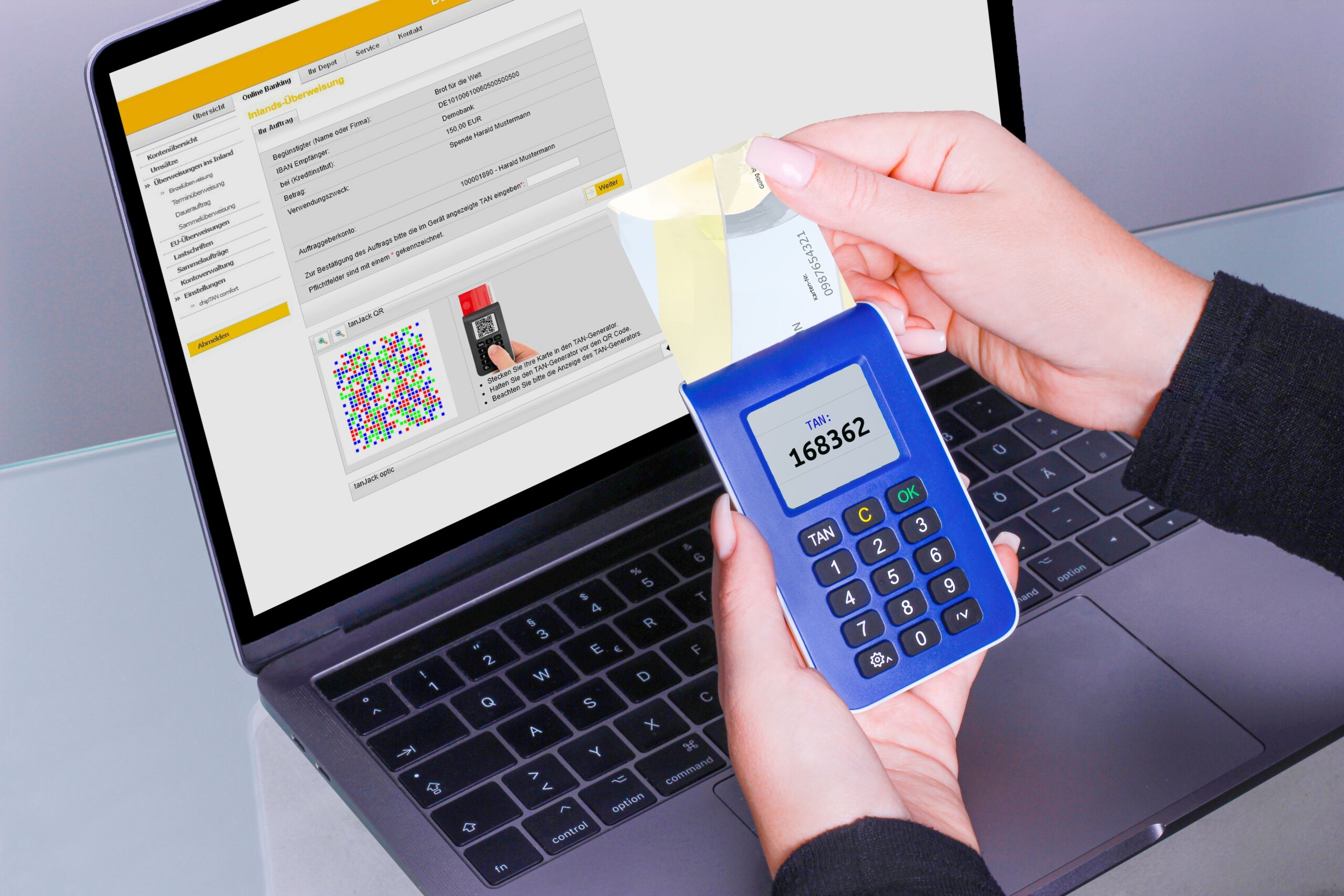
    Multi-factor authentication is one of the most important security controls businesses can adopt. It adds another verification step after the password.

    Businesses should also use the principle of least privilege. Employees should receive only the access they need to perform their jobs. This can limit the damage caused by a compromised account.

    4. Cloud Security

    Cloud services are now central to many modern businesses. Companies use cloud platforms for email, file storage, customer management, accounting, communication, and software development.

    Cloud security helps protect these services from unauthorized access and configuration errors. Businesses should review user permissions, authentication settings, data access policies, and security logs.

    For organizations using Microsoft cloud services, Microsoft Security solutions provide tools for identity, endpoint, cloud, and threat protection.

    5. Email Security

    Email remains a major target for cybercriminals. Phishing messages can trick employees into revealing passwords, opening harmful attachments, or sending confidential information.

    Strong email security can filter suspicious messages before they reach employees. However, technology should be combined with employee awareness training.

    Employees should learn how to identify suspicious links, unexpected attachments, urgent payment requests, and unusual login notifications.

    6. Data Backup and Recovery

    Cybersecurity is not only about preventing attacks. Businesses also need a recovery plan.

    Regular backups can help organizations restore important information after accidental deletion, hardware failure, or a security incident. Backups should be protected from unauthorized access and tested regularly.

    A backup that has never been tested may not work when it is needed. Businesses should therefore verify that important files and systems can be restored.

    How to Choose the Right Cyber Security Solution

    There is no single cybersecurity product that is perfect for every organization. The right solution depends on business size, industry, technology, budget, and risk level.

    Start by identifying the most valuable business assets. These may include customer information, payment data, intellectual property, employee records, and business applications.

    Next, identify how employees access those assets. Consider office computers, personal devices, cloud applications, remote connections, and third-party services.

    Then evaluate the security controls already in place. This makes it easier to identify gaps instead of paying for unnecessary tools.

    Businesses should also compare pricing carefully. Some cybersecurity providers charge per user, while others charge per device, workload, or service level.

    Look for Centralized Security Management

    Managing several disconnected security products can become difficult. A centralized security platform can make monitoring and reporting easier.

    Look for solutions that provide clear alerts, automated updates, reporting tools, access controls, and integration with existing business systems.

    Consider Managed Cyber Security Services

    Not every company has a dedicated security team. A managed security service provider can help businesses monitor threats, manage security tools, and respond to suspicious activity.

    This can be especially useful for small and medium-sized businesses with limited internal IT resources.

    Before selecting a provider, review its service scope, response process, support availability, security certifications, contract terms, and pricing structure.

    Cyber Security Best Practices for Businesses

    Technology works best when it is supported by good security practices. Businesses should create clear policies for passwords, access control, software updates, data handling, and remote work.

    Regular software updates are important because security patches can fix known vulnerabilities. Businesses should also remove unused accounts and applications.

    Employee training is another essential layer. A well-trained employee is more likely to recognize a suspicious request before clicking a dangerous link.

    Organizations can use the CISA cybersecurity resources to learn more about security awareness, risk management, and protection strategies.

    Common Cybersecurity Mistakes to Avoid

    One common mistake is relying only on antivirus software. Antivirus protection is valuable, but modern business security requires multiple layers.

    Another mistake is using weak or reused passwords. Employees should use strong, unique credentials and multi-factor authentication wherever possible.

    Ignoring software updates is another risk. Attackers can target known vulnerabilities in outdated applications and operating systems.

    Businesses should also avoid giving every employee administrator-level access. Excessive permissions can increase the potential impact of a compromised account.

    Building a Practical Cyber Security Strategy

    A practical strategy can begin with a simple security assessment. List the company’s devices, applications, users, cloud services, and important data.

    Next, prioritize the most important risks. A business does not need to solve every cybersecurity problem at the same time. Focus first on controls that can significantly reduce common threats.

    A basic security strategy may include:

    • Multi-factor authentication for important accounts.
    • Endpoint protection for company devices.
    • Firewall and network security controls.
    • Regular data backups and recovery testing.
    • Email and phishing protection.
    • Employee cybersecurity training.
    • Regular software and security updates.
    • Incident response planning.

    Businesses can also review their cybersecurity maturity regularly. As the organization grows, its security requirements will change.

    Cyber Security Solutions and Business Growth

    Security should support growth rather than slow it down. A secure business can build greater confidence with customers, employees, and business partners.

    Strong cybersecurity can also support compliance requirements in industries that handle sensitive information. Depending on the organization, these requirements may involve privacy, financial data, healthcare information, or payment systems.

    For businesses that operate online, cybersecurity is especially important. An online business may depend on websites, payment platforms, cloud applications, advertising accounts, and customer databases. Protecting these systems helps maintain business continuity.

    Whether a company runs an affiliate marketing website, a software company, an online store, or a traditional service business, security should be part of the long-term operating strategy.

    Final Thoughts

    The Top Cyber Security Solutions for Businesses: Protect Against Online Threats are not limited to one software package. Effective protection comes from combining technology, employee awareness, access controls, monitoring, backups, and clear security policies.

    Start with the basics. Protect user accounts with multi-factor authentication. Secure endpoints. Update software. Back up important information. Train employees. Then add advanced security controls as the organization grows.

    Businesses should also review their security strategy regularly. Cyber threats continue to evolve, so security practices must evolve with them.

    If you are building a broader digital business strategy, explore our Cyber Security Guide and Business Technology Resources for related topics.

    Choosing the right cybersecurity approach can reduce risk, protect valuable information, and create a stronger foundation for sustainable business growth.

  • Cyber Security Best Practices: How to Protect Your Data

    Cyber Security Best Practices: How to Protect Your Data

    Cyber threats are no longer limited to large companies or technology experts. Everyday users rely on smartphones, laptops, cloud accounts, online banking, email, and social media. Each connected device can become a target if it is not properly protected.

    Following Cyber Security Best Practices: How to Protect Your Data and Devices can significantly reduce common security risks. The goal is not to create a complicated security system. Instead, it is to build simple habits that protect accounts, devices, networks, and personal information.

    From stronger passwords to software updates and secure backups, small improvements can make a major difference. This guide explains the most important cybersecurity practices and shows how to apply them in everyday life.

    Why Cybersecurity Best Practices Matter

    Your personal data has value. Names, email addresses, account credentials, photos, financial information, and private documents can all become targets for cybercriminals. A compromised account may also provide access to other accounts if passwords have been reused.

    Good cybersecurity is therefore about reducing opportunities for unauthorized access. NIST describes cybersecurity as a continuous process because technology, businesses, and threats keep changing.

    You do not need to be a cybersecurity professional to improve your protection. Start with the basics. Then build stronger habits over time.

    1. Use Strong and Unique Passwords

    Passwords remain one of the most important defenses for online accounts. A weak or reused password can put several accounts at risk at once.

    Create a unique password for every important account. Avoid using obvious information such as your name, birthday, school, favorite team, or other details that someone could easily guess.

    Long passwords or passphrases are generally easier to make strong. A password manager can also help generate and securely store unique passwords. NIST specifically recommends strong passwords and considering a password manager as part of basic cybersecurity hygiene.

    Never share passwords through public posts, messages, or email. If you believe a password has been exposed, change it promptly and check the account for unusual activity.

    2. Turn On Multi-Factor Authentication

    Strong passwords are important, but passwords alone should not be your only layer of protection. Multi-factor authentication (MFA) adds another verification step when you sign in.

    Depending on the service, MFA may use an authentication app, security key, or another verification method. This additional layer can make unauthorized access much harder when a password is compromised. NIST recommends enabling MFA, particularly phishing-resistant MFA where available.

    Start with your most important accounts. These can include your primary email, cloud storage, financial accounts, and other services containing sensitive information.

    3. Keep Your Software Updated

    Software updates are not only about new features. They can also contain security fixes for known vulnerabilities.

    Keep your operating system, web browser, mobile apps, security software, and other regularly used programs updated. Turn on automatic updates when that option is available and appropriate.

    Using outdated software can leave known weaknesses unpatched. The FTC recommends regularly updating software and enabling automatic updates when possible.

    4. Protect Your Smartphone and Computer

    Your devices contain valuable information, so physical and digital protection both matter.

    Use a screen lock with a strong PIN, password, or supported biometric authentication. Configure your device to lock automatically after a period of inactivity. Avoid leaving unlocked devices unattended in public places.

    For laptops and smartphones that store sensitive information, consider using the built-in encryption features offered by your operating system. Encryption can help protect stored data if a device is lost or stolen.

    Only install applications from reputable sources. Before installing an app, review its publisher, requested permissions, and reputation. Remove applications you no longer use.

    5. Learn How to Recognize Phishing

    Phishing is one of the most common ways attackers attempt to steal information. A phishing message may appear to come from a legitimate company, friend, school, service provider, or organization.

    Be cautious when a message creates urgency or asks you to click a link, open an attachment, provide sensitive information, or sign in immediately. Check the sender carefully and look for unusual wording or unexpected requests.

    When you receive an unexpected account alert, avoid using the link in the message. Instead, open the organization’s official website or application yourself and check your account there. CISA’s Secure Our World guidance emphasizes recognizing and reporting phishing rather than clicking suspicious links or attachments.

    CISA cybersecurity and phishing guidance

    6. Secure Your Home Wi-Fi Network

    Your home network connects multiple devices to the internet. A secure router can help create a safer foundation for those devices.

    Change the router’s default administrator credentials. Use a strong Wi-Fi password and choose a modern security standard such as WPA2 or WPA3 when supported by your equipment.

    Keep router firmware updated. You should also review connected devices from time to time and remove devices that you no longer recognize or use.

    If you provide guest Wi-Fi, consider using a separate guest network. The FTC recommends separating guest access from the primary network where appropriate.

    7. Back Up Important Data

    Backups are an essential part of Cyber Security Best Practices: How to Protect Your Data and Devices. Security is not only about preventing attacks. It is also about recovering when something goes wrong.

    Back up important documents, photos, school or work files, and other information that would be difficult to replace. Depending on your needs, you can use a reputable cloud backup service, an external storage device, or both.

    Do not assume that a backup is useful simply because it exists. Periodically check that important files can actually be restored. NIST recommends regularly backing up data and taking steps to protect and test backups.

    8. Protect Your Personal Information

    One of the simplest cybersecurity strategies is to reduce the amount of sensitive information you store or share.

    Think carefully before posting personal information publicly. Details about your location, routines, family, school, workplace, or other private matters can sometimes be combined by attackers to make scams more convincing.

    Review privacy settings on major accounts. Remove old information that you no longer need. For organizations and online business owners, collecting only necessary information can also reduce the impact of a potential data breach.

    The FTC recommends understanding what sensitive information an organization has, where it is stored, and who has access to it.

    9. Be Careful on Public Wi-Fi

    Public networks can be convenient, but you should avoid treating an unfamiliar network as automatically trustworthy.

    When using public Wi-Fi, avoid entering sensitive information on suspicious websites. Make sure websites handling private information use HTTPS. Keep your device’s security features enabled and disable automatic connection to unknown networks when possible.

    For work or other situations requiring remote access to sensitive systems, follow the organization’s security requirements. A properly configured VPN may be appropriate for some environments, but it should not replace strong passwords, MFA, updates, and other basic protections.

    10. Secure Your Email Account

    Your primary email account deserves special attention. If an attacker gains access to your email, they may be able to request password resets for other services.

    Use a unique password and enable MFA. Review recovery email addresses, phone numbers, connected applications, and recent login activity when your provider offers those features.

    Be especially cautious with unexpected messages requesting passwords, verification codes, payments, or confidential information. If a request seems unusual, verify it through a trusted communication channel.

    11. Limit Account Permissions

    Not every application needs access to every part of your account or device. Review permissions regularly and remove access that is no longer necessary.

    This principle is sometimes called least privilege. The idea is simple: give an account, person, or application only the access it needs to perform its job.

    For businesses, this becomes even more important. The FTC recommends controlling access to sensitive information and reviewing whether people still have a legitimate business need for that access.

    12. Create a Simple Cybersecurity Routine

    Cybersecurity works best when it becomes a routine rather than a one-time project.

    Daily Security Habits

    • Think before clicking unexpected links.
    • Lock your devices when you step away.
    • Do not share passwords or verification codes.
    • Be cautious with unexpected attachments and messages.

    Monthly Security Habits

    • Install outstanding software and device updates.
    • Review important account activity.
    • Check account recovery settings.
    • Remove unused applications and unnecessary account access.
    • Confirm that important backups are working.

    For Small Businesses

    Businesses should go beyond individual account protection. Create a simple security policy, train users to recognize phishing, control access to sensitive information, protect remote connections, and maintain tested backups.

    NIST’s Cybersecurity Framework 2.0 Small Business Quick-Start Guide provides a structured starting point for organizations that want to improve cybersecurity risk management.

    NIST Cybersecurity Framework 2.0 Small Business Guide

    Common Cybersecurity Mistakes to Avoid

    Even strong security tools can be undermined by simple mistakes. Avoid using the same password across multiple accounts. Do not ignore software updates for long periods. Avoid clicking unexpected links simply because a message looks professional.

    Another common mistake is assuming that cybersecurity is only a technical problem. Human decisions matter. Regular awareness training can help people recognize suspicious messages and respond appropriately.

    Businesses should also avoid giving every employee or third-party service unrestricted access to sensitive systems. Access should match legitimate business needs.

    What to Do After a Security Incident

    If you believe an account or device has been compromised, act quickly. Change affected passwords from a trusted device and enable MFA if it is not already active. Review recent account activity and sign out of unfamiliar sessions where the service allows it.

    If a device is infected or a business system has been compromised, follow the relevant incident-response procedures. For businesses, having a response plan before an incident occurs can reduce confusion and downtime.

    The FTC recommends that businesses maintain an incident response plan and prepare for steps such as investigating the incident, protecting remaining systems, and communicating with affected parties when necessary.

    Final Thoughts on Cyber Security Best Practices

    Effective cybersecurity does not require perfection. It requires consistent habits and multiple layers of protection.

    The most important steps are straightforward: use strong and unique passwords, enable MFA, keep software updated, protect your devices, recognize phishing, secure your Wi-Fi, maintain reliable backups, and limit access to sensitive information.

    Following these Cyber Security Best Practices: How to Protect Your Data and Devices can help reduce everyday security risks and improve your ability to recover when something unexpected happens.

    Cybersecurity is an ongoing process. Review your habits regularly and improve one area at a time. A few minutes spent strengthening your accounts today can help prevent much bigger problems later.

    For additional security guidance, consult the FTC cybersecurity resources and official NIST recommendations.

  • Data Breach Prevention: How Businesses Can Protect

    Data Breach Prevention: How Businesses Can Protect

    Data Breach Prevention: How Businesses Can Protect Customer Data is a critical priority for companies of every size. Businesses collect customer names, contact details, account credentials, payment information, purchase records, and other sensitive data every day.

    This information helps companies provide better products and services. However, it also makes businesses attractive targets for cybercriminals. A single security incident can expose customer information, interrupt operations, damage trust, and create significant financial and legal consequences.

    Effective data breach prevention requires more than one security product. Businesses need a layered approach that combines technology, employee training, access controls, data protection, monitoring, and incident response.

    This guide explains practical ways businesses can protect customer data and reduce the risk of costly security incidents.

    What Is a Data Breach?

    A data breach occurs when sensitive or confidential information is accessed, disclosed, altered, or obtained without proper authorization. Breaches can affect customer data, employee records, intellectual property, financial information, and internal business documents.

    Cyberattacks are not the only cause. Accidental disclosure, lost devices, misconfigured cloud storage, weak passwords, and human error can also expose information.

    That is why data breach prevention should address both external threats and internal risks.

    The CISA cybersecurity resources provide businesses with information about common cyber threats and practical security measures.

    Why Customer Data Needs Strong Protection

    Customer data can have significant value. Attackers may target information for identity fraud, account takeovers, financial crime, extortion, or further attacks.

    A breach can also harm a company’s reputation. Customers expect businesses to handle their information responsibly. When sensitive data is exposed, customers may lose confidence in the organization.

    The consequences can extend beyond reputation. Depending on the type of information involved and the location of the affected customers, businesses may also face regulatory obligations, contractual issues, investigation costs, and other expenses.

    For these reasons, protecting customer information should be treated as a core business responsibility rather than an optional technical task.

    Know What Customer Data You Collect

    The first step in data breach prevention is understanding what information your business actually holds.

    Create an inventory of customer data. Identify where it is collected, where it is stored, who can access it, and which third-party services process it.

    Data may exist in customer relationship management systems, payment platforms, email accounts, cloud storage, databases, employee devices, and backup systems.

    Once you know where sensitive information exists, you can determine which systems require the strongest protection.

    Classify Data by Sensitivity

    Not all information carries the same level of risk. A public product description does not require the same controls as a database containing customer credentials or financial information.

    Classify information according to its sensitivity and business value. This helps security teams prioritize resources and apply appropriate safeguards.

    Collect Only the Data You Need

    One of the simplest ways to reduce breach risk is to avoid collecting unnecessary information.

    Every additional piece of sensitive information creates another responsibility. If a business does not need certain data, there may be little reason to collect and retain it.

    Review customer-data collection forms and databases regularly. Ask whether each field has a legitimate business purpose.

    Data minimization can reduce the amount of information available to attackers if a security incident occurs.

    Use Strong Access Controls

    Customer data should only be accessible to people who need it for legitimate business purposes.

    Use the principle of least privilege. Employees should receive the minimum permissions required to perform their roles.

    For example, a customer-service employee may need to view specific customer information. That employee may not need permission to export an entire customer database.

    Regularly review user permissions. Remove access when employees leave the organization or change roles.

    Administrator accounts deserve special attention because they can provide extensive access to business systems.

    Strengthen Authentication With MFA

    Compromised credentials are a major security concern. A password can be stolen through phishing, malware, credential leaks, or other methods.

    Multi-factor authentication, or MFA, adds another layer of protection. It requires users to provide an additional verification factor during login.

    Businesses should enable MFA for email, cloud services, administrative systems, remote access, and other important accounts whenever supported.

    The NIST Digital Identity Guidelines provide detailed guidance on authentication and protecting digital identities.

    Encrypt Sensitive Customer Information

    Encryption is an important part of a modern data protection strategy. It helps protect information by transforming readable data into a protected form.

    Businesses should consider encryption for sensitive information stored in databases, laptops, mobile devices, backups, and other systems.

    Encryption is also important when sensitive information travels between systems. Secure communication protocols can help protect data during transmission.

    However, encryption must be managed correctly. Organizations need appropriate controls for encryption keys and access to encrypted information.

    Secure Cloud Storage and Applications

    Cloud services have become essential for modern businesses. Companies use cloud platforms for storage, communication, customer management, accounting, collaboration, and many other functions.

    Cloud systems can be secure when properly configured. However, incorrect permissions can accidentally expose sensitive information.

    Review cloud-sharing settings regularly. Avoid public links for confidential documents. Limit access to specific users or groups whenever possible.

    Businesses should also enable security features such as MFA, logging, access controls, and security alerts where available.

    Protect Customer Data From Phishing

    Technology alone cannot prevent every data breach. Employees are often targeted because attackers know that human trust can be easier to exploit than technical defenses.

    Phishing messages may imitate banks, software providers, managers, customers, or business partners. Attackers may ask employees to open an attachment, click a link, provide credentials, or transfer information.

    Teach employees to recognize suspicious messages. Encourage them to verify unusual requests before taking action.

    The CISA phishing guidance offers practical information that businesses can use as part of security-awareness training.

    Keep Business Software Updated

    Outdated software can contain known vulnerabilities. Attackers may exploit these weaknesses to gain unauthorized access to systems.

    Businesses should maintain a structured patch-management process. Keep operating systems, browsers, applications, servers, networking equipment, and security software updated.

    Prioritize critical security updates. Organizations should also replace unsupported software that no longer receives security fixes.

    Automated updates can help with some systems, but businesses should still monitor whether important updates have been successfully installed.

    Secure Customer Databases

    Customer databases require strong technical and administrative controls because they may contain large amounts of sensitive information.

    Restrict database access to authorized applications and employees. Monitor administrative activity and investigate unusual access patterns.

    Do not expose databases directly to the public internet unless there is a carefully designed and justified reason to do so.

    Use strong authentication, network segmentation, encryption, logging, and regular security testing as appropriate for the environment.

    Protect Backups From Ransomware

    Backups are essential for recovering from data loss. They can help businesses restore operations after hardware failure, accidental deletion, ransomware, or other incidents.

    However, backups must also be protected. If attackers can access both production systems and backups, they may attempt to compromise or delete recovery copies.

    Maintain appropriate backup isolation and access controls. Test restoration procedures regularly so the business knows whether important information can actually be recovered.

    A backup strategy should also consider how quickly critical business systems need to be restored after an incident.

    Monitor for Suspicious Activity

    Effective data breach prevention includes detecting suspicious activity as early as possible.

    Security logs can provide valuable information about unusual login attempts, unexpected downloads, privilege changes, and other events.

    Organizations should determine which activities need monitoring and how security alerts will be investigated.

    Smaller businesses may use managed security services if they do not have a large internal security team. The important goal is to ensure that suspicious events do not go unnoticed.

    Secure Third-Party Vendors

    Businesses often share customer data with third-party providers. These may include payment processors, cloud platforms, marketing systems, analytics services, shipping providers, and customer-support tools.

    A company’s security can be affected by the security practices of its vendors.

    Before providing sensitive information to a third party, understand what data the provider receives, why it needs that information, how it protects the data, and how long it retains it.

    Contracts should clearly define relevant security and privacy responsibilities. Businesses should also review important vendors periodically rather than assuming their security practices never change.

    Use Data Retention Policies

    Keeping customer data indefinitely can increase risk. Old information may still be exposed if an attacker compromises a system.

    Create a clear data retention policy. Define how long different categories of customer information should be retained and when they should be securely deleted.

    Retention requirements can vary by industry, location, contract, and type of information. Businesses should consider applicable legal and regulatory obligations when developing their policies.

    Train Employees Regularly

    Employees play a major role in preventing data breaches. Security training should therefore be practical and continuous.

    Training can cover phishing, password security, MFA, secure file sharing, device protection, social engineering, and incident reporting.

    Employees should also know what to do if they make a mistake. Quick reporting can give security teams an opportunity to contain a problem before it becomes a major incident.

    Create a Data Breach Response Plan

    No security strategy can guarantee that a breach will never happen. Businesses should prepare for the possibility of an incident.

    An incident-response plan should explain who is responsible for investigating the incident, containing affected systems, communicating with stakeholders, restoring operations, and handling required notifications.

    Test the plan periodically. A response process that exists only in a document may not work effectively during a real emergency.

    The NIST Privacy Framework can also help organizations identify and manage privacy risks associated with collecting and using personal information.

    Regularly Test Your Security

    Security controls should be tested instead of simply assumed to work.

    Businesses can use vulnerability assessments, security reviews, penetration testing, configuration audits, phishing-awareness exercises, and access reviews to identify weaknesses.

    Testing should focus on the organization’s actual risk profile. High-value systems and sensitive customer-data stores should receive appropriate attention.

    Data Breach Prevention Checklist

    Use this checklist to review your organization’s approach to Data Breach Prevention: How Businesses Can Protect Customer Data:

    • Inventory customer information and identify where it is stored.
    • Classify information according to sensitivity.
    • Collect only the customer data you genuinely need.
    • Apply least-privilege access controls.
    • Use strong authentication and MFA.
    • Encrypt sensitive information where appropriate.
    • Secure cloud storage and sharing permissions.
    • Keep software and systems updated.
    • Protect and test backups.
    • Train employees to recognize phishing.
    • Monitor important systems for suspicious activity.
    • Assess the security practices of third-party vendors.
    • Establish appropriate data-retention rules.
    • Create and test an incident-response plan.
    • Review and test security controls regularly.

    Final Thoughts on Data Breach Prevention

    Data Breach Prevention: How Businesses Can Protect Customer Data requires a combination of technology, processes, and employee awareness.

    Businesses should begin by understanding what customer information they collect and where it exists. From there, they can reduce unnecessary data collection, restrict access, strengthen authentication, encrypt sensitive information, secure cloud systems, and protect backups.

    Employee training is equally important. A suspicious email or careless sharing decision can create a security problem even when sophisticated technical controls are in place.

    Businesses should also prepare for incidents rather than assuming they will never experience one. Regular testing, monitoring, and a well-designed response plan can reduce the impact of a breach.

    Ultimately, effective data breach prevention is an ongoing process. By combining strong security controls with responsible data management, businesses can reduce cyber risk, protect customer information, and build greater trust with the people they serve.

  • Data Security Best Practices for Protecting Sensitive Information

    Data Security Best Practices for Protecting Sensitive Information

    Data Security Best Practices for Protecting Sensitive Information are essential for individuals, businesses, and organizations that collect, store, or share digital information. Personal records, customer details, financial information, employee data, business documents, and account credentials can all become targets for cybercriminals.

    Data security is not only about installing antivirus software. It involves protecting information throughout its entire lifecycle. That means securing data when it is collected, stored, transferred, accessed, backed up, and eventually deleted.

    A strong security strategy also reduces the impact of human error. Simple mistakes, such as using weak passwords or sending confidential information to the wrong person, can create serious risks.

    This guide explains practical data security best practices that can help protect sensitive information and build a stronger cybersecurity strategy.

    What Is Data Security?

    Data security refers to the practices and technologies used to protect information from unauthorized access, modification, disclosure, loss, or destruction.

    It applies to many types of information. Examples include customer records, payment information, health-related records, employee files, intellectual property, business plans, and login credentials.

    Effective data security focuses on three core goals: confidentiality, integrity, and availability. Confidentiality means only authorized people can access information. Integrity means information remains accurate and protected from unauthorized changes. Availability means authorized users can access data when they need it.

    The NIST Cybersecurity Framework provides a widely used approach for managing cybersecurity risks and improving organizational security practices.

    Identify and Classify Sensitive Data

    You cannot protect information effectively if you do not know where it is stored or what information you have.

    Start by creating an inventory of important data. Identify where information is stored, who can access it, which applications process it, and how it moves between systems.

    Next, classify data according to its sensitivity. Not every file requires the same level of protection.

    For example, a public marketing brochure may need basic access controls. A customer database containing personal information requires much stronger safeguards.

    Examples of Sensitive Information

    • Personal identification information
    • Financial and payment information
    • Customer records
    • Employee information
    • Authentication credentials
    • Confidential business documents
    • Intellectual property
    • Private communications

    Data classification helps organizations apply appropriate security controls without making every system unnecessarily difficult to use.

    Use Strong Access Controls

    One of the most important data security best practices is limiting access to sensitive information. Employees should only have access to the data and systems required for their roles.

    This principle is commonly called least privilege. It reduces the potential damage if an account becomes compromised.

    For example, an employee who only needs to view customer records may not need permission to delete or export the entire database.

    Review access permissions regularly. Remove access when employees change roles or leave an organization. Also review inactive accounts and unnecessary administrator privileges.

    Protect Accounts With Strong Authentication

    Passwords remain an important part of data protection. Weak or reused passwords can give attackers an easy route into sensitive systems.

    Use long, unique passwords for important accounts. A reputable password manager can help employees create and store different passwords without having to memorize every credential.

    Multi-factor authentication provides another layer of protection. It requires users to verify their identity using an additional factor beyond a password.

    The NIST Digital Identity Guidelines provide detailed guidance on authentication and protecting digital identities.

    Encrypt Sensitive Information

    Encryption is another fundamental component of data security. It transforms readable information into a protected form that requires an appropriate key to access.

    Organizations should consider encryption for sensitive data both when it is stored and when it is transmitted across networks.

    For example, full-disk encryption can help protect information stored on a laptop if the device is lost. Encryption during transmission can help protect information moving between systems.

    However, encryption should be implemented as part of a broader security strategy. Strong key management is also essential. Losing encryption keys can make legitimate access to protected information difficult or impossible.

    Secure Data During Transmission

    Sensitive information should not be transmitted through insecure channels. Businesses should use secure communication protocols and properly configured applications when moving confidential information.

    Websites that collect sensitive information should use HTTPS. Employees should also follow company policies when sending confidential documents through email or file-sharing platforms.

    Before sharing a document, check the recipient and the permissions. Avoid creating public links for sensitive files unless there is a legitimate reason to do so.

    Keep Software and Systems Updated

    Software vulnerabilities can create opportunities for attackers. Developers regularly release security updates to address known problems.

    Delayed updates can leave systems exposed to vulnerabilities that attackers already understand.

    Keep operating systems, browsers, applications, servers, networking equipment, and security tools updated. Where appropriate, enable automatic updates.

    Organizations should maintain an effective patch-management process. This helps security teams identify vulnerable systems and prioritize important updates.

    Back Up Important Data

    Backups are an essential part of protecting information from accidental deletion, hardware failure, ransomware, and other incidents.

    Important business data should have reliable backups. However, simply creating backups is not enough. Organizations should also test whether those backups can actually be restored.

    Keep appropriate copies protected from the systems they back up. This can help reduce the risk of an attacker compromising both production data and its backups.

    Employees should follow company backup procedures and store important work files in approved locations rather than relying on a single computer.

    Protect Against Phishing and Social Engineering

    Technology cannot eliminate every data-security risk. Human behavior also matters.

    Phishing attacks attempt to trick people into revealing credentials, opening malicious files, transferring money, or sharing confidential information.

    Be cautious with unexpected emails, messages, attachments, and login requests. Check the sender carefully. Do not assume a message is legitimate simply because it uses a familiar logo or company name.

    The CISA phishing resources provide practical information about recognizing common phishing threats.

    Security awareness training can help employees identify suspicious activity and report potential incidents quickly.

    Secure Cloud Storage

    Cloud platforms are now central to many businesses. They make it easier to collaborate and access information from different locations.

    However, cloud storage must be configured carefully. Incorrect permissions can accidentally expose sensitive information.

    Review sharing settings regularly. Limit access to specific users when possible. Avoid public access for confidential documents.

    Organizations should also enable available security features, monitor account activity, and use strong authentication for cloud services.

    Use Data Loss Prevention Strategies

    Data loss prevention, often called DLP, can help organizations identify and control the movement of sensitive information.

    DLP solutions may monitor data across devices, networks, applications, and cloud services. Depending on the implementation, they can help prevent sensitive information from being copied or transferred through unauthorized channels.

    DLP is particularly useful for organizations that handle large amounts of customer, financial, intellectual-property, or regulated information.

    Secure Employee Devices

    Laptops, smartphones, and tablets can contain significant amounts of sensitive information. Protecting these devices is therefore a critical part of data security best practices.

    Use screen locks, strong authentication, device encryption, and security updates. Employees should report lost or stolen company devices immediately.

    Organizations can also use mobile and endpoint management tools to enforce security policies. These tools may help monitor device health and apply required configurations.

    Be Careful With Removable Storage

    USB drives and other removable storage devices can create additional security risks. A lost device may expose confidential files. Unknown devices may also contain malicious software.

    Organizations should establish clear policies for removable storage. When sensitive information must be stored on portable media, use appropriate encryption and access controls.

    Securely Delete Unnecessary Information

    Keeping information forever creates unnecessary risk. Old records may become targets even when they are no longer needed.

    Organizations should establish data-retention policies that explain how long different types of information should be kept. When information is no longer required, it should be securely disposed of according to applicable requirements.

    Digital deletion should be handled carefully because simply moving a file to a recycle bin may not securely remove every underlying copy.

    Monitor Systems for Suspicious Activity

    Strong security includes more than prevention. Organizations should also monitor systems for unusual activity.

    Security logs can help identify suspicious login attempts, unusual downloads, unexpected permission changes, and other warning signs.

    Monitoring can be especially valuable when combined with an incident-response plan. When an organization knows what to do after detecting suspicious activity, it can respond faster.

    The NIST Privacy Framework can also help organizations think about privacy risk alongside broader security and data-management practices.

    Create an Incident Response Plan

    No security system is perfect. Organizations should prepare for the possibility of a data breach or other security incident.

    An incident-response plan should identify responsibilities, communication procedures, containment steps, recovery processes, and reporting requirements.

    Employees should know how and where to report suspicious activity. Fast reporting can help security teams investigate an incident before it becomes more serious.

    Train Employees Regularly

    Employees are an important part of any data protection strategy. Security training should therefore be practical and ongoing.

    Training can cover password security, phishing, device protection, safe file sharing, social engineering, and incident reporting.

    Short, regular training sessions may be more useful than relying on a single annual presentation. Employees should understand not only what the rules are, but why those rules matter.

    Data Security Best Practices Checklist

    Use this checklist to review your current approach to Data Security Best Practices for Protecting Sensitive Information:

    • Identify and classify sensitive information.
    • Limit access using the principle of least privilege.
    • Use strong, unique passwords.
    • Enable multi-factor authentication.
    • Encrypt sensitive information where appropriate.
    • Keep software and systems updated.
    • Create and test reliable backups.
    • Train employees to recognize phishing.
    • Secure cloud storage and sharing permissions.
    • Protect laptops and mobile devices.
    • Monitor systems for suspicious activity.
    • Establish data-retention and secure-deletion policies.
    • Create and regularly test an incident-response plan.

    Final Thoughts on Data Security

    Data Security Best Practices for Protecting Sensitive Information should be viewed as an ongoing process rather than a one-time project.

    Organizations need to know what information they hold, where it is stored, who can access it, and how it moves through their systems. They should then apply appropriate controls based on the sensitivity of that information.

    Strong authentication, encryption, secure backups, access controls, software updates, employee training, and monitoring all work together to create multiple layers of protection.

    Most importantly, security should become part of everyday business operations. By adopting practical data security best practices and regularly reviewing them, organizations can reduce avoidable risks and build greater confidence in the way they protect sensitive information.

  • Cyber Security for Remote Workers: Essential Safety Tips

    Cyber Security for Remote Workers: Essential Safety Tips

    Cyber Security for Remote Workers: Essential Safety Tips has become increasingly important as more people work from home, coworking spaces, hotels, and other locations outside the traditional office. Remote work offers flexibility and convenience, but it also creates new security challenges.

    When employees work remotely, company data may travel across home networks, public Wi-Fi, personal devices, cloud platforms, and collaboration tools. A single security mistake can expose sensitive information or give attackers access to business accounts.

    The good news is that remote workers can reduce many common risks with a few consistent habits. Strong passwords, multi-factor authentication, secure Wi-Fi, software updates, device protection, and phishing awareness all play an important role.

    This guide explains practical cyber security for remote workers and provides simple steps that employees can follow to protect company information and personal accounts.

    Why Cyber Security Matters for Remote Workers

    Traditional offices often have centralized security controls. These may include managed networks, firewalls, security monitoring, and company-owned devices.

    Remote workers may operate outside that controlled environment. They might connect through a home router, shared network, public Wi-Fi, or personal computer. This increases the number of places where security problems can occur.

    Remote employees may also use cloud applications to access files, communicate with colleagues, and manage business tasks. As a result, protecting accounts and devices is just as important as protecting the office network.

    The CISA cybersecurity resources provide guidance on common cyber threats and practical ways organizations and individuals can improve their security posture.

    Use Strong and Unique Passwords

    Password security is one of the easiest places to improve your overall protection. A password should be long, unique, and difficult for someone else to guess.

    Do not use the same password for your work email, personal email, shopping accounts, and other services. If one password is exposed, attackers may try it on other websites.

    A password manager can make this process easier. It can generate and store unique passwords, reducing the need to remember dozens of credentials.

    For additional information, review the NIST password security guidance and follow your employer’s password policies.

    Enable Multi-Factor Authentication

    A password alone may not be enough to protect an important account. Multi-factor authentication, often called MFA, adds another verification step during login.

    For example, an account may require a password plus an authenticator application or security key. This makes unauthorized access more difficult if a password is stolen.

    Remote workers should enable MFA on work email, cloud storage, collaboration platforms, financial accounts, and other services that support it.

    Businesses should also consider strong authentication policies for employees who access sensitive systems remotely.

    Secure Your Home Wi-Fi Network

    Your home network is an important part of cyber security for remote workers. An unsecured router can create unnecessary risks.

    Start by changing the router’s default administrator password. Use a strong wireless password and choose modern Wi-Fi security settings supported by your router.

    Keep the router’s firmware updated when updates are available. If your router is very old and no longer receives security updates, consider replacing it.

    It is also useful to separate work devices from smart-home devices when your router supports guest or network-segmentation features. This can reduce unnecessary connections between devices.

    Be Careful With Public Wi-Fi

    Remote workers sometimes need to work from cafes, airports, hotels, libraries, or other public locations. Public Wi-Fi can be convenient, but it requires caution.

    Before connecting, verify the correct network name. Attackers can sometimes create networks with names that resemble legitimate hotspots.

    When handling sensitive business information, follow your company’s security policy. A company-approved VPN may help protect network traffic when connecting through an untrusted network.

    Remember that a VPN is not a complete security solution. It does not protect against phishing, malware, weak passwords, or compromised accounts.

    Keep Software and Devices Updated

    Software updates often include security fixes. Delaying them can leave known vulnerabilities unpatched.

    Remote workers should keep operating systems, browsers, applications, mobile devices, and security software updated. Turn on automatic updates when appropriate.

    Do not ignore update notifications for long periods. If an application is no longer supported by its developer, ask your IT team about replacing it.

    Businesses can make this easier by using centralized device-management tools that monitor updates and security settings.

    Protect Your Work Computer

    Your work computer may contain sensitive documents, business communications, customer information, and access credentials. Physical security therefore matters too.

    Always lock your screen when stepping away. Use a strong device password or PIN. Keep laptops in a secure location when traveling.

    Avoid leaving a work laptop unattended in public places. When possible, use company-approved security features such as device encryption and endpoint protection.

    If your employer provides a computer, follow the company’s instructions. Do not install unauthorized applications or change important security settings without permission.

    Learn How to Recognize Phishing

    Phishing remains one of the biggest challenges in cyber security for remote workers. Attackers may send convincing emails, text messages, or collaboration-platform messages designed to steal credentials or deliver malicious software.

    A suspicious message may create urgency. It might claim that your account will be closed or that an important payment requires immediate action.

    Look carefully at the sender, links, wording, and request. Do not enter your password after following an unexpected login link.

    If a message appears to come from a colleague or manager but seems unusual, verify the request through another trusted communication channel.

    The CISA phishing guidance provides additional information about recognizing and reporting suspicious messages.

    Use Company-Approved Cloud Services

    Cloud services make remote work easier. Employees can access documents, communicate with teams, and collaborate from almost anywhere.

    However, employees should use the cloud platforms approved by their organization. Uploading confidential files to an unknown service can create privacy and compliance risks.

    Check sharing permissions before sending a document. Avoid creating public links for sensitive files unless there is a legitimate business reason.

    When leaving a project or changing roles, access permissions should also be reviewed and removed when no longer necessary.

    Separate Personal and Work Activities

    Mixing personal and professional activities on the same device can create unnecessary security problems.

    When possible, use a company-managed device for business activities. Do not install unapproved software on a work computer just because it is convenient.

    Likewise, avoid saving confidential company documents to personal cloud storage or personal email accounts.

    This separation makes it easier for both employees and IT teams to maintain good security practices.

    Back Up Important Work Data

    Backups can help organizations recover from accidental deletion, hardware failure, ransomware, and other incidents.

    Remote workers should follow their employer’s backup procedures. Do not assume that files stored on a laptop are automatically backed up.

    If your company uses managed cloud storage, save work files in the approved location instead of keeping the only copy on a local device.

    Businesses should also regularly test backups. A backup is only useful if important data can actually be restored.

    Protect Sensitive Information During Video Meetings

    Video conferencing is now a normal part of remote work. However, meetings can expose information if they are not configured carefully.

    Use meeting settings recommended by your organization. Do not publicly share private meeting links unless authorized.

    Be aware of what is visible in your camera background or screen sharing. Before sharing your screen, close unrelated applications and documents.

    Never assume that a virtual meeting is automatically private simply because it requires a link or password.

    Be Careful When Working From Shared Spaces

    Remote work does not always mean working from home. Employees may work from hotels, coworking spaces, libraries, or other shared environments.

    Keep confidential documents out of view. Use privacy-conscious screen positioning when possible. Avoid discussing sensitive business information where strangers can easily overhear.

    Also keep your devices physically close to you. A strong password cannot prevent someone from simply taking an unlocked device.

    Know What to Do After a Security Incident

    Even careful employees can make mistakes. If you accidentally click a suspicious link, enter your password on a questionable website, lose a company device, or notice unusual account activity, report it quickly.

    Do not hide a security mistake because you are worried about getting in trouble. Early reporting can give your IT or security team more time to protect accounts and systems.

    If your organization provides an incident-reporting process, follow it. Change affected passwords only according to your company’s procedures, especially if the account is centrally managed.

    Essential Cyber Security Checklist for Remote Workers

    A simple checklist can help turn security advice into daily habits.

    • Use strong and unique passwords.
    • Use a reputable password manager when permitted.
    • Enable multi-factor authentication.
    • Keep your operating system and applications updated.
    • Secure your home Wi-Fi router.
    • Be cautious when using public Wi-Fi.
    • Use company-approved VPN and security tools.
    • Lock your computer whenever you step away.
    • Watch for phishing emails and suspicious messages.
    • Use approved cloud storage and collaboration platforms.
    • Protect confidential information in shared spaces.
    • Report suspected security incidents immediately.

    Why Cyber Security Is a Shared Responsibility

    Effective cyber security for remote workers is not only an employee responsibility. Organizations also need to provide secure systems, clear policies, training, and appropriate technical controls.

    Companies should regularly educate employees about phishing, account security, device protection, and safe remote access. They should also limit access to sensitive information based on business needs.

    The CISA cybersecurity best practices can help organizations build a stronger security culture and identify practical areas for improvement.

    Final Thoughts on Cyber Security for Remote Workers

    Cyber Security for Remote Workers: Essential Safety Tips is about creating layers of protection. No single tool can prevent every cyber threat.

    Strong passwords protect accounts. MFA adds another authentication layer. Secure Wi-Fi helps protect network connections. Software updates address known vulnerabilities. Phishing awareness helps employees recognize social-engineering attacks.

    Remote workers should also protect their physical devices and follow company policies for accessing and storing business information.

    When these practices become part of the daily routine, remote work can be both flexible and secure. The goal is not to eliminate every possible threat. The goal is to reduce avoidable risks and respond quickly when something goes wrong.

  • Phishing Attacks Explained: How to Detect and Prevent Them

    Phishing Attacks Explained: How to Detect and Prevent Them

    Phishing Attacks Explained: How to Detect and Prevent Them is an essential topic for anyone who uses email, social media, online banking, cloud services, or business applications. Phishing is one of the most common forms of cybercrime. It relies on deception rather than advanced technical exploits. An attacker tries to convince a person to reveal information, open a harmful file, transfer money, or take another unsafe action.

    Phishing attacks can target individuals, employees, schools, small businesses, and large organizations. A convincing message can look like it came from a bank, employer, delivery company, technology provider, or even someone you know.

    The good news is that awareness can significantly reduce risk. By learning how phishing works, recognizing warning signs, and following strong security practices, you can make these attacks much harder to succeed.

    What Is Phishing?

    Phishing is a type of social engineering attack in which someone impersonates a trusted person or organization to manipulate a target. The goal is often to steal credentials, financial information, personal data, or access to an account.

    Attackers may use email, text messages, phone calls, social media, fake websites, or other communication channels. Some campaigns are broad and send similar messages to thousands of people. Others are highly targeted and use information about a specific person or organization.

    The CISA phishing guidance explains why recognizing suspicious communications is an important part of cybersecurity defense.

    How Do Phishing Attacks Work?

    A typical phishing campaign has several stages. First, the attacker creates a message designed to appear trustworthy. Next, the message creates a reason for the recipient to act. Finally, the attacker attempts to capture information or cause another harmful action.

    For example, a message may claim that an account needs verification. It might include a link to a fake login page. If the victim enters a username and password, the attacker may receive those credentials.

    Other attacks may use malicious attachments, fake invoices, fraudulent payment requests, or links to websites designed to distribute harmful software.

    Why Phishing Is So Effective

    Phishing works because it targets human decision-making. Attackers often create urgency, fear, curiosity, or authority.

    A message might say that an account will be suspended soon. Another may claim that an important payment requires immediate approval.

    These messages are designed to reduce the time available for careful thinking. That is why slowing down is one of the simplest phishing defenses.

    Common Types of Phishing Attacks

    Email Phishing

    Email phishing is one of the most recognizable forms. Attackers send fraudulent messages that imitate legitimate organizations or individuals.

    Common examples include fake account notifications, password reset requests, invoices, delivery notices, and security alerts.

    Spear Phishing

    Spear phishing is more targeted. The attacker may research a specific person, company, department, or role before creating the message.

    Because the content can appear highly relevant, spear phishing may be harder to identify than a generic scam.

    Smishing

    Smishing is phishing delivered through SMS or other messaging services. A message might contain a suspicious link or ask the recipient to contact a fraudulent number.

    Never assume a text message is safe simply because it arrives on a mobile device.

    Vishing

    Vishing uses voice communication. A scammer may impersonate a bank employee, technical support representative, government official, or another trusted party.

    The caller may try to persuade the victim to reveal sensitive information or perform an action.

    Business Email Compromise

    Business email compromise involves impersonating executives, suppliers, employees, or other trusted business contacts. The attacker may attempt to redirect payments or obtain confidential information.

    Businesses can reduce this risk by using strong verification procedures for financial requests.

    Phishing Through Fake Websites

    Some phishing attacks depend on fraudulent websites. The site may copy the branding and layout of a legitimate service.

    Before entering sensitive information, check the website address carefully. However, do not rely on appearance alone. A professional-looking website can still be fraudulent.

    How to Detect a Phishing Attack

    Learning to recognize warning signs is one of the most valuable cybersecurity skills. A single suspicious detail does not always prove that a message is fraudulent. However, several warning signs together should make you stop and verify.

    1. Unexpected Urgency

    Be cautious when a message demands immediate action. Attackers often use deadlines to encourage quick decisions.

    If the request involves money, passwords, account access, or sensitive information, take time to verify it independently.

    2. Suspicious Links

    Hover over links on a computer when possible to inspect the destination before clicking. On mobile devices, be especially careful with shortened or unfamiliar links.

    Instead of following a link in an unexpected message, visit the organization’s official website using a trusted bookmark or manually entered address.

    3. Unexpected Attachments

    Be careful with unexpected documents, archives, or other attachments. A familiar-looking filename does not guarantee that a file is safe.

    If an attachment seems unusual, confirm with the sender through another trusted communication channel.

    4. Requests for Sensitive Information

    Be suspicious when someone unexpectedly asks for passwords, authentication codes, financial information, or other sensitive data.

    Legitimate organizations generally have established procedures for handling sensitive information. Verify unusual requests before responding.

    5. Sender Address Problems

    Look closely at the sender’s address. Attackers may use addresses that resemble legitimate ones but contain subtle differences.

    Also remember that sender information can sometimes be manipulated. Therefore, the sender address should be only one part of your assessment.

    6. Unusual Language or Formatting

    Grammar mistakes can be a warning sign, but modern phishing messages can be professionally written. Do not assume a message is legitimate simply because it has perfect spelling and formatting.

    Focus on the entire context. Was the message expected? Is the request normal? Does the sender normally communicate this way?

    How to Prevent Phishing Attacks

    Effective phishing prevention combines user awareness with technical security controls. Individuals should know what to look for, while organizations should reduce the damage caused by mistakes.

    Use Multifactor Authentication

    Multifactor authentication adds another layer of protection beyond a password. If a password is stolen, an additional authentication factor can make account takeover more difficult.

    Organizations should prioritize strong authentication for email, administrative accounts, financial systems, and other important services.

    Our website security guide provides additional information about protecting online systems and accounts.

    Use Strong, Unique Passwords

    Do not reuse the same password across important accounts. If attackers obtain a reused password, they may attempt to use it elsewhere.

    A reputable password manager can help generate and store unique passwords.

    Keep Software Updated

    Regular updates can address known security weaknesses. Keep operating systems, browsers, applications, security software, and mobile devices updated.

    Updates are only one layer of defense, but they are an important part of a broader cybersecurity strategy.

    Enable Email Security Controls

    Organizations can use email security technologies to identify and block suspicious messages. Domain-based authentication technologies can also help reduce certain forms of email impersonation.

    Administrators should consider protections such as SPF, DKIM, and DMARC as part of a broader email security program.

    Train Employees Regularly

    Security awareness training should not happen only once a year. Short and regular training can help employees recognize changing attack techniques.

    Organizations can combine training with clear reporting procedures. Employees should know where to report suspicious messages without fear of embarrassment.

    Our cybersecurity resources can also help businesses develop broader security awareness and protection practices.

    What to Do If You Click a Phishing Link

    Do not panic. Taking quick, sensible action can limit potential damage.

    First, stop interacting with the suspicious website or message. If you entered a password, change that password through the legitimate service. If you reused the password elsewhere, change it on those accounts too.

    If you provided sensitive information or believe an account may have been compromised, notify the appropriate organization or administrator. Businesses should follow their cybersecurity incident response plan when a potential security incident occurs.

    If you downloaded a suspicious file, avoid opening it and report the event to the appropriate technical or security team.

    How Businesses Can Reduce Phishing Risk

    Businesses need more than employee awareness. A layered approach can reduce both the likelihood and impact of phishing incidents.

    Start with strong identity security. Use multifactor authentication and apply least-privilege access. Protect administrative accounts carefully.

    Next, improve email security. Use filtering, domain authentication, malware detection, and suspicious-link protection where appropriate.

    Organizations should also maintain reliable backups and test recovery procedures. If an attack causes disruption, tested backups can improve resilience.

    Security teams should monitor authentication events and investigate unusual activity. This is particularly important after suspected credential theft.

    The FTC cybersecurity guidance for businesses offers additional recommendations for improving organizational security practices.

    Phishing Prevention Checklist

    Use this simple checklist whenever you receive an unexpected message:

    • Stop before clicking.
    • Check whether you expected the message.
    • Inspect the sender carefully.
    • Check links before opening them.
    • Be cautious with unexpected attachments.
    • Question urgent requests.
    • Never share passwords or authentication codes unexpectedly.
    • Verify financial requests through another channel.
    • Use multifactor authentication.
    • Report suspicious messages promptly.

    Phishing and Online Security: A Bigger Picture

    Phishing prevention is part of a much larger cybersecurity strategy. Strong passwords, multifactor authentication, secure devices, software updates, backups, access controls, and employee education all work together.

    This matters for individuals and businesses alike. A small organization may have limited security resources, but basic controls can still make a major difference.

    If you operate a small company, review our small business cyber security checklist for additional defensive measures.

    It is also useful to understand how attackers evolve. Phishing messages can become more personalized and convincing over time. Therefore, cybersecurity awareness should be treated as an ongoing process rather than a one-time lesson.

    Final Thoughts on Phishing Attacks Explained: How to Detect and Prevent Them

    Phishing Attacks Explained: How to Detect and Prevent Them comes down to one essential principle: do not let an unexpected message force you into a quick decision.

    Check the context. Verify the sender. Inspect links carefully. Avoid unexpected attachments. Use multifactor authentication and unique passwords. Businesses should also combine employee training with strong technical controls.

    Phishing attacks continue to rely heavily on trust and deception. However, awareness and layered security can reduce the chances of a successful attack. When something feels unusual, pause and verify it through a trusted channel before taking action.

  • Cyber Security for Startups: 15 Essential Security Practices

    Cyber Security for Startups: 15 Essential Security Practices

    Startups move fast. New products launch, teams grow, customers arrive, and technology changes quickly. However, rapid growth can also create cybersecurity gaps.

    Many startups focus on product development and customer acquisition first. Security may receive attention only after something goes wrong. That approach can be costly. A compromised account, stolen customer data, or ransomware incident can disrupt operations and damage trust.

    This guide to Cyber Security for Startups: 15 Essential Security Practices explains the most important steps founders and startup teams can take to build stronger security from the beginning.

    You do not need a massive security budget to get started. Good security comes from strong fundamentals, consistent processes, and informed decisions.

    Why Cyber Security Matters for Startups

    Startups can be attractive targets because they often have valuable data but limited security resources. A growing company may also rely on many cloud services, third-party applications, remote workers, and external vendors.

    Every new tool can create another account, integration, or access point. Without proper controls, these connections can increase risk.

    Strong startup cybersecurity helps protect customer information, intellectual property, financial records, employee accounts, and business operations.

    The NIST Cybersecurity Framework provides a useful foundation for organizations that want to identify and manage cybersecurity risks.

    15 Essential Cyber Security Practices for Startups

    1. Use Multi-Factor Authentication

    Passwords can be stolen through phishing, malware, data breaches, or reused credentials. Multi-factor authentication adds another verification step.

    Enable MFA on email, cloud platforms, financial accounts, code repositories, administrative tools, and other critical services.

    Prioritize administrator accounts first. These accounts can provide access to important systems and data.

    2. Create Strong Password Policies

    Every startup should have a basic password policy. Employees should use strong, unique passwords for business accounts.

    A password manager can help teams create and store unique credentials securely. Avoid sharing passwords through chat messages, spreadsheets, or ordinary email.

    Strong password practices are one of the simplest ways to improve your overall cyber security for startups.

    3. Control Employee Access

    Employees should only have access to the systems and information they need for their jobs.

    This principle is known as least privilege. It reduces the potential impact of a compromised account.

    Review permissions when employees change roles. Remove access promptly when someone leaves the company.

    4. Secure Cloud Services

    Modern startups often depend heavily on cloud platforms. These services may host customer data, source code, documents, analytics, and internal communications.

    Review cloud permissions regularly. Protect administrator accounts with MFA. Avoid public access settings unless they are intentionally required.

    Document which cloud services your startup uses. This creates a clearer picture of your technology environment.

    5. Protect Source Code and Development Systems

    Software startups should treat source code as a critical business asset. Protect code repositories with strong authentication and carefully managed permissions.

    Never store passwords, API keys, or other sensitive credentials directly in source code. Use appropriate secret-management tools instead.

    Review repository permissions regularly and remove inactive accounts.

    6. Keep Software Updated

    Outdated software can contain known security vulnerabilities. Attackers may exploit these weaknesses when businesses fail to install available security updates.

    Keep operating systems, browsers, applications, plugins, servers, and security tools updated.

    Automate updates where practical. For critical systems, establish a process for testing and deploying important patches quickly.

    7. Train Employees to Recognize Phishing

    People are an important part of startup security. Employees may receive fake invoices, login alerts, document-sharing messages, or requests that appear to come from company executives.

    Teach employees to inspect unexpected messages carefully. They should avoid clicking suspicious links or opening unexpected attachments.

    Make reporting simple. Employees should feel comfortable reporting suspicious activity without fear of punishment.

    The CISA cybersecurity resources offer practical information about common threats and defensive practices.

    8. Back Up Critical Data

    A reliable backup strategy can help a startup recover from hardware failure, accidental deletion, ransomware, and other incidents.

    Identify your most important data first. This may include customer records, financial documents, databases, source code, product assets, and business files.

    Backups should be protected from unauthorized access. Test restoration regularly to make sure the recovery process actually works.

    9. Secure Company Devices

    Laptops and smartphones can contain sensitive business information. Protect company devices with screen locks, encryption, security software, and automatic updates.

    Maintain an inventory of company devices. Know who has each device and what data it can access.

    When a device is lost or stolen, the business should have a clear process for protecting accounts and company information.

    10. Create a Vendor Security Process

    Startups often depend on external vendors for hosting, payments, analytics, communications, marketing, accounting, and other services.

    Before connecting a vendor to sensitive systems, consider its security practices. Determine what information the vendor receives and what access it requires.

    Review important vendors periodically. Remove integrations that are no longer necessary.

    11. Protect Customer Data

    Customer information is one of a startup’s most valuable assets. Collect only the information you genuinely need.

    Limit access to sensitive records. Use appropriate encryption and access controls. Establish procedures for retaining and deleting information.

    Privacy and security should be considered during product development rather than added later.

    The FTC privacy and security guidance can help businesses understand practical approaches to protecting customer information.

    12. Secure Your Website and Online Business

    A startup website can be an important business asset. It may process customer information, accept payments, collect leads, or connect to internal systems.

    Keep your website platform and plugins updated. Protect administrator accounts with MFA where available.

    If your company operates an online business, review website permissions, backups, hosting security, and third-party integrations regularly.

    You can also use your website security guide for additional website protection practices.

    13. Build an Incident Response Plan

    Every startup should know what to do when a security incident occurs.

    Create a simple incident response plan. Define who should be contacted, which systems may need to be isolated, and how important information should be protected.

    Include emergency contact information for key technology providers. Keep the plan accessible even if normal business systems become unavailable.

    Practice the plan periodically. A short tabletop exercise can reveal gaps before a real incident occurs.

    14. Monitor Security Activity

    Prevention is important, but startups also need ways to identify suspicious activity.

    Monitor important accounts, authentication events, administrative actions, and unusual system behavior when practical.

    Security alerts should be reviewed rather than ignored. Early detection can reduce the potential impact of an incident.

    15. Perform Regular Security Assessments

    Startup environments change quickly. New employees join. New applications are deployed. Vendors are added. Infrastructure evolves.

    For this reason, cybersecurity should be reviewed regularly.

    Consider performing a cybersecurity audit or risk assessment to identify weaknesses across your technology environment.

    A professional assessment can help prioritize security improvements based on business risk rather than guesswork.

    How Startups Can Build Security Into Their Culture

    Cybersecurity should not belong only to the IT team. Founders, developers, marketers, sales staff, finance teams, and contractors can all affect security.

    Create simple security expectations from the beginning. New employees should receive security guidance during onboarding.

    Make security part of normal workflows. For example, new software should be reviewed before employees begin using it. New employees should receive appropriate account permissions from day one.

    This approach creates a security-first culture without slowing down the entire organization.

    Cybersecurity Priorities for Early-Stage Startups

    Not every startup can afford a dedicated security team. That does not mean security has to wait.

    Start with high-impact fundamentals. Enable MFA. Use strong passwords. Keep systems updated. Back up important data. Limit access. Train employees. Protect customer information.

    Next, document your technology environment and identify your most important business risks.

    As the company grows, consider additional controls such as centralized identity management, endpoint management, vulnerability assessments, security monitoring, penetration testing, and formal compliance programs where appropriate.

    Common Startup Cybersecurity Mistakes

    Several mistakes appear repeatedly in growing companies.

    One is giving employees excessive permissions. Another is allowing former employees to retain access. Using personal accounts for business systems can also create problems.

    Other common mistakes include ignoring software updates, failing to test backups, storing credentials insecurely, and assuming that a cloud provider automatically handles every aspect of security.

    Recognizing these issues early can help your startup avoid unnecessary risk.

    A Simple Startup Cyber Security Checklist

    • Enable MFA on critical accounts.
    • Use strong and unique passwords.
    • Deploy a password manager where appropriate.
    • Review employee permissions.
    • Remove access when employees leave.
    • Keep software and devices updated.
    • Train employees about phishing and social engineering.
    • Back up critical business data.
    • Protect laptops and smartphones.
    • Secure cloud services.
    • Protect source code and development environments.
    • Review third-party vendor access.
    • Protect customer information.
    • Create an incident response plan.
    • Review cybersecurity risks regularly.

    When Should a Startup Invest in Professional Cybersecurity?

    Professional security support can become valuable as a startup grows. Consider getting expert help when your company handles sensitive information, serves larger customers, enters regulated markets, raises significant investment, or develops a complex technology environment.

    External security professionals can provide specialized assessments and identify issues that an internal team may overlook.

    The right time to seek help depends on your risk profile. Do not wait for a security incident to make cybersecurity a priority.

    Conclusion

    Cyber Security for Startups: 15 Essential Security Practices is not simply a technology topic. It is a business priority.

    Startups depend on data, software, cloud services, employees, customers, and digital infrastructure. Protecting these assets can help maintain operations and build long-term trust.

    Start with practical measures. Enable MFA. Strengthen passwords. Limit access. Update software. Back up data. Train employees. Protect customer information. Then continue improving your security as the business grows.

    A strong cybersecurity program does not have to slow down innovation. When security is built into everyday processes, startups can grow with greater confidence and fewer avoidable risks.

  • How to Protect Your Business From Cyber Attacks

    How to Protect Your Business From Cyber Attacks

    Cyber attacks can disrupt operations, expose sensitive information, and damage customer trust. No business is too small to become a target. Attackers often look for weak passwords, outdated software, unsecured accounts, and employees who may not recognize a suspicious message.

    Learning How to Protect Your Business From Cyber Attacks is therefore an important part of running a modern company. Strong cybersecurity does not depend on one tool. It requires a combination of technology, employee awareness, clear policies, and regular security checks.

    The good news is that many effective security measures are practical and affordable. Businesses can reduce their exposure by securing accounts, protecting data, training employees, updating software, and preparing for incidents before they happen.

    Why Businesses Need Protection From Cyber Attacks

    A cyber attack can affect almost every part of a business. An attacker may try to steal customer information, access financial accounts, lock important files, or obtain employee credentials.

    The consequences can extend beyond the initial security incident. A business may face downtime, unexpected recovery expenses, lost customers, legal obligations, and reputational damage.

    This is why business cybersecurity should be treated as a core business priority. It is not only an IT issue. Business owners, managers, employees, contractors, and technology providers all have a role in protecting company systems.

    Businesses can also review guidance from the Federal Trade Commission cybersecurity resources for practical recommendations aimed at small businesses.

    1. Identify Your Most Important Business Assets

    Before improving security, identify what needs protection. Make a list of your most important systems, accounts, devices, applications, and data.

    Consider customer records, payment information, employee files, financial documents, intellectual property, business email, websites, and cloud storage.

    Then ask a simple question: what would happen if this information were stolen, deleted, or unavailable for several days?

    This process helps you prioritize your security budget. Critical systems should receive stronger protection and closer monitoring.

    A useful starting point is the NIST Cybersecurity Framework. It provides a structured way to identify, manage, and reduce cybersecurity risks.

    2. Protect Business Accounts With Multi-Factor Authentication

    Passwords are important, but passwords alone may not provide enough protection. Multi-factor authentication, or MFA, adds another verification step when someone signs in.

    For example, a user may enter a password and then confirm the login with an authenticator application or another approved method.

    Enable MFA on business email, cloud platforms, financial accounts, administrator accounts, remote access tools, and other important services whenever possible.

    MFA can be especially valuable when an attacker obtains a password through phishing or another method. The additional authentication step can make unauthorized access more difficult.

    3. Create a Strong Password Policy

    Weak and reused passwords can make it easier for attackers to compromise multiple accounts. Businesses should require employees to use unique passwords for important services.

    A company-approved password manager can help employees create and store strong passwords without having to remember every credential.

    Administrative accounts deserve extra protection. Limit administrator privileges and avoid using administrator accounts for routine tasks whenever practical.

    When an employee leaves the company, remove or disable their accounts promptly. Access should also be reviewed when employees change roles.

    4. Keep Software and Devices Updated

    Outdated software can contain security weaknesses that attackers already know how to exploit. This can include operating systems, browsers, business applications, website plugins, routers, and connected devices.

    Install security updates as soon as reasonably possible. Use automatic updates when they are appropriate for your business environment.

    Do not forget mobile devices. Smartphones and tablets may provide access to business email, cloud storage, customer information, and other sensitive systems.

    Regular updates are one of the simplest cyber attack prevention measures a company can adopt.

    5. Train Employees to Spot Phishing Attacks

    Employees are often an important line of defense against cyber threats. However, attackers know this. They may send convincing emails or messages that appear to come from a manager, customer, bank, delivery company, or technology provider.

    These messages may request passwords, payments, confidential information, or urgent action.

    Teach Employees These Warning Signs

    • Unexpected requests for passwords or sensitive information.
    • Messages that create unusual urgency or pressure.
    • Unexpected attachments or unfamiliar links.
    • Requests to change payment details.
    • Messages that do not match normal business communication.
    • Login pages that look unusual or use unfamiliar web addresses.

    Employees should know how to report suspicious messages. They should also understand that reporting a mistake quickly is better than hiding it.

    Regular security awareness training can help turn employees into an active part of your cybersecurity strategy.

    6. Back Up Critical Business Data

    Reliable backups can help a business recover after data loss, hardware failure, accidental deletion, or a security incident.

    Start by identifying the information that would be difficult or impossible to replace. Then establish a regular backup schedule.

    Do not assume that a backup is working simply because the system says it completed successfully. Test restoration procedures periodically.

    Businesses should also protect backup systems from unauthorized access. CISA provides useful information about ransomware prevention and data protection, including recommendations for preparing against ransomware incidents.

    Having multiple protected copies of important information can significantly improve recovery options.

    7. Secure Your Business Network

    A secure network helps reduce opportunities for unauthorized access. Start by changing default administrator passwords on network equipment.

    Keep routers, firewalls, wireless access points, and other network devices updated. Use strong Wi-Fi security and avoid sharing administrator credentials.

    If your business offers guest Wi-Fi, separate it from the network used for company systems. Guest devices should not have unnecessary access to internal resources.

    Remote employees should also use approved devices and security procedures when accessing company systems.

    8. Use Access Controls and Least Privilege

    Employees do not need access to every business system. Give users only the permissions required for their jobs.

    This approach is known as least privilege. It can reduce the potential damage if an account becomes compromised.

    Review permissions regularly. Remove unnecessary access and disable inactive accounts. Pay particular attention to accounts with access to financial systems, customer databases, administrative tools, and sensitive documents.

    Strong access control is especially important for growing companies because employee responsibilities often change over time.

    9. Protect Business Email and Cloud Services

    Business email is a valuable target because it can contain confidential conversations, invoices, customer information, passwords, and links to other services.

    Protect email accounts with MFA and strong passwords. Review account recovery options and security alerts regularly.

    Cloud applications should receive the same attention. Check who can access shared files and folders. Remove unnecessary external access and review administrator permissions.

    Businesses should also create procedures for verifying unusual financial requests. For example, an employee should not change payment details based only on an unexpected email.

    10. Secure Customer and Business Data

    Data security is a major part of How to Protect Your Business From Cyber Attacks. Businesses should know what information they collect and why they need it.

    Collect only information that is necessary for legitimate business purposes. Store sensitive information securely and limit access to authorized employees.

    When information is no longer required, follow appropriate data retention and disposal procedures.

    Review your business data security strategy regularly. Strong data practices can reduce the impact of both external attacks and internal mistakes.

    11. Check the Security of Vendors and Partners

    Your business may depend on third-party companies for hosting, accounting, payments, marketing, software, customer support, or other services.

    These relationships can create additional security risks. Before giving a provider access to sensitive information, understand what data it handles and how that information is protected.

    Review vendor access regularly. Remove access that is no longer necessary.

    For important providers, consider including appropriate cybersecurity responsibilities in contracts. Your security strategy should account for the companies that connect to your systems.

    12. Prepare an Incident Response Plan

    Even a well-protected business may experience a security incident. Preparation can make the response faster and more organized.

    Create a simple cybersecurity incident response plan. Identify who should be contacted if an incident occurs and who has authority to make important decisions.

    The plan should cover potential scenarios such as compromised accounts, stolen devices, malware infections, data exposure, and business email compromise.

    Keep important emergency contacts available outside your main business systems. If those systems become unavailable, you still need a way to coordinate the response.

    After an incident, review what happened. Identify the original weakness and improve your security controls to reduce the chance of a similar problem happening again.

    13. Monitor Your Security Regularly

    Cybersecurity is an ongoing process. New employees, applications, devices, vendors, and business processes can introduce new risks.

    Schedule regular security reviews. Check accounts, permissions, software updates, backups, devices, network settings, and cloud access.

    You can also create a simple cybersecurity best practices checklist for your team. Assign responsibility for each task and record when reviews are completed.

    Regular reviews help prevent security controls from becoming outdated.

    Cyber Attack Prevention Checklist for Businesses

    Use this checklist as a quick starting point for improving your security:

    • Enable multi-factor authentication on critical accounts.
    • Use unique and strong passwords.
    • Keep software, devices, and network equipment updated.
    • Back up important business data regularly.
    • Test data restoration procedures.
    • Train employees about phishing and social engineering.
    • Secure business Wi-Fi and network equipment.
    • Separate guest networks from internal business systems.
    • Limit employee access using least privilege.
    • Review cloud and email security settings.
    • Monitor vendor and third-party access.
    • Protect sensitive customer and financial information.
    • Create an incident response plan.
    • Review cybersecurity controls regularly.

    How to Protect Your Business From Cyber Attacks on a Limited Budget

    Cybersecurity does not have to begin with expensive enterprise software. Start with the controls that address common risks.

    Enable MFA. Improve password practices. Install security updates. Back up important data. Train employees to recognize phishing. These steps can provide a strong foundation.

    Next, review access permissions, network security, cloud accounts, and vendor relationships. As the company grows, consider professional security assessments and additional monitoring where appropriate.

    The NIST Cybersecurity Framework Quick-Start Guides can also help organizations approach cybersecurity in a structured way without trying to solve every security issue at once.

    Final Thoughts

    Knowing How to Protect Your Business From Cyber Attacks is essential in an increasingly connected business environment. A single compromised account or outdated system can create serious problems.

    However, businesses can reduce many common risks by taking consistent action. Protect important accounts with MFA. Use strong passwords. Update software. Train employees. Back up critical data. Control access. Secure networks and cloud services. Review vendors. Prepare for incidents.

    Cybersecurity is not a one-time project. It is an ongoing business practice. Start with the fundamentals, review your defenses regularly, and improve your security strategy as your company changes.

    A proactive approach can help protect valuable information, reduce disruption, and preserve the trust of customers and business partners.