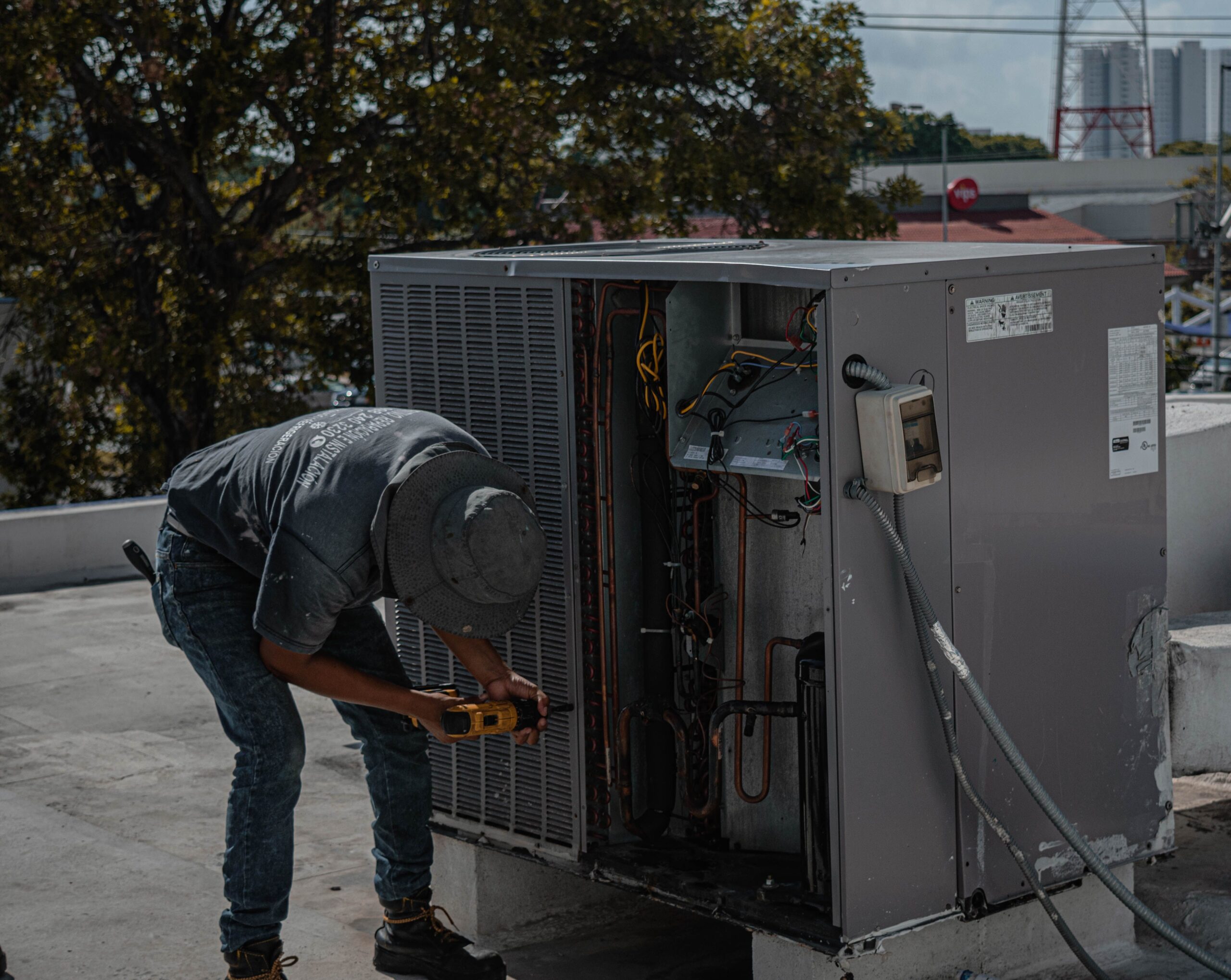
Understanding HVAC Repair Services: Cost, Maintenance & Expert Tips can help homeowners make informed decisions. You can learn what common HVAC repairs involve, what affects service costs, how maintenance can prevent breakdowns, and what to check before hiring a technician.
This guide explains the key points to consider before scheduling HVAC service. It also includes practical maintenance tips that can help improve system performance and potentially extend equipment life.
What Are HVAC Repair Services?
HVAC repair services cover the diagnosis and repair of heating, ventilation, and air conditioning equipment. Residential HVAC systems may include central air conditioners, furnaces, heat pumps, thermostats, ductwork, air handlers, and other components.
A professional HVAC technician can inspect the system, identify the source of a problem, and recommend an appropriate repair. Depending on the issue, the repair may involve electrical components, airflow, refrigerant systems, motors, controls, filters, or mechanical parts.
Some problems are relatively simple. Others require specialized equipment and technical training. That is why an accurate diagnosis is important before approving major work.
Common HVAC Problems Homeowners Experience
Air Conditioner Not Cooling
An air conditioner that runs without properly cooling the home may have several possible causes. A dirty filter, restricted airflow, thermostat issue, electrical problem, or mechanical failure can affect performance.
Refrigerant-related problems can also reduce cooling performance. Refrigerant systems require appropriate handling, so homeowners should have these issues evaluated by a qualified professional.
Furnace Not Heating Properly
A furnace that produces insufficient heat can make a home uncomfortable. Possible causes include restricted airflow, thermostat problems, ignition issues, dirty components, or mechanical faults.
If a heating system is not working correctly, avoid repeatedly resetting it without identifying the cause. A professional inspection can help determine whether a repair is appropriate.
Unusual HVAC Noises
New or unusual sounds can be an early warning sign. Rattling, buzzing, squealing, or grinding may indicate a loose component, electrical issue, worn part, or mechanical problem.
Not every sound means a major failure. However, unusual noises should not be ignored, particularly if they appear alongside reduced performance.
Weak Airflow
Weak airflow can result from a clogged filter, blocked vents, ductwork problems, blower issues, or other restrictions.
Start with simple checks such as ensuring vents are open and replacing an overdue filter. If airflow remains poor, professional diagnosis may be necessary.
How Much Does HVAC Repair Cost?
One of the most common questions homeowners ask is, “How much does HVAC repair cost?” The answer depends on the system, location, repair type, replacement parts, labor, and complexity of the problem.
A basic service call may cost less than a major component replacement. Emergency or after-hours service can also have different pricing from routine appointments.
Because HVAC pricing varies by region and equipment, it is better to request a written estimate for your specific repair instead of relying on a generic online price.
Factors That Affect HVAC Repair Costs
- Type of repair: Minor adjustments generally require less work than major component replacement.
- Labor: Technician rates vary by location, company, and service timing.
- Replacement parts: Motors, capacitors, controls, fans, and other components have different prices.
- System type: Central air conditioners, heat pumps, furnaces, and other systems have different repair requirements.
- Accessibility: Difficult-to-access equipment may require additional labor.
- Emergency service: Nights, weekends, and holidays may involve higher service charges.
- Age and condition: Older systems may require additional troubleshooting or hard-to-find parts.
A professional estimate should explain what needs to be repaired and which costs are included. Ask about additional charges before approving the work.
Repair or Replace Your HVAC System?
Sometimes repair is the best option. In other cases, replacement may make more financial sense.
Consider the system’s age, repair history, efficiency, condition, and expected future costs. A relatively small repair on a well-maintained system may be worthwhile. Repeated expensive repairs on an aging system may require a different approach.
Do not make the decision based only on one factor. Ask the technician to explain the available options and expected benefits.
For energy-related decisions, homeowners can review U.S. Department of Energy home heating guidance to better understand heating efficiency and system choices.
Why Regular HVAC Maintenance Matters
Preventive maintenance can help identify developing problems before they become larger failures. It can also help maintain airflow and system performance.
Routine maintenance may include inspecting components, checking electrical connections, cleaning appropriate parts, examining airflow, and checking system operation.
Maintenance does not guarantee that an HVAC system will never break down. However, regular attention can reduce avoidable problems and help you understand the condition of your equipment.
Change HVAC Filters Regularly
A dirty filter can restrict airflow. It may also make the HVAC system work harder.
Filter requirements vary by system and household conditions. Follow the equipment manufacturer’s recommendations and check the filter regularly.
Keep Outdoor Equipment Clear
If your home has an outdoor air-conditioning or heat-pump unit, keep the surrounding area reasonably clear of leaves, debris, and other obstructions.
Good airflow around outdoor equipment is important for proper operation. Always follow the manufacturer’s safety instructions before cleaning or working near equipment.
Check Vents and Registers
Make sure supply vents and return grilles are not blocked by furniture, curtains, or other household items.
Blocked airflow can reduce comfort and make it harder for the system to distribute conditioned air effectively.
How to Choose a Professional HVAC Contractor
Check Credentials
HVAC licensing and certification requirements vary by location and by the type of work being performed. Before hiring a company, check applicable local requirements.
For refrigerant-related work, technicians may also need specific federal certification. The U.S. EPA Section 608 information explains federal requirements for technicians who service equipment containing regulated refrigerants.
Read Reviews Carefully
Customer reviews can provide useful information about communication, punctuality, pricing, and workmanship.
Look for consistent patterns rather than focusing on one exceptionally positive or negative review. A professional company should also be willing to explain its service process.
Request a Written Estimate
Before approving a major HVAC repair, request a written estimate. It should clearly explain the problem, recommended repair, parts, labor, and other applicable charges.
If multiple repairs are possible, ask for the advantages and disadvantages of each option. This gives you a better basis for comparing HVAC companies.
Ask About Warranties
Ask whether the repair includes a workmanship warranty. Also check whether replacement parts have separate manufacturer warranties.
Make sure important warranty information is provided in writing. This can prevent confusion if a repaired component develops another problem later.
Questions to Ask Before Hiring an HVAC Company
A few questions can make the hiring process easier. Before scheduling significant work, ask:
- What is causing the HVAC problem?
- What repair do you recommend?
- Are there alternative solutions?
- What will the repair cost?
- Does the estimate include labor and parts?
- Are there potential additional charges?
- How long will the repair take?
- Is the repair covered by a warranty?
- Are your technicians appropriately licensed or certified for the work?
Clear answers can help you avoid unexpected costs and select a service provider with greater confidence.
Ways to Reduce HVAC Repair Expenses
Smart maintenance can help reduce avoidable service calls. However, saving money should not mean ignoring legitimate problems.
Replace filters as recommended. Keep outdoor units clear. Pay attention to changes in temperature, airflow, sounds, or energy use.
Scheduling routine maintenance can also help identify worn components before they fail completely. Some homeowners choose seasonal inspections before periods of heavy heating or cooling use.
You can find additional guidance in our home maintenance checklist and energy-saving home tips.
When Should You Call an HVAC Professional?
Some HVAC problems should be evaluated promptly. Call a qualified professional when the system stops heating or cooling, repeatedly trips a breaker, produces unusual electrical smells, leaks water, makes persistent abnormal noises, or performs significantly worse than normal.
Gas-fired equipment requires particular care. If you suspect a gas leak or another immediate safety hazard, leave the area and contact the appropriate emergency service or utility provider. Do not attempt to diagnose or repair a potentially dangerous gas problem yourself.
For less urgent problems, scheduling professional service early may prevent the issue from becoming more disruptive.
How to Get Better HVAC Service
The quality of the service experience often depends on how clearly the problem is communicated. Before the appointment, note when the issue started and what changes you have noticed.
Tell the technician whether the system is making unusual sounds, producing uneven temperatures, cycling differently, or showing an error code.
Do not attempt complicated repairs simply to help the technician. Instead, provide accurate information about what you observed.
Final Thoughts on HVAC Repair Services
Understanding HVAC Repair Services: Cost, Maintenance & Expert Tips can help homeowners make smarter choices when heating or cooling equipment develops a problem.
Start by identifying the symptoms. Then choose a qualified professional who can diagnose the underlying cause. Request a clear estimate and ask about warranties before approving significant repairs.
Regular maintenance is equally important. Replacing filters, maintaining airflow, keeping outdoor equipment clear, and arranging professional inspections can help keep an HVAC system operating properly.
Most importantly, do not choose an HVAC contractor based solely on the lowest price. Consider qualifications, experience, reviews, communication, warranty coverage, and the total value of the service.
With the right maintenance habits and a careful approach to hiring, homeowners can manage HVAC repair costs more effectively and keep their homes comfortable throughout the year.
