Tag: Home Maintenance

  • Best Home Maintenance Services: Essential Year-Round Guide

    Best Home Maintenance Services: Essential Year-Round Guide

    Regular home maintenance protects your property, improves comfort, and can help prevent expensive repairs. Small problems often become larger when they are ignored. A leaking pipe, clogged gutter, worn roof, or failing HVAC system can quickly turn into a major expense.

    Knowing the Best Home Maintenance Services: Essential Year-Round Guide can help homeowners stay ahead of these problems. Some tasks are easy to handle yourself. Others require trained professionals and specialized equipment.

    This year-round guide covers essential home maintenance services, seasonal priorities, common costs, hiring tips, and ways to build a practical maintenance schedule.

    Why Home Maintenance Services Matter

    A home contains many systems that work together every day. Plumbing, electrical, roofing, heating, cooling, drainage, appliances, and exterior surfaces all need attention.

    Routine maintenance can help identify problems before they become emergencies. It can also improve energy efficiency and extend the useful life of important home components.

    Professional maintenance is especially valuable for systems that are difficult or unsafe to inspect without proper training.

    For larger repair projects, our home improvement cost guide can help you plan and prioritize expenses.

    Best Home Maintenance Services to Schedule

    HVAC Maintenance

    Heating and cooling systems should receive regular attention. A professional HVAC technician can inspect the system, clean important components, check airflow, and identify potential problems.

    Routine service may help the system operate more efficiently. It can also reduce the likelihood of unexpected breakdowns during periods of extreme weather.

    Homeowners should also replace or clean HVAC filters according to the equipment manufacturer’s recommendations.

    Roof Inspection and Maintenance

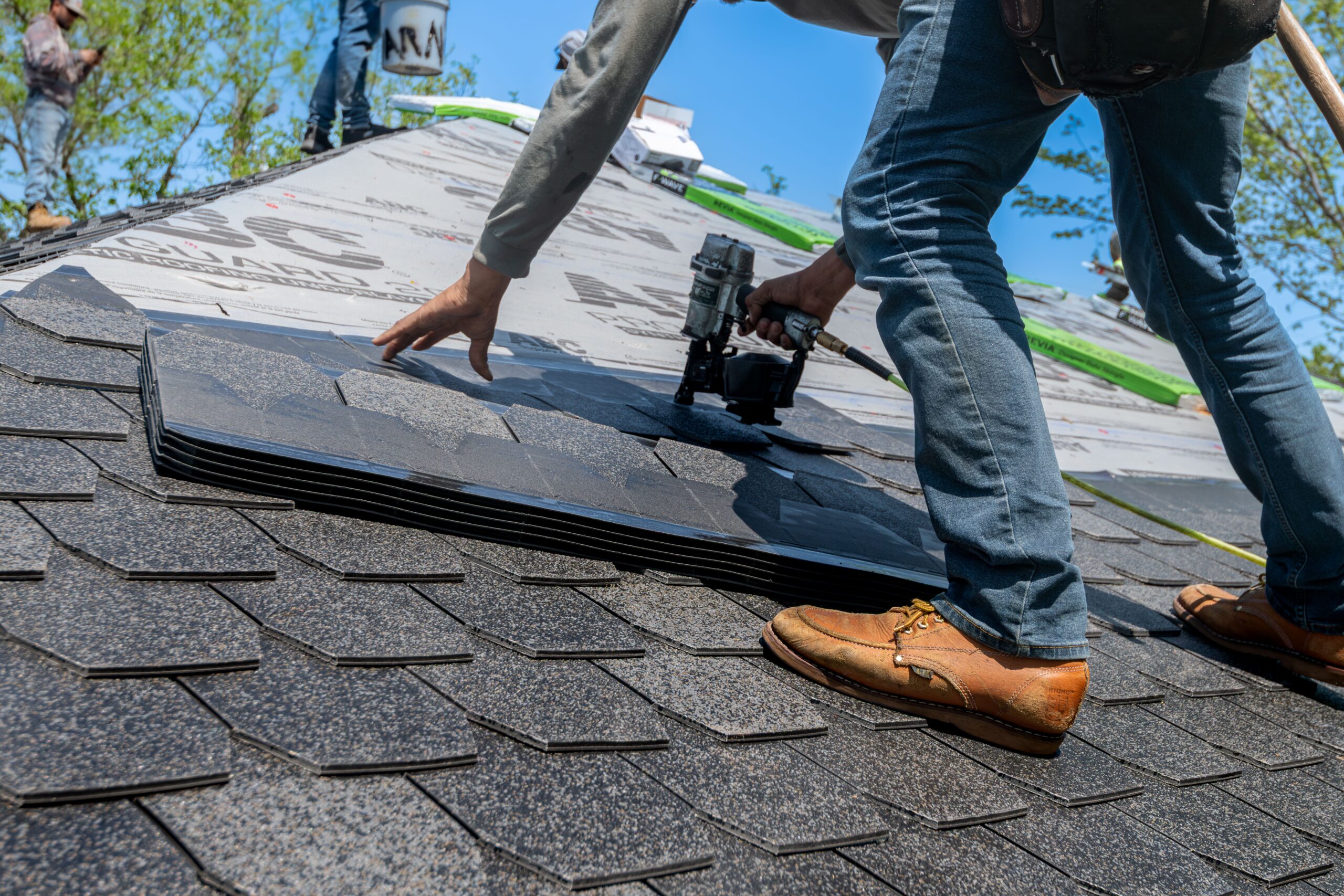
    Your roof protects the entire structure from weather. Missing shingles, damaged flashing, clogged drainage, and deteriorated seals can allow water to enter the home.

    A professional roof inspection can identify problems that are difficult to see from the ground.

    After severe weather, it is wise to check for visible damage. Avoid climbing onto a roof yourself if you are not trained and equipped to do so.

    The FEMA building science resources provide useful information about protecting homes from weather-related risks.

    Gutter Cleaning and Drainage

    Gutters direct rainwater away from your roof and foundation. When they become clogged, water can overflow against walls, fascia, landscaping, or foundation areas.

    Regular gutter cleaning is one of the simpler ways to reduce water-related maintenance problems.

    Downspouts should also direct water away from the home’s foundation. If your property has persistent drainage problems, consider our French drain cost guide for additional information.

    Plumbing Maintenance

    Plumbing problems can cause serious property damage. Leaking faucets are annoying, but hidden leaks can be much more costly.

    A professional plumber can inspect pipes, fixtures, water heaters, shutoff valves, and other components. Homeowners should also know where the main water shutoff valve is located.

    Fix leaks promptly. Even a small leak can waste water and damage surrounding materials over time.

    Electrical Inspections

    Electrical systems require special care. Flickering lights, frequent breaker trips, damaged outlets, burning smells, or warm electrical components should not be ignored.

    Electrical repairs should generally be handled by qualified professionals. Do not attempt complex electrical work without appropriate knowledge and authorization.

    The CPSC electrical safety guidance offers homeowner information about electrical hazards and safety.

    Spring Home Maintenance Checklist

    Spring is an ideal time to inspect your home after winter. Start outside and then move indoors.

    • Inspect the roof for visible damage.
    • Clean gutters and downspouts.
    • Check exterior walls for cracks or deterioration.
    • Inspect windows and doors for damaged seals.
    • Test outdoor faucets and irrigation systems.
    • Schedule HVAC maintenance before heavy cooling season.
    • Check decks, patios, and exterior stairs.
    • Inspect the basement or crawl space for moisture.

    Spring is also a good time to review your annual repair budget. If you discover several issues, prioritize problems that affect safety, water management, or structural integrity.

    Summer Home Maintenance Services

    Summer maintenance often focuses on cooling, plumbing, landscaping, and outdoor areas.

    Air Conditioning Service

    Schedule an HVAC inspection if your cooling system struggles to maintain comfortable temperatures. Unusual noises, weak airflow, or inconsistent cooling may indicate a problem.

    Keeping outdoor equipment clear of debris can also support proper airflow. Follow the manufacturer’s maintenance recommendations.

    Landscaping Maintenance

    Summer is a busy season for lawns, gardens, trees, and irrigation systems. Regular landscaping services may include mowing, trimming, pruning, mulching, irrigation checks, and weed management.

    Our landscaping services cost guide explains common outdoor maintenance and improvement expenses.

    Trim vegetation away from exterior equipment and structures where appropriate. Also watch for drainage issues after heavy rain.

    Deck and Patio Inspection

    Outdoor structures should be inspected for loose boards, damaged surfaces, deteriorated connections, and other visible problems.

    Address issues before they become safety hazards.

    Fall Home Maintenance Checklist

    Fall is the time to prepare your property for colder weather. It is also an excellent season for preventive maintenance.

    Heating System Inspection

    Have your heating system checked before you need it regularly. Professional service can identify potential issues before cold weather arrives.

    Gutter and Roof Preparation

    Falling leaves can clog gutters. Clean them before heavy rain or winter weather becomes a problem.

    Inspect roof drainage components and check visible flashing and seals. Professional inspection may be appropriate if you notice damage.

    Weatherproofing

    Check doors and windows for drafts. Damaged weatherstripping can allow conditioned air to escape.

    Sealing appropriate gaps can improve comfort and may reduce heating and cooling losses.

    Winter Home Maintenance Services

    Winter brings different risks. Cold temperatures can affect plumbing, heating systems, roofs, and exterior surfaces.

    Prevent Frozen Pipes

    In areas that experience freezing temperatures, exposed plumbing may need protection. Insulation can help reduce the risk of freezing in vulnerable locations.

    If you are leaving a property during freezing weather, follow appropriate winterization procedures for your home’s plumbing and heating systems.

    Monitor the Roof

    Heavy snow and ice can create additional stress and drainage problems. After significant storms, inspect the property from a safe location.

    Do not attempt dangerous roof or ice removal work without proper equipment and professional training.

    Check Indoor Air Quality

    Homes are often closed up during winter. Proper ventilation and appropriate humidity levels can support a healthier indoor environment.

    The EPA indoor air quality resources provide homeowner guidance on ventilation, pollutants, moisture, and other indoor air concerns.

    How Much Do Home Maintenance Services Cost?

    Maintenance costs vary by service, property size, location, equipment, and frequency. Routine lawn care may be relatively inexpensive, while professional HVAC, roofing, plumbing, or electrical services can cost considerably more.

    Emergency repairs are also usually more expensive than planned maintenance. That is one reason preventive service can be financially useful.

    Instead of waiting for failures, consider creating an annual maintenance budget. Set aside funds for routine service and larger replacement projects.

    For detailed planning, our home repair cost planning guide can help you organize common maintenance expenses.

    Which Home Maintenance Tasks Should You Hire a Professional For?

    Not every task requires a contractor. Simple cleaning, filter replacement, basic yard care, and visual inspections may be suitable for many homeowners.

    Professional assistance is more appropriate when a task involves significant height, electrical systems, gas appliances, structural components, refrigerants, or specialized diagnostic equipment.

    Hiring a professional can also make sense when you are unsure about the cause of a problem. A proper diagnosis can prevent you from spending money on the wrong repair.

    How to Choose the Best Home Maintenance Company

    Choosing the right service provider can protect both your home and your budget.

    Verify Credentials

    Check applicable licenses, insurance, certifications, and business information. Requirements vary by state and by type of work.

    For larger projects, our home contractor hiring guide provides additional questions to ask.

    Read Reviews Carefully

    Customer reviews can provide useful information about communication, punctuality, workmanship, and customer service. Look for patterns rather than relying on one review.

    Request Written Estimates

    A written estimate should clearly explain the service, labor, materials, fees, and expected scope of work.

    Ask about additional charges before work begins. This is particularly important for diagnostic visits and larger repair projects.

    Compare More Than Price

    The cheapest estimate is not always the best value. Consider experience, warranties, responsiveness, credentials, and the quality of the proposed solution.

    How to Build a Year-Round Home Maintenance Schedule

    A maintenance schedule makes home care easier. Instead of trying to remember every task, divide your checklist by season.

    Use spring for post-winter inspections. Focus on cooling and outdoor maintenance during summer. Prepare the property for cold weather in fall. Then monitor heating, plumbing, and indoor conditions during winter.

    Keep a simple record of completed work. Include service dates, contractor information, warranties, receipts, and replacement dates for major equipment.

    This record can help when planning future repairs or selling the property.

    Home Maintenance Mistakes to Avoid

    Several common mistakes can increase long-term costs.

    • Ignoring small leaks or water stains.
    • Skipping HVAC maintenance for years.
    • Allowing gutters to remain clogged.
    • Delaying roof repairs after visible damage.
    • Choosing contractors based only on the lowest quote.
    • Failing to keep maintenance records.
    • Attempting hazardous repairs without proper training.
    • Ignoring manufacturer maintenance recommendations.

    Small preventive actions can often be easier to manage than emergency repairs.

    How Regular Maintenance Can Protect Your Home Investment

    Your home is one of your largest financial assets. Maintenance helps preserve its condition and functionality.

    It can also improve your understanding of the property. When you inspect systems regularly, you are more likely to notice changes early.

    Maintenance does not guarantee that expensive repairs will never happen. However, it can help reduce avoidable problems and provide better opportunities for planned replacements.

    Final Thoughts on the Best Home Maintenance Services: Essential Year-Round Guide

    Following the Best Home Maintenance Services: Essential Year-Round Guide can make homeownership more manageable. Regular attention to roofing, HVAC, plumbing, electrical systems, drainage, landscaping, and exterior areas can help protect your property throughout the year.

    Start with the systems that affect safety and water protection. Then schedule seasonal maintenance based on your climate and home’s specific needs.

    Use qualified professionals for specialized work. Get written estimates and compare providers carefully. Keep records of every major service and repair.

    Most importantly, do not wait for every problem to become an emergency. A consistent maintenance routine can help you identify issues earlier, plan expenses, and keep your home comfortable for years to come.

  • Tree Removal Cost: Professional Service & Safety Guide

    Tree Removal Cost: Professional Service & Safety Guide

    Tree Removal Cost: Professional Service & Safety Guide is an important resource for homeowners who have a dead, damaged, diseased, or hazardous tree on their property. Tree removal is not simply a matter of cutting down a tree. It involves assessing risks, protecting nearby structures, managing branches and logs, and handling the stump and debris.

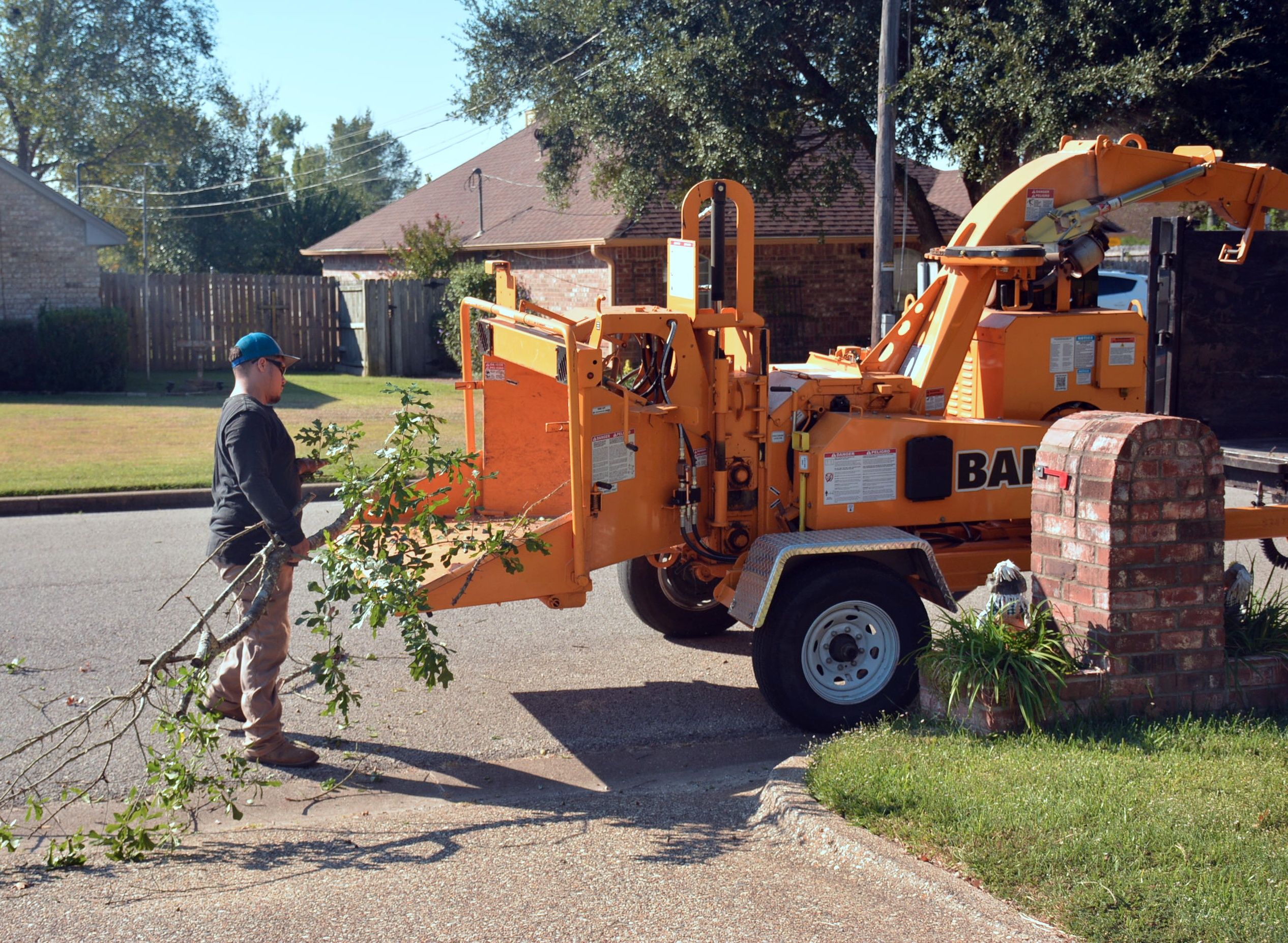
    Professional tree removal can protect your home, vehicles, landscaping, and other property. It can also reduce risks when a tree is close to power lines or structures. The final price depends on several factors, including tree height, trunk size, condition, location, and accessibility.

    This guide explains tree removal costs, common service options, professional safety practices, permits, cleanup expenses, and tips for choosing a qualified tree service.

    How Much Does Tree Removal Cost?

    Current 2026 U.S. estimates show that professional tree removal commonly costs between $200 and $2,000, with an average of about $750 per tree. Very large or difficult trees can cost substantially more. Angi reports that trees near power lines or structures can reach $10,000 or more because of the specialized equipment and additional safety requirements involved.

    Tree Removal Service Typical Planning Cost What Can Increase the Price
    Small tree removal $150–$500+ Limited access, difficult location
    Medium tree removal $250–$1,500+ Height, trunk size, obstacles
    Large tree removal $1,000–$2,000+ Specialized equipment and extensive cleanup
    Stump removal $100–$150+ for some projects Stump size and root spread
    Crane-assisted removal $500+ additional in some cases Tree size, access, complexity

    These are general estimates, not guaranteed quotes. A professional should inspect the tree and property before providing a final price.

    What Determines Tree Removal Cost?

    Tree Height

    Height is one of the biggest cost factors. Taller trees require more planning, equipment, labor, and controlled removal procedures. Large trees may also require specialized access equipment.

    Angi reports that tree height and proximity to a house or other structures are among the primary factors affecting the final removal price.

    Tree Condition

    A healthy tree can present different challenges from a dead or severely damaged tree. Diseased, unstable, or storm-damaged trees may require additional planning and equipment.

    A professional should assess the tree before deciding whether removal is necessary. In some cases, pruning or other tree-care measures may be appropriate instead.

    Location

    A tree in an open yard is usually easier to manage than one located between a house, garage, fence, sidewalk, and utility lines. Restricted access can increase labor costs and may require specialized equipment.

    Proximity to Power Lines

    Trees close to overhead electrical lines require particular caution. Contact with energized lines can create a serious electrocution hazard.

    OSHA identifies contact with overhead power lines, falling branches, tools, and falls as major hazards in tree-care work.

    Equipment Requirements

    Some projects require bucket trucks, cranes, chippers, specialized cutting equipment, or additional rigging systems. Angi reports that crane services can add hundreds of dollars or significantly more to difficult projects.

    Tree Removal vs. Tree Trimming

    Tree removal is not always the best solution. Sometimes a tree can remain healthy and safe with professional pruning or trimming.

    Tree trimming removes selected branches to improve structure, health, clearance, or safety. Tree removal eliminates the entire tree because it is dead, hazardous, severely damaged, obstructing construction, or otherwise unsuitable for its location.

    The International Society of Arboriculture explains that arborists can assess whether a tree should be removed and can also provide pruning, tree-risk assessment, and preventive maintenance services.

    If you are uncertain about a tree, consider an assessment before automatically scheduling removal. Professional tree inspections can help homeowners understand the condition of the tree and available options.

    Professional Tree Removal Process

    1. Tree Assessment

    A professional begins by examining the tree and surrounding property. The assessment may consider tree health, lean, branches, trunk condition, nearby structures, utilities, access points, and potential hazards.

    2. Site Planning

    The crew determines how the tree can be removed while protecting people and property. Large or complicated trees may require specialized equipment and carefully planned removal procedures.

    3. Work Area Preparation

    The surrounding area is prepared before removal begins. Vehicles, outdoor furniture, equipment, and other vulnerable items may need to be moved away from the work zone.

    4. Controlled Removal

    Professional crews use appropriate equipment and procedures to remove the tree in manageable sections when necessary. The method depends on the tree, site conditions, and available access.

    Because tree removal involves falling branches, heavy materials, cutting equipment, and elevated work, it should not be treated as an ordinary DIY landscaping project. OSHA identifies tree-care work as involving serious hazards, including falls, struck-by objects, cuts, and electrical contact.

    5. Debris Cleanup

    After the tree is removed, branches and logs must be processed and removed. Some companies include basic cleanup in their quote, while others charge separately.

    Ask the contractor whether the estimate includes wood chipping, hauling, log removal, and final cleanup. Clarifying these services can prevent unexpected charges.

    Stump Removal and Grinding Costs

    Tree removal does not necessarily include stump removal. A stump may remain after the tree is cut down unless you specifically request additional work.

    Stump grinding uses specialized equipment to reduce the visible stump below the surrounding surface. Complete stump removal involves more extensive excavation and root removal.

    Angi’s 2026 tree removal estimates list approximately $100 to $150 as an optional stump-removal cost for its example project, although actual prices vary significantly by stump size, species, access, and local labor rates.

    If you plan to install new landscaping, fencing, paving, or another structure in the same location, discuss the desired level of stump and root removal with the contractor before work begins.

    Do You Need a Tree Removal Permit?

    Permit rules vary by city, county, and state. Some jurisdictions regulate the removal of certain trees based on size, species, location, environmental protections, or property type.

    Do not assume that a tree on private property can always be removed without approval. Angi notes that permit requirements can depend on factors such as tree size, species, and location.

    Before scheduling professional tree removal, contact your local authority or ask the contractor to confirm applicable requirements. A reputable company should be willing to explain the permit process.

    Tree Removal Safety: Why Professional Service Matters

    Tree removal can involve significant hazards. Branches can fall unexpectedly. Large sections of a tree can damage buildings or vehicles. Power lines can create electrical hazards. Workers may also need to operate equipment at height.

    OSHA lists falls, falling objects, cuts, electrocution, and equipment-related hazards among the risks associated with tree-care operations.

    For this reason, homeowners should avoid attempting complex tree removal themselves. Trees near electrical lines, buildings, roads, or other structures are particularly unsuitable for casual DIY removal.

    The International Society of Arboriculture recommends hiring trained and equipped professionals for tree work, especially when large trees or hazardous conditions are involved.

    Signs a Tree May Need Professional Attention

    Not every unhealthy-looking tree needs removal. However, certain signs justify professional evaluation.

    • Large dead branches.
    • Visible trunk damage.
    • Significant decay or cavities.
    • Major cracks or splits.
    • Severe storm damage.
    • A noticeable change in tree stability.
    • Branches interfering with structures.
    • Tree growth close to utility lines.
    • Roots causing significant property problems.
    • A tree that is dead or declining substantially.

    An arborist can determine whether pruning, treatment, structural support, or removal is the most appropriate option.

    How to Choose Professional Tree Removal Services

    Choosing the right contractor is essential. Do not select a company based only on the lowest quote.

    Look for a professional with appropriate experience, insurance, and safety procedures. The International Society of Arboriculture provides a directory that can help homeowners find and verify ISA-credentialed arborists.

    Before signing a contract, ask:

    • Are you properly insured?
    • Who will perform the work?
    • Will you handle permits if required?
    • Is stump grinding included?
    • Is debris hauling included?
    • What equipment will the project require?
    • How will nearby structures and landscaping be protected?
    • What happens if weather delays the project?
    • Will the quote remain valid if additional work is discovered?

    Insurance is particularly important. Angi recommends verifying both liability insurance and workers’ compensation coverage before hiring a tree service.

    For additional home-service research, homeowners can also explore professional tree removal and home improvement services.

    How to Save Money on Tree Removal

    The best way to manage tree removal costs is to obtain several detailed estimates. Make sure each company is quoting the same scope of work.

    Ask whether cleanup, hauling, stump grinding, and permits are included. A quote that appears cheaper may become more expensive once these services are added.

    Early professional assessment can also help. Addressing hazardous branches or declining trees before they cause property damage may reduce the complexity of a future emergency project.

    Regular tree maintenance can also be useful. Current estimates put professional tree trimming at roughly $270 to $1,800, depending on size, species, condition, and accessibility.

    Tree Removal and Property Protection

    Healthy trees can provide shade, beauty, privacy, and environmental benefits. Removal should therefore be based on a reasonable assessment rather than convenience alone.

    However, a dead, severely damaged, or unsafe tree can create significant property risks. TreesAreGood notes that arborists can help homeowners determine when a tree presents an unacceptable risk or when removal is necessary because of damage, obstruction, disease, or construction.

    The goal is to balance tree preservation with safety. Professional evaluation can help homeowners make that decision with better information.

    Final Thoughts on Tree Removal Cost: Professional Service & Safety Guide

    Tree Removal Cost: Professional Service & Safety Guide shows why there is no single price for every tree. In 2026, professional removal commonly falls around $200 to $2,000, with an average near $750, while very large or difficult projects can cost much more.

    Tree height, condition, location, accessibility, equipment, permits, and cleanup all affect the final price. Stump removal may also be an additional service.

    Most importantly, safety should come before price. Tree removal can involve falling branches, heavy equipment, elevated work, and electrical hazards. A qualified professional can assess the tree, plan the work, manage hazards, and protect nearby property.

    Before hiring a contractor, compare detailed estimates, verify insurance, confirm permit requirements, and clarify exactly what the quoted price includes. With proper planning and professional service, homeowners can address hazardous trees while protecting their property and making informed decisions about long-term tree care.

  • Home Foundation Repair Cost: Signs, Options & Tips

    Home Foundation Repair Cost: Signs, Options & Tips

    Foundation problems can be stressful for any homeowner. A small crack may be harmless, while a growing crack can point to a more serious structural issue. That is why knowing the Home Foundation Repair Cost: Signs, Options & Tips can help you make informed decisions before a problem becomes more expensive.

    Foundation repair prices vary widely. The final cost depends on the foundation type, extent of movement, soil conditions, drainage, accessibility, and repair method. A professional inspection is often the best starting point.

    In this guide, you will learn the common signs of foundation trouble, typical cost factors, repair options, financing considerations, and practical tips for choosing a qualified contractor.

    What Is the Average Home Foundation Repair Cost?

    Home foundation repair can range from a relatively small repair to a major structural project. Minor crack repairs may cost a few hundred dollars. More extensive repairs can reach several thousand dollars or more.

    There is no universal price because every foundation problem is different. For example, sealing a small non-structural crack is very different from stabilizing a foundation that has experienced significant settlement.

    Foundation repair estimates may include inspection fees, excavation, materials, labor, waterproofing, drainage improvements, structural reinforcement, and permits.

    For broader renovation planning, our home improvement cost guide can help you compare other major home repair expenses.

    What Factors Affect Foundation Repair Cost?

    Several factors can change your final repair bill. Understanding them makes it easier to compare estimates.

    Type of Foundation

    Homes may have slab foundations, crawl spaces, basements, or other foundation systems. Each requires different inspection and repair techniques.

    A slab repair, for example, may require specialized equipment. A basement foundation may also require excavation or waterproofing.

    Severity of the Damage

    Minor cosmetic cracks are usually less expensive to address than structural movement. Significant settlement, bowing walls, or large horizontal cracks may require more extensive work.

    The sooner a serious issue is identified, the more options you may have. Delaying necessary repairs can sometimes allow water intrusion or structural movement to worsen.

    Soil Conditions

    Soil plays an important role in foundation performance. Expansive soils can swell when wet and shrink when dry. Poorly compacted soil can also contribute to settlement.

    This is why repairing the visible crack alone may not solve the underlying problem.

    Accessibility

    Foundation work can require excavation or specialized equipment. Tight crawl spaces, landscaping, driveways, and nearby structures can make access more difficult.

    Drainage and Water Problems

    Water management is another major consideration. Poor grading, clogged gutters, leaking downspouts, and inadequate drainage can increase moisture around the foundation.

    The EPA’s stormwater and rainwater guidance offers useful information about managing rainwater around residential properties.

    Signs Your Home May Need Foundation Repair

    Foundation problems do not always appear suddenly. Many develop gradually. Knowing the warning signs can help you arrange an inspection before the damage becomes more complicated.

    Cracks in Walls or Ceilings

    Small cracks can occur naturally as a home settles. However, cracks that grow, become wider, or appear alongside other symptoms deserve attention.

    Pay particular attention to cracks around doors, windows, corners, and areas where walls meet ceilings.

    Doors and Windows That Stick

    Doors or windows that suddenly become difficult to open may indicate changes in the structure. This does not automatically mean the foundation is failing. However, it is worth investigating if the problem is new or getting worse.

    Uneven or Sloping Floors

    Floors that feel noticeably uneven can have several causes. Foundation movement is one possibility. Framing, moisture, or other structural issues can also contribute.

    Basement Wall Cracks

    Horizontal cracks in basement walls can be especially important because soil pressure may contribute to wall movement. Water intrusion can also occur around foundation cracks.

    If you notice persistent moisture, see our basement waterproofing cost guide for related repair considerations.

    Gaps Around Doors or Windows

    New gaps around frames may indicate movement. Again, the surrounding symptoms matter. A qualified professional should determine the cause rather than relying on appearance alone.

    Common Foundation Repair Options

    The right repair method depends on the cause and severity of the problem. A reputable contractor should explain why a specific method is recommended.

    Crack Repair and Sealing

    Some cracks can be sealed using epoxy, polyurethane, or other appropriate materials. The goal may be to prevent water entry or restore the affected surface.

    Crack sealing is not necessarily a solution for active structural movement. The underlying cause should be evaluated first.

    Foundation Piers

    Piers can be used to stabilize or support areas affected by settlement. Different pier systems are designed for different soil and structural conditions.

    Because installation can involve excavation and specialized equipment, costs vary significantly between properties.

    Slabjacking and Polyurethane Injection

    Some concrete slabs that have settled may be raised using specialized injection techniques. The appropriate method depends on the slab, soil conditions, access, and cause of settlement.

    Wall Reinforcement

    Bowing or moving basement walls may sometimes require reinforcement. Depending on the situation, contractors may recommend wall anchors, braces, carbon fiber reinforcement, or other systems.

    Drainage Improvements

    Sometimes the best foundation strategy is to address water management. Improvements can include extending downspouts, correcting grading, installing drainage systems, or addressing other sources of water around the home.

    Our French drain cost guide explains one common drainage solution and the factors that can affect installation costs.

    Foundation Repair vs. Foundation Replacement

    Foundation repair does not always mean replacing the foundation. In many cases, targeted stabilization or waterproofing can address the problem.

    Foundation replacement is a much larger project. It may involve extensive excavation, structural work, temporary support, and reconstruction.

    Never assume that replacement is necessary simply because a contractor recommends it. Consider getting an independent structural evaluation when the proposed project is large or expensive.

    Does Homeowners Insurance Cover Foundation Repair?

    Homeowners insurance coverage depends on the policy and the cause of the damage. Many policies do not cover foundation problems caused by gradual settlement, normal wear, or certain soil-related conditions.

    However, damage resulting from a covered event may be treated differently. Policy language matters.

    Before approving a major repair, contact your insurer and ask what documentation is required. The USA.gov homeowners insurance information is also a useful starting point for understanding general policy considerations.

    Keep photographs, inspection reports, estimates, receipts, and other records. Good documentation can make insurance discussions easier.

    How to Choose a Foundation Repair Contractor

    Foundation work is a major investment. Choosing the right contractor matters as much as choosing the repair method.

    Check Licensing and Insurance

    Requirements vary by location. Verify applicable licensing, business registration, and insurance before signing a contract.

    Ask for a Written Scope of Work

    The estimate should explain what will be repaired. It should also identify materials, labor, drainage work, excavation, permits, and any warranties that apply.

    A vague estimate can make it difficult to compare contractors accurately.

    Get Multiple Opinions

    For significant foundation problems, consider getting more than one professional opinion. Compare the diagnosis, not just the price.

    Our home contractor selection guide includes additional questions to ask before hiring a repair professional.

    Ask About Warranties

    Foundation companies may offer warranties on certain repair systems. Read the terms carefully. Ask what is covered, how long coverage lasts, and whether there are maintenance requirements.

    How to Save Money on Foundation Repairs

    Saving money does not always mean choosing the cheapest contractor. Instead, focus on preventing unnecessary work and addressing the root cause.

    First, schedule an inspection when you notice persistent warning signs. Early investigation can help you understand the problem before it expands.

    Next, fix drainage issues. Clean gutters regularly and make sure downspouts move water away from the foundation.

    Also, compare detailed estimates. Make sure each contractor is pricing the same scope of work.

    Finally, ask whether repairs can be completed in phases. Some projects have urgent structural or water-control needs, while cosmetic work may be handled later.

    Foundation Maintenance Tips for Homeowners

    Good maintenance can help reduce moisture-related foundation problems and make changes easier to spot.

    • Keep gutters clear of leaves and debris.
    • Direct downspouts away from the foundation.
    • Watch for new cracks or changes in existing cracks.
    • Check basement and crawl-space areas for moisture.
    • Maintain appropriate drainage around the property.
    • Inspect plumbing for leaks near the foundation.
    • Keep records of previous foundation repairs.

    For a wider maintenance routine, our home maintenance checklist can help you organize seasonal inspections.

    Questions to Ask Before Foundation Repair Begins

    Before signing a contract, ask direct questions. Clear answers can help you avoid unexpected costs.

    • What is causing the foundation problem?
    • Is the damage structural or primarily cosmetic?
    • What repair method do you recommend?
    • Why is this method appropriate for my property?
    • Is excavation required?
    • Will drainage improvements be necessary?
    • Are permits required?
    • What is included in the quoted price?
    • What happens if additional damage is discovered?
    • What warranty is included?
    • How long should the repair take?

    When Should You Call a Professional?

    Not every foundation crack requires an emergency repair. Still, certain symptoms should not be ignored.

    Contact a qualified professional if cracks are growing, doors and windows suddenly stick, floors become noticeably uneven, basement walls appear to move, or water repeatedly enters through foundation areas.

    If you notice several symptoms at the same time, an inspection becomes even more important. A professional can determine whether the issue involves the foundation, drainage, soil, framing, or another part of the home.

    Final Thoughts on Home Foundation Repair Cost: Signs, Options & Tips

    Understanding Home Foundation Repair Cost: Signs, Options & Tips can help you approach foundation problems with a clearer plan. Costs depend on the type of foundation, severity of movement, soil conditions, accessibility, water problems, and selected repair method.

    Do not judge a foundation problem by the size of a crack alone. Look at the complete picture. New cracks, sticking doors, uneven floors, water intrusion, and wall movement can provide important clues.

    Start with a professional evaluation when you have reasonable concerns. Then compare detailed repair plans from qualified contractors.

    Most importantly, address the underlying cause. A repair that ignores drainage, soil movement, or water problems may not provide the long-term solution you need.

    With careful inspection, realistic budgeting, and the right contractor, homeowners can make smarter foundation repair decisions and protect one of their property’s most important structural components.

  • Basement Waterproofing Cost: Professional Home Guide

    Basement Waterproofing Cost: Professional Home Guide

    Basement Waterproofing Cost: Professional Home Guide is a useful starting point for homeowners dealing with leaks, damp walls, standing water, or recurring basement moisture. Waterproofing can protect a home from water damage and help create a cleaner, more usable basement.

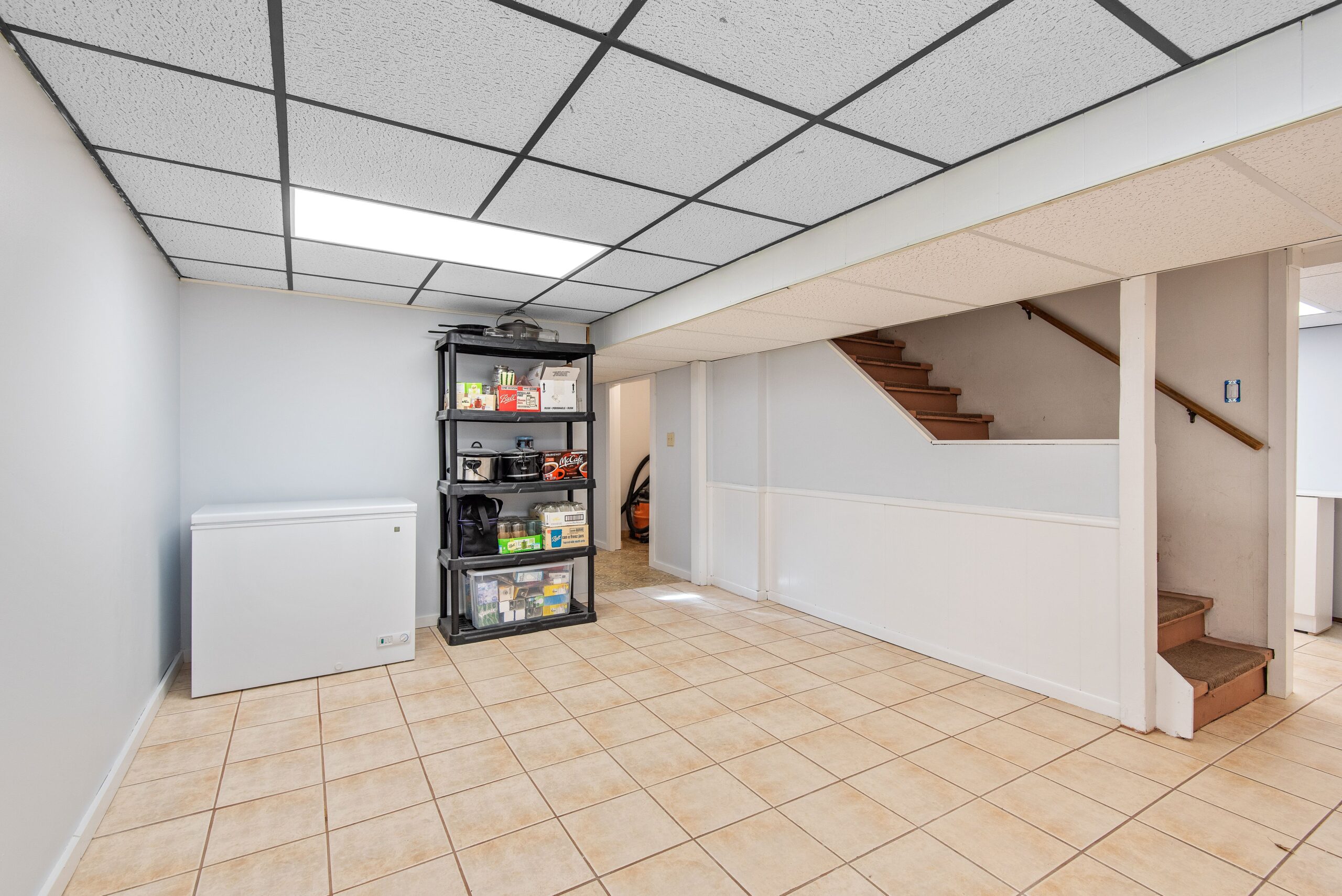
    The right solution depends on where the water comes from. In some homes, better grading and downspout drainage may solve the problem. Other properties need interior drainage, a sump pump, exterior excavation, foundation waterproofing, or a combination of methods.

    Understanding the costs and available solutions makes it easier to compare contractors and avoid paying for work that does not address the actual source of the water.

    What Is Basement Waterproofing?

    Basement waterproofing is a group of methods used to reduce or prevent water from entering a basement. These methods can manage groundwater, surface runoff, foundation seepage, and other moisture sources.

    Water can reach a foundation in several ways. Rainwater may collect around the house. Poor grading can direct runoff toward foundation walls. Groundwater can enter through cracks, joints, floors, or walls. Plumbing leaks can also create basement moisture.

    The U.S. Environmental Protection Agency recommends managing water outside the foundation, fixing leaks, and controlling moisture before problems become more serious.

    Basement Waterproofing Cost in 2026

    Current U.S. cost estimates vary considerably. HomeGuide reports an average basement waterproofing range of approximately $6,000 to $18,000. It places interior waterproofing around $6,000 to $12,000 and exterior waterproofing around $10,000 to $18,000.

    Angi reports a broader professional waterproofing range of about $2,461 to $8,201, depending on the method and basement size. Its figures also show that individual components, such as sump pumps, drainage systems, grading, and exterior membranes, can have very different prices.

    These differences are important. A small moisture-control project is not comparable to a complete exterior excavation and foundation waterproofing project.

    Waterproofing Approach Typical Planning Range Best Used For
    Basic moisture corrections Hundreds to several thousand dollars Minor drainage and runoff issues
    Interior waterproofing $6,000–$12,000 Interior drainage and water management
    Exterior waterproofing $10,000–$18,000 Foundation-level water intrusion
    Sump pump installation About $1,200–$2,500 Collecting and pumping basement water

    Use these numbers as budgeting guidelines rather than guaranteed prices. A professional inspection is the best way to determine the actual project cost.

    What Affects Basement Waterproofing Cost?

    Basement Size

    A larger basement usually requires more materials and labor. Longer foundation walls can also increase the amount of drainage work required.

    Foundation Type

    Concrete block, poured concrete, stone, and other foundation types can present different moisture challenges. The condition of the foundation also matters.

    Severity of Water Intrusion

    A few damp spots are different from repeated flooding. Significant water entry may require drainage improvements, pumps, excavation, or foundation repairs.

    Accessibility

    Interior projects can become more complicated when contractors need to work around finished walls, flooring, plumbing, utilities, or built-in structures.

    Local Soil and Drainage

    Soil conditions affect how water moves around a foundation. Poor drainage can keep soil saturated and increase pressure against foundation walls.

    The EPA explains that foundations are exposed to rainwater, plumbing leaks, rain-soaked soil, groundwater, and condensation.

    Most Common Basement Waterproofing Methods

    Interior Drainage Systems

    An interior drainage system collects water that reaches the basement and directs it toward a sump or suitable discharge point. This approach can be practical when exterior excavation is difficult or expensive.

    Interior systems may include drainage channels, drain tile, collection points, and a sump pump. The exact design depends on where water enters and how the basement is constructed.

    Sump Pump Installation

    A sump pump collects water in a pit and pumps it away from the foundation. A properly designed system can be an important part of basement water management.

    Backup protection may also be worth considering in areas where power outages or heavy storms are common. Ask the contractor what type of backup system is appropriate for your property.

    Exterior Waterproofing

    Exterior waterproofing addresses water at the outside of the foundation. It may involve excavation, foundation-wall preparation, waterproof membranes, drainage materials, and backfilling.

    This approach can be more expensive because excavation requires significant labor. However, it can address water before it reaches the foundation wall.

    Angi notes that exterior methods generally cost more than interior work because excavation is labor-intensive.

    Foundation Crack Repair

    Foundation cracks can allow water to enter a basement. The appropriate repair depends on the type, size, location, and cause of the crack.

    A contractor should determine whether the crack is simply a moisture-entry point or a sign of a larger foundation problem. Do not assume that sealing a crack alone will solve every basement leak.

    Grading and Downspout Improvements

    Not every waterproofing project requires major construction. Sometimes the first step should be improving exterior drainage.

    Water should move away from the foundation rather than collect beside it. The EPA recommends managing water outside foundation walls and directing downspout runoff away from the house.

    For homeowners planning broader drainage work, the EPA moisture-control guidance provides useful information about managing water and preventing moisture problems.

    Interior vs. Exterior Basement Waterproofing

    Choosing between interior and exterior waterproofing depends on the source of the problem.

    Interior waterproofing manages water after it reaches the interior side of the foundation. It can be useful when exterior access is limited. It may also have a lower initial cost in some situations.

    Exterior waterproofing attempts to stop water before it enters the foundation. It usually requires excavation and can be more expensive. However, it may be appropriate when exterior drainage and foundation-wall conditions are the main causes of water intrusion.

    There is no universal solution. A qualified contractor should inspect the property before recommending a major system.

    Signs Your Basement May Need Waterproofing

    Several warning signs deserve attention. These include:

    • Recurring water on the basement floor.
    • Damp or discolored foundation walls.
    • Musty odors.
    • Visible mold or mildew growth.
    • White mineral deposits on masonry.
    • Peeling paint or damaged finishes.
    • Water entering after heavy rain.
    • Cracks that repeatedly allow moisture inside.
    • A sump pump that runs frequently.

    A damp basement should not simply be covered with paint or finished over. The moisture source should be identified first. The EPA specifically recommends correcting basement moisture problems before converting a basement into living space.

    Basement Waterproofing Process

    1. Inspection

    A professional should first identify where the water comes from. This may involve inspecting foundation walls, floors, gutters, downspouts, grading, plumbing, and existing drainage systems.

    2. Moisture Source Identification

    The contractor should determine whether the problem involves surface water, groundwater, condensation, plumbing, foundation cracks, or several sources.

    3. System Recommendation

    Once the cause is understood, the contractor can recommend an appropriate solution. This may involve exterior drainage, interior drainage, a sump pump, crack repair, grading, or another combination.

    4. Installation

    Installation methods vary by project. Interior drainage may require opening sections of the basement floor. Exterior waterproofing can require excavation along foundation walls.

    5. Water Management and Testing

    After installation, the drainage and pumping system should be checked. The contractor should also explain where collected water is discharged and how the system should be maintained.

    How to Choose a Basement Waterproofing Contractor

    Choosing the contractor is as important as choosing the waterproofing method. Start by getting multiple written estimates.

    Each estimate should explain the problem, recommended solution, materials, labor, warranty, drainage design, and any additional repairs.

    • Ask whether the quote includes excavation or concrete removal.
    • Ask how the contractor identified the source of water.
    • Confirm whether permits are required.
    • Review the warranty in writing.
    • Ask whether cleanup and restoration are included.
    • Check references and relevant experience.
    • Compare several detailed estimates before signing.

    Homeowners can also research local professionals through established home-service resources such as home improvement contractor services.

    Ways to Reduce Basement Waterproofing Costs

    Early action can sometimes prevent a small drainage issue from becoming a larger project. Start with basic exterior water management.

    Keep gutters clean. Extend downspouts away from the foundation. Check whether the soil slopes away from the house. Repair plumbing leaks promptly.

    The EPA recommends directing surface water away from foundation walls and correcting drainage problems.

    However, avoid choosing a cheap fix simply because it has the lowest upfront price. A waterproof coating may not solve a groundwater problem. Similarly, a sump pump may not address exterior grading or foundation-wall issues.

    The best value comes from fixing the underlying cause.

    Basement Waterproofing and Home Value

    Waterproofing is primarily a property-protection investment. It can help reduce the risk of recurring water damage, mold-related moisture problems, and deterioration of finished basement areas.

    It can also make a basement more practical for storage, recreation, or future renovation. However, homeowners should not assume that every dollar spent on waterproofing will translate directly into an equal increase in resale value.

    Instead, think of waterproofing as preventative maintenance and risk reduction. A dry basement can support the long-term condition and usability of the property.

    Final Thoughts on Basement Waterproofing Cost: Professional Home Guide

    Basement Waterproofing Cost: Professional Home Guide shows why there is no single price for every home. Current U.S. estimates range from relatively small drainage projects to major waterproofing systems costing many thousands of dollars.

    The most important step is identifying the source of the water. A good solution should manage that source rather than simply hide its symptoms.

    Start with gutters, downspouts, grading, and visible leaks. If those measures do not solve the problem, obtain a professional assessment. Compare detailed quotes and ask exactly what each contractor plans to install.

    With the right approach, basement waterproofing can help protect your foundation, reduce moisture problems, and create a more usable home for years to come.

  • Mold Removal Services: Cost, Process & Prevention

    Mold Removal Services: Cost, Process & Prevention

    Mold Removal Services: Cost, Process & Prevention is an important topic for homeowners dealing with visible mold, musty odors, water damage, or recurring moisture problems. Mold can grow quickly when moisture is present. It may appear around plumbing leaks, roofs, windows, bathrooms, basements, HVAC systems, or areas affected by flooding.

    Removing visible mold is only part of the solution. The underlying moisture problem must also be corrected. Otherwise, mold can return after cleanup. The U.S. Environmental Protection Agency explains that moisture control is the key to controlling indoor mold growth.

    This guide explains mold removal costs, the professional remediation process, when to hire a specialist, and practical ways to prevent future growth.

    What Are Mold Removal Services?

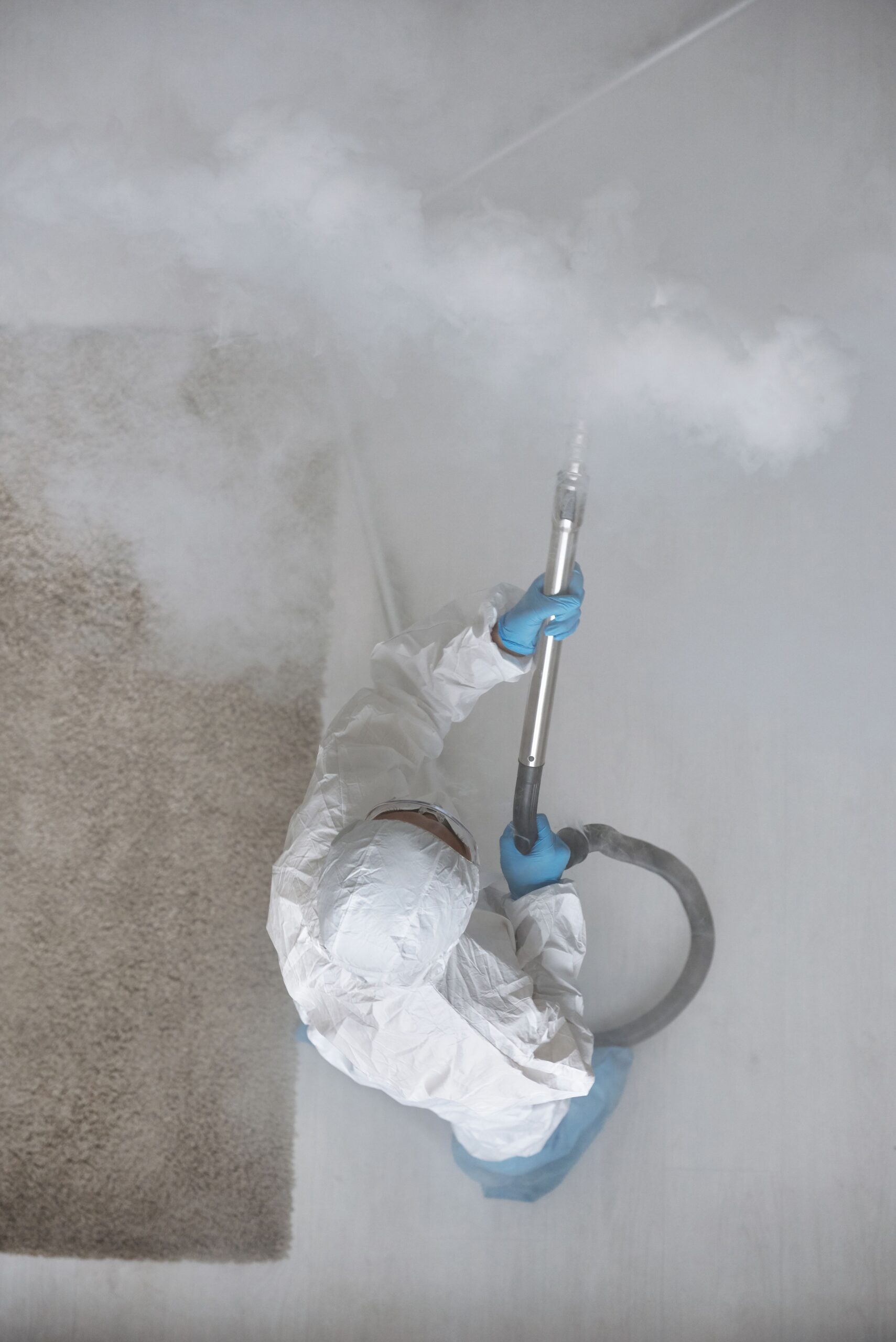
    Mold removal services are professional services designed to identify, contain, clean, and address mold-affected areas in a property. Depending on the situation, the service may include moisture inspection, containment, removal of damaged materials, surface cleaning, drying, and repairs.

    Professional mold remediation is different from simply spraying a cleaner on visible spots. A qualified contractor should look for the source of moisture and determine whether mold has spread behind walls, under flooring, above ceilings, or into other concealed areas.

    The EPA notes that it is not possible to remove every mold spore from an indoor environment. The practical goal is to remove active growth and control the moisture conditions that allow it to develop.

    Mold Removal Cost: What Should You Expect?

    The price of mold removal varies widely. The affected area, severity of the problem, type of building materials, accessibility, water damage, and local labor rates all influence the final estimate.

    Small surface problems may require relatively little work. Larger remediation projects can become significantly more expensive when drywall, insulation, flooring, cabinets, or other porous materials need removal and replacement.

    Project Factor Potential Cost Impact
    Small surface cleanup Lower cost when damage is limited
    Large affected area Higher labor and containment costs
    Hidden mold May require demolition and additional inspection
    Water damage May require drying and structural repairs
    HVAC contamination Can require specialized evaluation and cleaning
    Porous material replacement Additional material and reconstruction costs

    For reliable pricing, request an itemized estimate from a qualified professional. The estimate should explain the affected areas, planned remediation steps, labor, equipment, disposal, testing if recommended, and reconstruction work.

    What Determines Mold Remediation Cost?

    Size of the Mold Problem

    The size of the affected area is one of the most important factors. The EPA states that homeowners can often handle mold areas smaller than approximately 10 square feet when conditions are suitable. Larger areas, extensive water damage, or complex situations may require professional assistance.

    Location of the Mold

    Mold on an accessible hard surface may be easier to address than mold inside a wall cavity. Mold behind drywall, beneath flooring, or inside insulation may require removal of affected materials.

    Water Damage

    If mold developed because of a leaking pipe, roof, appliance, foundation, or flood, fixing that problem becomes essential. A cleanup that ignores the water source may provide only temporary results.

    Damaged Building Materials

    Porous materials can be difficult to clean completely once heavily contaminated. The EPA notes that materials such as carpet and ceiling tiles may need to be discarded when they become moldy because mold can penetrate their surfaces.

    Accessibility

    Easy-to-reach areas are generally simpler to remediate. Tight crawl spaces, attics, wall cavities, and areas behind permanent fixtures may require additional labor and equipment.

    Professional Mold Removal Process

    1. Inspection and Moisture Assessment

    The process usually starts by identifying visible mold, musty odors, water damage, and moisture sources. Professionals may use moisture meters or other tools to locate damp materials.

    The objective is to understand why mold developed. A leak, condensation problem, drainage issue, or excessive indoor humidity may need to be corrected before remediation is considered complete.

    2. Containment

    For larger projects, professionals may isolate affected areas to reduce the movement of dust and mold-contaminated materials into clean parts of the property.

    Containment procedures depend on the size and location of the problem. A professional should choose methods appropriate for the specific property and level of contamination.

    3. Removal of Affected Materials

    Materials that cannot be effectively cleaned may need to be removed. This can include sections of drywall, insulation, carpet, or other porous materials.

    Removing contaminated materials is not the same as simply covering them. The EPA specifically advises against painting or caulking over mold because the underlying problem can remain.

    4. Cleaning and Drying

    Hard surfaces may be cleaned using appropriate methods. The area must then be dried thoroughly. Professionals may use air movers, dehumidification equipment, or other drying techniques when water damage is involved.

    Speed matters after water damage. The EPA recommends drying wet materials within 24 to 48 hours when possible to reduce the likelihood of mold growth.

    5. Moisture Source Correction

    This is one of the most important steps. A contractor may need to repair a plumbing leak, roof issue, drainage problem, condensation source, or ventilation problem.

    Without moisture control, even thorough cleaning may not provide a lasting solution.

    6. Final Inspection

    After remediation, the affected area should be checked for remaining visible mold, moisture problems, and odors. The EPA explains that cleanup is not complete until the moisture problem has been addressed and visible mold and mold-related odors are no longer present.

    When Should You Hire Mold Removal Services?

    Not every small mold spot requires a professional remediation company. However, professional help becomes more important when the affected area is large, water damage is extensive, contamination involves sewage, or mold may be inside an HVAC system.

    You should also consider professional assistance when you cannot identify the moisture source or when mold keeps returning after cleaning.

    The EPA recommends using experienced contractors for larger mold problems and checking references before hiring.

    If an HVAC system may be contaminated, professional evaluation is especially important. The EPA advises against operating a known or suspected contaminated HVAC system because it could distribute mold through the building.

    Is Mold Testing Necessary?

    Mold testing is often marketed as an essential first step. However, the CDC does not recommend routine mold testing. If mold is visible or there is a clear moisture problem, identifying the exact species is generally less important than removing the mold and correcting the moisture source.

    That does not mean every inspection is unnecessary. A professional evaluation can be useful when mold is hidden, the source is unclear, or the property has experienced significant water damage.

    Homeowners can also review the EPA mold and moisture guidance before deciding what type of professional assistance may be appropriate.

    Mold Prevention Tips for Homeowners

    Control Indoor Humidity

    Humidity management is one of the best ways to prevent recurring mold. The EPA recommends keeping indoor relative humidity below 60%, with an ideal range of approximately 30% to 50% when possible.

    A humidity meter can help homeowners monitor conditions. Air conditioning and dehumidification can also help in areas with excessive moisture.

    Fix Leaks Quickly

    Repair leaking pipes, roofs, windows, appliances, and other sources of water as soon as possible. Do not wait for a small leak to become a major restoration project.

    Improve Bathroom Ventilation

    Bathrooms naturally produce moisture. Use exhaust fans and make sure they vent appropriately. Keep surfaces dry when possible and address recurring condensation.

    The CDC recommends controlling humidity, improving airflow, using exhaust ventilation, and fixing leaks to help prevent mold growth.

    Dry Wet Materials Quickly

    After a leak or spill, dry affected materials as quickly as possible. Fast drying can reduce the opportunity for mold to develop.

    Maintain Gutters and Drainage

    Exterior water management also matters. Keep gutters clear and make sure water drains away from the foundation. Poor drainage can allow moisture to enter basements and crawl spaces.

    How to Choose a Mold Removal Company

    Choosing the right contractor can have a major impact on the quality of the remediation. Start by asking for several detailed estimates.

    • Ask how the contractor will identify and correct the moisture source.
    • Request an itemized written estimate.
    • Ask which materials will be cleaned and which may require removal.
    • Check references and relevant professional experience.
    • Ask how affected areas will be contained.
    • Confirm whether reconstruction is included or billed separately.
    • Ask about warranties or follow-up inspections.
    • Check your insurance policy if the mold resulted from covered water damage.

    You can also use established home-service resources such as home improvement and contractor services when researching local professionals.

    Health Considerations During Mold Cleanup

    Mold exposure can affect people differently. The CDC reports that exposure to damp and moldy environments can cause symptoms such as stuffy nose, sore throat, coughing, wheezing, irritated eyes, or skin reactions in some people. People with asthma or mold allergies may experience more significant reactions.

    People with certain respiratory conditions or weakened immune systems may face greater risks and should avoid participating in mold cleanup. The CDC provides detailed guidance on safe mold cleanup practices.

    For serious or extensive contamination, professional remediation is generally the safer approach.

    Final Thoughts on Mold Removal Services: Cost, Process & Prevention

    Mold Removal Services: Cost, Process & Prevention should be viewed as a complete moisture-management project rather than a simple cleaning job. The final price depends on the size of the affected area, location, water damage, building materials, accessibility, and required repairs.

    The most important principle is simple: remove the mold and fix the moisture source. Cleaning without moisture control can allow the problem to return. The EPA consistently identifies moisture control as the foundation of effective mold prevention.

    For homeowners, the best approach is to act quickly, obtain a clear professional assessment when needed, compare detailed estimates, and address leaks and humidity problems permanently. With the right process, mold problems can be managed while creating a cleaner and more comfortable home environment.

  • Water Damage Restoration Cost: Services & Recovery Guide

    Water Damage Restoration Cost: Services & Recovery Guide

    Understanding Water Damage Restoration Cost: Services & Recovery Guide information can help homeowners respond quickly when water damages a property. A burst pipe, leaking appliance, storm, overflowing toilet, or roof leak can create serious problems if the water is not removed promptly.

    Water damage restoration involves much more than drying a wet floor. Depending on the situation, professionals may need to extract standing water, dry walls and flooring, remove damaged materials, clean affected areas, control odors, and repair parts of the property.

    The final cost depends on several factors. These include the amount of water, affected square footage, source of the water, materials involved, drying time, and extent of repairs. This guide explains the major costs, restoration services, insurance considerations, and practical steps homeowners should take after water damage occurs.

    How Much Does Water Damage Restoration Cost?

    Water damage restoration costs vary greatly from one property to another. A small localized leak may cost a few hundred dollars to address. A major flood affecting multiple rooms can cost thousands of dollars or more.

    Angi reports that homeowners commonly pay several thousand dollars for professional water damage restoration, with the final amount depending on the size and severity of the loss. Emergency services, extensive drying, contaminated water, and reconstruction can increase the total. For current pricing information, review water damage restoration cost estimates.

    National averages are useful for initial planning. However, they should not replace an inspection. Every water loss is different.

    What Is Water Damage Restoration?

    Water damage restoration is the process of controlling, drying, cleaning, and restoring areas affected by unwanted water. The goal is to prevent further damage and return the property to a safe, usable condition.

    Restoration usually begins with an assessment. Technicians identify the water source, determine which areas are affected, and evaluate materials such as drywall, flooring, insulation, cabinets, and wood.

    Next, standing water is removed. Industrial equipment may then be used to dry the structure. Depending on the situation, damaged materials may need to be removed and replaced.

    For additional information about reducing moisture problems, homeowners can review the EPA’s mold cleanup guidance.

    Water Damage Restoration Services

    Water Extraction

    Water extraction is often the first major restoration step. Professionals use pumps, wet vacuums, and other equipment to remove standing water.

    Fast extraction matters because prolonged moisture can damage flooring, drywall, wood, furniture, and other materials. It can also increase the risk of mold growth.

    Structural Drying

    Removing visible water does not mean the property is completely dry. Moisture can remain inside walls, under flooring, behind cabinets, and in other hidden areas.

    Restoration companies may use air movers and dehumidifiers to reduce moisture. Moisture meters can help technicians identify areas that require additional drying.

    Cleaning and Sanitizing

    Water damage can leave behind dirt, bacteria, odors, and other contaminants. Cleaning requirements depend on the source of the water.

    Clean water from a supply line is different from water that has contacted sewage or other contaminants. The latter may require specialized cleanup and protective procedures.

    Damaged Material Removal

    Some materials cannot be effectively restored after prolonged exposure to water. Damaged drywall, insulation, carpet, padding, or other materials may need to be removed.

    Removing affected materials can increase the initial bill. However, appropriate removal can help prevent continuing moisture problems.

    Repairs and Reconstruction

    Restoration may stop after drying and cleaning, or it may continue into reconstruction. Reconstruction can include replacing drywall, flooring, cabinets, trim, insulation, or other building components.

    Ask whether your restoration estimate includes reconstruction. Some companies handle the complete process. Others focus only on water extraction and drying.

    What Factors Affect Water Damage Restoration Cost?

    1. Amount of Water

    The more water present, the more equipment and labor may be required. A small localized leak is usually easier to manage than a flooded basement or several affected rooms.

    2. Affected Area

    The size of the affected area directly influences labor and equipment requirements. Water can also travel beyond the location where the original leak occurred.

    3. Type of Water

    The source of the water is an important cost factor. Restoration professionals generally classify water damage based on contamination levels.

    Clean water may come from a broken supply pipe. More contaminated water can come from toilets, drains, flooding, or sewage. Heavily contaminated water requires greater safety precautions and specialized cleanup.

    4. Type of Materials

    Different materials respond differently to moisture. Hardwood flooring, drywall, carpet, insulation, cabinets, and structural wood may require different treatment.

    5. Time Before Restoration

    Delayed response can increase the extent of damage. Moisture may spread into additional materials and hidden spaces.

    The Environmental Protection Agency recommends addressing wet materials promptly because moisture problems can contribute to mold growth. Its mold and moisture information provides useful background for homeowners.

    6. Emergency Service

    Water emergencies do not always happen during normal business hours. Some restoration companies offer 24-hour emergency services. After-hours service may carry additional charges.

    Water Damage Categories Explained

    Understanding water classifications can help you understand why some restoration projects require more extensive work.

    Clean Water

    Clean water generally comes from a sanitary source, such as a broken water supply line. Although it may initially be relatively clean, it can become contaminated if it remains in the building for too long.

    Contaminated Water

    Water that contains significant contamination requires more careful handling. Examples may include water from certain plumbing failures or appliances.

    Highly Contaminated Water

    Water containing sewage, harmful substances, or other serious contaminants requires specialized procedures. Homeowners should avoid direct contact and follow professional safety recommendations.

    Signs You Need Professional Water Damage Restoration

    Not every small spill requires a restoration company. However, professional assistance is worth considering when water has entered walls, ceilings, flooring, insulation, or other hidden areas.

    Other warning signs include persistent dampness, musty odors, visible staining, warped flooring, bubbling paint, damaged drywall, or water that has spread across multiple rooms.

    Professional equipment can identify moisture that is not visible. This can be especially important after a significant leak.

    What to Do Immediately After Water Damage

    Quick action can help limit further damage. First, address the source of the water if it is safe to do so. For example, you may need to shut off the home’s main water supply during a plumbing emergency.

    If there is standing water near electrical equipment, do not enter the area or operate electrical devices unless it is safe. Contact an appropriate professional when electrical hazards may be present.

    Move valuable items away from affected areas when it is safe. Take photographs and videos of the damage for your records. Keep receipts for emergency services and related expenses.

    Do not attempt to clean contaminated water yourself. Sewage and other hazardous water can create health and safety risks.

    Does Homeowners Insurance Cover Water Damage?

    Insurance coverage depends on the cause of the water damage and the terms of your policy. Sudden and accidental damage may be covered in some situations. Gradual leaks, maintenance issues, flooding, and other causes may have different coverage rules.

    Flood damage may require separate flood insurance. Standard homeowners insurance does not automatically cover every type of flooding.

    The National Flood Insurance Program’s flood insurance resources can help homeowners understand flood-related coverage.

    Contact your insurance company as soon as practical after significant damage. Ask what documentation is required and whether the insurer wants to inspect the property before repairs begin.

    How to Compare Water Damage Restoration Companies

    When comparing restoration companies, do not focus only on price. Look at experience, response time, services, equipment, documentation, and communication.

    Ask whether the company provides emergency service. Confirm whether water extraction, structural drying, cleaning, mold-related services, and reconstruction are included.

    Request a written estimate whenever possible. The estimate should identify the work being performed and any expected additional charges.

    Check Credentials and Insurance

    Ask about applicable licenses, insurance, training, and certifications. Requirements vary by state and locality.

    You can also ask for references or examples of similar projects. A professional company should be willing to explain its restoration process.

    Ask About Drying Documentation

    For significant water losses, ask how the company measures moisture during the drying process. Documentation can show whether affected areas have reached appropriate dryness levels.

    How to Reduce Water Damage Restoration Costs

    The best way to reduce restoration costs is to limit the spread of water as soon as possible. Address leaks promptly and maintain plumbing, appliances, gutters, roofs, and drainage systems.

    Know where your main water shutoff valve is located. Every adult in the household should know how to access it.

    Regularly inspect areas beneath sinks and around water-using appliances. Look for unusual moisture, stains, corrosion, or damaged seals.

    Consider installing leak detection devices in areas with higher water risk. Early alerts may help you respond before a small leak becomes a major problem.

    Hidden Costs to Watch For

    The initial water removal estimate may not represent the complete restoration cost. Additional expenses can arise after materials are removed and hidden damage becomes visible.

    Potential costs include drywall replacement, flooring replacement, cabinet repairs, insulation removal, mold remediation, plumbing repairs, electrical work, painting, disposal, and reconstruction.

    Ask the restoration company which costs are included and which services are billed separately.

    Water Damage Restoration Checklist

    Use this checklist after a water emergency:

    • Stop the water source if it is safe.
    • Stay away from unsafe electrical areas.
    • Contact your insurance company when appropriate.
    • Photograph and document visible damage.
    • Remove valuables from affected areas when safe.
    • Arrange professional water extraction when necessary.
    • Ask about structural drying and moisture measurements.
    • Keep receipts and restoration documentation.
    • Confirm what your restoration estimate includes.
    • Ask about reconstruction before signing the contract.

    Final Thoughts on Water Damage Restoration Cost

    The true Water Damage Restoration Cost: Services & Recovery Guide figure depends on the extent of the damage, water source, affected materials, restoration timeline, and required repairs.

    Fast action can help limit the spread of moisture. However, safety should always come first. Avoid contaminated water and potentially dangerous electrical conditions.

    When professional restoration is necessary, compare detailed estimates instead of choosing a company based only on the lowest price. Ask about extraction, drying, cleaning, damaged materials, reconstruction, documentation, and insurance coordination.

    A well-managed restoration project can help prevent additional property damage and reduce the chance of ongoing moisture problems. By understanding the process and preparing in advance, homeowners can respond more confidently when unexpected water damage occurs.

  • Best Home Improvement Services for Increasing Property Value

    Best Home Improvement Services for Increasing Property Value

    Home improvements can make a property more comfortable, attractive, and functional. They can also influence resale appeal. However, not every renovation delivers the same financial benefit. If your goal is to protect or increase property value, choosing the right project matters.

    This guide to the Best Home Improvement Services for Increasing Property Value covers the upgrades that deserve the most attention. It also explains how to balance renovation costs, buyer appeal, maintenance, and potential return on investment.

    Recent remodeling research shows an important trend. Exterior replacement projects continue to perform strongly when measured by resale value. Zonda’s 2025 Cost vs. Value report ranked garage door replacement, steel entry door replacement, manufactured stone veneer, and siding replacement among the strongest projects nationally. A minor kitchen remodel also ranked highly.

    What Home Improvements Add the Most Value?

    The best improvement depends on your property, neighborhood, budget, and reason for renovating. A homeowner planning to sell soon may prioritize curb appeal and visible repairs. Someone staying for many years may focus more on comfort, energy efficiency, and functionality.

    In general, improvements that solve visible problems or improve everyday usability tend to be safer investments than highly personalized renovations.

    Home Improvement Service Primary Benefit Value Potential
    Garage door replacement Curb appeal and function Very strong
    Entry door replacement First impression and security Very strong
    Siding replacement Appearance and protection Strong
    Minor kitchen remodel Function and buyer appeal Strong
    Bathroom update Function and appearance Moderate to strong
    Deck or outdoor living area Usable living space Moderate
    Interior painting Fresh appearance Moderate

    These categories should be treated as general guidance. Actual resale results vary by market and property. Zonda’s research also emphasizes that regional differences can be significant.

    1. Garage Door Replacement

    A garage door occupies a large portion of many home’s front elevations. That makes it one of the first features buyers notice.

    Replacing an old or damaged garage door can improve curb appeal while also addressing functionality. A modern door can give the exterior a cleaner appearance without requiring a major structural renovation.

    Zonda’s 2025 Cost vs. Value report ranked garage door replacement as its number-one project. The report estimated a national job cost of $4,672 and a value at sale of $12,507, representing 267.7% of cost recouped.

    These figures are national averages, not guaranteed returns. Still, they demonstrate why relatively focused exterior upgrades can outperform larger discretionary remodels.

    2. Front Door Replacement

    Your entry door creates an immediate impression. An outdated, damaged, or poorly maintained door can make the entire property look older.

    A new steel entry door can provide a relatively simple visual upgrade. It may also improve weather sealing and everyday functionality.

    Zonda ranked steel door replacement second in its 2025 national Cost vs. Value results. The report listed an average job cost of $2,435 and $5,270 in value at sale, or 216.4% of the investment recouped.

    If your existing door is in good condition, a professional repaint and updated hardware may provide a less expensive alternative.

    3. Exterior Siding Replacement

    Siding protects the home while contributing heavily to curb appeal. Cracked, faded, warped, or deteriorating siding can make a property look neglected.

    Replacing worn siding can improve the appearance of the entire exterior. It may also address maintenance issues that could concern prospective buyers during an inspection.

    Zonda’s 2025 report ranked fiber-cement siding replacement fourth nationally, with a reported 113.7% of cost recouped. Vinyl siding replacement ranked sixth, with 96.5% of cost recouped.

    The best material depends on your climate, existing architecture, maintenance preferences, and neighborhood standards.

    Before choosing a material, consider our exterior home improvement guide for additional planning ideas.

    4. Minor Kitchen Remodeling

    Kitchens remain important to buyers. However, that does not mean a complete luxury kitchen renovation is always the best financial decision.

    A targeted update can often make more sense. Consider replacing outdated appliances, updating cabinet fronts, changing hardware, improving lighting, repainting, or installing a new countertop.

    Zonda’s 2025 Cost vs. Value report ranked a minor kitchen remodel fifth nationally. It reported an average job cost of $28,458 and a value at sale of $32,141, representing 112.9% of cost recouped.

    This supports an important renovation principle: strategic home improvements can be more financially sensible than overbuilding.

    For budgeting help, see our kitchen remodeling cost guide.

    5. Bathroom Remodeling

    Bathrooms receive daily use, so condition matters. Buyers often notice outdated fixtures, poor lighting, damaged surfaces, and inefficient layouts.

    A bathroom update does not always require moving plumbing or rebuilding the entire room. Replacing worn fixtures, improving lighting, updating the vanity, refreshing tile, and repainting can create a noticeable change.

    If a bathroom has functional problems, address those before focusing on decorative features. Water damage, leaks, poor ventilation, and damaged flooring can create larger issues if ignored.

    For homeowners considering a larger project, our bathroom remodeling cost guide can help you plan the major expense categories.

    6. Manufactured Stone Veneer

    Manufactured stone veneer can create a high-end exterior appearance without completely rebuilding the home’s exterior.

    It can be used around entry areas, lower exterior sections, garages, or architectural features. The key is to use it in a way that complements the home’s existing design.

    Zonda ranked manufactured stone veneer third in its 2025 Cost vs. Value report. The national figures showed a $11,702 job cost and $24,328 in value at sale, or 207.9% of cost recouped.

    Because installation quality matters, homeowners should compare experienced contractors and ask how the veneer will be integrated with the existing exterior.

    7. Deck and Outdoor Living Improvements

    Outdoor living space can make a home more enjoyable. A well-designed deck can provide space for relaxing, dining, and entertaining.

    However, the return depends on the home’s location and buyer expectations. A large deck may not be worthwhile if similar homes in the neighborhood do not have one.

    Zonda’s 2025 report placed wood deck additions eighth and composite deck additions ninth among its top 10 projects. It reported 94.9% of cost recouped for wood decks and 88.5% for composite decks.

    Choose materials that fit the climate and expected maintenance level. A practical design can be more appealing than an oversized outdoor structure.

    8. Interior Painting

    Interior painting is one of the simplest ways to refresh a home. It can make rooms feel cleaner and more current.

    Neutral, broadly appealing colors are usually a safer choice when resale is a priority. Strong personal colors can work beautifully for homeowners, but they may require repainting before a sale.

    Preparation is important. Repair holes, cracks, stains, and damaged surfaces before applying new paint. A professional finish can make a modest renovation look significantly more polished.

    Read our house painting cost guide to compare interior and exterior painting expenses.

    9. Flooring Replacement

    Flooring has a major visual impact. Damaged, stained, worn, or mismatched floors can reduce the perceived condition of a property.

    When replacing flooring, focus on durability and consistency. Hardwood, quality engineered wood, tile, and well-selected resilient flooring can all work in different parts of a home.

    Avoid choosing flooring based solely on appearance. Consider moisture, traffic, maintenance, pets, and expected lifespan.

    Our flooring installation cost guide explains material, labor, and preparation expenses.

    10. Energy-Efficient Home Improvements

    Energy efficiency can improve comfort and reduce ongoing household expenses. Potential projects include insulation, efficient heating and cooling systems, air sealing, modern windows, and energy-efficient lighting.

    The financial return depends heavily on the home’s current condition and local utility costs. Therefore, evaluate the expected savings before committing to a major upgrade.

    Start with an energy assessment when possible. It can help identify where the home is losing energy and prevent you from spending money on improvements that have little practical effect.

    Maintenance Improvements Can Protect Property Value

    Not every valuable improvement creates an obvious visual transformation. Preventive maintenance can protect the property’s existing value.

    Roof problems, water leaks, damaged gutters, drainage issues, deteriorating siding, and unsafe electrical conditions should receive attention before cosmetic upgrades.

    A beautiful kitchen cannot compensate for serious maintenance problems. Buyers and inspectors may notice those issues quickly.

    Therefore, the best home improvement services often begin with protecting the structure itself.

    How to Choose Home Improvements Based on ROI

    Start by identifying your goal. Are you preparing to sell? Planning to stay for ten years? Improving a rental property? Each situation requires a different strategy.

    If You Plan to Sell Soon

    Focus on curb appeal, visible maintenance, neutral finishes, and functional improvements. Avoid highly personalized upgrades that may not appeal to a broad group of buyers.

    If You Plan to Stay Long-Term

    Comfort and functionality become more important. You can prioritize projects that make daily life easier, even if the immediate resale return is not the highest.

    If You Have a Limited Budget

    Prioritize small projects with visible results. Fresh paint, updated lighting, improved landscaping, modern hardware, and repaired exterior features can change the appearance of a home without requiring a major renovation.

    How Much Should You Spend on Home Improvements?

    There is no universal renovation budget. Spending should reflect the property’s current value, neighborhood, condition, and your plans for ownership.

    One common mistake is over-improving a property compared with nearby homes. A luxury renovation may look impressive, but the surrounding market may not support the added cost.

    Research comparable homes before beginning a large project. Look at recent sales and the features buyers expect in your area.

    Should You Hire a Professional Home Improvement Contractor?

    Professional installation can be worthwhile for projects involving structural work, electrical systems, plumbing, roofing, siding, or other specialized tasks.

    When comparing contractors, request written estimates. Confirm the scope of work, materials, expected schedule, payment terms, and warranty information.

    Do not choose a contractor based only on the lowest quote. A detailed proposal can reveal differences in preparation, materials, labor, and cleanup.

    Final Thoughts on the Best Home Improvement Services for Increasing Property Value

    The Best Home Improvement Services for Increasing Property Value are not always the largest or most expensive renovations. Current remodeling research suggests that exterior replacement projects can deliver particularly strong resale performance, while targeted interior projects such as minor kitchen remodels can also provide meaningful value.

    Start with the condition of the property. Fix maintenance problems first. Then focus on improvements that strengthen curb appeal, functionality, and buyer appeal.

    Garage doors, entry doors, siding, manufactured stone veneer, minor kitchen upgrades, bathrooms, flooring, painting, and outdoor living areas can all play a role. The right combination depends on your property and local market.

    Most importantly, think beyond resale value. A successful home improvement project should also make the property safer, more comfortable, easier to maintain, or more enjoyable to live in. When you balance those benefits with cost, you can make smarter renovation decisions and protect your home’s long-term appeal.

  • Professional House Painters: Services, Costs & Tips

    Professional House Painters: Services, Costs & Tips

    Hiring professional house painters can transform the look and feel of your home without the time, mess, and stress of doing the entire project yourself. A quality paint job can refresh tired rooms, improve curb appeal, and help protect exterior surfaces from everyday wear and weather.

    However, choosing a painter is about more than finding the lowest price. You need to understand the services included, how estimates are calculated, what preparation is required, and which questions to ask before work begins. This guide to Professional House Painters: Services, Costs & Tips explains what homeowners should know before hiring a painting contractor.

    What Do Professional House Painters Do?

    Professional house painters handle much more than applying paint to walls. A reputable contractor usually starts by inspecting the surfaces and identifying repairs or preparation work that may affect the final result.

    Common services include interior painting, exterior painting, ceiling painting, trim and molding, doors, cabinets, siding, decks, and other residential surfaces. Some companies also offer drywall repairs, caulking, wallpaper removal, staining, and specialty finishes.

    Professional painters also bring specialized tools and experience. This can be particularly useful for large homes, high ceilings, detailed trim, or difficult exterior areas. Professional equipment can also help contractors complete larger projects more efficiently.

    Common House Painting Services

    Interior House Painting

    Interior painting can include bedrooms, living rooms, kitchens, hallways, bathrooms, ceilings, doors, and trim. The process often involves protecting furniture and flooring, preparing the walls, repairing small imperfections, applying primer when needed, and adding the selected paint coats.

    Wall condition matters. Dirt, dust, old peeling paint, holes, and glossy surfaces can affect paint adhesion. Proper preparation helps create a smoother and more durable finish. professional wall preparation tips can help homeowners understand what should happen before painting begins.

    Exterior House Painting

    Exterior painting requires additional preparation because surfaces are exposed to sunlight, rain, humidity, temperature changes, and other weather conditions. Painters may clean the exterior, remove loose paint, repair damaged areas, prime exposed surfaces, and apply exterior-grade coatings.

    Weather can affect the schedule. Painting immediately after rain or during unsuitable conditions can interfere with adhesion and drying. For additional guidance, homeowners can review these exterior painting preparation guidelines.

    Trim, Doors, and Specialty Areas

    Trim and doors require careful preparation because imperfections can be more noticeable on detailed surfaces. Professional painters may also work on shutters, cabinets, railings, decks, and other areas that need specialized coatings or techniques.

    How Much Do Professional House Painters Cost?

    The cost of hiring a painter varies widely. Project size, location, surface condition, paint type, labor requirements, and preparation work all affect the final estimate.

    Current U.S. cost guides commonly place professional painting around $2 to $6 per square foot of paintable area, although actual prices can vary considerably by project and location. Hourly rates are also used by some contractors. HomeAdvisor reports typical painter labor rates of about $20 to $50 per hour, with higher rates possible in expensive markets. :contentReference[oaicite:0]{index=0}

    For another current benchmark, Angi reports that professional painting services for a home can range from approximately $1,000 to $4,200 depending on project scope and square footage. :contentReference[oaicite:1]{index=1}

    These figures should be treated as general planning ranges rather than guaranteed prices. A contractor should inspect your home and provide a detailed written estimate before you commit.

    What Affects House Painting Costs?

    1. Size of the Project

    Larger homes naturally require more labor and materials. However, the paintable surface area matters more than the home’s total floor area. Ceilings, walls, trim, doors, and other surfaces can all change the scope.

    2. Surface Preparation

    Preparation is one of the biggest factors affecting both price and quality. Cracks, holes, peeling paint, stains, mildew, damaged wood, and uneven surfaces may require additional work before painting.

    Sherwin-Williams emphasizes that surfaces should be clean, sound, and dry before painting. Its professional guidance also notes that inadequate preparation can contribute to paint failure. :contentReference[oaicite:2]{index=2}

    3. Paint Quality

    Paint prices vary by brand, formulation, finish, and performance characteristics. A cheaper product may reduce the initial material cost, but the right coating for a particular surface can provide better appearance and durability.

    4. Number of Coats

    Some projects need more than one finish coat. A major color change, porous surface, or uneven existing coating may increase material and labor requirements.

    5. Repairs and Additional Services

    Drywall repairs, wallpaper removal, extensive caulking, wood repairs, and other preparation services can increase the final price. Ask whether these items are included in the estimate or charged separately.

    Benefits of Hiring Professional House Painters

    One major benefit is time. Painting an entire house can take much longer than homeowners expect. Professionals can organize preparation, painting, cleanup, and final touch-ups as a coordinated process.

    Another advantage is consistency. Experienced painters understand how to maintain clean edges, even coverage, and appropriate application techniques. They also have experience working with different surfaces and finishes.

    Safety is another consideration. High walls, stairwells, exterior peaks, and difficult-to-reach areas may require specialized equipment. Professional painters are often better equipped to handle these areas safely. Sherwin-Williams notes that professional painters can be particularly useful for high surfaces, exterior roof peaks, and intricate techniques. :contentReference[oaicite:3]{index=3}

    How to Choose the Right Painting Contractor

    Check Experience and Reputation

    Look for contractors with a history of residential painting projects similar to yours. Ask for references and, where possible, review examples of completed work.

    Request Detailed Estimates

    Do not compare quotes based only on the final number. A useful estimate should explain labor, paint and materials, preparation, repairs, number of coats, and cleanup.

    Ask About Insurance and Licensing

    Requirements vary by location, so check the rules that apply in your area. Ask the contractor for appropriate licensing information and proof of insurance when applicable.

    Discuss the Paint Before Work Starts

    Confirm the brand, product line, finish, colors, and number of coats. If the contractor is purchasing the paint, make sure the estimate clearly identifies what is included.

    Questions to Ask Professional House Painters

    Before signing a contract, ask a few simple questions:

    • How long have you been painting residential properties?
    • What preparation is included in the price?
    • Which paint products and finishes will you use?
    • How many coats are included?
    • Who will perform the work?
    • How will furniture, flooring, landscaping, and other areas be protected?
    • What happens if additional repairs are discovered?
    • How long should the project take?
    • Is cleanup included?
    • Do you provide a written workmanship warranty?

    Clear answers can help prevent misunderstandings later. A professional contractor should be willing to explain the scope rather than simply give you a single price.

    Tips for Saving Money on House Painting

    You do not necessarily need to choose the cheapest painter to control costs. Instead, focus on getting good value.

    First, compare several detailed estimates. Second, complete simple preparation tasks yourself if the contractor agrees and it makes financial sense. Third, avoid unnecessary color changes that require extensive additional coats. Finally, address moisture, peeling paint, and surface damage early rather than allowing small problems to become larger repairs.

    It is also smart to avoid cutting preparation simply to reduce the quote. A lower upfront price may not be a bargain if the finish fails prematurely. Proper preparation helps paint adhere and perform as intended. :contentReference[oaicite:4]{index=4}

    Professional Painters vs. DIY Painting

    DIY painting can make sense for a small room when you have enough time and the necessary tools. However, larger projects can quickly become demanding. Moving furniture, protecting surfaces, preparing walls, purchasing materials, painting, cleaning, and correcting mistakes all take time.

    Professional painters may be the better choice for whole-house projects, high areas, complex surfaces, extensive preparation, or homeowners who want the project completed quickly.

    The best choice depends on your budget, schedule, experience, and the complexity of the work. For a simple comparison, consider the value of your time as well as the direct cost of materials.

    How to Prepare Your Home for Professional Painters

    Before the crew arrives, remove small personal items from the rooms being painted. Move furniture away from walls when possible and discuss anything that cannot be moved with the contractor.

    Confirm the selected colors before painting begins. Testing a color in a small area can help you see how it looks under your home’s actual lighting conditions. Sherwin-Williams also recommends testing paint before committing to an entire surface. :contentReference[oaicite:5]{index=5}

    Keep pets and children away from active work areas. Ask the contractor when rooms can safely be used again after painting.

    Final Checklist Before Hiring a Painter

    A good hiring decision should be based on more than price. Before signing, confirm the project scope, preparation requirements, paint products, number of coats, timeline, payment terms, cleanup responsibilities, and warranty information.

    Get everything important in writing. If two contractors offer dramatically different prices, compare what each quote actually includes. The less expensive proposal may exclude preparation, repairs, premium paint, or cleanup.

    Final Thoughts on Professional House Painters

    Professional house painters can save homeowners significant time while delivering a consistent and polished finish. The key is choosing a contractor who values preparation, communicates clearly, uses suitable materials, and provides a detailed estimate.

    When planning your project, focus on the complete value rather than the lowest quote. Understand your expected costs, ask the right questions, and confirm every important detail before work begins.

    Whether you need one room refreshed or an entire home’s exterior repainted, careful planning can make the process easier. With the right contractor and proper preparation, your new paint job can improve both the appearance and long-term condition of your home.

  • Carpet Cleaning Services: Cost & Professional Cleaning Tips

    Carpet Cleaning Services: Cost & Professional Cleaning Tips

    Clean carpets can make a home feel fresher, healthier, and more comfortable. However, regular vacuuming does not remove every type of dirt. Dust, spills, pet-related messes, and deeply embedded debris can build up over time. This is where professional carpet cleaning can help.

    Carpet Cleaning Services: Cost & Professional Cleaning Tips is a useful guide for homeowners who want cleaner floors without damaging their carpets. Professional cleaning can improve the appearance of carpet and help extend its useful life when the correct method is used.

    Prices vary based on carpet size, cleaning method, stains, location, and the condition of the flooring. Understanding these factors can help you compare providers and avoid unexpected charges.

    What Are Carpet Cleaning Services?

    Carpet cleaning services use specialized equipment and cleaning solutions to remove dirt, stains, odors, and other buildup from carpet fibers. Professional cleaners may use several methods depending on the carpet material and the condition of the floor.

    Common services include steam or hot-water extraction, low-moisture cleaning, carpet shampooing, stain treatment, odor treatment, and specialized cleaning for delicate materials.

    A professional should consider the carpet’s fiber type, manufacturer’s recommendations, and level of soiling before selecting a cleaning method. Using the wrong process can lead to problems such as excessive moisture, discoloration, or fiber damage.

    How Much Does Professional Carpet Cleaning Cost?

    Carpet cleaning prices can vary significantly. Some companies charge by the room. Others use square-foot pricing or provide a customized flat-rate quote.

    A small residential cleaning may cost less than a large home with several carpeted rooms. Deep cleaning and stain removal can also increase the total price.

    Key factors that influence carpet cleaning cost include:

    • Carpeted area: More square footage generally requires more labor and cleaning solution.
    • Number of rooms: Some companies price services by room.
    • Carpet condition: Heavy dirt and neglected carpets may require additional work.
    • Stain treatment: Difficult stains may require specialized products and extra labor.
    • Cleaning method: Different methods involve different equipment and labor requirements.
    • Furniture: Moving furniture can sometimes involve an additional charge.
    • Location: Local labor and operating costs affect pricing.
    • Extra services: Pet odor treatment, upholstery cleaning, and other add-ons can raise the final bill.

    Instead of choosing a company based only on its advertised starting price, ask for a detailed estimate. Confirm what is included before scheduling the appointment.

    Popular Carpet Cleaning Methods

    Hot-Water Extraction

    Hot-water extraction is a widely used professional carpet-cleaning method. It applies cleaning solution and water to the carpet before extracting moisture and suspended dirt.

    The process can provide a thorough clean. However, carpets need adequate drying time after treatment. Good ventilation and proper extraction can help reduce drying time.

    Low-Moisture Cleaning

    Low-moisture methods use less water than traditional wet cleaning approaches. Depending on the system, they may use specialized compounds, pads, or machines to loosen and collect soil.

    This method can be useful when fast drying is a priority. The correct approach depends on the carpet and the level of soiling.

    Carpet Shampooing

    Carpet shampooing uses a cleaning solution to loosen dirt before it is removed. Some modern cleaning systems have replaced traditional shampooing with newer approaches, but specialized products are still used for certain applications.

    Always ask the provider which products and equipment will be used on your carpet.

    Dry Carpet Cleaning

    Dry or very-low-moisture cleaning methods are designed to limit the amount of water introduced into carpet fibers. They may be useful for certain commercial or residential situations.

    Not every method is suitable for every carpet. A professional should select the process based on the flooring rather than using the same method for every customer.

    How Often Should You Clean Your Carpet?

    There is no single schedule that works for every household. Cleaning frequency depends on foot traffic, pets, children, allergies, indoor conditions, and the carpet manufacturer’s recommendations.

    Homes with heavy foot traffic may need professional cleaning more often than homes with limited activity. High-use areas can also require extra attention.

    Regular vacuuming remains important between professional appointments. It helps remove surface soil before it becomes deeply embedded in the carpet.

    For broader home care, consider using a home maintenance checklist that includes routine floor and upholstery care.

    Professional Carpet Cleaning Tips for Better Results

    Vacuum Before the Appointment

    Ask the cleaning company whether you should vacuum before the appointment. Removing loose surface debris can make the professional cleaning process more efficient.

    Some companies include pre-vacuuming in their service. Others expect customers to complete this step beforehand.

    Remove Small Items

    Pick up toys, clothing, papers, and other small objects before the cleaners arrive. This gives the technicians easier access to the carpet.

    It can also reduce the amount of time spent preparing the rooms.

    Point Out Problem Areas

    Tell the cleaner about stains, odors, high-traffic areas, and previous treatments. Specific information can help the technician choose an appropriate approach.

    Do not assume that every stain can be removed completely. Some substances can permanently alter carpet fibers or dyes.

    Ask About Drying Time

    Before the cleaning begins, ask how long the carpet is expected to take to dry. Keep people and pets off damp carpet for the period recommended by the provider.

    Proper drying is important because prolonged moisture can create unwanted problems.

    How to Remove Carpet Stains Safely

    Fresh spills should be addressed promptly. Blot the affected area rather than aggressively rubbing it. Rubbing can spread the substance or damage carpet fibers.

    Always check the carpet manufacturer’s care instructions before applying a cleaning product. Test any unfamiliar product in an inconspicuous area if the manufacturer’s guidance permits it.

    For persistent stains, professional treatment may be a better option. Experienced technicians can assess the stain before selecting a cleaning method.

    For general information about safer household cleaning practices, review the EPA’s indoor air quality resources. Product labels should always be followed when using household cleaning products.

    Pet Odors and Carpet Cleaning

    Pets can create special carpet-cleaning challenges. Hair, tracked-in dirt, and odors may become trapped within carpet fibers. Surface cleaning may not always address the source of a persistent odor.

    Tell the professional cleaner about pet-related areas before treatment. The company may offer specialized odor or spot treatment.

    Regular vacuuming can also help control loose hair and surface debris between professional appointments.

    Benefits of Professional Carpet Cleaning

    Improved Appearance

    Professional cleaning can refresh dull-looking carpet and improve the appearance of high-traffic areas. Removing accumulated soil can make the flooring look more consistent.

    Better Maintenance

    Routine professional cleaning can complement everyday vacuuming. A consistent maintenance routine may help prevent heavy buildup.

    Time Savings

    Deep carpet cleaning can take considerable time when done without professional equipment. Hiring a service allows homeowners to focus on other responsibilities.

    Specialized Equipment

    Professional cleaners typically have equipment designed for larger carpet-cleaning jobs. They may also have experience working with different carpet fibers and stain types.

    DIY Carpet Cleaning vs. Professional Services

    DIY carpet cleaning can be useful for small jobs and routine spot treatment. Rental machines may also provide an affordable option for some homeowners.

    However, DIY cleaning requires careful attention to equipment settings, cleaning solutions, and moisture levels. Too much water or improper treatment can create additional problems.

    Professional cleaning can be a better choice for large areas, difficult stains, delicate carpets, or homeowners who do not have the time to complete the work themselves.

    The best option depends on the carpet, budget, and cleaning requirements. A combination of regular home maintenance and occasional professional service often works well.

    How to Choose a Carpet Cleaning Company

    Check Experience and Reputation

    Look for a company with experience cleaning residential carpets similar to yours. Read recent customer reviews and look for consistent comments about quality, reliability, and communication.

    Do not rely only on star ratings. Read individual reviews to understand how the company handles complaints and service issues.

    Ask About Insurance

    Ask whether the company carries appropriate business insurance. This is especially important when technicians will work inside your home.

    Request a Written Estimate

    A written quote should explain the expected service and any additional charges. Ask whether the price includes stain treatment, furniture moving, deodorizing, and other requested services.

    Confirm the Cleaning Method

    Ask what method will be used and why it is appropriate for your carpet. A knowledgeable provider should be able to explain the process in simple terms.

    How to Avoid Carpet Cleaning Scams and Hidden Fees

    Be cautious of unusually low advertised prices that appear too good to be true. A company may advertise a basic rate and then add charges for services that customers assumed were included.

    Before booking, ask for the complete price structure. Confirm whether there are minimum service charges, travel fees, stain-treatment fees, or furniture-related charges.

    Also be careful with providers who pressure you into expensive treatments without clearly explaining their purpose.

    How to Protect Your Carpet Between Professional Cleanings

    Simple habits can make a significant difference. Vacuum regularly, especially in high-traffic areas. Clean spills promptly. Use entrance mats to reduce tracked-in dirt.

    Consider a no-shoes policy if it works for your household. Rearranging furniture occasionally can also help prevent uneven wear.

    When buying or renovating a home, you can find more budgeting guidance in our home improvement cost guide.

    Always follow the carpet manufacturer’s maintenance recommendations. Different fibers and finishes can have different care requirements.

    Questions to Ask Before Hiring a Carpet Cleaner

    • What cleaning method do you recommend for my carpet?
    • How is the service priced?
    • Is there a minimum charge?
    • Are stain treatments included?
    • Is furniture moving included?
    • How long will the carpet take to dry?
    • Are your technicians trained and insured?
    • Do you offer a satisfaction guarantee?
    • Are cleaning products included in the quoted price?
    • Can you provide a written estimate?

    Getting clear answers before the appointment can prevent misunderstandings and make price comparisons easier.

    Final Thoughts on Carpet Cleaning Services: Cost & Professional Cleaning Tips

    Professional carpet cleaning can be a practical investment for homeowners who want cleaner, better-maintained floors. The right service can save time while addressing dirt, stains, and buildup that routine vacuuming cannot fully remove.

    When comparing Carpet Cleaning Services: Cost & Professional Cleaning Tips, look beyond the advertised price. Consider the cleaning method, service details, company reputation, insurance, drying time, and potential additional charges.

    A good provider should explain the process clearly and give you a transparent estimate. With regular vacuuming, prompt spill care, and occasional professional cleaning, you can create a simple carpet-care routine that fits your home and budget.

  • Deep Cleaning Services: Cost, Benefits & What’s Included

    Deep Cleaning Services: Cost, Benefits & What’s Included

    A clean home feels better, looks better, and can be easier to maintain. However, regular cleaning does not always reach the areas where dust, grime, buildup, and hidden dirt collect over time. That is where Deep Cleaning Services: Cost, Benefits & What’s Included becomes an important topic for homeowners, renters, landlords, and property managers.

    Unlike routine cleaning, deep cleaning focuses on detailed work in kitchens, bathrooms, bedrooms, living areas, and other high-use spaces. Professional cleaners can target neglected surfaces, hard-to-reach areas, and accumulated buildup. This can save time while giving your home a more thorough reset.

    In this guide, you will learn about deep cleaning service costs, what professional cleaners usually include, the major benefits, and how to choose the right cleaning company for your property.

    What Are Deep Cleaning Services?

    Deep cleaning services are more detailed than standard housekeeping or routine home cleaning. A regular cleaning may focus on visible dirt and everyday maintenance. Deep cleaning goes further by addressing areas that are often overlooked.

    Depending on the company and package, this may include cleaning baseboards, doors, cabinet fronts, light fixtures, vents, window sills, appliances, bathroom buildup, and other hard-to-reach areas.

    The exact scope varies. Therefore, always review the cleaning checklist before booking. A reputable provider should explain what is included and identify any additional charges before work begins.

    How Much Do Deep Cleaning Services Cost?

    The cost of deep cleaning services varies widely. Pricing depends on the size of the property, number of rooms, condition of the home, cleaning frequency, location, and services requested.

    Many companies price residential deep cleaning by the hour, by the number of bedrooms and bathrooms, or by the entire property. A larger home generally requires more labor. A property that has not been cleaned for a long period may also require additional time.

    Some companies offer fixed packages. Others provide customized estimates after asking about the home’s condition. Getting two or three detailed estimates can help you understand the local market without choosing a provider based only on the lowest price.

    What Can Increase the Price?

    Several factors can affect your final deep cleaning cost, including:

    • Property size and number of rooms
    • Number of bathrooms and kitchens
    • Amount of accumulated dirt or grease
    • Pet hair and heavy dust
    • Inside-appliance cleaning
    • Interior window cleaning
    • Move-in or move-out requirements
    • Extra bathrooms or difficult-to-access areas
    • Special cleaning requests
    • Condition of floors, cabinets, and fixtures

    For a broader home-care routine, you can also use our home maintenance checklist to organize cleaning and upkeep tasks throughout the year.

    What Is Included in a Deep Cleaning Service?

    A professional deep house cleaning service should provide more than a quick surface-level tidy-up. While packages differ, most detailed cleaning services cover several major areas of the home.

    Kitchen Deep Cleaning

    The kitchen often requires extra attention because cooking creates grease, food residue, and buildup. A deep cleaning may include countertops, backsplashes, cabinet fronts, sinks, faucets, stovetops, and floors.

    Some providers also clean inside ovens, refrigerators, cabinets, and other appliances for an additional fee. Ask about these items before scheduling because they are not always included in a standard package.

    Bathroom Deep Cleaning

    Bathrooms can develop soap residue, mineral buildup, dust, and grime. A thorough service may clean toilets, showers, tubs, sinks, mirrors, fixtures, floors, doors, and other surfaces.

    Professional cleaners should select products that are appropriate for each surface. The CDC’s home cleaning guidance explains the difference between cleaning, sanitizing, and disinfecting and emphasizes following product directions.

    Bedrooms and Living Areas

    Bedrooms and living rooms often need detailed dusting in addition to regular vacuuming. A deep cleaning may address baseboards, doors, trim, furniture surfaces, light fixtures, window sills, and other overlooked areas.

    Vacuuming carpets and rugs can also help remove accumulated dust and debris. For specialized carpet or upholstery work, confirm whether the company provides those services or uses a separate specialist.

    High-Touch and Hard-to-Reach Areas

    Professional cleaning may also target frequently touched surfaces such as handles, switches, and fixtures. However, cleaning and disinfecting are not the same thing. The CDC notes that routine cleaning removes dirt and many germs, while disinfection may be appropriate in specific situations, such as when someone is sick. Learn more about cleaning and disinfecting from the CDC.

    Benefits of Professional Deep Cleaning

    Hiring a professional cleaning team can provide several practical benefits.

    1. Saves Time

    Deep cleaning can take several hours, especially when a home has accumulated months of dust and buildup. Professional cleaners can handle multiple tasks systematically, allowing homeowners to spend their time elsewhere.

    2. Reaches Neglected Areas

    Routine cleaning often focuses on the areas you see every day. Deep cleaning focuses on the areas that are easy to forget. Baseboards, cabinet fronts, vents, corners, fixtures, and behind furniture can receive more attention.

    3. Creates a Fresh Start

    A deep clean can be useful before or after moving, following renovations, before hosting guests, or when a home simply needs a reset.

    It can also work well as a seasonal service. Afterward, regular cleaning becomes easier because there is less accumulated dirt to manage.

    4. Supports a Cleaner Indoor Environment

    Cleaning is only one part of maintaining good indoor conditions. The U.S. Environmental Protection Agency recommends controlling pollution sources, improving ventilation, and using filtration where appropriate. Its indoor air quality guidance provides additional information for homeowners.

    Deep cleaning should not be presented as a cure for indoor air-quality problems. Instead, it can be one practical part of a broader home-care strategy.

    Deep Cleaning vs. Regular Cleaning

    The main difference is the level of detail.

    Regular cleaning is designed for ongoing maintenance. It may include vacuuming, mopping, dusting, bathroom cleaning, kitchen cleaning, and trash removal.

    Deep cleaning is more intensive. It generally takes longer and focuses on areas that are not cleaned during every visit.

    For example, a regular cleaning may wipe the outside of kitchen cabinets. A deep clean may also address cabinet edges, buildup around handles, backsplash areas, and other neglected surfaces.

    If your home is already maintained regularly, you may only need an occasional deep clean. If cleaning has been postponed for a long time, a more comprehensive service may be worthwhile.

    When Should You Book Deep Cleaning Services?

    There is no universal schedule for every household. However, several situations make professional deep cleaning especially useful.

    • Before moving into a new home
    • After moving out of a property
    • Before hosting an important event
    • After a renovation or major home project
    • When routine cleaning has been neglected
    • Before or after a change in tenants
    • During seasonal home cleaning
    • When you want to reset your regular cleaning routine

    Landlords and property managers may also use move-out cleaning services to prepare rental properties for new occupants. Always confirm whether walls, appliances, windows, carpets, and other specialized areas are part of the quoted package.

    How to Choose a Deep Cleaning Company

    Choosing the cheapest service is not always the best strategy. Instead, compare the scope of work, communication, experience, and pricing structure.

    Check the Cleaning Checklist

    Ask for a written list of included tasks. This prevents misunderstandings and makes competing estimates easier to compare.

    Ask About Supplies and Equipment

    Find out whether the company supplies its own products and equipment. If you have preferred products or surface-specific requirements, mention them before booking.

    The EPA recommends following product labels, avoiding chemical mixing, and maintaining suitable ventilation when using cleaning products. Its guidance on improving indoor environments is a useful reference.

    Read Reviews Carefully

    Customer reviews can reveal useful information about punctuality, communication, attention to detail, and consistency. Look for patterns rather than relying on one review.

    Understand Extra Charges

    Ask whether there are additional fees for ovens, refrigerators, interior windows, heavy buildup, pet hair, or other specialized tasks. A clear quote makes it easier to stay within your cleaning budget.

    Can You Deep Clean Your Home Yourself?

    Yes. Many homeowners can complete a deep cleaning project themselves. However, it can require significant time and effort.

    Professional cleaners can be especially useful when the property is large, the cleaning has been postponed for a long time, or you need the work completed quickly.

    If you prefer a DIY approach, create a room-by-room checklist. Start with decluttering. Then dust high areas before cleaning lower surfaces. Finish with floors. This approach helps prevent you from cleaning the same area twice.

    For routine upkeep after the deep clean, our weekly home cleaning schedule can help you divide tasks into manageable sessions.

    Questions to Ask Before Booking

    Before hiring a provider, ask:

    • What exactly is included in the deep cleaning package?
    • How is the price calculated?
    • Are cleaning products and equipment included?
    • Are inside appliances included?
    • Are there additional charges for heavy buildup?
    • How many cleaners will arrive?
    • How long should the service take?
    • Do you offer recurring cleaning after the initial deep clean?

    These questions can help you compare services based on value instead of price alone.

    Is Professional Deep Cleaning Worth the Cost?

    For many homeowners, professional deep cleaning services are worth considering when time is limited or the home needs more attention than routine cleaning provides.

    The biggest advantage is convenience. You are paying for labor, time, equipment, and a systematic approach to cleaning. The value becomes greater when you need a property prepared for a move, event, new tenant, or major seasonal reset.

    However, expectations matter. Deep cleaning does not automatically include every specialized service. Mold remediation, pest control, hazardous material cleanup, exterior pressure washing, and certain restoration services may require specialized professionals.

    Final Thoughts on Deep Cleaning Services: Cost, Benefits & What’s Included

    Deep Cleaning Services: Cost, Benefits & What’s Included can vary from one property and provider to another. The final price depends on home size, condition, location, labor, and the specific tasks requested.

    A professional deep clean can save time, address neglected areas, and give your home a fresh starting point. The best approach is to compare detailed cleaning checklists, ask about additional fees, check customer feedback, and choose a provider that clearly explains its services.

    For ongoing results, combine an occasional deep clean with regular maintenance. This keeps dirt and buildup from becoming difficult to manage and can make future cleaning sessions faster and easier.