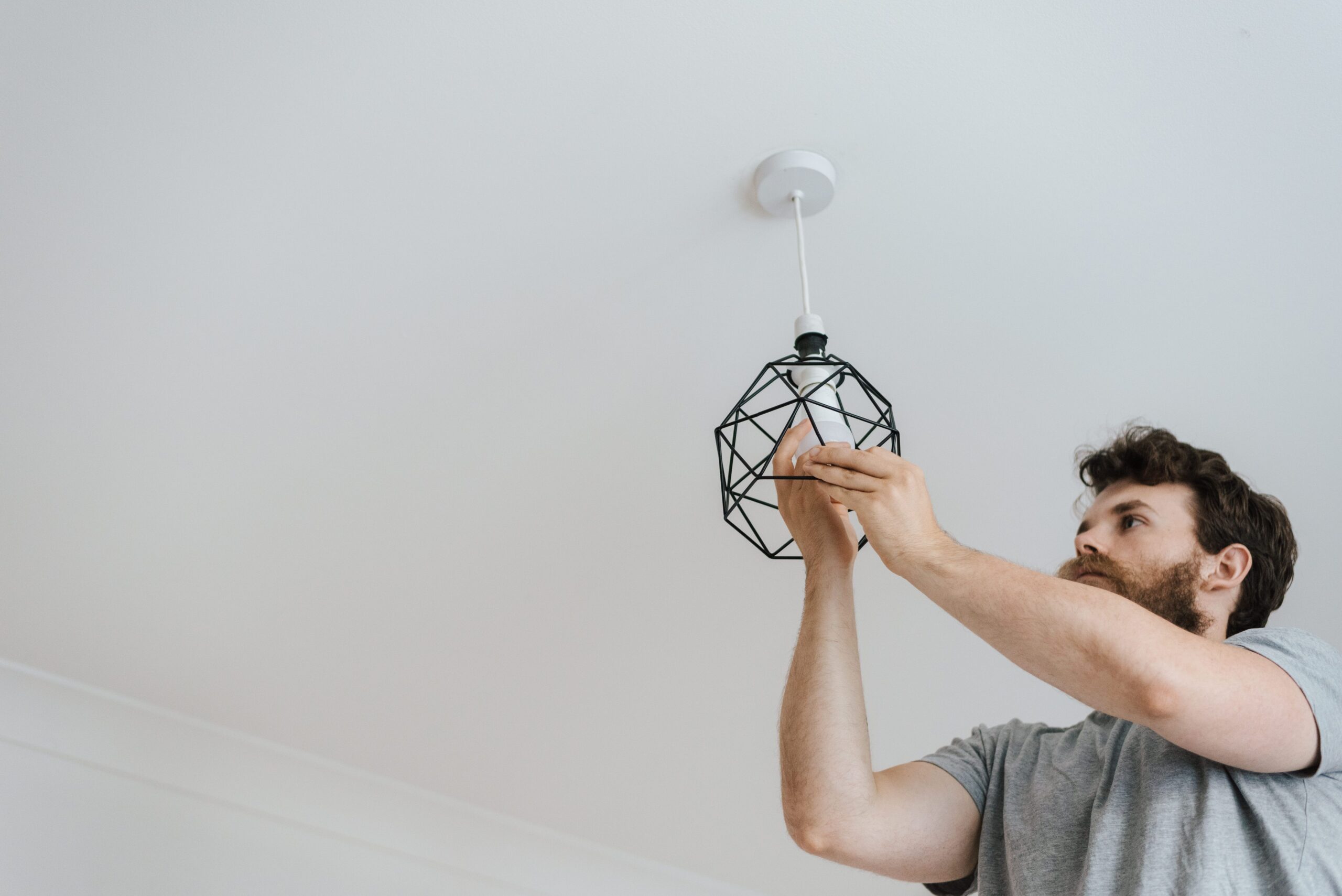
Home Electrical Services: Repairs, Safety & Costs covers the essential information homeowners need before hiring an electrician. From common electrical repairs to service costs and safety precautions, understanding the basics can help you make better decisions.
Electrical work is different from many other home repairs. Wiring mistakes can create fire, shock, or equipment hazards. For that reason, homeowners should use qualified professionals for electrical work that requires technical knowledge, testing, or access to wiring and electrical panels.
What Are Home Electrical Services?
Home electrical services include the inspection, installation, maintenance, troubleshooting, and repair of residential electrical systems. Electricians can work on many parts of a home, including outlets, switches, lighting, circuit breakers, wiring, electrical panels, and dedicated circuits.
Some services are simple repairs. Others involve major upgrades. The exact work depends on the age and condition of the electrical system and the needs of the household.
Common Residential Electrical Services
- Electrical troubleshooting and inspections
- Outlet and switch replacement
- Lighting installation and repair
- Circuit breaker troubleshooting
- Electrical panel upgrades
- New circuit installation
- Ceiling fan and fixture installation
- Whole-home electrical inspections
- Wiring repairs and upgrades
- Electrical safety improvements
For general home upkeep, you can also use a home maintenance checklist to track electrical inspections and other important tasks.
Common Electrical Problems in Homes
Electrical problems can have several causes. Some are related to aging components. Others may result from overloaded circuits, damaged wiring, loose connections, or outdated equipment.
Frequent Circuit Breaker Trips
A circuit breaker that trips occasionally may be responding to an overloaded circuit or another electrical problem. Repeated trips should not simply be ignored.
An electrician can inspect the circuit and determine why the breaker is activating. The solution may involve redistributing electrical loads, repairing wiring, replacing a component, or making another appropriate correction.
Flickering or Dimming Lights
Lights that flicker or dim unexpectedly can have different causes. The issue may involve a fixture, switch, connection, circuit, or another part of the electrical system.
If flickering is frequent or affects several lights, professional troubleshooting is a sensible choice. Do not assume that replacing a bulb will always solve the problem.
Warm or Damaged Outlets
Electrical outlets should not normally become unusually hot. Discoloration, burning smells, buzzing, sparks, or visible damage are also warning signs.
Stop using a problem outlet and arrange for professional evaluation. Do not attempt to repair damaged wiring yourself.
Outdated Wiring
Older homes may have electrical systems that no longer meet the needs of modern households. High-power appliances, computers, heating equipment, and other devices can place greater demands on an older system.
A professional electrical inspection can identify potential concerns and help determine whether upgrades are appropriate.
How Much Do Home Electrical Services Cost?
The cost of residential electrical repairs varies widely. There is no single price that applies to every home or repair.
Several factors influence the final cost. These include the type of service, labor requirements, accessibility, materials, local rates, permit requirements, and the condition of the existing electrical system.
Factors That Affect Electrical Repair Costs
- Type of repair: A simple fixture repair may cost less than wiring work.
- Labor time: Complex troubleshooting can require more time.
- Materials: New wiring, breakers, fixtures, and other components add to the project cost.
- Electrical panel condition: Older or damaged panels may require additional work.
- Accessibility: Hard-to-reach wiring can increase labor requirements.
- Permits: Certain electrical projects may require permits or inspections.
- Location: Contractor rates vary by region and local market conditions.
Because electrical projects vary so much, request a written estimate before approving significant work. The estimate should explain the scope of the project and identify materials, labor, and additional charges where applicable.
When Should You Call an Electrician?
Some electrical problems should be evaluated promptly. Do not wait for a minor issue to become a larger one.
Contact a qualified electrician if you notice repeated breaker trips, persistent flickering, damaged outlets, unusual buzzing, unexplained power loss, exposed wiring, or other electrical abnormalities.
You should also consider professional help when adding high-power equipment. New appliances may require dedicated circuits or other electrical changes. A qualified electrician can determine what the installation requires.
The U.S. Consumer Product Safety Commission electrical safety information provides additional guidance about common electrical hazards in residential environments.
Electrical Safety Tips for Homeowners
Electrical safety starts with simple habits. Avoid overloading outlets and use electrical products according to their instructions.
Do Not Overload Circuits
Plugging too many high-power devices into one circuit can create excessive electrical demand. Use appropriate outlets and circuits for your appliances.
Keep Electrical Equipment Away From Water
Water and electricity can create a dangerous combination. Keep electrical devices and cords away from wet areas unless the equipment is specifically designed and installed for that environment.
Replace Damaged Cords
Do not continue using electrical cords that are visibly damaged. Damaged insulation can expose users to unnecessary risks.
Use the Correct Protection
Ground-fault circuit interrupters, commonly called GFCIs, can provide important protection in areas where electrical equipment may come into contact with water. Local requirements vary, so ask a qualified electrician about appropriate protection for your home.
For broader safety information, the CPSC electrical safety guidance is a useful consumer resource.
How to Choose a Qualified Electrician
Choosing an electrician deserves the same care as choosing any other home-service professional. Do not base your decision only on the lowest quote.
Check Licensing and Qualifications
Electrical licensing requirements vary by location. Ask whether the electrician meets the requirements that apply in your area.
You should also ask about relevant experience. A contractor who regularly performs residential electrical work may be better prepared to handle your specific project.
Verify Insurance
Ask whether the company carries appropriate insurance. This can help protect both the homeowner and the contractor if an unexpected problem occurs during the project.
Read Reviews Carefully
Online reviews can provide useful information about communication, punctuality, workmanship, and customer service. Look for consistent patterns instead of relying on one review.
It is also useful to ask for references for larger projects. A reputable contractor should be able to explain their experience and approach.
Get a Detailed Written Estimate
A written estimate makes it easier to compare electricians. It should explain what work will be performed and what the quoted price includes.
Ask whether the estimate covers labor, materials, permits, disposal, and other expected charges. If additional work may be required, ask how change orders will be handled.
Do not hesitate to ask questions about anything you do not understand. Clear communication before work begins can prevent confusion later.
Electrical Panel Upgrades and Home Improvements
An electrical panel is a central part of your home’s electrical distribution system. If your household has added major appliances or electrical equipment, the existing system may need professional evaluation.
Signs that an electrical assessment may be worthwhile include frequent breaker trips, insufficient capacity for planned equipment, an aging panel, or electrical problems throughout the home.
Panel work should be performed by a qualified electrician. It is not a suitable project for inexperienced DIY work because the equipment can present serious electrical hazards.
If you are planning a larger renovation, coordinate electrical work with the overall project. Our home renovation planning guide can help you organize other stages of a remodeling project.
How to Reduce Long-Term Electrical Costs
Preventive maintenance can help you identify problems before they become more complicated. Regularly inspect visible cords, outlets, switches, and fixtures for signs of damage.
Energy efficiency can also reduce household operating costs. Replacing inefficient lighting and choosing energy-efficient appliances can help reduce electricity use over time.
The Department of Energy home energy audit information explains how homeowners can identify opportunities to improve energy performance.
When making electrical upgrades, focus on safe and practical improvements rather than unnecessary work. A qualified professional can help you prioritize projects based on your home’s condition and your actual needs.
Questions to Ask Before Hiring an Electrician
Before scheduling major electrical work, ask a few important questions:
- Are you licensed for residential electrical work in this area?
- Do you carry appropriate insurance?
- How much experience do you have with this type of project?
- Will you provide a written estimate?
- Are permits required?
- Who will perform the work?
- Will subcontractors be involved?
- What materials will be used?
- Is the workmanship covered by a warranty?
- How will unexpected work or additional costs be handled?
These questions can help you compare contractors based on more than price. They also encourage clear expectations before work begins.
DIY Electrical Work: Know Your Limits
Some basic household tasks may be suitable for homeowners, depending on local rules and personal skill. However, electrical repairs can become dangerous when they involve wiring, service panels, circuits, or other energized equipment.
If you are unsure about an electrical problem, do not experiment with the wiring. A qualified electrician can diagnose the issue safely and determine the appropriate repair.
This approach can also prevent a small mistake from creating a larger and more expensive problem.
Final Thoughts on Home Electrical Services
Home Electrical Services: Repairs, Safety & Costs should always be approached with safety and planning in mind. Electrical problems can range from minor repairs to complex system upgrades. The right solution depends on the condition of your home and the nature of the problem.
Choose a qualified electrician who provides clear communication, appropriate credentials, insurance, detailed estimates, and professional workmanship. Compare several options when possible, and do not choose a contractor based only on the lowest price.
Most importantly, treat unusual electrical behavior as something worth investigating. Prompt professional attention can help protect your home, your appliances, and everyone who lives there.
