VPN Security Explained: How a VPN Protects Your Privacy is an important topic for anyone who spends time online. Every day, devices send information across networks. That information can include websites you visit, the services you use, and details about your connection.
A VPN, or Virtual Private Network, can add an important layer of protection by creating an encrypted connection between your device and a VPN server. This can be especially useful when connecting through networks you do not fully trust.
However, a VPN is not a magic privacy tool. It does not make you completely anonymous. It also does not replace strong passwords, multi-factor authentication, software updates, or safe browsing habits. Understanding what a VPN actually does can help you use the technology more effectively.
What Is a VPN?
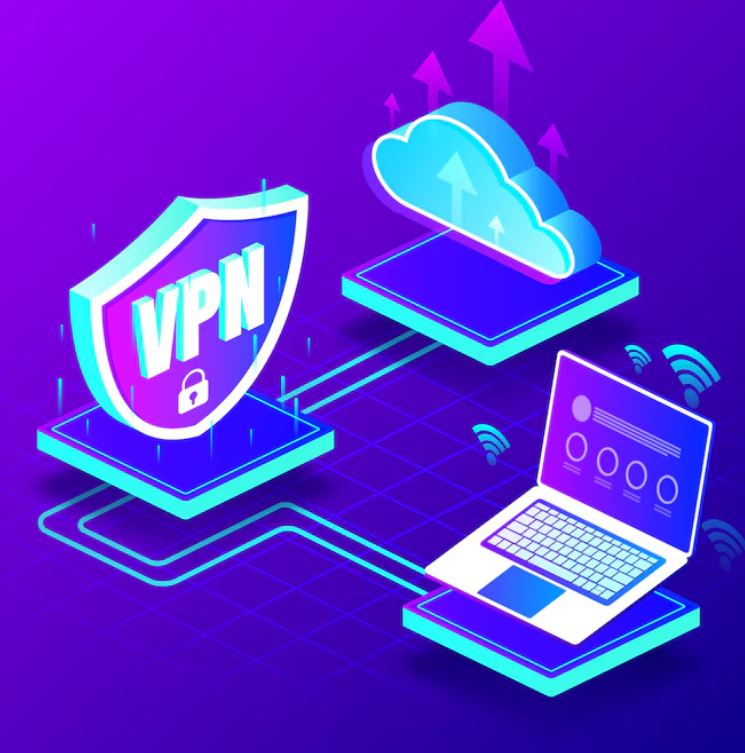
A Virtual Private Network creates a protected connection between your device and a VPN server. Your internet traffic is routed through that server before reaching its destination.
Normally, your device connects to a local network and then to your internet service provider. With a VPN, the VPN application establishes an encrypted tunnel between your device and the VPN provider’s server.
Modern VPN technology can use protocols such as IPsec to provide confidentiality, integrity, authentication, and other security protections. The NIST guide to IPsec VPNs explains how VPN technologies can protect communications across IP networks.
This is the basic idea behind VPN security: protect the connection between your device and the VPN server so that information moving across that portion of the network is harder for outsiders to observe.
How Does VPN Security Work?
When you activate a VPN, your device creates a connection to the VPN provider’s server. The VPN software then routes supported internet traffic through that connection.
Encryption helps protect data while it travels between your device and the VPN server. Someone monitoring an unsecured local network may therefore have a harder time reading that traffic.
For example, public Wi-Fi networks can create security concerns because you may not control the network or know who else is connected. A properly configured VPN can add protection to traffic sent over such a network.
The Federal Trade Commission’s VPN guidance explains that VPN apps can encrypt traffic between a device and the VPN server, helping shield information from people monitoring an insecure network.
What Does a VPN Hide?
One common reason people use VPN services is to change which IP address websites see. Instead of seeing the IP address associated with your normal internet connection, a website may see the VPN server’s IP address.
This can make your approximate network location less obvious to websites and online services. It can also make your internet traffic appear to originate from the VPN server rather than directly from your connection.
However, this does not mean that a VPN hides everything about you.
Websites can still identify you when you sign in to an account. Cookies, browser settings, account information, and other technologies can also be used to associate activity with you.
That is why it is more accurate to think of a VPN as a privacy and network-security layer, rather than a complete anonymity solution.
VPN Encryption and Your Privacy
Encryption is one of the most important features to understand when discussing VPN security explained in practical terms.
Encryption transforms readable information into protected data that cannot be easily understood without the appropriate cryptographic key. A secure VPN uses encryption to protect traffic traveling through its tunnel.
This can be valuable on networks where you do not have complete control. It can reduce the risk of someone on the same local network viewing traffic that would otherwise be exposed.
Still, encryption does not make every connection automatically secure. Websites should also use HTTPS. Your VPN provider must also implement appropriate security measures.
NIST explains that VPN technologies can provide security services for communications across public networks, while also noting that VPNs do not eliminate every networking risk. Read the NIST VPN security recommendations for additional technical background.
Can a VPN Protect You on Public Wi-Fi?
Public Wi-Fi is one of the clearest situations where a VPN can be useful.
Cafes, hotels, airports, libraries, and other public locations may provide wireless internet access. You may not know how the network is configured or who else is using it.
A VPN can encrypt traffic between your device and the VPN server. This creates an additional barrier against local network monitoring.
However, you should still use HTTPS websites, keep your device updated, and avoid entering sensitive information into suspicious websites.
The FTC recommends researching VPN applications before installing them. It also advises users to review permissions, verify that the application provides encryption, and examine whether the provider shares information with third parties.
VPN Privacy Depends on the VPN Provider
There is an important trade-off that many VPN advertisements do not explain clearly.
When you use a VPN, you are shifting some trust away from your local network and toward the VPN provider. Your VPN service can potentially observe information about your connection and traffic, depending on how the service is designed and what data it collects.
This makes the provider’s privacy policy important.
Before choosing a service, investigate what information it collects, how that information is used, how long it is retained, and whether it is shared with other companies.
Be particularly careful with free VPN services. “Free” does not automatically mean unsafe, but a service still needs a sustainable business model. The FTC has warned that some VPN apps may share information with third parties or use data for advertising and analytics.
Free VPN vs. Paid VPN
The choice between a free and paid VPN should not be based on price alone.
Free services may have limitations involving speed, server locations, features, advertising, or data collection. Some may also provide weaker privacy protections.
Paid services can offer more features, but paying for a subscription does not automatically guarantee excellent privacy or security.
Instead, evaluate the provider’s reputation, security practices, privacy policy, transparency, application permissions, and technical features.
A trustworthy VPN service should clearly explain how it handles user information. Avoid choosing a provider based only on claims such as “100% anonymous” or “completely invisible online.”
VPNs Do Not Make You Completely Anonymous
This is one of the most important facts in VPN security explained.
A VPN can hide your normal IP address from websites and encrypt traffic between your device and the VPN server. But it does not erase your digital identity.
For example, if you sign in to an online account, the service knows that account is being used. A VPN cannot prevent the service from recognizing information that you voluntarily provide.
Likewise, a VPN does not automatically stop malware, phishing, weak passwords, unsafe downloads, or account compromises.
The FTC specifically notes that VPN applications generally do not make users entirely anonymous. Instead, they shift trust from the local network or internet provider toward the VPN provider.
VPN vs. HTTPS: What Is the Difference?
VPN encryption and HTTPS protect different parts of your internet connection.
HTTPS protects communication between your browser and a particular website. It is widely used for websites that handle login credentials, payments, and other sensitive information.
A VPN creates an encrypted connection between your device and the VPN server. It can therefore provide protection before traffic reaches its final destination.
These technologies can work together. Using a VPN does not mean you should ignore HTTPS. In fact, both layers can contribute to better overall security.
What a VPN Cannot Protect You From
Understanding the limitations of VPN technology is just as important as understanding its benefits.
Phishing Attacks
A VPN cannot determine whether an email or website is a phishing attempt. You still need to check links and website addresses carefully.
Weak Passwords
A VPN does not make a weak password stronger. Use unique passwords and consider a reputable password manager. Multi-factor authentication can provide another layer of account protection.
Malware
A VPN is not a replacement for device security software or safe browsing practices. Avoid suspicious downloads and keep your operating system and applications updated.
Tracking by Logged-In Services
If you sign in to a service, the service can still associate your activity with your account. A VPN does not change that basic fact.
How to Choose a VPN for Better Security
If you decide that a VPN fits your privacy and security needs, take time to research the provider.
Look for clear information about encryption, supported VPN protocols, privacy practices, data retention, and account security. Check whether the provider explains how it handles connection information and other data.
Also review independent security assessments when available. Do not rely entirely on marketing claims.
Application permissions deserve attention too. A VPN app should not request unrelated permissions without a clear reason. The FTC recommends reviewing requested permissions before installing VPN applications.
VPN Security Best Practices
You can get more value from a VPN by combining it with other good security habits.
- Use a reputable VPN provider with clear privacy practices.
- Keep your VPN application updated.
- Use HTTPS websites whenever possible.
- Enable multi-factor authentication on important accounts.
- Use strong and unique passwords.
- Keep your operating system and browser updated.
- Review the VPN provider’s privacy policy.
- Be cautious with free VPN applications.
- Do not assume a VPN provides complete anonymity.
- Use additional security tools when appropriate.
For organizations, VPN technology can also support secure remote access. The NIST guidance on SSL VPNs discusses secure remote access and considerations for implementing VPN solutions.
Why VPN Security Matters for Remote Work and Travel
Remote workers and travelers often connect from different networks. This can increase the importance of secure network communication.
A VPN can help create a protected connection when accessing resources through networks outside your usual environment. Businesses may also use VPN technology to connect employees securely to internal systems.
However, organizations should not rely on VPNs alone. Secure authentication, device management, software updates, access controls, and monitoring are also important parts of a modern security strategy.
Final Thoughts on VPN Security
VPN Security Explained: How a VPN Protects Your Privacy comes down to understanding what a VPN can and cannot do.
A VPN can encrypt traffic between your device and a VPN server. It can help protect network traffic on untrusted connections and can hide your normal IP address from websites. These features can improve privacy and network security.
At the same time, a VPN is not an anonymity guarantee. The VPN provider becomes an important party you must trust. Websites can still identify logged-in users, and a VPN cannot prevent phishing, malware, weak passwords, or other common security problems.
The best approach is to use a VPN as one part of a broader online privacy and cybersecurity strategy. Combine it with strong passwords, multi-factor authentication, HTTPS, updated software, and careful browsing habits.
When you understand those limits, you can make a more informed decision about whether VPN technology is right for your online security needs.
