Tag: Internet Security
  • How to Secure Your Home Wi-Fi Network From Cyber Threats

    How to Secure Your Home Wi-Fi Network From Cyber Threats

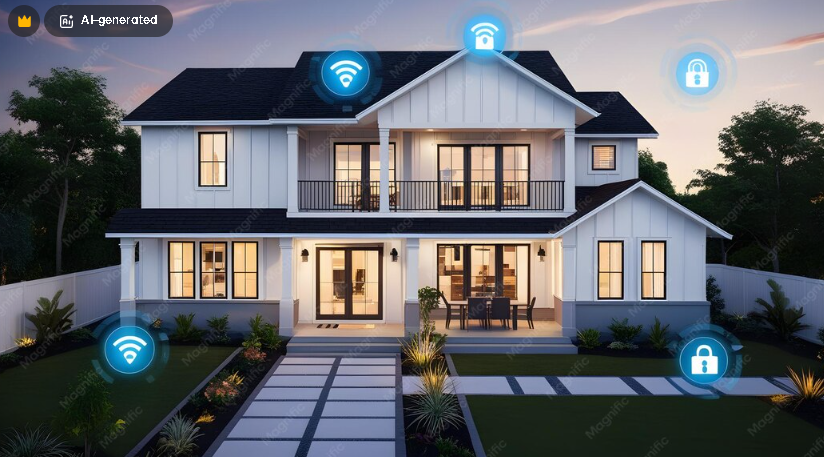
    Your home Wi-Fi network connects phones, laptops, smart TVs, gaming consoles, cameras, printers, and other devices to the internet. That convenience also makes your router an important part of your digital security. If your network is poorly configured, attackers may have more opportunities to access devices, steal information, or misuse your connection.

    Learning How to Secure Your Home Wi-Fi Network From Cyber Threats does not require advanced technical knowledge. A few practical changes can significantly improve your home network security. These include changing default passwords, enabling modern Wi-Fi encryption, updating router firmware, securing connected devices, and monitoring unusual activity.

    This guide explains the most important steps in simple language. It also shows how to build a layered approach to home network security that works for everyday households.

    Why Home Wi-Fi Security Matters

    Your router is the gateway between your home devices and the internet. Every connected device depends on it for network access. This makes the router an important security control point.

    A weak Wi-Fi password can allow an unauthorized person to connect to your network. An outdated router can contain known vulnerabilities. Poorly configured smart devices can also create additional risks.

    The CISA home network security guidance recommends practical steps such as changing default passwords, keeping software updated, and securing wireless networks.

    Strong Wi-Fi security is especially important if you use your connection for online banking, shopping, remote work, school, cloud storage, or other sensitive activities.

    1. Change Your Router’s Default Password

    One of the first steps in Wi-Fi security is changing the router’s default administrator password.

    Many routers come with a preset username and password. Attackers may know these credentials because they can be publicly documented or easily discovered. Leaving them unchanged gives an attacker an unnecessary advantage.

    Create a strong, unique administrator password. Do not reuse a password from your email, social media, or other accounts.

    Remember that your router may have two separate passwords. One controls access to the router’s administration panel. The other protects the Wi-Fi network itself. Secure both.

    2. Use Strong Wi-Fi Encryption

    Your wireless network should use modern encryption. When configuring a new router, look for WPA3 if your devices support it.

    WPA2 is also widely used and can provide strong protection when configured correctly. Older standards such as WEP should not be used for modern home networks.

    The Wi-Fi Alliance security information provides background on modern wireless security technologies, including WPA3.

    If your router supports WPA3 and your devices are compatible, using WPA3 can provide an additional layer of modern wireless protection.

    3. Create a Strong Wi-Fi Password

    Your Wi-Fi password is the key to your wireless network. Avoid simple passwords, names, addresses, birthdays, or common phrases.

    A strong password should be difficult to guess and different from passwords used for other accounts.

    Password length matters. A longer passphrase made from several unrelated words can be easier to remember while providing strong resistance against guessing attacks.

    Do not share your primary Wi-Fi password unnecessarily. If your router provides a guest network, use it for visitors instead.

    4. Update Your Router Firmware

    Router manufacturers regularly release firmware updates. These updates can fix security vulnerabilities, improve stability, and add features.

    Check your router manufacturer’s support page or administration interface for available updates. Some modern routers can install updates automatically.

    Keeping the router updated is one of the most important home cybersecurity habits. A strong password cannot compensate for a router running vulnerable software.

    Why Router Updates Are Important

    Security researchers regularly discover vulnerabilities in networking equipment. Once a vulnerability becomes public, attackers may attempt to exploit devices that have not been patched.

    For this reason, do not ignore firmware notifications. If your router no longer receives security updates from its manufacturer, consider replacing it with a supported model.

    5. Change the Router’s Default Network Name

    The Wi-Fi network name is known as the SSID. Changing the default SSID is not a replacement for strong encryption, but it can help distinguish your network from other nearby networks.

    Avoid putting personal information in the network name. Your full name, address, apartment number, or phone number does not belong in your SSID.

    Choose a neutral name that does not reveal unnecessary information about your household.

    6. Disable Features You Do Not Need

    Routers often include features designed for convenience. Some may not be necessary for your household.

    Review the router settings and disable services you do not use. Examples may include unnecessary remote administration features or outdated wireless standards.

    Remote administration deserves particular attention. If you do not need to manage your router from outside your home network, disabling remote access can reduce the number of ways an attacker might attempt to reach the administration interface.

    Do not change advanced settings without understanding their purpose. If you are unsure, consult your router manufacturer’s documentation.

    7. Create a Guest Wi-Fi Network

    A guest network can separate visitors from your primary home network. Instead of giving guests the password used by your personal devices, provide access through the guest network.

    This can be useful when friends or family members need internet access but do not need access to printers, storage devices, computers, or other equipment on your primary network.

    Many modern routers allow you to create a guest network with its own password and access controls.

    8. Secure Your Smart Home Devices

    Smart TVs, speakers, cameras, thermostats, appliances, and other Internet of Things devices can increase the number of potential security entry points in a home.

    Before connecting a smart device, change its default credentials if required. Install available firmware updates and remove devices you no longer use.

    Review privacy and network permissions as well. A device does not necessarily need access to every other device on your network.

    For larger smart-home setups, consider placing IoT devices on a separate network or VLAN if your router supports that feature.

    9. Keep Computers and Phones Updated

    Your router is only one part of your home network. Every connected device also needs protection.

    Install operating system and application updates promptly. Security updates can address vulnerabilities that attackers may otherwise exploit.

    Use screen locks and strong account passwords. Enable multi-factor authentication on important online accounts whenever it is available.

    For additional guidance, the CISA Secure Our World resources provide practical advice about passwords, software updates, phishing, and multi-factor authentication.

    10. Turn Off Unused Devices

    An unused device does not need to remain connected to your network. If you no longer use an old smart device, printer, camera, or other network-enabled product, disconnect it.

    Removing unnecessary devices reduces the number of systems you need to maintain and update.

    Before disposing of a smart device, follow the manufacturer’s instructions for removing personal information and resetting it to factory settings.

    11. Protect Your DNS Settings

    DNS, or the Domain Name System, helps translate domain names into IP addresses. Your router or devices may use DNS servers provided by your internet service provider or another provider.

    For most households, the default DNS configuration works adequately. However, some users may choose a reputable DNS service that offers additional security or filtering features.

    Do not assume that changing DNS automatically makes your network private or anonymous. DNS is only one part of internet security.

    12. Disable WPS If You Do Not Need It

    Some routers include Wi-Fi Protected Setup, commonly known as WPS. It was designed to make connecting devices easier.

    If you do not use WPS, consider disabling it. The exact risks depend on the router and WPS implementation, so follow the manufacturer’s recommendations.

    Modern routers often provide easier and more secure alternatives for adding devices to a wireless network.

    13. Use a Firewall

    Many home routers include built-in firewall functionality. Make sure it is enabled unless you have a specific configuration that requires otherwise.

    Your computers and other devices may also have their own firewall protections. These layers can work together to control unwanted network connections.

    Do not disable security features simply to solve a connection problem without understanding the consequences. Instead, check the application’s documentation or router support information.

    14. Watch for Suspicious Network Activity

    Many routers provide a list of connected devices. Check this list occasionally.

    If you see an unfamiliar device, investigate it before assuming that your network has been hacked. It could be a smart appliance, television, printer, or another device that you forgot about.

    If you cannot identify a connected device, change your Wi-Fi password and review your router’s security settings. Also check which devices in your home need to reconnect afterward.

    15. Be Careful With Public and Shared Networks

    Home Wi-Fi security does not protect you when you connect to someone else’s network. Public Wi-Fi requires a separate security mindset.

    When using public networks, avoid connecting automatically to unknown Wi-Fi hotspots. Use HTTPS websites, keep your devices updated, and consider a reputable VPN when it fits your privacy needs.

    A VPN can add another layer of protection on untrusted networks, but it does not replace secure account practices or device security.

    Common Home Wi-Fi Security Mistakes

    Even a modern router can become less secure because of simple configuration mistakes.

    • Keeping the default administrator password.
    • Using a short or predictable Wi-Fi password.
    • Leaving outdated router firmware installed.
    • Using obsolete Wi-Fi encryption.
    • Giving visitors access to the primary network unnecessarily.
    • Leaving unused smart devices connected.
    • Enabling remote administration without needing it.
    • Ignoring security alerts and firmware updates.
    • Using the same password for multiple accounts.

    Avoiding these mistakes can significantly improve your wireless network security.

    Home Wi-Fi Security Checklist

    Use this checklist when reviewing your network:

    • Change the router administrator password.
    • Use WPA3 or WPA2 with a strong password.
    • Update router firmware regularly.
    • Change the default SSID if appropriate.
    • Create a guest Wi-Fi network.
    • Disable unnecessary remote administration.
    • Review WPS and disable it if you do not need it.
    • Keep phones, computers, and smart devices updated.
    • Remove devices you no longer use.
    • Enable firewall protections.
    • Use multi-factor authentication for important accounts.
    • Review connected devices periodically.

    Final Thoughts

    Knowing How to Secure Your Home Wi-Fi Network From Cyber Threats is an important part of modern digital security. Your router connects many parts of your digital life, so protecting it should be a priority.

    Start with the basics. Change default credentials, use modern Wi-Fi encryption, create a strong password, and install firmware updates. Then secure your smart devices, create a guest network, review unnecessary features, and monitor connected devices.

    No single security measure can stop every cyber threat. However, several layers of protection can make your home network much harder to compromise.

    As your household adds new phones, computers, smart appliances, and connected services, make network security part of your regular digital routine. A few minutes spent reviewing your router and connected devices can help protect your personal information, accounts, and devices for the long term.

  • Best VPN Security Practices for Online Privacy

    Best VPN Security Practices for Online Privacy

    Online privacy has become increasingly important as people use public Wi-Fi, cloud services, social networks, streaming platforms, online shopping, and other internet-connected services every day. A VPN, or virtual private network, can improve privacy by routing your internet traffic through an encrypted connection to a VPN server.

    However, simply installing a VPN does not guarantee complete online privacy. Your provider, VPN settings, device security, browsing habits, and the websites you visit all matter. Understanding the Best VPN Security Practices for Online Privacy can help you use this technology more responsibly and avoid common mistakes.

    A VPN is best viewed as one part of a broader privacy strategy. It can help protect traffic from local network observers and hide your IP address from websites. However, it does not make you anonymous, prevent every form of tracking, or protect an infected device.

    What Is a VPN and How Does It Protect Privacy?

    A virtual private network creates an encrypted connection between your device and a VPN server. Your internet traffic travels through that connection before reaching its destination.

    One major benefit is that websites generally see the VPN server’s IP address rather than your original IP address. A VPN can also prevent people operating the local network from easily inspecting the contents of properly encrypted traffic passing through the VPN tunnel.

    The Electronic Frontier Foundation’s VPN guide explains that VPNs route traffic through an encrypted tunnel and can mask your IP address. However, it also warns that VPN providers may be able to see information that would otherwise be visible to your internet service provider.

    That distinction is important. A VPN can change who you trust with certain network information. It does not eliminate the need to trust anyone.

    Why VPN Security Practices Matter

    Many VPN services advertise privacy as their primary benefit. Yet VPN security depends on more than encryption. A poorly configured VPN, outdated application, questionable provider, or compromised device can weaken the protection you expect.

    Good VPN habits can help you get more value from the technology while avoiding unrealistic expectations.

    1. Choose a Reputable VPN Provider

    Your VPN provider plays an important role because the provider operates the servers through which your traffic travels.

    Before selecting a service, examine its privacy policy. Look for clear information about data collection, retention, account information, diagnostics, and sharing practices. Avoid making your decision based only on advertising claims such as “100% anonymous.”

    A useful privacy policy should explain what information the company collects and why it collects it. It should also make the provider’s business model understandable.

    Independent audits can provide additional information, although an audit does not automatically prove that a provider is perfect. Consider the scope, date, and methodology of any published assessment.

    2. Use Strong VPN Protocols

    VPN protocols determine how the secure tunnel is established and how data is transported. Modern VPN applications may offer different protocol choices.

    When possible, use a modern, well-maintained protocol supported by your provider. Avoid obsolete protocols that are no longer considered appropriate for modern security requirements.

    For organizations, CISA VPN security guidance recommends strong cryptography and advises administrators to disable unused VPN features and cryptographic algorithms.

    For everyday users, the practical lesson is simple: keep the VPN application updated and use the provider’s current recommended secure protocol unless you have a specific reason to change it.

    Best VPN Security Practices for Online Privacy

    3. Keep Your VPN App Updated

    Software vulnerabilities can affect VPN applications just as they affect browsers, operating systems, and other programs.

    Install security updates promptly. If the VPN application supports automatic updates, consider enabling them. Also keep your operating system and browser updated.

    This is one of the easiest VPN security practices to follow. A secure connection cannot compensate for an outdated device with known security weaknesses.

    4. Enable a Kill Switch When Appropriate

    A VPN kill switch is designed to prevent internet traffic from continuing through the normal connection if the VPN tunnel unexpectedly disconnects.

    This can be useful when maintaining the VPN connection is important to your privacy. For example, you may not want your device to briefly reconnect through your regular network connection after the VPN drops.

    Test the feature after enabling it. Different applications implement kill switches differently, so understanding how your particular VPN handles a connection failure is important.

    5. Check for DNS and IP Leaks

    VPN users sometimes focus only on whether their IP address changes. Privacy can involve other network information as well.

    DNS requests can reveal information about the websites or services your device is attempting to reach. A well-configured VPN should handle DNS traffic appropriately according to its design and privacy policy.

    After setting up a VPN, you can use reputable online privacy testing tools to check whether your apparent IP address and DNS configuration match your expectations.

    6. Be Careful With Free VPN Services

    Free does not always mean unsafe. However, operating VPN infrastructure costs money. If a service does not charge users directly, it is reasonable to ask how the company funds its operations.

    Read the privacy policy before using a free VPN. Pay attention to advertising, data collection, analytics, third-party sharing, and retention practices.

    Your privacy has value. A low-cost or free service can become expensive if its business model depends on collecting information you expected it to protect.

    Do VPNs Make You Anonymous?

    No. This is one of the most important points in any discussion of the Best VPN Security Practices for Online Privacy.

    A VPN can hide your IP address from websites and help protect your traffic from certain local observers. But websites can still identify users through accounts, cookies, browser characteristics, tracking technologies, and other information.

    If you sign into a website, the website can associate your activity with that account regardless of whether you use a VPN.

    The EFF similarly notes that VPN advertising can overstate what VPNs accomplish. A VPN is primarily a tool for routing your connection through another network. It should not be treated as a complete anonymity solution.

    Use HTTPS Alongside a VPN

    A VPN should not replace HTTPS. Instead, the two technologies can complement each other.

    HTTPS encrypts communication between your browser and a website when properly implemented. A VPN protects the connection between your device and the VPN server.

    Whenever possible, use websites that support HTTPS. Modern browsers generally warn users when connections are not secure, but you should still pay attention to suspicious websites and unexpected login pages.

    This layered approach is a core principle of online privacy. Do not depend on a single security technology.

    Secure the Device Running Your VPN

    A VPN cannot protect every activity on a compromised device.

    For example, if malware is already running on your computer, it may be able to access information before it enters the VPN tunnel or after it leaves the tunnel. The same basic principle applies to smartphones and tablets.

    Use a screen lock, install operating system updates, download applications from trustworthy sources, and use reputable security tools where appropriate.

    Also review which applications have access to sensitive information such as your location, microphone, camera, contacts, and files.

    Be Careful on Public Wi-Fi

    Public Wi-Fi can be convenient in airports, hotels, libraries, cafes, and other locations. However, you should not assume that a network is trustworthy simply because it requires a password.

    A VPN can add protection when using an untrusted network. Still, you should continue using HTTPS, avoid suspicious links, and keep your device updated.

    For sensitive accounts, use strong passwords and multi-factor authentication as well. VPN protection and account security solve different problems.

    Review VPN Permissions and Settings

    VPN applications may request device permissions. Review these permissions carefully and understand why they are required.

    Also examine settings such as automatic connection, local network access, split tunneling, DNS configuration, and startup behavior. The best configuration depends on your privacy needs and the services you use.

    Split tunneling, for example, can allow selected traffic to bypass the VPN. This may improve compatibility or performance, but it also means that not all traffic is receiving the same VPN routing.

    Understand VPN Logging Policies

    One of the most important VPN privacy tips is to understand what your provider logs.

    There is no universal definition of “no logs.” Providers can use different terminology and retain different types of technical information.

    Read the provider’s privacy policy. Look for details about connection timestamps, IP addresses, bandwidth, diagnostic information, payment data, and account identifiers.

    Remember that a VPN provider may still have information about your account even if it does not retain detailed browsing activity.

    Use MFA and Strong Passwords

    VPN security is only one part of account protection. Your online accounts should also use unique passwords and multi-factor authentication where available.

    If your VPN account supports MFA, enable it. A strong password combined with an additional authentication factor can make unauthorized account access more difficult.

    This is especially important when a VPN account stores payment information, personal details, or configuration information.

    Watch for VPN Phishing Scams

    Cybercriminals can imitate legitimate VPN services through fake websites, emails, advertisements, and applications.

    Only download VPN software from the provider’s legitimate website or an official app marketplace. Check the publisher name before installing an application.

    Never enter your VPN password into a suspicious login page. Be especially cautious when an unexpected message claims that your VPN subscription has expired and asks you to make an urgent payment.

    VPN Security for Remote Work

    Businesses should treat VPN access as a security-sensitive entry point. VPN systems should be patched, monitored, and configured according to organizational risk.

    CISA has repeatedly highlighted the importance of updating VPN infrastructure and protecting remote access. Its guidance also emphasizes that VPNs can contain vulnerabilities and that security depends on connected devices and proper configuration.

    Organizations should also consider multi-factor authentication, least-privilege access, endpoint security, logging, and modern network-access approaches where appropriate.

    What a VPN Cannot Protect You From

    Understanding limitations is just as important as knowing the benefits.

    • A VPN does not make phishing websites safe.
    • A VPN does not automatically block malware.
    • A VPN does not prevent every form of online tracking.
    • A VPN does not protect an account with a stolen password by itself.
    • A VPN does not guarantee complete anonymity.
    • A VPN cannot fix security problems on a compromised device.

    These limitations do not make VPNs useless. They simply show why a VPN should be part of a larger internet privacy strategy.

    Best VPN Security Checklist

    Before relying on a VPN for privacy, review this simple checklist:

    • Choose a provider with a clear privacy policy.
    • Use a current and reputable VPN protocol.
    • Keep the VPN application updated.
    • Enable a kill switch when it suits your needs.
    • Review DNS and IP leak behavior.
    • Use HTTPS whenever available.
    • Secure your device with updates and strong authentication.
    • Use MFA on important accounts.
    • Understand the provider’s logging and data-retention practices.
    • Download VPN applications only from trustworthy sources.

    Final Thoughts on VPN Privacy

    The Best VPN Security Practices for Online Privacy are not about finding a single tool that solves every security problem. They are about using a VPN correctly and understanding what it can and cannot do.

    Start by choosing a reputable provider. Then keep your application updated, use secure protocols, review privacy settings, and understand the provider’s data practices. Combine the VPN with HTTPS, strong passwords, MFA, secure devices, and careful browsing habits.

    A VPN can be a useful layer of protection, especially on networks you do not fully trust. However, the strongest privacy strategy uses multiple layers rather than depending on one application.

    As online tracking and cybersecurity threats continue to evolve, staying informed is one of the best forms of protection. Use VPN technology thoughtfully, question exaggerated privacy claims, and regularly review the security settings of the devices and accounts you use.

  • VPN Security Explained: How a VPN Protects Your Privacy

    VPN Security Explained: How a VPN Protects Your Privacy

    VPN Security Explained: How a VPN Protects Your Privacy is an important topic for anyone who spends time online. Every day, devices send information across networks. That information can include websites you visit, the services you use, and details about your connection.

    A VPN, or Virtual Private Network, can add an important layer of protection by creating an encrypted connection between your device and a VPN server. This can be especially useful when connecting through networks you do not fully trust.

    However, a VPN is not a magic privacy tool. It does not make you completely anonymous. It also does not replace strong passwords, multi-factor authentication, software updates, or safe browsing habits. Understanding what a VPN actually does can help you use the technology more effectively.

    What Is a VPN?

    A Virtual Private Network creates a protected connection between your device and a VPN server. Your internet traffic is routed through that server before reaching its destination.

    Normally, your device connects to a local network and then to your internet service provider. With a VPN, the VPN application establishes an encrypted tunnel between your device and the VPN provider’s server.

    Modern VPN technology can use protocols such as IPsec to provide confidentiality, integrity, authentication, and other security protections. The NIST guide to IPsec VPNs explains how VPN technologies can protect communications across IP networks.

    This is the basic idea behind VPN security: protect the connection between your device and the VPN server so that information moving across that portion of the network is harder for outsiders to observe.

    How Does VPN Security Work?

    When you activate a VPN, your device creates a connection to the VPN provider’s server. The VPN software then routes supported internet traffic through that connection.

    Encryption helps protect data while it travels between your device and the VPN server. Someone monitoring an unsecured local network may therefore have a harder time reading that traffic.

    For example, public Wi-Fi networks can create security concerns because you may not control the network or know who else is connected. A properly configured VPN can add protection to traffic sent over such a network.

    The Federal Trade Commission’s VPN guidance explains that VPN apps can encrypt traffic between a device and the VPN server, helping shield information from people monitoring an insecure network.

    What Does a VPN Hide?

    One common reason people use VPN services is to change which IP address websites see. Instead of seeing the IP address associated with your normal internet connection, a website may see the VPN server’s IP address.

    This can make your approximate network location less obvious to websites and online services. It can also make your internet traffic appear to originate from the VPN server rather than directly from your connection.

    However, this does not mean that a VPN hides everything about you.

    Websites can still identify you when you sign in to an account. Cookies, browser settings, account information, and other technologies can also be used to associate activity with you.

    That is why it is more accurate to think of a VPN as a privacy and network-security layer, rather than a complete anonymity solution.

    VPN Encryption and Your Privacy

    Encryption is one of the most important features to understand when discussing VPN security explained in practical terms.

    Encryption transforms readable information into protected data that cannot be easily understood without the appropriate cryptographic key. A secure VPN uses encryption to protect traffic traveling through its tunnel.

    This can be valuable on networks where you do not have complete control. It can reduce the risk of someone on the same local network viewing traffic that would otherwise be exposed.

    Still, encryption does not make every connection automatically secure. Websites should also use HTTPS. Your VPN provider must also implement appropriate security measures.

    NIST explains that VPN technologies can provide security services for communications across public networks, while also noting that VPNs do not eliminate every networking risk. Read the NIST VPN security recommendations for additional technical background.

    Can a VPN Protect You on Public Wi-Fi?

    Public Wi-Fi is one of the clearest situations where a VPN can be useful.

    Cafes, hotels, airports, libraries, and other public locations may provide wireless internet access. You may not know how the network is configured or who else is using it.

    A VPN can encrypt traffic between your device and the VPN server. This creates an additional barrier against local network monitoring.

    However, you should still use HTTPS websites, keep your device updated, and avoid entering sensitive information into suspicious websites.

    The FTC recommends researching VPN applications before installing them. It also advises users to review permissions, verify that the application provides encryption, and examine whether the provider shares information with third parties.

    VPN Privacy Depends on the VPN Provider

    There is an important trade-off that many VPN advertisements do not explain clearly.

    When you use a VPN, you are shifting some trust away from your local network and toward the VPN provider. Your VPN service can potentially observe information about your connection and traffic, depending on how the service is designed and what data it collects.

    This makes the provider’s privacy policy important.

    Before choosing a service, investigate what information it collects, how that information is used, how long it is retained, and whether it is shared with other companies.

    Be particularly careful with free VPN services. “Free” does not automatically mean unsafe, but a service still needs a sustainable business model. The FTC has warned that some VPN apps may share information with third parties or use data for advertising and analytics.

    Free VPN vs. Paid VPN

    The choice between a free and paid VPN should not be based on price alone.

    Free services may have limitations involving speed, server locations, features, advertising, or data collection. Some may also provide weaker privacy protections.

    Paid services can offer more features, but paying for a subscription does not automatically guarantee excellent privacy or security.

    Instead, evaluate the provider’s reputation, security practices, privacy policy, transparency, application permissions, and technical features.

    A trustworthy VPN service should clearly explain how it handles user information. Avoid choosing a provider based only on claims such as “100% anonymous” or “completely invisible online.”

    VPNs Do Not Make You Completely Anonymous

    This is one of the most important facts in VPN security explained.

    A VPN can hide your normal IP address from websites and encrypt traffic between your device and the VPN server. But it does not erase your digital identity.

    For example, if you sign in to an online account, the service knows that account is being used. A VPN cannot prevent the service from recognizing information that you voluntarily provide.

    Likewise, a VPN does not automatically stop malware, phishing, weak passwords, unsafe downloads, or account compromises.

    The FTC specifically notes that VPN applications generally do not make users entirely anonymous. Instead, they shift trust from the local network or internet provider toward the VPN provider.

    VPN vs. HTTPS: What Is the Difference?

    VPN encryption and HTTPS protect different parts of your internet connection.

    HTTPS protects communication between your browser and a particular website. It is widely used for websites that handle login credentials, payments, and other sensitive information.

    A VPN creates an encrypted connection between your device and the VPN server. It can therefore provide protection before traffic reaches its final destination.

    These technologies can work together. Using a VPN does not mean you should ignore HTTPS. In fact, both layers can contribute to better overall security.

    What a VPN Cannot Protect You From

    Understanding the limitations of VPN technology is just as important as understanding its benefits.

    Phishing Attacks

    A VPN cannot determine whether an email or website is a phishing attempt. You still need to check links and website addresses carefully.

    Weak Passwords

    A VPN does not make a weak password stronger. Use unique passwords and consider a reputable password manager. Multi-factor authentication can provide another layer of account protection.

    Malware

    A VPN is not a replacement for device security software or safe browsing practices. Avoid suspicious downloads and keep your operating system and applications updated.

    Tracking by Logged-In Services

    If you sign in to a service, the service can still associate your activity with your account. A VPN does not change that basic fact.

    How to Choose a VPN for Better Security

    If you decide that a VPN fits your privacy and security needs, take time to research the provider.

    Look for clear information about encryption, supported VPN protocols, privacy practices, data retention, and account security. Check whether the provider explains how it handles connection information and other data.

    Also review independent security assessments when available. Do not rely entirely on marketing claims.

    Application permissions deserve attention too. A VPN app should not request unrelated permissions without a clear reason. The FTC recommends reviewing requested permissions before installing VPN applications.

    VPN Security Best Practices

    You can get more value from a VPN by combining it with other good security habits.

    • Use a reputable VPN provider with clear privacy practices.
    • Keep your VPN application updated.
    • Use HTTPS websites whenever possible.
    • Enable multi-factor authentication on important accounts.
    • Use strong and unique passwords.
    • Keep your operating system and browser updated.
    • Review the VPN provider’s privacy policy.
    • Be cautious with free VPN applications.
    • Do not assume a VPN provides complete anonymity.
    • Use additional security tools when appropriate.

    For organizations, VPN technology can also support secure remote access. The NIST guidance on SSL VPNs discusses secure remote access and considerations for implementing VPN solutions.

    Why VPN Security Matters for Remote Work and Travel

    Remote workers and travelers often connect from different networks. This can increase the importance of secure network communication.

    A VPN can help create a protected connection when accessing resources through networks outside your usual environment. Businesses may also use VPN technology to connect employees securely to internal systems.

    However, organizations should not rely on VPNs alone. Secure authentication, device management, software updates, access controls, and monitoring are also important parts of a modern security strategy.

    Final Thoughts on VPN Security

    VPN Security Explained: How a VPN Protects Your Privacy comes down to understanding what a VPN can and cannot do.

    A VPN can encrypt traffic between your device and a VPN server. It can help protect network traffic on untrusted connections and can hide your normal IP address from websites. These features can improve privacy and network security.

    At the same time, a VPN is not an anonymity guarantee. The VPN provider becomes an important party you must trust. Websites can still identify logged-in users, and a VPN cannot prevent phishing, malware, weak passwords, or other common security problems.

    The best approach is to use a VPN as one part of a broader online privacy and cybersecurity strategy. Combine it with strong passwords, multi-factor authentication, HTTPS, updated software, and careful browsing habits.

    When you understand those limits, you can make a more informed decision about whether VPN technology is right for your online security needs.