Tag: Phishing Protection
  • Cyber Security Checklist for Small Business Owners

    Cyber Security Checklist for Small Business Owners

    Cybersecurity is no longer only a concern for large companies. Small businesses are also frequent targets for phishing, ransomware, account theft, malware, and data breaches. Many small businesses have limited budgets and small IT teams, which can make security challenges even harder to manage.

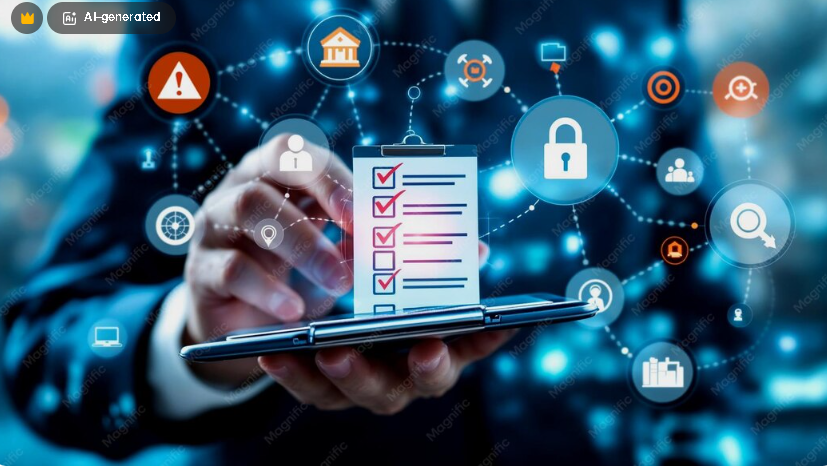
    A practical Cyber Security Checklist for Small Business Owners can make security easier to manage. Instead of trying to solve every cybersecurity problem at once, business owners can work through a clear list of essential protections.

    This checklist covers the most important steps for protecting business accounts, devices, networks, customer information, and online systems. It also explains how to create better security habits without making cybersecurity unnecessarily complicated.

    Why Small Businesses Need a Cyber Security Checklist

    Small businesses often assume that hackers only target large organizations. That assumption can create serious risks. Attackers may target smaller companies because they expect weaker security controls and fewer resources dedicated to cybersecurity.

    A checklist gives business owners a simple way to identify security gaps. It can also help employees understand their responsibilities.

    The goal is not to create a perfect security system overnight. The goal is to build strong basic defenses and improve them over time.

    The CISA ransomware guidance is a useful starting point for understanding ransomware risks and protective measures.

    Small Business Cyber Security Checklist

    1. Use Strong, Unique Passwords

    Weak or reused passwords can put multiple accounts at risk. If an attacker obtains one password, they may try it on other services.

    Every important business account should have a strong and unique password. This includes email, banking, cloud storage, accounting software, social media, website administration, and customer management platforms.

    A password manager can help employees create and securely store unique passwords. This is often easier than asking staff to remember dozens of complicated passwords.

    2. Enable Multi-Factor Authentication

    Passwords alone are not enough for many business accounts. Multi-factor authentication, often called MFA, adds another verification step.

    For example, an employee may need to approve a sign-in using an authentication app after entering a password. This additional layer can make unauthorized account access much more difficult.

    Enable MFA wherever it is available, especially for email, financial accounts, administrator accounts, cloud platforms, and remote access systems.

    3. Keep Software and Devices Updated

    Software updates often include security fixes. Delaying updates can leave known vulnerabilities unpatched.

    Include computers, smartphones, browsers, operating systems, business applications, routers, and other connected devices in your update process.

    Turn on automatic updates when appropriate. For business-critical software, establish a simple process for reviewing and installing important security updates.

    4. Protect Business Email Accounts

    Email is one of the most common entry points for cyberattacks. Attackers may send messages that appear to come from customers, suppliers, managers, banks, or technology providers.

    Employees should learn how to recognize suspicious links, unexpected attachments, urgent payment requests, and unusual login alerts.

    Business email accounts should also use MFA and strong passwords. Administrative email accounts deserve additional protection because they can provide access to other systems.

    For additional guidance, review the FTC cybersecurity guidance for small businesses.

    5. Train Employees About Phishing

    Technology cannot stop every social engineering attack. Employees also play an important role in protecting the company.

    Provide regular security awareness training. Teach employees to pause before clicking unexpected links or opening unfamiliar attachments.

    They should also know how to report suspicious messages. A quick report can help prevent one mistake from becoming a larger security incident.

    Keep training practical. Short lessons and real-world examples are often easier to remember than complicated technical explanations.

    6. Secure Your Wi-Fi Network

    Your business network should not be treated as an open connection. Change default router passwords and use modern wireless security settings.

    Separate guest Wi-Fi from the network used for business systems. This can reduce the risk of visitors or personal devices accessing internal resources.

    Review router firmware regularly and replace outdated networking equipment when it no longer receives security updates.

    7. Use Reliable Antivirus and Endpoint Protection

    Business computers and mobile devices need appropriate security protection. Endpoint security can help detect malware and suspicious activity.

    Make sure security software is active and receiving updates. Do not assume that installing security software once is enough.

    Businesses should also restrict unnecessary software installations. Fewer unapproved applications can mean fewer opportunities for security problems.

    8. Back Up Important Business Data

    Backups are one of the most important items on any Cyber Security Checklist for Small Business Owners.

    Back up important documents, databases, financial records, customer information, website files, and other critical business data.

    Do not rely on a single backup location. Consider maintaining protected copies that cannot be easily modified or deleted by an attacker.

    Test your backups regularly. A backup that cannot be restored when needed does not provide much protection.

    9. Protect Customer and Employee Data

    Businesses often store more sensitive information than they realize. Customer names, contact details, payment information, employee records, and business documents can all be valuable to attackers.

    Only collect information that the business actually needs. Limit access to sensitive data and remove unnecessary accounts or files when appropriate.

    Use encryption and appropriate access controls for sensitive information. Also create clear procedures for handling and disposing of confidential data.

    10. Control Employee Access

    Not every employee needs access to every business system. Use the principle of least privilege whenever possible.

    Employees should receive only the access required for their roles. Review permissions periodically and remove access when someone changes roles or leaves the company.

    This is especially important for administrator accounts. Keep administrative privileges limited to trusted users who genuinely need them.

    11. Secure Cloud Accounts

    Cloud services are essential for many modern businesses. They can include email, file storage, accounting, project management, customer relationship management, and website platforms.

    Review cloud account permissions regularly. Enable MFA, monitor administrator accounts, and avoid sharing sensitive files publicly unless there is a legitimate business reason.

    When choosing a cloud provider, review its security documentation and available account protection features.

    12. Create a Cybersecurity Policy

    A written cybersecurity policy gives employees clear expectations. It does not need to be hundreds of pages long.

    Your policy can cover password management, MFA, acceptable device use, software installation, remote work, data handling, phishing reports, and incident response.

    Keep the policy current. Update it when your business adds new technology or changes the way employees work.

    Create a Small Business Incident Response Plan

    Even strong security controls cannot eliminate every risk. Your business should know what to do if an account is compromised or a device becomes infected.

    Create a simple cybersecurity incident response plan. Include important contacts, responsibilities, backup procedures, and steps for containing an incident.

    Employees should know who to contact when something unusual happens. Make reporting easy and avoid creating a culture where employees are afraid to report mistakes.

    The NIST Cybersecurity Framework provides a useful structure for identifying, protecting, detecting, responding to, and recovering from cybersecurity risks.

    Review Your Website and Online Business Systems

    If you operate an online business, your website is another important part of your security strategy.

    Keep your content management system, plugins, themes, and server software updated. Remove unused plugins and accounts. Use strong administrator credentials and MFA when supported.

    Make sure your website uses HTTPS and that important customer transactions are handled through trusted payment systems.

    You can also review your website security guide for additional steps related to website protection, backups, and account security.

    Secure Remote Work

    Remote work can create additional security challenges. Employees may connect from home networks, public locations, or personal devices.

    Establish clear rules for remote access. Require MFA for important services and keep business devices updated.

    Employees should avoid accessing sensitive business information over unsecured public networks when safer alternatives are available. Business devices should also use screen locks and automatic security protections.

    Review Third-Party Vendors

    Your cybersecurity does not depend only on your own systems. Vendors and service providers may also handle your data or connect to your network.

    Before giving a third party access to sensitive information, review its security practices. Understand what data it collects, where that data is stored, and who can access it.

    Keep a list of important vendors and review their access periodically. Remove unnecessary integrations when they are no longer required.

    Run a Regular Cybersecurity Checkup

    A checklist is most useful when it becomes a regular habit. Schedule cybersecurity reviews at least once a year, or more often when your business has higher security requirements.

    During each review, check passwords, MFA, software updates, backups, employee access, cloud accounts, devices, website security, and incident response procedures.

    You can also perform a broader cybersecurity audit to identify weaknesses that may not be obvious during a basic checklist review.

    What to Prioritize If Your Budget Is Limited

    Small businesses do not always have large cybersecurity budgets. The good news is that several high-impact improvements can be made without major spending.

    Start with MFA on important accounts. Next, improve password practices and install security updates. Then establish reliable backups and provide employee security training.

    After these basics are in place, focus on access controls, network security, monitoring, vulnerability assessments, and other measures based on your specific risks.

    The best cybersecurity strategy is not necessarily the most expensive one. It is the one that addresses your most important risks and is maintained consistently.

    Final Cyber Security Checklist for Small Business Owners

    Use this quick list to review your current security posture:

    • Use strong and unique passwords.
    • Enable multi-factor authentication.
    • Keep operating systems and software updated.
    • Protect business email accounts.
    • Train employees to identify phishing attacks.
    • Secure business Wi-Fi networks.
    • Use appropriate endpoint protection.
    • Back up critical business information.
    • Protect sensitive customer and employee data.
    • Review user permissions regularly.
    • Secure cloud accounts.
    • Maintain a simple cybersecurity policy.
    • Create an incident response plan.
    • Secure your website and online systems.
    • Protect remote workers and business devices.
    • Review third-party vendor access.
    • Conduct regular cybersecurity assessments.

    Conclusion

    A Cyber Security Checklist for Small Business Owners provides a practical way to strengthen your business without becoming overwhelmed by technical details.

    Start with the basics. Protect accounts with strong passwords and MFA. Keep software updated. Back up important information. Train employees. Control access. Secure your website and cloud services.

    Then review your progress regularly and address higher-risk issues as your business grows.

    Cybersecurity is an ongoing process, not a one-time task. By making security part of your normal business operations, you can reduce risk, protect valuable information, and build greater trust with customers and partners.

  • Best Cyber Security Software for Small Businesses

    Best Cyber Security Software for Small Businesses

    Choosing the Best Cyber Security Software for Small Businesses is no longer optional. Small companies handle customer data, payments, employee accounts, business files, and cloud applications every day. A single security incident can interrupt operations and damage customer trust.

    The good news is that modern small business cybersecurity software is easier to deploy than many owners expect. The right platform can protect computers, laptops, mobile devices, email, identities, and business data from common threats such as malware, ransomware, phishing, and unauthorized access.

    This guide compares several leading options and explains what to look for before buying. It also covers practical security measures that should work alongside your chosen software.

    What Is the Best Cyber Security Software for Small Businesses?

    There is no single security product that is perfect for every company. The best choice depends on your number of employees, devices, operating systems, cloud services, budget, and available IT expertise.

    For many organizations, Microsoft Defender for Business is a strong overall choice. It combines endpoint protection with vulnerability management, endpoint detection and response, automated investigation, and attack disruption. Microsoft says Defender for Business is designed for organizations with up to 300 users.

    Bitdefender GravityZone is another strong option for businesses that want centralized endpoint security and flexible packages. Its SMB offerings include protection against ransomware, phishing, advanced threats, and vulnerabilities.

    CrowdStrike Falcon Go is worth considering when a small business wants modern endpoint protection with a simple deployment experience. CrowdStrike positions Falcon Go specifically for small and medium-sized businesses.

    Best Cyber Security Software for Small Businesses: Top Picks

    1. Microsoft Defender for Business

    Best for: Microsoft 365 users and businesses seeking broad protection

    Microsoft Defender for Business is one of the most compelling choices for a growing company. It is built around the same Defender technology used in Microsoft’s broader endpoint security ecosystem.

    The platform provides next-generation antivirus, vulnerability management, endpoint detection and response, automated investigation, and automated remediation. It also supports Windows, macOS, iOS, and Android devices.

    Businesses already using Microsoft 365 may find the ecosystem especially attractive. Microsoft 365 Business Premium includes Defender for Business along with additional capabilities for email security, identity protection, device management, multifactor authentication, and data protection.

    For current features and plans, see Microsoft small business cybersecurity solutions.

    2. Bitdefender GravityZone Business Security

    Best for: Businesses wanting centralized endpoint security

    Bitdefender GravityZone is designed to provide centralized security management for small and medium-sized businesses. Its business packages address threats such as ransomware, phishing, zero-day exploits, and targeted attacks.

    One advantage is the range of available security features. Depending on the package, businesses can add capabilities such as patch management, encryption, mobile threat defense, and risk analytics.

    This can make GravityZone useful for companies that are expanding their device fleet or have more complex security requirements.

    Visit Bitdefender business cybersecurity to review the current SMB options.

    3. CrowdStrike Falcon Go

    Best for: Simple, modern endpoint protection

    CrowdStrike Falcon Go is designed specifically for small and medium businesses. It focuses on making advanced endpoint protection easier to purchase, deploy, and manage.

    The platform includes next-generation antivirus, endpoint detection and response, mobile protection, device control, firewall management, and threat intelligence features. CrowdStrike also offers higher-tier options for businesses that need more advanced capabilities.

    Falcon Go can be attractive to businesses that want strong endpoint security without building a large internal security team.

    Learn more about CrowdStrike small business cybersecurity and its current plans.

    How to Choose Small Business Cybersecurity Software

    Comparing software by antivirus performance alone is not enough. A modern business needs several layers of protection.

    Endpoint Protection

    Start with endpoint security. Every company laptop, desktop, and supported mobile device can become an entry point for attackers.

    Look for next-generation antivirus, behavioral detection, ransomware protection, and centralized device management. Endpoint detection and response can provide additional visibility when a suspicious event occurs.

    Email and Phishing Protection

    Email remains a major security concern for businesses. A convincing phishing message can trick an employee into revealing credentials or opening a malicious file.

    If your company relies heavily on Microsoft 365, an integrated approach can be useful. Microsoft Defender for Office 365, for example, provides protection for email and collaboration services against phishing, malware, malicious links, and unsafe attachments.

    Multifactor Authentication

    A strong password is not enough for important business accounts. Multifactor authentication, often called MFA, adds another verification step when someone signs in.

    Use MFA for email, cloud storage, administrator accounts, financial systems, and other services containing sensitive business information.

    Vulnerability Management

    Security software should help identify outdated applications and vulnerable systems. Attackers often look for weaknesses that could have been fixed through patches or configuration changes.

    Microsoft Defender for Business includes vulnerability management, while Bitdefender offers patch management options within its business security ecosystem.

    Centralized Management

    A small business may not have a dedicated security department. Centralized management can therefore save time.

    Look for dashboards that show protected devices, security alerts, vulnerabilities, policies, and recommended actions. Automated investigation and remediation can also reduce the amount of manual work required from a small IT team.

    Cybersecurity Features Small Businesses Should Prioritize

    When comparing the Best Cyber Security Software for Small Businesses, prioritize features based on actual business risk.

    • Ransomware protection: Helps detect and disrupt ransomware activity.
    • Endpoint detection and response: Provides deeper visibility into suspicious activity.
    • Phishing protection: Helps reduce risks from malicious emails and links.
    • Vulnerability management: Identifies security weaknesses that need attention.
    • Device management: Helps maintain consistent security policies.
    • Mobile protection: Important when employees use smartphones for business.
    • Centralized reporting: Makes it easier to monitor security status.
    • Automated response: Can help contain certain threats quickly.

    Cybersecurity Software Is Only One Layer

    Even the best security platform cannot replace good security practices. Software should be part of a broader small business cybersecurity strategy.

    First, create reliable backups of important business information. Keep backup copies protected from the main network so an incident affecting connected systems does not automatically affect every backup.

    Second, require MFA wherever possible. Third, keep operating systems and applications updated. Fourth, limit administrator privileges. Employees should only have the access they need to perform their jobs.

    The Cybersecurity and Infrastructure Security Agency recommends measures such as MFA, secure backup practices, strong password and permission management, and least-privilege access for small and midsize businesses.

    For additional guidance, businesses can review CISA cybersecurity resources.

    Microsoft Defender vs. Bitdefender vs. CrowdStrike

    Each option has a different strength.

    Microsoft Defender for Business is particularly attractive for organizations already invested in Microsoft 365. Its integration can reduce the need to manage multiple disconnected security products. Microsoft also offers Business Premium, which combines productivity services with security capabilities.

    Bitdefender GravityZone is a strong alternative for businesses looking for flexible endpoint security packages and centralized management. Its SMB platform can be expanded with additional security capabilities as requirements grow.

    CrowdStrike Falcon Go is a good fit for companies that prioritize modern endpoint protection and simple deployment. Its small-business offering includes endpoint, mobile, device-control, and response capabilities.

    How Much Should a Small Business Spend on Cybersecurity?

    There is no universal cybersecurity budget. The right amount depends on the value of your data, number of users, regulatory requirements, technology stack, and risk level.

    Do not compare products only by their subscription price. Consider the total cost of ownership. A slightly more expensive platform may be more cost-effective if it reduces administrative work or replaces several separate tools.

    For example, Microsoft currently lists Defender for Business as a standalone subscription and also includes it within Microsoft 365 Business Premium. Current pricing varies by region and billing arrangement, so check the vendor’s pricing page before making a purchase.

    Common Mistakes to Avoid

    Buying Only Basic Antivirus

    Traditional antivirus remains useful, but businesses often need more than malware scanning. Endpoint detection, vulnerability management, identity security, and centralized administration can provide broader protection.

    Ignoring Employee Security

    Technology cannot solve every security problem. Employees should know how to identify suspicious emails, protect credentials, report unusual activity, and follow company security policies.

    Forgetting Backups

    Security tools reduce risk, but no solution should be treated as an absolute guarantee. Maintain tested backups so your business has a recovery option when something goes wrong.

    Using Too Many Disconnected Tools

    More software does not always mean better security. Too many dashboards can create gaps in monitoring and increase administrative work. A well-integrated security platform may be easier to manage.

    Final Verdict: Which Is the Best Cyber Security Software for Small Businesses?

    For many small companies, Microsoft Defender for Business is an excellent overall choice, especially when the organization already uses Microsoft 365. Its combination of endpoint protection, vulnerability management, detection and response, and integration with Microsoft’s business ecosystem makes it a practical option.

    Bitdefender GravityZone is a strong alternative for businesses seeking flexible, centralized endpoint protection. CrowdStrike Falcon Go is another compelling choice for companies that want modern endpoint security with a simple small-business deployment model.

    Ultimately, the Best Cyber Security Software for Small Businesses is the solution your team can deploy correctly, monitor consistently, and maintain over time. Combine it with MFA, secure backups, regular updates, least-privilege access, and employee security training.

    That layered approach gives a small business a much stronger foundation for protecting its systems, data, customers, and reputation.

    Frequently Asked Questions

    What is the best cybersecurity software for a small business?

    Microsoft Defender for Business, Bitdefender GravityZone, and CrowdStrike Falcon Go are strong options. The best choice depends on your devices, cloud services, budget, and IT requirements.

    Is antivirus enough for a small business?

    Usually, antivirus alone should not be the complete security strategy. Businesses should also consider MFA, email protection, vulnerability management, backups, access controls, and employee training.

    Does Microsoft Defender work for small businesses?

    Yes. Microsoft Defender for Business is designed for small and medium-sized organizations with up to 300 users. It includes endpoint protection, vulnerability management, endpoint detection and response, and automated investigation and remediation.

    Should a small business use cloud-based cybersecurity software?

    Cloud-based management can be useful because administrators can manage security policies and review alerts from a centralized platform. It can also simplify protection for remote and hybrid employees.

    What should I check before buying cybersecurity software?

    Check supported operating systems, device limits, endpoint protection, ransomware defense, phishing protection, MFA integration, vulnerability management, reporting, customer support, deployment requirements, and total cost.

  • How to Protect Your Business From Cyber Attacks

    How to Protect Your Business From Cyber Attacks

    Cyber attacks can disrupt operations, expose sensitive information, and damage customer trust. No business is too small to become a target. Attackers often look for weak passwords, outdated software, unsecured accounts, and employees who may not recognize a suspicious message.

    Learning How to Protect Your Business From Cyber Attacks is therefore an important part of running a modern company. Strong cybersecurity does not depend on one tool. It requires a combination of technology, employee awareness, clear policies, and regular security checks.

    The good news is that many effective security measures are practical and affordable. Businesses can reduce their exposure by securing accounts, protecting data, training employees, updating software, and preparing for incidents before they happen.

    Why Businesses Need Protection From Cyber Attacks

    A cyber attack can affect almost every part of a business. An attacker may try to steal customer information, access financial accounts, lock important files, or obtain employee credentials.

    The consequences can extend beyond the initial security incident. A business may face downtime, unexpected recovery expenses, lost customers, legal obligations, and reputational damage.

    This is why business cybersecurity should be treated as a core business priority. It is not only an IT issue. Business owners, managers, employees, contractors, and technology providers all have a role in protecting company systems.

    Businesses can also review guidance from the Federal Trade Commission cybersecurity resources for practical recommendations aimed at small businesses.

    1. Identify Your Most Important Business Assets

    Before improving security, identify what needs protection. Make a list of your most important systems, accounts, devices, applications, and data.

    Consider customer records, payment information, employee files, financial documents, intellectual property, business email, websites, and cloud storage.

    Then ask a simple question: what would happen if this information were stolen, deleted, or unavailable for several days?

    This process helps you prioritize your security budget. Critical systems should receive stronger protection and closer monitoring.

    A useful starting point is the NIST Cybersecurity Framework. It provides a structured way to identify, manage, and reduce cybersecurity risks.

    2. Protect Business Accounts With Multi-Factor Authentication

    Passwords are important, but passwords alone may not provide enough protection. Multi-factor authentication, or MFA, adds another verification step when someone signs in.

    For example, a user may enter a password and then confirm the login with an authenticator application or another approved method.

    Enable MFA on business email, cloud platforms, financial accounts, administrator accounts, remote access tools, and other important services whenever possible.

    MFA can be especially valuable when an attacker obtains a password through phishing or another method. The additional authentication step can make unauthorized access more difficult.

    3. Create a Strong Password Policy

    Weak and reused passwords can make it easier for attackers to compromise multiple accounts. Businesses should require employees to use unique passwords for important services.

    A company-approved password manager can help employees create and store strong passwords without having to remember every credential.

    Administrative accounts deserve extra protection. Limit administrator privileges and avoid using administrator accounts for routine tasks whenever practical.

    When an employee leaves the company, remove or disable their accounts promptly. Access should also be reviewed when employees change roles.

    4. Keep Software and Devices Updated

    Outdated software can contain security weaknesses that attackers already know how to exploit. This can include operating systems, browsers, business applications, website plugins, routers, and connected devices.

    Install security updates as soon as reasonably possible. Use automatic updates when they are appropriate for your business environment.

    Do not forget mobile devices. Smartphones and tablets may provide access to business email, cloud storage, customer information, and other sensitive systems.

    Regular updates are one of the simplest cyber attack prevention measures a company can adopt.

    5. Train Employees to Spot Phishing Attacks

    Employees are often an important line of defense against cyber threats. However, attackers know this. They may send convincing emails or messages that appear to come from a manager, customer, bank, delivery company, or technology provider.

    These messages may request passwords, payments, confidential information, or urgent action.

    Teach Employees These Warning Signs

    • Unexpected requests for passwords or sensitive information.
    • Messages that create unusual urgency or pressure.
    • Unexpected attachments or unfamiliar links.
    • Requests to change payment details.
    • Messages that do not match normal business communication.
    • Login pages that look unusual or use unfamiliar web addresses.

    Employees should know how to report suspicious messages. They should also understand that reporting a mistake quickly is better than hiding it.

    Regular security awareness training can help turn employees into an active part of your cybersecurity strategy.

    6. Back Up Critical Business Data

    Reliable backups can help a business recover after data loss, hardware failure, accidental deletion, or a security incident.

    Start by identifying the information that would be difficult or impossible to replace. Then establish a regular backup schedule.

    Do not assume that a backup is working simply because the system says it completed successfully. Test restoration procedures periodically.

    Businesses should also protect backup systems from unauthorized access. CISA provides useful information about ransomware prevention and data protection, including recommendations for preparing against ransomware incidents.

    Having multiple protected copies of important information can significantly improve recovery options.

    7. Secure Your Business Network

    A secure network helps reduce opportunities for unauthorized access. Start by changing default administrator passwords on network equipment.

    Keep routers, firewalls, wireless access points, and other network devices updated. Use strong Wi-Fi security and avoid sharing administrator credentials.

    If your business offers guest Wi-Fi, separate it from the network used for company systems. Guest devices should not have unnecessary access to internal resources.

    Remote employees should also use approved devices and security procedures when accessing company systems.

    8. Use Access Controls and Least Privilege

    Employees do not need access to every business system. Give users only the permissions required for their jobs.

    This approach is known as least privilege. It can reduce the potential damage if an account becomes compromised.

    Review permissions regularly. Remove unnecessary access and disable inactive accounts. Pay particular attention to accounts with access to financial systems, customer databases, administrative tools, and sensitive documents.

    Strong access control is especially important for growing companies because employee responsibilities often change over time.

    9. Protect Business Email and Cloud Services

    Business email is a valuable target because it can contain confidential conversations, invoices, customer information, passwords, and links to other services.

    Protect email accounts with MFA and strong passwords. Review account recovery options and security alerts regularly.

    Cloud applications should receive the same attention. Check who can access shared files and folders. Remove unnecessary external access and review administrator permissions.

    Businesses should also create procedures for verifying unusual financial requests. For example, an employee should not change payment details based only on an unexpected email.

    10. Secure Customer and Business Data

    Data security is a major part of How to Protect Your Business From Cyber Attacks. Businesses should know what information they collect and why they need it.

    Collect only information that is necessary for legitimate business purposes. Store sensitive information securely and limit access to authorized employees.

    When information is no longer required, follow appropriate data retention and disposal procedures.

    Review your business data security strategy regularly. Strong data practices can reduce the impact of both external attacks and internal mistakes.

    11. Check the Security of Vendors and Partners

    Your business may depend on third-party companies for hosting, accounting, payments, marketing, software, customer support, or other services.

    These relationships can create additional security risks. Before giving a provider access to sensitive information, understand what data it handles and how that information is protected.

    Review vendor access regularly. Remove access that is no longer necessary.

    For important providers, consider including appropriate cybersecurity responsibilities in contracts. Your security strategy should account for the companies that connect to your systems.

    12. Prepare an Incident Response Plan

    Even a well-protected business may experience a security incident. Preparation can make the response faster and more organized.

    Create a simple cybersecurity incident response plan. Identify who should be contacted if an incident occurs and who has authority to make important decisions.

    The plan should cover potential scenarios such as compromised accounts, stolen devices, malware infections, data exposure, and business email compromise.

    Keep important emergency contacts available outside your main business systems. If those systems become unavailable, you still need a way to coordinate the response.

    After an incident, review what happened. Identify the original weakness and improve your security controls to reduce the chance of a similar problem happening again.

    13. Monitor Your Security Regularly

    Cybersecurity is an ongoing process. New employees, applications, devices, vendors, and business processes can introduce new risks.

    Schedule regular security reviews. Check accounts, permissions, software updates, backups, devices, network settings, and cloud access.

    You can also create a simple cybersecurity best practices checklist for your team. Assign responsibility for each task and record when reviews are completed.

    Regular reviews help prevent security controls from becoming outdated.

    Cyber Attack Prevention Checklist for Businesses

    Use this checklist as a quick starting point for improving your security:

    • Enable multi-factor authentication on critical accounts.
    • Use unique and strong passwords.
    • Keep software, devices, and network equipment updated.
    • Back up important business data regularly.
    • Test data restoration procedures.
    • Train employees about phishing and social engineering.
    • Secure business Wi-Fi and network equipment.
    • Separate guest networks from internal business systems.
    • Limit employee access using least privilege.
    • Review cloud and email security settings.
    • Monitor vendor and third-party access.
    • Protect sensitive customer and financial information.
    • Create an incident response plan.
    • Review cybersecurity controls regularly.

    How to Protect Your Business From Cyber Attacks on a Limited Budget

    Cybersecurity does not have to begin with expensive enterprise software. Start with the controls that address common risks.

    Enable MFA. Improve password practices. Install security updates. Back up important data. Train employees to recognize phishing. These steps can provide a strong foundation.

    Next, review access permissions, network security, cloud accounts, and vendor relationships. As the company grows, consider professional security assessments and additional monitoring where appropriate.

    The NIST Cybersecurity Framework Quick-Start Guides can also help organizations approach cybersecurity in a structured way without trying to solve every security issue at once.

    Final Thoughts

    Knowing How to Protect Your Business From Cyber Attacks is essential in an increasingly connected business environment. A single compromised account or outdated system can create serious problems.

    However, businesses can reduce many common risks by taking consistent action. Protect important accounts with MFA. Use strong passwords. Update software. Train employees. Back up critical data. Control access. Secure networks and cloud services. Review vendors. Prepare for incidents.

    Cybersecurity is not a one-time project. It is an ongoing business practice. Start with the fundamentals, review your defenses regularly, and improve your security strategy as your company changes.

    A proactive approach can help protect valuable information, reduce disruption, and preserve the trust of customers and business partners.

  • Cyber Security Best Practices Every Business Should Know

    Cyber Security Best Practices Every Business Should Know

    Cyber threats are no longer a problem reserved for large corporations. Businesses of every size now rely on email, cloud platforms, online payments, websites, customer databases, and connected devices. Each of these systems can create security risks if they are not properly protected.

    That is why Cyber Security Best Practices Every Business Should Know should be part of every modern business strategy. Strong cybersecurity can help protect sensitive information, reduce downtime, maintain customer trust, and support long-term growth.

    The good news is that effective security does not always require a huge technology budget. Businesses can reduce many common risks by improving passwords, enabling multi-factor authentication, updating software, training employees, securing backups, and creating a clear response plan.

    This guide explains practical cyber security best practices that businesses can start applying today.

    Why Cybersecurity Matters for Every Business

    A cyberattack can affect much more than a company’s computers. A successful incident may expose customer information, interrupt operations, damage a company’s reputation, or create unexpected recovery costs.

    Small and medium-sized businesses can also be attractive targets because they may have valuable information but fewer security resources. The Federal Trade Commission recommends basic measures such as software updates, regular backups, employee security policies, and multi-factor authentication for businesses. FTC cybersecurity guidance for small businesses provides additional practical recommendations.

    Cybersecurity should therefore be treated as a business responsibility rather than only an IT responsibility. Owners, managers, employees, contractors, and technology providers all have a role to play.

    1. Create a Strong Cybersecurity Strategy

    The first step is understanding what your business needs to protect. Make a list of important systems, devices, applications, accounts, and data.

    Identify information that would cause serious problems if it were lost or stolen. This may include customer records, employee information, financial documents, intellectual property, login credentials, and business contracts.

    Next, identify the biggest risks. Consider phishing, stolen passwords, malware, ransomware, unauthorized access, lost devices, insecure Wi-Fi, and third-party vendors.

    The NIST Cybersecurity Framework 2.0 is a useful starting point. It provides a flexible approach for organizations of different sizes and sectors to manage cybersecurity risk.

    2. Use Multi-Factor Authentication

    A password alone may not be enough to protect an important account. Multi-factor authentication, commonly called MFA, adds another verification step.

    For example, an employee may enter a password and then confirm the login through an authenticator application or another approved method.

    Enable MFA for email, cloud storage, financial accounts, administrative systems, remote access, and other services that support it.

    MFA is especially valuable for accounts with access to sensitive information. If a password is stolen, the additional authentication requirement can provide another layer of protection.

    3. Build Better Password Practices

    Weak or reused passwords can create unnecessary risk. Employees should use unique passwords for important business accounts.

    Consider using an organization-approved password manager to help employees create and manage strong passwords. Administrative accounts should receive extra attention because they can provide extensive access to business systems.

    Businesses should also remove access when an employee leaves. Former accounts should not remain active without a legitimate business reason.

    4. Keep Software and Devices Updated

    Outdated software can expose businesses to known security weaknesses. This includes operating systems, browsers, applications, plugins, cloud tools, routers, and other connected devices.

    Turn on automatic updates where appropriate. For business-critical systems, establish a process for testing and applying security updates.

    Do not overlook smartphones and tablets. A device used to access business email or cloud applications can also become a security concern.

    Regular updates are one of the simplest cyber security best practices because they reduce exposure to vulnerabilities that may already be publicly known.

    5. Train Employees to Recognize Phishing

    Technology cannot solve every cybersecurity problem. Employees are often targeted through deceptive emails, messages, websites, and phone calls.

    Phishing messages may create urgency. They may ask someone to open an attachment, click a link, transfer money, or provide login information.

    Employee training should focus on practical warning signs. Teach staff to verify unexpected requests, inspect suspicious messages carefully, avoid unknown attachments, and report potential incidents quickly.

    Training should not be a one-time event. Short, regular security reminders can help employees maintain good habits.

    6. Protect Business Data With Reliable Backups

    Backups can be extremely important when files are accidentally deleted, systems fail, or a security incident affects business data.

    Identify the information that must be recovered after an incident. Then create a regular backup schedule.

    Businesses should also consider protecting backups from unauthorized access. CISA guidance recommends maintaining backups of critical data and system configurations and keeping appropriate backup copies separated from the primary network. CISA cybersecurity resources can help organizations strengthen their security practices.

    Most importantly, test backups periodically. A backup that cannot be restored when needed does not provide much protection.

    7. Secure Your Business Network

    Network security is another important part of Cyber Security Best Practices Every Business Should Know.

    Start with secure Wi-Fi settings and strong administrator credentials. Keep network equipment updated and change default passwords.

    If your business provides guest Wi-Fi, keep it separated from systems used for business operations. This reduces the risk of allowing guest devices to directly access internal resources.

    Remote workers should also follow approved security procedures. Business accounts and sensitive information should not be accessed through unsafe or unauthorized systems.

    8. Limit Access Using Least Privilege

    Employees should have access to the information and systems they need to perform their jobs. They should not automatically receive access to everything.

    This principle is known as least privilege. It can reduce the potential impact of a compromised account.

    Review permissions regularly. When an employee changes roles, update their access. Remove unnecessary administrator privileges and inactive accounts.

    9. Protect Cloud Accounts and Business Email

    Cloud services are now central to many businesses. Email, document storage, accounting, project management, customer relationship management, and other services may contain valuable information.

    Protect these accounts with MFA, strong passwords, appropriate permissions, and security alerts where available.

    Email deserves special attention because it can be used to steal credentials or manipulate employees into making unauthorized payments. Create clear procedures for verifying unusual financial requests.

    10. Manage Third-Party and Vendor Risks

    Your business may depend on software providers, accountants, marketing platforms, payment processors, hosting companies, consultants, and other vendors.

    A security problem involving a third party can sometimes affect your organization. Before giving a vendor access to sensitive systems or information, understand what data they handle and what security measures they use.

    Review vendor access regularly. Contracts should clearly address security responsibilities when appropriate.

    11. Create an Incident Response Plan

    Even strong security controls cannot guarantee that an incident will never happen. Every business should know what to do if something goes wrong.

    Create a simple incident response plan. Identify who should be contacted, which systems may need to be isolated, how evidence should be preserved, and who is responsible for communicating with employees, customers, legal advisers, insurers, or relevant authorities.

    Keep important contact information available offline. During a serious incident, affected systems may not be accessible.

    The FTC also provides guidance for businesses dealing with data breaches and related cybersecurity issues. FTC business cybersecurity resources can be used alongside your organization’s internal response procedures.

    12. Review Security Regularly

    Cybersecurity is not something you set up once and forget. Businesses change over time. New employees join, applications are added, vendors change, and new threats emerge.

    Schedule regular security reviews. Check user accounts, permissions, software versions, backups, devices, vendor access, and security policies.

    It can also help to document security improvements. A written record makes it easier to track progress and identify areas that still need attention.

    Cybersecurity Checklist for Businesses

    Use this quick checklist to identify areas that may need improvement:

    • Enable MFA on important business accounts.
    • Use unique and strong passwords.
    • Keep operating systems and applications updated.
    • Back up critical business information regularly.
    • Test whether backups can actually be restored.
    • Train employees to identify phishing attempts.
    • Secure business Wi-Fi and network equipment.
    • Separate guest networks from business networks.
    • Review user permissions and remove unnecessary access.
    • Protect cloud applications and administrator accounts.
    • Evaluate cybersecurity risks from vendors and suppliers.
    • Create and maintain an incident response plan.
    • Review cybersecurity policies regularly.

    How to Start Improving Cybersecurity Today

    You do not need to implement every security measure at once. Start with the areas that can reduce the greatest risks.

    First, secure important accounts with MFA and unique passwords. Next, make sure critical software is updated and important data is backed up. Then train employees and document an incident response process.

    After these fundamentals are in place, review your network, cloud services, vendor relationships, permissions, and monitoring capabilities.

    For organizations looking for a structured approach, NIST’s Cybersecurity Framework 2.0 Quick-Start Guides include resources specifically designed to help smaller organizations begin improving their cybersecurity practices.

    Final Thoughts

    Strong cybersecurity is not simply about buying more security software. It is about creating sensible processes that protect people, technology, data, and business operations.

    The most important Cyber Security Best Practices Every Business Should Know include multi-factor authentication, strong password management, software updates, employee education, secure backups, access controls, network protection, vendor risk management, and incident planning.

    Businesses that make cybersecurity part of everyday operations can reduce avoidable risks and respond more effectively when problems occur. Start with the fundamentals, review your progress regularly, and improve your security strategy as your business grows.