Category: Home Services

  • Air Conditioning Repair Cost: A Complete Homeowner Guide

    Air Conditioning Repair Cost: A Complete Homeowner Guide

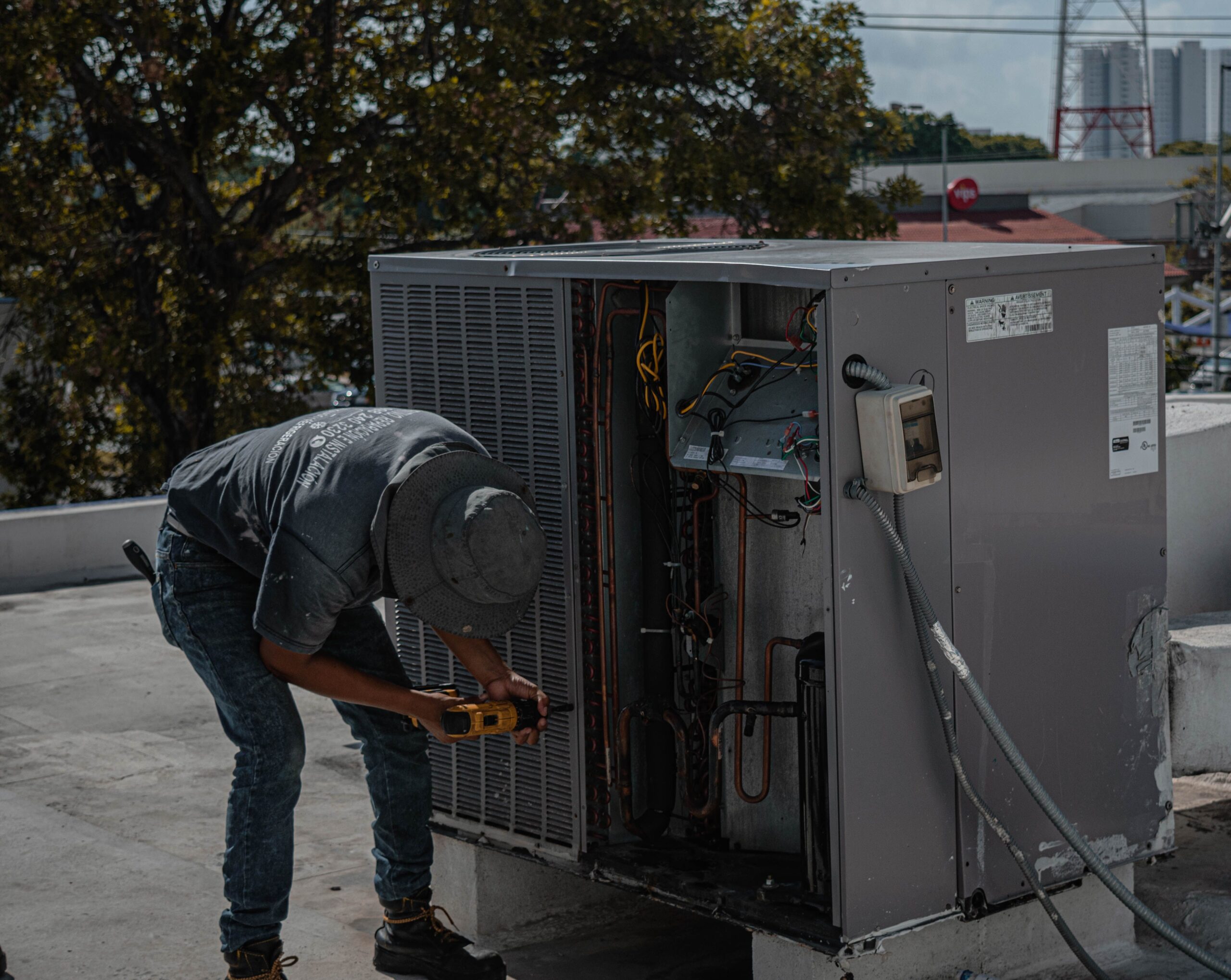
    When your air conditioner stops cooling, the first question is often simple: how much will the repair cost? The answer depends on the problem, the type and age of the system, replacement parts, labor rates, and your location.

    Some AC problems are relatively inexpensive to fix. Others can involve major components such as the compressor, condenser coil, or electrical system. In some cases, replacing an older system may make more financial sense than continuing to repair it.

    This Air Conditioning Repair Cost: A Complete Homeowner Guide explains common AC repair prices, warning signs, repair versus replacement decisions, and ways to keep your cooling system working efficiently.

    How Much Does Air Conditioning Repair Cost?

    For many U.S. homeowners, a standard air conditioning repair may cost roughly $150 to $1,000. Minor service calls can fall below this range, while major component repairs can exceed it.

    The final price depends on the diagnosis. A technician may charge a service or diagnostic fee before starting the repair. Labor and parts are then added based on the work required.

    Emergency or after-hours service may also cost more. Before approving the repair, ask whether the estimate includes labor, parts, diagnostic charges, disposal fees, and any additional service charges.

    AC Repair Type Common Planning Range
    Diagnostic or service visit $75–$200+
    Thermostat repair or replacement $100–$400
    Capacitor replacement $150–$400
    Contactor or electrical repair $150–$500
    Refrigerant-related service $200–$800+
    Blower motor repair $300–$800+
    Condenser coil repair or replacement $500–$1,500+
    Compressor replacement $1,000–$2,500+

    These figures are broad budgeting estimates. Actual prices can differ significantly by system type, location, accessibility, equipment brand, refrigerant requirements, and contractor.

    What Factors Affect AC Repair Cost?

    1. Type of Air Conditioner

    Central AC systems, ductless mini-splits, heat pumps, and window units have different designs. Parts and labor requirements can therefore vary.

    A central air conditioner may require more diagnostic work because several components work together. A ductless system has a different set of indoor and outdoor components.

    2. Age of the System

    Older systems can be more difficult to repair. Replacement parts may be harder to source. Older equipment may also operate less efficiently than newer systems.

    ENERGY STAR recommends evaluating older cooling equipment when it is no longer performing well or requires frequent repairs. Its guidance notes that equipment over 10 years old may be a candidate for replacement evaluation, particularly when energy bills are increasing. ENERGY STAR heating and cooling guidance can help homeowners compare maintenance and replacement considerations.

    3. Labor Rates

    HVAC labor prices vary by region and company. Busy cooling seasons may also affect scheduling and pricing.

    4. Replacement Parts

    A failed capacitor may be relatively inexpensive compared with a compressor. Premium components and hard-to-find parts can also increase the total repair bill.

    5. Accessibility

    If an AC component is difficult to reach, the technician may need additional time to diagnose or repair it. This can increase labor costs.

    Common Air Conditioning Problems and Their Costs

    AC Is Not Cooling

    An air conditioner that runs but does not cool the home can have several causes. The problem could involve airflow, refrigerant, coils, electrical components, the thermostat, or the compressor.

    Because several issues can produce similar symptoms, professional diagnosis is often the best way to avoid replacing the wrong component.

    AC Blows Warm Air

    Warm air can result from a dirty filter, airflow problem, thermostat issue, refrigerant problem, or outdoor unit failure. A simple maintenance issue may cost much less than a mechanical component failure.

    AC Makes Strange Noises

    Unusual buzzing, grinding, rattling, or clicking sounds should not be ignored. The source may be a loose component, fan problem, motor issue, or electrical fault.

    Turn the system off if you notice a serious electrical smell, smoke, or another obvious safety concern. Then contact a qualified HVAC professional.

    AC Is Leaking Water

    Water around an indoor AC unit may indicate a clogged condensate drain, frozen coil, drain-pan issue, or another problem.

    ENERGY STAR specifically recommends checking the condensate drain during HVAC maintenance because a plugged drain can contribute to water damage and indoor humidity problems. View the ENERGY STAR HVAC maintenance checklist for more information.

    AC Turns On and Off Frequently

    Frequent cycling can have several causes. These include thermostat problems, airflow restrictions, incorrect sizing, refrigerant issues, or equipment faults.

    Proper system sizing matters. ENERGY STAR notes that oversized equipment can cycle too frequently, which can reduce comfort and shorten equipment life. Learn about proper HVAC sizing and installation.

    Repair vs. Replace: Which Is Better?

    Not every broken AC system needs replacement. A relatively new system with a minor problem may be a good candidate for repair.

    Replacement deserves consideration when the system is old, repairs are becoming frequent, efficiency is declining, or a major component has failed.

    Think about the total cost of ownership. A cheap repair may seem attractive today. However, repeated repairs can add up over several years.

    Ask your HVAC contractor for two numbers when appropriate: the cost of repairing the existing system and the estimated cost of replacement. Then compare expected reliability, efficiency, warranty coverage, and long-term operating costs.

    When Is AC Replacement Worth Considering?

    There is no universal age at which every air conditioner should be replaced. However, age is an important factor.

    ENERGY STAR recommends considering replacement when equipment is more than 10 years old, requires frequent repairs, or causes rising energy bills. It also points to comfort problems, humidity issues, and uneven temperatures as reasons to have the system evaluated. ENERGY STAR cooling efficiency resources provide additional guidance.

    A replacement can also be worth considering when a major component fails and the repair represents a large percentage of the cost of new equipment.

    How to Lower Your Air Conditioning Repair Cost

    Change the Air Filter

    A dirty filter restricts airflow and makes the system work harder. ENERGY STAR recommends checking the filter monthly during periods of heavy use and replacing it when dirty, with replacement at least every three months as a general minimum. Follow your equipment manufacturer’s recommendations as well. See ENERGY STAR air-conditioning maintenance tips.

    Keep the Outdoor Unit Clear

    Leaves, dirt, grass, and other debris can restrict airflow around the outdoor condenser. Keep the area around the unit reasonably clear and follow the manufacturer’s maintenance instructions.

    Schedule Preventive Maintenance

    Annual professional maintenance can identify problems before they become major failures. ENERGY STAR recommends professional pre-season checkups and says contractors should inspect important electrical, airflow, condensate, and cooling components.

    Compare Detailed Quotes

    For major repairs, consider getting more than one estimate. Compare the diagnosis and scope of work, not only the total price.

    A detailed estimate should identify the failed component, required parts, labor, warranty information, and any additional work.

    What Should an AC Technician Check?

    A professional diagnosis should go beyond simply adding refrigerant or replacing a visible component.

    Depending on the symptoms, the technician may inspect:

    • Thermostat operation
    • Air filters and airflow
    • Electrical connections
    • Capacitors and contactors
    • Indoor and outdoor coils
    • Condensate drainage
    • Blower operation
    • Refrigerant charge and system performance
    • Fans and motors
    • Compressor operation

    ENERGY STAR’s maintenance checklist recommends checking electrical connections, controls, condensate drainage, coils, refrigerant levels, and blower components as part of professional HVAC maintenance.

    Questions to Ask Before Hiring an HVAC Contractor

    Hiring the right contractor can make a significant difference in both cost and repair quality.

    • What is the diagnostic or service-call fee?
    • Will the diagnostic fee be applied to the repair?
    • What component has failed?
    • Is repair or replacement recommended?
    • Does the estimate include parts and labor?
    • Is there a warranty on the repair?
    • Are you licensed and insured where required?
    • Can you provide an itemized estimate?

    Do not feel pressured to approve a major repair without understanding the problem. A reputable contractor should be able to explain the diagnosis and available options clearly.

    How to Prevent Expensive AC Repairs

    Preventive maintenance is one of the easiest ways to protect your cooling system. Check the filter regularly. Keep outdoor components clear. Watch for unusual noises, leaks, weak airflow, and changes in cooling performance.

    Schedule professional maintenance before heavy cooling season when possible. ENERGY STAR recommends pre-season checkups because contractors can become busy once peak heating and cooling seasons arrive.

    Also pay attention to energy bills. A sudden increase may indicate an efficiency problem, although weather, utility rates, and household usage can also affect costs.

    Energy Efficiency and Long-Term Savings

    Repair cost is only one part of the AC ownership equation. Operating efficiency matters too.

    ENERGY STAR states that heating and cooling account for a significant share of household energy use. It recommends regular maintenance, clean filters, proper duct sealing, and appropriately sized equipment to improve efficiency.

    When replacing an older system, ask the contractor about properly sizing the equipment for your home. Bigger is not automatically better. An oversized system can cycle too frequently and may provide poorer comfort.

    Frequently Asked Questions About Air Conditioning Repair Cost

    What is the average AC repair cost?

    Many common repairs fall within a few hundred dollars, while major repairs can exceed $1,000. The exact price depends on the failed component, labor, location, and equipment.

    Is it cheaper to repair or replace an AC?

    Repair is often more economical for newer systems with minor problems. Replacement may make more sense for older systems with repeated failures or expensive major-component repairs.

    How much does an AC service call cost?

    A diagnostic or service visit may cost roughly $75 to $200 or more, depending on location, company, timing, and the complexity of the diagnosis. Ask about the fee before scheduling.

    How can I reduce AC repair costs?

    Regular maintenance, clean filters, clear outdoor equipment, early diagnosis, and detailed estimates can help control long-term costs.

    How often should an AC system be serviced?

    A professional pre-season inspection is a useful general practice. ENERGY STAR recommends annual pre-season HVAC checkups and regular filter inspection.

    Final Thoughts on Air Conditioning Repair Cost

    Understanding Air Conditioning Repair Cost: A Complete Homeowner Guide can help you make better decisions when your cooling system stops working.

    Minor repairs may cost only a few hundred dollars. Major component failures can cost much more. The right choice depends on the repair, system age, equipment condition, energy efficiency, and expected future maintenance.

    Before approving expensive work, get a clear diagnosis and an itemized estimate. Compare repair and replacement options when appropriate. Most importantly, keep up with basic maintenance so small problems have less chance of becoming expensive failures.

    A well-maintained AC system can provide better comfort and more predictable operating costs. With regular inspections and prompt repairs, homeowners can protect both their cooling equipment and their household budget.

  • HVAC Repair Services: Cost, Maintenance & Expert Tips

    HVAC Repair Services: Cost, Maintenance & Expert Tips

    A reliable HVAC system helps keep your home comfortable throughout the year. When an air conditioner stops cooling or a furnace fails during cold weather, getting the right repair quickly becomes a priority. However, choosing a repair company based only on speed or price can lead to unnecessary costs.

    Understanding HVAC Repair Services: Cost, Maintenance & Expert Tips can help homeowners make informed decisions. You can learn what common HVAC repairs involve, what affects service costs, how maintenance can prevent breakdowns, and what to check before hiring a technician.

    This guide explains the key points to consider before scheduling HVAC service. It also includes practical maintenance tips that can help improve system performance and potentially extend equipment life.

    What Are HVAC Repair Services?

    HVAC repair services cover the diagnosis and repair of heating, ventilation, and air conditioning equipment. Residential HVAC systems may include central air conditioners, furnaces, heat pumps, thermostats, ductwork, air handlers, and other components.

    A professional HVAC technician can inspect the system, identify the source of a problem, and recommend an appropriate repair. Depending on the issue, the repair may involve electrical components, airflow, refrigerant systems, motors, controls, filters, or mechanical parts.

    Some problems are relatively simple. Others require specialized equipment and technical training. That is why an accurate diagnosis is important before approving major work.

    Common HVAC Problems Homeowners Experience

    Air Conditioner Not Cooling

    An air conditioner that runs without properly cooling the home may have several possible causes. A dirty filter, restricted airflow, thermostat issue, electrical problem, or mechanical failure can affect performance.

    Refrigerant-related problems can also reduce cooling performance. Refrigerant systems require appropriate handling, so homeowners should have these issues evaluated by a qualified professional.

    Furnace Not Heating Properly

    A furnace that produces insufficient heat can make a home uncomfortable. Possible causes include restricted airflow, thermostat problems, ignition issues, dirty components, or mechanical faults.

    If a heating system is not working correctly, avoid repeatedly resetting it without identifying the cause. A professional inspection can help determine whether a repair is appropriate.

    Unusual HVAC Noises

    New or unusual sounds can be an early warning sign. Rattling, buzzing, squealing, or grinding may indicate a loose component, electrical issue, worn part, or mechanical problem.

    Not every sound means a major failure. However, unusual noises should not be ignored, particularly if they appear alongside reduced performance.

    Weak Airflow

    Weak airflow can result from a clogged filter, blocked vents, ductwork problems, blower issues, or other restrictions.

    Start with simple checks such as ensuring vents are open and replacing an overdue filter. If airflow remains poor, professional diagnosis may be necessary.

    How Much Does HVAC Repair Cost?

    One of the most common questions homeowners ask is, “How much does HVAC repair cost?” The answer depends on the system, location, repair type, replacement parts, labor, and complexity of the problem.

    A basic service call may cost less than a major component replacement. Emergency or after-hours service can also have different pricing from routine appointments.

    Because HVAC pricing varies by region and equipment, it is better to request a written estimate for your specific repair instead of relying on a generic online price.

    Factors That Affect HVAC Repair Costs

    • Type of repair: Minor adjustments generally require less work than major component replacement.
    • Labor: Technician rates vary by location, company, and service timing.
    • Replacement parts: Motors, capacitors, controls, fans, and other components have different prices.
    • System type: Central air conditioners, heat pumps, furnaces, and other systems have different repair requirements.
    • Accessibility: Difficult-to-access equipment may require additional labor.
    • Emergency service: Nights, weekends, and holidays may involve higher service charges.
    • Age and condition: Older systems may require additional troubleshooting or hard-to-find parts.

    A professional estimate should explain what needs to be repaired and which costs are included. Ask about additional charges before approving the work.

    Repair or Replace Your HVAC System?

    Sometimes repair is the best option. In other cases, replacement may make more financial sense.

    Consider the system’s age, repair history, efficiency, condition, and expected future costs. A relatively small repair on a well-maintained system may be worthwhile. Repeated expensive repairs on an aging system may require a different approach.

    Do not make the decision based only on one factor. Ask the technician to explain the available options and expected benefits.

    For energy-related decisions, homeowners can review U.S. Department of Energy home heating guidance to better understand heating efficiency and system choices.

    Why Regular HVAC Maintenance Matters

    Preventive maintenance can help identify developing problems before they become larger failures. It can also help maintain airflow and system performance.

    Routine maintenance may include inspecting components, checking electrical connections, cleaning appropriate parts, examining airflow, and checking system operation.

    Maintenance does not guarantee that an HVAC system will never break down. However, regular attention can reduce avoidable problems and help you understand the condition of your equipment.

    Change HVAC Filters Regularly

    A dirty filter can restrict airflow. It may also make the HVAC system work harder.

    Filter requirements vary by system and household conditions. Follow the equipment manufacturer’s recommendations and check the filter regularly.

    Keep Outdoor Equipment Clear

    If your home has an outdoor air-conditioning or heat-pump unit, keep the surrounding area reasonably clear of leaves, debris, and other obstructions.

    Good airflow around outdoor equipment is important for proper operation. Always follow the manufacturer’s safety instructions before cleaning or working near equipment.

    Check Vents and Registers

    Make sure supply vents and return grilles are not blocked by furniture, curtains, or other household items.

    Blocked airflow can reduce comfort and make it harder for the system to distribute conditioned air effectively.

    How to Choose a Professional HVAC Contractor

    Check Credentials

    HVAC licensing and certification requirements vary by location and by the type of work being performed. Before hiring a company, check applicable local requirements.

    For refrigerant-related work, technicians may also need specific federal certification. The U.S. EPA Section 608 information explains federal requirements for technicians who service equipment containing regulated refrigerants.

    Read Reviews Carefully

    Customer reviews can provide useful information about communication, punctuality, pricing, and workmanship.

    Look for consistent patterns rather than focusing on one exceptionally positive or negative review. A professional company should also be willing to explain its service process.

    Request a Written Estimate

    Before approving a major HVAC repair, request a written estimate. It should clearly explain the problem, recommended repair, parts, labor, and other applicable charges.

    If multiple repairs are possible, ask for the advantages and disadvantages of each option. This gives you a better basis for comparing HVAC companies.

    Ask About Warranties

    Ask whether the repair includes a workmanship warranty. Also check whether replacement parts have separate manufacturer warranties.

    Make sure important warranty information is provided in writing. This can prevent confusion if a repaired component develops another problem later.

    Questions to Ask Before Hiring an HVAC Company

    A few questions can make the hiring process easier. Before scheduling significant work, ask:

    • What is causing the HVAC problem?
    • What repair do you recommend?
    • Are there alternative solutions?
    • What will the repair cost?
    • Does the estimate include labor and parts?
    • Are there potential additional charges?
    • How long will the repair take?
    • Is the repair covered by a warranty?
    • Are your technicians appropriately licensed or certified for the work?

    Clear answers can help you avoid unexpected costs and select a service provider with greater confidence.

    Ways to Reduce HVAC Repair Expenses

    Smart maintenance can help reduce avoidable service calls. However, saving money should not mean ignoring legitimate problems.

    Replace filters as recommended. Keep outdoor units clear. Pay attention to changes in temperature, airflow, sounds, or energy use.

    Scheduling routine maintenance can also help identify worn components before they fail completely. Some homeowners choose seasonal inspections before periods of heavy heating or cooling use.

    You can find additional guidance in our home maintenance checklist and energy-saving home tips.

    When Should You Call an HVAC Professional?

    Some HVAC problems should be evaluated promptly. Call a qualified professional when the system stops heating or cooling, repeatedly trips a breaker, produces unusual electrical smells, leaks water, makes persistent abnormal noises, or performs significantly worse than normal.

    Gas-fired equipment requires particular care. If you suspect a gas leak or another immediate safety hazard, leave the area and contact the appropriate emergency service or utility provider. Do not attempt to diagnose or repair a potentially dangerous gas problem yourself.

    For less urgent problems, scheduling professional service early may prevent the issue from becoming more disruptive.

    How to Get Better HVAC Service

    The quality of the service experience often depends on how clearly the problem is communicated. Before the appointment, note when the issue started and what changes you have noticed.

    Tell the technician whether the system is making unusual sounds, producing uneven temperatures, cycling differently, or showing an error code.

    Do not attempt complicated repairs simply to help the technician. Instead, provide accurate information about what you observed.

    Final Thoughts on HVAC Repair Services

    Understanding HVAC Repair Services: Cost, Maintenance & Expert Tips can help homeowners make smarter choices when heating or cooling equipment develops a problem.

    Start by identifying the symptoms. Then choose a qualified professional who can diagnose the underlying cause. Request a clear estimate and ask about warranties before approving significant repairs.

    Regular maintenance is equally important. Replacing filters, maintaining airflow, keeping outdoor equipment clear, and arranging professional inspections can help keep an HVAC system operating properly.

    Most importantly, do not choose an HVAC contractor based solely on the lowest price. Consider qualifications, experience, reviews, communication, warranty coverage, and the total value of the service.

    With the right maintenance habits and a careful approach to hiring, homeowners can manage HVAC repair costs more effectively and keep their homes comfortable throughout the year.

  • Emergency Plumber: Services, Pricing & What to Expect

    Emergency Plumber: Services, Pricing & What to Expect

    A plumbing problem can happen at the worst possible time. A burst pipe, overflowing toilet, backed-up drain, or failed water heater can quickly disrupt your home. In these situations, an emergency plumber can help identify the problem, control the damage, and restore essential plumbing services.

    But what does an emergency plumber actually do? How much does emergency plumbing cost? And how can you avoid paying more than necessary?

    This guide explains Emergency Plumber: Services, Pricing & What to Expect in simple terms. You will learn which problems need urgent help, what services plumbers provide, how emergency pricing works, and what to check before hiring a professional.

    What Is an Emergency Plumber?

    An emergency plumber is a plumbing professional who handles urgent problems outside normal repair situations. The goal is to respond quickly when a plumbing failure could cause property damage, create a serious disruption, or leave essential plumbing unavailable.

    Not every dripping faucet is an emergency. However, a major leak that cannot be stopped may require immediate attention. The same applies to certain sewer backups, burst pipes, and serious water heater failures.

    When water is actively damaging your property, speed matters. Household leaks can waste significant amounts of water and may contribute to property damage. The U.S. Environmental Protection Agency recommends addressing leaks promptly. EPA WaterSense home maintenance guidance also provides useful information about plumbing maintenance and leak prevention.

    When Should You Call an Emergency Plumber?

    Knowing when to call can save time and reduce damage. Consider emergency plumbing help when the problem is severe, rapidly getting worse, or affecting essential parts of your home.

    Burst or Major Water Leaks

    A burst pipe can release a large amount of water in a short period. Water may spread into walls, ceilings, floors, and cabinets. A professional can locate the source and make the necessary repair.

    Sewer Backup

    A sewer backup is more than an unpleasant plumbing problem. It can create sanitation concerns and damage floors and other surfaces. Professional assessment is usually appropriate when wastewater is backing up into the home.

    Overflowing Toilet

    A toilet that will not stop overflowing can quickly create a mess. If shutting off the toilet’s supply valve does not stop the problem, professional help may be necessary.

    No Water

    A complete loss of water can have several causes. The problem may be inside your property or related to the wider water supply. If neighbors have water but your home does not, a plumber can help determine whether your private plumbing system is responsible.

    Water Heater Failure

    A leaking or malfunctioning water heater may require urgent attention, especially if water is escaping from the unit. A professional can determine whether repair or replacement is appropriate.

    Common Emergency Plumbing Services

    An emergency plumber may provide several types of services depending on the situation.

    • Emergency leak detection and repair
    • Burst pipe repair
    • Emergency drain cleaning
    • Sewer backup diagnosis
    • Toilet overflow repair
    • Water heater troubleshooting
    • Broken fixture and valve repair
    • Emergency pipe replacement
    • Leak detection
    • Water shut-off and damage control

    Some plumbers also use specialized equipment to locate hidden leaks. This can help reduce unnecessary wall or floor removal.

    The EPA notes that leak detection and flow-monitoring devices can help homeowners identify unusual water use and potential leaks. Read the EPA guide to leak detection and flow monitoring for additional information.

    How Much Does an Emergency Plumber Cost?

    The cost of an emergency plumber depends heavily on the job. Location, timing, labor rates, parts, accessibility, and the severity of the problem can all affect the final bill.

    For many U.S. homeowners, an emergency plumbing visit may involve a service or diagnostic fee. Labor may then be charged hourly or as part of a flat-rate repair. A straightforward repair may cost a few hundred dollars, while major pipe, sewer, or water heater work can cost substantially more.

    Emergency calls outside normal business hours can also cost more. Nights, weekends, and holidays may carry additional charges.

    Because pricing differs between markets, it is better to request an itemized estimate than rely on a single national average.

    Typical Factors That Affect Pricing

    Cost Factor Why It Matters
    Service call Covers travel, arrival, and initial assessment
    Labor Depends on time, skill, and local rates
    Parts Replacement valves, pipes, fixtures, or components add to the bill
    After-hours service Nights, weekends, and holidays may have higher rates
    Emergency complexity Hidden leaks and difficult access can require more work
    Specialized equipment Leak detection or drain equipment may increase the cost

    Before work begins, ask whether the quoted price includes the service fee, labor, parts, cleanup, and any after-hours charges.

    Emergency Plumber vs. Regular Plumber

    The main difference is urgency and availability. A regular plumbing appointment may be suitable for planned repairs. An emergency plumber is intended for problems that cannot reasonably wait.

    For example, replacing an old faucet can usually be scheduled. A pipe that is actively flooding a room is different.

    Choosing the right service can prevent unnecessary emergency fees. If the problem is inconvenient but stable, a standard appointment may be more economical.

    What to Do Before the Plumber Arrives

    When a serious plumbing problem occurs, your first priority should be limiting further damage. If you can safely identify and operate the appropriate water shut-off valve, shutting off the water supply may help reduce water loss.

    Do not attempt complicated repairs simply to avoid a service call. A temporary mistake can turn a manageable plumbing problem into a larger one.

    If water is near electrical equipment, avoid contact with the affected area and seek appropriate professional help. Safety should come before protecting property.

    You can also document visible damage with photographs. This may be useful for your records and for communicating the problem to the plumber.

    How to Choose the Right Emergency Plumber

    Check Licensing Requirements

    Plumbing licensing rules vary by location. Before hiring a contractor, check the requirements in your state, city, or local jurisdiction. A qualified professional should be willing to provide relevant licensing information when applicable.

    Ask for a Clear Price

    Emergency work does not mean you should accept an unclear bill. Ask for the service-call charge and estimated repair cost before approving major work.

    Verify Insurance

    Ask whether the plumbing company carries appropriate insurance. This can provide additional protection when professional work is being performed at your property.

    Read Reviews Carefully

    Online reviews can provide useful clues about punctuality, communication, workmanship, and billing. Look for patterns rather than relying on one review.

    Ask About the Warranty

    Find out whether the repair and replacement parts include a warranty. Get the details in writing when possible.

    Questions to Ask an Emergency Plumber

    A few simple questions can help you understand the service before approving the repair.

    • What is the service-call or diagnostic fee?
    • Is there an after-hours charge?
    • Will the repair be charged hourly or at a flat rate?
    • Are parts included in the estimate?
    • Is additional work likely to be required?
    • Does the repair include a warranty?
    • Are you licensed and insured where required?
    • Can you provide an itemized invoice?

    Clear answers can make the process easier. They also reduce the risk of surprises on the final bill.

    How to Avoid Plumbing Emergencies

    Preventive maintenance can reduce the chance of an unexpected plumbing failure. Inspect visible pipes, valves, faucets, toilets, and appliance connections regularly.

    Watch for warning signs. These include unusual water bills, damp areas, slow drains, low water pressure, stains, strange sounds, and recurring clogs.

    The EPA recommends regular inspection and prompt attention to leaks. According to WaterSense, household leaks can waste thousands of gallons of water each year. EPA’s Fix a Leak Week resource offers additional information about identifying common household leaks.

    Consider Leak Detection Technology

    Modern leak detection devices can monitor water use and alert homeowners to unusual activity. Some systems can also detect moisture in areas where leaks are difficult to notice.

    This can be especially useful for homes that are vacant for long periods. Early detection may help reduce water waste and property damage.

    How to Reduce Emergency Plumbing Costs

    The best way to control an emergency plumbing bill is to prevent emergencies when possible. Regular maintenance is usually less expensive than major water damage.

    When an emergency occurs, compare the scope of work rather than choosing the lowest price automatically. A very low estimate may exclude important repairs or materials.

    You can also ask whether a repair is possible instead of immediately replacing the entire system. However, replacement may make more financial sense when an old component is repeatedly failing.

    Keep records of previous plumbing repairs. Knowing the age of your water heater, major pipes, fixtures, and shut-off valves can help you make faster decisions during an emergency.

    Emergency Plumbing and Home Insurance

    Homeowners often wonder whether insurance will cover emergency plumbing repairs. Coverage depends on the policy, the cause of the damage, and the circumstances involved.

    For example, sudden accidental water damage may be treated differently from long-term maintenance issues. Contact your insurance provider when you believe a plumbing incident may have caused covered property damage.

    Keep invoices, photographs, repair reports, and other relevant documentation. These records can make it easier to explain what happened.

    Frequently Asked Questions About Emergency Plumbers

    How quickly can an emergency plumber arrive?

    Response times vary by company, location, traffic, workload, and time of day. Some companies offer 24-hour service, but availability should always be confirmed when you call.

    Is an emergency plumber more expensive?

    Often, yes. Emergency calls may include higher service or labor rates, especially during nights, weekends, and holidays. Ask about all fees before authorizing work.

    Can a plumber fix a burst pipe?

    Yes. Depending on the location and extent of the damage, a plumber may repair the affected section or replace part of the pipe.

    Should I call a plumber for a small leak?

    A small leak may not require emergency service if it can be safely contained and does not threaten the property. However, recurring or hidden leaks should be investigated before they become larger problems.

    How can I find a reliable emergency plumber?

    Look for a properly qualified local professional, verify applicable licensing and insurance, read reviews, and request clear pricing before major work begins.

    Final Thoughts

    Finding an emergency plumber can feel stressful when water is spreading or an essential plumbing system stops working. The key is to act quickly without making rushed decisions.

    Understand the problem, limit further water damage when it is safe to do so, and contact a qualified professional. Ask about service fees, after-hours charges, labor, parts, warranties, and the expected scope of work.

    Understanding Emergency Plumber: Services, Pricing & What to Expect can also help you prepare before a crisis happens. Regular inspections, prompt leak repairs, and basic plumbing maintenance may reduce the likelihood of expensive emergencies.

    Most importantly, choose a plumber based on qualifications, transparency, experience, and reliability rather than price alone. A clear estimate and professional repair can save you money and stress in the long run.

    Related reading: For additional home water-efficiency and maintenance advice, visit the EPA WaterSense home maintenance guide.

  • Professional Plumbing Services: Costs, Repairs & Tips

    Professional Plumbing Services: Costs, Repairs & Tips

    Plumbing problems rarely happen at a convenient time. A leaking faucet, clogged drain, low water pressure, or damaged pipe can quickly disrupt your daily routine. In some cases, a small issue can become a costly repair if it is ignored.Understanding Professional Plumbing Services: Costs, Repairs & Tips can help you make better decisions when a plumbing problem occurs. Knowing what services plumbers provide, what affects pricing, and when to call a professional can save time and reduce unnecessary expenses.

    This guide covers common plumbing repairs, typical cost factors, questions to ask before hiring a plumber, and practical ways to maintain your home’s plumbing system.

    What Are Professional Plumbing Services?

    Professional plumbing services include the installation, maintenance, inspection, and repair of water and drainage systems. Licensed or qualified plumbers may work on pipes, faucets, toilets, water heaters, drains, sump pumps, and other plumbing components.

    Some plumbers focus on residential repairs. Others handle commercial plumbing, new construction, remodeling, or specialized systems.

    For homeowners, professional help is particularly useful when a plumbing problem involves hidden pipes, significant leaks, sewage, water heaters, or work that requires local permits or specialized knowledge.

    Common Plumbing Repairs Homeowners Need

    Leaking Faucets and Pipes

    A dripping faucet may seem like a minor inconvenience. However, persistent leaks waste water and can indicate worn seals, damaged valves, or other problems.

    Pipe leaks require more attention. A visible leak may be easy to identify, but water can also escape behind walls, beneath floors, or inside cabinets. Hidden moisture can contribute to property damage and mold growth.

    If you notice unexplained moisture, stains, or a sudden increase in your water bill, consider arranging a professional inspection.

    Clogged Drains

    Slow drains are among the most common household plumbing problems. Hair, grease, soap residue, food particles, and other debris can restrict water flow.

    A simple clog may respond to basic maintenance. However, recurring blockages can indicate a deeper problem within the drainage system.

    A professional plumber can determine whether the blockage is local or part of a larger drainage issue.

    Toilet Repairs

    Toilets can develop several problems, including running water, weak flushing, leaks, and blockages. Some repairs involve relatively simple replacement parts.

    Repeated toilet problems may require a closer inspection. A professional can identify the cause and recommend the appropriate repair rather than repeatedly treating the symptom.

    Water Heater Problems

    Water heaters are essential for showers, cleaning, and other household tasks. Common problems include insufficient hot water, unusual noises, leaks, and inconsistent temperatures.

    Water heater work can involve electricity, gas, high temperatures, or pressurized water. For safety, repairs and installations should be handled by appropriately qualified professionals.

    Homeowners can also review the U.S. Department of Energy’s water-heating guidance to learn more about efficiency and water-heating options.

    How Much Do Professional Plumbing Services Cost?

    The cost of professional plumbing services varies considerably. There is no single price that applies to every plumbing job.

    Several factors influence the final bill. These include the type of repair, labor rates, location, materials, accessibility, urgency, and the complexity of the problem.

    A simple faucet repair may cost much less than replacing a damaged section of pipe. Likewise, clearing an accessible drain can be very different from repairing a sewer line.

    Emergency plumbing services may also cost more than routine appointments because they can require after-hours labor or immediate response.

    What Affects a Plumbing Quote?

    • Labor: Plumbers may charge hourly rates, flat fees, or a combination of both.
    • Materials: Pipes, valves, fixtures, fittings, and replacement components affect the total.
    • Accessibility: Hard-to-reach plumbing can take more time to repair.
    • Project complexity: Larger or hidden problems generally require more labor.
    • Emergency timing: Nights, weekends, and holidays may have different rates.
    • Permits: Some projects may require permits or inspections depending on local rules.
    • Property condition: Older plumbing systems may require additional work or replacement parts.

    Because prices differ by location and project, the best way to understand your potential cost is to request a written estimate from a qualified local plumber.

    How to Get an Accurate Plumbing Estimate

    Before approving significant work, ask for a detailed estimate. The document should explain the planned repair, materials, labor, and other known charges.

    Ask whether the quote is fixed or subject to change. You should also find out how unexpected problems will be handled.

    For larger jobs, consider getting multiple estimates. Comparing several proposals can help you identify unusual pricing and understand the available repair options.

    However, avoid choosing a plumber based only on the lowest price. A very cheap quote may not include important work or quality materials.

    How to Choose a Professional Plumber

    Check Licensing and Local Requirements

    Plumbing regulations vary by location. Some projects require specific licenses, permits, or inspections.

    Before hiring a plumber, check the requirements in your area. You can also use resources from the USA.gov consumer protection directory to find relevant state and local agencies.

    For plumbing work involving gas appliances, water heaters, or major alterations, confirm that the professional has the appropriate qualifications for the job.

    Read Customer Reviews

    Online reviews can help you identify patterns in customer experiences. Look for comments about punctuality, communication, workmanship, pricing, and follow-up service.

    Do not rely on a single review. Instead, consider the overall pattern across multiple customers and platforms.

    Ask About Insurance

    Ask whether the plumbing company carries appropriate insurance. Coverage can vary depending on the business and the type of work performed.

    For larger projects, confirming insurance before work starts can provide additional peace of mind.

    Ask for References

    If you are planning a major plumbing project, ask whether the company can provide references from customers with similar work.

    Ask those customers whether the project was completed on schedule, whether the final price matched the estimate, and how the plumber handled unexpected issues.

    Questions to Ask Before Hiring a Plumber

    A few questions can help you avoid misunderstandings. Before scheduling major work, ask:

    • What is causing the plumbing problem?
    • What repair do you recommend?
    • Are there alternative repair options?
    • How much will the work cost?
    • Does the estimate include labor and materials?
    • Will additional work require my approval?
    • How long should the repair take?
    • Is the work covered by a warranty?
    • Do you handle required permits or inspections?

    Clear answers can make it easier to compare plumbing companies and choose a provider that matches your needs.

    When Is a Plumbing Emergency?

    Some plumbing problems should not wait for a routine appointment. A major leak, burst pipe, sewage backup, or serious loss of water service may require urgent attention.

    If water is actively damaging your property, take reasonable steps to limit the damage while arranging professional help. If you know where the main water shutoff is and can safely access it, shutting off the water may help reduce further water loss.

    For electrical hazards, gas concerns, or other immediate safety risks, prioritize personal safety and contact the appropriate emergency service or qualified professional.

    Ways to Prevent Expensive Plumbing Repairs

    Regular maintenance can help you find problems before they become major repairs. You do not need an advanced plumbing system to follow a basic maintenance routine.

    Watch for Small Leaks

    Check under sinks, around toilets, near appliances, and around visible pipe connections. Early detection can prevent a minor leak from becoming a larger problem.

    Protect Your Drains

    Avoid putting grease, oils, and unsuitable materials down household drains. Use appropriate drain screens where helpful.

    Know Your Water Shutoff

    Every homeowner should know where the main water shutoff is located. Knowing how to access it can be useful during a serious leak.

    Monitor Water Pressure

    Changes in water pressure can sometimes indicate plumbing problems. If pressure suddenly becomes unusually high or low, consider having the system checked.

    For broader maintenance planning, our home maintenance checklist can help you organize routine inspections and household tasks.

    DIY Plumbing or Professional Repair?

    Some minor maintenance tasks may be manageable for a homeowner with the right knowledge. However, complicated plumbing repairs can cause additional damage when performed incorrectly.

    Before starting a DIY repair, consider the potential consequences of a mistake. Water damage can affect flooring, walls, cabinets, and other parts of a home.

    Professional help is usually the better choice when a problem involves hidden pipes, sewage, major leaks, water heaters, gas connections, or extensive remodeling.

    If you are considering a bathroom or kitchen upgrade, you can also explore our bathroom remodeling guide and kitchen plumbing tips before contacting contractors.

    How to Avoid Plumbing Scams

    Most plumbing professionals want to provide quality service, but homeowners should still watch for warning signs.

    Be cautious if someone refuses to provide a written estimate, pressures you to approve unnecessary work, demands unusual payment terms, or cannot clearly explain the proposed repair.

    Do not hesitate to get a second opinion when a recommended repair is expensive or unexpected. A reputable professional should be willing to explain the problem and answer reasonable questions.

    You can also review consumer guidance from the Federal Trade Commission before hiring a contractor for larger home projects.

    Final Thoughts on Professional Plumbing Services

    Understanding Professional Plumbing Services: Costs, Repairs & Tips can make it easier to handle plumbing problems with confidence. The right plumber should provide clear communication, appropriate qualifications, transparent pricing, and professional workmanship.

    Start by identifying the problem. Then compare qualified providers and request detailed estimates. Check licensing requirements, insurance, reviews, warranties, and references before approving major work.

    Most importantly, do not ignore small plumbing problems. A slow drain, dripping faucet, or minor leak can sometimes signal a larger issue. Early attention may help protect your home and reduce future repair costs.

    With regular maintenance and careful hiring decisions, homeowners can keep their plumbing systems working efficiently and respond more effectively when repairs are needed.

  • How Much Does Home Renovation Cost? Complete Guide

    How Much Does Home Renovation Cost? Complete Guide

    If you are planning a home renovation, one of the first questions you will ask is: how much does home renovation cost? The answer depends on the size of your home, the rooms you renovate, your location, labor rates, permits, and the quality of materials.

    In 2026, a typical whole-house renovation can cost around $19,000 to $88,000, with an average near $52,000 for many projects. However, a small cosmetic update can cost much less, while a major renovation with structural changes can exceed $100,000.

    This complete guide explains the main renovation costs, what affects your budget, how to save money, and how to create a realistic renovation plan before hiring a contractor.

    How Much Does Home Renovation Cost in 2026?

    The cost of renovating a home varies widely. A simple refresh may involve painting, flooring, lighting, and minor repairs. A full renovation may include kitchen and bathroom work, new electrical systems, plumbing, demolition, structural changes, and premium finishes.

    As a general U.S. planning guide, whole-house renovation costs are often estimated at $15 to $60 per square foot. High-end projects can reach $150 or more per square foot. For a 1,600-square-foot home, that means a broad planning range of about $24,000 to $96,000 before considering unusual structural or luxury work.

    These numbers are starting points, not guaranteed quotes. Local labor rates and the condition of your property can change the final price significantly.

    Average Home Renovation Cost by Project

    Not every renovation requires a complete house makeover. Renovating one or two important rooms can be a better way to control your spending.

    Renovation Project Typical Cost Range
    Bedroom $1,500–$5,500
    Living room $5,000–$10,000
    Bathroom $6,500–$28,000
    Kitchen $14,500–$40,500
    Basement $12,000–$35,000
    Attic $4,500–$16,500

    These figures are useful for early planning. Your actual quote can be higher or lower based on room size, layout changes, materials, and local labor costs.

    Kitchen Renovation Cost

    The kitchen is usually one of the most expensive rooms to renovate. It combines cabinets, countertops, appliances, flooring, lighting, plumbing, and electrical work.

    A typical kitchen renovation can cost roughly $14,500 to $40,500. A minor update may cost less, while a high-end kitchen with custom cabinets, premium countertops, new appliances, and layout changes can cost considerably more.

    One effective way to lower your home renovation cost is to keep the existing kitchen layout. Moving sinks, gas lines, electrical connections, and walls can add substantial labor and material expenses.

    Bathroom Renovation Cost

    Bathroom renovations can range from simple cosmetic improvements to complete replacements. A basic update may involve paint, fixtures, lighting, and flooring. A major project may require new plumbing, waterproofing, a shower, bathtub, vanity, tile, and electrical work.

    Current estimates put many bathroom remodels between $6,500 and $28,000. Large or luxury bathrooms can cost even more when plumbing is relocated or premium materials are selected.

    Because bathrooms involve water and electrical systems, professional installation is often important. Cutting corners on waterproofing or electrical work can create expensive problems later.

    What Factors Affect Home Renovation Cost?

    1. Size of the Home

    A larger property usually requires more flooring, paint, cabinets, lighting, labor, and materials. However, size is not the only factor. A smaller home with extensive structural work can cost more than a larger home receiving cosmetic updates.

    2. Location

    Labor and material prices vary by region. Renovations in large metropolitan areas may cost more than similar work in lower-cost markets. Always use local contractor quotes when building your final budget.

    3. Materials and Finishes

    Material selection can dramatically change your total. Standard flooring, stock cabinets, and mid-range fixtures can keep spending under control. Custom cabinetry, natural stone, designer fixtures, and premium appliances can push the budget much higher.

    4. Labor

    Labor is a major part of renovation spending. Current estimates suggest labor can represent roughly 40% to 60% of a remodeling budget. The percentage varies by project and location.

    5. Demolition and Preparation

    Removing old flooring, cabinets, walls, fixtures, or other finishes takes time. Older homes may also require repairs before new materials can be installed.

    6. Permits

    Major renovation work may require building permits. Permit costs vary by location and project scope. Some estimates place typical major-remodel permit costs around $500 to $2,500, although local fees can differ substantially.

    Check local requirements before starting construction. Your contractor can often help identify which permits are needed.

    Renovation Budget by Project Level

    Budget Renovation

    A budget renovation focuses on high-impact improvements without changing the home’s basic structure. You might repaint walls, replace lighting, update flooring, refinish cabinets, and replace selected fixtures.

    This approach works well when the existing layout is functional and major systems are in good condition.

    Mid-Range Renovation

    A mid-range project may include a complete kitchen or bathroom renovation, better flooring, updated lighting, new doors, improved storage, and several cosmetic upgrades.

    This is often a practical balance between appearance, durability, and cost.

    High-End Renovation

    A high-end renovation can involve custom cabinetry, premium stone, luxury fixtures, architectural changes, smart-home features, high-end appliances, and extensive structural work.

    At this level, design choices can have a major effect on the final budget. A detailed scope of work is essential before construction begins.

    Hidden Costs to Include in Your Budget

    One of the biggest renovation mistakes is budgeting only for visible improvements. Unexpected costs can appear once walls, floors, or ceilings are opened.

    Potential additional expenses include:

    • Permit and inspection fees
    • Demolition and disposal
    • Electrical upgrades
    • Plumbing repairs
    • Water damage
    • Mold remediation
    • Structural repairs
    • Temporary accommodation
    • Post-construction cleaning
    • Design and architectural services

    For this reason, many renovation budgeting guides recommend keeping 10% to 20% of the project budget available for unexpected expenses.

    How to Save Money on Home Renovation

    Keep the Existing Layout

    Changing the location of plumbing, electrical connections, doors, or walls can quickly increase labor costs. Keeping the current layout can help you spend more on finishes that matter.

    Choose Mid-Range Materials

    The cheapest materials are not always the best value. Mid-range products often provide a useful balance between price, durability, and appearance.

    Refinish Instead of Replace

    If cabinets, floors, doors, or other features are structurally sound, refinishing them may cost less than complete replacement.

    Get Multiple Quotes

    Request detailed estimates from at least three qualified contractors. Do not compare only the final price. Compare the scope, materials, labor, warranties, payment schedule, and exclusions.

    A low quote can become expensive if important work is left out. A detailed quote makes it easier to compare contractors fairly.

    Prioritize the Most Important Projects

    Make two lists: must-have improvements and nice-to-have upgrades. Complete essential repairs first. You can add cosmetic improvements later if your budget allows.

    Should You Renovate the Whole House at Once?

    Renovating everything at once can create a consistent design and may reduce repeated preparation work. However, it also requires a larger upfront budget and can make the home difficult to use during construction.

    A phased renovation may be better if your budget is limited. Start with areas that have safety, functional, or maintenance issues. Then move toward cosmetic upgrades.

    For more planning ideas, use this home renovation checklist before you begin.

    How to Create a Realistic Renovation Budget

    Start by deciding what you want the renovation to accomplish. Then divide your plan into categories such as demolition, labor, materials, permits, appliances, fixtures, and cleanup.

    Next, research local prices and request itemized contractor estimates. Add your contingency fund after calculating the expected project cost.

    For example, if your renovation estimate is $50,000, a 10% to 20% contingency would add another $5,000 to $10,000. That gives you a potential working budget of $55,000 to $60,000.

    For another useful budgeting reference, review this home renovation cost estimator guide.

    Does Home Renovation Increase Property Value?

    Renovation can improve comfort, functionality, appearance, and market appeal. However, not every project produces the same financial return.

    Before spending heavily, consider the value of similar homes in your neighborhood. A very expensive renovation may not deliver the same return if nearby properties have much lower values.

    Kitchen and bathroom improvements are often popular because they combine everyday usefulness with visual appeal. Still, the best renovation is usually one that solves a genuine problem while staying appropriate for the property.

    Frequently Asked Questions

    What is the average cost of renovating a house?

    Current U.S. estimates put the average whole-house renovation near $52,000, although typical projects can range from about $19,000 to $88,000. Larger or more complex renovations can cost much more.

    How much does a 1,500-square-foot home renovation cost?

    Using a broad planning range of $15 to $60 per square foot, a 1,500-square-foot renovation could fall around $22,500 to $90,000. Local labor rates, materials, and project complexity can move the final cost outside that range.

    Is it cheaper to renovate one room at a time?

    It can be easier on your cash flow, but it is not always cheaper overall. Some projects may benefit from completing related work together. Compare both approaches with contractor estimates.

    How much should I keep for unexpected renovation costs?

    A 10% to 20% contingency fund is a common planning guideline. Older homes may deserve a larger reserve because hidden electrical, plumbing, water, or structural problems can appear during construction.

    Final Thoughts on Home Renovation Cost

    So, how much does home renovation cost? There is no single answer. A modest project may cost only a few thousand dollars, while a full renovation can reach tens or hundreds of thousands of dollars.

    The most reliable approach is to define your scope, research local prices, compare detailed quotes, and maintain a contingency fund. Focus your spending on improvements that make your home safer, more functional, and more comfortable.

    Most importantly, do not choose a contractor based on price alone. Look at experience, references, insurance, licensing requirements, contract details, and the exact work included in the quote.

    With careful planning, a realistic budget, and clear priorities, your renovation can become a valuable long-term investment rather than an unexpected financial burden.

    Related resource: Learn more about how to plan a home remodeling project before requesting contractor quotes.

  • Best Home Repair Services: What to Know Before Hiring

    Best Home Repair Services: What to Know Before Hiring

    Finding reliable help for a home repair project can save you time, money, and stress. However, choosing the right contractor is not always easy. Prices can vary widely, service quality can be difficult to judge, and a poor repair may create bigger problems later.

    If you are searching for the Best Home Repair Services: What to Know Before Hiring, it helps to know what separates a dependable professional from an inexperienced provider. Before you sign a contract or pay a deposit, compare qualifications, reviews, estimates, warranties, and communication.

    This guide explains what to check before hiring a home repair company. You will also learn how to compare quotes, avoid common warning signs, and choose a service provider that fits your project and budget.

    What Are Home Repair Services?

    Home repair services cover a wide range of jobs. These can include plumbing repairs, electrical work, drywall repair, roofing maintenance, carpentry, flooring, painting, appliance installation, and general property maintenance.

    Some companies specialize in one trade. Others provide several home improvement services through an in-house team or a network of professionals. The right choice depends on the complexity of your project.

    For example, a small drywall repair may be suitable for a general handyman. A major electrical, plumbing, or structural problem may require a properly licensed specialist.

    Why Research Matters Before Hiring

    Hiring the first contractor you find can be tempting when something in your home needs immediate attention. Yet rushing the decision can lead to poor workmanship or unexpected costs.

    Research gives you a chance to compare providers before making a commitment. Start by checking how long the company has been operating and what types of projects it handles.

    You should also look for independent customer feedback. Reviews can reveal patterns in punctuality, communication, pricing, and workmanship. One negative review is not necessarily a deal breaker. However, repeated complaints about the same issue deserve attention.

    For larger projects, consider reviewing consumer guidance from the Federal Trade Commission’s contractor hiring advice. It provides useful information about getting estimates, checking references, and protecting yourself from common contractor problems.

    7 Things to Check Before Hiring a Home Repair Company

    1. Check Licensing and Insurance

    Licensing requirements differ by location and by type of work. Before hiring a contractor, check whether the required license applies to your particular project.

    Insurance is also important. Ask whether the company carries appropriate liability insurance and workers’ compensation coverage when applicable. This can help protect you from certain financial risks if an accident occurs during the project.

    Do not rely only on a company’s website. When possible, verify licensing information through the relevant government or licensing authority.

    2. Request a Detailed Written Estimate

    A written estimate should explain what you are paying for. It should be more detailed than a single total price.

    Look for information about labor, materials, project scope, expected completion dates, and potential additional charges. If something is unclear, ask before agreeing to the work.

    Getting multiple estimates can also help you understand the normal price range. The cheapest quote is not automatically the best value. An unusually low bid may leave out important materials or services.

    A good estimate makes it easier to compare home repair costs and identify differences between contractors.

    3. Read Reviews and Ask for References

    Online reviews can provide useful clues, but they should not be your only source of information. Ask the contractor whether they can provide references from recent customers with similar projects.

    When speaking with a reference, ask simple questions. Was the work completed on time? Did the final cost match the estimate? Was the contractor easy to communicate with? Did the company clean up after completing the work?

    These answers can provide valuable insight into what it is actually like to work with the company.

    4. Compare Experience With Your Specific Project

    Experience matters, but relevant experience matters even more. A company may have years of experience while having limited experience with your particular repair.

    Ask how often the contractor performs similar jobs. If you need roof repairs, for example, look for a provider with a strong roofing background rather than choosing a general service simply because it has many reviews.

    For specialized work, technical expertise can reduce the risk of mistakes and repeat repairs.

    5. Ask About Warranties and Guarantees

    Before hiring a repair service, understand what happens if the work fails or a problem returns. Ask whether the company provides a workmanship warranty.

    Also determine whether manufacturer warranties apply to materials or equipment used during the project. Get important warranty terms in writing.

    A clear warranty can provide greater confidence, especially when you are paying for a significant repair or replacement.

    6. Understand the Payment Schedule

    Payment terms should be clear before work begins. Ask how much is required upfront, when additional payments are due, and when the final balance must be paid.

    Be cautious if a contractor pressures you to make a large payment immediately without providing clear documentation. You should have enough information to understand the agreement before committing your money.

    For major renovations, keep records of estimates, invoices, receipts, contracts, and changes to the original scope.

    7. Evaluate Communication

    Good communication is often a sign of a well-organized service provider. Notice how quickly the company responds to questions and whether it provides clear answers.

    If a contractor repeatedly misses appointments, avoids written details, or gives vague answers about pricing, consider that a warning sign.

    Professional communication is especially important when a project takes several days or requires access to your home.

    How to Compare the Best Home Repair Services

    When comparing the Best Home Repair Services: What to Know Before Hiring, create a simple checklist. This helps you evaluate providers based on facts rather than price alone.

    • Experience: Does the company regularly handle your type of repair?
    • Licensing: Does it meet applicable local requirements?
    • Insurance: Does it maintain appropriate coverage?
    • Reviews: Do customers consistently report positive experiences?
    • Pricing: Is the estimate detailed and easy to understand?
    • Timeline: Is the proposed schedule realistic?
    • Warranty: Are workmanship and materials covered?
    • Communication: Does the company answer questions clearly?

    You can also use the ENERGY STAR home improvement resources when researching energy-related repairs and upgrades. These resources can help homeowners understand efficiency considerations before making certain improvement decisions.

    Red Flags to Watch For

    Knowing what not to accept is just as important as knowing what to look for. Several warning signs should make you slow down and investigate further.

    • Pressure to sign immediately
    • No written estimate or contract
    • Unclear pricing or unexplained fees
    • Requests for unusually large upfront payments
    • No proof of required licensing or insurance
    • Reluctance to provide references
    • Promises that sound too good to be true
    • Repeated communication problems

    A contractor who encourages reasonable questions is generally easier to work with than one who tries to rush your decision.

    Questions to Ask Before Signing a Contract

    A short conversation before hiring can prevent misunderstandings later. Consider asking:

    • How much experience do you have with this type of repair?
    • Who will actually perform the work?
    • What materials will be used?
    • How long should the project take?
    • What could cause the price to change?
    • Do you provide a workmanship warranty?
    • What payment methods do you accept?
    • How will unexpected problems be handled?

    If the answers are clear and the agreement is detailed, you can make a more informed decision.

    How to Save Money Without Sacrificing Quality

    Saving money does not always mean choosing the lowest quote. Instead, focus on long-term home repair value.

    Ask contractors whether there are different material options or ways to phase the project. You may also save money by addressing small problems before they become major repairs.

    For example, a minor leak, damaged seal, or small area of moisture may be easier and less expensive to address early. Regular home maintenance can also help you identify problems before they become costly.

    Keep in mind that some repairs should not be delayed simply to reduce short-term spending. Electrical, plumbing, roofing, and structural issues can become more expensive when ignored.

    When Should You Hire a Specialist?

    A general handyman can be a practical choice for smaller maintenance jobs. However, certain projects call for specialized expertise.

    Electrical systems, gas-related work, major plumbing problems, roofing, structural repairs, and other regulated work may require specific qualifications. Local rules also vary, so check the requirements that apply where you live.

    If you are unsure which professional you need, describe the problem to a reputable repair company and ask what type of specialist should handle it.

    Should You Choose a Local Home Repair Service?

    Local providers can offer several advantages. They may understand local building requirements and common property issues in the area. They can also be easier to contact if follow-up work is needed.

    However, being local does not automatically mean a company is reliable. You should still verify credentials, reviews, references, pricing, and insurance.

    The best approach is to combine local knowledge with careful research.

    Final Checklist Before Hiring

    Before you hire a contractor, take a few minutes to review your decision. Confirm the project scope, total price, payment schedule, timeline, materials, warranty, and responsibilities of both parties.

    Keep a copy of every important document. If the project changes, ask for the revised details in writing before approving additional work.

    Most importantly, do not let urgency replace due diligence. Even when a repair is inconvenient, taking time to compare qualified professionals can help you avoid unnecessary costs and frustration.

    Final Thoughts

    Choosing the Best Home Repair Services: What to Know Before Hiring is about more than finding a company with a good price. You want a provider with appropriate qualifications, relevant experience, transparent pricing, strong communication, and dependable customer service.

    Start by researching several options. Check credentials and reviews. Request detailed estimates. Ask questions about warranties and payment terms. Then compare the complete value of each provider instead of focusing only on the lowest bid.

    Whether you need a small repair or a larger home improvement project, careful preparation can make the hiring process much easier. A few extra checks before work begins can help protect your home, your budget, and your peace of mind.

    For more practical homeowner guidance, explore our home repair guides, home improvement tips, and home maintenance checklist.