Tag: Water Heater

  • Emergency Plumber: Services, Pricing & What to Expect

    Emergency Plumber: Services, Pricing & What to Expect

    A plumbing problem can happen at the worst possible time. A burst pipe, overflowing toilet, backed-up drain, or failed water heater can quickly disrupt your home. In these situations, an emergency plumber can help identify the problem, control the damage, and restore essential plumbing services.

    But what does an emergency plumber actually do? How much does emergency plumbing cost? And how can you avoid paying more than necessary?

    This guide explains Emergency Plumber: Services, Pricing & What to Expect in simple terms. You will learn which problems need urgent help, what services plumbers provide, how emergency pricing works, and what to check before hiring a professional.

    What Is an Emergency Plumber?

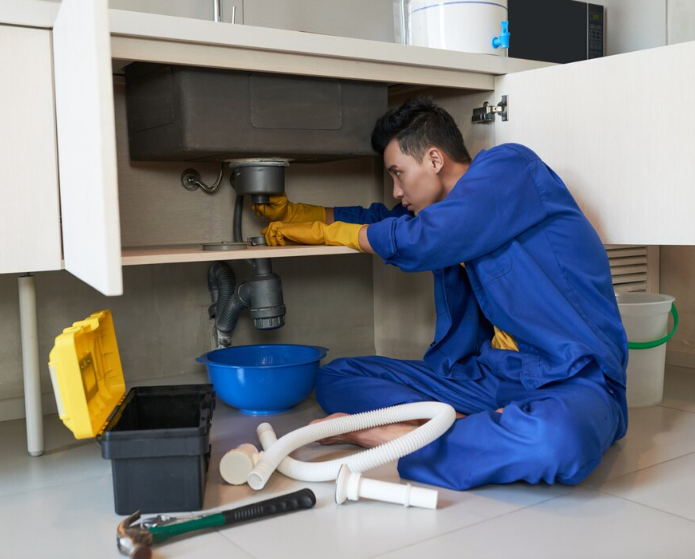
    An emergency plumber is a plumbing professional who handles urgent problems outside normal repair situations. The goal is to respond quickly when a plumbing failure could cause property damage, create a serious disruption, or leave essential plumbing unavailable.

    Not every dripping faucet is an emergency. However, a major leak that cannot be stopped may require immediate attention. The same applies to certain sewer backups, burst pipes, and serious water heater failures.

    When water is actively damaging your property, speed matters. Household leaks can waste significant amounts of water and may contribute to property damage. The U.S. Environmental Protection Agency recommends addressing leaks promptly. EPA WaterSense home maintenance guidance also provides useful information about plumbing maintenance and leak prevention.

    When Should You Call an Emergency Plumber?

    Knowing when to call can save time and reduce damage. Consider emergency plumbing help when the problem is severe, rapidly getting worse, or affecting essential parts of your home.

    Burst or Major Water Leaks

    A burst pipe can release a large amount of water in a short period. Water may spread into walls, ceilings, floors, and cabinets. A professional can locate the source and make the necessary repair.

    Sewer Backup

    A sewer backup is more than an unpleasant plumbing problem. It can create sanitation concerns and damage floors and other surfaces. Professional assessment is usually appropriate when wastewater is backing up into the home.

    Overflowing Toilet

    A toilet that will not stop overflowing can quickly create a mess. If shutting off the toilet’s supply valve does not stop the problem, professional help may be necessary.

    No Water

    A complete loss of water can have several causes. The problem may be inside your property or related to the wider water supply. If neighbors have water but your home does not, a plumber can help determine whether your private plumbing system is responsible.

    Water Heater Failure

    A leaking or malfunctioning water heater may require urgent attention, especially if water is escaping from the unit. A professional can determine whether repair or replacement is appropriate.

    Common Emergency Plumbing Services

    An emergency plumber may provide several types of services depending on the situation.

    • Emergency leak detection and repair
    • Burst pipe repair
    • Emergency drain cleaning
    • Sewer backup diagnosis
    • Toilet overflow repair
    • Water heater troubleshooting
    • Broken fixture and valve repair
    • Emergency pipe replacement
    • Leak detection
    • Water shut-off and damage control

    Some plumbers also use specialized equipment to locate hidden leaks. This can help reduce unnecessary wall or floor removal.

    The EPA notes that leak detection and flow-monitoring devices can help homeowners identify unusual water use and potential leaks. Read the EPA guide to leak detection and flow monitoring for additional information.

    How Much Does an Emergency Plumber Cost?

    The cost of an emergency plumber depends heavily on the job. Location, timing, labor rates, parts, accessibility, and the severity of the problem can all affect the final bill.

    For many U.S. homeowners, an emergency plumbing visit may involve a service or diagnostic fee. Labor may then be charged hourly or as part of a flat-rate repair. A straightforward repair may cost a few hundred dollars, while major pipe, sewer, or water heater work can cost substantially more.

    Emergency calls outside normal business hours can also cost more. Nights, weekends, and holidays may carry additional charges.

    Because pricing differs between markets, it is better to request an itemized estimate than rely on a single national average.

    Typical Factors That Affect Pricing

    Cost Factor Why It Matters
    Service call Covers travel, arrival, and initial assessment
    Labor Depends on time, skill, and local rates
    Parts Replacement valves, pipes, fixtures, or components add to the bill
    After-hours service Nights, weekends, and holidays may have higher rates
    Emergency complexity Hidden leaks and difficult access can require more work
    Specialized equipment Leak detection or drain equipment may increase the cost

    Before work begins, ask whether the quoted price includes the service fee, labor, parts, cleanup, and any after-hours charges.

    Emergency Plumber vs. Regular Plumber

    The main difference is urgency and availability. A regular plumbing appointment may be suitable for planned repairs. An emergency plumber is intended for problems that cannot reasonably wait.

    For example, replacing an old faucet can usually be scheduled. A pipe that is actively flooding a room is different.

    Choosing the right service can prevent unnecessary emergency fees. If the problem is inconvenient but stable, a standard appointment may be more economical.

    What to Do Before the Plumber Arrives

    When a serious plumbing problem occurs, your first priority should be limiting further damage. If you can safely identify and operate the appropriate water shut-off valve, shutting off the water supply may help reduce water loss.

    Do not attempt complicated repairs simply to avoid a service call. A temporary mistake can turn a manageable plumbing problem into a larger one.

    If water is near electrical equipment, avoid contact with the affected area and seek appropriate professional help. Safety should come before protecting property.

    You can also document visible damage with photographs. This may be useful for your records and for communicating the problem to the plumber.

    How to Choose the Right Emergency Plumber

    Check Licensing Requirements

    Plumbing licensing rules vary by location. Before hiring a contractor, check the requirements in your state, city, or local jurisdiction. A qualified professional should be willing to provide relevant licensing information when applicable.

    Ask for a Clear Price

    Emergency work does not mean you should accept an unclear bill. Ask for the service-call charge and estimated repair cost before approving major work.

    Verify Insurance

    Ask whether the plumbing company carries appropriate insurance. This can provide additional protection when professional work is being performed at your property.

    Read Reviews Carefully

    Online reviews can provide useful clues about punctuality, communication, workmanship, and billing. Look for patterns rather than relying on one review.

    Ask About the Warranty

    Find out whether the repair and replacement parts include a warranty. Get the details in writing when possible.

    Questions to Ask an Emergency Plumber

    A few simple questions can help you understand the service before approving the repair.

    • What is the service-call or diagnostic fee?
    • Is there an after-hours charge?
    • Will the repair be charged hourly or at a flat rate?
    • Are parts included in the estimate?
    • Is additional work likely to be required?
    • Does the repair include a warranty?
    • Are you licensed and insured where required?
    • Can you provide an itemized invoice?

    Clear answers can make the process easier. They also reduce the risk of surprises on the final bill.

    How to Avoid Plumbing Emergencies

    Preventive maintenance can reduce the chance of an unexpected plumbing failure. Inspect visible pipes, valves, faucets, toilets, and appliance connections regularly.

    Watch for warning signs. These include unusual water bills, damp areas, slow drains, low water pressure, stains, strange sounds, and recurring clogs.

    The EPA recommends regular inspection and prompt attention to leaks. According to WaterSense, household leaks can waste thousands of gallons of water each year. EPA’s Fix a Leak Week resource offers additional information about identifying common household leaks.

    Consider Leak Detection Technology

    Modern leak detection devices can monitor water use and alert homeowners to unusual activity. Some systems can also detect moisture in areas where leaks are difficult to notice.

    This can be especially useful for homes that are vacant for long periods. Early detection may help reduce water waste and property damage.

    How to Reduce Emergency Plumbing Costs

    The best way to control an emergency plumbing bill is to prevent emergencies when possible. Regular maintenance is usually less expensive than major water damage.

    When an emergency occurs, compare the scope of work rather than choosing the lowest price automatically. A very low estimate may exclude important repairs or materials.

    You can also ask whether a repair is possible instead of immediately replacing the entire system. However, replacement may make more financial sense when an old component is repeatedly failing.

    Keep records of previous plumbing repairs. Knowing the age of your water heater, major pipes, fixtures, and shut-off valves can help you make faster decisions during an emergency.

    Emergency Plumbing and Home Insurance

    Homeowners often wonder whether insurance will cover emergency plumbing repairs. Coverage depends on the policy, the cause of the damage, and the circumstances involved.

    For example, sudden accidental water damage may be treated differently from long-term maintenance issues. Contact your insurance provider when you believe a plumbing incident may have caused covered property damage.

    Keep invoices, photographs, repair reports, and other relevant documentation. These records can make it easier to explain what happened.

    Frequently Asked Questions About Emergency Plumbers

    How quickly can an emergency plumber arrive?

    Response times vary by company, location, traffic, workload, and time of day. Some companies offer 24-hour service, but availability should always be confirmed when you call.

    Is an emergency plumber more expensive?

    Often, yes. Emergency calls may include higher service or labor rates, especially during nights, weekends, and holidays. Ask about all fees before authorizing work.

    Can a plumber fix a burst pipe?

    Yes. Depending on the location and extent of the damage, a plumber may repair the affected section or replace part of the pipe.

    Should I call a plumber for a small leak?

    A small leak may not require emergency service if it can be safely contained and does not threaten the property. However, recurring or hidden leaks should be investigated before they become larger problems.

    How can I find a reliable emergency plumber?

    Look for a properly qualified local professional, verify applicable licensing and insurance, read reviews, and request clear pricing before major work begins.

    Final Thoughts

    Finding an emergency plumber can feel stressful when water is spreading or an essential plumbing system stops working. The key is to act quickly without making rushed decisions.

    Understand the problem, limit further water damage when it is safe to do so, and contact a qualified professional. Ask about service fees, after-hours charges, labor, parts, warranties, and the expected scope of work.

    Understanding Emergency Plumber: Services, Pricing & What to Expect can also help you prepare before a crisis happens. Regular inspections, prompt leak repairs, and basic plumbing maintenance may reduce the likelihood of expensive emergencies.

    Most importantly, choose a plumber based on qualifications, transparency, experience, and reliability rather than price alone. A clear estimate and professional repair can save you money and stress in the long run.

    Related reading: For additional home water-efficiency and maintenance advice, visit the EPA WaterSense home maintenance guide.