Tag: Water Heater Repair
  • Water Heater Repair: Cost, Service & Maintenance Guide

    Water Heater Repair: Cost, Service & Maintenance Guide

    Hot water is something most homeowners use every day. Showers, laundry, dishwashing, and cleaning all depend on a reliable water heater. When the system stops working, even a small problem can quickly become a major inconvenience.

    Understanding Water Heater Repair: Cost, Service & Maintenance Guide can help you respond to problems before they become more expensive. It also helps you understand when a simple repair may be enough and when replacing the unit could be a better long-term choice.

    This guide covers common water heater problems, repair costs, professional service, maintenance tips, warning signs, and questions to ask before hiring a plumber or water heater technician.

    What Does Water Heater Repair Involve?

    Water heater repair involves diagnosing and correcting problems that affect a water heater’s performance, safety, or ability to provide hot water.

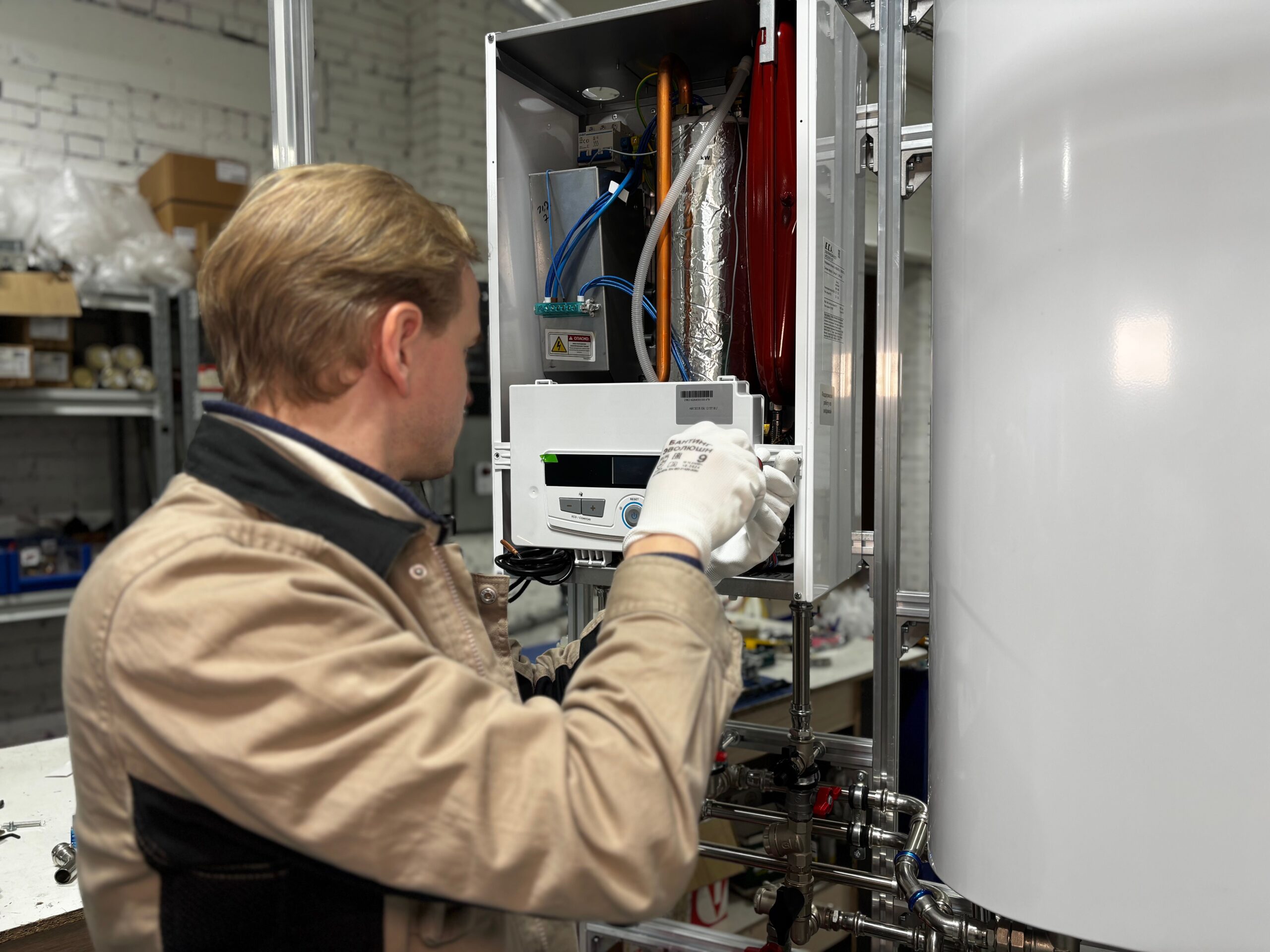
    Depending on the type of system, a technician may inspect heating elements, thermostats, valves, electrical connections, burners, pipes, pressure components, or other parts.

    Water heaters can be powered by electricity, natural gas, propane, or other energy sources. Tankless systems also have different components and maintenance requirements from traditional storage-tank models.

    Because water heaters can involve electricity, gas, high temperatures, and pressurized water, complicated repairs should be handled by an appropriately qualified professional.

    Common Water Heater Problems

    No Hot Water

    A complete lack of hot water can have several causes. An electric water heater may have a problem with its heating elements, thermostat, power supply, or another component.

    Gas-powered equipment can have different causes, including ignition or burner-related problems. A professional diagnosis is important because the correct repair depends on the equipment and symptoms.

    Not Enough Hot Water

    If hot water runs out faster than usual, the problem may involve the heating system, thermostat settings, sediment, demand, or equipment capacity.

    For households that regularly run out of hot water, a professional can determine whether the existing unit needs repair, adjustment, or replacement.

    Water Heater Leaks

    A leaking water heater should not be ignored. Water around the tank or connections can indicate a loose fitting, valve problem, corrosion, or tank failure.

    A leak from the storage tank itself may indicate that the tank has deteriorated. In that situation, replacement may be more appropriate than repair.

    If water is actively escaping, take reasonable steps to protect your property and contact a qualified professional. Do not attempt complicated repairs yourself.

    Strange Noises

    Rumbling, popping, or other unusual sounds can sometimes occur when sediment accumulates inside a storage tank. Other noises may have different causes.

    A technician can inspect the unit and determine whether cleaning, maintenance, adjustment, or component replacement is appropriate.

    Water That Is Too Hot

    Water that becomes excessively hot can indicate a thermostat or control problem. Temperature issues should be taken seriously because excessively hot water can cause burns.

    The U.S. Consumer Product Safety Commission water heater safety information provides additional guidance on reducing scalding risks in the home.

    How Much Does Water Heater Repair Cost?

    The cost of water heater repair depends on several factors. There is no universal repair price because systems, labor rates, parts, and local markets vary.

    A relatively simple component replacement may cost less than a complicated repair involving multiple parts. Emergency service can also have different pricing from a standard appointment.

    The type of water heater matters as well. Conventional storage tanks, tankless units, heat pump water heaters, and other systems have different components and service requirements.

    Factors That Affect Water Heater Repair Costs

    • Type of water heater: Electric, gas, tankless, and heat pump systems require different service procedures.
    • Replacement parts: Thermostats, heating elements, valves, controls, and other components have different prices.
    • Labor: Technician rates vary by location, company, and job complexity.
    • Accessibility: Equipment in difficult locations may require additional labor.
    • Emergency service: After-hours appointments may cost more than routine service.
    • Age of the unit: Older equipment may require additional troubleshooting or replacement parts.
    • Extent of damage: A single failed component is different from extensive corrosion or tank failure.

    For an accurate price, request a written estimate after the technician has inspected the system. Ask whether the quote includes labor, parts, service fees, and potential additional charges.

    Repair or Replace Your Water Heater?

    One of the biggest decisions homeowners face is whether to repair an existing water heater or replace it.

    Repair may make sense when the unit is in good overall condition and the failed component can be replaced at a reasonable cost. Replacement may make more sense when the tank is leaking, the system has frequent failures, or repair costs are becoming substantial.

    Energy performance is another factor. Older equipment may use more energy than newer models. However, replacement should be based on the full picture rather than one repair bill.

    For information about water-heating efficiency and available technologies, review the U.S. Department of Energy water heating guide.

    When Should You Call a Professional?

    Some basic homeowner checks are reasonable. Complex repairs are different.

    Contact a qualified professional if you notice a significant leak, repeated loss of hot water, unusual electrical behavior, gas-related concerns, persistent temperature problems, or signs of serious corrosion.

    Gas water heaters require particular caution. If you suspect a gas leak, leave the area and contact your local gas utility or emergency service as appropriate. Do not attempt to locate or repair a gas leak yourself.

    Electrical water heaters also contain components that can present electrical hazards. Turn to a qualified professional for internal electrical repairs.

    Water Heater Maintenance Tips

    Regular maintenance can help homeowners identify problems early and keep equipment operating properly. Maintenance requirements depend on the type and model of the water heater.

    Inspect for Leaks

    Periodically look around the water heater for signs of moisture. Check connections, valves, and the surrounding floor.

    A small amount of moisture should not automatically be dismissed. Identifying a leak early can help prevent water damage.

    Check the Temperature Setting

    Use the manufacturer’s guidance when setting water temperature. A suitable setting can balance hot-water needs with scalding and energy considerations.

    Households with young children or older adults should pay particular attention to hot-water safety.

    Follow Manufacturer Maintenance Guidance

    Different water heaters require different maintenance. Read the owner’s manual and follow the recommended service schedule.

    Some storage-tank systems may require periodic inspection or flushing. Tankless systems may have different cleaning requirements.

    Schedule Professional Inspections

    A professional inspection can identify issues that are difficult to detect from the outside. This is especially useful as equipment gets older or begins showing performance changes.

    Keep records of maintenance and repairs. These records can help you understand the unit’s history when deciding whether to repair or replace it.

    How to Choose a Water Heater Repair Service

    Check Qualifications

    Plumbing and water-heater requirements vary by location. Some jobs may require specific licenses or permits.

    Before hiring a company, check applicable local requirements and ask whether the technician is appropriately qualified for the type of work required.

    For broader information about hiring contractors, the Federal Trade Commission contractor guidance provides useful consumer advice.

    Compare Written Estimates

    For significant repairs, compare estimates from more than one qualified provider when practical.

    Look beyond the final price. Check what parts are included, how much labor is covered, whether there are service fees, and whether the repair includes a workmanship warranty.

    Read Customer Reviews

    Reviews can help you evaluate communication, punctuality, workmanship, and customer service.

    Look for consistent feedback across multiple reviews. Pay special attention to comments about pricing transparency and whether the company completed repairs as promised.

    Ask About Warranties

    Find out whether replacement parts have manufacturer warranties and whether the company provides a separate workmanship warranty.

    Ask for warranty terms in writing. A clear warranty can make it easier to understand what happens if a repaired component fails again.

    Questions to Ask Before Hiring a Technician

    Before approving a water heater repair, ask these practical questions:

    • What is causing the problem?
    • Can the unit be repaired?
    • What parts need to be replaced?
    • What is the total estimated cost?
    • Does the price include labor and parts?
    • Are there possible additional charges?
    • How long should the repair take?
    • Is the repair covered by a warranty?
    • Would replacement be more cost-effective?
    • Are permits or inspections required?

    A trustworthy professional should be able to explain the problem in clear language. You should not feel pressured to approve expensive work without understanding the reason for it.

    How to Reduce Future Water Heater Costs

    Preventive maintenance is one of the simplest ways to manage long-term water heater costs. Regular inspections can help identify developing problems before they cause major damage.

    Pay attention to changes in hot-water availability, unusual sounds, visible leaks, and temperature fluctuations. These changes can provide useful clues about equipment condition.

    It is also helpful to keep the area around the water heater accessible. A technician needs adequate access to inspect and service the equipment safely.

    For additional homeowner maintenance advice, visit our home maintenance checklist and plumbing maintenance tips.

    Signs You May Need a New Water Heater

    Repairs are not always the best long-term solution. Several signs may indicate that replacement should be considered.

    • The storage tank has a significant leak.
    • The system requires repeated repairs.
    • Hot water availability has declined substantially.
    • The equipment is older and increasingly unreliable.
    • Replacement parts are difficult to obtain.
    • Repair costs are approaching the value of a newer system.

    These signs do not automatically mean replacement is necessary. A qualified technician can evaluate the equipment and explain the available options.

    How to Prepare for a Water Heater Service Visit

    Before the technician arrives, note the symptoms you have observed. Write down when the problem started and whether it happens consistently.

    If possible, have the water heater’s model and serial information available. This can help the technician identify the equipment and determine appropriate service requirements.

    Do not disassemble the unit to investigate the problem yourself. Instead, provide the technician with accurate information about what you have noticed.

    Final Thoughts on Water Heater Repair

    Understanding Water Heater Repair: Cost, Service & Maintenance Guide can help you make better decisions when your hot-water system develops a problem.

    Start by identifying the symptoms. Then contact an appropriately qualified professional for diagnosis when the issue is beyond basic maintenance. Request a clear estimate before approving major repairs.

    Regular maintenance also matters. Check for leaks, follow manufacturer recommendations, monitor performance, and schedule professional service when needed.

    Finally, do not focus only on the cheapest repair quote. Consider qualifications, experience, warranty coverage, parts quality, customer reviews, and the expected future condition of the equipment.

    With proper maintenance and timely professional service, homeowners can reduce avoidable problems and make more informed choices about repairing or replacing their water heater.

    For more practical homeowner advice, explore our plumbing maintenance guide, home repair guides, and seasonal home maintenance checklist.

  • Professional Plumbing Services: Costs, Repairs & Tips

    Professional Plumbing Services: Costs, Repairs & Tips

    Plumbing problems rarely happen at a convenient time. A leaking faucet, clogged drain, low water pressure, or damaged pipe can quickly disrupt your daily routine. In some cases, a small issue can become a costly repair if it is ignored.Understanding Professional Plumbing Services: Costs, Repairs & Tips can help you make better decisions when a plumbing problem occurs. Knowing what services plumbers provide, what affects pricing, and when to call a professional can save time and reduce unnecessary expenses.

    This guide covers common plumbing repairs, typical cost factors, questions to ask before hiring a plumber, and practical ways to maintain your home’s plumbing system.

    What Are Professional Plumbing Services?

    Professional plumbing services include the installation, maintenance, inspection, and repair of water and drainage systems. Licensed or qualified plumbers may work on pipes, faucets, toilets, water heaters, drains, sump pumps, and other plumbing components.

    Some plumbers focus on residential repairs. Others handle commercial plumbing, new construction, remodeling, or specialized systems.

    For homeowners, professional help is particularly useful when a plumbing problem involves hidden pipes, significant leaks, sewage, water heaters, or work that requires local permits or specialized knowledge.

    Common Plumbing Repairs Homeowners Need

    Leaking Faucets and Pipes

    A dripping faucet may seem like a minor inconvenience. However, persistent leaks waste water and can indicate worn seals, damaged valves, or other problems.

    Pipe leaks require more attention. A visible leak may be easy to identify, but water can also escape behind walls, beneath floors, or inside cabinets. Hidden moisture can contribute to property damage and mold growth.

    If you notice unexplained moisture, stains, or a sudden increase in your water bill, consider arranging a professional inspection.

    Clogged Drains

    Slow drains are among the most common household plumbing problems. Hair, grease, soap residue, food particles, and other debris can restrict water flow.

    A simple clog may respond to basic maintenance. However, recurring blockages can indicate a deeper problem within the drainage system.

    A professional plumber can determine whether the blockage is local or part of a larger drainage issue.

    Toilet Repairs

    Toilets can develop several problems, including running water, weak flushing, leaks, and blockages. Some repairs involve relatively simple replacement parts.

    Repeated toilet problems may require a closer inspection. A professional can identify the cause and recommend the appropriate repair rather than repeatedly treating the symptom.

    Water Heater Problems

    Water heaters are essential for showers, cleaning, and other household tasks. Common problems include insufficient hot water, unusual noises, leaks, and inconsistent temperatures.

    Water heater work can involve electricity, gas, high temperatures, or pressurized water. For safety, repairs and installations should be handled by appropriately qualified professionals.

    Homeowners can also review the U.S. Department of Energy’s water-heating guidance to learn more about efficiency and water-heating options.

    How Much Do Professional Plumbing Services Cost?

    The cost of professional plumbing services varies considerably. There is no single price that applies to every plumbing job.

    Several factors influence the final bill. These include the type of repair, labor rates, location, materials, accessibility, urgency, and the complexity of the problem.

    A simple faucet repair may cost much less than replacing a damaged section of pipe. Likewise, clearing an accessible drain can be very different from repairing a sewer line.

    Emergency plumbing services may also cost more than routine appointments because they can require after-hours labor or immediate response.

    What Affects a Plumbing Quote?

    • Labor: Plumbers may charge hourly rates, flat fees, or a combination of both.
    • Materials: Pipes, valves, fixtures, fittings, and replacement components affect the total.
    • Accessibility: Hard-to-reach plumbing can take more time to repair.
    • Project complexity: Larger or hidden problems generally require more labor.
    • Emergency timing: Nights, weekends, and holidays may have different rates.
    • Permits: Some projects may require permits or inspections depending on local rules.
    • Property condition: Older plumbing systems may require additional work or replacement parts.

    Because prices differ by location and project, the best way to understand your potential cost is to request a written estimate from a qualified local plumber.

    How to Get an Accurate Plumbing Estimate

    Before approving significant work, ask for a detailed estimate. The document should explain the planned repair, materials, labor, and other known charges.

    Ask whether the quote is fixed or subject to change. You should also find out how unexpected problems will be handled.

    For larger jobs, consider getting multiple estimates. Comparing several proposals can help you identify unusual pricing and understand the available repair options.

    However, avoid choosing a plumber based only on the lowest price. A very cheap quote may not include important work or quality materials.

    How to Choose a Professional Plumber

    Check Licensing and Local Requirements

    Plumbing regulations vary by location. Some projects require specific licenses, permits, or inspections.

    Before hiring a plumber, check the requirements in your area. You can also use resources from the USA.gov consumer protection directory to find relevant state and local agencies.

    For plumbing work involving gas appliances, water heaters, or major alterations, confirm that the professional has the appropriate qualifications for the job.

    Read Customer Reviews

    Online reviews can help you identify patterns in customer experiences. Look for comments about punctuality, communication, workmanship, pricing, and follow-up service.

    Do not rely on a single review. Instead, consider the overall pattern across multiple customers and platforms.

    Ask About Insurance

    Ask whether the plumbing company carries appropriate insurance. Coverage can vary depending on the business and the type of work performed.

    For larger projects, confirming insurance before work starts can provide additional peace of mind.

    Ask for References

    If you are planning a major plumbing project, ask whether the company can provide references from customers with similar work.

    Ask those customers whether the project was completed on schedule, whether the final price matched the estimate, and how the plumber handled unexpected issues.

    Questions to Ask Before Hiring a Plumber

    A few questions can help you avoid misunderstandings. Before scheduling major work, ask:

    • What is causing the plumbing problem?
    • What repair do you recommend?
    • Are there alternative repair options?
    • How much will the work cost?
    • Does the estimate include labor and materials?
    • Will additional work require my approval?
    • How long should the repair take?
    • Is the work covered by a warranty?
    • Do you handle required permits or inspections?

    Clear answers can make it easier to compare plumbing companies and choose a provider that matches your needs.

    When Is a Plumbing Emergency?

    Some plumbing problems should not wait for a routine appointment. A major leak, burst pipe, sewage backup, or serious loss of water service may require urgent attention.

    If water is actively damaging your property, take reasonable steps to limit the damage while arranging professional help. If you know where the main water shutoff is and can safely access it, shutting off the water may help reduce further water loss.

    For electrical hazards, gas concerns, or other immediate safety risks, prioritize personal safety and contact the appropriate emergency service or qualified professional.

    Ways to Prevent Expensive Plumbing Repairs

    Regular maintenance can help you find problems before they become major repairs. You do not need an advanced plumbing system to follow a basic maintenance routine.

    Watch for Small Leaks

    Check under sinks, around toilets, near appliances, and around visible pipe connections. Early detection can prevent a minor leak from becoming a larger problem.

    Protect Your Drains

    Avoid putting grease, oils, and unsuitable materials down household drains. Use appropriate drain screens where helpful.

    Know Your Water Shutoff

    Every homeowner should know where the main water shutoff is located. Knowing how to access it can be useful during a serious leak.

    Monitor Water Pressure

    Changes in water pressure can sometimes indicate plumbing problems. If pressure suddenly becomes unusually high or low, consider having the system checked.

    For broader maintenance planning, our home maintenance checklist can help you organize routine inspections and household tasks.

    DIY Plumbing or Professional Repair?

    Some minor maintenance tasks may be manageable for a homeowner with the right knowledge. However, complicated plumbing repairs can cause additional damage when performed incorrectly.

    Before starting a DIY repair, consider the potential consequences of a mistake. Water damage can affect flooring, walls, cabinets, and other parts of a home.

    Professional help is usually the better choice when a problem involves hidden pipes, sewage, major leaks, water heaters, gas connections, or extensive remodeling.

    If you are considering a bathroom or kitchen upgrade, you can also explore our bathroom remodeling guide and kitchen plumbing tips before contacting contractors.

    How to Avoid Plumbing Scams

    Most plumbing professionals want to provide quality service, but homeowners should still watch for warning signs.

    Be cautious if someone refuses to provide a written estimate, pressures you to approve unnecessary work, demands unusual payment terms, or cannot clearly explain the proposed repair.

    Do not hesitate to get a second opinion when a recommended repair is expensive or unexpected. A reputable professional should be willing to explain the problem and answer reasonable questions.

    You can also review consumer guidance from the Federal Trade Commission before hiring a contractor for larger home projects.

    Final Thoughts on Professional Plumbing Services

    Understanding Professional Plumbing Services: Costs, Repairs & Tips can make it easier to handle plumbing problems with confidence. The right plumber should provide clear communication, appropriate qualifications, transparent pricing, and professional workmanship.

    Start by identifying the problem. Then compare qualified providers and request detailed estimates. Check licensing requirements, insurance, reviews, warranties, and references before approving major work.

    Most importantly, do not ignore small plumbing problems. A slow drain, dripping faucet, or minor leak can sometimes signal a larger issue. Early attention may help protect your home and reduce future repair costs.

    With regular maintenance and careful hiring decisions, homeowners can keep their plumbing systems working efficiently and respond more effectively when repairs are needed.