Tag: Tree Trimming

  • Tree Removal Cost: Professional Service & Safety Guide

    Tree Removal Cost: Professional Service & Safety Guide

    Tree Removal Cost: Professional Service & Safety Guide is an important resource for homeowners who have a dead, damaged, diseased, or hazardous tree on their property. Tree removal is not simply a matter of cutting down a tree. It involves assessing risks, protecting nearby structures, managing branches and logs, and handling the stump and debris.

    Professional tree removal can protect your home, vehicles, landscaping, and other property. It can also reduce risks when a tree is close to power lines or structures. The final price depends on several factors, including tree height, trunk size, condition, location, and accessibility.

    This guide explains tree removal costs, common service options, professional safety practices, permits, cleanup expenses, and tips for choosing a qualified tree service.

    How Much Does Tree Removal Cost?

    Current 2026 U.S. estimates show that professional tree removal commonly costs between $200 and $2,000, with an average of about $750 per tree. Very large or difficult trees can cost substantially more. Angi reports that trees near power lines or structures can reach $10,000 or more because of the specialized equipment and additional safety requirements involved.

    Tree Removal Service Typical Planning Cost What Can Increase the Price
    Small tree removal $150–$500+ Limited access, difficult location
    Medium tree removal $250–$1,500+ Height, trunk size, obstacles
    Large tree removal $1,000–$2,000+ Specialized equipment and extensive cleanup
    Stump removal $100–$150+ for some projects Stump size and root spread
    Crane-assisted removal $500+ additional in some cases Tree size, access, complexity

    These are general estimates, not guaranteed quotes. A professional should inspect the tree and property before providing a final price.

    What Determines Tree Removal Cost?

    Tree Height

    Height is one of the biggest cost factors. Taller trees require more planning, equipment, labor, and controlled removal procedures. Large trees may also require specialized access equipment.

    Angi reports that tree height and proximity to a house or other structures are among the primary factors affecting the final removal price.

    Tree Condition

    A healthy tree can present different challenges from a dead or severely damaged tree. Diseased, unstable, or storm-damaged trees may require additional planning and equipment.

    A professional should assess the tree before deciding whether removal is necessary. In some cases, pruning or other tree-care measures may be appropriate instead.

    Location

    A tree in an open yard is usually easier to manage than one located between a house, garage, fence, sidewalk, and utility lines. Restricted access can increase labor costs and may require specialized equipment.

    Proximity to Power Lines

    Trees close to overhead electrical lines require particular caution. Contact with energized lines can create a serious electrocution hazard.

    OSHA identifies contact with overhead power lines, falling branches, tools, and falls as major hazards in tree-care work.

    Equipment Requirements

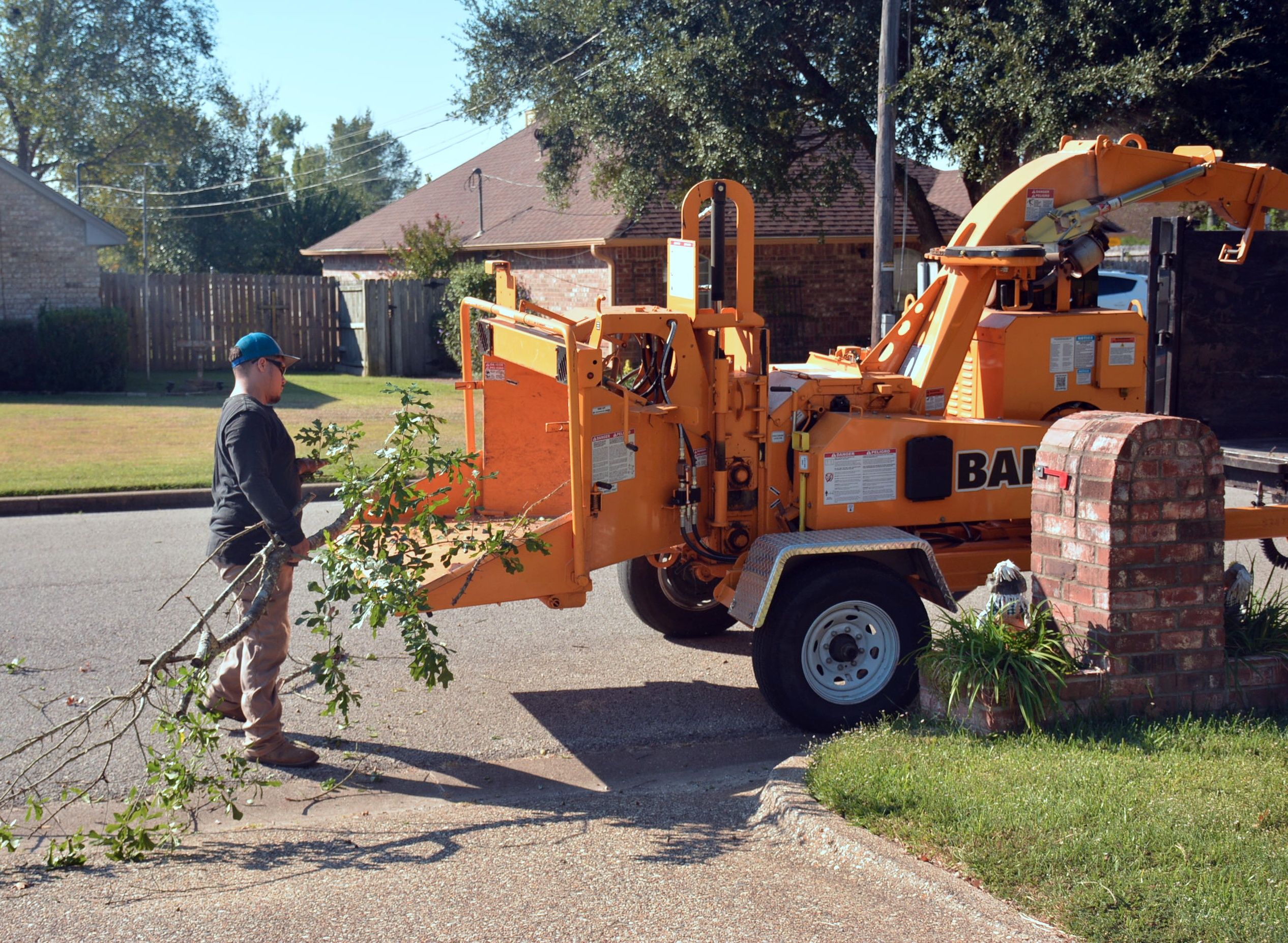
    Some projects require bucket trucks, cranes, chippers, specialized cutting equipment, or additional rigging systems. Angi reports that crane services can add hundreds of dollars or significantly more to difficult projects.

    Tree Removal vs. Tree Trimming

    Tree removal is not always the best solution. Sometimes a tree can remain healthy and safe with professional pruning or trimming.

    Tree trimming removes selected branches to improve structure, health, clearance, or safety. Tree removal eliminates the entire tree because it is dead, hazardous, severely damaged, obstructing construction, or otherwise unsuitable for its location.

    The International Society of Arboriculture explains that arborists can assess whether a tree should be removed and can also provide pruning, tree-risk assessment, and preventive maintenance services.

    If you are uncertain about a tree, consider an assessment before automatically scheduling removal. Professional tree inspections can help homeowners understand the condition of the tree and available options.

    Professional Tree Removal Process

    1. Tree Assessment

    A professional begins by examining the tree and surrounding property. The assessment may consider tree health, lean, branches, trunk condition, nearby structures, utilities, access points, and potential hazards.

    2. Site Planning

    The crew determines how the tree can be removed while protecting people and property. Large or complicated trees may require specialized equipment and carefully planned removal procedures.

    3. Work Area Preparation

    The surrounding area is prepared before removal begins. Vehicles, outdoor furniture, equipment, and other vulnerable items may need to be moved away from the work zone.

    4. Controlled Removal

    Professional crews use appropriate equipment and procedures to remove the tree in manageable sections when necessary. The method depends on the tree, site conditions, and available access.

    Because tree removal involves falling branches, heavy materials, cutting equipment, and elevated work, it should not be treated as an ordinary DIY landscaping project. OSHA identifies tree-care work as involving serious hazards, including falls, struck-by objects, cuts, and electrical contact.

    5. Debris Cleanup

    After the tree is removed, branches and logs must be processed and removed. Some companies include basic cleanup in their quote, while others charge separately.

    Ask the contractor whether the estimate includes wood chipping, hauling, log removal, and final cleanup. Clarifying these services can prevent unexpected charges.

    Stump Removal and Grinding Costs

    Tree removal does not necessarily include stump removal. A stump may remain after the tree is cut down unless you specifically request additional work.

    Stump grinding uses specialized equipment to reduce the visible stump below the surrounding surface. Complete stump removal involves more extensive excavation and root removal.

    Angi’s 2026 tree removal estimates list approximately $100 to $150 as an optional stump-removal cost for its example project, although actual prices vary significantly by stump size, species, access, and local labor rates.

    If you plan to install new landscaping, fencing, paving, or another structure in the same location, discuss the desired level of stump and root removal with the contractor before work begins.

    Do You Need a Tree Removal Permit?

    Permit rules vary by city, county, and state. Some jurisdictions regulate the removal of certain trees based on size, species, location, environmental protections, or property type.

    Do not assume that a tree on private property can always be removed without approval. Angi notes that permit requirements can depend on factors such as tree size, species, and location.

    Before scheduling professional tree removal, contact your local authority or ask the contractor to confirm applicable requirements. A reputable company should be willing to explain the permit process.

    Tree Removal Safety: Why Professional Service Matters

    Tree removal can involve significant hazards. Branches can fall unexpectedly. Large sections of a tree can damage buildings or vehicles. Power lines can create electrical hazards. Workers may also need to operate equipment at height.

    OSHA lists falls, falling objects, cuts, electrocution, and equipment-related hazards among the risks associated with tree-care operations.

    For this reason, homeowners should avoid attempting complex tree removal themselves. Trees near electrical lines, buildings, roads, or other structures are particularly unsuitable for casual DIY removal.

    The International Society of Arboriculture recommends hiring trained and equipped professionals for tree work, especially when large trees or hazardous conditions are involved.

    Signs a Tree May Need Professional Attention

    Not every unhealthy-looking tree needs removal. However, certain signs justify professional evaluation.

    • Large dead branches.
    • Visible trunk damage.
    • Significant decay or cavities.
    • Major cracks or splits.
    • Severe storm damage.
    • A noticeable change in tree stability.
    • Branches interfering with structures.
    • Tree growth close to utility lines.
    • Roots causing significant property problems.
    • A tree that is dead or declining substantially.

    An arborist can determine whether pruning, treatment, structural support, or removal is the most appropriate option.

    How to Choose Professional Tree Removal Services

    Choosing the right contractor is essential. Do not select a company based only on the lowest quote.

    Look for a professional with appropriate experience, insurance, and safety procedures. The International Society of Arboriculture provides a directory that can help homeowners find and verify ISA-credentialed arborists.

    Before signing a contract, ask:

    • Are you properly insured?
    • Who will perform the work?
    • Will you handle permits if required?
    • Is stump grinding included?
    • Is debris hauling included?
    • What equipment will the project require?
    • How will nearby structures and landscaping be protected?
    • What happens if weather delays the project?
    • Will the quote remain valid if additional work is discovered?

    Insurance is particularly important. Angi recommends verifying both liability insurance and workers’ compensation coverage before hiring a tree service.

    For additional home-service research, homeowners can also explore professional tree removal and home improvement services.

    How to Save Money on Tree Removal

    The best way to manage tree removal costs is to obtain several detailed estimates. Make sure each company is quoting the same scope of work.

    Ask whether cleanup, hauling, stump grinding, and permits are included. A quote that appears cheaper may become more expensive once these services are added.

    Early professional assessment can also help. Addressing hazardous branches or declining trees before they cause property damage may reduce the complexity of a future emergency project.

    Regular tree maintenance can also be useful. Current estimates put professional tree trimming at roughly $270 to $1,800, depending on size, species, condition, and accessibility.

    Tree Removal and Property Protection

    Healthy trees can provide shade, beauty, privacy, and environmental benefits. Removal should therefore be based on a reasonable assessment rather than convenience alone.

    However, a dead, severely damaged, or unsafe tree can create significant property risks. TreesAreGood notes that arborists can help homeowners determine when a tree presents an unacceptable risk or when removal is necessary because of damage, obstruction, disease, or construction.

    The goal is to balance tree preservation with safety. Professional evaluation can help homeowners make that decision with better information.

    Final Thoughts on Tree Removal Cost: Professional Service & Safety Guide

    Tree Removal Cost: Professional Service & Safety Guide shows why there is no single price for every tree. In 2026, professional removal commonly falls around $200 to $2,000, with an average near $750, while very large or difficult projects can cost much more.

    Tree height, condition, location, accessibility, equipment, permits, and cleanup all affect the final price. Stump removal may also be an additional service.

    Most importantly, safety should come before price. Tree removal can involve falling branches, heavy equipment, elevated work, and electrical hazards. A qualified professional can assess the tree, plan the work, manage hazards, and protect nearby property.

    Before hiring a contractor, compare detailed estimates, verify insurance, confirm permit requirements, and clarify exactly what the quoted price includes. With proper planning and professional service, homeowners can address hazardous trees while protecting their property and making informed decisions about long-term tree care.