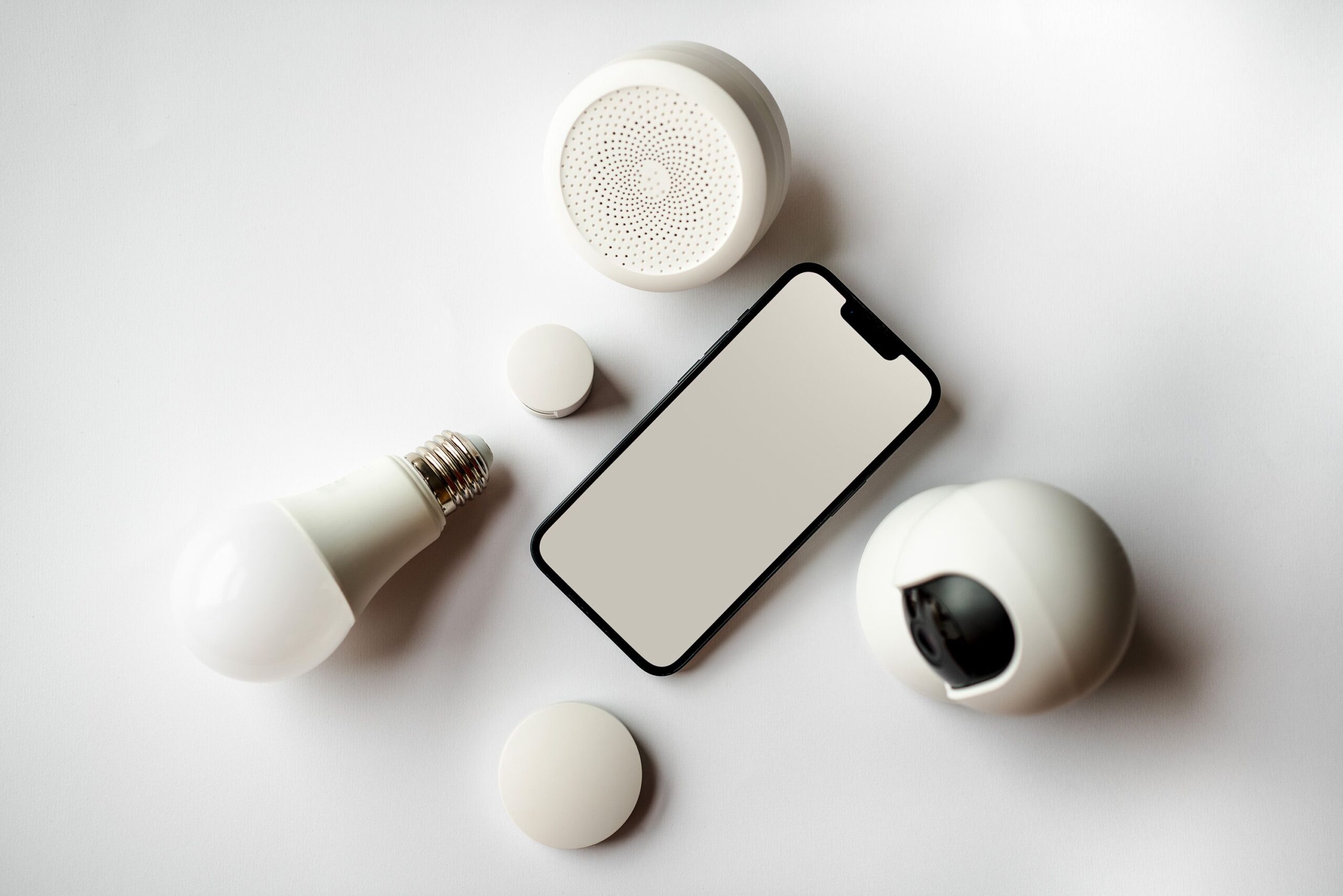
Smart Home Installation Services: Cost & Benefits have become an important consideration for homeowners who want more convenience, better security, and improved energy management. A connected home can link lighting, thermostats, cameras, locks, speakers, appliances, and other devices through a single network.
However, the cost of a smart home depends on what you install and how deeply the systems are integrated. A basic setup can be relatively affordable, while a professionally designed whole-home system can cost thousands of dollars. Understanding the options before hiring an installer helps you avoid unnecessary expenses and choose technology that delivers real value.
What Are Smart Home Installation Services?
Smart home installation services involve planning, installing, connecting, configuring, and testing connected devices throughout a property. Professional installers may work with smart lighting, security cameras, thermostats, door locks, garage controls, entertainment systems, sensors, and home networks.
The goal is not simply to add individual gadgets. Instead, the goal is to create a reliable system in which compatible devices communicate and respond to scheduled actions, voice commands, smartphone controls, or automated routines.
For example, a homeowner could create a routine that adjusts the thermostat, turns off selected lights, and locks compatible doors when the household leaves. The exact features depend on the devices, platform, and network used.
How Much Do Smart Home Installation Services Cost?
Current U.S. estimates show a wide range. Angi reports that smart home systems average about $201 to $1,519, with an average around $771, while professionally installed whole-home systems can reach about $4,000 or more. Other cost guides place basic integrated systems around $2,000 to $5,000, mid-level systems around $5,000 to $15,000, and luxury installations substantially higher.
| Smart Home Setup | Typical Cost Range | Common Features |
|---|---|---|
| Basic | $200–$1,500+ | Thermostat, lights, speaker, sensors |
| Entry-Level Integrated | $2,000–$5,000 | Security, lighting, climate, smart controls |
| Mid-Level | $5,000–$15,000 | Whole-home automation and multiple systems |
| Luxury | $15,000+ | Custom automation, entertainment, security, shades, and climate |
These figures are useful for budgeting rather than guaranteed quotes. Your location, home size, device selection, wiring, network infrastructure, and installer all affect the final price.
Smart Home Installation Cost by Device
Smart Thermostats
A smart thermostat is one of the most practical starting points. It can allow remote temperature control, scheduling, and automation. Current estimates put professional smart thermostat installation at roughly $200 to $500, including the thermostat and labor.
If your HVAC system needs wiring modifications, the installation may cost more. Therefore, an installer should check compatibility before purchasing the thermostat.
Smart Lighting
Smart lighting can include bulbs, switches, dimmers, and automated scenes. Basic devices can be inexpensive, but professional installation becomes more valuable when replacing switches, adding wiring, or integrating lighting across multiple rooms.
Lighting automation can also contribute to energy management. The U.S. Department of Energy notes that efficient lighting technologies can significantly reduce lighting energy use compared with older technologies.
Security Cameras and Smart Locks
Security-focused installations may include cameras, video doorbells, smart locks, motion sensors, window sensors, and alarms. These systems can provide remote notifications and convenient access control.
Professional installation is particularly useful when cameras require permanent mounting, network configuration, or power connections. It can also help ensure that devices are positioned correctly and configured securely.
Smart Hubs and Controllers
A hub or controller can act as the central point for a smart home ecosystem. The hardware may range from a simple smart speaker to a dedicated professional control system.
Before buying a controller, check compatibility. Matter is an industry standard designed to improve interoperability among compatible smart home products. The Connectivity Standards Alliance explains that Matter supports multiple ecosystems and technologies, including Wi-Fi, Thread, and Ethernet.
What Affects Smart Home Installation Costs?
Number of Devices
More devices generally mean higher hardware and installation costs. A small apartment with a thermostat, a few lights, and a smart speaker is very different from a five-bedroom home with dozens of sensors, cameras, locks, and automated shades.
Home Size and Layout
Larger homes may need additional network equipment, sensors, hubs, and wiring. Thick walls and large distances between devices can also affect wireless performance.
Wired vs. Wireless Installation
Wireless devices are often simpler to install. However, a professionally wired system can provide a more permanent solution for selected applications. Running Ethernet cables, adding electrical connections, or opening walls can increase labor costs.
Electrical and Network Upgrades
Your existing infrastructure matters. An older home may need electrical improvements or stronger Wi-Fi coverage before a large smart home system can work reliably.
Network preparation is especially important because smart devices depend on dependable connectivity. A professional installer can identify weak coverage areas and recommend appropriate equipment.
Customization
Custom programming can raise the project price. A simple app-controlled setup requires less configuration than a system that coordinates lighting, security, HVAC, entertainment, motorized shades, and multiple rooms.
Benefits of Professional Smart Home Installation
Better Convenience
One of the biggest advantages is convenience. Instead of managing every device separately, homeowners can create routines and centralized controls.
Smart lighting can be scheduled. Thermostats can respond to programmed routines. Compatible locks can be controlled remotely. Entertainment equipment can be integrated into simple scenes.
Improved Home Security
Smart security technology can provide alerts, remote monitoring, cameras, access controls, and sensors. Professional installation can help reduce configuration mistakes and ensure devices are positioned and connected appropriately.
Security should also include digital protection. Use strong passwords, enable available security features, keep firmware updated, and choose reputable products with ongoing support.
Potential Energy Savings
Smart technology can support better energy management. Programmable and smart thermostats can automate temperature schedules, while connected lighting can reduce unnecessary operation.
The Department of Energy says programmable thermostat adjustments can save as much as 10% annually on heating and cooling in suitable situations. Actual savings vary according to climate, equipment, occupancy, and how the system is operated.
Matter has also expanded its energy-management capabilities. Its newer specifications include features designed to help connected devices report and manage energy-related information.
Scalability
A well-planned system can grow with your household. You might begin with smart lighting and a thermostat, then add security cameras, sensors, locks, or other compatible devices later.
This approach can be more practical than purchasing an expensive system all at once. Ask your installer to plan for future expansion before work begins.
DIY vs. Professional Smart Home Installation
DIY installation can make sense for simple plug-in devices. Smart bulbs, outlets, speakers, and some sensors can often be configured without professional assistance.
Professional installation becomes more valuable when the project involves electrical work, permanent wiring, multiple systems, complicated networking, or whole-home automation.
Professional service can also reduce compatibility problems. Instead of purchasing devices first and discovering that they cannot communicate properly, an installer can help develop a system around your requirements.
How to Choose Smart Home Installation Services
Start by identifying your main goals. Do you want better security? Lower energy use? Easier lighting control? Whole-home entertainment? Or simply greater convenience?
Then request detailed quotes from qualified installers. Each quote should identify hardware, labor, programming, wiring, network upgrades, permits where applicable, and ongoing subscription fees.
Ask whether the installer provides post-installation support. Smart home technology changes quickly, so ongoing troubleshooting and system updates can be valuable.
It is also worth checking whether proposed products support widely adopted standards such as Matter. Better interoperability can make future upgrades easier.
Ways to Reduce Smart Home Installation Costs
You do not need to automate everything immediately. Begin with the features that solve your biggest problems.
- Start with high-value devices such as a smart thermostat or security system.
- Use compatible devices from the same ecosystem where practical.
- Ask for a complete project quote instead of pricing every device separately.
- Plan network improvements before installing dozens of connected devices.
- Choose products that support recognized interoperability standards.
- Leave room in your budget for installation, programming, and future maintenance.
Comparing several professional quotes can also reveal where costs are coming from. For broader home improvement planning, homeowners can review resources from home improvement cost and contractor resources before starting a project.
Are Smart Home Installation Services Worth It?
For many homeowners, the answer depends on how the technology will be used. A smart home is most valuable when automation solves real problems rather than simply adding more gadgets.
If you want better climate control, security monitoring, lighting automation, or centralized device management, professional installation can provide meaningful convenience. It may also reduce compatibility and setup problems.
For homeowners focused on energy efficiency, smart controls can be part of a broader strategy. The Department of Energy provides useful guidance on home energy efficiency and smart technology.
For interoperability planning, homeowners can also explore the Matter smart home standard and learn which compatible products may work across supported ecosystems.
Final Thoughts on Smart Home Installation Services: Cost & Benefits
Smart Home Installation Services: Cost & Benefits should be evaluated based on long-term usefulness, not just the number of devices installed. Basic systems may cost hundreds of dollars, while integrated installations can reach several thousand dollars or more.
The best strategy is to define your goals first, establish a realistic budget, and then choose compatible technology. Professional installation is particularly worthwhile for complex wiring, security systems, HVAC connections, and whole-home automation.
With careful planning, a smart home can become more than a collection of connected gadgets. It can provide practical automation, easier control, improved security, and smarter energy management while giving homeowners a system that can grow over time.
