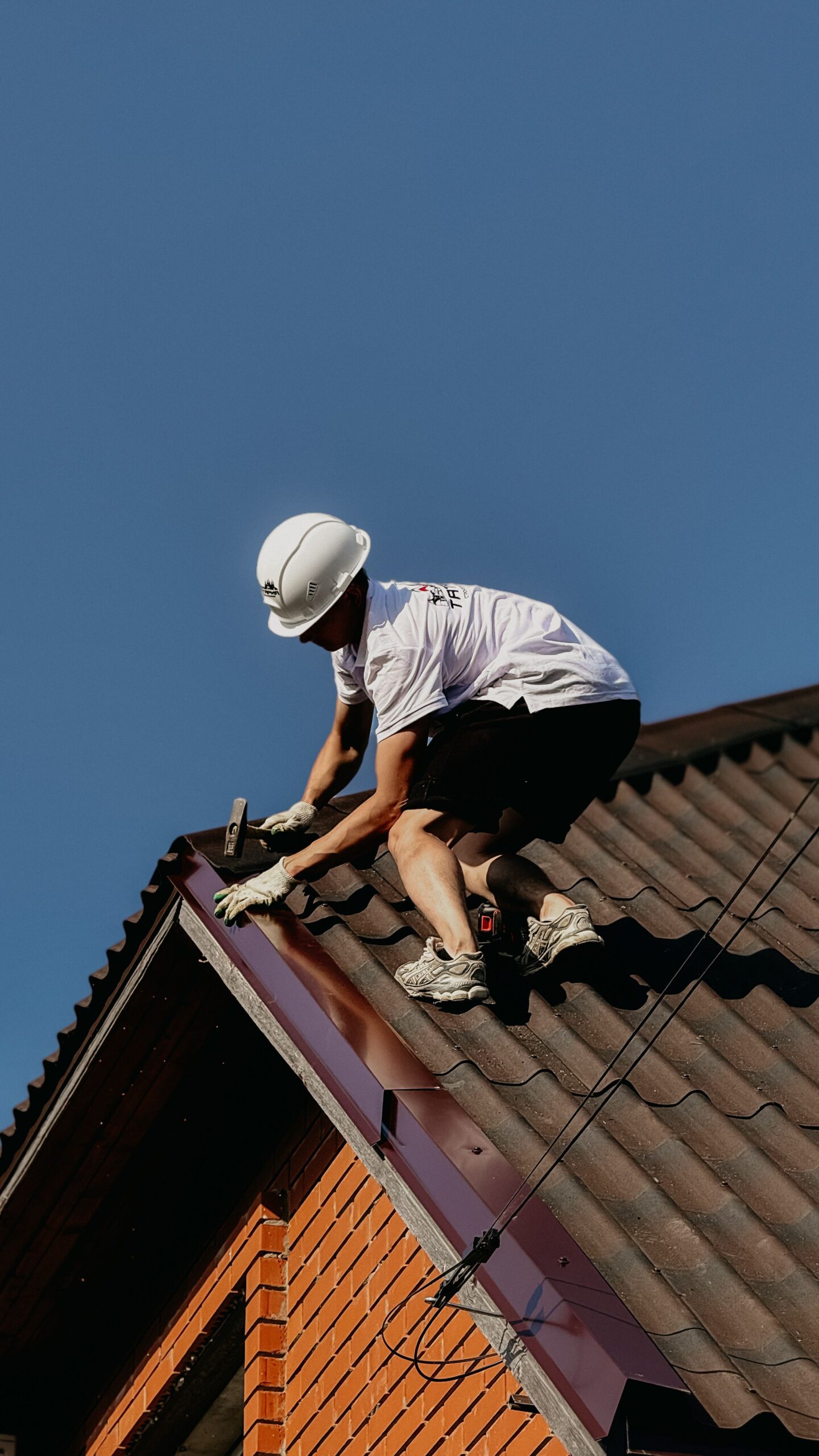
Understanding Roof Repair Services: Cost, Signs & Professional Options can help you make informed decisions about your property. Knowing the warning signs, common repair options, pricing factors, and contractor requirements can make the hiring process much easier.
This guide explains what professional roof repair services include, how much repairs may cost, when you should call a roofing contractor, and how to choose a qualified professional for your home.
What Are Professional Roof Repair Services?
Roof repair services cover the inspection, diagnosis, maintenance, and repair of roofing problems. Depending on the roof type and damage, a professional may repair shingles, flashing, vents, gutters, underlayment, or other roofing components.
Roofing materials can include asphalt shingles, metal, tile, slate, wood, and other products. Each material has different repair methods and maintenance requirements.
A professional roofer can inspect visible and accessible areas of the roof and determine whether a localized repair, larger restoration, or complete replacement is appropriate.
Common Signs Your Roof Needs Repair
Missing or Damaged Shingles
Missing, cracked, curled, or damaged shingles are among the most visible signs of roof deterioration. Damaged shingles can allow water to reach areas that should remain protected.
After severe weather, inspect the roof from a safe location. Avoid climbing onto the roof yourself, especially when the surface is wet or damaged.
Water Stains on Ceilings or Walls
Brown or discolored areas on ceilings and walls may indicate moisture intrusion. However, the visible stain does not always show the exact location of the roof leak.
Water can travel through roofing and building materials before becoming visible inside the home. A professional inspection can help locate the source.
Damaged Flashing
Flashing helps direct water away from vulnerable areas such as roof valleys, chimneys, skylights, and wall intersections.
Loose, cracked, corroded, or damaged flashing can create opportunities for water to enter the structure. Repairing flashing early may help prevent more extensive moisture damage.
Granules in Gutters
If your roof uses asphalt shingles, you may notice small granules collecting in gutters or around downspouts. Some granule loss is normal as shingles age, but significant or increasing loss may deserve professional attention.
Sagging Areas
A visibly sagging roof can indicate a serious structural or moisture-related problem. This is not a typical cosmetic issue and should be assessed by a qualified professional promptly.
Higher Energy Bills
A change in energy costs does not automatically mean your roof is failing. However, poor attic insulation, ventilation problems, air leakage, and other building-envelope issues can affect heating and cooling performance.
If you notice several symptoms at the same time, consider arranging a professional inspection rather than assuming the cause.
How Much Do Roof Repair Services Cost?
Roof repair costs vary significantly. The final price depends on the type of roof, size of the damaged area, materials, labor rates, accessibility, location, and extent of the problem.
A small repair involving a few shingles may cost considerably less than repairing widespread water damage or replacing damaged roof sections.
Emergency service can also cost more than planned repairs. Storm damage may require temporary protection before permanent repairs can be completed.
Because roofing prices vary by property and region, request a detailed written estimate instead of relying on a generic online price.
Factors That Influence Roof Repair Cost
- Roof size: Larger roofs generally require more materials and labor.
- Roof material: Asphalt shingles, metal, tile, slate, and other materials have different costs and installation methods.
- Damage severity: Minor surface damage is different from structural or widespread moisture damage.
- Roof accessibility: Difficult-to-access areas may increase labor requirements.
- Labor rates: Roofing costs vary between locations and contractors.
- Weather conditions: Storm-related demand can affect scheduling and pricing.
- Additional repairs: Damaged decking, flashing, insulation, or other components can increase the total.
Roof Repair or Roof Replacement?
Not every damaged roof needs to be replaced. A localized problem on an otherwise healthy roof may be suitable for repair.
Replacement may become more practical when damage is widespread, the roof is near the end of its useful life, or repeated repairs are becoming expensive.
The decision should consider the roof’s age, material, condition, repair history, and remaining service life. A qualified roofer can explain the options after inspecting the property.
Homeowners can also review the U.S. Department of Energy roofing and energy guidance when considering how roofing choices can affect home energy performance.
Types of Roof Repairs
Shingle Replacement
Individual damaged shingles can sometimes be replaced without repairing the entire roof. The replacement material should be compatible with the existing roofing system.
A professional should also check the surrounding area to determine whether the visible damage is isolated or part of a larger problem.
Flashing Repair
Roof flashing around chimneys, vents, skylights, and other penetrations can deteriorate over time. Repairing or replacing damaged flashing can help reduce water intrusion.
Leak Repair
Roof leaks can be challenging to locate because water may travel away from the actual entry point. Professional roofers use their experience to trace potential sources and inspect vulnerable areas.
Roof Ventilation Repairs
Proper attic ventilation is an important part of a roofing system. Ventilation problems can contribute to moisture and temperature issues in some homes.
A roofing professional can evaluate the existing ventilation and determine whether changes are appropriate for the home’s design.
Why Professional Roof Inspections Matter
A roof can appear fine from the ground while still having hidden problems. Professional inspections can identify damage that is difficult to see without closer examination.
After major storms, an inspection may be particularly useful. Look for signs such as missing materials, damaged flashing, debris impact, or interior water stains.
Do not climb onto a damaged roof to investigate it yourself. Roofing surfaces can be slippery, unstable, or structurally compromised.
The FEMA disaster assistance resources can also provide useful information after qualifying severe weather events, particularly when homeowners are dealing with broader storm-related property damage.
How to Choose the Best Roofing Contractor
Check Licensing Requirements
Roofing contractor requirements vary by state and local jurisdiction. Some areas require specific licenses, registration, or other credentials.
Before hiring a roofer, check the requirements that apply to your location. Do not assume that a contractor’s website or advertisement is sufficient proof of compliance.
Verify Insurance
Ask whether the roofing company carries appropriate liability insurance and workers’ compensation coverage when applicable.
Insurance requirements can vary, so confirm the details before work begins. This is especially important for larger projects involving multiple workers or significant property access.
Review Experience
Experience with your specific roofing material can be valuable. A contractor who regularly works with asphalt shingles may have a different skill set from a specialist who focuses on tile or metal roofing.
Ask how often the company handles projects similar to yours.
Read Reviews and References
Customer reviews can provide useful information about communication, punctuality, workmanship, and project management.
For major work, ask for references when available. Speak with previous customers about whether the contractor completed the project as promised and whether the final cost matched expectations.
Get Multiple Roofing Estimates
Comparing estimates can help you understand the scope and cost of a repair. Ideally, each estimate should describe the same basic work so you can make a meaningful comparison.
Look for details about materials, labor, preparation, cleanup, warranties, and potential additional charges.
Do not automatically select the lowest bid. An unusually low estimate may exclude necessary work or use different materials.
A reliable contractor should be willing to explain the estimate and answer questions before you sign an agreement.
Questions to Ask a Roofing Contractor
Before approving professional roof repair services, ask:
- What is causing the roof problem?
- How extensive is the damage?
- Can the roof be repaired instead of replaced?
- What materials will you use?
- How long should the repair take?
- What is included in the written estimate?
- Could additional damage increase the price?
- Do you provide a workmanship warranty?
- Are permits required for this project?
- How will debris and old roofing materials be handled?
Clear answers can help you compare roofing companies and avoid misunderstandings once the project begins.
How to Avoid Common Roofing Scams
Roofing scams can become more common after major storms. Homeowners should be cautious when someone arrives unexpectedly and claims to have discovered urgent damage.
Do not feel pressured to sign a contract immediately. Ask for identification, written estimates, proof of insurance, and appropriate licensing information.
Be especially cautious about contractors who demand unusual payment terms, refuse to provide documentation, or insist that you approve major work without an inspection.
The Federal Trade Commission’s contractor hiring guidance offers additional consumer information about researching contractors and protecting yourself when hiring home improvement professionals.
Roof Maintenance Tips for Homeowners
Regular maintenance can help you identify roofing problems earlier. It cannot prevent every type of damage, but it can make small issues easier to address.
Clean and Check Gutters
Keep gutters and downspouts clear so rainwater can drain properly. Blocked drainage can contribute to water accumulation around the roof and exterior of the home.
Inspect After Severe Weather
After strong winds or storms, look for visible damage from the ground. Check for fallen roofing materials, debris, damaged gutters, or interior water stains.
Leave close inspections to professionals when roof access would be unsafe.
Watch Your Attic
If your home has accessible attic space, look for signs of moisture, staining, or unusual changes. These signs do not always identify the exact source of a roof problem, but they can justify further inspection.
For additional seasonal maintenance tasks, visit our home maintenance checklist.
Does Home Insurance Cover Roof Repairs?
Insurance coverage depends on the policy, cause of damage, exclusions, deductible, and circumstances surrounding the loss. Storm damage may be treated differently from normal aging or neglected maintenance.
If you believe your roof has suffered covered damage, document what you can safely observe and contact your insurance provider for guidance.
Do not assume that every roof problem will qualify for coverage. Review your policy and discuss specific questions with your insurer.
When to Schedule Roof Repair Services
Do not wait until a small roofing problem becomes an interior water leak. Visible damage, missing shingles, damaged flashing, recurring leaks, and signs of moisture deserve attention.
Storm damage should also be evaluated promptly. Early professional assessment can help you understand whether temporary protection or permanent repair is needed.
If the roof shows significant structural damage or appears unsafe, avoid accessing it yourself.
Final Thoughts on Roof Repair Services
Understanding Roof Repair Services: Cost, Signs & Professional Options can help you protect one of the most important parts of your home.
Start by watching for warning signs such as damaged shingles, water stains, deteriorated flashing, excessive granule loss, sagging areas, and recurring leaks. When you notice a problem, arrange a professional assessment instead of guessing at the cause.
When comparing contractors, look beyond price. Check licensing requirements, insurance, relevant experience, customer reviews, references, warranties, and the details of the written estimate.
Regular maintenance can also help. Keep gutters clear, monitor your attic when appropriate, and inspect your property safely after severe weather.
The right approach can help you address roof problems earlier, compare professional options more confidently, and avoid unnecessary expenses. Whether you need a small repair or are considering a complete roof replacement, careful research is one of the best investments you can make in your home.
For more homeowner advice, explore our home repair guides, home maintenance checklist, and storm damage repair guide.