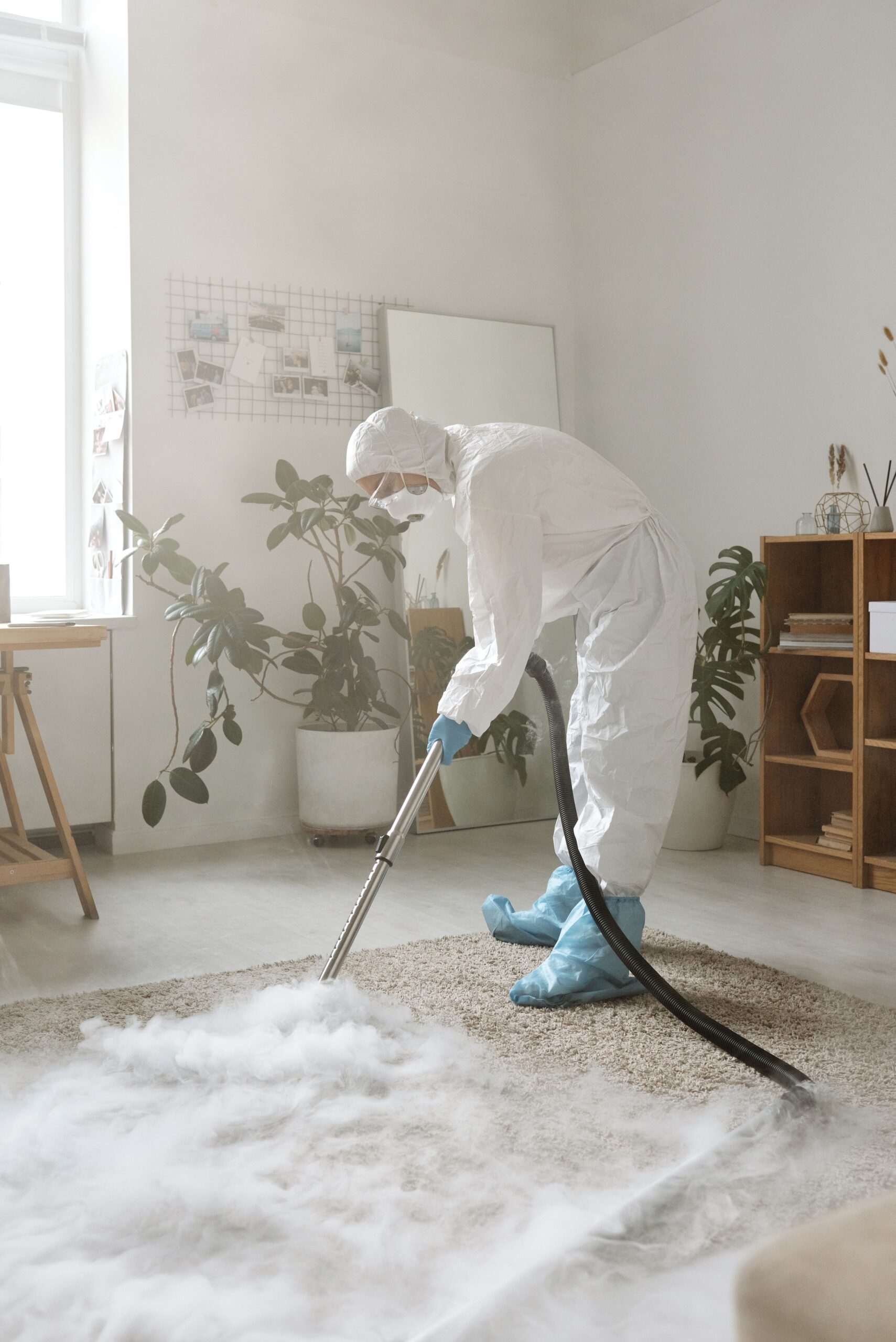
Clean carpets can make a home feel fresher, healthier, and more comfortable. However, regular vacuuming does not remove every type of dirt. Dust, spills, pet-related messes, and deeply embedded debris can build up over time. This is where professional carpet cleaning can help.
Carpet Cleaning Services: Cost & Professional Cleaning Tips is a useful guide for homeowners who want cleaner floors without damaging their carpets. Professional cleaning can improve the appearance of carpet and help extend its useful life when the correct method is used.
Prices vary based on carpet size, cleaning method, stains, location, and the condition of the flooring. Understanding these factors can help you compare providers and avoid unexpected charges.
What Are Carpet Cleaning Services?
Carpet cleaning services use specialized equipment and cleaning solutions to remove dirt, stains, odors, and other buildup from carpet fibers. Professional cleaners may use several methods depending on the carpet material and the condition of the floor.
Common services include steam or hot-water extraction, low-moisture cleaning, carpet shampooing, stain treatment, odor treatment, and specialized cleaning for delicate materials.
A professional should consider the carpet’s fiber type, manufacturer’s recommendations, and level of soiling before selecting a cleaning method. Using the wrong process can lead to problems such as excessive moisture, discoloration, or fiber damage.
How Much Does Professional Carpet Cleaning Cost?
Carpet cleaning prices can vary significantly. Some companies charge by the room. Others use square-foot pricing or provide a customized flat-rate quote.
A small residential cleaning may cost less than a large home with several carpeted rooms. Deep cleaning and stain removal can also increase the total price.
Key factors that influence carpet cleaning cost include:
- Carpeted area: More square footage generally requires more labor and cleaning solution.
- Number of rooms: Some companies price services by room.
- Carpet condition: Heavy dirt and neglected carpets may require additional work.
- Stain treatment: Difficult stains may require specialized products and extra labor.
- Cleaning method: Different methods involve different equipment and labor requirements.
- Furniture: Moving furniture can sometimes involve an additional charge.
- Location: Local labor and operating costs affect pricing.
- Extra services: Pet odor treatment, upholstery cleaning, and other add-ons can raise the final bill.
Instead of choosing a company based only on its advertised starting price, ask for a detailed estimate. Confirm what is included before scheduling the appointment.
Popular Carpet Cleaning Methods
Hot-Water Extraction
Hot-water extraction is a widely used professional carpet-cleaning method. It applies cleaning solution and water to the carpet before extracting moisture and suspended dirt.
The process can provide a thorough clean. However, carpets need adequate drying time after treatment. Good ventilation and proper extraction can help reduce drying time.
Low-Moisture Cleaning
Low-moisture methods use less water than traditional wet cleaning approaches. Depending on the system, they may use specialized compounds, pads, or machines to loosen and collect soil.
This method can be useful when fast drying is a priority. The correct approach depends on the carpet and the level of soiling.
Carpet Shampooing
Carpet shampooing uses a cleaning solution to loosen dirt before it is removed. Some modern cleaning systems have replaced traditional shampooing with newer approaches, but specialized products are still used for certain applications.
Always ask the provider which products and equipment will be used on your carpet.
Dry Carpet Cleaning
Dry or very-low-moisture cleaning methods are designed to limit the amount of water introduced into carpet fibers. They may be useful for certain commercial or residential situations.
Not every method is suitable for every carpet. A professional should select the process based on the flooring rather than using the same method for every customer.
How Often Should You Clean Your Carpet?
There is no single schedule that works for every household. Cleaning frequency depends on foot traffic, pets, children, allergies, indoor conditions, and the carpet manufacturer’s recommendations.
Homes with heavy foot traffic may need professional cleaning more often than homes with limited activity. High-use areas can also require extra attention.
Regular vacuuming remains important between professional appointments. It helps remove surface soil before it becomes deeply embedded in the carpet.
For broader home care, consider using a home maintenance checklist that includes routine floor and upholstery care.
Professional Carpet Cleaning Tips for Better Results
Vacuum Before the Appointment
Ask the cleaning company whether you should vacuum before the appointment. Removing loose surface debris can make the professional cleaning process more efficient.
Some companies include pre-vacuuming in their service. Others expect customers to complete this step beforehand.
Remove Small Items
Pick up toys, clothing, papers, and other small objects before the cleaners arrive. This gives the technicians easier access to the carpet.
It can also reduce the amount of time spent preparing the rooms.
Point Out Problem Areas
Tell the cleaner about stains, odors, high-traffic areas, and previous treatments. Specific information can help the technician choose an appropriate approach.
Do not assume that every stain can be removed completely. Some substances can permanently alter carpet fibers or dyes.
Ask About Drying Time
Before the cleaning begins, ask how long the carpet is expected to take to dry. Keep people and pets off damp carpet for the period recommended by the provider.
Proper drying is important because prolonged moisture can create unwanted problems.
How to Remove Carpet Stains Safely
Fresh spills should be addressed promptly. Blot the affected area rather than aggressively rubbing it. Rubbing can spread the substance or damage carpet fibers.
Always check the carpet manufacturer’s care instructions before applying a cleaning product. Test any unfamiliar product in an inconspicuous area if the manufacturer’s guidance permits it.
For persistent stains, professional treatment may be a better option. Experienced technicians can assess the stain before selecting a cleaning method.
For general information about safer household cleaning practices, review the EPA’s indoor air quality resources. Product labels should always be followed when using household cleaning products.
Pet Odors and Carpet Cleaning
Pets can create special carpet-cleaning challenges. Hair, tracked-in dirt, and odors may become trapped within carpet fibers. Surface cleaning may not always address the source of a persistent odor.
Tell the professional cleaner about pet-related areas before treatment. The company may offer specialized odor or spot treatment.
Regular vacuuming can also help control loose hair and surface debris between professional appointments.
Benefits of Professional Carpet Cleaning
Improved Appearance
Professional cleaning can refresh dull-looking carpet and improve the appearance of high-traffic areas. Removing accumulated soil can make the flooring look more consistent.
Better Maintenance
Routine professional cleaning can complement everyday vacuuming. A consistent maintenance routine may help prevent heavy buildup.
Time Savings
Deep carpet cleaning can take considerable time when done without professional equipment. Hiring a service allows homeowners to focus on other responsibilities.
Specialized Equipment
Professional cleaners typically have equipment designed for larger carpet-cleaning jobs. They may also have experience working with different carpet fibers and stain types.
DIY Carpet Cleaning vs. Professional Services
DIY carpet cleaning can be useful for small jobs and routine spot treatment. Rental machines may also provide an affordable option for some homeowners.
However, DIY cleaning requires careful attention to equipment settings, cleaning solutions, and moisture levels. Too much water or improper treatment can create additional problems.
Professional cleaning can be a better choice for large areas, difficult stains, delicate carpets, or homeowners who do not have the time to complete the work themselves.
The best option depends on the carpet, budget, and cleaning requirements. A combination of regular home maintenance and occasional professional service often works well.
How to Choose a Carpet Cleaning Company
Check Experience and Reputation
Look for a company with experience cleaning residential carpets similar to yours. Read recent customer reviews and look for consistent comments about quality, reliability, and communication.
Do not rely only on star ratings. Read individual reviews to understand how the company handles complaints and service issues.
Ask About Insurance
Ask whether the company carries appropriate business insurance. This is especially important when technicians will work inside your home.
Request a Written Estimate
A written quote should explain the expected service and any additional charges. Ask whether the price includes stain treatment, furniture moving, deodorizing, and other requested services.
Confirm the Cleaning Method
Ask what method will be used and why it is appropriate for your carpet. A knowledgeable provider should be able to explain the process in simple terms.
How to Avoid Carpet Cleaning Scams and Hidden Fees
Be cautious of unusually low advertised prices that appear too good to be true. A company may advertise a basic rate and then add charges for services that customers assumed were included.
Before booking, ask for the complete price structure. Confirm whether there are minimum service charges, travel fees, stain-treatment fees, or furniture-related charges.
Also be careful with providers who pressure you into expensive treatments without clearly explaining their purpose.
How to Protect Your Carpet Between Professional Cleanings
Simple habits can make a significant difference. Vacuum regularly, especially in high-traffic areas. Clean spills promptly. Use entrance mats to reduce tracked-in dirt.
Consider a no-shoes policy if it works for your household. Rearranging furniture occasionally can also help prevent uneven wear.
When buying or renovating a home, you can find more budgeting guidance in our home improvement cost guide.
Always follow the carpet manufacturer’s maintenance recommendations. Different fibers and finishes can have different care requirements.
Questions to Ask Before Hiring a Carpet Cleaner
- What cleaning method do you recommend for my carpet?
- How is the service priced?
- Is there a minimum charge?
- Are stain treatments included?
- Is furniture moving included?
- How long will the carpet take to dry?
- Are your technicians trained and insured?
- Do you offer a satisfaction guarantee?
- Are cleaning products included in the quoted price?
- Can you provide a written estimate?
Getting clear answers before the appointment can prevent misunderstandings and make price comparisons easier.
Final Thoughts on Carpet Cleaning Services: Cost & Professional Cleaning Tips
Professional carpet cleaning can be a practical investment for homeowners who want cleaner, better-maintained floors. The right service can save time while addressing dirt, stains, and buildup that routine vacuuming cannot fully remove.
When comparing Carpet Cleaning Services: Cost & Professional Cleaning Tips, look beyond the advertised price. Consider the cleaning method, service details, company reputation, insurance, drying time, and potential additional charges.
A good provider should explain the process clearly and give you a transparent estimate. With regular vacuuming, prompt spill care, and occasional professional cleaning, you can create a simple carpet-care routine that fits your home and budget.