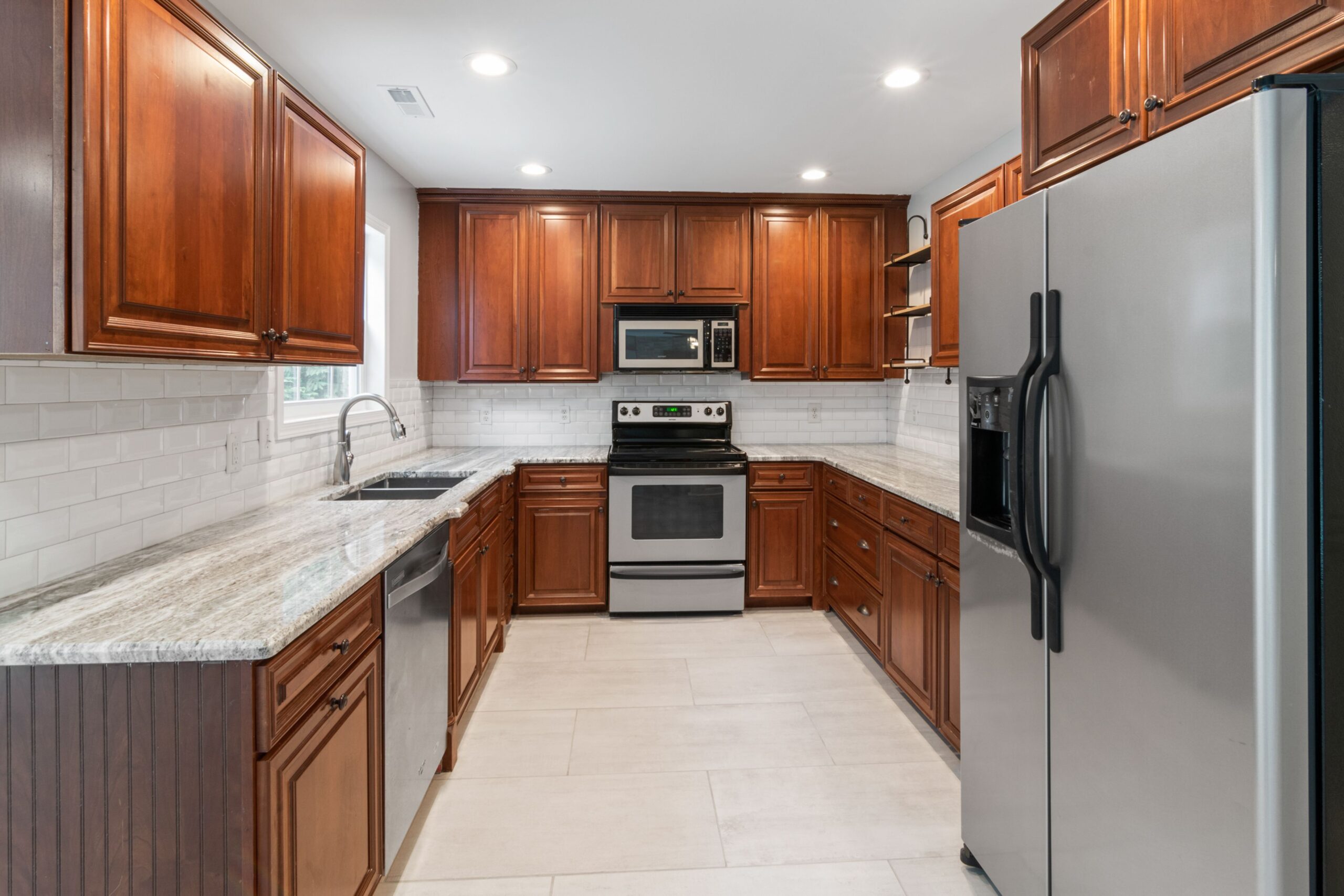
Tag: Remodeling Budget

  • Home Remodeling Contractors: How to Compare & Hire

    Home Remodeling Contractors: How to Compare & Hire

    Choosing the right Home Remodeling Contractors: How to Compare & Hire can make a major difference in the success of your renovation. A skilled contractor can help manage materials, labor, schedules, permits, and subcontractors. The wrong choice can lead to delays, unexpected costs, poor workmanship, and unnecessary stress.Whether you are remodeling a kitchen, bathroom, basement, living room, or entire home, it pays to compare contractors carefully. Price matters, but it should not be the only factor. Experience, communication, insurance, licensing, references, and contract terms are also important.

    This guide explains how to find, compare, interview, and hire home remodeling contractors with confidence. It also covers warning signs, cost questions, contracts, and practical ways to protect your remodeling budget.

    What Does a Home Remodeling Contractor Do?

    A remodeling contractor manages the work needed to improve or change an existing home. Depending on the project, the contractor may handle demolition, framing, flooring, drywall, painting, cabinetry, plumbing, electrical work, and finish installation.

    Some contractors perform most of the work themselves. Others manage a team of subcontractors. A general remodeling contractor may coordinate specialists such as electricians, plumbers, HVAC technicians, roofers, and tile installers.

    The contractor’s role can also include scheduling inspections, ordering materials, coordinating deliveries, and keeping the project moving. For larger renovations, good project management can be just as important as construction skill.

    When Should You Hire a Remodeling Contractor?

    Not every home improvement project requires a contractor. Simple painting, decorating, or minor upgrades may be manageable as DIY projects if you have the required skills.

    However, professional help is often valuable when a project involves structural changes, plumbing, electrical systems, major demolition, permits, or multiple trades.

    A contractor can also be useful when you have limited time. Managing several trades and material deliveries can become a full-time responsibility. An experienced professional can coordinate those tasks for you.

    Before starting, review our home remodeling budget guide to establish a realistic spending plan.

    How to Find Home Remodeling Contractors

    Start by creating a shortlist of contractors who regularly complete projects similar to yours. Recommendations from friends, relatives, neighbors, and other homeowners can be useful.

    Online reviews can provide additional information, but do not rely on ratings alone. Look for patterns in customer feedback. Pay attention to comments about communication, timelines, cleanliness, workmanship, and how the contractor handled problems.

    You can also explore professional directories and consumer resources. The National Association of the Remodeling Industry provides resources for homeowners and remodeling professionals.

    For another useful source, check the National Association of Home Builders for information related to residential construction and remodeling.

    What to Look for in a Remodeling Contractor

    Relevant Experience

    Experience should match your project. A contractor who specializes in bathroom renovations may not be the best choice for a major structural addition.

    Ask how many projects similar to yours the contractor has completed. Request photos of recent work when available. Ask about challenges encountered on similar projects and how they were resolved.

    Licensing and Insurance

    Licensing requirements vary by state and local jurisdiction. Before hiring a contractor, check the requirements where you live.

    Ask for proof of applicable licenses and insurance. Depending on the project, appropriate coverage may include general liability insurance and workers’ compensation coverage.

    You can use the official state consumer resources to locate relevant state agencies and consumer information.

    Strong Communication

    Communication is easy to overlook during the selection process. Yet it can strongly affect your remodeling experience.

    Notice how quickly the contractor responds. Does the contractor answer your questions clearly? Do they explain costs and timelines? Are they willing to put important details in writing?

    A contractor does not need to promise that everything will go perfectly. Instead, they should explain how potential problems will be handled.

    How Many Remodeling Contractors Should You Compare?

    For a significant remodeling project, comparing several contractors is a smart approach. Three detailed proposals can give you a useful view of local pricing and project scope.

    Avoid requesting dozens of quotes simply to find the lowest number. Quality contractors invest time in preparing estimates. A smaller shortlist makes it easier to compare experience, communication, materials, and pricing.

    Make sure each contractor receives the same basic project information. Otherwise, the quotes may not be directly comparable.

    How to Compare Remodeling Contractor Estimates

    The lowest estimate is not automatically the best value. A low bid may exclude important services or use lower-cost materials.

    Review each estimate line by line. Look for labor, materials, demolition, disposal, permits, subcontractors, fixtures, finishes, and cleanup.

    Ask whether the quote is fixed or an estimate. Also ask how changes will be priced if unexpected work becomes necessary.

    Compare the Scope of Work

    The scope should clearly explain what the contractor will do. It should identify the areas being remodeled and the major materials involved.

    For example, a kitchen remodeling quote should ideally specify cabinets, countertops, flooring, backsplash, appliances, plumbing, electrical work, painting, and cleanup when those services are included.

    A detailed scope reduces the chance of disagreements later.

    Compare Material Allowances

    Some contractors use allowances for items that you will select later. These may include tile, lighting, plumbing fixtures, appliances, or countertops.

    Ask how much has been budgeted for each allowance. A quote can look inexpensive when the allowances are unrealistically low.

    Questions to Ask Before Hiring a Contractor

    A contractor interview should go beyond asking, “How much will it cost?” Ask questions that reveal how the project will actually be managed.

    • How long have you been remodeling homes?
    • Have you completed projects like mine?
    • Who will supervise the project?
    • Will you use subcontractors?
    • How are subcontractors selected and managed?
    • What permits will be required?
    • What is your expected project timeline?
    • How will delays be communicated?
    • How are change orders handled?
    • What payment schedule do you require?
    • Do you provide a written warranty?
    • Can you provide recent references?

    The answers can help you identify contractors who are organized and transparent.

    Understanding Home Remodeling Contractor Costs

    Remodeling costs vary greatly based on the project’s size, location, materials, labor, and complexity. A cosmetic room update may cost much less than a whole-home renovation involving structural changes.

    According to Angi, homeowners can spend anywhere from several thousand dollars to well over $100,000 depending on the size and scope of a home remodeling project. ([angi.com](https://www.angi.com/articles/how-much-does-it-cost-remodel-house.htm?utm_source=chatgpt.com))

    For additional planning information, home remodeling cost resources can help you understand common project expenses.

    Do not assume a contractor’s price is simply a labor charge. Your quote may include materials, subcontractors, project management, permits, insurance, transportation, waste removal, and overhead.

    Red Flags to Watch For

    Knowing what to avoid is just as important as knowing what to look for.

    Extremely Low Estimates

    A quote that is dramatically lower than every other proposal deserves careful attention. Ask what is included and whether important costs have been omitted.

    Large Upfront Payments

    Be cautious about contractors who demand an unusually large payment before work begins. Payment rules vary by location, so check local requirements and use a written agreement.

    No Written Contract

    A verbal agreement is not enough for a major renovation. A written contract should describe the scope, price, payment schedule, materials, timeline, and procedures for changes.

    Pressure to Decide Immediately

    Be careful if a contractor pressures you to sign immediately because of a supposedly limited-time offer. A reputable professional should give you reasonable time to review the proposal.

    Unclear Communication

    If a contractor avoids basic questions before the project starts, communication may become even harder after construction begins.

    What Should Be in a Remodeling Contract?

    A strong remodeling contract protects both the homeowner and contractor. It should clearly describe the project and expectations.

    Important items include the contractor’s information, scope of work, materials, estimated schedule, total price, payment terms, change-order process, warranty details, insurance information, and cleanup responsibilities.

    Make sure verbal promises are added to the written agreement. If a feature matters to you, it should appear in the contract.

    For additional guidance, the Federal Trade Commission consumer resources can help homeowners understand broader consumer protection considerations.

    How to Avoid Remodeling Budget Problems

    Even a well-planned renovation can uncover unexpected problems. Older homes may contain outdated wiring, damaged plumbing, moisture issues, or structural concerns.

    Set aside a contingency fund before construction starts. Many homeowners choose to reserve around 10% to 20% of their remodeling budget for unexpected costs, although the appropriate amount depends on the home’s age and project complexity.

    Also separate essential improvements from optional upgrades. If costs increase, you will know which features can be postponed.

    Our home improvement costs guide can also help you organize renovation expenses across different areas of your property.

    How to Make the Final Hiring Decision

    Once you have several proposals, create a simple comparison list. Score each contractor based on experience, scope, price, communication, references, schedule, insurance, and contract quality.

    Then consider overall value. A contractor with a slightly higher quote may be the better choice if the proposal includes better materials, stronger project management, more complete preparation, and clearer warranty terms.

    Trust your judgment. You will spend significant time communicating with the contractor during the renovation. Professionalism and reliability matter.

    Tips for a Successful Remodeling Project

    Once you hire your contractor, keep communication organized. Agree on how often you will receive updates and which method you will use for important decisions.

    Make selections early. Cabinets, tile, appliances, lighting, windows, and specialty fixtures can have long lead times. Delayed selections can slow down construction.

    Keep records of contracts, invoices, change orders, receipts, product selections, and communications. Good documentation can be valuable if questions arise.

    Finally, avoid making unnecessary changes after construction begins. Changes can affect both the schedule and budget. If you need to change something, ask for a written change order before the work is completed.

    Home Remodeling Contractors: Final Takeaways

    Finding the right Home Remodeling Contractors: How to Compare & Hire does not have to be complicated. Start with several qualified candidates. Check relevant experience, licensing, insurance, references, and communication skills.

    Next, compare detailed estimates instead of focusing only on price. Review the scope of work, materials, allowances, labor, permits, and payment schedule. Make sure the final agreement is written and easy to understand.

    Most importantly, choose a contractor based on overall value and trust. A successful remodel depends on good workmanship, clear communication, realistic planning, and careful budget management.

    With the right contractor and a well-defined plan, your remodeling project can be more predictable, organized, and rewarding. Take your time during the hiring process. The effort you make before construction begins can help prevent expensive problems later.

  • Kitchen Remodeling Cost: Budget, Labor & Design Guide

    Kitchen Remodeling Cost: Budget, Labor & Design Guide

    Kitchen Remodeling Cost: Budget, Labor & Design Guide

    Planning a kitchen renovation starts with one important question: How much does a kitchen remodel cost? The answer depends on the size of the kitchen, project scope, materials, labor, design choices, and location.

    This Kitchen Remodeling Cost: Budget, Labor & Design Guide explains the major expenses you should expect in 2026. It also shows where your money goes and how to control costs without sacrificing quality.

    Current U.S. estimates put a typical kitchen remodel at about $14,600 to $41,600, with an average near $27,000. Smaller cosmetic projects can cost less. A major renovation with structural changes and premium materials can cost far more.

    Use these figures as planning ranges rather than guaranteed quotes. Local prices can vary considerably.

    Average Kitchen Remodeling Cost in 2026

    Your first step should be defining the scope of the project. A kitchen refresh is very different from a complete renovation.

    Kitchen Remodel Type Typical Cost Range What It May Include
    Minor remodel $10,000–$20,000 Paint, hardware, cabinet updates, fixtures
    Major remodel $20,000–$65,000 Cabinets, countertops, appliances, flooring
    Complete remodel $65,000–$130,000+ Layout changes, plumbing, electrical, custom finishes

    These ranges reflect current 2026 industry estimates. A minor remodel can preserve the existing layout. A complete remodel may involve moving walls, plumbing, electrical lines, or gas connections.

    Kitchen Remodeling Cost Per Square Foot

    Another useful budgeting method is kitchen remodel cost per square foot. Current estimates generally range from about $75 to $250 per square foot for a remodel.

    For example, a 100-square-foot kitchen could have a broad remodeling budget of approximately $7,500 to $25,000. A 200-square-foot kitchen could range from $15,000 to $50,000.

    Square-foot pricing is useful for early planning. However, it does not tell the whole story. Cabinet quantity, appliance choices, layout changes, and finish quality can have a larger impact than room size alone.

    Kitchen Remodeling Cost Breakdown

    Breaking the budget into individual components makes it easier to identify where you can save money.

    Kitchen Cabinets

    Cabinetry is often one of the largest expenses in a kitchen remodel. Your options include stock, semi-custom, and fully custom cabinets.

    Current estimates for new or modified kitchen cabinets can range from roughly $2,000 to $28,000, depending on kitchen size, material, design, and customization. Cabinets can account for around 30% to 40% of a remodeling budget.

    If your existing cabinets are structurally sound, refacing or refinishing them can be less expensive than replacing every cabinet box.

    Read our kitchen cabinet cost guide for more information about cabinet materials and installation.

    Countertops

    Countertops combine material and installation costs. Your choice can significantly affect the overall budget.

    Professional countertop installation averages about $1,882 to $4,485 in current estimates, although complex or premium projects can cost considerably more. Material prices vary widely among quartz, granite, marble, laminate, and other surfaces.

    Complex corners, sink cutouts, cooktop openings, seams, and countertop removal can also increase the final price.

    For material ideas and planning, explore this countertop installation cost guide.

    Kitchen Appliances

    Appliances can quickly increase a remodeling budget. Common purchases include refrigerators, ovens, cooktops, dishwashers, microwaves, and range hoods.

    Current estimates show that appliance prices can range from less than $100 to $5,000 or more, depending on the product. Professional appliance installation can add approximately $125 to $300 per appliance.

    Before ordering appliances, confirm their dimensions. Also check electrical, ventilation, plumbing, and gas requirements where applicable.

    Flooring

    Kitchen flooring should balance appearance, durability, maintenance, and budget. Vinyl and laminate can provide lower-cost options. Tile and hardwood may require a larger investment.

    If you are comparing flooring options, use our flooring installation cost guide to estimate material and labor expenses.

    Backsplash

    A backsplash is both a design feature and a practical surface behind counters and cooking areas. Ceramic and porcelain tile are common choices.

    For a small kitchen, current estimates place backsplash installation around $600 to $1,300. Material and installation complexity can change the total significantly.

    Kitchen Remodeling Labor Cost

    Kitchen remodeling labor cost is another major part of your budget. Current estimates suggest labor can account for roughly 25% of the total project for many kitchen remodels.

    Labor can cover demolition, cabinet installation, flooring, countertops, plumbing, electrical work, painting, drywall, and project coordination.

    Complex projects may require several specialists. For example, moving a sink could require plumbing work. Adding new circuits may require an electrician. Removing a wall may require structural expertise.

    A general contractor can coordinate these trades. General contractor fees may add around 10% to 20% of the overall project cost.

    Kitchen Design Costs

    Good design can prevent expensive mistakes. A designer can help with layout, cabinet placement, storage, lighting, finishes, and appliance locations.

    Professional kitchen design costs vary widely. Current estimates range from consultation-level services to full-service design projects costing considerably more. The scope of the designer’s involvement is a major factor.

    If your renovation is relatively simple, you may handle some design decisions yourself. However, professional help can be valuable when the project involves a new layout, custom cabinetry, accessibility requirements, or complicated structural changes.

    See our kitchen layout design guide for ideas on improving workflow before construction begins.

    How Kitchen Layout Affects Remodeling Cost

    Keeping your existing kitchen layout is one of the simplest ways to control costs. Moving plumbing, electrical connections, appliances, or walls can add substantial labor.

    For example, relocating a sink may require new plumbing lines. Moving a gas appliance may require gas-line work. Changing wall locations can also introduce structural and electrical expenses.

    That does not mean you should never change the layout. A poor layout can limit storage and make everyday cooking frustrating. Instead, compare the cost of the improvement with the long-term benefit.

    Permits and Hidden Remodeling Costs

    Permits are easy to overlook when creating a remodeling budget. Depending on your location and the work involved, permits may be required for electrical, plumbing, structural, or other construction changes.

    Current estimates put kitchen remodeling permits around $460 to $2,770 on average, although local requirements vary.

    You should also reserve money for unexpected conditions. Hidden water damage, outdated wiring, uneven floors, damaged walls, and plumbing problems can appear after demolition.

    A contingency fund can help you handle these surprises without stopping the project.

    How to Create a Kitchen Remodeling Budget

    Start by setting a maximum budget. Then divide it between essential improvements and optional upgrades.

    For example, structural repairs and functional problems should usually come before decorative upgrades. Once the essential work is funded, you can decide how much remains for premium countertops, designer fixtures, upgraded lighting, or high-end appliances.

    Make a written list of every planned item. Include demolition, labor, materials, permits, delivery, installation, and cleanup. This makes your kitchen renovation budget easier to track.

    Set Priorities Before Shopping

    Do not begin by choosing expensive finishes. First decide what you want the kitchen to accomplish.

    • Improve storage.
    • Create better cooking space.
    • Upgrade outdated appliances.
    • Improve lighting.
    • Increase countertop workspace.
    • Modernize the appearance.
    • Improve accessibility.

    Once your priorities are clear, you can spend more money on the features that matter most.

    Ways to Save on Kitchen Remodeling Costs

    You do not need a luxury budget to create a better kitchen. Several strategies can reduce costs.

    Keep the Existing Layout

    Keeping plumbing and electrical locations can reduce labor. It can also shorten the construction schedule.

    Refinish Instead of Replace

    If your cabinets are in good condition, refinishing or refacing them may provide a new appearance without the cost of complete replacement.

    Choose Mid-Range Materials

    Premium materials can look impressive, but they are not always necessary. Mid-range products can provide a strong combination of appearance, durability, and cost.

    Compare Multiple Contractors

    Get at least three detailed estimates when possible. Compare the scope of work rather than simply choosing the lowest price.

    A cheap quote may exclude demolition, disposal, permits, preparation, or installation work. A higher quote may include more services.

    For additional budgeting ideas, read this home remodeling budget guide.

    Does a Kitchen Remodel Increase Home Value?

    A kitchen remodel can improve a home’s appeal, function, and marketability. However, you should not assume that every dollar spent will return the same amount when you sell.

    The potential value depends on your local housing market, the quality of the renovation, the home’s existing condition, and what buyers expect in the area.

    A practical, well-designed kitchen can be more valuable than an overly customized space. Avoid spending heavily on features that make the home difficult to market to future buyers.

    Small Kitchen Remodeling Cost

    A small kitchen does not necessarily require a small design. Smart planning can make a compact space feel more functional.

    Current estimates place small kitchen remodels around $10,500 to $20,000 for many projects involving approximately 70 to 100 square feet.

    Keeping the existing footprint can help. You can focus on cabinets, countertops, lighting, hardware, paint, and appliances instead of expensive structural changes.

    How Long Does a Kitchen Remodel Take?

    Project duration depends on scope. Minor cosmetic updates can sometimes take one to two weeks. Full renovations can take approximately eight to 12 weeks or longer when structural changes, custom materials, or delays are involved.

    Ordering materials early can help reduce delays. Communication also matters. Confirm delivery dates and installation sequences before demolition begins.

    Final Kitchen Remodeling Cost Guide

    The Kitchen Remodeling Cost: Budget, Labor & Design Guide shows why kitchen renovation prices vary so widely. In 2026, a typical remodel often falls around $14,600 to $41,600, while minor projects may cost around $10,000 to $20,000 and complete renovations can reach $65,000 to $130,000 or more.

    The biggest cost factors are cabinets, countertops, appliances, labor, layout changes, flooring, plumbing, electrical work, permits, and design services.

    The best way to control your budget is to define your priorities before construction starts. Keep the existing layout when practical. Compare detailed contractor estimates. Allow room for unexpected repairs. Most importantly, spend your money on improvements that make the kitchen more functional and attractive.

    With careful planning, you can create a kitchen that fits your budget while improving everyday comfort and potentially strengthening your home’s appeal to future buyers.

  • Bathroom Remodeling Cost: Complete Planning Guide

    Bathroom Remodeling Cost: Complete Planning Guide

    Understanding your Bathroom Remodeling Cost: Complete Planning Guide starts with knowing what you want to change, how much work is involved, and which materials you plan to use. A bathroom remodel can be a simple cosmetic update or a complete renovation that involves plumbing, electrical work, flooring, walls, and fixtures.

    For many homeowners, the hardest part is creating a realistic budget. The final price depends on the bathroom’s size, project scope, labor rates, material choices, and location. This guide explains the main bathroom remodeling costs, ways to save money, and practical tips for planning your project.

    How Much Does a Bathroom Remodel Cost?

    The average bathroom remodeling project can range from a few thousand dollars for a basic refresh to tens of thousands for a high-end renovation. According to current cost guides, many homeowners spend roughly $6,000 to $17,000 on a typical bathroom remodel, although smaller and larger projects can fall outside this range.

    A simple update may involve new paint, lighting, a vanity, and fixtures. A major renovation may require a new shower, bathtub, toilet, flooring, cabinets, plumbing, and electrical work.

    For an additional cost reference, homeowners can review current bathroom remodeling cost estimates from Angi. Cost figures should always be treated as planning ranges because local labor and material prices can vary.

    What Determines Bathroom Remodeling Cost?

    Several factors influence your final bathroom renovation cost. Understanding them early can help you build a more accurate budget.

    1. Bathroom Size

    The size of your bathroom affects the amount of flooring, wall material, paint, tile, and other supplies required. However, size is not the only factor.

    A small bathroom can still be expensive if it requires extensive plumbing changes or premium finishes. A larger bathroom may cost less per square foot if the layout stays unchanged.

    2. Project Scope

    Scope is one of the biggest cost factors. Replacing a vanity is very different from removing the entire bathroom and rebuilding it.

    A cosmetic remodel may include paint, mirrors, lighting, hardware, and accessories. A full renovation can include demolition, plumbing, electrical work, waterproofing, tile installation, cabinets, countertops, and new fixtures.

    Before hiring contractors, define exactly what you want to change. You can also review our home improvement budgeting guide for ideas on organizing renovation expenses.

    3. Materials and Fixtures

    Your material choices can significantly change the budget. Basic ceramic tile usually costs less than premium stone. Stock vanities typically cost less than custom cabinetry.

    The same principle applies to faucets, shower systems, toilets, bathtubs, countertops, mirrors, and lighting. You do not need the most expensive products to create an attractive bathroom.

    4. Labor

    Labor can represent a major portion of a bathroom remodeling budget. Plumbers, electricians, tile installers, carpenters, painters, and general contractors may all be involved.

    Projects that require specialized skills can cost more. For example, moving a toilet or shower to another part of the room may require significant plumbing changes. Keeping the existing layout can often reduce labor costs.

    Bathroom Remodeling Cost by Project Type

    Small Bathroom Remodel

    A small bathroom does not automatically mean a small budget. However, a compact space can reduce material quantities. A basic renovation might include a new vanity, toilet, flooring, paint, mirror, lighting, and updated accessories.

    If the plumbing remains in place, you may be able to control labor costs. This approach can be useful when your primary goal is improving appearance rather than changing the room’s layout.

    Master Bathroom Remodel

    A master bathroom usually has more fixtures and a larger footprint. It may include a double vanity, walk-in shower, bathtub, larger tile areas, storage, and upgraded lighting.

    Because there are more features, the price can rise quickly. Create a priority list before shopping. Decide which features matter most and allocate your budget accordingly.

    Guest Bathroom Remodel

    Guest bathrooms can often be remodeled for less than large primary bathrooms. Keeping the existing layout can make the project more manageable.

    A new vanity, attractive mirror, updated lighting, fresh paint, modern hardware, and new flooring can create a noticeable improvement without a complete reconstruction.

    Bathroom Remodeling Cost Breakdown

    Creating a category-based budget makes it easier to see where your money is going. Common expense categories include:

    • Demolition: Removing old flooring, cabinets, tile, or fixtures.
    • Plumbing: Installing or relocating water and drain lines.
    • Electrical: Updating outlets, switches, lighting, or wiring.
    • Tile: Flooring, shower walls, backsplashes, and decorative areas.
    • Vanity and cabinets: Storage, sinks, and countertop installation.
    • Fixtures: Toilets, faucets, shower systems, tubs, and accessories.
    • Labor: Contractor and specialist installation costs.
    • Finishing: Painting, trim, mirrors, caulking, and final details.

    Keeping these categories separate can make it easier to identify areas where you can save. It also makes contractor estimates easier to compare.

    Where Should You Spend More?

    Not every bathroom feature deserves the same budget. Focus your spending on areas that affect durability, safety, and daily use.

    Waterproofing is a good example. Shower areas need proper waterproofing and installation. Saving money by skipping essential preparation can create expensive problems later.

    It can also make sense to invest in quality plumbing fixtures and durable flooring. These items receive regular use and may need to last for many years.

    For product and material planning, the bathroom remodeling ideas and planning resources from The Home Depot can help you explore different approaches and products.

    How to Save Money on a Bathroom Remodel

    Keep the Existing Layout

    One of the simplest ways to control bathroom renovation expenses is to keep major plumbing locations where they are. Moving fixtures can increase labor and material requirements.

    If your current shower, toilet, and sink are positioned well, consider updating them without relocating them.

    Mix Premium and Budget Materials

    You do not have to use expensive materials everywhere. Instead, choose where premium finishes will have the greatest visual or functional impact.

    For example, you might choose a higher-quality countertop while using a moderately priced vanity. You could also use attractive ceramic tile instead of a more expensive natural stone.

    Refresh Instead of Replace

    Some items may not need replacement. A solid vanity can sometimes be cleaned, repaired, refinished, or given new hardware.

    The same approach can work with mirrors, storage, and certain fixtures. Reusing suitable components can lower both material and disposal costs.

    Get Multiple Quotes

    Ask at least three qualified contractors for detailed estimates when possible. Do not compare only the final price.

    Check what each quote includes. One contractor may include demolition and disposal while another may charge separately. A detailed quote gives you a better basis for comparison.

    Should You Hire a Bathroom Remodeling Contractor?

    Some bathroom projects are suitable for experienced DIY homeowners. Painting, installing certain accessories, and replacing simple hardware may be manageable with the right skills.

    However, plumbing, electrical work, structural changes, waterproofing, and complex tile installation can require professional expertise. Local building codes may also require permits or licensed tradespeople.

    Before starting work, check your local requirements. You can also review bathroom remodel planning and cost information from This Old House for additional project considerations.

    Hidden Costs to Include in Your Budget

    Unexpected expenses can quickly affect a bathroom renovation budget. Older homes may contain damaged subflooring, outdated wiring, leaking plumbing, or moisture-related problems.

    Demolition can reveal issues that were not visible during the initial inspection. For this reason, it is wise to keep a 10% to 20% contingency fund for unexpected work, depending on the age and condition of the bathroom.

    Other possible costs include permits, waste disposal, delivery fees, temporary bathroom arrangements, additional waterproofing, and repair work.

    How to Plan Your Bathroom Remodeling Budget

    Start by establishing your maximum budget. Then divide it into major categories. Give yourself room for unexpected costs before deciding how much you can spend on decorative upgrades.

    Next, create a list of must-have features and nice-to-have features. Your must-have list should include functional improvements and necessary repairs. Your second list can include luxury features that you will add only if the budget allows.

    Finally, select materials before the project begins whenever possible. Last-minute decisions can lead to rushed purchases and higher costs.

    Questions to Ask a Bathroom Remodeling Contractor

    Before signing a contract, ask clear questions about the project:

    • Is the estimate fixed or subject to change?
    • Which materials and fixtures are included?
    • Is demolition included?
    • Who purchases the materials?
    • Are permits included in the price?
    • How will unexpected repairs be handled?
    • What is the estimated project timeline?
    • Will plumbing or electrical work be performed by licensed professionals?
    • What warranty is provided for the work?
    • What payment schedule is required?

    Written answers can prevent confusion later. A professional contractor should be comfortable explaining the scope, schedule, materials, and payment terms.

    Bathroom Remodeling Cost: Final Planning Tips

    A successful bathroom remodel begins with a realistic budget and a clear plan. Start with the project’s purpose. Decide whether you want a simple cosmetic update, improved functionality, or a complete transformation.

    Then research material prices, compare contractor estimates, and leave room for unexpected repairs. Keep major plumbing locations in place when possible. Spend more on waterproofing, durability, and frequently used fixtures. Save on decorative features where practical.

    Most importantly, do not choose a contractor based only on the lowest quote. Look at experience, communication, project details, reviews, insurance, licensing requirements, and references. A well-planned project can provide better value and reduce costly surprises.

    Conclusion

    Your Bathroom Remodeling Cost: Complete Planning Guide should be based on the actual scope of work, not just the size of the room. Materials, labor, plumbing, electrical work, fixtures, preparation, and unexpected repairs can all affect the final price.

    With careful planning, you can create a bathroom that fits your needs and your budget. Compare detailed estimates, choose durable materials, protect your contingency fund, and prioritize improvements that provide lasting value.

    Whether you are updating a small guest bathroom or creating a new master suite, a thoughtful budget is one of the best tools for keeping your renovation on track.