Tag: Property Maintenance

  • Best Home Maintenance Services: Essential Year-Round Guide

    Best Home Maintenance Services: Essential Year-Round Guide

    Regular home maintenance protects your property, improves comfort, and can help prevent expensive repairs. Small problems often become larger when they are ignored. A leaking pipe, clogged gutter, worn roof, or failing HVAC system can quickly turn into a major expense.

    Knowing the Best Home Maintenance Services: Essential Year-Round Guide can help homeowners stay ahead of these problems. Some tasks are easy to handle yourself. Others require trained professionals and specialized equipment.

    This year-round guide covers essential home maintenance services, seasonal priorities, common costs, hiring tips, and ways to build a practical maintenance schedule.

    Why Home Maintenance Services Matter

    A home contains many systems that work together every day. Plumbing, electrical, roofing, heating, cooling, drainage, appliances, and exterior surfaces all need attention.

    Routine maintenance can help identify problems before they become emergencies. It can also improve energy efficiency and extend the useful life of important home components.

    Professional maintenance is especially valuable for systems that are difficult or unsafe to inspect without proper training.

    For larger repair projects, our home improvement cost guide can help you plan and prioritize expenses.

    Best Home Maintenance Services to Schedule

    HVAC Maintenance

    Heating and cooling systems should receive regular attention. A professional HVAC technician can inspect the system, clean important components, check airflow, and identify potential problems.

    Routine service may help the system operate more efficiently. It can also reduce the likelihood of unexpected breakdowns during periods of extreme weather.

    Homeowners should also replace or clean HVAC filters according to the equipment manufacturer’s recommendations.

    Roof Inspection and Maintenance

    Your roof protects the entire structure from weather. Missing shingles, damaged flashing, clogged drainage, and deteriorated seals can allow water to enter the home.

    A professional roof inspection can identify problems that are difficult to see from the ground.

    After severe weather, it is wise to check for visible damage. Avoid climbing onto a roof yourself if you are not trained and equipped to do so.

    The FEMA building science resources provide useful information about protecting homes from weather-related risks.

    Gutter Cleaning and Drainage

    Gutters direct rainwater away from your roof and foundation. When they become clogged, water can overflow against walls, fascia, landscaping, or foundation areas.

    Regular gutter cleaning is one of the simpler ways to reduce water-related maintenance problems.

    Downspouts should also direct water away from the home’s foundation. If your property has persistent drainage problems, consider our French drain cost guide for additional information.

    Plumbing Maintenance

    Plumbing problems can cause serious property damage. Leaking faucets are annoying, but hidden leaks can be much more costly.

    A professional plumber can inspect pipes, fixtures, water heaters, shutoff valves, and other components. Homeowners should also know where the main water shutoff valve is located.

    Fix leaks promptly. Even a small leak can waste water and damage surrounding materials over time.

    Electrical Inspections

    Electrical systems require special care. Flickering lights, frequent breaker trips, damaged outlets, burning smells, or warm electrical components should not be ignored.

    Electrical repairs should generally be handled by qualified professionals. Do not attempt complex electrical work without appropriate knowledge and authorization.

    The CPSC electrical safety guidance offers homeowner information about electrical hazards and safety.

    Spring Home Maintenance Checklist

    Spring is an ideal time to inspect your home after winter. Start outside and then move indoors.

    • Inspect the roof for visible damage.
    • Clean gutters and downspouts.
    • Check exterior walls for cracks or deterioration.
    • Inspect windows and doors for damaged seals.
    • Test outdoor faucets and irrigation systems.
    • Schedule HVAC maintenance before heavy cooling season.
    • Check decks, patios, and exterior stairs.
    • Inspect the basement or crawl space for moisture.

    Spring is also a good time to review your annual repair budget. If you discover several issues, prioritize problems that affect safety, water management, or structural integrity.

    Summer Home Maintenance Services

    Summer maintenance often focuses on cooling, plumbing, landscaping, and outdoor areas.

    Air Conditioning Service

    Schedule an HVAC inspection if your cooling system struggles to maintain comfortable temperatures. Unusual noises, weak airflow, or inconsistent cooling may indicate a problem.

    Keeping outdoor equipment clear of debris can also support proper airflow. Follow the manufacturer’s maintenance recommendations.

    Landscaping Maintenance

    Summer is a busy season for lawns, gardens, trees, and irrigation systems. Regular landscaping services may include mowing, trimming, pruning, mulching, irrigation checks, and weed management.

    Our landscaping services cost guide explains common outdoor maintenance and improvement expenses.

    Trim vegetation away from exterior equipment and structures where appropriate. Also watch for drainage issues after heavy rain.

    Deck and Patio Inspection

    Outdoor structures should be inspected for loose boards, damaged surfaces, deteriorated connections, and other visible problems.

    Address issues before they become safety hazards.

    Fall Home Maintenance Checklist

    Fall is the time to prepare your property for colder weather. It is also an excellent season for preventive maintenance.

    Heating System Inspection

    Have your heating system checked before you need it regularly. Professional service can identify potential issues before cold weather arrives.

    Gutter and Roof Preparation

    Falling leaves can clog gutters. Clean them before heavy rain or winter weather becomes a problem.

    Inspect roof drainage components and check visible flashing and seals. Professional inspection may be appropriate if you notice damage.

    Weatherproofing

    Check doors and windows for drafts. Damaged weatherstripping can allow conditioned air to escape.

    Sealing appropriate gaps can improve comfort and may reduce heating and cooling losses.

    Winter Home Maintenance Services

    Winter brings different risks. Cold temperatures can affect plumbing, heating systems, roofs, and exterior surfaces.

    Prevent Frozen Pipes

    In areas that experience freezing temperatures, exposed plumbing may need protection. Insulation can help reduce the risk of freezing in vulnerable locations.

    If you are leaving a property during freezing weather, follow appropriate winterization procedures for your home’s plumbing and heating systems.

    Monitor the Roof

    Heavy snow and ice can create additional stress and drainage problems. After significant storms, inspect the property from a safe location.

    Do not attempt dangerous roof or ice removal work without proper equipment and professional training.

    Check Indoor Air Quality

    Homes are often closed up during winter. Proper ventilation and appropriate humidity levels can support a healthier indoor environment.

    The EPA indoor air quality resources provide homeowner guidance on ventilation, pollutants, moisture, and other indoor air concerns.

    How Much Do Home Maintenance Services Cost?

    Maintenance costs vary by service, property size, location, equipment, and frequency. Routine lawn care may be relatively inexpensive, while professional HVAC, roofing, plumbing, or electrical services can cost considerably more.

    Emergency repairs are also usually more expensive than planned maintenance. That is one reason preventive service can be financially useful.

    Instead of waiting for failures, consider creating an annual maintenance budget. Set aside funds for routine service and larger replacement projects.

    For detailed planning, our home repair cost planning guide can help you organize common maintenance expenses.

    Which Home Maintenance Tasks Should You Hire a Professional For?

    Not every task requires a contractor. Simple cleaning, filter replacement, basic yard care, and visual inspections may be suitable for many homeowners.

    Professional assistance is more appropriate when a task involves significant height, electrical systems, gas appliances, structural components, refrigerants, or specialized diagnostic equipment.

    Hiring a professional can also make sense when you are unsure about the cause of a problem. A proper diagnosis can prevent you from spending money on the wrong repair.

    How to Choose the Best Home Maintenance Company

    Choosing the right service provider can protect both your home and your budget.

    Verify Credentials

    Check applicable licenses, insurance, certifications, and business information. Requirements vary by state and by type of work.

    For larger projects, our home contractor hiring guide provides additional questions to ask.

    Read Reviews Carefully

    Customer reviews can provide useful information about communication, punctuality, workmanship, and customer service. Look for patterns rather than relying on one review.

    Request Written Estimates

    A written estimate should clearly explain the service, labor, materials, fees, and expected scope of work.

    Ask about additional charges before work begins. This is particularly important for diagnostic visits and larger repair projects.

    Compare More Than Price

    The cheapest estimate is not always the best value. Consider experience, warranties, responsiveness, credentials, and the quality of the proposed solution.

    How to Build a Year-Round Home Maintenance Schedule

    A maintenance schedule makes home care easier. Instead of trying to remember every task, divide your checklist by season.

    Use spring for post-winter inspections. Focus on cooling and outdoor maintenance during summer. Prepare the property for cold weather in fall. Then monitor heating, plumbing, and indoor conditions during winter.

    Keep a simple record of completed work. Include service dates, contractor information, warranties, receipts, and replacement dates for major equipment.

    This record can help when planning future repairs or selling the property.

    Home Maintenance Mistakes to Avoid

    Several common mistakes can increase long-term costs.

    • Ignoring small leaks or water stains.
    • Skipping HVAC maintenance for years.
    • Allowing gutters to remain clogged.
    • Delaying roof repairs after visible damage.
    • Choosing contractors based only on the lowest quote.
    • Failing to keep maintenance records.
    • Attempting hazardous repairs without proper training.
    • Ignoring manufacturer maintenance recommendations.

    Small preventive actions can often be easier to manage than emergency repairs.

    How Regular Maintenance Can Protect Your Home Investment

    Your home is one of your largest financial assets. Maintenance helps preserve its condition and functionality.

    It can also improve your understanding of the property. When you inspect systems regularly, you are more likely to notice changes early.

    Maintenance does not guarantee that expensive repairs will never happen. However, it can help reduce avoidable problems and provide better opportunities for planned replacements.

    Final Thoughts on the Best Home Maintenance Services: Essential Year-Round Guide

    Following the Best Home Maintenance Services: Essential Year-Round Guide can make homeownership more manageable. Regular attention to roofing, HVAC, plumbing, electrical systems, drainage, landscaping, and exterior areas can help protect your property throughout the year.

    Start with the systems that affect safety and water protection. Then schedule seasonal maintenance based on your climate and home’s specific needs.

    Use qualified professionals for specialized work. Get written estimates and compare providers carefully. Keep records of every major service and repair.

    Most importantly, do not wait for every problem to become an emergency. A consistent maintenance routine can help you identify issues earlier, plan expenses, and keep your home comfortable for years to come.

  • Tree Removal Cost: Professional Service & Safety Guide

    Tree Removal Cost: Professional Service & Safety Guide

    Tree Removal Cost: Professional Service & Safety Guide is an important resource for homeowners who have a dead, damaged, diseased, or hazardous tree on their property. Tree removal is not simply a matter of cutting down a tree. It involves assessing risks, protecting nearby structures, managing branches and logs, and handling the stump and debris.

    Professional tree removal can protect your home, vehicles, landscaping, and other property. It can also reduce risks when a tree is close to power lines or structures. The final price depends on several factors, including tree height, trunk size, condition, location, and accessibility.

    This guide explains tree removal costs, common service options, professional safety practices, permits, cleanup expenses, and tips for choosing a qualified tree service.

    How Much Does Tree Removal Cost?

    Current 2026 U.S. estimates show that professional tree removal commonly costs between $200 and $2,000, with an average of about $750 per tree. Very large or difficult trees can cost substantially more. Angi reports that trees near power lines or structures can reach $10,000 or more because of the specialized equipment and additional safety requirements involved.

    Tree Removal Service Typical Planning Cost What Can Increase the Price
    Small tree removal $150–$500+ Limited access, difficult location
    Medium tree removal $250–$1,500+ Height, trunk size, obstacles
    Large tree removal $1,000–$2,000+ Specialized equipment and extensive cleanup
    Stump removal $100–$150+ for some projects Stump size and root spread
    Crane-assisted removal $500+ additional in some cases Tree size, access, complexity

    These are general estimates, not guaranteed quotes. A professional should inspect the tree and property before providing a final price.

    What Determines Tree Removal Cost?

    Tree Height

    Height is one of the biggest cost factors. Taller trees require more planning, equipment, labor, and controlled removal procedures. Large trees may also require specialized access equipment.

    Angi reports that tree height and proximity to a house or other structures are among the primary factors affecting the final removal price.

    Tree Condition

    A healthy tree can present different challenges from a dead or severely damaged tree. Diseased, unstable, or storm-damaged trees may require additional planning and equipment.

    A professional should assess the tree before deciding whether removal is necessary. In some cases, pruning or other tree-care measures may be appropriate instead.

    Location

    A tree in an open yard is usually easier to manage than one located between a house, garage, fence, sidewalk, and utility lines. Restricted access can increase labor costs and may require specialized equipment.

    Proximity to Power Lines

    Trees close to overhead electrical lines require particular caution. Contact with energized lines can create a serious electrocution hazard.

    OSHA identifies contact with overhead power lines, falling branches, tools, and falls as major hazards in tree-care work.

    Equipment Requirements

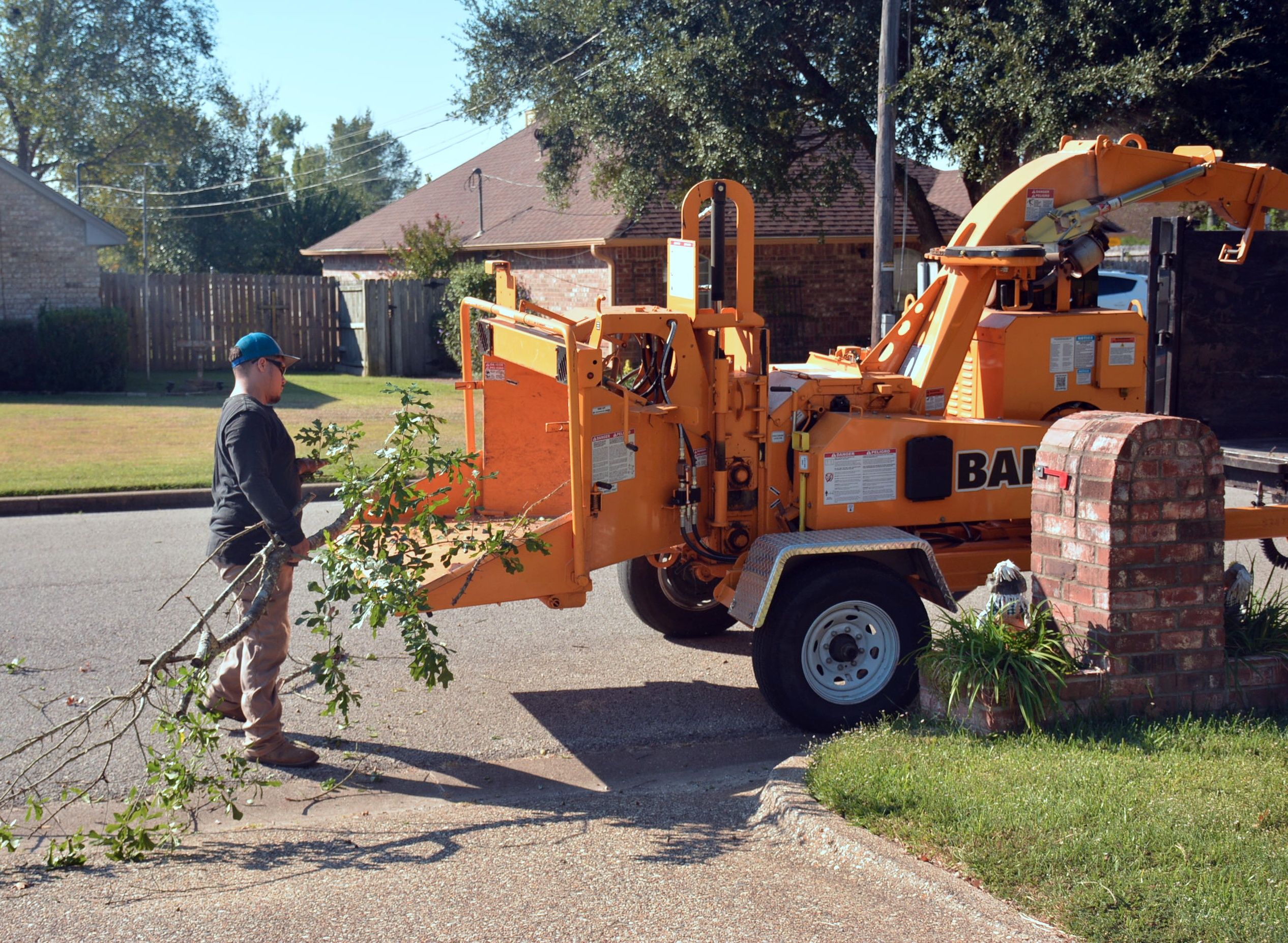
    Some projects require bucket trucks, cranes, chippers, specialized cutting equipment, or additional rigging systems. Angi reports that crane services can add hundreds of dollars or significantly more to difficult projects.

    Tree Removal vs. Tree Trimming

    Tree removal is not always the best solution. Sometimes a tree can remain healthy and safe with professional pruning or trimming.

    Tree trimming removes selected branches to improve structure, health, clearance, or safety. Tree removal eliminates the entire tree because it is dead, hazardous, severely damaged, obstructing construction, or otherwise unsuitable for its location.

    The International Society of Arboriculture explains that arborists can assess whether a tree should be removed and can also provide pruning, tree-risk assessment, and preventive maintenance services.

    If you are uncertain about a tree, consider an assessment before automatically scheduling removal. Professional tree inspections can help homeowners understand the condition of the tree and available options.

    Professional Tree Removal Process

    1. Tree Assessment

    A professional begins by examining the tree and surrounding property. The assessment may consider tree health, lean, branches, trunk condition, nearby structures, utilities, access points, and potential hazards.

    2. Site Planning

    The crew determines how the tree can be removed while protecting people and property. Large or complicated trees may require specialized equipment and carefully planned removal procedures.

    3. Work Area Preparation

    The surrounding area is prepared before removal begins. Vehicles, outdoor furniture, equipment, and other vulnerable items may need to be moved away from the work zone.

    4. Controlled Removal

    Professional crews use appropriate equipment and procedures to remove the tree in manageable sections when necessary. The method depends on the tree, site conditions, and available access.

    Because tree removal involves falling branches, heavy materials, cutting equipment, and elevated work, it should not be treated as an ordinary DIY landscaping project. OSHA identifies tree-care work as involving serious hazards, including falls, struck-by objects, cuts, and electrical contact.

    5. Debris Cleanup

    After the tree is removed, branches and logs must be processed and removed. Some companies include basic cleanup in their quote, while others charge separately.

    Ask the contractor whether the estimate includes wood chipping, hauling, log removal, and final cleanup. Clarifying these services can prevent unexpected charges.

    Stump Removal and Grinding Costs

    Tree removal does not necessarily include stump removal. A stump may remain after the tree is cut down unless you specifically request additional work.

    Stump grinding uses specialized equipment to reduce the visible stump below the surrounding surface. Complete stump removal involves more extensive excavation and root removal.

    Angi’s 2026 tree removal estimates list approximately $100 to $150 as an optional stump-removal cost for its example project, although actual prices vary significantly by stump size, species, access, and local labor rates.

    If you plan to install new landscaping, fencing, paving, or another structure in the same location, discuss the desired level of stump and root removal with the contractor before work begins.

    Do You Need a Tree Removal Permit?

    Permit rules vary by city, county, and state. Some jurisdictions regulate the removal of certain trees based on size, species, location, environmental protections, or property type.

    Do not assume that a tree on private property can always be removed without approval. Angi notes that permit requirements can depend on factors such as tree size, species, and location.

    Before scheduling professional tree removal, contact your local authority or ask the contractor to confirm applicable requirements. A reputable company should be willing to explain the permit process.

    Tree Removal Safety: Why Professional Service Matters

    Tree removal can involve significant hazards. Branches can fall unexpectedly. Large sections of a tree can damage buildings or vehicles. Power lines can create electrical hazards. Workers may also need to operate equipment at height.

    OSHA lists falls, falling objects, cuts, electrocution, and equipment-related hazards among the risks associated with tree-care operations.

    For this reason, homeowners should avoid attempting complex tree removal themselves. Trees near electrical lines, buildings, roads, or other structures are particularly unsuitable for casual DIY removal.

    The International Society of Arboriculture recommends hiring trained and equipped professionals for tree work, especially when large trees or hazardous conditions are involved.

    Signs a Tree May Need Professional Attention

    Not every unhealthy-looking tree needs removal. However, certain signs justify professional evaluation.

    • Large dead branches.
    • Visible trunk damage.
    • Significant decay or cavities.
    • Major cracks or splits.
    • Severe storm damage.
    • A noticeable change in tree stability.
    • Branches interfering with structures.
    • Tree growth close to utility lines.
    • Roots causing significant property problems.
    • A tree that is dead or declining substantially.

    An arborist can determine whether pruning, treatment, structural support, or removal is the most appropriate option.

    How to Choose Professional Tree Removal Services

    Choosing the right contractor is essential. Do not select a company based only on the lowest quote.

    Look for a professional with appropriate experience, insurance, and safety procedures. The International Society of Arboriculture provides a directory that can help homeowners find and verify ISA-credentialed arborists.

    Before signing a contract, ask:

    • Are you properly insured?
    • Who will perform the work?
    • Will you handle permits if required?
    • Is stump grinding included?
    • Is debris hauling included?
    • What equipment will the project require?
    • How will nearby structures and landscaping be protected?
    • What happens if weather delays the project?
    • Will the quote remain valid if additional work is discovered?

    Insurance is particularly important. Angi recommends verifying both liability insurance and workers’ compensation coverage before hiring a tree service.

    For additional home-service research, homeowners can also explore professional tree removal and home improvement services.

    How to Save Money on Tree Removal

    The best way to manage tree removal costs is to obtain several detailed estimates. Make sure each company is quoting the same scope of work.

    Ask whether cleanup, hauling, stump grinding, and permits are included. A quote that appears cheaper may become more expensive once these services are added.

    Early professional assessment can also help. Addressing hazardous branches or declining trees before they cause property damage may reduce the complexity of a future emergency project.

    Regular tree maintenance can also be useful. Current estimates put professional tree trimming at roughly $270 to $1,800, depending on size, species, condition, and accessibility.

    Tree Removal and Property Protection

    Healthy trees can provide shade, beauty, privacy, and environmental benefits. Removal should therefore be based on a reasonable assessment rather than convenience alone.

    However, a dead, severely damaged, or unsafe tree can create significant property risks. TreesAreGood notes that arborists can help homeowners determine when a tree presents an unacceptable risk or when removal is necessary because of damage, obstruction, disease, or construction.

    The goal is to balance tree preservation with safety. Professional evaluation can help homeowners make that decision with better information.

    Final Thoughts on Tree Removal Cost: Professional Service & Safety Guide

    Tree Removal Cost: Professional Service & Safety Guide shows why there is no single price for every tree. In 2026, professional removal commonly falls around $200 to $2,000, with an average near $750, while very large or difficult projects can cost much more.

    Tree height, condition, location, accessibility, equipment, permits, and cleanup all affect the final price. Stump removal may also be an additional service.

    Most importantly, safety should come before price. Tree removal can involve falling branches, heavy equipment, elevated work, and electrical hazards. A qualified professional can assess the tree, plan the work, manage hazards, and protect nearby property.

    Before hiring a contractor, compare detailed estimates, verify insurance, confirm permit requirements, and clarify exactly what the quoted price includes. With proper planning and professional service, homeowners can address hazardous trees while protecting their property and making informed decisions about long-term tree care.

  • Roof Replacement Cost: Complete Guide for Homeowners

    Roof Replacement Cost: Complete Guide for Homeowners

    Replacing a roof is one of the biggest home improvement projects many homeowners will ever undertake. A new roof protects your home from rain, wind, heat, and other weather conditions. It can also improve curb appeal, energy performance, and resale value.

    Understanding Roof Replacement Cost: Complete Guide for Homeowners can help you create a realistic budget before requesting estimates. The final price depends on roof size, material, pitch, labor rates, removal requirements, permits, and the condition of the underlying roof deck.

    For a broad U.S. planning estimate, professional roof replacement commonly falls around $4 to $11 per square foot. Current 2026 data puts the average professional replacement near $9,600, although actual projects can range considerably higher or lower.

    Average Roof Replacement Cost

    The easiest way to estimate a roofing budget is to consider the total roof area rather than only the home’s living space. Roofers often measure roofing materials in “squares.” One roofing square equals 100 square feet of roof surface.

    A relatively simple asphalt shingle roof may cost substantially less than a large, steep, complex roof made from premium materials. For example, current estimates put asphalt shingle replacement around $5,800 to $20,000, while metal, tile, wood, and slate can have much wider price ranges.

    Roofing Material Typical Installed Cost Range
    Asphalt Shingles $5,800–$20,000
    Metal Roofing $5,700–$25,000
    Wood Shakes or Shingles $16,000–$27,000
    Tile Roofing $8,500–$26,400
    Premium Slate/Stone $5,800–$30,000+

    These are broad planning figures, not guaranteed quotes. Your local labor market and roof design can change the final price significantly.

    What Determines Roof Replacement Cost?

    Several factors influence the price of a new roof. Understanding them makes it easier to compare contractor estimates and identify unexpected charges.

    1. Roof Size

    Larger roofs require more shingles, underlayment, flashing, fasteners, labor, and disposal. A small single-story home may therefore cost much less to reroof than a large multi-level property.

    Remember that your roof’s surface area is not necessarily the same as your home’s floor area. Roof pitch and design increase the actual roofing surface.

    2. Roofing Material

    Asphalt shingles remain a popular choice because they offer a balance between upfront cost, appearance, and durability. Architectural shingles generally cost more than basic three-tab shingles but can provide a more substantial appearance and longer service life.

    Metal roofing can provide excellent durability, while tile and slate can offer very long service lives when properly installed and maintained. However, premium materials usually require a larger initial investment.

    Choosing the cheapest material is not always the best way to reduce your long-term roof replacement cost. Consider expected lifespan, maintenance, climate, warranty coverage, and installation requirements.

    3. Roof Pitch and Complexity

    A steep roof takes more time and requires additional safety measures. Multiple roof sections, valleys, dormers, skylights, chimneys, and penetrations can also increase labor costs.

    Complex roofs require careful flashing and waterproofing around transition points. That additional labor can be important for preventing future leaks.

    4. Old Roof Removal

    Your contractor may need to remove the existing roofing before installing the new system. Removal creates additional labor, hauling, and disposal costs.

    In some situations, local building requirements or the condition of the existing roof may affect whether another roofing layer can remain in place. Ask your contractor to explain the proposed approach before signing a contract.

    5. Roof Deck Repairs

    Once old roofing materials are removed, damaged decking may become visible. Rotten or weakened sections need to be repaired before the new roof is installed.

    This is one reason you should maintain a contingency fund. A quote prepared before tear-off may not include every hidden condition beneath the existing roofing.

    Roof Replacement Cost by Material

    Asphalt Shingles

    Asphalt shingles are often the most budget-friendly mainstream option. They are widely available and come in several styles and quality levels.

    Current estimates show complete asphalt shingle replacement commonly ranging from approximately $5,800 to $20,000, depending on the roof and installation conditions.

    For more information about shingle options, homeowners can review this asphalt shingle guide.

    Metal Roofing

    Metal roofing can be a strong option for homeowners who prioritize durability and a longer service life. It is available in several profiles and finishes.

    The upfront investment can be higher than basic asphalt shingles. However, the decision should be based on expected lifespan, maintenance needs, climate, and the property’s long-term plans.

    Tile Roofing

    Clay and concrete tiles can create a distinctive appearance and may last for decades when properly installed. Their weight and installation requirements can make the project more expensive.

    Before choosing tile, ask whether your home’s existing structure is suitable for the additional load. A qualified roofing professional can evaluate the situation.

    Slate Roofing

    Slate is a premium roofing material known for exceptional longevity. It can also be significantly more expensive to install because of material costs, weight, specialized installation, and structural considerations.

    Labor and Additional Roofing Expenses

    Labor can represent a substantial portion of your roofing budget. Current estimates indicate that labor for shingle roofing can account for roughly 50% to 60% of the total installation price.

    Your estimate may also include several additional expenses:

    • Old roof removal and disposal
    • Roof decking repairs
    • Underlayment
    • Flashing replacement
    • Ridge caps and starter materials
    • Roof ventilation improvements
    • Permits and inspections
    • Skylight or chimney flashing work
    • Gutter-related work
    • Cleanup and debris removal

    Permit costs vary by location. Current roofing cost guides commonly recommend allowing several hundred dollars for permits where required.

    Roof Repair vs. Full Replacement

    Not every damaged roof needs complete replacement. If the damage is isolated and the roof still has substantial useful life remaining, a repair may make more financial sense.

    On the other hand, widespread leaks, extensive shingle deterioration, repeated repairs, sagging areas, or an aging roof can indicate that replacement deserves serious consideration.

    Current estimates put typical shingle roof repairs far below full replacement costs. However, repeatedly paying for repairs on an aging roof can become less economical over time.

    If you are uncertain, arrange a professional inspection. A written assessment can help you understand whether the problem is localized or part of a larger roofing-system failure.

    How to Choose a Roofing Contractor

    The contractor you choose can affect both your final roof replacement cost and the long-term performance of your roof.

    Get at least three detailed estimates when possible. Do not automatically select the lowest bid. Instead, compare the scope of work, materials, warranties, labor, cleanup, permits, and payment terms.

    A useful roofing estimate should clearly identify the contractor, materials, project timeline, itemized costs, warranty information, licensing or insurance details where applicable, and payment requirements.

    You can also review this roofing estimate checklist before comparing bids.

    Questions to Ask Before Hiring

    • Is the estimate itemized?
    • Does it include removal and disposal?
    • What happens if damaged decking is discovered?
    • Which roofing materials are included?
    • What warranties apply to materials and workmanship?
    • Who handles permits and inspections?
    • What is the expected project timeline?
    • How will the property be protected during installation?
    • What payment schedule is required?
    • What cleanup is included?

    How to Lower Your Roof Replacement Cost

    A new roof is a major expense, but careful planning can prevent unnecessary spending.

    Compare multiple quotes. Several detailed estimates can reveal whether a price is unusually high or suspiciously low.

    Choose materials strategically. You do not always need the most expensive roofing product. Select a material that fits your climate, budget, home design, and expected ownership period.

    Plan ahead. Emergency roofing work can be more expensive than a planned replacement. If your roof is nearing the end of its expected life, start researching contractors before a major leak forces an urgent decision.

    Check insurance coverage. If your roof was damaged by a covered storm event, your homeowners insurance may help with eligible replacement costs. Coverage depends on your policy, deductible, cause of damage, and insurer. Do not assume that normal aging is covered.

    Ask about financing carefully. If you finance the project, compare the total repayment amount rather than looking only at the monthly payment.

    Signs You May Need a New Roof

    Knowing the warning signs can help you plan before a minor issue becomes a major home repair.

    • Frequent or recurring roof leaks
    • Large areas of missing or damaged shingles
    • Significant curling or deterioration
    • Visible sagging
    • Widespread granule loss
    • Damaged flashing around roof penetrations
    • A roof approaching the end of its expected service life
    • Repeated repair bills

    Age alone does not prove that replacement is necessary. Roof condition, installation quality, climate, ventilation, and maintenance all matter. Asphalt shingles, for example, commonly last around 15 to 30 years, although actual performance varies.

    Does a New Roof Increase Home Value?

    A new roof can improve curb appeal and make a home more attractive to prospective buyers. It may also reduce concerns about immediate maintenance expenses.

    However, homeowners should not assume that every dollar spent on roofing will return as an equal increase in resale value. Local housing conditions, material choice, roof quality, and buyer expectations all influence the result.

    If you plan to sell soon, focus on a professionally installed roof with appropriate materials rather than automatically choosing the most expensive option.

    How Long Does Roof Replacement Take?

    The installation timeline varies with roof size, weather, material, crew size, roof complexity, and the amount of hidden damage discovered during removal.

    A straightforward asphalt shingle project can move relatively quickly, while larger or more complicated roofs may require additional time. Weather can also interrupt installation.

    Your contractor should provide a realistic start date and estimated completion timeline. Make sure you understand how weather delays or unexpected repairs will affect the schedule.

    Frequently Asked Questions

    What is the average roof replacement cost?

    Current U.S. estimates put professional roof replacement at about $4 to $11 per square foot, with an average project near $9,600. Actual costs vary substantially by roof size, material, pitch, location, and condition.

    What is the cheapest roofing material?

    Asphalt shingles are generally among the most affordable mainstream roofing materials. Basic three-tab shingles typically cost less than architectural, metal, tile, or slate systems.

    Should I repair or replace my roof?

    A limited problem on a relatively young roof may be suitable for repair. Widespread deterioration, repeated leaks, extensive damage, or an aging roof may justify replacement. A professional inspection can help you make the decision.

    How can I get an accurate roof replacement estimate?

    Request detailed quotes from several qualified roofing contractors. The estimate should account for roof measurements, materials, labor, tear-off, disposal, permits, flashing, ventilation, possible decking repairs, and warranties.

    Final Thoughts on Roof Replacement Cost

    Roof Replacement Cost: Complete Guide for Homeowners should be used as a starting point rather than a substitute for a local roofing estimate. A roof is a complete system, and the lowest initial price may not provide the best long-term value.

    Start by determining your roof’s condition and approximate size. Then compare several itemized contractor estimates. Look closely at materials, labor, warranties, permits, removal, ventilation, and potential decking repairs.

    Most importantly, choose a qualified professional who clearly explains the work. A properly planned roof replacement can protect your home for years while helping you avoid unexpected costs and rushed decisions.

    For additional homeowner information, review this guide to hiring a roofing professional before selecting a contractor.