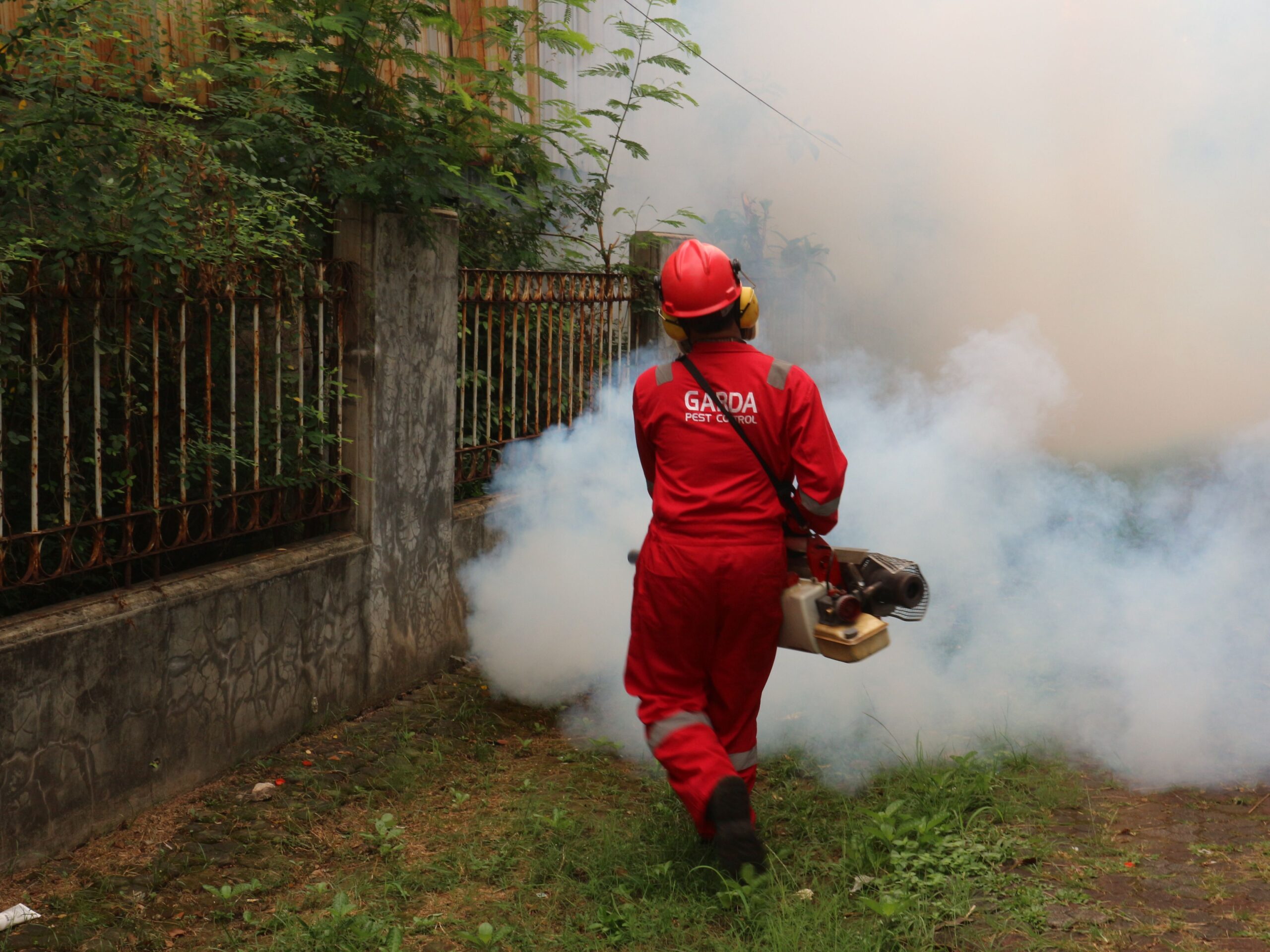
Dealing with unwanted insects or rodents can be stressful for any homeowner. A small pest problem can become much harder to manage if it is ignored. Understanding Pest Control Services: Cost, Treatment & Prevention Guide can help you choose the right service, understand treatment options, and prevent future infestations.
Pest control costs vary by pest type, infestation size, treatment method, property size, and location. A one-time treatment may be enough for a minor problem. Larger infestations may require several visits and ongoing monitoring.
This guide explains common pest control services, pricing factors, treatment options, prevention strategies, and questions to ask before hiring a professional.
What Are Pest Control Services?
Pest control services help identify, manage, and prevent unwanted insects, rodents, and other pests around homes and businesses. Professional technicians typically inspect the property before recommending a treatment.
The goal is not always to eliminate every pest immediately. A good treatment plan identifies why pests are present and addresses the conditions that allow them to survive.
The U.S. Environmental Protection Agency recommends an approach called Integrated Pest Management, or IPM. It combines prevention, monitoring, and appropriate control methods while reducing unnecessary reliance on chemical pesticides. Learn about Integrated Pest Management principles.
How Much Does Pest Control Cost?
There is no universal price for pest control. Service providers usually consider the pest, property, severity of the problem, treatment method, and number of visits before providing a quote.
A basic pest treatment may cost less than specialized services for termites, bed bugs, wildlife, or a large rodent infestation. Recurring service plans may also have a different pricing structure than one-time treatments.
Factors That Affect Pest Control Cost
- Pest type: Different pests require different inspection and treatment methods.
- Infestation size: A larger infestation can require additional labor and visits.
- Property size: Larger homes generally require more inspection and treatment areas.
- Treatment method: Costs depend on whether the service involves exclusion, traps, targeted treatment, or other methods.
- Number of visits: Some infestations require follow-up inspections or treatments.
- Location: Local labor rates and pest activity can influence pricing.
- Damage: Structural damage or contaminated areas may require additional work.
- Maintenance plan: Preventive service agreements may involve recurring payments.
Because pricing varies so much, avoid choosing a company based only on an advertised starting price. Request a detailed estimate that explains what is included.
Common Pest Control Services
Professional pest companies may offer several different services. The right option depends on the pest and where it is located.
General Pest Control
General pest control often focuses on common household pests such as ants, cockroaches, spiders, and other insects. Treatment may include inspection, targeted control, and recommendations for removing food, water, and shelter sources.
Preventive service can also help reduce recurring problems. However, the frequency of service should depend on the property and pest pressure rather than a one-size-fits-all schedule.
Rodent Control
Mice and rats can enter homes through surprisingly small openings. Signs may include droppings, gnaw marks, noises, nesting materials, or damaged food packaging.
The CDC recommends looking for and sealing gaps around the home, while also reducing access to food, water, and shelter. Mice can enter through openings around one-quarter inch wide. See CDC rodent exclusion guidance.
Professional rodent control may involve inspection, exclusion, monitoring, and appropriate control measures. Cleaning contaminated areas may also be necessary.
Termite Services
Termites can cause significant structural damage over time. Unlike pests that are easy to spot, termite activity may remain hidden inside wood or soil.
Professional termite services usually begin with an inspection. Depending on the findings, a company may recommend monitoring, targeted treatment, or other professionally managed measures.
Bed Bug Treatment
Bed bugs can be difficult to eliminate because they can hide in cracks, furniture, and other protected areas. Treating only the most visible insects may not solve the underlying problem.
Professional bed bug services usually require careful inspection and a treatment plan. Follow-up visits may be recommended depending on the severity of the infestation.
Mosquito Control
Mosquito control focuses on reducing breeding and resting areas around a property. Standing water is especially important because mosquitoes can lay eggs in water-holding containers.
The CDC recommends emptying, scrubbing, covering, or removing water-holding items at least weekly. Repairing window and door screens can also help keep mosquitoes outside. Review CDC mosquito control recommendations.
How Professional Pest Treatment Works
A professional treatment should begin with identification. Before applying any control product, the technician should determine what pest is present and where it is active.
Step 1: Inspection
The technician checks indoor and outdoor areas for signs of pest activity. Entry points, food sources, moisture, nesting areas, and other conditions may be examined.
Step 2: Pest Identification
Correct identification matters because different pests require different approaches. Treating the wrong pest can waste time and money.
Step 3: Treatment Plan
The technician recommends appropriate control measures. Depending on the situation, this may involve sanitation, exclusion, traps, monitoring, or carefully selected pesticide applications.
Step 4: Follow-Up
Some infestations need more than one visit. Follow-up inspections can determine whether the treatment is working and whether additional action is needed.
Why Prevention Matters
Effective pest management is about more than treating insects after they appear. Prevention can make a home less attractive to pests in the first place.
The EPA recommends reducing access to the three things many household pests need: food, water, and shelter. Fixing leaks, sealing food, removing clutter, and eliminating pest hiding places can all help. Explore EPA pest prevention resources for residents.
Seal Entry Points
Inspect areas around doors, windows, pipes, vents, utility lines, and the foundation. Small openings can provide access to insects and rodents.
Use suitable repairs to close gaps. Pay particular attention to areas where pipes and cables enter the building.
Control Moisture
Leaks and standing water can attract pests. Repair leaking plumbing and check areas under sinks, around appliances, and near exterior drainage points.
Good ventilation can also help reduce excessive moisture in appropriate areas of the home.
Store Food Properly
Keep food in sealed containers and clean spills promptly. Take out household trash regularly.
Pet food can also attract pests. Store it properly and clean feeding areas regularly.
Reduce Outdoor Shelter
Trim vegetation where appropriate and keep outdoor areas reasonably clear. Remove unnecessary debris that can provide hiding places for insects or rodents.
Wood piles and other stored materials should be managed carefully. The CDC provides additional recommendations for reducing rodent shelter and food sources around homes. Read the CDC rodent control guide.
Signs You May Need Professional Pest Control
Some pests are easy to identify. Others leave indirect signs. Knowing what to look for can help you act before an infestation becomes larger.
- Repeatedly seeing insects inside your home.
- Finding droppings or unusual odors.
- Hearing scratching or movement inside walls or ceilings.
- Finding gnaw marks on materials or food packaging.
- Discovering damaged wood or signs of insect activity.
- Seeing nests or pest trails.
- Finding insects in several areas of the property.
- Experiencing recurring pest activity after cleaning.
If you repeatedly see signs of pests, professional identification can help determine the cause and the most appropriate solution.
DIY Pest Control vs. Professional Treatment
Some basic prevention tasks can be handled by homeowners. Cleaning, sealing food, repairing screens, removing standing water, and reducing clutter are useful first steps.
However, persistent infestations may require professional evaluation. This is especially true when pests are inside walls, under floors, in inaccessible areas, or causing property damage.
There is also an important safety consideration when using pesticides. The EPA advises consumers to read product labels carefully and follow all directions. Using more pesticide than directed does not make treatment safer or necessarily more effective. Review EPA pesticide safety tips.
Do not mix products or use a pesticide for a pest or location that is not listed on its label. When professional treatment is appropriate, use a qualified service provider.
How to Choose a Pest Control Company
Choosing a pest control provider requires more than comparing prices. Experience, transparency, treatment methods, and customer service all matter.
Check Licensing and Qualifications
Ask whether the company and its technicians meet the licensing or certification requirements that apply in your area. Requirements vary by location and service type.
Ask for a Written Estimate
A written estimate should explain the pest being treated, proposed service, number of visits, major costs, and any warranty or guarantee.
Ask About Treatment Methods
Find out what methods the company plans to use. A reputable provider should be able to explain why a particular approach is appropriate.
Check the Warranty
Some companies offer guarantees or follow-up visits. Read the terms carefully. Understand what is covered and whether additional charges may apply.
Read Recent Reviews
Customer reviews can help you evaluate communication, punctuality, professionalism, and service quality. Look for consistent patterns rather than relying on one review.
How to Reduce Long-Term Pest Control Costs
Preventive maintenance can help reduce the likelihood of recurring pest problems. Start by addressing conditions that attract pests.
- Seal cracks and gaps around the property.
- Repair plumbing leaks promptly.
- Keep food in sealed containers.
- Clean spills and crumbs quickly.
- Remove standing water.
- Keep garbage containers closed.
- Maintain screens on windows and doors.
- Reduce unnecessary outdoor clutter.
- Inspect attics, basements, garages, and crawl spaces regularly.
You can also use our home maintenance checklist to organize routine inspections and preventive tasks.
Questions to Ask Before Hiring a Pest Control Service
Before scheduling treatment, ask a few important questions:
- What pest did you identify?
- Where is the infestation located?
- What treatment do you recommend?
- How much will the complete service cost?
- Are follow-up visits included?
- Are there additional service fees?
- How long is the treatment guarantee?
- What preparation is required before treatment?
- What precautions should household members follow?
- How can I prevent the infestation from returning?
These questions can help you compare providers and understand exactly what you are paying for.
Understanding Safe Pest Management
Pest control should always balance effectiveness with responsible use. The EPA explains that pesticides can be useful but may also create risks when they are misused. Its consumer guidance recommends prevention and non-chemical measures where practical. Read the EPA consumer pest control guide.
This is why Integrated Pest Management can be a useful framework. Instead of relying on routine pesticide applications alone, IPM considers pest biology, property conditions, prevention, monitoring, and targeted control.
For homeowners, that can mean fixing a water leak, sealing an entry point, removing food sources, and monitoring activity before considering additional treatment.
Final Thoughts on Pest Control Services: Cost, Treatment & Prevention Guide
Understanding Pest Control Services: Cost, Treatment & Prevention Guide can help homeowners make informed decisions when dealing with unwanted pests. The cost of service depends on the pest, infestation size, property, treatment method, number of visits, and local pricing.
Professional pest control can be useful when an infestation persists, returns after basic prevention, or occurs in difficult-to-reach areas. A good provider should inspect the property, identify the pest, explain the treatment plan, and provide transparent pricing.
Prevention is equally important. Sealing entry points, controlling moisture, storing food properly, reducing clutter, and removing standing water can make your property less attractive to many pests.
When pesticides are necessary, follow product labels and professional instructions carefully. The EPA recommends Integrated Pest Management as a practical approach that combines prevention and targeted control while reducing unnecessary pesticide use.
Ultimately, the best pest control strategy is proactive. Address the conditions that attract pests, monitor your property regularly, and seek professional help when the problem is beyond simple household prevention. This approach can protect your home, reduce recurring problems, and help you manage pest control costs over the long term.