Tag: Managed Cyber Security
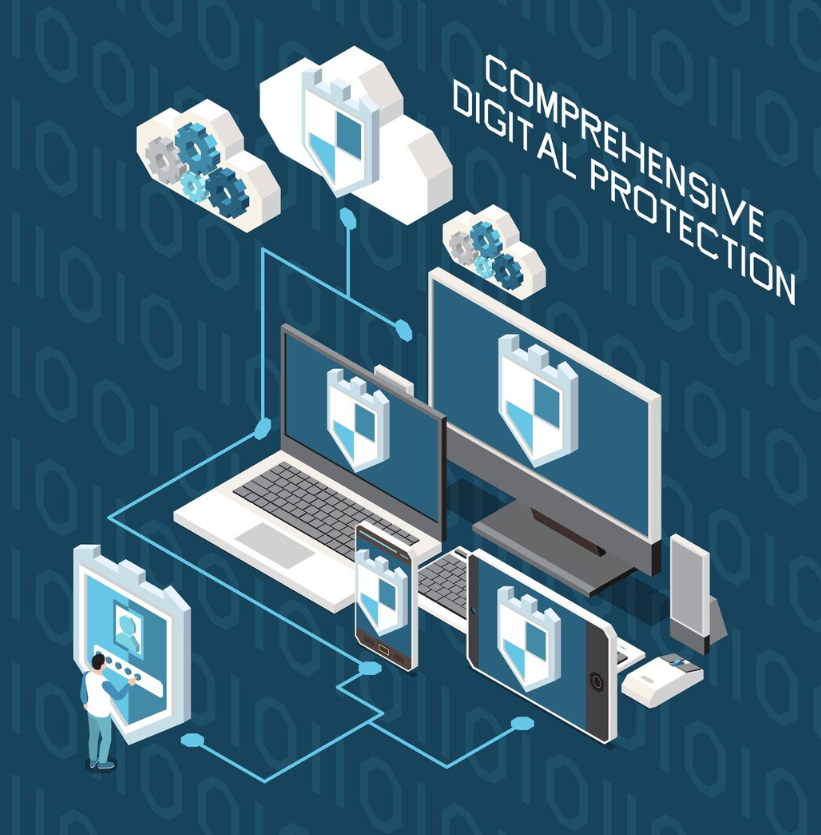
  • Cloud Security vs Cyber Security: What’s the Difference?

    Cloud Security vs Cyber Security: What’s the Difference?

    Businesses rely on cloud platforms more than ever. Companies store files online, run applications in cloud environments, use software as a service, and allow employees to work remotely. This flexibility creates major business advantages, but it also introduces new security responsibilities.

    That raises an important question: Cloud Security vs Cyber Security: What’s the Difference?

    Although the terms are closely related, they are not identical. Cybersecurity is the broader discipline. Cloud security is a specialized part of cybersecurity that focuses on protecting cloud-based systems, services, data, applications, and infrastructure.

    Understanding the difference can help businesses choose better security controls, assign responsibilities, reduce risks, and protect valuable information.

    What Is Cybersecurity?

    Cybersecurity is the practice of protecting systems, networks, devices, applications, and data from unauthorized access, disruption, misuse, alteration, or destruction.

    It covers a wide range of technologies and processes. These can include endpoint protection, network security, identity management, application security, security monitoring, incident response, data protection, and employee awareness.

    Cybersecurity applies whether technology is located in an office, a private data center, a remote employee’s home, or a cloud environment.

    For businesses building a structured security program, the cybersecurity frameworks guide can help explain how standards such as NIST and ISO 27001 organize security and risk management.

    What Is Cloud Security?

    Cloud security focuses specifically on protecting cloud computing environments.

    These environments can include public clouds, private clouds, hybrid infrastructure, cloud databases, cloud applications, storage services, virtual machines, containers, and serverless platforms.

    Cloud security addresses risks that can arise from cloud architecture and shared responsibilities. These risks may include misconfigured storage, excessive permissions, compromised accounts, insecure application interfaces, exposed services, and weaknesses in cloud configurations.

    The CISA cloud security resources provide guidance on protecting cloud environments and managing cloud-related cybersecurity risks.

    Cloud Security vs Cyber Security: The Main Difference

    The easiest way to understand the difference is scope.

    Cybersecurity is the broader field that protects digital systems and information from cyber threats.

    Cloud security is a specialized area within cybersecurity that concentrates on cloud environments.

    Think of cybersecurity as a large security strategy. Cloud security is one important part of that strategy.

    For example, a company may have cybersecurity controls for employee laptops, office networks, email systems, applications, and physical infrastructure. At the same time, it may need separate cloud security controls for its cloud accounts, virtual networks, storage, workloads, identities, and cloud configurations.

    Why Cloud Security Has Become So Important

    Moving systems to the cloud does not automatically make them secure. Cloud providers typically secure parts of the underlying infrastructure, while customers remain responsible for specific configurations, identities, data, workloads, and applications.

    This is often described through the shared responsibility model.

    The exact responsibilities depend on the cloud service and provider. However, businesses generally need to understand which security responsibilities remain with them.

    The AWS shared responsibility model provides one example of how cloud security responsibilities can be divided between a provider and its customers.

    Understanding this division is essential. A secure cloud platform can still be poorly configured by a customer.

    Key Areas of Cybersecurity

    Network Security

    Network security protects communications and network infrastructure. Firewalls, segmentation, secure remote access, and network monitoring can help reduce exposure to threats.

    Endpoint Security

    Endpoints include laptops, desktops, mobile devices, and servers. Endpoint security helps detect and prevent malicious activity on these devices.

    Application Security

    Application security focuses on protecting software from vulnerabilities and misuse. Secure development practices, testing, access controls, and vulnerability management can reduce application risk.

    Identity and Access Management

    Identity security controls who can access systems and what they are allowed to do. Strong authentication and least-privilege access are important parts of modern cybersecurity.

    Data Security

    Data security protects information throughout its lifecycle. Businesses may use encryption, access controls, backups, classification, and data loss prevention techniques.

    Security Awareness

    Employees can influence cybersecurity outcomes. Training can help staff recognize phishing attempts, protect credentials, use authentication correctly, and report suspicious activity.

    Key Areas of Cloud Security

    Cloud Identity and Access Management

    Cloud environments can contain many users, applications, services, and automated processes. Strong identity management helps ensure that each identity receives only the access it needs.

    Businesses should regularly review permissions and remove unnecessary accounts or privileges.

    Cloud Configuration Security

    Misconfiguration is a major cloud security concern. Incorrect permissions, exposed services, weak authentication settings, and poorly configured storage can increase risk.

    Configuration management tools can help organizations identify security issues and maintain consistent settings.

    Cloud Data Protection

    Cloud data should be protected according to its sensitivity and business value.

    Organizations may use encryption, access controls, backup strategies, data classification, and monitoring to protect important information.

    Cloud Workload Security

    Businesses may run virtual machines, containers, databases, applications, and other workloads in cloud environments.

    These workloads need security controls throughout their lifecycle. Vulnerability management and secure configurations can reduce the risk of compromised workloads.

    Cloud Security Monitoring

    Monitoring helps organizations identify unusual activity. Cloud security monitoring can include account activity, configuration changes, authentication events, network activity, and application behavior.

    Security teams can use this information to investigate potential threats and respond when necessary.

    Cloud Security vs Cybersecurity: A Practical Example

    Imagine a company has 100 employees.

    Its cybersecurity program may protect employee laptops, email accounts, office networks, business applications, and sensitive information.

    The company also uses cloud storage and a cloud-hosted customer application.

    Cloud security would focus on the risks associated with those cloud environments. The business might need to review cloud identities, permissions, storage configurations, application interfaces, cloud network settings, logging, and workload security.

    Both security areas work together.

    If an employee’s credentials are stolen, cybersecurity controls may detect suspicious login behavior. Cloud security controls can then help limit what that compromised account can access within the cloud environment.

    Cloud Security Challenges for Businesses

    Misconfigured Cloud Services

    Cloud platforms offer extensive configuration options. A mistake can expose resources or grant excessive access.

    Regular configuration reviews can help identify these weaknesses.

    Too Many Permissions

    Employees and applications may accumulate access over time. Excessive permissions increase the potential impact of a compromised account.

    Organizations should follow the principle of least privilege and review access regularly.

    Remote Access

    Cloud systems make remote access easier. However, organizations still need strong authentication, device security, and access policies.

    Multifactor authentication can add an important layer of protection to accounts.

    Third-Party Risk

    Cloud environments often depend on multiple vendors and applications. A security issue involving a third party can affect the business.

    Vendor security assessments and clear contractual requirements can help reduce supply-chain risk.

    How Cybersecurity and Cloud Security Work Together

    Cloud security should not operate as a separate security island. It should be part of the organization’s overall cybersecurity strategy.

    A strong security program can connect identity management, endpoint protection, cloud security, application security, network controls, data protection, monitoring, and incident response.

    This integrated approach helps security teams see the full environment rather than isolated systems.

    Organizations can also use a structured framework such as the NIST Cybersecurity Framework to organize broader cybersecurity risk management.

    For businesses using cloud platforms extensively, our cloud cybersecurity guide provides additional information about cloud-specific risks and security practices.

    Cloud Security Best Practices

    Businesses can take several practical steps to improve cloud security.

    • Use multifactor authentication for important accounts.
    • Apply least-privilege access.
    • Review cloud permissions regularly.
    • Monitor important account and configuration activity.
    • Encrypt sensitive information where appropriate.
    • Maintain reliable backups.
    • Patch and update cloud workloads.
    • Remove unused accounts and services.
    • Assess third-party applications and suppliers.
    • Test incident response procedures.

    Organizations should also establish clear ownership. Someone should know who is responsible for cloud security configuration, monitoring, identity management, data protection, and incident response.

    How to Build a Cloud Security Strategy

    1. Inventory Your Cloud Environment

    Identify the cloud providers, applications, databases, storage services, workloads, accounts, and integrations your business uses.

    2. Classify Important Data

    Determine which information is sensitive, confidential, regulated, or critical to business operations.

    3. Review Access

    Examine users, administrators, service accounts, applications, and permissions. Remove unnecessary privileges.

    4. Assess Configurations

    Look for publicly exposed resources, weak security settings, unnecessary services, and other configuration risks.

    5. Enable Monitoring

    Collect relevant security logs and establish processes for investigating suspicious activity.

    6. Prepare for Incidents

    Develop an incident response plan that explains how your organization will contain, investigate, communicate, and recover from security incidents.

    Our cybersecurity risk assessment guide can also help businesses identify and prioritize security gaps before implementing new controls.

    Should You Use Managed Cloud Security Services?

    Some organizations have enough internal expertise to manage cloud security themselves. Others may benefit from external specialists.

    Managed cyber security services can provide access to security professionals who monitor systems, investigate alerts, assess vulnerabilities, and support incident response.

    This can be useful for small and medium-sized businesses that use cloud technology but do not have a large internal security team.

    Before selecting a provider, review its experience, monitoring capabilities, incident response process, reporting, data protection practices, and understanding of your cloud environment.

    Cloud Security vs Cyber Security: Which One Do You Need?

    Most businesses need both.

    Cybersecurity provides the broader security strategy. Cloud security addresses the specific risks created by cloud infrastructure, applications, data, and services.

    If your organization does not use cloud technology, traditional cybersecurity controls may represent a larger part of your security strategy. However, most modern businesses use at least some cloud services, making cloud security increasingly important.

    The important question is not whether cloud security or cybersecurity is better. The real question is how cloud security fits into your complete cybersecurity program.

    Final Thoughts

    Cloud Security vs Cyber Security: What’s the Difference? is ultimately a question of scope and specialization.

    Cybersecurity protects digital systems, networks, devices, applications, and information from a broad range of threats. Cloud security focuses specifically on protecting cloud-based environments and managing the risks associated with cloud services.

    The two areas are closely connected. Strong cloud security depends on good identity management, data protection, monitoring, secure configurations, vulnerability management, and incident response. These are also important elements of a broader cybersecurity strategy.

    As businesses continue moving workloads and data to the cloud, organizations should treat cloud security as an essential part of their overall security program. Start with an inventory, understand your responsibilities, assess risk, strengthen access controls, monitor important activity, and review security continuously.

    A well-planned approach can help protect sensitive information, reduce cyber risk, support business continuity, and build greater trust with customers and partners.