Tag: Landscaping Cost
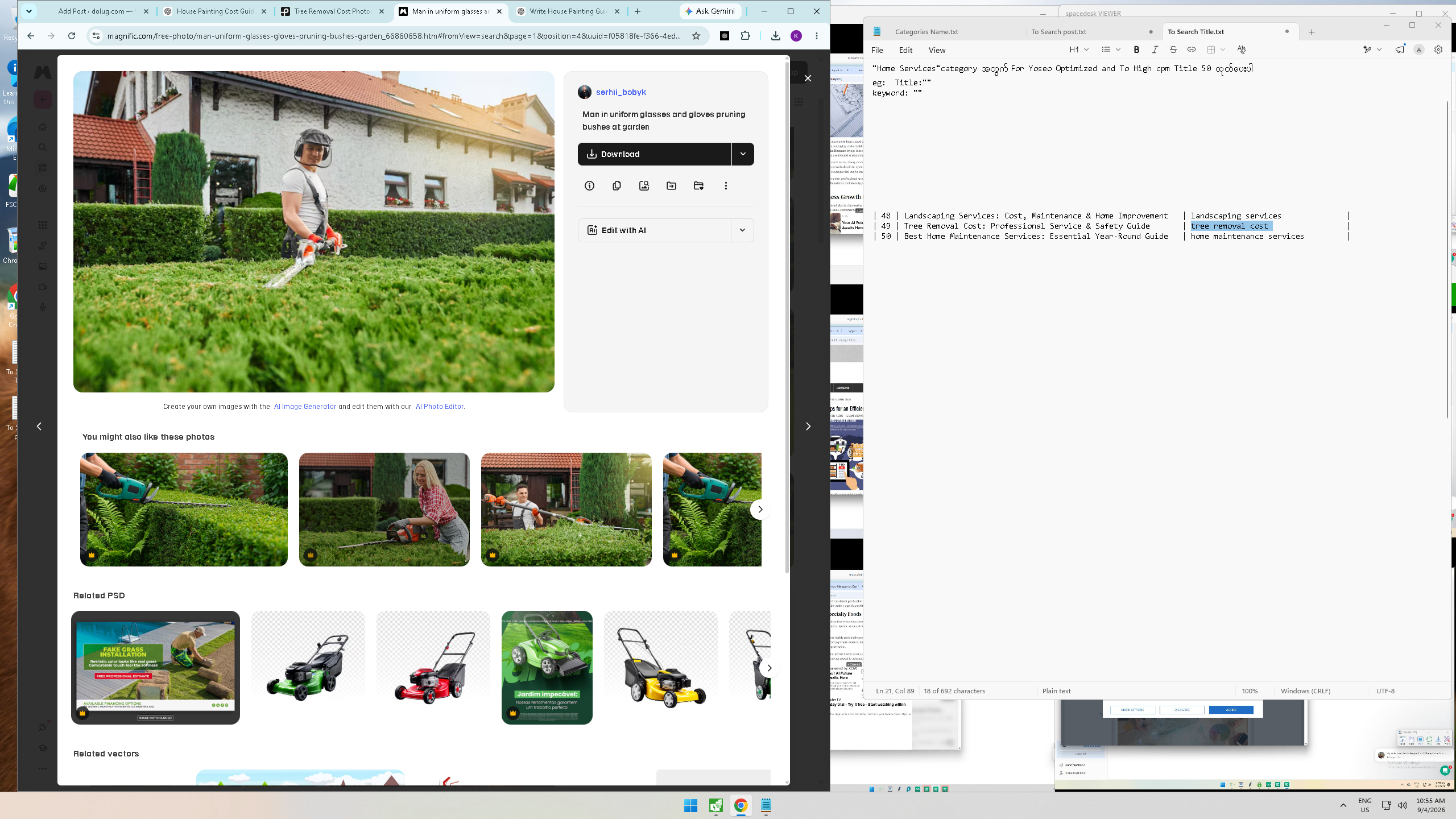
  • Landscaping Services: Cost, Maintenance & Home Improvement

    Landscaping Services: Cost, Maintenance & Home Improvement

    Well-planned landscaping can change the look and feel of a home. It can create a better outdoor living area, improve curb appeal, and make routine yard work easier. However, landscaping costs can vary widely depending on the property’s size, project type, materials, plants, and labor.

    Understanding Landscaping Services: Cost, Maintenance & Home Improvement can help homeowners plan outdoor projects with greater confidence. A simple lawn cleanup may have a modest cost. A complete landscape renovation with patios, drainage, planting, lighting, and irrigation can require a much larger investment.

    This guide explains common landscaping services, pricing factors, maintenance needs, home improvement opportunities, and tips for hiring a professional landscaping company.

    What Do Landscaping Services Include?

    Landscaping services cover a broad range of outdoor improvements and maintenance tasks. Some homeowners need regular lawn care. Others want a complete backyard transformation.

    Common services include lawn mowing, trimming, planting, pruning, mulching, garden design, irrigation, tree and shrub care, drainage work, hardscaping, outdoor lighting, and seasonal cleanup.

    Some companies focus mainly on maintenance. Others offer design and installation services. Full-service landscaping companies may manage a project from the initial design through installation and ongoing maintenance.

    If you are planning several improvements at once, our home improvement cost guide can help you organize your overall renovation budget.

    How Much Do Landscaping Services Cost?

    Landscaping prices depend heavily on the type and size of the project. Routine maintenance is usually priced differently from design and installation work.

    Basic lawn care may be charged per visit or through a recurring service plan. Larger projects are more likely to use project-based pricing.

    Factors that can affect the total cost include:

    • Yard size: Larger properties usually require more labor and materials.
    • Project complexity: Detailed designs require more planning and installation work.
    • Plant selection: Mature plants and specialty varieties can increase material costs.
    • Hardscaping: Patios, retaining walls, pathways, and outdoor kitchens can significantly increase project costs.
    • Site preparation: Clearing, grading, excavation, and soil improvement can add labor.
    • Drainage: Poor drainage may require specialized solutions.
    • Irrigation: New sprinkler or drip systems add equipment and installation costs.
    • Location: Local labor rates and material availability affect pricing.

    For another major outdoor expense, see our driveway installation cost guide for planning and material considerations.

    Common Landscaping Services for Homeowners

    Lawn Care

    Lawn care is one of the most common recurring landscaping services. It can include mowing, edging, trimming, seasonal cleanup, and other routine tasks.

    Regular maintenance helps keep a yard attractive without requiring homeowners to spend every weekend working outdoors.

    Landscape Design

    A landscape designer can create a plan before installation begins. The design may show plant locations, pathways, patios, lighting, irrigation, and other features.

    A good plan can also reduce costly changes during construction. It helps homeowners decide where to invest and where to keep the design simple.

    Planting and Garden Installation

    Professional landscapers can install trees, shrubs, flowers, ground covers, and other plants. Plant selection should consider sunlight, soil, water requirements, mature size, and local climate.

    The EPA WaterSense landscaping guidance offers useful information about efficient landscape planning and water conservation.

    Mulching

    Mulch can improve the appearance of planting beds. It can also help retain soil moisture and reduce weed growth when used correctly.

    Different types of mulch have different appearance, durability, and maintenance characteristics. Ask your landscaper which option fits your garden and local conditions.

    Tree and Shrub Maintenance

    Trees and shrubs often require pruning, shaping, and seasonal care. Larger tree work may require a qualified tree-care professional rather than a general lawn service.

    Do not attempt hazardous tree work without appropriate training and equipment. Large branches and trees can create serious safety risks.

    Hardscaping and Outdoor Home Improvements

    Landscaping is not limited to plants. Hardscaping adds permanent or semi-permanent outdoor features that can improve how a property is used.

    Patios and Walkways

    A patio can create an outdoor area for dining, relaxing, or entertaining. Walkways can improve access between the driveway, house, garden, and other areas.

    Material choices may include concrete, pavers, natural stone, brick, or other outdoor surfaces. Each option has different installation and maintenance requirements.

    Retaining Walls

    Retaining walls can help manage changes in elevation. They can also create planting areas and improve the structure of a sloped yard.

    However, drainage is important. A poorly designed retaining wall can experience pressure from water and soil. Larger walls may also require engineering or permits depending on local rules.

    Outdoor Lighting

    Landscape lighting can improve visibility around walkways and outdoor areas. It can also highlight trees, gardens, architectural features, and patios.

    LED fixtures are commonly used because of their efficiency and long service life. A professional can help position fixtures to provide useful illumination without creating excessive glare.

    Outdoor Living Areas

    Outdoor living improvements can include seating areas, fire features, pergolas, outdoor kitchens, and covered spaces. These additions can make a yard more functional throughout the year.

    For larger projects, make sure electrical, plumbing, structural, and local code requirements are considered before construction begins.

    Landscaping Maintenance: What Should You Budget For?

    Installing a beautiful landscape is only the beginning. Ongoing maintenance protects the investment and keeps plants healthy.

    Your maintenance budget may include mowing, pruning, fertilizing, irrigation adjustments, weed control, mulch replacement, leaf removal, and seasonal cleanup.

    The amount of maintenance depends on the landscape design. A complex garden with many plant varieties may require more attention than a simple yard with low-maintenance plants.

    Seasonal Maintenance

    Landscaping needs change throughout the year. Spring may require planting and cleanup. Summer often brings irrigation and lawn-care demands. Fall can involve leaf removal and pruning. Winter preparation may include protecting sensitive plants.

    Creating a seasonal plan can make maintenance more predictable.

    How Landscaping Can Improve Your Home

    Thoughtful landscaping can contribute to several areas of home improvement.

    Improve Curb Appeal

    A maintained front yard creates a strong first impression. Clean planting beds, healthy plants, defined pathways, and a maintained lawn can make the property look more inviting.

    Create Outdoor Living Space

    Backyard landscaping can turn unused areas into functional spaces. A patio, seating area, shade structure, or garden can make the yard more useful.

    Improve Drainage

    Landscaping can also address water-management problems. Proper grading and drainage can help move rainwater away from structures and reduce standing water.

    Our French drain cost guide provides additional information about one common drainage option.

    Increase Privacy

    Trees, shrubs, hedges, and fencing can create privacy around outdoor areas. Plant selection should account for mature height and width.

    Fast-growing plants may provide quicker screening. However, they can require more pruning. A balanced design often considers both growth rate and long-term maintenance.

    How to Choose a Landscaping Company

    Hiring the right contractor can make a major difference. Do not choose a company based only on the lowest price.

    Review Experience and Services

    First, determine whether the company handles the type of work you need. A lawn maintenance company may not be equipped for major drainage, grading, or hardscape construction.

    Ask for examples of similar completed projects. This can help you understand the company’s capabilities.

    Request a Detailed Estimate

    A professional estimate should explain labor, materials, preparation, disposal, installation, and ongoing maintenance when applicable.

    For larger projects, ask whether design fees, permits, excavation, drainage, and site preparation are included.

    Check Insurance and Local Requirements

    Ask whether the company carries appropriate business and liability insurance. Licensing requirements vary by location and by type of work.

    For broader contractor selection advice, visit our home contractor hiring guide.

    Compare Multiple Quotes

    Comparing two or three qualified contractors can provide useful pricing context. Make sure the quotes cover similar materials and the same scope of work.

    A very low quote may leave out important preparation or installation steps. A higher quote may include better materials or more comprehensive services.

    How to Reduce Landscaping Costs

    You do not need to complete every outdoor improvement at once. A phased approach can make a large project easier to manage.

    Start with priorities. Address drainage, unsafe trees, and major grading problems before cosmetic improvements.

    Next, choose plants that suit the local climate and existing conditions. Plants that naturally thrive in the area may require less water and maintenance.

    You can also use a mix of professional and DIY maintenance. For example, a homeowner might hire professionals for installation and handle routine watering, weeding, or light garden care.

    Another useful strategy is to simplify the design. Fewer plant varieties and clearly defined planting areas can reduce maintenance time.

    Questions to Ask Before Starting a Landscaping Project

    Before signing a contract, ask clear questions. This can prevent surprises later.

    • Is landscape design included?
    • Which plants and materials are included?
    • Who handles permits if they are required?
    • Is site preparation included in the estimate?
    • How will drainage be addressed?
    • What type of irrigation system is recommended?
    • Who will remove existing landscaping?
    • How long will installation take?
    • What maintenance is required after installation?
    • Are plants covered by a warranty?
    • What happens if the project requires additional work?

    Landscaping and Water Conservation

    Water use should be considered when designing a new landscape. Overwatering can waste resources and may create problems around foundations or planting beds.

    Drip irrigation, efficient sprinkler systems, mulch, appropriate plant selection, and proper watering schedules can all help manage water use.

    The EPA WaterSense program provides educational resources for homeowners who want to use water more efficiently.

    Native and climate-appropriate plants can also reduce maintenance in suitable locations. However, plant choices should always reflect the specific growing conditions of your property.

    Is Professional Landscaping Worth the Cost?

    Professional landscaping can be worthwhile when a project requires design expertise, specialized equipment, grading, drainage, hardscaping, irrigation, or extensive planting.

    It can also save time. Instead of managing several separate contractors, a full-service landscaping company may coordinate multiple parts of the project.

    However, not every task requires professional help. Simple mowing, weeding, and basic garden maintenance may be manageable for homeowners who have the time and equipment.

    The best approach depends on your budget, property, skills, and project complexity.

    Final Thoughts on Landscaping Services: Cost, Maintenance & Home Improvement

    Understanding Landscaping Services: Cost, Maintenance & Home Improvement can help you create a realistic outdoor improvement plan. Landscaping costs depend on yard size, materials, labor, design complexity, drainage, irrigation, and the type of improvements you choose.

    Start by identifying your main goals. You may want better curb appeal, a low-maintenance yard, improved drainage, more privacy, or a functional outdoor living area.

    Then create a budget and prioritize essential work. Get detailed estimates from qualified landscaping professionals. Compare the scope of work instead of looking only at the final price.

    Finally, remember that maintenance is part of the long-term cost. A landscape that looks beautiful but requires constant attention may not be the right choice for your lifestyle.

    With thoughtful planning, appropriate materials, and regular maintenance, landscaping can become a valuable part of your home’s overall improvement strategy.