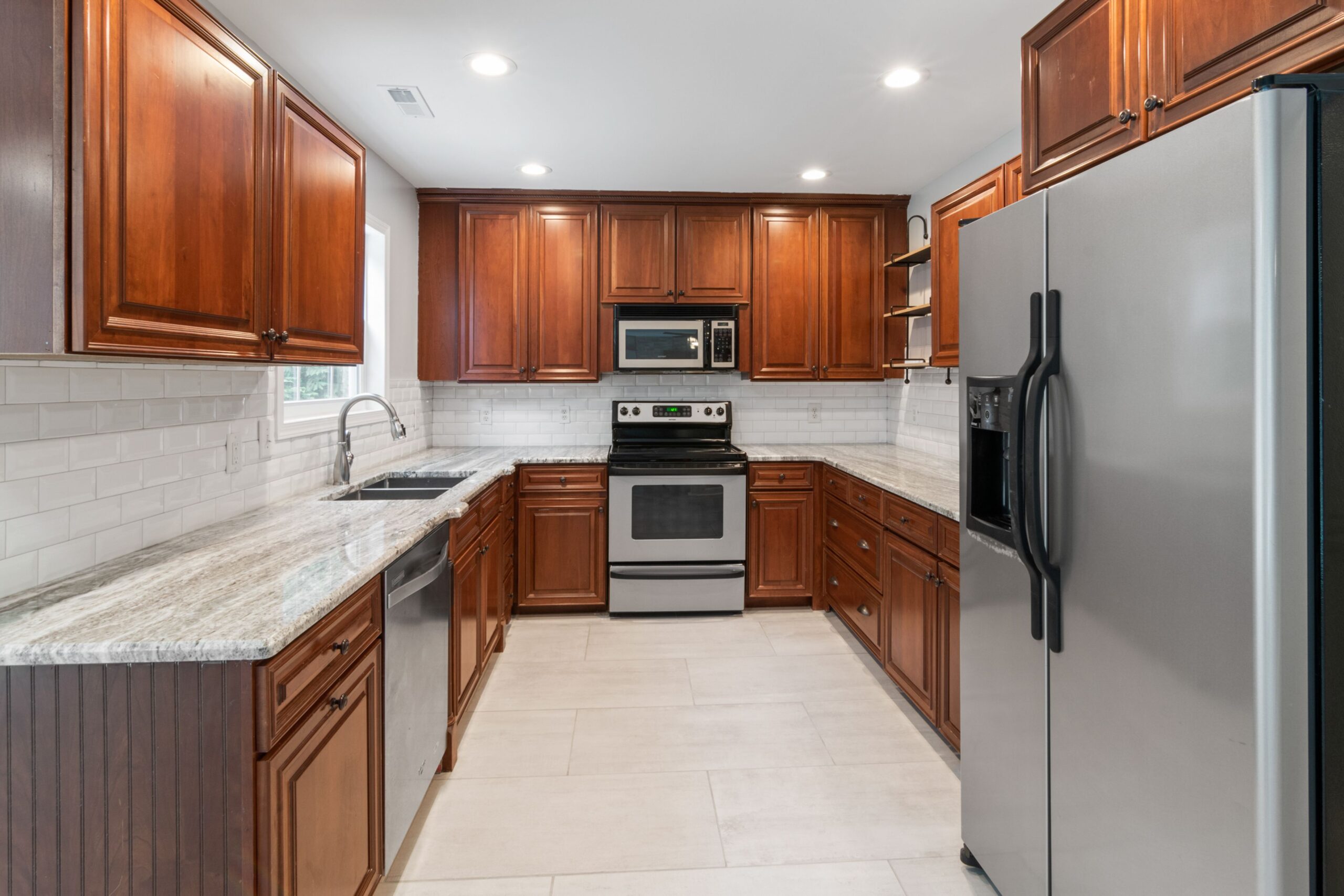
Kitchen Remodeling Cost: Budget, Labor & Design Guide
Planning a kitchen renovation starts with one important question: How much does a kitchen remodel cost? The answer depends on the size of the kitchen, project scope, materials, labor, design choices, and location.
This Kitchen Remodeling Cost: Budget, Labor & Design Guide explains the major expenses you should expect in 2026. It also shows where your money goes and how to control costs without sacrificing quality.
Current U.S. estimates put a typical kitchen remodel at about $14,600 to $41,600, with an average near $27,000. Smaller cosmetic projects can cost less. A major renovation with structural changes and premium materials can cost far more.
Use these figures as planning ranges rather than guaranteed quotes. Local prices can vary considerably.
Average Kitchen Remodeling Cost in 2026
Your first step should be defining the scope of the project. A kitchen refresh is very different from a complete renovation.
| Kitchen Remodel Type | Typical Cost Range | What It May Include |
|---|---|---|
| Minor remodel | $10,000–$20,000 | Paint, hardware, cabinet updates, fixtures |
| Major remodel | $20,000–$65,000 | Cabinets, countertops, appliances, flooring |
| Complete remodel | $65,000–$130,000+ | Layout changes, plumbing, electrical, custom finishes |
These ranges reflect current 2026 industry estimates. A minor remodel can preserve the existing layout. A complete remodel may involve moving walls, plumbing, electrical lines, or gas connections.
Kitchen Remodeling Cost Per Square Foot
Another useful budgeting method is kitchen remodel cost per square foot. Current estimates generally range from about $75 to $250 per square foot for a remodel.
For example, a 100-square-foot kitchen could have a broad remodeling budget of approximately $7,500 to $25,000. A 200-square-foot kitchen could range from $15,000 to $50,000.
Square-foot pricing is useful for early planning. However, it does not tell the whole story. Cabinet quantity, appliance choices, layout changes, and finish quality can have a larger impact than room size alone.
Kitchen Remodeling Cost Breakdown
Breaking the budget into individual components makes it easier to identify where you can save money.
Kitchen Cabinets
Cabinetry is often one of the largest expenses in a kitchen remodel. Your options include stock, semi-custom, and fully custom cabinets.
Current estimates for new or modified kitchen cabinets can range from roughly $2,000 to $28,000, depending on kitchen size, material, design, and customization. Cabinets can account for around 30% to 40% of a remodeling budget.
If your existing cabinets are structurally sound, refacing or refinishing them can be less expensive than replacing every cabinet box.
Read our kitchen cabinet cost guide for more information about cabinet materials and installation.
Countertops
Countertops combine material and installation costs. Your choice can significantly affect the overall budget.
Professional countertop installation averages about $1,882 to $4,485 in current estimates, although complex or premium projects can cost considerably more. Material prices vary widely among quartz, granite, marble, laminate, and other surfaces.
Complex corners, sink cutouts, cooktop openings, seams, and countertop removal can also increase the final price.
For material ideas and planning, explore this countertop installation cost guide.
Kitchen Appliances
Appliances can quickly increase a remodeling budget. Common purchases include refrigerators, ovens, cooktops, dishwashers, microwaves, and range hoods.
Current estimates show that appliance prices can range from less than $100 to $5,000 or more, depending on the product. Professional appliance installation can add approximately $125 to $300 per appliance.
Before ordering appliances, confirm their dimensions. Also check electrical, ventilation, plumbing, and gas requirements where applicable.
Flooring
Kitchen flooring should balance appearance, durability, maintenance, and budget. Vinyl and laminate can provide lower-cost options. Tile and hardwood may require a larger investment.
If you are comparing flooring options, use our flooring installation cost guide to estimate material and labor expenses.
Backsplash
A backsplash is both a design feature and a practical surface behind counters and cooking areas. Ceramic and porcelain tile are common choices.
For a small kitchen, current estimates place backsplash installation around $600 to $1,300. Material and installation complexity can change the total significantly.
Kitchen Remodeling Labor Cost
Kitchen remodeling labor cost is another major part of your budget. Current estimates suggest labor can account for roughly 25% of the total project for many kitchen remodels.
Labor can cover demolition, cabinet installation, flooring, countertops, plumbing, electrical work, painting, drywall, and project coordination.
Complex projects may require several specialists. For example, moving a sink could require plumbing work. Adding new circuits may require an electrician. Removing a wall may require structural expertise.
A general contractor can coordinate these trades. General contractor fees may add around 10% to 20% of the overall project cost.
Kitchen Design Costs
Good design can prevent expensive mistakes. A designer can help with layout, cabinet placement, storage, lighting, finishes, and appliance locations.
Professional kitchen design costs vary widely. Current estimates range from consultation-level services to full-service design projects costing considerably more. The scope of the designer’s involvement is a major factor.
If your renovation is relatively simple, you may handle some design decisions yourself. However, professional help can be valuable when the project involves a new layout, custom cabinetry, accessibility requirements, or complicated structural changes.
See our kitchen layout design guide for ideas on improving workflow before construction begins.
How Kitchen Layout Affects Remodeling Cost
Keeping your existing kitchen layout is one of the simplest ways to control costs. Moving plumbing, electrical connections, appliances, or walls can add substantial labor.
For example, relocating a sink may require new plumbing lines. Moving a gas appliance may require gas-line work. Changing wall locations can also introduce structural and electrical expenses.
That does not mean you should never change the layout. A poor layout can limit storage and make everyday cooking frustrating. Instead, compare the cost of the improvement with the long-term benefit.
Permits and Hidden Remodeling Costs
Permits are easy to overlook when creating a remodeling budget. Depending on your location and the work involved, permits may be required for electrical, plumbing, structural, or other construction changes.
Current estimates put kitchen remodeling permits around $460 to $2,770 on average, although local requirements vary.
You should also reserve money for unexpected conditions. Hidden water damage, outdated wiring, uneven floors, damaged walls, and plumbing problems can appear after demolition.
A contingency fund can help you handle these surprises without stopping the project.
How to Create a Kitchen Remodeling Budget
Start by setting a maximum budget. Then divide it between essential improvements and optional upgrades.
For example, structural repairs and functional problems should usually come before decorative upgrades. Once the essential work is funded, you can decide how much remains for premium countertops, designer fixtures, upgraded lighting, or high-end appliances.
Make a written list of every planned item. Include demolition, labor, materials, permits, delivery, installation, and cleanup. This makes your kitchen renovation budget easier to track.
Set Priorities Before Shopping
Do not begin by choosing expensive finishes. First decide what you want the kitchen to accomplish.
- Improve storage.
- Create better cooking space.
- Upgrade outdated appliances.
- Improve lighting.
- Increase countertop workspace.
- Modernize the appearance.
- Improve accessibility.
Once your priorities are clear, you can spend more money on the features that matter most.
Ways to Save on Kitchen Remodeling Costs
You do not need a luxury budget to create a better kitchen. Several strategies can reduce costs.
Keep the Existing Layout
Keeping plumbing and electrical locations can reduce labor. It can also shorten the construction schedule.
Refinish Instead of Replace
If your cabinets are in good condition, refinishing or refacing them may provide a new appearance without the cost of complete replacement.
Choose Mid-Range Materials
Premium materials can look impressive, but they are not always necessary. Mid-range products can provide a strong combination of appearance, durability, and cost.
Compare Multiple Contractors
Get at least three detailed estimates when possible. Compare the scope of work rather than simply choosing the lowest price.
A cheap quote may exclude demolition, disposal, permits, preparation, or installation work. A higher quote may include more services.
For additional budgeting ideas, read this home remodeling budget guide.
Does a Kitchen Remodel Increase Home Value?
A kitchen remodel can improve a home’s appeal, function, and marketability. However, you should not assume that every dollar spent will return the same amount when you sell.
The potential value depends on your local housing market, the quality of the renovation, the home’s existing condition, and what buyers expect in the area.
A practical, well-designed kitchen can be more valuable than an overly customized space. Avoid spending heavily on features that make the home difficult to market to future buyers.
Small Kitchen Remodeling Cost
A small kitchen does not necessarily require a small design. Smart planning can make a compact space feel more functional.
Current estimates place small kitchen remodels around $10,500 to $20,000 for many projects involving approximately 70 to 100 square feet.
Keeping the existing footprint can help. You can focus on cabinets, countertops, lighting, hardware, paint, and appliances instead of expensive structural changes.
How Long Does a Kitchen Remodel Take?
Project duration depends on scope. Minor cosmetic updates can sometimes take one to two weeks. Full renovations can take approximately eight to 12 weeks or longer when structural changes, custom materials, or delays are involved.
Ordering materials early can help reduce delays. Communication also matters. Confirm delivery dates and installation sequences before demolition begins.
Final Kitchen Remodeling Cost Guide
The Kitchen Remodeling Cost: Budget, Labor & Design Guide shows why kitchen renovation prices vary so widely. In 2026, a typical remodel often falls around $14,600 to $41,600, while minor projects may cost around $10,000 to $20,000 and complete renovations can reach $65,000 to $130,000 or more.
The biggest cost factors are cabinets, countertops, appliances, labor, layout changes, flooring, plumbing, electrical work, permits, and design services.
The best way to control your budget is to define your priorities before construction starts. Keep the existing layout when practical. Compare detailed contractor estimates. Allow room for unexpected repairs. Most importantly, spend your money on improvements that make the kitchen more functional and attractive.
With careful planning, you can create a kitchen that fits your budget while improving everyday comfort and potentially strengthening your home’s appeal to future buyers.