Tag: Information Security
  • Best Cyber Security Certifications for IT Professionals

    Best Cyber Security Certifications for IT Professionals

    The demand for skilled cybersecurity professionals continues to grow. Businesses need people who can protect networks, cloud environments, applications, data, and digital identities. For IT professionals, the right certification can help validate technical knowledge and support career advancement.

    However, choosing a certification is not always easy. There are many options, and each one targets a different experience level or career path. The Best Cyber Security Certifications for IT Professionals depend on your current skills, career goals, experience, and preferred area of cybersecurity.

    This guide explains some of the most valuable cybersecurity certifications for IT professionals. It also shows which credentials may fit beginners, experienced engineers, security managers, auditors, cloud specialists, and hands-on security practitioners.

    Why Cyber Security Certifications Matter

    A certification does not replace practical experience. However, it can demonstrate that you understand recognized security concepts and professional practices.

    Certifications can also help IT professionals move into specialized roles. For example, a network administrator may pursue a security credential to transition into security operations. A systems engineer may focus on cloud security. An experienced security professional may pursue a leadership certification.

    The best approach is to choose a credential that matches your desired job rather than collecting certifications without a clear plan.

    Best Cyber Security Certifications for IT Professionals

    The following certifications cover different stages of an IT and cybersecurity career. They should not be viewed as a strict ranking because the best option depends on your professional goals.

    1. CompTIA Security+

    CompTIA Security+ is widely used as a foundational cybersecurity certification. It is a logical option for IT professionals who want to establish core security knowledge before moving toward more advanced credentials.

    The certification can be useful for professionals working with networks, systems, technical support, infrastructure, or general IT operations. It covers essential security concepts and provides a foundation for further cybersecurity study.

    Best for: IT professionals beginning a cybersecurity career or strengthening their fundamental security knowledge.

    Career direction: Security support, junior security roles, IT security, network security, and security operations.

    2. ISC2 Certified in Cybersecurity (CC)

    The ISC2 Certified in Cybersecurity, or CC, is designed as an entry-level cybersecurity credential. ISC2 states that no work experience is required, making it accessible to people entering cybersecurity as well as IT professionals who want to transition into the field.

    The credential covers areas such as security principles, access controls, network security, and security operations. It can therefore provide a useful foundation before pursuing more advanced certifications.

    Best for: Beginners, IT professionals changing careers, students, and professionals building foundational cybersecurity knowledge.

    Career direction: Entry-level cybersecurity, security support, security operations, and junior analyst positions.

    You can explore the current certification requirements through the ISC2 cybersecurity certifications page.

    3. ISC2 CISSP

    The Certified Information Systems Security Professional, commonly known as CISSP, is one of the most recognized advanced cybersecurity certifications.

    It is designed for experienced security practitioners, managers, and leaders. Its domains include security and risk management, asset security, security architecture, network security, identity and access management, security assessment, security operations, and software development security.

    CISSP is especially relevant if your long-term goal is to design, manage, or lead enterprise security programs.

    Best for: Experienced cybersecurity professionals, security architects, managers, consultants, and IT leaders.

    Career direction: Security manager, security architect, security consultant, security director, and other senior cybersecurity roles.

    Review the latest requirements before planning your exam through the official CISSP certification information.

    4. ISC2 CCSP

    Cloud computing has changed how organizations build and operate technology environments. As a result, cloud security has become an important specialization for IT professionals.

    The ISC2 Certified Cloud Security Professional, or CCSP, focuses on securing cloud architecture, design, operations, and related security practices. ISC2 lists CCSP among its certifications for experienced cybersecurity specialists.

    This certification can be particularly useful for cloud engineers, security professionals, system architects, and IT professionals working with cloud infrastructure.

    Best for: IT professionals specializing in cloud infrastructure and cloud security.

    Career direction: Cloud security engineer, cloud architect, security architect, and cloud security specialist.

    5. ISACA CISM

    The Certified Information Security Manager, or CISM, is designed for professionals who want to focus on information security management.

    ISACA identifies four major CISM areas: information security governance, information security risk management, information security program development and management, and incident management.

    This makes CISM particularly relevant to professionals moving from technical IT roles toward security management and governance.

    Best for: Experienced IT and cybersecurity professionals targeting management positions.

    Career direction: Security manager, information security manager, security governance, risk management, and security leadership.

    For current eligibility and exam information, visit the official CISM certification guide.

    6. ISACA CISA

    The Certified Information Systems Auditor, or CISA, is a strong choice for professionals interested in IT auditing, controls, assurance, governance, and risk.

    It can be valuable when your career involves evaluating whether technology systems and business processes are properly controlled and managed.

    Best for: IT auditors, compliance professionals, risk specialists, and experienced IT professionals interested in assurance.

    Career direction: IT auditor, security auditor, risk professional, compliance specialist, and IT governance roles.

    ISACA describes CISA as a globally recognized credential for professionals who audit, control, monitor, and assess IT and business systems.

    7. GIAC Security Essentials (GSEC)

    For professionals who want a more hands-on security focus, GIAC certifications are worth considering. The GIAC portfolio covers areas such as cyber defense, offensive operations, cloud security, digital forensics, incident response, and security leadership.

    GIAC Security Essentials, or GSEC, is positioned by SANS as a certification that goes beyond foundational cybersecurity concepts and validates practical security knowledge.

    Best for: IT professionals who want to demonstrate practical cybersecurity skills.

    Career direction: Security operations, defensive security, security engineering, and technical cybersecurity roles.

    Explore the GIAC cybersecurity certification portfolio to compare specialization options.

    How to Choose the Right Cyber Security Certification

    There is no single certification that is best for everyone. Start with your current experience.

    For IT Beginners

    If you are new to cybersecurity, begin with foundational knowledge. Security+ or ISC2 CC can provide a structured starting point.

    Do not rush into advanced certifications before understanding networking, operating systems, identity, access control, risk, and basic security operations.

    For Experienced IT Professionals

    If you already have several years of IT experience, consider a credential that supports your target specialization.

    For example, cloud professionals may benefit from a cloud security certification. Security managers may prefer CISM. Professionals targeting broad senior security responsibilities may consider CISSP.

    For Security Managers

    Management requires more than technical knowledge. Security leaders must understand risk, governance, business priorities, incident management, and security programs.

    CISM is designed around these management-oriented areas. CISSP can also be valuable for experienced professionals who need broad knowledge across security disciplines.

    For Cloud Security Professionals

    Cloud security professionals should understand identity, architecture, data protection, infrastructure security, and cloud operations.

    CCSP can be a strong addition to an IT professional’s career plan when cloud security is the primary focus.

    Certification vs Practical Cybersecurity Skills

    A certification can help open doors, but employers also want practical ability.

    Build hands-on experience alongside your certification studies. Practice network monitoring, access management, vulnerability management, security logging, incident response, cloud configuration, and secure system administration in appropriate training environments.

    Create projects that demonstrate what you can actually do. A strong combination of cyber security certifications, practical skills, and professional experience is more valuable than a long list of credentials without real-world application.

    How Many Cyber Security Certifications Should You Get?

    There is no ideal number. Quality matters more than quantity.

    One well-chosen certification can be more useful than five unrelated credentials. Your certifications should support a clear career story.

    For example, an IT professional might begin with Security+, develop cloud experience, then pursue a cloud security credential. Later, the same professional could pursue CISSP after gaining the required experience.

    This creates a logical progression instead of simply collecting certificates.

    Certification Study Tips for IT Professionals

    Start by reading the official exam objectives. They show what the certification expects you to understand.

    Next, create a realistic study schedule. Short, consistent sessions are often easier to maintain than occasional long study periods.

    Use practice questions to identify weak areas. However, do not rely on memorizing answers. Focus on understanding why an answer is correct.

    Combine reading with practical exercises. If you are studying network security, for example, reinforce the concepts through legitimate labs and controlled learning environments.

    Finally, check the certification provider’s current requirements before registering. Certification domains, exam structures, experience requirements, and renewal policies can change over time.

    Career Benefits of Cyber Security Certifications

    The right certification can strengthen your professional profile in several ways. It can demonstrate structured knowledge, support a transition into cybersecurity, and help you qualify for roles that list specific credentials.

    Certifications can also encourage continuous learning. Cybersecurity changes quickly. New cloud technologies, artificial intelligence systems, identity models, regulations, and attack techniques continue to reshape the field.

    That means your learning should continue after passing an exam.

    Final Thoughts

    The Best Cyber Security Certifications for IT Professionals depend on where you are today and where you want your career to go.

    For foundational knowledge, Security+ and ISC2 CC are useful starting points. For experienced professionals, CISSP offers broad security coverage. CCSP can support a cloud security path. CISM is well suited to security management, while CISA focuses strongly on auditing and assurance. GIAC certifications can provide specialized and practical security validation.

    The most effective strategy is to choose a certification that matches your target role. Then combine it with hands-on experience, strong communication skills, and continuous learning.

    Before making a purchase or registering for an exam, always verify the latest certification details with the issuing organization. This helps ensure that your study plan matches the current exam and eligibility requirements.

    For additional career planning, connect this article with relevant pages on your WordPress site, such as Cybersecurity Career Guide, IT Certifications, Cloud Security, and Cybersecurity Training. Replace these sample internal paths with the corresponding URLs on your website.

  • Cyber Security Awareness Training: Why Every Employee Needs It

    Cyber Security Awareness Training: Why Every Employee Needs It

    Technology can protect a business, but people are still a major part of cybersecurity. Employees open emails, use cloud applications, access customer records, manage passwords, and communicate with suppliers every day. One careless click can create an opportunity for a cyberattack.

    That is why Cyber Security Awareness Training: Why Every Employee Needs It is an important topic for modern businesses. Security awareness training helps employees recognize common threats and make safer decisions while using company technology.

    A strong training program does more than explain cybersecurity terms. It teaches employees what to look for, what to avoid, and what to do when something seems suspicious.

    What Is Cyber Security Awareness Training?

    Cyber security awareness training is an educational program that teaches employees how to identify and respond to common cybersecurity risks.

    Training can cover phishing, password security, multi-factor authentication, social engineering, malware, data protection, safe browsing, device security, and incident reporting.

    The goal is simple. Employees should understand how their everyday actions can affect the security of the organization.

    Effective training should be practical and easy to understand. Employees do not need to become cybersecurity experts. They need to recognize risky situations and know the correct response.

    Why Every Employee Needs Cybersecurity Awareness Training

    Cybersecurity is not only an IT responsibility. Employees across an organization can encounter security threats.

    A finance employee may receive a fake invoice. A sales representative may receive a malicious attachment. An executive may be targeted by an impersonation scam. A remote employee may accidentally expose confidential information.

    Every role can present different security risks.

    The CISA cybersecurity resources provide useful information about common cyber threats and ways organizations can improve security awareness.

    1. Employees Are Common Targets for Phishing

    Phishing attacks attempt to trick people into revealing information, clicking malicious links, opening harmful files, or performing unauthorized actions.

    A suspicious message may look like it came from a bank, manager, customer, supplier, or popular online service.

    Training helps employees recognize warning signs. These may include unexpected requests, unusual sender addresses, urgent language, unfamiliar links, or requests for sensitive information.

    Employees should learn to pause and verify unexpected requests before taking action.

    2. Training Helps Reduce Human Error

    Human error is difficult to eliminate completely. People can make mistakes even when they have good intentions.

    An employee may accidentally send a document to the wrong recipient. Someone may reuse a password. Another employee may approve an unexpected login request without checking it.

    Awareness training helps employees understand these risks before they become incidents.

    The objective is not to blame employees. It is to create safer habits and make good security decisions easier.

    3. Employees Learn How to Protect Passwords

    Passwords remain an important part of account security. Weak or reused passwords can put multiple accounts at risk.

    Training should explain why employees need strong and unique passwords for business services.

    Organizations can also provide guidance on using approved password managers. Employees should never share business passwords through ordinary email, chat messages, or unsecured documents.

    4. Employees Understand Multi-Factor Authentication

    Multi-factor authentication adds an additional layer of protection beyond a password.

    Employees should understand why MFA is required and how to respond when they receive unexpected authentication requests.

    If an employee receives an authentication prompt that they did not initiate, they should not automatically approve it. They should report the event according to company procedures.

    This simple habit can help prevent unauthorized account access.

    5. Training Improves Social Engineering Awareness

    Social engineering attacks manipulate people rather than relying only on technical vulnerabilities.

    An attacker may pretend to be a manager and request confidential information. They may impersonate a supplier and ask for payment details to be changed.

    Training helps employees recognize manipulation techniques. It also teaches them to verify unusual requests through trusted communication channels.

    For example, an unexpected financial request should be independently verified before money or sensitive information is transferred.

    6. Employees Learn Safer Email Habits

    Email remains central to many businesses. It is also a common route for cyberattacks.

    Awareness training should teach employees how to inspect messages before clicking links or opening attachments.

    Employees should also know how to report suspicious emails. The reporting process should be simple and clearly communicated.

    Businesses can reinforce these lessons through periodic security reminders and realistic training exercises.

    7. Training Protects Sensitive Business Data

    Employees often have access to valuable information. This can include customer records, employee information, financial documents, intellectual property, contracts, and business plans.

    Employees should understand which information is confidential and how it should be handled.

    Training can cover secure file sharing, appropriate cloud storage, access permissions, data disposal, and safe use of removable devices.

    The FTC privacy and security guidance is a useful resource for businesses that want to strengthen practices for protecting customer information.

    8. Remote Employees Need Security Awareness

    Remote work has changed how employees access business systems. Staff may work from homes, coworking spaces, hotels, or other locations.

    Training should explain how to protect company devices and information outside the office.

    Employees should use approved business accounts and devices where required. They should protect screens from unauthorized viewing and keep devices updated.

    Companies can provide additional guidance through an internal remote work security guide.

    9. Training Helps Protect Company Devices

    Laptops, smartphones, and tablets can contain sensitive information. Employees should understand basic device security requirements.

    These may include screen locks, software updates, security software, device encryption, and approved applications.

    Employees should also report lost or stolen company devices immediately. Fast reporting gives the business a better chance of protecting associated accounts and information.

    10. Employees Learn How to Report Security Incidents

    Fast reporting can make a significant difference during a security incident.

    Employees may notice unusual login alerts, suspicious emails, lost devices, unexpected software behavior, or accidental data exposure.

    They should know exactly who to contact and what information to provide.

    Companies should create a culture where employees feel comfortable reporting mistakes. Fear can cause people to delay reporting, which may make an incident harder to contain.

    A documented cybersecurity incident response plan can provide additional guidance for management and technical teams.

    What Should Cyber Security Awareness Training Include?

    A comprehensive training program should address the threats employees are most likely to encounter.

    • Phishing and email scams.
    • Password security.
    • Multi-factor authentication.
    • Social engineering.
    • Malware and ransomware awareness.
    • Safe internet browsing.
    • Cloud account security.
    • Mobile and device security.
    • Data privacy and protection.
    • Remote work security.
    • Physical security.
    • Incident reporting.

    The training should match the organization’s actual risks. A financial services company may need stronger training around financial fraud. A software company may need additional education about source code and development environments.

    How Often Should Employees Receive Cybersecurity Training?

    One training session is rarely enough. Security awareness should be an ongoing process.

    Provide training during employee onboarding. Follow up with regular refresher sessions throughout the year.

    Short lessons can be easier to maintain than a single long course. Businesses can also send occasional security reminders when new threats emerge.

    Employees with higher-risk responsibilities may need additional training. This can include finance staff, administrators, executives, developers, and employees who manage sensitive information.

    How to Build an Effective Security Awareness Program

    Keep Training Short and Practical

    Employees are more likely to remember practical guidance. Focus on realistic examples that match their daily responsibilities.

    Use Real-World Scenarios

    Explain how an attacker might attempt to deceive an employee. Scenarios can help employees recognize warning signs in situations they may actually encounter.

    Make Reporting Easy

    Employees should have a simple method for reporting suspicious activity. This might be a dedicated email address, reporting button, help desk process, or internal security channel.

    Measure Participation

    Track which employees have completed required training. Follow up with employees who miss mandatory sessions.

    Update the Program

    Cyber threats evolve. Training should evolve too. Review content regularly and update examples when new attack methods become relevant.

    Security Awareness Training for Small Businesses

    Small businesses may not have a dedicated security department. However, they can still establish effective awareness programs.

    Start with essential topics. Teach employees about phishing, strong passwords, MFA, software updates, data protection, and incident reporting.

    Create a simple small business cybersecurity checklist that employees and managers can review regularly.

    As the company grows, training can expand to include vendor security, cloud security, access management, and more advanced security practices.

    How Security Awareness Training Supports Business Growth

    Security awareness is not only about preventing attacks. It can also support business growth.

    Customers and business partners increasingly expect organizations to protect sensitive information. Strong security practices can demonstrate that the company takes data protection seriously.

    Security awareness can also reduce disruptions caused by preventable incidents. Employees who understand security procedures can respond more confidently when something unusual happens.

    For an online business, this is particularly important. Digital operations depend on secure accounts, websites, cloud services, payment systems, and customer information.

    Common Cybersecurity Training Mistakes

    One common mistake is treating training as a checkbox exercise. Employees may complete a course without understanding how to apply the lessons.

    Another mistake is using overly technical language. Training should be written for the employees who need to use it, not only for cybersecurity professionals.

    Businesses should also avoid blaming employees for security incidents. A strong program encourages reporting and focuses on improving processes.

    Finally, do not let training become outdated. New technologies and new threats require regular updates.

    How to Measure Cyber Security Awareness

    Businesses can use several indicators to measure the effectiveness of their awareness program.

    Track training completion rates and employee participation. Monitor the number of suspicious messages reported by employees. Review whether incidents are being reported faster.

    Organizations can also conduct controlled security exercises to measure awareness. These exercises should be designed as educational tools, not as a way to embarrass employees.

    The results can help management identify areas that require additional education.

    Final Cyber Security Awareness Training Checklist

    • Provide security training during employee onboarding.
    • Teach employees how to identify phishing.
    • Explain strong password practices.
    • Require and explain MFA.
    • Teach social engineering awareness.
    • Explain how to protect sensitive data.
    • Cover remote work security.
    • Teach safe device usage.
    • Create a simple incident reporting process.
    • Provide regular refresher training.
    • Update training when threats change.
    • Measure participation and awareness.

    Conclusion

    Cyber Security Awareness Training: Why Every Employee Needs It is a question every modern organization should take seriously.

    Employees interact with business systems every day. Their decisions can either reduce security risk or create new opportunities for attackers.

    Effective training gives employees the knowledge they need to recognize suspicious activity, protect accounts, handle sensitive information, and report incidents quickly.

    Start with the fundamentals. Teach phishing awareness, password security, MFA, data protection, device security, and incident reporting. Then continue improving the program as your business and the threat landscape evolve.

    Cybersecurity is a shared responsibility. When every employee understands their role, a business can build a stronger security culture and become better prepared for today’s digital risks.

  • How to Create a Cyber Security Policy for Your Business

    How to Create a Cyber Security Policy for Your Business

    Every business uses technology. Employees access email, cloud platforms, websites, customer databases, payment systems, and internal documents every day. Without clear security rules, even a small mistake can create a serious risk.

    That is why learning How to Create a Cyber Security Policy for Your Business is an important step for companies of every size. A cybersecurity policy gives employees clear instructions for protecting business systems and information. It also helps management create consistent security practices.

    A good policy does not need to be complicated. It should be clear, practical, and easy for employees to follow. This guide explains how to build a cybersecurity policy from the ground up and what important sections it should contain.

    What Is a Cyber Security Policy?

    A cyber security policy is a set of rules and procedures that explains how a business protects its technology, information, accounts, devices, and digital services.

    The policy defines what employees should do to reduce security risks. It can cover passwords, multi-factor authentication, email security, remote work, company devices, data protection, software usage, and incident reporting.

    A written policy is useful because employees do not have to guess what is expected of them. Everyone can follow the same security standards.

    The policy should also support the company’s broader cybersecurity risk management strategy. It should be reviewed regularly as the business, technology, and threat landscape change.

    Why Does Your Business Need a Cyber Security Policy?

    Cyberattacks can affect businesses of any size. A compromised email account can expose confidential information. A ransomware attack can interrupt operations. A stolen password can give an attacker access to multiple business systems.

    A cybersecurity policy helps reduce these risks by creating consistent security habits.

    It also provides several important business benefits:

    • Creates clear employee security expectations.
    • Reduces preventable security mistakes.
    • Protects sensitive business and customer information.
    • Supports regulatory and contractual requirements.
    • Improves incident response.
    • Helps protect company reputation.
    • Creates a foundation for security training.

    Businesses can use established frameworks to improve their approach. The NIST Cybersecurity Framework is a widely used resource for organizing cybersecurity risk management activities.

    How to Create a Cyber Security Policy for Your Business

    1. Define the Purpose of the Policy

    Start by explaining why the policy exists. Keep the purpose simple.

    For example, the policy may be designed to protect company information, customer data, business systems, employees, and digital assets from unauthorized access and security threats.

    A clear purpose helps employees understand that cybersecurity is a business responsibility rather than just an IT requirement.

    2. Identify What the Policy Covers

    Next, define the scope. Decide who must follow the policy and which systems are included.

    The scope may cover full-time employees, part-time employees, contractors, temporary workers, and third-party users.

    It can also cover laptops, smartphones, cloud services, company websites, business applications, networks, email accounts, and other digital resources.

    Clear scope prevents confusion about who is responsible for following the rules.

    3. Create Strong Password Rules

    Password security should be one of the first sections in your policy.

    Require employees to use strong and unique passwords. Business passwords should not be reused across unrelated personal accounts.

    Consider recommending an approved password manager. It can help employees create and securely manage unique credentials.

    The policy should also explain that employees must never share passwords through ordinary email, public documents, or unsecured messaging channels.

    4. Require Multi-Factor Authentication

    Passwords alone may not provide enough protection for important accounts. Your policy should require multi-factor authentication whenever supported.

    MFA should be a priority for email, financial services, cloud platforms, administrator accounts, remote access tools, and other systems containing sensitive information.

    Adding an additional authentication factor can reduce the impact of stolen passwords.

    5. Establish an Email Security Policy

    Email is a common target for phishing and social engineering attacks. Your cybersecurity policy should explain how employees should handle suspicious messages.

    Employees should be instructed to avoid unexpected links and attachments. They should also verify unusual requests for money, passwords, sensitive information, or account changes.

    For example, if an employee receives an unexpected request to change a supplier’s bank details, the request should be verified through a trusted communication method.

    Businesses can also use the CISA cybersecurity guidance to educate employees about common cyber threats.

    6. Set Rules for Company Devices

    Your policy should explain how employees are expected to protect company devices.

    Require screen locks and appropriate security software. Devices should receive operating system and application updates on a regular basis.

    Employees should also know what to do if a company laptop or smartphone is lost or stolen.

    Consider defining rules for personal devices as well. If employees use personal devices to access company systems, establish clear security requirements.

    7. Create a Data Protection Policy

    Not all business information has the same level of sensitivity. Your policy should explain how employees should handle confidential and sensitive information.

    Identify important data categories. These might include customer records, employee information, financial documents, intellectual property, passwords, business plans, and confidential contracts.

    Limit access to sensitive information based on job responsibilities. Use appropriate security controls when storing or transferring confidential data.

    Businesses can also review the FTC privacy and security guidance for practical information about protecting consumer data.

    8. Define Acceptable Technology Use

    An acceptable-use section explains how employees may use company technology.

    It can cover company computers, internet access, business email, cloud applications, removable storage, and software installations.

    For example, employees may be prohibited from installing unapproved software or connecting unknown devices to company systems.

    Keep these rules reasonable. Employees are more likely to follow policies that are clear and practical.

    9. Address Remote Work Security

    Remote work creates additional security considerations. Employees may access business systems from home, shared workspaces, or other locations.

    Your policy should explain how remote workers must protect company information and devices.

    Require strong authentication and updated devices. Employees should also protect screens and avoid exposing confidential information in public places.

    If your company has a remote workforce, consider creating a dedicated remote work security guide alongside your main cybersecurity policy.

    10. Include Cloud Security Rules

    Many businesses rely on cloud storage and software. Employees may use cloud platforms to share documents, manage customers, communicate with colleagues, or run business operations.

    The policy should define which cloud services employees are allowed to use. It should also explain how sensitive files should be shared.

    Avoid allowing employees to use personal cloud accounts for confidential company information unless the business has explicitly approved that practice.

    11. Control User Access

    Employees should have access only to the information and systems required for their roles.

    This approach is called the principle of least privilege. It can reduce the potential damage caused by compromised accounts.

    Review access regularly. When an employee changes roles, update permissions. When someone leaves the company, disable access promptly.

    Administrator privileges should be limited to people who genuinely need them.

    12. Create an Incident Reporting Procedure

    Employees need to know what to do when something goes wrong.

    Your policy should explain how to report suspicious emails, lost devices, unauthorized access, malware alerts, accidental data exposure, and other security incidents.

    Make reporting simple. Employees should not be afraid to report mistakes. Early reporting can help the business contain a problem before it becomes more serious.

    You can also create an incident response plan that provides more detailed instructions for handling security events.

    13. Establish Backup Requirements

    Backups are an important part of business continuity. A good policy should identify which information requires regular backups.

    Critical data may include financial records, customer databases, business documents, website files, and important application data.

    Backups should be protected from unauthorized access. They should also be tested periodically to confirm that data can be restored.

    14. Set Security Training Requirements

    A cybersecurity policy is only effective when employees understand it.

    Provide security awareness training during onboarding. Repeat training periodically and whenever major policy changes are introduced.

    Training can cover phishing, password security, MFA, data protection, device security, social engineering, and incident reporting.

    Keep training short and practical. Employees should understand what they need to do in their daily work.

    15. Define Consequences and Exceptions

    Your policy should explain what happens when employees intentionally or repeatedly ignore security requirements.

    However, the language should be fair and consistent. The goal is to improve security, not create fear.

    It can also be useful to define an exception process. Sometimes a legitimate business need may require a temporary exception to a standard rule.

    Exceptions should be documented, approved by the appropriate person, and reviewed regularly.

    How to Make Your Cybersecurity Policy Easy to Follow

    A policy that nobody reads will not protect your business.

    Use simple language. Avoid unnecessary technical terminology. Organize the document with clear headings and short sections.

    Give employees specific instructions instead of vague statements. For example, telling employees to “practice good security” is less useful than explaining exactly when MFA is required and how suspicious emails should be reported.

    Make the policy easy to access. Employees should be able to find the latest version without searching through old emails.

    Review and Update Your Cyber Security Policy

    Cybersecurity policies should not remain unchanged for years. Your business may add new software, hire remote employees, move to different cloud platforms, or begin collecting new types of information.

    Review the policy at least annually. You should also review it after major technology changes, security incidents, organizational changes, or significant changes to applicable requirements.

    Keep track of policy versions. This makes it easier to determine which rules were active at a particular time.

    Common Cyber Security Policy Mistakes

    One common mistake is making the policy too complicated. Employees may ignore a document that is difficult to understand.

    Another mistake is creating rules that do not match real business practices. If employees regularly use a particular tool, the policy should address how that tool can be used securely.

    Businesses should also avoid creating a policy and never checking compliance. Regular reviews help confirm that employees and systems are following the intended controls.

    Cyber Security Policy Checklist

    Before finalizing your policy, check whether it covers these areas:

    • Purpose and scope.
    • Password requirements.
    • Multi-factor authentication.
    • Email and phishing protection.
    • Company device security.
    • Data protection.
    • Acceptable technology use.
    • Remote work security.
    • Cloud application security.
    • User access management.
    • Incident reporting.
    • Data backups.
    • Employee security training.
    • Policy exceptions.
    • Policy enforcement.
    • Regular policy reviews.

    Final Thoughts on How to Create a Cyber Security Policy for Your Business

    Learning How to Create a Cyber Security Policy for Your Business is an important step toward building a stronger security culture.

    A good policy gives employees clear expectations. It helps protect business data, reduce avoidable mistakes, and create consistent security practices across the organization.

    Start with the basics. Define your scope. Protect passwords and accounts. Require MFA. Secure devices. Protect sensitive data. Train employees. Control access. Prepare for incidents.

    Then review the policy regularly as your company grows.

    Cybersecurity is an ongoing business responsibility. A clear, practical policy can help turn security from an occasional concern into a normal part of everyday operations.

  • Zero Trust Security: How It Protects Modern Businesses

    Zero Trust Security: How It Protects Modern Businesses

    Modern businesses no longer operate from one secure office network. Employees work remotely. Applications run in the cloud. Customers access online services. Vendors connect to business systems. Mobile devices and personal devices can also become part of the technology environment.

    This changing environment makes traditional security models harder to maintain. A user who is inside a company network should not automatically be trusted. A device that was safe yesterday may also become risky today.

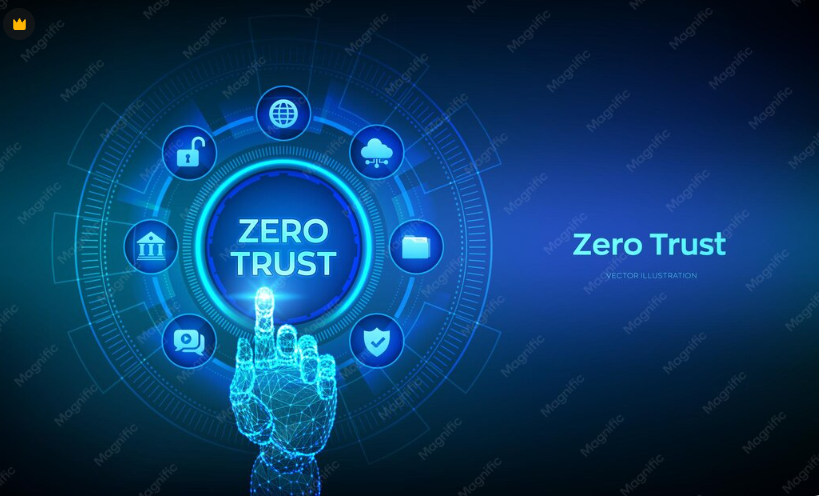
    That is where Zero Trust Security: How It Protects Modern Businesses becomes important. Zero Trust changes the way organizations think about access. Instead of assuming that users and devices are safe, it requires continuous verification and appropriate authorization.

    This guide explains what Zero Trust security means, how it works, its major benefits, common technologies, implementation steps, and why it matters for modern businesses.

    What Is Zero Trust Security?

    Zero Trust security is a cybersecurity approach based on the principle that organizations should not automatically trust users, devices, applications, or network connections.

    In a traditional model, gaining access to an internal network may provide broad access to other resources. Zero Trust takes a different approach. Each access request should be evaluated based on factors such as identity, device condition, application, resource, and context.

    The NIST Zero Trust Architecture publication explains a Zero Trust approach in which trust is not granted simply because a user or device is located inside a network. Access decisions are made using multiple factors and are continuously evaluated. ([nist.gov](https://www.nist.gov/publications/zero-trust-architecture?utm_source=chatgpt.com))

    In simple terms, Zero Trust follows a principle often summarized as never trust, always verify.

    Why Traditional Network Security Is Changing

    Older security models often focused on creating a strong boundary around a company’s network. Firewalls protected the perimeter, while users inside the network were often treated as more trusted.

    That approach becomes less effective when applications and employees are distributed across many environments.

    Consider a modern business. Its employees may work from home. Its applications may run on several cloud platforms. Contractors may need temporary access. Customers may use web applications. Suppliers may connect through APIs.

    There may be no single network boundary that contains everything.

    Zero Trust addresses this problem by moving security decisions closer to individual users, devices, applications, and resources.

    Core Principles of Zero Trust

    Verify Every Access Request

    Zero Trust requires organizations to verify access rather than relying only on network location.

    Authentication can involve passwords, multi-factor authentication, certificates, biometrics, device information, and other appropriate signals.

    The goal is to determine whether a user or system should have access to a specific resource at a specific time.

    Use Least-Privilege Access

    Least privilege means giving users and systems only the access they need to perform their tasks.

    For example, an employee who only needs access to a customer support application should not automatically receive administrator privileges across the company’s entire network.

    Reducing unnecessary permissions can limit the potential impact of compromised accounts.

    Assume Breach

    Zero Trust planning often operates with the assumption that an attacker could already be present somewhere in the environment.

    This mindset encourages businesses to limit lateral movement, segment important resources, monitor activity, and protect sensitive systems individually.

    Continuously Evaluate Risk

    Security decisions should not always be permanent. A user’s risk can change. A device can become outdated. An account can show unusual behavior.

    Zero Trust supports continuous evaluation so that access decisions can respond to changing conditions.

    How Zero Trust Security Protects Businesses

    Zero Trust can provide several layers of protection for modern organizations.

    1. Protects Against Stolen Credentials

    Stolen passwords can provide attackers with an entry point. Zero Trust can reduce this risk by combining authentication with additional security signals.

    Multi-factor authentication is an important example. Even if a password is compromised, an attacker may still face another verification requirement.

    2. Limits Account Privileges

    If a user’s account is compromised, excessive permissions can increase the potential damage.

    Least-privilege access reduces the number of resources that the account can reach.

    3. Reduces Lateral Movement

    Attackers may attempt to move from one compromised system to another. Network segmentation and granular access policies can make this movement more difficult.

    This is one reason Zero Trust can be valuable for businesses with large cloud and hybrid environments.

    4. Supports Remote Work

    Remote work creates new access patterns. Employees may connect from homes, hotels, coworking spaces, or other locations.

    Zero Trust does not rely solely on the idea that an employee is safe because they are connected to a corporate network. Instead, it evaluates identity, device, resource, and other relevant factors.

    5. Strengthens Cloud Security

    Cloud services can create complex identity and access requirements. A Zero Trust model can help organizations apply consistent access policies across cloud applications and other environments.

    Businesses can also review our cloud security best practices guide for additional ways to protect cloud-based systems.

    Key Technologies Used in a Zero Trust Architecture

    Zero Trust is not a single software product. It is an architecture and security strategy that can use multiple technologies.

    Identity and Access Management

    Identity and Access Management (IAM) helps organizations control who can access applications and resources.

    Strong identity management is central to Zero Trust. Businesses should maintain accurate user identities, remove unnecessary accounts, and review privileges regularly.

    Multi-Factor Authentication

    Multi-factor authentication requires users to provide more than one form of verification.

    It can significantly strengthen account security when implemented correctly. Businesses should consider phishing-resistant authentication methods for high-risk environments where appropriate.

    Endpoint Security

    Zero Trust decisions can consider whether a device meets security requirements.

    Endpoint management tools can help organizations monitor device status, apply security policies, manage updates, and respond to security problems.

    Network Segmentation

    Network segmentation separates systems and resources into controlled areas. This can limit unnecessary communication between systems.

    Microsegmentation takes this concept further by applying more granular controls around workloads, applications, and resources.

    Security Monitoring

    Monitoring helps organizations identify unusual activity and investigate potential threats.

    Security information and event management systems, endpoint detection tools, identity analytics, and cloud monitoring platforms can contribute to a broader Zero Trust security program.

    Zero Trust Security and NIST

    NIST provides one of the most widely referenced approaches to Zero Trust Architecture.

    NIST Special Publication 800-207 describes Zero Trust Architecture and provides a conceptual model for implementing Zero Trust principles. The guidance explains that Zero Trust shifts defenses from static, network-based perimeters toward users, assets, and resources. ([nist.gov](https://www.nist.gov/publications/zero-trust-architecture?utm_source=chatgpt.com))

    NIST’s guidance is useful because it does not require organizations to purchase one particular vendor’s product. Instead, it provides concepts that businesses can adapt to their own environments.

    The NIST cybersecurity resources for small businesses can also help smaller organizations build security practices appropriate to their size and risk profile.

    Zero Trust Security for Small Businesses

    Small businesses may assume that Zero Trust is only for large enterprises. That is not necessarily true.

    A small organization can adopt Zero Trust principles without implementing a massive architecture on day one.

    Start with identity. Require strong authentication. Remove inactive accounts. Review administrator privileges. Protect important applications. Keep devices updated. Monitor important activity.

    Next, identify critical business resources. Not every application needs the same level of protection. Prioritize customer data, financial systems, administrative accounts, intellectual property, and other high-value resources.

    Our small business cybersecurity checklist can help organizations establish foundational security controls before expanding their Zero Trust strategy.

    How to Implement Zero Trust Security

    A successful Zero Trust program should be introduced gradually. Trying to change every system at once can create unnecessary disruption.

    Step 1: Identify Users and Assets

    Create an inventory of employees, contractors, devices, applications, workloads, data, and other important resources.

    Step 2: Strengthen Identity Security

    Implement strong authentication and establish clear identity-management processes. Review privileged accounts and remove unnecessary access.

    Step 3: Define Access Policies

    Determine which users need access to which resources. Use least privilege as a guiding principle.

    Step 4: Secure Devices

    Establish minimum security requirements for endpoints. Devices should receive appropriate updates, security controls, and monitoring.

    Step 5: Segment Important Resources

    Separate critical systems where practical. Restrict unnecessary communication between applications, networks, and workloads.

    Step 6: Monitor and Improve

    Track authentication events, access requests, unusual behavior, and security alerts. Review policies as business requirements change.

    CISA also provides a Zero Trust Maturity Model that organizations can use to understand Zero Trust progress across major security areas. ([cisa.gov](https://www.cisa.gov/topics/cybersecurity-best-practices/zero-trust-maturity-model?utm_source=chatgpt.com))

    Benefits of Zero Trust Security

    The value of Zero Trust goes beyond blocking unauthorized access.

    • Better access control: Organizations can make access decisions based on identity, resource, and context.
    • Reduced attack surface: Unnecessary access can be removed.
    • Stronger remote-work security: Employees can access resources without relying entirely on traditional network boundaries.
    • Improved visibility: More detailed access and activity information can support security monitoring.
    • Reduced lateral movement: Segmentation and least privilege can restrict access between systems.
    • Better cloud protection: Identity-based controls can work across distributed environments.
    • Stronger compliance support: Detailed access policies and monitoring can support broader governance and security requirements.

    Challenges of Implementing Zero Trust

    Zero Trust can improve security, but implementation requires planning.

    Legacy systems may not support modern authentication or granular access controls. Businesses may need phased modernization.

    Complexity can also become an issue. Too many disconnected security tools can make management harder. Organizations should focus on integrating identity, endpoint, network, cloud, and monitoring capabilities where practical.

    Employee experience is another consideration. Excessive authentication prompts can frustrate users. Security policies should balance protection with usability.

    Asset visibility is also essential. Organizations cannot effectively control access to systems they do not know exist.

    Zero Trust Security vs. Traditional Security

    Traditional Security Zero Trust Security
    Often emphasizes network perimeter protection Emphasizes identity, resources, and continuous verification
    Internal access may receive greater trust Internal location does not automatically create trust
    Access can be broad after network entry Access is more granular and policy-based
    Often designed around fixed networks Designed for distributed and modern environments
    May provide limited visibility after initial access Encourages continuous monitoring and evaluation

    How Much Does Zero Trust Security Cost?

    There is no universal Zero Trust price. Costs depend on the organization’s size, existing infrastructure, security maturity, number of users, applications, devices, and required controls.

    Potential expenses can include identity-management platforms, multi-factor authentication, endpoint security, network segmentation, cloud security tools, monitoring, consulting, training, and system modernization.

    The best approach is usually phased implementation. Businesses can begin with high-risk identities and resources. They can then expand controls as the program matures.

    This approach can help organizations avoid unnecessary spending while addressing their most important security risks first.

    Common Zero Trust Mistakes to Avoid

    • Buying tools before defining the strategy. Technology should support clear security objectives.
    • Ignoring identity. Strong identity controls are fundamental to Zero Trust.
    • Giving excessive privileges. Use least privilege wherever practical.
    • Forgetting legacy systems. Older applications may require special planning.
    • Neglecting monitoring. Access policies work better when organizations can detect unusual activity.
    • Trying to transform everything immediately. A phased approach can reduce operational risk.

    Final Thoughts

    Zero Trust Security: How It Protects Modern Businesses is ultimately about changing how organizations think about trust. Modern businesses operate across cloud platforms, remote locations, mobile devices, applications, and third-party environments.

    That environment requires more than a strong network perimeter. Organizations need to verify identities, protect devices, limit privileges, segment important resources, and continuously evaluate security conditions.

    Zero Trust is not a single product. It is a long-term security strategy.

    Businesses can begin with practical steps. Strengthen identity security. Enable strong authentication. Review access privileges. Inventory important assets. Protect critical applications. Improve monitoring. Then expand the program over time.

    When implemented thoughtfully, Zero Trust can help modern businesses reduce unnecessary access, improve visibility, limit the impact of compromised accounts, and build a stronger foundation for cloud, remote-work, and digital operations.

  • ISO 27001 Cyber Security: Requirements and Benefits

    ISO 27001 Cyber Security: Requirements and Benefits

    Cybersecurity is now a core business priority. Companies store customer information, financial records, employee data, intellectual property, and other sensitive information across cloud platforms, networks, devices, and applications. As these environments grow, businesses need a structured way to manage security risks.

    ISO 27001 Cyber Security: Requirements and Benefits is an important topic for organizations that want to build a mature information security program. ISO/IEC 27001 provides requirements for an Information Security Management System (ISMS). It helps organizations manage information security through a risk-based and continual improvement approach.

    ISO/IEC 27001:2022 is the current published edition. It applies to organizations of different sizes and across different industries. Businesses can implement the standard without necessarily pursuing certification, although certification can provide independent evidence of conformity.

    What Is ISO 27001 Cyber Security?

    ISO 27001 is an international standard for managing information security. Its official designation is ISO/IEC 27001. The standard defines requirements that an organization must meet when establishing, implementing, maintaining, and continually improving an ISMS.

    An ISMS is a management system for protecting information. It brings together people, processes, technology, policies, and risk management.

    This is important because cybersecurity is not only a technology problem. Strong firewalls and security software cannot compensate for poor access management, weak policies, inadequate employee awareness, or unmanaged third-party risks.

    ISO explains that the standard uses a holistic approach to information security. It addresses people, policies, and technology while helping organizations identify and address security weaknesses.

    For businesses beginning their security journey, our guide to cybersecurity frameworks can provide useful background on how ISO 27001 compares with other security approaches.

    Why ISO 27001 Matters for Cybersecurity

    Cyber threats continue to evolve. Businesses also face risks from human error, system failures, unauthorized access, supplier relationships, and changing technology.

    A structured security management system helps organizations avoid treating cybersecurity as a collection of disconnected tools.

    Instead, security becomes part of business management. Leaders can identify risks, assign responsibilities, select appropriate controls, measure performance, and improve the program over time.

    ISO states that ISO/IEC 27001 can help organizations improve resilience against cyberattacks, respond to evolving risks, protect information, and create a centrally managed security framework.

    Key ISO 27001 Requirements

    Understanding the requirements is essential for organizations considering implementation. ISO/IEC 27001:2022 contains requirements across Clauses 4 through 10. These clauses establish the management-system foundation of the ISMS.

    1. Context of the Organization

    The first major requirement is understanding the organization and its environment.

    Businesses need to consider internal and external factors that can affect information security. They also need to understand relevant interested parties and determine the scope of the ISMS.

    This helps ensure that the security program reflects real business conditions.

    2. Leadership and Commitment

    Cybersecurity cannot be delegated entirely to the IT department. Senior leadership plays an important role.

    ISO 27001 requires appropriate leadership involvement. Management should establish an information security policy, support the ISMS, assign responsibilities, and ensure that security objectives align with organizational needs.

    Leadership support is also important because effective cybersecurity often requires investment in people, technology, training, and processes.

    3. Planning and Risk Management

    Risk management is central to ISO 27001.

    Organizations need a systematic method for identifying information security risks. They should analyze and evaluate those risks and determine appropriate treatment options.

    The goal is not to eliminate every possible risk. That is rarely realistic. Instead, businesses should understand their risks and apply suitable controls to reduce them to an acceptable level.

    A documented cybersecurity risk assessment can help organizations understand where their most important security gaps exist.

    4. Support and Resources

    An ISMS needs appropriate resources to work effectively.

    This includes competent employees, awareness programs, communication processes, and documented information.

    Employees should understand their security responsibilities. They should also know how their actions can affect the confidentiality, integrity, and availability of business information.

    5. Operational Controls and Processes

    Organizations must put their plans into practice. This includes managing security processes and implementing risk treatment activities.

    Depending on the organization, operational activities may include access management, supplier security, incident management, backup processes, vulnerability management, asset management, and secure development practices.

    The specific controls should be selected according to the organization’s risks and circumstances.

    6. Performance Evaluation

    Security programs need measurement and review.

    Organizations should monitor the effectiveness of their ISMS and evaluate whether security objectives are being achieved. Internal audits and management reviews are important parts of this process.

    Regular evaluation helps businesses identify problems before they become long-term weaknesses.

    7. Continual Improvement

    Cybersecurity is constantly changing. New technologies, threats, regulations, suppliers, and business processes can change the organization’s risk profile.

    ISO 27001 therefore emphasizes continual improvement. Organizations should address problems, learn from incidents, review performance, and improve their security management system over time.

    ISO 27001 Annex A Controls

    One of the most discussed parts of ISO 27001 is Annex A. It provides a reference set of information security controls that organizations can consider when treating risks.

    The 2022 edition reorganized Annex A into four themes:

    • Organizational controls
    • People controls
    • Physical controls
    • Technological controls

    Organizations should not assume that every Annex A control automatically applies in exactly the same way. Control selection should be based on the organization’s information security risks and other relevant requirements.

    ISO/IEC 27002:2022 provides guidance on information security controls and is part of the broader ISO/IEC 27000 family.

    Statement of Applicability Explained

    The Statement of Applicability, often called the SoA, is an important part of an ISO 27001 implementation.

    It documents which controls are applicable to the organization and explains their inclusion or exclusion. It also connects the control selection process with the organization’s risk treatment approach.

    This helps create a clear relationship between identified risks and selected security controls.

    A well-maintained SoA can also make audits easier because it provides a structured explanation of the organization’s control decisions.

    Benefits of ISO 27001 Cyber Security

    Better Risk Management

    One of the biggest advantages of ISO 27001 is its focus on risk.

    Instead of purchasing security products without a clear strategy, organizations can identify important risks and select controls based on those risks.

    Improved Data Protection

    ISO 27001 supports the three core information security principles: confidentiality, integrity, and availability.

    Confidentiality helps ensure information is available only to authorized people. Integrity helps protect information from inappropriate alteration or destruction. Availability helps ensure information can be accessed when it is needed.

    These principles apply to many forms of information, including digital, cloud-based, and physical information.

    Greater Customer Trust

    Customers want to know that suppliers can protect sensitive information. This is especially important for companies handling business data, customer records, or confidential information.

    ISO 27001 certification can provide an independent way to demonstrate conformity with the standard. ISO notes that certification can help demonstrate an organization’s commitment and ability to manage information securely.

    Stronger Business Resilience

    A mature information security program can help organizations prepare for security incidents and operational disruptions.

    Security planning can cover incident response, business continuity, backups, supplier risks, and recovery processes.

    This can make cybersecurity part of broader business continuity planning rather than an isolated IT activity.

    Better Security Governance

    ISO 27001 establishes responsibilities and management processes. This can improve accountability across an organization.

    Leaders can understand security objectives. Employees can understand their responsibilities. Security teams can use defined processes to manage risks and measure performance.

    Potential Operational Efficiency

    A structured security program can reduce duplicated efforts and help organizations prioritize security investments.

    ISO highlights improved efficiency and reduced spending on ineffective defensive technology among potential benefits of implementing the standard.

    ISO 27001 Certification vs. Implementation

    These terms are related but not identical.

    ISO 27001 implementation means establishing and operating an ISMS that meets the standard’s requirements. An organization can use ISO 27001 as a best-practice management framework without seeking certification.

    ISO 27001 certification involves an independent certification process conducted by an appropriate certification body. Certification provides external confirmation that the organization’s ISMS conforms to the applicable requirements.

    ISO states that organizations can choose whether to pursue certification after implementing the standard.

    How to Implement ISO 27001

    Step 1: Define the Scope

    Determine which parts of the organization, systems, locations, processes, and information are included in the ISMS.

    Step 2: Perform a Risk Assessment

    Identify important information assets and evaluate relevant security risks.

    Step 3: Create a Risk Treatment Plan

    Decide how identified risks will be treated. This may involve reducing, avoiding, transferring, or accepting specific risks based on organizational decisions.

    Step 4: Select Appropriate Controls

    Select controls that address the organization’s risks. Document relevant decisions in the Statement of Applicability.

    Step 5: Develop Policies and Procedures

    Create the documented information needed to operate and support the ISMS.

    Step 6: Train Employees

    Security depends on people as well as technology. Provide appropriate awareness and role-specific training.

    Step 7: Monitor and Audit

    Measure performance and conduct internal audits. Use findings to identify opportunities for improvement.

    Step 8: Improve Continuously

    Review incidents, audit findings, changing risks, and business requirements. Then improve the ISMS.

    For smaller organizations, ISO also provides a practical guide specifically designed to help SMEs understand and implement ISO/IEC 27001:2022.

    Common ISO 27001 Mistakes to Avoid

    One common mistake is treating ISO 27001 as an IT-only project. Information security affects the entire organization.

    Another mistake is creating excessive documentation without improving actual security. Policies should support real processes and controls.

    Organizations should also avoid copying another company’s ISMS. Every business has different risks, systems, customers, suppliers, and objectives.

    Finally, certification should not be viewed as the finish line. Cybersecurity requires continuous monitoring and improvement.

    Is ISO 27001 Right for Your Business?

    ISO 27001 can be useful for organizations of many sizes and across many industries. ISO specifically states that the standard can be adapted to organizations according to their size, structure, objectives, and information security needs.

    It can be particularly valuable for businesses that manage sensitive information, serve enterprise customers, operate in regulated markets, or want a formal information security management system.

    If your organization needs additional security expertise, a managed cyber security services approach can also complement an internal security program. External specialists may help with monitoring, assessments, vulnerability management, and other operational activities.

    Final Thoughts

    ISO 27001 Cyber Security: Requirements and Benefits is ultimately about creating a systematic approach to information security.

    ISO/IEC 27001:2022 does more than recommend security technology. It connects risk management, leadership, people, processes, controls, measurement, and continual improvement.

    For organizations that want stronger cybersecurity governance, better risk management, and a recognized approach to information security, ISO 27001 can provide a valuable foundation.

    The best implementation is one that reflects the organization’s actual risks. Start with business needs. Define the ISMS scope. Assess risks. Select appropriate controls. Measure results. Then keep improving.

    That approach turns cybersecurity from a reactive IT task into a structured business capability.

  • NIST Cyber Security Framework: A Beginner-Friendly Guide

    NIST Cyber Security Framework: A Beginner-Friendly Guide

    Cybersecurity can feel complicated, especially for businesses that do not have a large security team. There are many tools, standards, policies, and technical terms to understand. The NIST Cyber Security Framework: A Beginner-Friendly Guide makes one important framework easier to understand.

    The NIST Cybersecurity Framework, often called NIST CSF, gives organizations a practical way to manage cybersecurity risk. It helps businesses understand their current security position, identify gaps, prioritize improvements, and communicate security risks with leadership.

    The current version is NIST CSF 2.0. NIST released it in February 2024. The updated framework expanded its scope and added a new Govern Function. The six Functions are Govern, Identify, Protect, Detect, Respond, and Recover.

    What Is the NIST Cyber Security Framework?

    The NIST Cybersecurity Framework is a flexible approach to managing cybersecurity risk. It was developed by the National Institute of Standards and Technology, a U.S. government organization.

    Unlike a checklist that tells every company to use the same security products, the framework focuses on cybersecurity outcomes. This makes it useful for businesses with different technologies, budgets, and risk levels.

    The NIST Cybersecurity Framework 2.0 can help organizations understand, assess, prioritize, and communicate cybersecurity risks. It can also support communication between technical teams, executives, suppliers, partners, and other stakeholders.

    In simple terms, the framework helps answer six questions:

    • How should we govern cybersecurity?
    • What assets and risks do we have?
    • How can we protect those assets?
    • How will we detect security problems?
    • How will we respond to incidents?
    • How will we recover after an incident?

    Why Was NIST CSF 2.0 Created?

    The original NIST Cybersecurity Framework was published in 2014. It was created to help organizations understand and reduce cybersecurity risk.

    Over time, technology changed. Businesses moved more workloads to cloud platforms. Remote work became common. Supply-chain risks increased. Artificial intelligence also became a major part of modern technology environments.

    NIST CSF 2.0 was designed to address a broader range of organizations and modern technology environments. NIST states that the framework can be applied to organizations of different sizes and sectors.

    For beginners, this matters because the framework is not limited to large corporations. A small business can use the same basic structure and scale its implementation according to its needs.

    The Six Functions of NIST CSF 2.0

    The heart of the NIST Cyber Security Framework is its six Functions. Each Function represents a major part of cybersecurity risk management.

    1. Govern

    Govern is the new Function introduced with CSF 2.0. It focuses on establishing and monitoring the organization’s cybersecurity strategy, expectations, policies, roles, and responsibilities.

    This Function connects cybersecurity with broader business risk management. It encourages leadership to understand how cybersecurity affects business objectives.

    Governance can include defining who owns cybersecurity decisions, setting security policies, managing supply-chain risks, and deciding how much cybersecurity risk the organization is willing to accept.

    For business leaders, this is especially important. Cybersecurity should not be treated as only an IT responsibility. Important security decisions can affect finance, operations, legal teams, customer relationships, and business continuity.

    2. Identify

    The Identify Function focuses on understanding the organization’s current cybersecurity risks.

    Before protecting something, a business needs to know what it has. That includes hardware, software, applications, data, cloud services, employees, suppliers, and critical business processes.

    Businesses should also determine which assets are most important. For example, a customer database may require stronger protection than a low-risk internal system.

    A useful first step is an online cybersecurity risk assessment. The assessment can help organizations identify threats, vulnerabilities, valuable assets, and potential business impacts.

    3. Protect

    The Protect Function focuses on safeguards that reduce cybersecurity risk.

    Examples include identity management, access control, security awareness training, data protection, secure configurations, backups, and other protective measures.

    Multi-factor authentication is one example of a security control that can strengthen account protection. Strong access management can also reduce the damage caused by compromised credentials.

    Protection should be based on risk. Not every system needs identical controls. Critical systems may require stronger safeguards than low-risk assets.

    4. Detect

    Even strong defenses cannot guarantee that every security event will be prevented. The Detect Function focuses on finding potential cybersecurity problems.

    Businesses can use logging, monitoring, alerts, security tools, and defined detection processes to identify unusual activity.

    Detection is important because the sooner an organization notices suspicious activity, the sooner it can investigate and respond.

    A detection program should also define who reviews alerts and what happens when a potentially serious event is discovered.

    5. Respond

    The Respond Function addresses what an organization does after identifying a cybersecurity incident.

    A response plan can define responsibilities, communication procedures, investigation steps, containment actions, and decision-making processes.

    Businesses should not wait for a major incident before creating a response plan. A written plan can reduce confusion and improve coordination when employees are under pressure.

    Regular exercises can also help organizations identify weaknesses in their response procedures.

    6. Recover

    The final Function is Recover. It focuses on restoring affected systems and services after a cybersecurity incident.

    Recovery can include restoring backups, returning systems to normal operation, communicating with stakeholders, and reviewing lessons learned.

    A strong recovery process also looks beyond the immediate incident. Businesses should identify what went wrong and use those lessons to improve future resilience.

    NIST describes these six Functions as a comprehensive structure for managing cybersecurity risk. The Functions are intended to work together rather than operate as isolated stages.

    NIST CSF Core, Profiles, and Tiers Explained

    Beginners often hear terms such as CSF Core, Organizational Profiles, and CSF Tiers. These concepts can sound technical, but the basic ideas are straightforward.

    What Is the CSF Core?

    The CSF Core organizes cybersecurity outcomes into Functions, Categories, and Subcategories.

    The Functions provide the highest level. Categories add more detail. Subcategories provide more specific cybersecurity outcomes.

    The Core does not tell a company exactly which product to purchase. Instead, it describes outcomes that can help an organization manage cybersecurity risk.

    What Is an Organizational Profile?

    An Organizational Profile describes the cybersecurity outcomes that matter to a particular organization.

    Businesses can create a Current Profile to describe their existing cybersecurity posture. They can then create a Target Profile describing where they want to be.

    Comparing the two profiles helps reveal gaps and improvement opportunities. NIST specifically identifies Current and Target Profiles as useful ways to compare an organization’s present and desired cybersecurity outcomes.

    What Are CSF Tiers?

    CSF Tiers help organizations characterize the rigor of their cybersecurity risk governance and management practices.

    They can help businesses think about how consistently cybersecurity risk is managed. However, organizations should not assume that the highest possible Tier is automatically the correct goal.

    The appropriate approach depends on business requirements, risk, resources, and objectives.

    How to Implement NIST CSF 2.0

    Implementing the NIST Cyber Security Framework does not need to happen all at once. A gradual approach is often easier for businesses.

    Step 1: Understand Your Business

    Start by identifying critical business operations, important data, technology assets, and key suppliers.

    Step 2: Identify Current Risks

    Perform a cybersecurity risk assessment. Consider threats, vulnerabilities, potential impacts, and existing controls.

    Step 3: Create a Current Profile

    Document which cybersecurity outcomes your organization currently achieves. This provides a baseline for future improvement.

    Step 4: Create a Target Profile

    Determine which outcomes your organization wants to achieve. Your Target Profile should reflect business needs and realistic risk priorities.

    Step 5: Find the Gaps

    Compare the Current Profile with the Target Profile. Then rank the gaps according to risk and business impact.

    Step 6: Build an Action Plan

    Create a practical roadmap. Assign owners, deadlines, budgets, and success measures to important improvements.

    Businesses can also use the NIST CSF 2.0 Quick-Start Guides for additional implementation guidance. NIST currently provides resources for small businesses, organizational profiles, supply-chain risk management, enterprise risk management, and other use cases.

    NIST Cybersecurity Framework for Small Businesses

    Small businesses may believe that cybersecurity frameworks are designed only for large enterprises. That is not the case.

    NIST provides a specific NIST CSF 2.0 Small Business Quick-Start Guide for small and medium-sized businesses with modest or developing cybersecurity plans.

    A small business can begin with practical priorities. These may include account security, software updates, reliable backups, employee awareness, access management, vendor reviews, and incident response planning.

    Our small business cybersecurity checklist can also help turn these priorities into an actionable plan.

    Benefits of Using the NIST Cyber Security Framework

    The framework offers several advantages.

    Better Risk Management

    NIST CSF helps businesses think about cybersecurity in terms of risk and business outcomes. This can make security spending more strategic.

    Clearer Communication

    Technical teams and executives may use different terminology. A common framework can create a shared language for discussing cybersecurity risk.

    Flexible Implementation

    The framework is outcome-based. Organizations can choose appropriate technologies and processes based on their circumstances.

    Improved Security Planning

    Profiles and gap analysis can help businesses turn broad security goals into specific improvement projects.

    Support for Third-Party Risk Management

    Modern businesses depend on vendors, cloud platforms, software providers, and other partners. CSF 2.0 includes supply-chain considerations that can support more structured third-party risk management.

    NIST CSF vs. Compliance Standards

    The NIST Cybersecurity Framework is often confused with a compliance standard. They are related, but they serve different purposes.

    NIST CSF is primarily a framework for managing cybersecurity risk. It does not automatically make an organization compliant with every law, regulation, or industry standard.

    For example, an organization may use NIST CSF to organize its cybersecurity program while separately addressing requirements that apply to privacy, payment data, healthcare information, or contractual security obligations.

    This distinction is important. Cybersecurity compliance should be based on the requirements that actually apply to the organization.

    Common NIST CSF Mistakes to Avoid

    Using the framework effectively requires more than creating a spreadsheet.

    • Do not treat the framework as a one-time project. Cybersecurity risks change over time.
    • Do not focus only on technology. People, processes, policies, and governance matter too.
    • Do not copy another company’s Profile. Your risk profile may be different.
    • Do not chase compliance alone. Security controls should address real business risks.
    • Do not ignore recovery. Businesses need plans for restoring operations after incidents.
    • Do not overlook suppliers. Third-party services can affect your security posture.

    Final Thoughts

    The NIST Cyber Security Framework: A Beginner-Friendly Guide comes down to one central idea: cybersecurity should be managed as an ongoing business risk.

    NIST CSF 2.0 gives organizations a flexible structure for doing that. Its six Functions are Govern, Identify, Protect, Detect, Respond, and Recover. Together, they provide a broad view of cybersecurity risk management.

    Businesses do not need to implement everything at once. Start by understanding important assets and risks. Build a Current Profile. Define realistic security goals. Identify gaps. Then prioritize improvements based on risk and business impact.

    For beginners, the best approach is to keep the process practical. Use the framework as a guide, not as a burden. With consistent reviews and measurable improvements, the NIST Cybersecurity Framework can become a valuable foundation for a stronger and more resilient cybersecurity program.

  • Cyber Security Frameworks Explained: NIST, ISO 27001 & More

    Cyber Security Frameworks Explained: NIST, ISO 27001 & More

    Cybersecurity is now a business priority, not just an IT concern. Companies manage customer data, financial information, cloud applications, employee accounts, and connected devices every day. A single security weakness can affect operations, reputation, and customer trust.

    This is where Cyber Security Frameworks Explained: NIST, ISO 27001 & More becomes useful. Cybersecurity frameworks give organizations a structured way to identify risks, improve security controls, measure progress, and communicate security priorities.

    However, there is no single framework that fits every organization. NIST Cybersecurity Framework, ISO 27001, CIS Controls, and other standards have different purposes. Understanding those differences can help businesses choose the right approach.

    What Is a Cybersecurity Framework?

    A cybersecurity framework is a structured set of guidance, practices, controls, or requirements designed to help organizations manage information security and cyber risk.

    Some frameworks are flexible and risk-based. Others are more prescriptive. Some focus on security management, while others provide practical technical safeguards.

    The right framework depends on your business goals. A small company may want a simple security baseline. A growing technology company may need a formal security management system. A regulated organization may need specific controls and evidence.

    A framework can also help create consistency. Instead of handling cybersecurity through disconnected tools and policies, businesses can build a coordinated security program.

    Why Cybersecurity Frameworks Matter for Businesses

    Cybersecurity can become complicated quickly. Businesses may use dozens of applications, cloud services, endpoints, databases, and third-party platforms.

    Without a structured approach, important security tasks can be missed.

    A framework helps organizations answer important questions:

    • What information and systems need protection?
    • What are our most important cybersecurity risks?
    • Which security controls are already working?
    • Where are the biggest gaps?
    • Who is responsible for managing security?
    • How should security improvements be prioritized?
    • How can we measure progress?

    Frameworks can also support vendor reviews, customer security questionnaires, audits, risk assessments, and business continuity planning.

    NIST Cybersecurity Framework Explained

    The NIST Cybersecurity Framework, commonly called NIST CSF, is one of the most widely recognized approaches to cybersecurity risk management.

    NIST CSF 2.0 is designed for organizations of different sizes, sectors, and levels of cybersecurity maturity. It provides high-level cybersecurity outcomes rather than forcing every organization to use one specific technology or security product.

    The framework can help organizations understand, assess, prioritize, and communicate cybersecurity efforts. It is therefore useful for both technical teams and business leaders.

    The Six Functions of NIST CSF 2.0

    NIST CSF 2.0 organizes its Core around six functions:

    • Govern – Establish and monitor cybersecurity strategy, expectations, and risk management.
    • Identify – Understand assets, risks, business context, and dependencies.
    • Protect – Put safeguards in place to reduce cybersecurity risk.
    • Detect – Find and analyze possible cybersecurity events.
    • Respond – Take action when a cybersecurity incident occurs.
    • Recover – Restore affected assets and operations while improving resilience.

    The addition of the Govern function in CSF 2.0 places greater emphasis on cybersecurity governance and its connection to broader enterprise risk management.

    Businesses looking to adopt NIST can explore the official NIST Cybersecurity Framework resources for the current framework, profiles, quick-start guides, and related materials.

    ISO 27001 Explained

    ISO/IEC 27001 takes a different approach. It is an international standard for an Information Security Management System, commonly known as an ISMS.

    ISO describes ISO/IEC 27001:2022 as a standard that defines requirements for establishing, implementing, maintaining, and continually improving an ISMS. It uses a risk-management approach and applies to organizations across industries and of different sizes.

    This makes ISO 27001 particularly relevant for organizations that want a formal information security management structure.

    An ISMS is broader than technology alone. It can involve people, policies, processes, information, suppliers, and technical controls.

    Businesses interested in the official requirements can review the ISO/IEC 27001 standard directly from the International Organization for Standardization.

    Why Organizations Choose ISO 27001

    ISO 27001 can help businesses create a repeatable approach to information security. It encourages organizations to identify risks, establish appropriate controls, monitor performance, and continually improve their security management system.

    It can also be valuable when customers, partners, or procurement teams want evidence that an organization follows a recognized information security standard.

    Importantly, ISO 27001 is not simply a list of cybersecurity technologies. It is a management system standard. That distinction matters when comparing it with more operational security frameworks.

    NIST vs. ISO 27001: What Is the Difference?

    The simplest way to understand the difference is to consider their primary purpose.

    NIST CSF provides flexible guidance for managing cybersecurity risk. It is useful when an organization wants to understand its current security posture and establish practical cybersecurity outcomes.

    ISO 27001 provides requirements for an information security management system. It is useful when an organization wants a formal, systematic approach to information security and may pursue certification through an appropriate certification process.

    They do not have to be competitors. Many organizations can use NIST guidance alongside an ISO 27001-based ISMS.

    For example, a business could use ISO 27001 for its overall security management system and use NIST resources to organize specific cybersecurity improvement activities.

    CIS Controls: A Practical Cybersecurity Option

    The CIS Critical Security Controls are another important resource. CIS describes them as a prioritized and simplified set of cybersecurity best practices designed to strengthen an organization’s security posture.

    CIS Controls can be especially useful for organizations that want practical actions rather than a broad governance structure alone.

    The current CIS Controls v8.1 includes 18 Controls and updated guidance for modern environments. It also incorporates a Governance security function and considers cloud, hybrid environments, and supply-chain security.

    Organizations can explore the official CIS Critical Security Controls resources to review the Controls and related implementation guidance.

    Other Important Cybersecurity Frameworks and Standards

    PCI DSS

    PCI DSS is designed for organizations that store, process, or transmit payment card data. It focuses on security requirements related to payment card environments.

    Businesses that handle cardholder data should determine which requirements apply to their specific payment environment and responsibilities.

    COBIT

    COBIT focuses heavily on enterprise IT governance and management. It can help organizations align technology processes with business objectives, risk management, and governance requirements.

    Zero Trust

    Zero Trust is a security approach rather than a traditional certification standard. It challenges assumptions about trust within technology environments and emphasizes continuous verification, least-privilege access, and strong identity controls.

    Organizations can learn more about modern security architecture through resources such as the NIST Zero Trust Architecture guidance.

    How to Choose the Right Cybersecurity Framework

    Start With Business Risk

    Do not select a framework simply because it is popular. Begin by identifying your most important business risks.

    Consider customer data, intellectual property, financial systems, operational technology, cloud services, and critical applications.

    A cybersecurity risk assessment can help establish priorities before you choose a framework.

    Consider Your Industry

    Industry requirements can influence your decision. Financial services, healthcare, technology, retail, and government organizations may face different regulatory, contractual, and customer expectations.

    Review applicable laws, regulations, contracts, and industry requirements before selecting your primary framework.

    Think About Your Customers

    Enterprise customers may ask suppliers to demonstrate security maturity. They may request policies, assessments, audit reports, or evidence of recognized standards.

    If your business sells to larger organizations, security requirements may therefore influence which framework you prioritize.

    Match the Framework to Your Resources

    A framework should be realistic for your organization. Consider your security staff, budget, technology environment, leadership support, and ability to maintain documentation.

    Small businesses can start with practical controls and gradually develop a more mature security program.

    Can You Use More Than One Framework?

    Yes. Using multiple frameworks can make sense when each serves a different purpose.

    For example, an organization could use ISO 27001 as its formal information security management structure, NIST CSF for cybersecurity risk management, and CIS Controls to prioritize practical technical safeguards.

    These frameworks can complement one another. CIS also provides mapping resources that show how its Controls relate to other standards and frameworks.

    The key is to avoid creating unnecessary duplicate work. Build one coordinated security program and map requirements across frameworks where possible.

    Cybersecurity Framework Implementation: A Simple Roadmap

    Step 1: Identify Your Assets

    Create an inventory of important systems, devices, applications, information, and third-party services.

    Step 2: Assess Your Risks

    Identify threats and weaknesses that could affect confidentiality, integrity, availability, or business continuity.

    Step 3: Select Your Framework

    Choose a framework based on business requirements, industry expectations, customer needs, and available resources.

    Step 4: Identify Security Gaps

    Compare your current security practices with the outcomes or requirements of your chosen framework.

    Step 5: Prioritize Improvements

    Do not attempt to fix everything at once. Focus first on high-impact risks and foundational controls.

    Step 6: Measure Progress

    Use meaningful metrics. Track issues such as unresolved vulnerabilities, security incidents, employee training completion, access reviews, backup testing, and remediation timelines.

    Step 7: Review and Improve

    Cybersecurity is an ongoing process. Review your security program regularly as your business, technology, suppliers, and risks change.

    Benefits of Using a Cybersecurity Framework

    A structured framework can create several business benefits.

    • Better risk management: Security decisions become more organized and risk-focused.
    • Clearer accountability: Teams can understand who owns specific security activities.
    • Improved security maturity: Organizations can identify gaps and track improvements.
    • Stronger customer confidence: A recognized framework can help demonstrate security commitment.
    • Better governance: Business leaders can connect cybersecurity with broader organizational risk.
    • More efficient investment: Security spending can be prioritized around important risks.

    Common Cybersecurity Framework Mistakes

    One common mistake is treating a framework as a checklist. Cybersecurity is not improved simply by creating documents or checking boxes.

    Another mistake is selecting too many frameworks without a clear strategy. Multiple frameworks can be useful, but they should work together.

    Businesses should also avoid focusing only on technology. People, processes, policies, suppliers, and governance are equally important.

    Finally, organizations should not assume that framework adoption eliminates cyber risk. No framework can guarantee complete protection. Frameworks help organizations manage and reduce risk through structured practices.

    Final Thoughts on Cyber Security Frameworks

    Cyber Security Frameworks Explained: NIST, ISO 27001 & More shows why cybersecurity frameworks have become an important part of modern business strategy.

    NIST CSF 2.0 offers flexible guidance for managing cybersecurity risk. ISO/IEC 27001 provides requirements for an information security management system. CIS Controls provide prioritized and practical security safeguards. Other standards and approaches can address specific industries or security needs.

    The best choice is not always one framework. In many cases, a combination works better. The goal is to create a security program that fits your business, manages meaningful risks, and can improve over time.

    If your organization is building its security program, start with risk. Identify your critical assets. Understand your obligations. Then select a framework that helps turn cybersecurity goals into measurable action.

    You can also explore our related guides on managed cyber security services, business cybersecurity, and cybersecurity compliance for practical next steps.

  • Cyber Security Compliance: Essential Guide for Businesses

    Cyber Security Compliance: Essential Guide for Businesses

    Cyber threats can affect businesses of every size. A single security weakness can expose customer information, disrupt operations, and damage a company’s reputation. That is why cyber security compliance has become a core business priority.

    Cyber Security Compliance: Essential Guide for Businesses explains what compliance means, why it matters, which standards businesses should know, and how to build a practical compliance program. It also covers common challenges, costs, and steps that can help organizations improve their security posture.

    Cybersecurity and compliance are closely connected, but they are not exactly the same. Cybersecurity focuses on reducing security risks. Compliance focuses on meeting specific legal, regulatory, contractual, or industry requirements. A strong program addresses both.

    What Is Cyber Security Compliance?

    Cyber security compliance means following applicable cybersecurity laws, regulations, standards, and contractual requirements. These requirements can vary based on the company’s industry, location, size, customers, and the type of information it handles.

    For example, a company that processes payment cards may need to consider PCI DSS requirements. A healthcare organization may have additional privacy and security obligations. Other businesses may need to satisfy customer security questionnaires or contractual requirements.

    Compliance is therefore not a one-size-fits-all checklist. Businesses first need to understand which requirements apply to them. They can then build security controls and processes around those obligations.

    A useful starting point is the NIST Cybersecurity Framework. NIST’s CSF 2.0 provides a flexible way for organizations to understand, assess, prioritize, and communicate cybersecurity risk. It can be used by organizations of different sizes and sectors.

    Why Is Cyber Security Compliance Important?

    Compliance is more than preparing for an audit. It can help businesses create consistent security practices and demonstrate that security risks are being managed.

    Protect Sensitive Business Data

    Businesses store valuable information every day. This can include customer records, employee information, financial data, intellectual property, and business credentials.

    Security controls can reduce the likelihood of unauthorized access, accidental disclosure, and other security incidents.

    Reduce Regulatory Risk

    Depending on the jurisdiction and industry, failure to meet applicable requirements can create legal, financial, or contractual consequences.

    A structured compliance program helps organizations identify their obligations and maintain evidence that controls are operating as intended.

    Build Customer Trust

    Customers increasingly ask vendors how they protect information. Security certifications, audit reports, policies, and documented controls can help demonstrate that a company takes information security seriously.

    This can be especially important for businesses selling software, cloud services, professional services, or products to larger organizations.

    Improve Business Security

    Good compliance programs can improve security beyond the requirements of an audit. They encourage organizations to document processes, assign responsibility, monitor controls, and address weaknesses.

    For practical security priorities, businesses can also review CISA Cybersecurity Performance Goals. CISA describes these goals as high-priority actions that organizations can use to prioritize cybersecurity improvements.

    Major Cybersecurity Compliance Standards and Regulations

    The right compliance requirements depend on the business. However, several frameworks and standards are widely relevant.

    NIST Cybersecurity Framework

    The NIST CSF 2.0 is a cybersecurity risk-management framework rather than a law. It helps organizations structure their cybersecurity activities around outcomes.

    Its flexible approach makes it useful for businesses that want to establish a risk-based security program. NIST also provides quick-start resources for areas such as small business, supply-chain risk management, organizational profiles, and enterprise risk management.

    PCI DSS

    The Payment Card Industry Data Security Standard, commonly known as PCI DSS, applies to organizations involved in payment card data environments. It establishes security requirements designed to protect payment account data.

    PCI Security Standards Council published PCI DSS v4.0.1 as a limited revision of v4.0. The revision clarified and corrected aspects of the standard without adding or removing requirements.

    Businesses that accept or process card payments should determine their specific PCI DSS responsibilities rather than assuming that every organization has the same compliance scope.

    Privacy and Data Protection Requirements

    Some organizations also have privacy obligations based on where customers live and what personal information the business processes.

    Privacy compliance can involve data collection, retention, access requests, disclosures, security safeguards, and vendor relationships. The exact requirements depend on the applicable law and business circumstances.

    Key Elements of a Cyber Security Compliance Program

    A successful compliance program should be practical and repeatable. It should also have clear ownership.

    1. Identify Applicable Requirements

    Start by creating a list of laws, regulations, standards, contracts, and customer requirements that apply to the organization.

    Do not assume that a popular framework automatically applies to every business. Requirements can differ based on geography, industry, data type, and business activity.

    2. Perform a Cybersecurity Risk Assessment

    A risk assessment helps identify important systems, data, threats, vulnerabilities, and potential business impacts.

    Businesses can then compare their current controls with the requirements they need to meet. This creates a clearer picture of compliance gaps.

    For organizations building their first program, our cybersecurity risk assessment guide can provide a useful starting point.

    3. Establish Security Policies

    Policies explain how an organization manages security. Common policies cover access control, acceptable use, passwords, incident response, data protection, vendor management, remote access, and employee security awareness.

    Policies should match actual business practices. A policy that employees cannot realistically follow will not create meaningful security improvements.

    4. Implement Security Controls

    Controls turn security policies into practical safeguards. Examples include multi-factor authentication, access restrictions, encryption, backups, endpoint security, vulnerability management, logging, and security monitoring.

    Controls should be selected according to risk and compliance requirements.

    5. Train Employees

    Employees play an important role in cybersecurity. Security awareness training can help staff recognize suspicious messages, protect credentials, handle sensitive information, and report potential incidents.

    Training should be ongoing rather than a once-a-year exercise.

    6. Monitor and Test Controls

    Compliance is not achieved simply because a control exists on paper. Businesses should verify that important controls continue to operate.

    Testing can include vulnerability assessments, access reviews, configuration checks, internal audits, security exercises, and other appropriate validation activities.

    7. Document Evidence

    Documentation is a major part of compliance. Organizations may need evidence showing that security controls exist and operate effectively.

    Useful evidence can include policies, access reviews, training records, vulnerability reports, incident records, risk assessments, vendor assessments, and system logs.

    Cyber Security Compliance Checklist

    A basic cyber security compliance checklist can help businesses organize their program.

    • Identify applicable regulations and standards.
    • Identify sensitive data and critical systems.
    • Complete a cybersecurity risk assessment.
    • Document security policies and procedures.
    • Use strong authentication and access controls.
    • Protect sensitive information with appropriate safeguards.
    • Maintain secure and tested backups.
    • Keep systems and applications updated.
    • Conduct employee security awareness training.
    • Assess important third-party vendors.
    • Monitor security events and investigate unusual activity.
    • Maintain an incident response plan.
    • Test and review security controls regularly.
    • Maintain organized compliance evidence.
    • Update the program when requirements or business risks change.

    Businesses can expand this list based on their industry and compliance obligations. Our small business cybersecurity checklist can also help smaller organizations organize foundational security tasks.

    Common Cyber Security Compliance Challenges

    Complex Requirements

    Security requirements can be difficult to interpret. Different standards may also overlap.

    A control mapping approach can help businesses connect individual security controls to multiple requirements. NIST’s CSF 2.0 resources include informative references that help organizations understand relationships between cybersecurity guidance and other documents.

    Limited Resources

    Small businesses may not have dedicated compliance or security teams. Employees may have to manage several responsibilities at once.

    In this situation, organizations should prioritize high-impact controls rather than trying to implement every possible security technology immediately.

    Third-Party Risk

    Vendors and service providers can create additional risk. A business may have strong internal controls but still depend on suppliers that handle sensitive information.

    Vendor assessments, security requirements in contracts, access restrictions, and periodic reviews can help manage third-party risk.

    Keeping Compliance Current

    Technology and regulations change. New cloud services, artificial intelligence tools, applications, vendors, and business processes can create new risks.

    That is why compliance should be treated as an ongoing program instead of an annual project.

    How Much Does Cyber Security Compliance Cost?

    There is no fixed price for compliance. Costs depend on the organization’s size, industry, technology environment, compliance scope, current security maturity, and required assurance.

    Potential expenses can include security software, employee training, consulting, audits, penetration testing, compliance platforms, monitoring, documentation, and remediation work.

    One effective approach is to build a risk-based budget. Start with the most important assets and requirements. Then prioritize controls according to risk and business impact.

    Organizations can often reduce unnecessary spending by avoiding duplicate tools and mapping one well-designed control to several applicable requirements.

    Cyber Security Compliance for Small Businesses

    Small businesses should not assume that compliance is only for large enterprises. Smaller organizations also handle customer information, financial records, employee data, and valuable business information.

    The goal should be proportional security. A small company does not need to copy the security architecture of a global corporation. Instead, it should identify its most important risks and apply appropriate controls.

    NIST provides a dedicated CSF 2.0 Small Business Quick-Start Guide for organizations with modest or developing cybersecurity programs.

    Basic measures such as multi-factor authentication, reliable backups, patch management, access control, employee training, and incident response planning can form a strong foundation.

    Cyber Security Compliance vs. Cybersecurity

    These terms are often used together, but they have different meanings.

    Cybersecurity Compliance
    Focuses on reducing security risk Focuses on meeting defined requirements
    Protects systems, networks, and data Provides evidence that required controls are addressed
    Can be proactive and adaptive Is often tied to specific standards, laws, or contracts
    Changes as threats evolve Changes as requirements and business circumstances evolve

    Compliance can strengthen cybersecurity, but compliance alone does not guarantee that a business is secure. Organizations should therefore build security programs that address real-world risks as well as formal requirements.

    How to Maintain Cyber Security Compliance

    Maintaining compliance requires continuous attention. A strong program should include regular reviews of risks, policies, controls, vendors, and evidence.

    Businesses should also monitor changes in their technology environment. Adding a new cloud application or third-party provider can change the compliance scope.

    Leadership involvement is equally important. NIST’s 2026 guidance on cybersecurity, enterprise risk management, and workforce management emphasizes connecting cybersecurity decisions with broader organizational risk management.

    Assigning clear owners to compliance activities can make the process more manageable. Each important control should have someone responsible for maintaining it and providing evidence when needed.

    Final Thoughts on Cyber Security Compliance

    Cyber Security Compliance: Essential Guide for Businesses shows why compliance should be viewed as an ongoing business process rather than a box-checking exercise.

    The first step is to understand which requirements apply. Next, identify important data and systems. Then assess risks, address gaps, document controls, and regularly test the program.

    Frameworks such as NIST CSF 2.0 can provide structure, while industry-specific standards may establish additional requirements. CISA also provides practical cybersecurity goals that organizations can use to prioritize improvements.

    The most effective compliance strategy is one that supports real security improvements. When compliance, cybersecurity, risk management, and business objectives work together, organizations can create a stronger foundation for protecting data, maintaining customer trust, and supporting long-term growth.

  • Cyber Security Consulting: Services, Costs, and Benefits

    Cyber Security Consulting: Services, Costs, and Benefits

    Cyber threats are becoming more complex, frequent, and expensive. Businesses of every size now face risks from ransomware, phishing, cloud misconfigurations, stolen credentials, insider threats, and supply-chain attacks. As technology grows, security needs to grow with it.

    Cyber Security Consulting: Services, Costs, and Benefits is an important topic for organizations that want to understand where their security program stands and what they should improve next. A cybersecurity consultant can assess risks, identify weaknesses, recommend security controls, and help build a practical security strategy.

    For businesses without a large internal security team, consulting can also provide access to specialized expertise without the cost of hiring multiple full-time specialists. This makes cybersecurity consulting useful for startups, small businesses, growing companies, and large enterprises alike.

    What Is Cyber Security Consulting?

    Cyber security consulting is a professional service that helps organizations identify, manage, and reduce cybersecurity risks. Consultants examine technology, processes, people, policies, and business operations to determine where vulnerabilities may exist.

    The goal is not simply to install more security tools. Effective consulting connects security investments with actual business risks. A consultant may help a company prioritize critical systems, strengthen access controls, improve monitoring, prepare for incidents, or meet regulatory requirements.

    The NIST Cybersecurity Framework 2.0 provides a useful risk-management structure that organizations of different sizes and industries can adapt to their needs. It emphasizes cybersecurity outcomes, governance, risk management, and communication rather than prescribing one fixed technology solution.

    For organizations beginning their security journey, the official cybersecurity risk assessment guide can also be a useful internal resource.

    Cyber Security Consulting Services

    Cybersecurity consulting is not one single service. Providers typically offer a range of services based on an organization’s size, technology environment, industry, and risk profile.

    1. Cybersecurity Risk Assessments

    A risk assessment is often the starting point. Consultants review infrastructure, applications, cloud environments, user access, policies, vendors, and other critical areas.

    The assessment can identify security gaps and rank them according to potential business impact. This helps management focus resources on the most important risks instead of trying to fix everything at once.

    2. Security Audits and Compliance Consulting

    Many organizations must demonstrate that they protect sensitive information appropriately. Requirements can come from customers, regulators, industry standards, or contractual obligations.

    Cybersecurity consultants can assess current controls against relevant frameworks and requirements. Depending on the business, this may involve standards or regulations related to privacy, payment data, healthcare information, or information security management.

    A consultant can also help create policies, evidence, procedures, and remediation plans needed to prepare for an audit.

    3. Penetration Testing and Vulnerability Assessment

    Vulnerability assessments help organizations identify weaknesses in systems and applications. Penetration testing goes further by safely testing whether identified weaknesses could realistically be exploited.

    These services can reveal problems that automated security tools may not fully explain. After testing, consultants normally provide findings and recommendations for remediation.

    Organizations should treat penetration testing as one component of a broader security program. Testing alone does not replace secure configuration, patch management, monitoring, employee awareness, or incident response.

    4. Cloud Security Consulting

    Cloud platforms can improve scalability and flexibility. However, cloud environments introduce their own security challenges.

    Consultants can review identity permissions, storage configurations, network controls, logging, encryption, application settings, and cloud security architecture. They can also help organizations establish secure cloud deployment practices.

    This is especially valuable for businesses moving applications and data from traditional infrastructure to cloud services.

    5. Incident Response Planning

    No security program can guarantee that an incident will never happen. Organizations therefore need a plan for responding when something goes wrong.

    Cybersecurity consultants can help develop incident response procedures that define responsibilities, communication processes, escalation paths, evidence handling, and recovery priorities.

    A well-designed plan can reduce confusion during a stressful event. It can also help businesses restore important services more efficiently.

    6. Security Strategy and vCISO Services

    Some businesses need strategic security leadership but are not ready to hire a full-time Chief Information Security Officer. A virtual CISO, or vCISO, can provide part-time or project-based security leadership.

    vCISO services may include security roadmaps, executive reporting, risk management, policy development, vendor reviews, security metrics, and security program oversight.

    How Much Does Cyber Security Consulting Cost?

    There is no universal price for cybersecurity consulting. Costs depend on the size and complexity of the organization, the type of service required, the number of systems being reviewed, the consultant’s expertise, and the project’s duration.

    A basic security assessment may cost considerably less than a large enterprise-wide security transformation. Likewise, a short compliance gap analysis will normally require less effort than ongoing vCISO support.

    Common pricing models include:

    • Fixed project pricing: A defined price for a specific assessment, audit, or consulting project.
    • Hourly consulting: The client pays according to the number of hours used.
    • Daily or weekly rates: Common for longer consulting engagements.
    • Monthly retainers: Useful for ongoing advisory or vCISO services.
    • Managed security packages: Recurring services may combine consulting with monitoring, assessments, or security management.

    When comparing cybersecurity consulting costs, businesses should look beyond the initial quote. A low-cost assessment that produces a generic report may provide less value than a more detailed engagement that identifies practical, high-priority improvements.

    It is also important to ask what is included. A proposal should clearly explain the scope, deliverables, testing methods, reporting, remediation guidance, follow-up support, and any additional expenses.

    Why Cybersecurity Consulting Is Worth the Investment

    Cybersecurity is often viewed as a cost center. However, effective security can protect revenue, customer trust, business continuity, and intellectual property.

    IBM’s 2026 Cost of a Data Breach research reports a global average breach cost of approximately $4.99 million. The same research reports a 56% increase in AI-driven attacks and identifies substantial potential savings associated with extensive use of AI and automation in security.

    These figures do not mean every company will experience a breach costing millions. They do show why organizations need to consider the financial consequences of security failures when setting security budgets.

    Benefit 1: Identify Hidden Security Gaps

    Internal teams can become accustomed to existing processes. An independent consultant can provide a fresh perspective and identify weaknesses that may have been overlooked.

    Benefit 2: Prioritize Security Spending

    Businesses rarely have unlimited security budgets. Consulting helps organizations determine which risks deserve immediate attention and which improvements can be scheduled later.

    Benefit 3: Access Specialized Expertise

    Cybersecurity includes many disciplines. These include cloud security, application security, identity management, governance, incident response, and compliance.

    Consulting gives organizations access to specialists without necessarily maintaining every specialty as a permanent internal role.

    Benefit 4: Improve Compliance Readiness

    Security consultants can help organizations understand their obligations and prepare documentation and controls before an audit or customer security review.

    Benefit 5: Strengthen Incident Preparedness

    A written response plan is valuable, but it should also be practical. Consultants can help organizations test procedures, clarify responsibilities, and identify weaknesses before a serious incident occurs.

    Cyber Security Consulting for Small Businesses

    Small businesses are sometimes targeted because attackers expect them to have fewer security resources. However, small companies do not necessarily need the same security architecture as a multinational corporation.

    A practical approach starts with fundamentals. These include strong authentication, secure backups, software updates, access controls, endpoint protection, employee security awareness, and an incident response plan.

    NIST provides a dedicated CSF 2.0 small-business resource that can help organizations with modest or developing cybersecurity programs understand where to begin.

    Businesses can also use our small business cybersecurity checklist to organize basic security priorities before engaging a consultant.

    How to Choose a Cybersecurity Consulting Company

    Choosing the right consultant requires more than comparing prices. The provider should understand your technology environment, industry, business goals, and risk profile.

    Consider the following factors:

    • Relevant experience: Look for experience with organizations similar to yours.
    • Technical expertise: Confirm that the consultant understands the technologies and environments you use.
    • Clear scope: Make sure the proposal explains exactly what will be assessed or delivered.
    • Actionable reporting: Findings should include practical recommendations and priorities.
    • Communication: Consultants should explain technical risks in language business leaders can understand.
    • Independence: Be cautious when recommendations appear designed primarily to sell unnecessary products.
    • References and credentials: Verify relevant experience, certifications, and client references where appropriate.

    The best cybersecurity consultant is not necessarily the cheapest or the largest provider. The right partner is one that can translate technical security issues into practical business decisions.

    Questions to Ask Before Hiring a Cybersecurity Consultant

    Before signing a contract, ask questions that clarify both the service and the expected outcome.

    • What specific risks will you assess?
    • What systems and locations are included in the scope?
    • Will you provide a prioritized remediation plan?
    • How will sensitive information be handled?
    • What experience do you have with our industry?
    • What happens after the assessment is completed?
    • Are follow-up reviews included?
    • How will success be measured?

    These questions can help prevent misunderstandings and make it easier to compare competing proposals.

    Cyber Security Consulting: Services, Costs, and Benefits Compared

    When evaluating Cyber Security Consulting: Services, Costs, and Benefits, it helps to view consulting as a risk-management investment rather than a single technology purchase.

    Service Primary Purpose Typical Value
    Risk Assessment Identify and prioritize risks Better security decisions
    Penetration Testing Find exploitable weaknesses Improved technical security
    Compliance Consulting Prepare for requirements and audits Reduced compliance gaps
    Cloud Security Secure cloud infrastructure Reduced cloud risk
    Incident Response Planning Prepare for security incidents Faster, more organized response
    vCISO Provide strategic security leadership Long-term security governance

    Final Thoughts

    Cyber Security Consulting: Services, Costs, and Benefits should be evaluated according to the organization’s actual risks, not simply by the size of the consulting fee. A strong consulting engagement can uncover vulnerabilities, improve security planning, support compliance, and help leadership make better technology decisions.

    The most effective approach is usually risk-based. Start by understanding the organization’s most important systems and data. Identify the biggest threats. Then create a prioritized roadmap that connects security improvements with business objectives.

    For organizations that want an established framework, NIST Cybersecurity Framework 2.0 is a strong starting point. NIST describes CSF 2.0 as a flexible framework that organizations of different sizes and sectors can use to manage cybersecurity risk.

    Ultimately, cybersecurity consulting is valuable when it produces measurable improvements rather than a report that sits unused. Choose a provider that offers clear recommendations, practical remediation guidance, transparent pricing, and advice aligned with your organization’s goals.

  • How to Perform a Cyber Security Risk Assessment

    How to Perform a Cyber Security Risk Assessment

    Cyber threats are becoming a major concern for businesses of every size. A weak password, outdated application, exposed database, or compromised employee account can create serious problems. Businesses need a clear way to identify these risks before they become costly security incidents.

    Learning How to Perform a Cyber Security Risk Assessment gives organizations a practical method for finding vulnerabilities, understanding threats, and prioritizing security improvements. A well-planned assessment can also help businesses protect sensitive information, reduce downtime, and make better cybersecurity investments.

    This guide explains the complete process in simple steps. You will learn how to identify important assets, evaluate threats, measure risk, select security controls, and create an actionable risk treatment plan.

    What Is a Cyber Security Risk Assessment?

    A cyber security risk assessment is a structured process used to identify and evaluate cybersecurity risks within an organization. It examines important assets, potential threats, vulnerabilities, existing controls, and possible business impacts.

    The purpose is not to eliminate every possible threat. No organization can guarantee zero cyber risk. Instead, the goal is to understand the most important risks and decide how they should be managed.

    For example, a company may discover that employees can access sensitive files without multi-factor authentication. The assessment can identify this weakness, estimate its potential impact, and recommend stronger access controls.

    The NIST Guide for Conducting Risk Assessments provides a recognized methodology for organizations that want a structured approach to cybersecurity risk evaluation.

    Why Perform a Cyber Security Risk Assessment?

    Cybersecurity is more effective when decisions are based on actual business risks. Without an assessment, organizations may spend money on security tools without knowing whether those tools address their most important weaknesses.

    A risk assessment helps businesses:

    • Identify critical systems and information.
    • Discover security vulnerabilities.
    • Understand realistic cyber threats.
    • Estimate potential financial and operational losses.
    • Prioritize cybersecurity investments.
    • Improve security policies and procedures.
    • Strengthen incident response planning.
    • Support compliance and governance requirements.
    • Communicate security risks to business leaders.

    It also creates a useful baseline. Businesses can repeat assessments later and compare their progress over time.

    How to Perform a Cyber Security Risk Assessment Step by Step

    1. Define the Scope of the Assessment

    The first step is to decide what you will assess. A small business may review its entire technology environment. A larger organization may begin with a specific department, application, network, or cloud environment.

    Define the systems, users, locations, applications, data, and third-party services included in the assessment.

    You should also establish clear objectives. For example, the objective could be to assess the security of customer data or evaluate risks associated with remote employees.

    A well-defined scope keeps the project focused. It also makes the final report easier to understand.

    2. Create an Inventory of Business Assets

    You cannot protect assets that you do not know exist. Create an inventory of important hardware, software, applications, accounts, data, and business processes.

    Important assets may include:

    • Customer databases.
    • Financial records.
    • Employee information.
    • Websites and online applications.
    • Cloud storage accounts.
    • Business laptops and mobile devices.
    • Internal servers and networks.
    • Intellectual property.
    • Payment and transaction systems.

    Classify assets according to their importance. Critical systems should receive greater attention because their compromise could have a significant business impact.

    3. Identify Potential Cyber Threats

    The next step is to identify threats that could affect your assets. Threats can come from external attackers, malicious software, compromised accounts, insiders, or third-party providers.

    Common cybersecurity threats include phishing, ransomware, credential theft, malware, social engineering, denial-of-service attacks, software vulnerabilities, and unauthorized access.

    Do not create an endless list of hypothetical threats. Focus on threats that are realistic for your organization and industry.

    For example, an online retailer may pay particular attention to payment fraud and customer data exposure. A professional services company may focus more heavily on email compromise and confidential documents.

    4. Identify Security Vulnerabilities

    A vulnerability is a weakness that could potentially be exploited by a threat.

    Common vulnerabilities include outdated software, weak passwords, excessive user permissions, poor security configurations, unsupported operating systems, unsecured cloud storage, and insufficient employee training.

    Businesses can discover vulnerabilities through configuration reviews, vulnerability scanning, security testing, employee interviews, access reviews, and documentation analysis.

    Each significant vulnerability should be documented. Include the affected asset and explain why the weakness matters.

    5. Review Existing Security Controls

    Before assigning a risk level, determine what security controls are already in place.

    These controls may include firewalls, endpoint protection, encryption, multi-factor authentication, access management, backups, security monitoring, employee training, and incident response procedures.

    Do not assume that a control is effective simply because it exists. Check whether it is properly configured, consistently applied, and regularly maintained.

    For example, a company may have multi-factor authentication available but only enable it for administrators. That control may not adequately protect ordinary employee accounts that access sensitive systems.

    6. Evaluate the Likelihood of Each Risk

    Once threats and vulnerabilities are identified, estimate how likely each risk is to occur.

    You can use a simple scale such as low, medium, and high. Alternatively, a numerical scale from 1 to 5 can provide more detailed scoring.

    Consider factors such as internet exposure, known vulnerabilities, attacker interest, existing controls, employee behavior, and previous incidents.

    Keep your scoring method consistent. This makes different risks easier to compare.

    7. Measure Potential Business Impact

    Likelihood is only one part of risk. You must also consider the potential impact if an incident occurs.

    Think about the consequences for:

    • Revenue and financial performance.
    • Business operations.
    • Customer information.
    • Employee information.
    • Regulatory obligations.
    • Business reputation.
    • Intellectual property.
    • Customer trust.

    A vulnerability affecting an internal testing environment may have limited impact. A similar vulnerability affecting a payment system could be much more serious.

    8. Calculate and Prioritize Cybersecurity Risks

    After estimating likelihood and impact, assign a risk rating.

    A simple risk model is:

    Risk = Likelihood × Impact

    For example, if likelihood is rated 4 out of 5 and impact is rated 5 out of 5, the resulting score is 20.

    You can then group risks into categories such as low, medium, high, and critical.

    The purpose is prioritization. High-impact risks with realistic likelihood should normally receive attention before minor issues.

    Build a Cybersecurity Risk Assessment Matrix

    A cybersecurity risk assessment matrix can make your findings easier to communicate.

    A basic matrix can compare likelihood against impact. Risks with low likelihood and low impact may require monitoring. Risks with high likelihood or high impact may require immediate action.

    For larger organizations, a risk register can provide additional information. It may include the affected asset, risk description, owner, risk rating, existing controls, recommended treatment, deadline, and current status.

    A consistent matrix also helps management understand why some security issues deserve greater investment than others.

    9. Choose the Right Risk Treatment

    After prioritizing risks, decide how each important risk should be handled.

    There are four common approaches:

    Risk Reduction

    Reduce the likelihood or impact by adding security controls. Examples include stronger authentication, better backups, network segmentation, employee training, or software updates.

    Risk Avoidance

    Stop an activity that creates unacceptable risk. For example, an organization may discontinue an insecure application or process.

    Risk Transfer

    Transfer some financial or operational risk through appropriate contracts, outsourcing arrangements, or cybersecurity insurance where suitable.

    Risk Acceptance

    Some risks may be accepted when the cost of additional controls is greater than the expected benefit. However, acceptance should be a deliberate business decision rather than an accidental outcome.

    10. Create a Cybersecurity Action Plan

    A risk assessment becomes valuable when findings lead to action.

    Create a plan for addressing priority risks. Each action should have a responsible owner and a target completion date.

    For example, a company might decide to enable multi-factor authentication for all privileged accounts, update unsupported software, improve backup procedures, and provide phishing awareness training.

    Actions should be realistic and measurable. This makes it easier to track progress and demonstrate improvements to management.

    11. Document and Report the Results

    Prepare a clear cybersecurity risk assessment report. The report should explain what was assessed, what was discovered, and what should happen next.

    Technical teams may need detailed vulnerability information. Business leaders usually need a concise explanation of potential impact, priority, cost, and recommended action.

    Good reporting connects technical findings with business outcomes. This helps decision-makers understand why cybersecurity investments matter.

    12. Monitor and Repeat the Assessment

    Cybersecurity risk changes continuously. New software, employees, vendors, cloud services, and business processes can create new risks.

    For this reason, a risk assessment should not be treated as a one-time project.

    Review your risk register regularly. Perform additional assessments after major technology changes, significant incidents, acquisitions, or major changes to business operations.

    The NIST Cybersecurity Framework provides a useful foundation for organizations seeking a structured approach to managing cybersecurity risk.

    Common Cyber Security Risk Assessment Mistakes

    Focusing Only on Technology

    People and processes can create significant security risks. Include employee awareness, policies, access procedures, vendor management, and incident response in your assessment.

    Ignoring Third-Party Risk

    Suppliers and technology providers may have access to important systems or information. Include critical vendors when evaluating your organization’s attack surface.

    Using Inconsistent Risk Scores

    Risk ratings should follow documented criteria. Otherwise, different teams may interpret the same level of risk differently.

    Failing to Test Security Controls

    A documented policy does not automatically mean that a security control works. Test important controls and verify that they operate as expected.

    Never Updating the Risk Register

    A risk register becomes less useful when it is outdated. Review priorities and status regularly.

    Best Practices for a Successful Cyber Risk Assessment

    Keep the assessment connected to business objectives. Focus on the assets and processes that matter most.

    Use clear language. Avoid unnecessary technical terminology when communicating with executives or nontechnical employees.

    Prioritize high-value improvements. Strong authentication, timely patching, secure backups, access management, employee training, and effective monitoring can form an important foundation.

    Use recognized cybersecurity guidance when appropriate. The CISA cybersecurity best practices offer practical recommendations that organizations can use to strengthen their security posture.

    Benefits of Performing Regular Cyber Risk Assessments

    Regular assessments can provide several long-term benefits.

    First, they improve visibility. Businesses gain a clearer understanding of their systems, data, vulnerabilities, and dependencies.

    Second, assessments improve decision-making. Security teams can focus on risks that matter most instead of reacting to every alert equally.

    Third, they can support business continuity. Understanding critical assets helps organizations prepare for potential disruptions.

    Finally, regular assessments encourage a stronger security culture. Employees and managers become more aware of their roles in protecting business information.

    Final Thoughts

    Knowing How to Perform a Cyber Security Risk Assessment is an important skill for modern businesses. Cybersecurity is not simply about purchasing security software. It is about understanding risk and making informed decisions.

    Start by defining the assessment scope. Identify important assets and realistic threats. Find vulnerabilities and review existing controls. Then evaluate likelihood and business impact.

    Prioritize the highest risks and create a practical treatment plan. Assign responsibilities and track progress. Finally, repeat the process as your business and technology environment change.

    A consistent cyber security risk assessment can help organizations make smarter security decisions, strengthen resilience, and reduce exposure to preventable cyber threats.