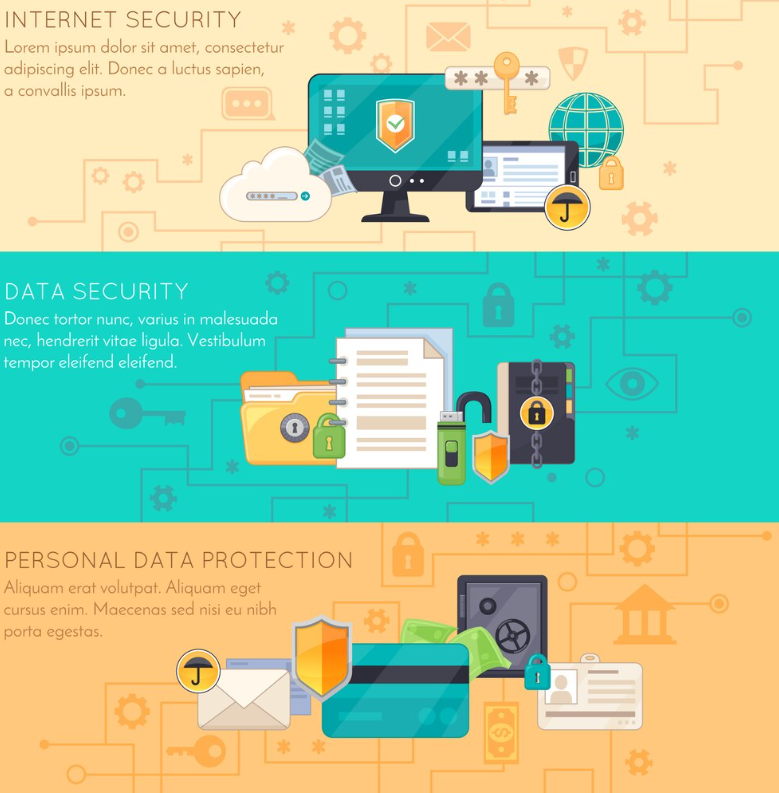
That is why learning How to Create a Cyber Security Policy for Your Business is an important step for companies of every size. A cybersecurity policy gives employees clear instructions for protecting business systems and information. It also helps management create consistent security practices.
A good policy does not need to be complicated. It should be clear, practical, and easy for employees to follow. This guide explains how to build a cybersecurity policy from the ground up and what important sections it should contain.
What Is a Cyber Security Policy?
A cyber security policy is a set of rules and procedures that explains how a business protects its technology, information, accounts, devices, and digital services.
The policy defines what employees should do to reduce security risks. It can cover passwords, multi-factor authentication, email security, remote work, company devices, data protection, software usage, and incident reporting.
A written policy is useful because employees do not have to guess what is expected of them. Everyone can follow the same security standards.
The policy should also support the company’s broader cybersecurity risk management strategy. It should be reviewed regularly as the business, technology, and threat landscape change.
Why Does Your Business Need a Cyber Security Policy?
Cyberattacks can affect businesses of any size. A compromised email account can expose confidential information. A ransomware attack can interrupt operations. A stolen password can give an attacker access to multiple business systems.
A cybersecurity policy helps reduce these risks by creating consistent security habits.
It also provides several important business benefits:
- Creates clear employee security expectations.
- Reduces preventable security mistakes.
- Protects sensitive business and customer information.
- Supports regulatory and contractual requirements.
- Improves incident response.
- Helps protect company reputation.
- Creates a foundation for security training.
Businesses can use established frameworks to improve their approach. The NIST Cybersecurity Framework is a widely used resource for organizing cybersecurity risk management activities.
How to Create a Cyber Security Policy for Your Business
1. Define the Purpose of the Policy
Start by explaining why the policy exists. Keep the purpose simple.
For example, the policy may be designed to protect company information, customer data, business systems, employees, and digital assets from unauthorized access and security threats.
A clear purpose helps employees understand that cybersecurity is a business responsibility rather than just an IT requirement.
2. Identify What the Policy Covers
Next, define the scope. Decide who must follow the policy and which systems are included.
The scope may cover full-time employees, part-time employees, contractors, temporary workers, and third-party users.
It can also cover laptops, smartphones, cloud services, company websites, business applications, networks, email accounts, and other digital resources.
Clear scope prevents confusion about who is responsible for following the rules.
3. Create Strong Password Rules
Password security should be one of the first sections in your policy.
Require employees to use strong and unique passwords. Business passwords should not be reused across unrelated personal accounts.
Consider recommending an approved password manager. It can help employees create and securely manage unique credentials.
The policy should also explain that employees must never share passwords through ordinary email, public documents, or unsecured messaging channels.
4. Require Multi-Factor Authentication
Passwords alone may not provide enough protection for important accounts. Your policy should require multi-factor authentication whenever supported.
MFA should be a priority for email, financial services, cloud platforms, administrator accounts, remote access tools, and other systems containing sensitive information.
Adding an additional authentication factor can reduce the impact of stolen passwords.
5. Establish an Email Security Policy
Email is a common target for phishing and social engineering attacks. Your cybersecurity policy should explain how employees should handle suspicious messages.
Employees should be instructed to avoid unexpected links and attachments. They should also verify unusual requests for money, passwords, sensitive information, or account changes.
For example, if an employee receives an unexpected request to change a supplier’s bank details, the request should be verified through a trusted communication method.
Businesses can also use the CISA cybersecurity guidance to educate employees about common cyber threats.
6. Set Rules for Company Devices
Your policy should explain how employees are expected to protect company devices.
Require screen locks and appropriate security software. Devices should receive operating system and application updates on a regular basis.
Employees should also know what to do if a company laptop or smartphone is lost or stolen.
Consider defining rules for personal devices as well. If employees use personal devices to access company systems, establish clear security requirements.
7. Create a Data Protection Policy
Not all business information has the same level of sensitivity. Your policy should explain how employees should handle confidential and sensitive information.
Identify important data categories. These might include customer records, employee information, financial documents, intellectual property, passwords, business plans, and confidential contracts.
Limit access to sensitive information based on job responsibilities. Use appropriate security controls when storing or transferring confidential data.
Businesses can also review the FTC privacy and security guidance for practical information about protecting consumer data.
8. Define Acceptable Technology Use
An acceptable-use section explains how employees may use company technology.
It can cover company computers, internet access, business email, cloud applications, removable storage, and software installations.
For example, employees may be prohibited from installing unapproved software or connecting unknown devices to company systems.
Keep these rules reasonable. Employees are more likely to follow policies that are clear and practical.
9. Address Remote Work Security
Remote work creates additional security considerations. Employees may access business systems from home, shared workspaces, or other locations.
Your policy should explain how remote workers must protect company information and devices.
Require strong authentication and updated devices. Employees should also protect screens and avoid exposing confidential information in public places.
If your company has a remote workforce, consider creating a dedicated remote work security guide alongside your main cybersecurity policy.
10. Include Cloud Security Rules
Many businesses rely on cloud storage and software. Employees may use cloud platforms to share documents, manage customers, communicate with colleagues, or run business operations.
The policy should define which cloud services employees are allowed to use. It should also explain how sensitive files should be shared.
Avoid allowing employees to use personal cloud accounts for confidential company information unless the business has explicitly approved that practice.
11. Control User Access
Employees should have access only to the information and systems required for their roles.
This approach is called the principle of least privilege. It can reduce the potential damage caused by compromised accounts.
Review access regularly. When an employee changes roles, update permissions. When someone leaves the company, disable access promptly.
Administrator privileges should be limited to people who genuinely need them.
12. Create an Incident Reporting Procedure
Employees need to know what to do when something goes wrong.
Your policy should explain how to report suspicious emails, lost devices, unauthorized access, malware alerts, accidental data exposure, and other security incidents.
Make reporting simple. Employees should not be afraid to report mistakes. Early reporting can help the business contain a problem before it becomes more serious.
You can also create an incident response plan that provides more detailed instructions for handling security events.
13. Establish Backup Requirements
Backups are an important part of business continuity. A good policy should identify which information requires regular backups.
Critical data may include financial records, customer databases, business documents, website files, and important application data.
Backups should be protected from unauthorized access. They should also be tested periodically to confirm that data can be restored.
14. Set Security Training Requirements
A cybersecurity policy is only effective when employees understand it.
Provide security awareness training during onboarding. Repeat training periodically and whenever major policy changes are introduced.
Training can cover phishing, password security, MFA, data protection, device security, social engineering, and incident reporting.
Keep training short and practical. Employees should understand what they need to do in their daily work.
15. Define Consequences and Exceptions
Your policy should explain what happens when employees intentionally or repeatedly ignore security requirements.
However, the language should be fair and consistent. The goal is to improve security, not create fear.
It can also be useful to define an exception process. Sometimes a legitimate business need may require a temporary exception to a standard rule.
Exceptions should be documented, approved by the appropriate person, and reviewed regularly.
How to Make Your Cybersecurity Policy Easy to Follow
A policy that nobody reads will not protect your business.
Use simple language. Avoid unnecessary technical terminology. Organize the document with clear headings and short sections.
Give employees specific instructions instead of vague statements. For example, telling employees to “practice good security” is less useful than explaining exactly when MFA is required and how suspicious emails should be reported.
Make the policy easy to access. Employees should be able to find the latest version without searching through old emails.
Review and Update Your Cyber Security Policy
Cybersecurity policies should not remain unchanged for years. Your business may add new software, hire remote employees, move to different cloud platforms, or begin collecting new types of information.
Review the policy at least annually. You should also review it after major technology changes, security incidents, organizational changes, or significant changes to applicable requirements.
Keep track of policy versions. This makes it easier to determine which rules were active at a particular time.
Common Cyber Security Policy Mistakes
One common mistake is making the policy too complicated. Employees may ignore a document that is difficult to understand.
Another mistake is creating rules that do not match real business practices. If employees regularly use a particular tool, the policy should address how that tool can be used securely.
Businesses should also avoid creating a policy and never checking compliance. Regular reviews help confirm that employees and systems are following the intended controls.
Cyber Security Policy Checklist
Before finalizing your policy, check whether it covers these areas:
- Purpose and scope.
- Password requirements.
- Multi-factor authentication.
- Email and phishing protection.
- Company device security.
- Data protection.
- Acceptable technology use.
- Remote work security.
- Cloud application security.
- User access management.
- Incident reporting.
- Data backups.
- Employee security training.
- Policy exceptions.
- Policy enforcement.
- Regular policy reviews.
Final Thoughts on How to Create a Cyber Security Policy for Your Business
Learning How to Create a Cyber Security Policy for Your Business is an important step toward building a stronger security culture.
A good policy gives employees clear expectations. It helps protect business data, reduce avoidable mistakes, and create consistent security practices across the organization.
Start with the basics. Define your scope. Protect passwords and accounts. Require MFA. Secure devices. Protect sensitive data. Train employees. Control access. Prepare for incidents.
Then review the policy regularly as your company grows.
Cybersecurity is an ongoing business responsibility. A clear, practical policy can help turn security from an occasional concern into a normal part of everyday operations.
