Tag: Indoor Air Quality
  • Mold Removal Services: Cost, Process & Prevention

    Mold Removal Services: Cost, Process & Prevention

    Mold Removal Services: Cost, Process & Prevention is an important topic for homeowners dealing with visible mold, musty odors, water damage, or recurring moisture problems. Mold can grow quickly when moisture is present. It may appear around plumbing leaks, roofs, windows, bathrooms, basements, HVAC systems, or areas affected by flooding.

    Removing visible mold is only part of the solution. The underlying moisture problem must also be corrected. Otherwise, mold can return after cleanup. The U.S. Environmental Protection Agency explains that moisture control is the key to controlling indoor mold growth.

    This guide explains mold removal costs, the professional remediation process, when to hire a specialist, and practical ways to prevent future growth.

    What Are Mold Removal Services?

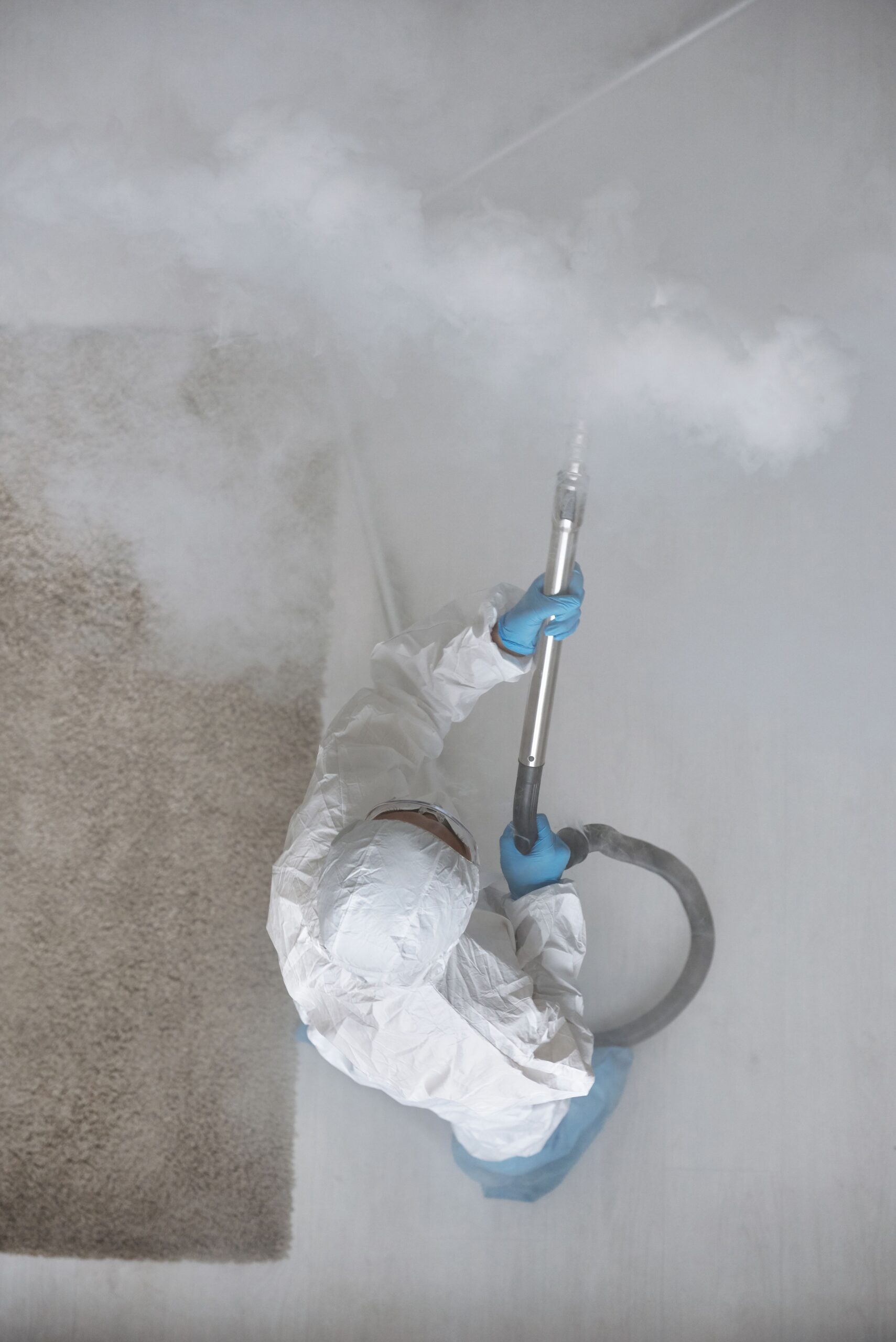
    Mold removal services are professional services designed to identify, contain, clean, and address mold-affected areas in a property. Depending on the situation, the service may include moisture inspection, containment, removal of damaged materials, surface cleaning, drying, and repairs.

    Professional mold remediation is different from simply spraying a cleaner on visible spots. A qualified contractor should look for the source of moisture and determine whether mold has spread behind walls, under flooring, above ceilings, or into other concealed areas.

    The EPA notes that it is not possible to remove every mold spore from an indoor environment. The practical goal is to remove active growth and control the moisture conditions that allow it to develop.

    Mold Removal Cost: What Should You Expect?

    The price of mold removal varies widely. The affected area, severity of the problem, type of building materials, accessibility, water damage, and local labor rates all influence the final estimate.

    Small surface problems may require relatively little work. Larger remediation projects can become significantly more expensive when drywall, insulation, flooring, cabinets, or other porous materials need removal and replacement.

    Project Factor Potential Cost Impact
    Small surface cleanup Lower cost when damage is limited
    Large affected area Higher labor and containment costs
    Hidden mold May require demolition and additional inspection
    Water damage May require drying and structural repairs
    HVAC contamination Can require specialized evaluation and cleaning
    Porous material replacement Additional material and reconstruction costs

    For reliable pricing, request an itemized estimate from a qualified professional. The estimate should explain the affected areas, planned remediation steps, labor, equipment, disposal, testing if recommended, and reconstruction work.

    What Determines Mold Remediation Cost?

    Size of the Mold Problem

    The size of the affected area is one of the most important factors. The EPA states that homeowners can often handle mold areas smaller than approximately 10 square feet when conditions are suitable. Larger areas, extensive water damage, or complex situations may require professional assistance.

    Location of the Mold

    Mold on an accessible hard surface may be easier to address than mold inside a wall cavity. Mold behind drywall, beneath flooring, or inside insulation may require removal of affected materials.

    Water Damage

    If mold developed because of a leaking pipe, roof, appliance, foundation, or flood, fixing that problem becomes essential. A cleanup that ignores the water source may provide only temporary results.

    Damaged Building Materials

    Porous materials can be difficult to clean completely once heavily contaminated. The EPA notes that materials such as carpet and ceiling tiles may need to be discarded when they become moldy because mold can penetrate their surfaces.

    Accessibility

    Easy-to-reach areas are generally simpler to remediate. Tight crawl spaces, attics, wall cavities, and areas behind permanent fixtures may require additional labor and equipment.

    Professional Mold Removal Process

    1. Inspection and Moisture Assessment

    The process usually starts by identifying visible mold, musty odors, water damage, and moisture sources. Professionals may use moisture meters or other tools to locate damp materials.

    The objective is to understand why mold developed. A leak, condensation problem, drainage issue, or excessive indoor humidity may need to be corrected before remediation is considered complete.

    2. Containment

    For larger projects, professionals may isolate affected areas to reduce the movement of dust and mold-contaminated materials into clean parts of the property.

    Containment procedures depend on the size and location of the problem. A professional should choose methods appropriate for the specific property and level of contamination.

    3. Removal of Affected Materials

    Materials that cannot be effectively cleaned may need to be removed. This can include sections of drywall, insulation, carpet, or other porous materials.

    Removing contaminated materials is not the same as simply covering them. The EPA specifically advises against painting or caulking over mold because the underlying problem can remain.

    4. Cleaning and Drying

    Hard surfaces may be cleaned using appropriate methods. The area must then be dried thoroughly. Professionals may use air movers, dehumidification equipment, or other drying techniques when water damage is involved.

    Speed matters after water damage. The EPA recommends drying wet materials within 24 to 48 hours when possible to reduce the likelihood of mold growth.

    5. Moisture Source Correction

    This is one of the most important steps. A contractor may need to repair a plumbing leak, roof issue, drainage problem, condensation source, or ventilation problem.

    Without moisture control, even thorough cleaning may not provide a lasting solution.

    6. Final Inspection

    After remediation, the affected area should be checked for remaining visible mold, moisture problems, and odors. The EPA explains that cleanup is not complete until the moisture problem has been addressed and visible mold and mold-related odors are no longer present.

    When Should You Hire Mold Removal Services?

    Not every small mold spot requires a professional remediation company. However, professional help becomes more important when the affected area is large, water damage is extensive, contamination involves sewage, or mold may be inside an HVAC system.

    You should also consider professional assistance when you cannot identify the moisture source or when mold keeps returning after cleaning.

    The EPA recommends using experienced contractors for larger mold problems and checking references before hiring.

    If an HVAC system may be contaminated, professional evaluation is especially important. The EPA advises against operating a known or suspected contaminated HVAC system because it could distribute mold through the building.

    Is Mold Testing Necessary?

    Mold testing is often marketed as an essential first step. However, the CDC does not recommend routine mold testing. If mold is visible or there is a clear moisture problem, identifying the exact species is generally less important than removing the mold and correcting the moisture source.

    That does not mean every inspection is unnecessary. A professional evaluation can be useful when mold is hidden, the source is unclear, or the property has experienced significant water damage.

    Homeowners can also review the EPA mold and moisture guidance before deciding what type of professional assistance may be appropriate.

    Mold Prevention Tips for Homeowners

    Control Indoor Humidity

    Humidity management is one of the best ways to prevent recurring mold. The EPA recommends keeping indoor relative humidity below 60%, with an ideal range of approximately 30% to 50% when possible.

    A humidity meter can help homeowners monitor conditions. Air conditioning and dehumidification can also help in areas with excessive moisture.

    Fix Leaks Quickly

    Repair leaking pipes, roofs, windows, appliances, and other sources of water as soon as possible. Do not wait for a small leak to become a major restoration project.

    Improve Bathroom Ventilation

    Bathrooms naturally produce moisture. Use exhaust fans and make sure they vent appropriately. Keep surfaces dry when possible and address recurring condensation.

    The CDC recommends controlling humidity, improving airflow, using exhaust ventilation, and fixing leaks to help prevent mold growth.

    Dry Wet Materials Quickly

    After a leak or spill, dry affected materials as quickly as possible. Fast drying can reduce the opportunity for mold to develop.

    Maintain Gutters and Drainage

    Exterior water management also matters. Keep gutters clear and make sure water drains away from the foundation. Poor drainage can allow moisture to enter basements and crawl spaces.

    How to Choose a Mold Removal Company

    Choosing the right contractor can have a major impact on the quality of the remediation. Start by asking for several detailed estimates.

    • Ask how the contractor will identify and correct the moisture source.
    • Request an itemized written estimate.
    • Ask which materials will be cleaned and which may require removal.
    • Check references and relevant professional experience.
    • Ask how affected areas will be contained.
    • Confirm whether reconstruction is included or billed separately.
    • Ask about warranties or follow-up inspections.
    • Check your insurance policy if the mold resulted from covered water damage.

    You can also use established home-service resources such as home improvement and contractor services when researching local professionals.

    Health Considerations During Mold Cleanup

    Mold exposure can affect people differently. The CDC reports that exposure to damp and moldy environments can cause symptoms such as stuffy nose, sore throat, coughing, wheezing, irritated eyes, or skin reactions in some people. People with asthma or mold allergies may experience more significant reactions.

    People with certain respiratory conditions or weakened immune systems may face greater risks and should avoid participating in mold cleanup. The CDC provides detailed guidance on safe mold cleanup practices.

    For serious or extensive contamination, professional remediation is generally the safer approach.

    Final Thoughts on Mold Removal Services: Cost, Process & Prevention

    Mold Removal Services: Cost, Process & Prevention should be viewed as a complete moisture-management project rather than a simple cleaning job. The final price depends on the size of the affected area, location, water damage, building materials, accessibility, and required repairs.

    The most important principle is simple: remove the mold and fix the moisture source. Cleaning without moisture control can allow the problem to return. The EPA consistently identifies moisture control as the foundation of effective mold prevention.

    For homeowners, the best approach is to act quickly, obtain a clear professional assessment when needed, compare detailed estimates, and address leaks and humidity problems permanently. With the right process, mold problems can be managed while creating a cleaner and more comfortable home environment.