Tag: Homeowners

  • Termite Control Cost: Professional Treatment Guide

    Termite Control Cost: Professional Treatment Guide

    Termites can cause serious property damage if an infestation is left untreated. These pests feed on cellulose-based materials and can remain hidden inside walls, floors, foundations, and other parts of a structure. By the time visible signs appear, damage may already be underway.

    Understanding Termite Control Cost: Professional Treatment Guide information can help homeowners make better decisions. Treatment prices vary based on the termite species, infestation size, property size, treatment method, location, and level of damage.

    Professional termite control is often more than a single visit. A complete service may include inspection, treatment, monitoring, follow-up visits, and prevention recommendations. This guide explains the costs, treatment options, warning signs, and questions to ask before hiring a termite professional.

    How Much Does Termite Control Cost?

    The average termite control cost can range from a few hundred dollars to several thousand dollars. A small, localized problem may require a relatively simple treatment. A widespread infestation may require more extensive work.

    According to Angi, termite treatment costs can vary substantially depending on the property and treatment method. Homeowners may pay more when an infestation requires structural treatment, repeated applications, or extensive prevention work.

    For current consumer cost information, the termite treatment cost guide from Angi is a useful reference when comparing estimates.

    Keep in mind that online averages are only starting points. A professional inspection is usually needed to determine the actual scope of a termite problem.

    What Affects Termite Treatment Prices?

    • Property size: Larger properties can require more treatment materials and labor.
    • Infestation size: A widespread colony may require a more comprehensive treatment plan.
    • Termite species: Different species can require different control strategies.
    • Treatment method: Liquid treatments, bait systems, and localized treatments have different costs.
    • Property construction: Slabs, crawl spaces, basements, and additions can affect access.
    • Damage: Repairs may be necessary if termites have affected structural materials.
    • Follow-up service: Some plans include monitoring or recurring inspections.
    • Location: Local labor rates and termite pressure affect pricing.

    Why Professional Termite Treatment Is Important

    Termite infestations are not always easy to locate. Termites can travel through concealed areas and may not be visible during a casual inspection.

    A professional termite exterminator can inspect accessible areas for evidence of activity. They can also identify conditions that may attract termites, such as excess moisture, wood-to-soil contact, or areas where termites can enter the structure.

    Professional treatment also helps homeowners choose a method suited to the specific infestation. Applying a product without understanding where the colony or activity is located may not solve the underlying problem.

    The EPA termite identification and prevention guide provides helpful information about recognizing termites and protecting a home from infestation.

    Common Signs of a Termite Infestation

    Knowing the warning signs can help homeowners arrange an inspection sooner. Early attention may reduce the risk of more extensive damage.

    Discarded Wings

    Winged termites, called swarmers, may appear around windows, doors, lights, or other areas. Finding piles of discarded wings can be a reason to arrange a professional inspection.

    Mud Tubes

    Subterranean termites may build mud tubes to travel between the soil and wooden parts of a structure. Tubes may appear along foundations, walls, crawl spaces, or other protected areas.

    Damaged Wood

    Termite-damaged wood can sometimes appear hollow or weakened. However, other insects and moisture problems can cause similar damage.

    Blistered or Bubbling Surfaces

    Some termite activity can cause surfaces to look blistered or uneven. These signs are not proof of termites, but they deserve further investigation.

    If you notice several potential warning signs, avoid assuming that a DIY product will solve the issue. A professional inspection can identify the cause and recommend an appropriate treatment.

    Types of Termite Treatment

    There is no single best termite treatment for every property. Professionals may recommend different approaches depending on the termite species, location of activity, construction type, and severity of the infestation.

    Liquid Termite Treatments

    Liquid termiticides may be applied around areas where termites enter or travel. Depending on the product and application method, treatment can create a barrier intended to prevent termites from reaching the structure.

    Professional application is important because pesticide products must be used according to their labels and applicable regulations.

    Termite Bait Systems

    Termite bait systems use stations containing materials designed to affect termites that feed on or interact with the bait. Stations can be placed around a property and monitored over time.

    Bait systems can be useful as part of an ongoing termite management program. They require regular monitoring, so homeowners should understand whether inspection visits are included in the service agreement.

    Localized Treatment

    When termite activity is limited to a particular area, a professional may recommend localized treatment. The appropriate approach depends on the construction and location of the activity.

    Fumigation

    Fumigation is a specialized treatment used for certain severe infestations and specific termite species. It is not appropriate for every home or termite problem.

    Because fumigation involves significant preparation and professional controls, homeowners should only use qualified pest management professionals and carefully follow all required instructions.

    Termite Inspection Cost

    A termite inspection may be free in some circumstances, while other companies charge an inspection fee. The price depends on the provider, property, location, and purpose of the inspection.

    For example, an inspection connected to a treatment estimate may be included in the service. A specialized inspection for a real estate transaction may have different pricing.

    Before scheduling, ask whether the inspection is free and whether receiving an estimate creates any obligation to purchase treatment.

    A professional inspection should involve more than a quick visual check. The technician should look for visible evidence of termites and conditions that may contribute to infestation.

    Termite Prevention Tips for Homeowners

    Professional treatment is important when termites are present. Prevention is also valuable because reducing favorable conditions can lower the risk of future problems.

    • Keep soil and landscaping materials from creating unnecessary contact with wood components.
    • Fix plumbing leaks and other moisture problems promptly.
    • Keep crawl spaces properly maintained and address moisture concerns.
    • Store firewood away from the home’s foundation.
    • Keep wooden materials elevated from direct soil contact where appropriate.
    • Inspect visible foundations and exterior wood periodically.
    • Maintain gutters and downspouts so water drains away from the structure.
    • Schedule professional inspections when termite activity is suspected.

    These steps do not guarantee that termites will stay away. However, they can reduce some of the conditions that make a property more attractive or accessible to termites.

    Does Homeowners Insurance Cover Termite Damage?

    Homeowners should not assume that a standard homeowners insurance policy will pay for termite treatment or damage. Pest infestations and damage caused by long-term maintenance issues are often excluded from standard policies.

    Coverage depends on the specific policy and circumstances. If termites have been discovered, review your policy and speak with your insurance provider before assuming that treatment or repairs are covered.

    For general insurance information, homeowners can review resources from the Insurance Information Institute.

    Termite Treatment vs. Termite Prevention Plans

    A one-time treatment and an ongoing termite protection plan are different services.

    A one-time treatment may address an existing infestation. A prevention or monitoring plan may include recurring inspections, bait station monitoring, or additional service if termite activity returns under the terms of the agreement.

    Recurring plans can cost more over time. However, they may appeal to homeowners in regions with significant termite activity.

    Before purchasing a plan, ask exactly what is included. Some contracts cover retreatment but not structural repairs. Others may have renewal fees, exclusions, or specific conditions that homeowners must meet.

    How to Choose a Professional Termite Control Company

    Choosing the right pest control company is just as important as choosing the treatment method.

    Start by checking whether the company is properly licensed or certified according to local requirements. Ask how long it has provided termite services and whether its technicians have experience with the termite species common in your area.

    Request a written proposal. The estimate should explain the treatment method, areas to be treated, products or system used, follow-up schedule, warranty terms, and total price.

    You can also compare local providers through resources such as professional termite control services from Terminix and other established pest management companies.

    Questions to Ask a Termite Professional

    • What type of termite did you find?
    • Where is the termite activity located?
    • How extensive is the infestation?
    • What treatment do you recommend?
    • Why is this treatment appropriate?
    • What is the total treatment price?
    • Does the price include follow-up visits?
    • Is there a retreatment warranty?
    • Are structural repairs included?
    • How often should the property be inspected?

    How to Compare Termite Control Quotes

    Comparing quotes can help you find better value. However, do not compare companies based only on the lowest price.

    One provider may offer a low initial price but charge separately for follow-up inspections. Another may include monitoring and retreatment in a longer service agreement.

    Compare the complete package. Look at the treatment method, coverage area, warranty, follow-up schedule, exclusions, and total expected cost.

    Also ask whether repairs are included. Termite damage repair can be a separate expense and may cost significantly more than pest treatment itself.

    Can You Treat Termites Yourself?

    Homeowners may find consumer termite products in stores. However, identifying and eliminating an established infestation can be more complicated than treating a visible insect.

    DIY products may not address hidden termite activity or the conditions that allow termites to enter a structure. Incorrect pesticide use can also create unnecessary risks.

    If you suspect an active infestation, professional identification and treatment are generally the safer approach. Always follow pesticide labels and applicable local requirements when using any pest control product.

    How to Reduce Long-Term Termite Costs

    The most effective way to manage termite control cost is to address problems early. Routine inspections can help identify activity before damage becomes extensive.

    Homeowners should also maintain drainage, correct moisture problems, and avoid creating easy pathways between soil and wooden parts of the structure.

    When treatment is necessary, obtain multiple written estimates. Make sure each company is quoting a comparable service. A cheaper treatment is not necessarily a better value if it provides less coverage or no meaningful follow-up protection.

    If you are planning broader home maintenance work, our home maintenance checklist can help you organize routine inspections and preventative tasks.

    Final Thoughts on Termite Control Cost

    Termite Control Cost: Professional Treatment Guide information can help homeowners understand what they may pay and what to expect from a professional service.

    The final price depends on the termite species, infestation size, property characteristics, treatment method, and local service rates. A professional inspection is the best way to determine the actual scope of a problem.

    When comparing termite companies, look beyond the initial quote. Review the treatment method, warranty, follow-up service, licensing, experience, and exclusions.

    Early detection can also make a major difference. If you see mud tubes, discarded wings, damaged wood, or other signs of termite activity, arrange an inspection instead of waiting for the problem to grow.

    With professional treatment, regular monitoring, and sensible property maintenance, homeowners can take practical steps to protect their homes from costly termite damage.

  • Garage Door Installation: Cost & Professional Service Guide

    Garage Door Installation: Cost & Professional Service Guide

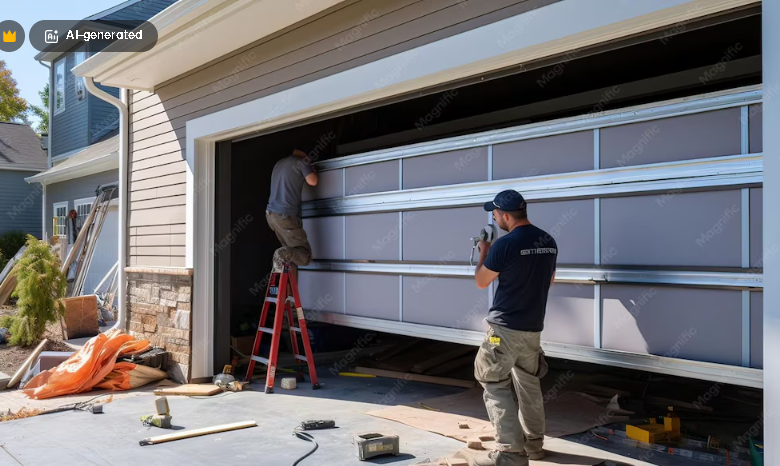
    A new garage door can improve your home’s appearance, security, convenience, and energy efficiency. However, choosing the right door is only part of the project. Proper installation is just as important.

    Whether you are building a new garage or replacing an old door, understanding Garage Door Installation: Cost & Professional Service Guide information can help you plan your budget. It can also help you avoid common installation mistakes and unexpected charges.

    Garage door prices vary based on the door material, size, design, insulation, hardware, labor, and location. Professional installation also requires careful measurements and safe handling of heavy components. For these reasons, hiring an experienced garage door professional is often a smart investment.

    How Much Does Garage Door Installation Cost?

    The total garage door installation cost can vary significantly from one home to another. A basic single-car garage door may cost much less than a premium insulated double-car door with custom windows and decorative hardware.

    For many homeowners, a complete replacement project can range from roughly $800 to more than $4,000. High-end custom doors can cost considerably more. The final price usually includes some combination of the door, tracks, springs, hardware, labor, and disposal of the old door.

    Installation labor alone may range from a few hundred dollars to more, depending on the complexity of the project. Local labor rates and the condition of the existing garage structure can also affect the quote.

    For a useful homeowner reference, the garage door installation cost guide from This Old House provides additional information about typical project expenses and factors that influence pricing.

    Typical Garage Door Cost Factors

    • Door size: Double garage doors generally require more material than single doors.
    • Material: Steel, aluminum, wood, composite, and fiberglass doors have different price points.
    • Insulation: Insulated doors usually cost more but can improve comfort and energy performance.
    • Windows: Decorative or insulated glass can increase the total price.
    • Hardware: Premium handles, hinges, tracks, and decorative accessories can raise costs.
    • Labor: Complex installations may require additional time and specialized work.
    • Old-door removal: Some companies charge separately to remove and dispose of an existing door.
    • Garage opener: A new opener may add another significant cost to the project.

    Garage Door Installation vs. Garage Door Replacement

    The terms installation and replacement are sometimes used interchangeably, but there is an important difference.

    Garage door installation can refer to putting a new door into a new opening or replacing an existing door. Garage door replacement usually means removing an old door and installing a new one in its place.

    A replacement project may involve more work because the installer must remove the existing door, inspect the tracks and supporting hardware, and determine whether the current setup can be reused.

    If the existing tracks, springs, or opener are worn, replacing those components may increase the project cost. A professional should identify these issues before work begins.

    Why Professional Garage Door Installation Matters

    A garage door is much more than a decorative panel. It is a large moving system that uses springs, cables, rollers, tracks, and other hardware. These components must work together correctly.

    Professional garage door installation helps ensure that the door is properly balanced and aligned. Correct installation can also reduce unnecessary wear on the opener and other components.

    Experienced installers know how to measure the opening, select compatible hardware, adjust the door, and test its operation. They can also identify structural problems that may not be obvious to a homeowner.

    For homeowners researching reputable providers, professional garage door installation options from Clopay are a useful starting point for understanding door styles, materials, and installation considerations.

    Choosing the Right Garage Door Material

    Steel Garage Doors

    Steel is one of the most popular choices for residential garage doors. It offers durability and comes in many styles and finishes. Insulated steel doors are also available for homeowners who want better thermal performance.

    Steel can provide a good balance between appearance, durability, and price. It is often a practical choice for busy households.

    Wood Garage Doors

    Wood doors provide a traditional and premium appearance. They can add character to many architectural styles.

    However, wood typically requires more maintenance than steel or composite materials. Homeowners should consider climate, moisture exposure, painting, staining, and long-term upkeep before choosing a wood door.

    Aluminum Garage Doors

    Aluminum doors are lightweight and can offer a modern appearance. They are available in different colors and designs.

    The lighter weight can be an advantage in certain applications. However, some aluminum doors may be more susceptible to dents than heavier steel alternatives.

    Composite and Fiberglass Doors

    Composite and fiberglass options can provide the appearance of wood while requiring less maintenance. These doors may be attractive for homeowners who want a particular architectural style without the upkeep associated with natural wood.

    Should You Buy an Insulated Garage Door?

    Insulation is an important consideration, especially when the garage is attached to the house or used as a workspace.

    An insulated garage door can help reduce temperature changes inside the garage. It may also make the door quieter and more comfortable to use.

    When comparing insulated doors, look at the door’s construction and published insulation specifications rather than choosing solely based on price.

    If your garage shares walls with living areas, better insulation may be particularly valuable. However, the ideal choice depends on your climate, garage design, and how you use the space.

    Garage Door Opener Installation

    A garage door replacement is also a good time to evaluate the opener. If the existing opener is old, noisy, unreliable, or incompatible with the new door, replacement may be worthwhile.

    Modern garage door openers can include features such as smartphone control, battery backup, automatic lighting, and improved safety sensors.

    For information about garage door openers and safety requirements, homeowners can review resources from the U.S. Consumer Product Safety Commission.

    When installing an opener, make sure the unit is correctly matched to the garage door. An opener that is not properly installed or adjusted may create unnecessary problems.

    What Is Included in Professional Garage Door Installation?

    A professional installation quote should clearly explain what is included. This makes it easier to compare companies and avoid surprise costs.

    A typical installation may include removal of the existing door, installation of the new door, tracks, rollers, springs, cables, hinges, brackets, and other required hardware. Some companies may include old-door disposal in the quoted price, while others charge separately.

    If an opener is included, confirm whether installation and programming are part of the package. You should also ask whether trim, weatherstripping, or reinforcement work is included.

    Questions to Ask Before Hiring an Installer

    • Is the installation price fixed or an estimate?
    • Does the quote include labor and hardware?
    • Is old-door removal included?
    • Are disposal fees included?
    • Is the garage door covered by a manufacturer’s warranty?
    • Is the installation labor covered by a separate warranty?
    • Will the installer inspect the garage opening before installation?
    • Does the quote include new tracks and springs?
    • Is garage opener installation included?
    • When can the installation be completed?

    Getting written answers to these questions makes it easier to compare competing quotes on an equal basis.

    How to Find a Reliable Garage Door Company

    Choosing the cheapest installer is not always the best strategy. Garage doors contain important mechanical components, so quality workmanship matters.

    Start by looking for companies with strong local reviews and established service areas. Check whether the company clearly explains its services, warranties, and pricing.

    You can also request several estimates. Comparing two or three professional quotes can reveal whether one proposal is unusually expensive or incomplete.

    Before signing a contract, confirm the exact door model, size, color, insulation level, hardware, opener, labor charges, warranty terms, and expected completion date.

    For additional homeowner resources, the garage door installation cost and service information available through Angi can help you understand common project considerations.

    Garage Door Installation Cost-Saving Tips

    You do not necessarily need the most expensive garage door to get a good result. Smart planning can help control your total project cost.

    First, compare multiple quotes. Next, decide which features are essential and which are optional. Decorative windows, premium finishes, custom hardware, and specialty designs can increase the final price.

    If your current opener is still in excellent condition and compatible with the new door, ask whether it can be safely reused. However, do not reuse worn or outdated components simply to reduce the initial cost.

    It is also useful to schedule non-emergency work during a convenient period. A planned replacement gives you more time to compare products and installers instead of making a rushed decision after a sudden failure.

    When Should You Replace a Garage Door?

    Visible damage is an obvious reason to consider replacement. However, age and repeated repairs can also be warning signs.

    If your door frequently becomes stuck, makes unusual noises, has damaged panels, or has recurring mechanical problems, ask a professional to inspect it.

    A replacement may also be worthwhile if the door is poorly insulated, outdated, or no longer complements your home’s exterior.

    In some cases, a repair is the better option. A professional inspection can help determine whether repairing a component or replacing the complete door makes more financial sense.

    Final Thoughts on Garage Door Installation

    A new garage door can be a valuable home improvement project. It can improve curb appeal, security, convenience, and everyday functionality.

    However, the best results depend on choosing the right door and the right installer. When comparing Garage Door Installation: Cost & Professional Service Guide options, look beyond the initial price.

    Consider material, insulation, design, hardware, labor, warranties, and long-term maintenance. Ask for a detailed written estimate and make sure you understand every charge before approving the project.

    Most importantly, use an experienced professional for installation. A properly installed garage door should operate smoothly, safely, and reliably for years.

    With careful research and a clear budget, homeowners can find a garage door solution that fits both their property and their long-term needs.

  • Best Appliance Repair Companies for Homeowners

    Best Appliance Repair Companies for Homeowners

    Best Appliance Repair Companies for Homeowners

    When a refrigerator stops cooling, a washer refuses to drain, or an oven suddenly will not heat, finding a dependable repair company becomes a priority. The right technician can restore an essential appliance without forcing you to buy a costly replacement.

    However, not every repair provider offers the same level of service, pricing, availability, or warranty coverage. This guide reviews some of the Best Appliance Repair Companies for Homeowners and explains what to look for before booking a service call.

    Our recommendations focus on service coverage, scheduling convenience, pricing transparency, warranty options, technician networks, and the types of appliances each provider can service. Availability can vary by ZIP code, so homeowners should always confirm local coverage before scheduling.

    What Makes an Appliance Repair Company Worth Choosing?

    A good appliance repair company should do more than send someone to your home. It should provide a clear diagnosis, explain the repair, and give you enough information to make a smart decision.

    Before hiring a technician, consider these factors:

    • Appliance coverage: Check whether the company services your appliance type and brand.
    • Technician experience: Look for trained, qualified, or background-checked professionals.
    • Pricing: Ask about diagnostic fees, labor, parts, and possible additional charges.
    • Warranty protection: A workmanship or parts warranty can provide valuable peace of mind.
    • Appointment availability: Same-day or next-day service can matter when an essential appliance fails.
    • Customer reviews: Look for consistent feedback about communication, punctuality, and repair quality.

    For additional homeowner guidance, see our appliance repair cost guide and repair vs. replace appliance guide.

    Best Appliance Repair Companies for Homeowners

    1. Sears Home Services

    Best for: Broad appliance coverage and a large technician network

    Sears Home Services is one of the most recognizable names in residential appliance repair. Its service network handles many common household appliances, including refrigerators, washers, dryers, dishwashers, ranges, ovens, microwaves, freezers, and ice makers.

    The company states that its technicians repair major brands such as Kenmore, Whirlpool, Frigidaire, Maytag, Amana, GE, Samsung, and LG. It also says its technicians complete millions of repairs each year.

    One advantage for homeowners is the company’s broad service model. You do not necessarily need to have purchased the appliance from Sears to request repair service. The company also offers online scheduling and diagnostic services.

    Sears Home Services appliance repair is worth considering when you want a large national provider with extensive appliance coverage.

    Before booking, confirm that service is available in your area and ask what the diagnostic fee includes. You should also request an estimate before approving major work.

    2. Mr. Appliance

    Best for: Local franchise service with upfront pricing

    Mr. Appliance is a national appliance repair brand made up of locally owned and operated franchises. This structure gives homeowners access to a recognizable brand while still receiving service from a local provider.

    The company advertises scheduled appointment times, licensed professionals, upfront flat-rate pricing, and a one-year parts and labor warranty for residential appliance repairs. However, services can vary between individual franchise locations.

    Mr. Appliance residential repair services can be a good option if transparent pricing and a repair warranty are important factors in your decision.

    Always check the specific location serving your home. Ask whether the advertised warranty applies to your repair and whether replacement parts are included in the quoted price.

    3. Puls

    Best for: Convenient online booking and fast service in supported cities

    Puls is a home services company that provides appliance repair alongside other residential services. Its appliance repair offering covers common equipment such as refrigerators, dishwashers, washers, dryers, ovens, stoves, cooktops, microwaves, and freezers.

    The company emphasizes convenient online booking and says service may be available the same day or the next day in supported markets. Puls also advertises background-checked technicians and a 90-day repair guarantee.

    Puls appliance repair services may be especially appealing to homeowners who prefer scheduling online and want a quick appointment.

    Pricing can depend on the appliance and problem. Puls currently explains that appliance repair appointments involve an $89 diagnostic fee, which is waived if the customer proceeds with the recommended repair. Confirm the current terms before scheduling.

    4. American Home Shield

    Best for: Homeowners who want repair coverage through a home warranty

    American Home Shield takes a different approach from a traditional appliance repair company. Instead of simply booking an individual repair, homeowners can use a home warranty plan that covers eligible appliances and systems under the terms of the selected agreement.

    Its plans can cover major kitchen and laundry appliances, including refrigerators, dishwashers, washers, dryers, ovens, and ranges. Depending on the plan, AHS may arrange for a qualified service professional to diagnose and repair a covered item.

    American Home Shield appliance coverage may make sense for homeowners who want ongoing protection rather than paying separately for every covered breakdown.

    There is an important distinction, though. A home warranty is not the same as a manufacturer’s warranty or homeowners insurance. Service fees, coverage limits, exclusions, waiting periods, and other terms can apply. Read the service agreement carefully before purchasing a plan.

    5. Angi

    Best for: Comparing local appliance repair professionals

    Angi is not a single appliance repair company. Instead, it is a marketplace that helps homeowners find and compare local home service professionals.

    This can be useful when you want to compare several providers rather than automatically choosing a national brand. Angi allows homeowners to submit project details and receive matches from local professionals in supported areas.

    Find local appliance repair professionals on Angi if comparing multiple providers and quotes is more important to you than choosing a national repair brand.

    When using a marketplace, review each individual company’s credentials, warranties, ratings, service area, and pricing. The quality of service can vary because the actual repair is performed by the selected local professional.

    Which Appliance Repair Company Is Best for You?

    The Best Appliance Repair Companies for Homeowners depend on your situation. There is no single provider that is ideal for every home.

    Provider Best For Key Advantage
    Sears Home Services Broad coverage Large repair network and many appliance types
    Mr. Appliance Local franchise service Flat-rate pricing and repair warranty
    Puls Fast online booking Convenient scheduling and repair guarantee
    American Home Shield Ongoing protection Home warranty coverage for eligible appliances
    Angi Comparing local pros Multiple local providers and quotes

    How Much Does Appliance Repair Cost?

    Appliance repair pricing varies widely. The final cost depends on the appliance, brand, model, failed component, labor, parts, location, and urgency of the repair.

    For example, replacing a small component on a washer may cost far less than repairing a refrigerator compressor or electronic control board. Emergency appointments can also cost more than standard scheduled visits.

    Angi’s current national data shows that appliance repair prices can range considerably by appliance and repair type. Its published figures include typical ranges for refrigerators, dishwashers, washing machines, dryers, ovens, and other household equipment.

    Check current appliance repair cost information before requesting quotes so you have a general idea of what to expect.

    Do not choose a company based only on the lowest quote. A very cheap diagnosis may not include parts, labor, follow-up visits, or warranty protection.

    Repair or Replace: Which Is Better?

    Repairing an appliance is often attractive when the unit is relatively new and the problem is straightforward. Replacement can make more sense when an appliance is older, has frequent failures, or requires an expensive major component.

    Ask the technician for three things: the exact problem, the total repair price, and the expected condition of the appliance after repair.

    You can then compare the repair cost with the price of a comparable new appliance. Remember to consider delivery, installation, disposal, energy efficiency, and warranty coverage when calculating the true replacement cost.

    For more guidance, visit our appliance lifespan guide before making a final decision.

    Questions to Ask Before Hiring an Appliance Repair Company

    A few questions can help prevent unexpected charges and poor service.

    • Do you service my appliance’s brand and model?
    • Is there a diagnostic or service-call fee?
    • Will the diagnostic fee be applied to the repair?
    • Do you provide a written estimate before starting?
    • Are parts and labor covered by a warranty?
    • Are your technicians qualified or background checked?
    • Do you offer same-day or emergency appointments?
    • What happens if the first repair does not solve the problem?
    • Will there be additional charges for parts or follow-up visits?

    Getting clear answers before the technician begins can make the entire repair process easier.

    How to Find the Best Local Appliance Repair Service

    National companies can be convenient, but a highly rated local repair company may sometimes provide a better fit. Start by searching for appliance repair professionals in your ZIP code.

    Compare at least two or three options when the situation is not urgent. Look at recent reviews, service guarantees, appliance specialties, appointment availability, and total estimated costs.

    It is also smart to check whether your appliance is still covered by a manufacturer’s warranty. If it is, using an authorized service provider may be required or recommended.

    For routine maintenance tips, see our home appliance maintenance checklist. Preventive care can help reduce avoidable breakdowns and extend the useful life of household equipment.

    Final Verdict

    The Best Appliance Repair Companies for Homeowners offer a combination of qualified technicians, reasonable pricing, dependable scheduling, and meaningful repair guarantees.

    Sears Home Services stands out for broad appliance coverage and a large service network. Mr. Appliance is worth considering for homeowners who value flat-rate pricing and warranty-backed repairs. Puls is attractive for convenient online scheduling and fast service in supported locations. American Home Shield is better suited to homeowners seeking ongoing home warranty protection, while Angi can help people compare local repair professionals.

    The best choice ultimately depends on your appliance, location, budget, and urgency. Before approving any repair, confirm the diagnostic fee, total estimate, parts warranty, labor warranty, and expected repair outcome.

    A little research can save you from paying for unnecessary work. More importantly, it can help you decide whether repairing your current appliance or replacing it is the smarter long-term investment.