Tag: Home Renovation
  • Best Home Improvement Services for Increasing Property Value

    Best Home Improvement Services for Increasing Property Value

    Home improvements can make a property more comfortable, attractive, and functional. They can also influence resale appeal. However, not every renovation delivers the same financial benefit. If your goal is to protect or increase property value, choosing the right project matters.

    This guide to the Best Home Improvement Services for Increasing Property Value covers the upgrades that deserve the most attention. It also explains how to balance renovation costs, buyer appeal, maintenance, and potential return on investment.

    Recent remodeling research shows an important trend. Exterior replacement projects continue to perform strongly when measured by resale value. Zonda’s 2025 Cost vs. Value report ranked garage door replacement, steel entry door replacement, manufactured stone veneer, and siding replacement among the strongest projects nationally. A minor kitchen remodel also ranked highly.

    What Home Improvements Add the Most Value?

    The best improvement depends on your property, neighborhood, budget, and reason for renovating. A homeowner planning to sell soon may prioritize curb appeal and visible repairs. Someone staying for many years may focus more on comfort, energy efficiency, and functionality.

    In general, improvements that solve visible problems or improve everyday usability tend to be safer investments than highly personalized renovations.

    Home Improvement Service Primary Benefit Value Potential
    Garage door replacement Curb appeal and function Very strong
    Entry door replacement First impression and security Very strong
    Siding replacement Appearance and protection Strong
    Minor kitchen remodel Function and buyer appeal Strong
    Bathroom update Function and appearance Moderate to strong
    Deck or outdoor living area Usable living space Moderate
    Interior painting Fresh appearance Moderate

    These categories should be treated as general guidance. Actual resale results vary by market and property. Zonda’s research also emphasizes that regional differences can be significant.

    1. Garage Door Replacement

    A garage door occupies a large portion of many home’s front elevations. That makes it one of the first features buyers notice.

    Replacing an old or damaged garage door can improve curb appeal while also addressing functionality. A modern door can give the exterior a cleaner appearance without requiring a major structural renovation.

    Zonda’s 2025 Cost vs. Value report ranked garage door replacement as its number-one project. The report estimated a national job cost of $4,672 and a value at sale of $12,507, representing 267.7% of cost recouped.

    These figures are national averages, not guaranteed returns. Still, they demonstrate why relatively focused exterior upgrades can outperform larger discretionary remodels.

    2. Front Door Replacement

    Your entry door creates an immediate impression. An outdated, damaged, or poorly maintained door can make the entire property look older.

    A new steel entry door can provide a relatively simple visual upgrade. It may also improve weather sealing and everyday functionality.

    Zonda ranked steel door replacement second in its 2025 national Cost vs. Value results. The report listed an average job cost of $2,435 and $5,270 in value at sale, or 216.4% of the investment recouped.

    If your existing door is in good condition, a professional repaint and updated hardware may provide a less expensive alternative.

    3. Exterior Siding Replacement

    Siding protects the home while contributing heavily to curb appeal. Cracked, faded, warped, or deteriorating siding can make a property look neglected.

    Replacing worn siding can improve the appearance of the entire exterior. It may also address maintenance issues that could concern prospective buyers during an inspection.

    Zonda’s 2025 report ranked fiber-cement siding replacement fourth nationally, with a reported 113.7% of cost recouped. Vinyl siding replacement ranked sixth, with 96.5% of cost recouped.

    The best material depends on your climate, existing architecture, maintenance preferences, and neighborhood standards.

    Before choosing a material, consider our exterior home improvement guide for additional planning ideas.

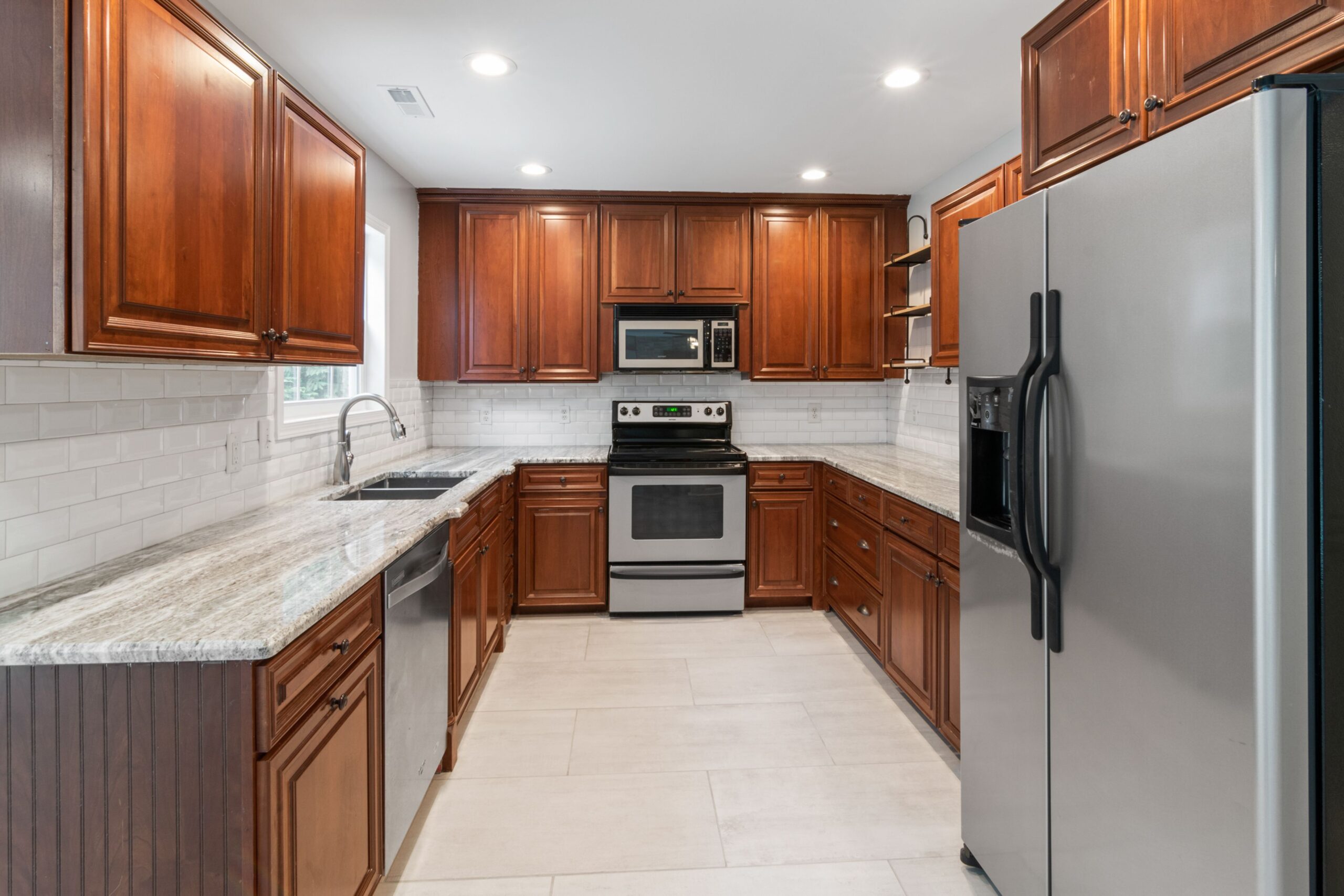
    4. Minor Kitchen Remodeling

    Kitchens remain important to buyers. However, that does not mean a complete luxury kitchen renovation is always the best financial decision.

    A targeted update can often make more sense. Consider replacing outdated appliances, updating cabinet fronts, changing hardware, improving lighting, repainting, or installing a new countertop.

    Zonda’s 2025 Cost vs. Value report ranked a minor kitchen remodel fifth nationally. It reported an average job cost of $28,458 and a value at sale of $32,141, representing 112.9% of cost recouped.

    This supports an important renovation principle: strategic home improvements can be more financially sensible than overbuilding.

    For budgeting help, see our kitchen remodeling cost guide.

    5. Bathroom Remodeling

    Bathrooms receive daily use, so condition matters. Buyers often notice outdated fixtures, poor lighting, damaged surfaces, and inefficient layouts.

    A bathroom update does not always require moving plumbing or rebuilding the entire room. Replacing worn fixtures, improving lighting, updating the vanity, refreshing tile, and repainting can create a noticeable change.

    If a bathroom has functional problems, address those before focusing on decorative features. Water damage, leaks, poor ventilation, and damaged flooring can create larger issues if ignored.

    For homeowners considering a larger project, our bathroom remodeling cost guide can help you plan the major expense categories.

    6. Manufactured Stone Veneer

    Manufactured stone veneer can create a high-end exterior appearance without completely rebuilding the home’s exterior.

    It can be used around entry areas, lower exterior sections, garages, or architectural features. The key is to use it in a way that complements the home’s existing design.

    Zonda ranked manufactured stone veneer third in its 2025 Cost vs. Value report. The national figures showed a $11,702 job cost and $24,328 in value at sale, or 207.9% of cost recouped.

    Because installation quality matters, homeowners should compare experienced contractors and ask how the veneer will be integrated with the existing exterior.

    7. Deck and Outdoor Living Improvements

    Outdoor living space can make a home more enjoyable. A well-designed deck can provide space for relaxing, dining, and entertaining.

    However, the return depends on the home’s location and buyer expectations. A large deck may not be worthwhile if similar homes in the neighborhood do not have one.

    Zonda’s 2025 report placed wood deck additions eighth and composite deck additions ninth among its top 10 projects. It reported 94.9% of cost recouped for wood decks and 88.5% for composite decks.

    Choose materials that fit the climate and expected maintenance level. A practical design can be more appealing than an oversized outdoor structure.

    8. Interior Painting

    Interior painting is one of the simplest ways to refresh a home. It can make rooms feel cleaner and more current.

    Neutral, broadly appealing colors are usually a safer choice when resale is a priority. Strong personal colors can work beautifully for homeowners, but they may require repainting before a sale.

    Preparation is important. Repair holes, cracks, stains, and damaged surfaces before applying new paint. A professional finish can make a modest renovation look significantly more polished.

    Read our house painting cost guide to compare interior and exterior painting expenses.

    9. Flooring Replacement

    Flooring has a major visual impact. Damaged, stained, worn, or mismatched floors can reduce the perceived condition of a property.

    When replacing flooring, focus on durability and consistency. Hardwood, quality engineered wood, tile, and well-selected resilient flooring can all work in different parts of a home.

    Avoid choosing flooring based solely on appearance. Consider moisture, traffic, maintenance, pets, and expected lifespan.

    Our flooring installation cost guide explains material, labor, and preparation expenses.

    10. Energy-Efficient Home Improvements

    Energy efficiency can improve comfort and reduce ongoing household expenses. Potential projects include insulation, efficient heating and cooling systems, air sealing, modern windows, and energy-efficient lighting.

    The financial return depends heavily on the home’s current condition and local utility costs. Therefore, evaluate the expected savings before committing to a major upgrade.

    Start with an energy assessment when possible. It can help identify where the home is losing energy and prevent you from spending money on improvements that have little practical effect.

    Maintenance Improvements Can Protect Property Value

    Not every valuable improvement creates an obvious visual transformation. Preventive maintenance can protect the property’s existing value.

    Roof problems, water leaks, damaged gutters, drainage issues, deteriorating siding, and unsafe electrical conditions should receive attention before cosmetic upgrades.

    A beautiful kitchen cannot compensate for serious maintenance problems. Buyers and inspectors may notice those issues quickly.

    Therefore, the best home improvement services often begin with protecting the structure itself.

    How to Choose Home Improvements Based on ROI

    Start by identifying your goal. Are you preparing to sell? Planning to stay for ten years? Improving a rental property? Each situation requires a different strategy.

    If You Plan to Sell Soon

    Focus on curb appeal, visible maintenance, neutral finishes, and functional improvements. Avoid highly personalized upgrades that may not appeal to a broad group of buyers.

    If You Plan to Stay Long-Term

    Comfort and functionality become more important. You can prioritize projects that make daily life easier, even if the immediate resale return is not the highest.

    If You Have a Limited Budget

    Prioritize small projects with visible results. Fresh paint, updated lighting, improved landscaping, modern hardware, and repaired exterior features can change the appearance of a home without requiring a major renovation.

    How Much Should You Spend on Home Improvements?

    There is no universal renovation budget. Spending should reflect the property’s current value, neighborhood, condition, and your plans for ownership.

    One common mistake is over-improving a property compared with nearby homes. A luxury renovation may look impressive, but the surrounding market may not support the added cost.

    Research comparable homes before beginning a large project. Look at recent sales and the features buyers expect in your area.

    Should You Hire a Professional Home Improvement Contractor?

    Professional installation can be worthwhile for projects involving structural work, electrical systems, plumbing, roofing, siding, or other specialized tasks.

    When comparing contractors, request written estimates. Confirm the scope of work, materials, expected schedule, payment terms, and warranty information.

    Do not choose a contractor based only on the lowest quote. A detailed proposal can reveal differences in preparation, materials, labor, and cleanup.

    Final Thoughts on the Best Home Improvement Services for Increasing Property Value

    The Best Home Improvement Services for Increasing Property Value are not always the largest or most expensive renovations. Current remodeling research suggests that exterior replacement projects can deliver particularly strong resale performance, while targeted interior projects such as minor kitchen remodels can also provide meaningful value.

    Start with the condition of the property. Fix maintenance problems first. Then focus on improvements that strengthen curb appeal, functionality, and buyer appeal.

    Garage doors, entry doors, siding, manufactured stone veneer, minor kitchen upgrades, bathrooms, flooring, painting, and outdoor living areas can all play a role. The right combination depends on your property and local market.

    Most importantly, think beyond resale value. A successful home improvement project should also make the property safer, more comfortable, easier to maintain, or more enjoyable to live in. When you balance those benefits with cost, you can make smarter renovation decisions and protect your home’s long-term appeal.

  • Home Remodeling Contractors: How to Compare & Hire

    Home Remodeling Contractors: How to Compare & Hire

    Choosing the right Home Remodeling Contractors: How to Compare & Hire can make a major difference in the success of your renovation. A skilled contractor can help manage materials, labor, schedules, permits, and subcontractors. The wrong choice can lead to delays, unexpected costs, poor workmanship, and unnecessary stress.Whether you are remodeling a kitchen, bathroom, basement, living room, or entire home, it pays to compare contractors carefully. Price matters, but it should not be the only factor. Experience, communication, insurance, licensing, references, and contract terms are also important.

    This guide explains how to find, compare, interview, and hire home remodeling contractors with confidence. It also covers warning signs, cost questions, contracts, and practical ways to protect your remodeling budget.

    What Does a Home Remodeling Contractor Do?

    A remodeling contractor manages the work needed to improve or change an existing home. Depending on the project, the contractor may handle demolition, framing, flooring, drywall, painting, cabinetry, plumbing, electrical work, and finish installation.

    Some contractors perform most of the work themselves. Others manage a team of subcontractors. A general remodeling contractor may coordinate specialists such as electricians, plumbers, HVAC technicians, roofers, and tile installers.

    The contractor’s role can also include scheduling inspections, ordering materials, coordinating deliveries, and keeping the project moving. For larger renovations, good project management can be just as important as construction skill.

    When Should You Hire a Remodeling Contractor?

    Not every home improvement project requires a contractor. Simple painting, decorating, or minor upgrades may be manageable as DIY projects if you have the required skills.

    However, professional help is often valuable when a project involves structural changes, plumbing, electrical systems, major demolition, permits, or multiple trades.

    A contractor can also be useful when you have limited time. Managing several trades and material deliveries can become a full-time responsibility. An experienced professional can coordinate those tasks for you.

    Before starting, review our home remodeling budget guide to establish a realistic spending plan.

    How to Find Home Remodeling Contractors

    Start by creating a shortlist of contractors who regularly complete projects similar to yours. Recommendations from friends, relatives, neighbors, and other homeowners can be useful.

    Online reviews can provide additional information, but do not rely on ratings alone. Look for patterns in customer feedback. Pay attention to comments about communication, timelines, cleanliness, workmanship, and how the contractor handled problems.

    You can also explore professional directories and consumer resources. The National Association of the Remodeling Industry provides resources for homeowners and remodeling professionals.

    For another useful source, check the National Association of Home Builders for information related to residential construction and remodeling.

    What to Look for in a Remodeling Contractor

    Relevant Experience

    Experience should match your project. A contractor who specializes in bathroom renovations may not be the best choice for a major structural addition.

    Ask how many projects similar to yours the contractor has completed. Request photos of recent work when available. Ask about challenges encountered on similar projects and how they were resolved.

    Licensing and Insurance

    Licensing requirements vary by state and local jurisdiction. Before hiring a contractor, check the requirements where you live.

    Ask for proof of applicable licenses and insurance. Depending on the project, appropriate coverage may include general liability insurance and workers’ compensation coverage.

    You can use the official state consumer resources to locate relevant state agencies and consumer information.

    Strong Communication

    Communication is easy to overlook during the selection process. Yet it can strongly affect your remodeling experience.

    Notice how quickly the contractor responds. Does the contractor answer your questions clearly? Do they explain costs and timelines? Are they willing to put important details in writing?

    A contractor does not need to promise that everything will go perfectly. Instead, they should explain how potential problems will be handled.

    How Many Remodeling Contractors Should You Compare?

    For a significant remodeling project, comparing several contractors is a smart approach. Three detailed proposals can give you a useful view of local pricing and project scope.

    Avoid requesting dozens of quotes simply to find the lowest number. Quality contractors invest time in preparing estimates. A smaller shortlist makes it easier to compare experience, communication, materials, and pricing.

    Make sure each contractor receives the same basic project information. Otherwise, the quotes may not be directly comparable.

    How to Compare Remodeling Contractor Estimates

    The lowest estimate is not automatically the best value. A low bid may exclude important services or use lower-cost materials.

    Review each estimate line by line. Look for labor, materials, demolition, disposal, permits, subcontractors, fixtures, finishes, and cleanup.

    Ask whether the quote is fixed or an estimate. Also ask how changes will be priced if unexpected work becomes necessary.

    Compare the Scope of Work

    The scope should clearly explain what the contractor will do. It should identify the areas being remodeled and the major materials involved.

    For example, a kitchen remodeling quote should ideally specify cabinets, countertops, flooring, backsplash, appliances, plumbing, electrical work, painting, and cleanup when those services are included.

    A detailed scope reduces the chance of disagreements later.

    Compare Material Allowances

    Some contractors use allowances for items that you will select later. These may include tile, lighting, plumbing fixtures, appliances, or countertops.

    Ask how much has been budgeted for each allowance. A quote can look inexpensive when the allowances are unrealistically low.

    Questions to Ask Before Hiring a Contractor

    A contractor interview should go beyond asking, “How much will it cost?” Ask questions that reveal how the project will actually be managed.

    • How long have you been remodeling homes?
    • Have you completed projects like mine?
    • Who will supervise the project?
    • Will you use subcontractors?
    • How are subcontractors selected and managed?
    • What permits will be required?
    • What is your expected project timeline?
    • How will delays be communicated?
    • How are change orders handled?
    • What payment schedule do you require?
    • Do you provide a written warranty?
    • Can you provide recent references?

    The answers can help you identify contractors who are organized and transparent.

    Understanding Home Remodeling Contractor Costs

    Remodeling costs vary greatly based on the project’s size, location, materials, labor, and complexity. A cosmetic room update may cost much less than a whole-home renovation involving structural changes.

    According to Angi, homeowners can spend anywhere from several thousand dollars to well over $100,000 depending on the size and scope of a home remodeling project. ([angi.com](https://www.angi.com/articles/how-much-does-it-cost-remodel-house.htm?utm_source=chatgpt.com))

    For additional planning information, home remodeling cost resources can help you understand common project expenses.

    Do not assume a contractor’s price is simply a labor charge. Your quote may include materials, subcontractors, project management, permits, insurance, transportation, waste removal, and overhead.

    Red Flags to Watch For

    Knowing what to avoid is just as important as knowing what to look for.

    Extremely Low Estimates

    A quote that is dramatically lower than every other proposal deserves careful attention. Ask what is included and whether important costs have been omitted.

    Large Upfront Payments

    Be cautious about contractors who demand an unusually large payment before work begins. Payment rules vary by location, so check local requirements and use a written agreement.

    No Written Contract

    A verbal agreement is not enough for a major renovation. A written contract should describe the scope, price, payment schedule, materials, timeline, and procedures for changes.

    Pressure to Decide Immediately

    Be careful if a contractor pressures you to sign immediately because of a supposedly limited-time offer. A reputable professional should give you reasonable time to review the proposal.

    Unclear Communication

    If a contractor avoids basic questions before the project starts, communication may become even harder after construction begins.

    What Should Be in a Remodeling Contract?

    A strong remodeling contract protects both the homeowner and contractor. It should clearly describe the project and expectations.

    Important items include the contractor’s information, scope of work, materials, estimated schedule, total price, payment terms, change-order process, warranty details, insurance information, and cleanup responsibilities.

    Make sure verbal promises are added to the written agreement. If a feature matters to you, it should appear in the contract.

    For additional guidance, the Federal Trade Commission consumer resources can help homeowners understand broader consumer protection considerations.

    How to Avoid Remodeling Budget Problems

    Even a well-planned renovation can uncover unexpected problems. Older homes may contain outdated wiring, damaged plumbing, moisture issues, or structural concerns.

    Set aside a contingency fund before construction starts. Many homeowners choose to reserve around 10% to 20% of their remodeling budget for unexpected costs, although the appropriate amount depends on the home’s age and project complexity.

    Also separate essential improvements from optional upgrades. If costs increase, you will know which features can be postponed.

    Our home improvement costs guide can also help you organize renovation expenses across different areas of your property.

    How to Make the Final Hiring Decision

    Once you have several proposals, create a simple comparison list. Score each contractor based on experience, scope, price, communication, references, schedule, insurance, and contract quality.

    Then consider overall value. A contractor with a slightly higher quote may be the better choice if the proposal includes better materials, stronger project management, more complete preparation, and clearer warranty terms.

    Trust your judgment. You will spend significant time communicating with the contractor during the renovation. Professionalism and reliability matter.

    Tips for a Successful Remodeling Project

    Once you hire your contractor, keep communication organized. Agree on how often you will receive updates and which method you will use for important decisions.

    Make selections early. Cabinets, tile, appliances, lighting, windows, and specialty fixtures can have long lead times. Delayed selections can slow down construction.

    Keep records of contracts, invoices, change orders, receipts, product selections, and communications. Good documentation can be valuable if questions arise.

    Finally, avoid making unnecessary changes after construction begins. Changes can affect both the schedule and budget. If you need to change something, ask for a written change order before the work is completed.

    Home Remodeling Contractors: Final Takeaways

    Finding the right Home Remodeling Contractors: How to Compare & Hire does not have to be complicated. Start with several qualified candidates. Check relevant experience, licensing, insurance, references, and communication skills.

    Next, compare detailed estimates instead of focusing only on price. Review the scope of work, materials, allowances, labor, permits, and payment schedule. Make sure the final agreement is written and easy to understand.

    Most importantly, choose a contractor based on overall value and trust. A successful remodel depends on good workmanship, clear communication, realistic planning, and careful budget management.

    With the right contractor and a well-defined plan, your remodeling project can be more predictable, organized, and rewarding. Take your time during the hiring process. The effort you make before construction begins can help prevent expensive problems later.

  • Kitchen Remodeling Cost: Budget, Labor & Design Guide

    Kitchen Remodeling Cost: Budget, Labor & Design Guide

    Kitchen Remodeling Cost: Budget, Labor & Design Guide

    Planning a kitchen renovation starts with one important question: How much does a kitchen remodel cost? The answer depends on the size of the kitchen, project scope, materials, labor, design choices, and location.

    This Kitchen Remodeling Cost: Budget, Labor & Design Guide explains the major expenses you should expect in 2026. It also shows where your money goes and how to control costs without sacrificing quality.

    Current U.S. estimates put a typical kitchen remodel at about $14,600 to $41,600, with an average near $27,000. Smaller cosmetic projects can cost less. A major renovation with structural changes and premium materials can cost far more.

    Use these figures as planning ranges rather than guaranteed quotes. Local prices can vary considerably.

    Average Kitchen Remodeling Cost in 2026

    Your first step should be defining the scope of the project. A kitchen refresh is very different from a complete renovation.

    Kitchen Remodel Type Typical Cost Range What It May Include
    Minor remodel $10,000–$20,000 Paint, hardware, cabinet updates, fixtures
    Major remodel $20,000–$65,000 Cabinets, countertops, appliances, flooring
    Complete remodel $65,000–$130,000+ Layout changes, plumbing, electrical, custom finishes

    These ranges reflect current 2026 industry estimates. A minor remodel can preserve the existing layout. A complete remodel may involve moving walls, plumbing, electrical lines, or gas connections.

    Kitchen Remodeling Cost Per Square Foot

    Another useful budgeting method is kitchen remodel cost per square foot. Current estimates generally range from about $75 to $250 per square foot for a remodel.

    For example, a 100-square-foot kitchen could have a broad remodeling budget of approximately $7,500 to $25,000. A 200-square-foot kitchen could range from $15,000 to $50,000.

    Square-foot pricing is useful for early planning. However, it does not tell the whole story. Cabinet quantity, appliance choices, layout changes, and finish quality can have a larger impact than room size alone.

    Kitchen Remodeling Cost Breakdown

    Breaking the budget into individual components makes it easier to identify where you can save money.

    Kitchen Cabinets

    Cabinetry is often one of the largest expenses in a kitchen remodel. Your options include stock, semi-custom, and fully custom cabinets.

    Current estimates for new or modified kitchen cabinets can range from roughly $2,000 to $28,000, depending on kitchen size, material, design, and customization. Cabinets can account for around 30% to 40% of a remodeling budget.

    If your existing cabinets are structurally sound, refacing or refinishing them can be less expensive than replacing every cabinet box.

    Read our kitchen cabinet cost guide for more information about cabinet materials and installation.

    Countertops

    Countertops combine material and installation costs. Your choice can significantly affect the overall budget.

    Professional countertop installation averages about $1,882 to $4,485 in current estimates, although complex or premium projects can cost considerably more. Material prices vary widely among quartz, granite, marble, laminate, and other surfaces.

    Complex corners, sink cutouts, cooktop openings, seams, and countertop removal can also increase the final price.

    For material ideas and planning, explore this countertop installation cost guide.

    Kitchen Appliances

    Appliances can quickly increase a remodeling budget. Common purchases include refrigerators, ovens, cooktops, dishwashers, microwaves, and range hoods.

    Current estimates show that appliance prices can range from less than $100 to $5,000 or more, depending on the product. Professional appliance installation can add approximately $125 to $300 per appliance.

    Before ordering appliances, confirm their dimensions. Also check electrical, ventilation, plumbing, and gas requirements where applicable.

    Flooring

    Kitchen flooring should balance appearance, durability, maintenance, and budget. Vinyl and laminate can provide lower-cost options. Tile and hardwood may require a larger investment.

    If you are comparing flooring options, use our flooring installation cost guide to estimate material and labor expenses.

    Backsplash

    A backsplash is both a design feature and a practical surface behind counters and cooking areas. Ceramic and porcelain tile are common choices.

    For a small kitchen, current estimates place backsplash installation around $600 to $1,300. Material and installation complexity can change the total significantly.

    Kitchen Remodeling Labor Cost

    Kitchen remodeling labor cost is another major part of your budget. Current estimates suggest labor can account for roughly 25% of the total project for many kitchen remodels.

    Labor can cover demolition, cabinet installation, flooring, countertops, plumbing, electrical work, painting, drywall, and project coordination.

    Complex projects may require several specialists. For example, moving a sink could require plumbing work. Adding new circuits may require an electrician. Removing a wall may require structural expertise.

    A general contractor can coordinate these trades. General contractor fees may add around 10% to 20% of the overall project cost.

    Kitchen Design Costs

    Good design can prevent expensive mistakes. A designer can help with layout, cabinet placement, storage, lighting, finishes, and appliance locations.

    Professional kitchen design costs vary widely. Current estimates range from consultation-level services to full-service design projects costing considerably more. The scope of the designer’s involvement is a major factor.

    If your renovation is relatively simple, you may handle some design decisions yourself. However, professional help can be valuable when the project involves a new layout, custom cabinetry, accessibility requirements, or complicated structural changes.

    See our kitchen layout design guide for ideas on improving workflow before construction begins.

    How Kitchen Layout Affects Remodeling Cost

    Keeping your existing kitchen layout is one of the simplest ways to control costs. Moving plumbing, electrical connections, appliances, or walls can add substantial labor.

    For example, relocating a sink may require new plumbing lines. Moving a gas appliance may require gas-line work. Changing wall locations can also introduce structural and electrical expenses.

    That does not mean you should never change the layout. A poor layout can limit storage and make everyday cooking frustrating. Instead, compare the cost of the improvement with the long-term benefit.

    Permits and Hidden Remodeling Costs

    Permits are easy to overlook when creating a remodeling budget. Depending on your location and the work involved, permits may be required for electrical, plumbing, structural, or other construction changes.

    Current estimates put kitchen remodeling permits around $460 to $2,770 on average, although local requirements vary.

    You should also reserve money for unexpected conditions. Hidden water damage, outdated wiring, uneven floors, damaged walls, and plumbing problems can appear after demolition.

    A contingency fund can help you handle these surprises without stopping the project.

    How to Create a Kitchen Remodeling Budget

    Start by setting a maximum budget. Then divide it between essential improvements and optional upgrades.

    For example, structural repairs and functional problems should usually come before decorative upgrades. Once the essential work is funded, you can decide how much remains for premium countertops, designer fixtures, upgraded lighting, or high-end appliances.

    Make a written list of every planned item. Include demolition, labor, materials, permits, delivery, installation, and cleanup. This makes your kitchen renovation budget easier to track.

    Set Priorities Before Shopping

    Do not begin by choosing expensive finishes. First decide what you want the kitchen to accomplish.

    • Improve storage.
    • Create better cooking space.
    • Upgrade outdated appliances.
    • Improve lighting.
    • Increase countertop workspace.
    • Modernize the appearance.
    • Improve accessibility.

    Once your priorities are clear, you can spend more money on the features that matter most.

    Ways to Save on Kitchen Remodeling Costs

    You do not need a luxury budget to create a better kitchen. Several strategies can reduce costs.

    Keep the Existing Layout

    Keeping plumbing and electrical locations can reduce labor. It can also shorten the construction schedule.

    Refinish Instead of Replace

    If your cabinets are in good condition, refinishing or refacing them may provide a new appearance without the cost of complete replacement.

    Choose Mid-Range Materials

    Premium materials can look impressive, but they are not always necessary. Mid-range products can provide a strong combination of appearance, durability, and cost.

    Compare Multiple Contractors

    Get at least three detailed estimates when possible. Compare the scope of work rather than simply choosing the lowest price.

    A cheap quote may exclude demolition, disposal, permits, preparation, or installation work. A higher quote may include more services.

    For additional budgeting ideas, read this home remodeling budget guide.

    Does a Kitchen Remodel Increase Home Value?

    A kitchen remodel can improve a home’s appeal, function, and marketability. However, you should not assume that every dollar spent will return the same amount when you sell.

    The potential value depends on your local housing market, the quality of the renovation, the home’s existing condition, and what buyers expect in the area.

    A practical, well-designed kitchen can be more valuable than an overly customized space. Avoid spending heavily on features that make the home difficult to market to future buyers.

    Small Kitchen Remodeling Cost

    A small kitchen does not necessarily require a small design. Smart planning can make a compact space feel more functional.

    Current estimates place small kitchen remodels around $10,500 to $20,000 for many projects involving approximately 70 to 100 square feet.

    Keeping the existing footprint can help. You can focus on cabinets, countertops, lighting, hardware, paint, and appliances instead of expensive structural changes.

    How Long Does a Kitchen Remodel Take?

    Project duration depends on scope. Minor cosmetic updates can sometimes take one to two weeks. Full renovations can take approximately eight to 12 weeks or longer when structural changes, custom materials, or delays are involved.

    Ordering materials early can help reduce delays. Communication also matters. Confirm delivery dates and installation sequences before demolition begins.

    Final Kitchen Remodeling Cost Guide

    The Kitchen Remodeling Cost: Budget, Labor & Design Guide shows why kitchen renovation prices vary so widely. In 2026, a typical remodel often falls around $14,600 to $41,600, while minor projects may cost around $10,000 to $20,000 and complete renovations can reach $65,000 to $130,000 or more.

    The biggest cost factors are cabinets, countertops, appliances, labor, layout changes, flooring, plumbing, electrical work, permits, and design services.

    The best way to control your budget is to define your priorities before construction starts. Keep the existing layout when practical. Compare detailed contractor estimates. Allow room for unexpected repairs. Most importantly, spend your money on improvements that make the kitchen more functional and attractive.

    With careful planning, you can create a kitchen that fits your budget while improving everyday comfort and potentially strengthening your home’s appeal to future buyers.

  • Bathroom Remodeling Cost: Complete Planning Guide

    Bathroom Remodeling Cost: Complete Planning Guide

    Understanding your Bathroom Remodeling Cost: Complete Planning Guide starts with knowing what you want to change, how much work is involved, and which materials you plan to use. A bathroom remodel can be a simple cosmetic update or a complete renovation that involves plumbing, electrical work, flooring, walls, and fixtures.

    For many homeowners, the hardest part is creating a realistic budget. The final price depends on the bathroom’s size, project scope, labor rates, material choices, and location. This guide explains the main bathroom remodeling costs, ways to save money, and practical tips for planning your project.

    How Much Does a Bathroom Remodel Cost?

    The average bathroom remodeling project can range from a few thousand dollars for a basic refresh to tens of thousands for a high-end renovation. According to current cost guides, many homeowners spend roughly $6,000 to $17,000 on a typical bathroom remodel, although smaller and larger projects can fall outside this range.

    A simple update may involve new paint, lighting, a vanity, and fixtures. A major renovation may require a new shower, bathtub, toilet, flooring, cabinets, plumbing, and electrical work.

    For an additional cost reference, homeowners can review current bathroom remodeling cost estimates from Angi. Cost figures should always be treated as planning ranges because local labor and material prices can vary.

    What Determines Bathroom Remodeling Cost?

    Several factors influence your final bathroom renovation cost. Understanding them early can help you build a more accurate budget.

    1. Bathroom Size

    The size of your bathroom affects the amount of flooring, wall material, paint, tile, and other supplies required. However, size is not the only factor.

    A small bathroom can still be expensive if it requires extensive plumbing changes or premium finishes. A larger bathroom may cost less per square foot if the layout stays unchanged.

    2. Project Scope

    Scope is one of the biggest cost factors. Replacing a vanity is very different from removing the entire bathroom and rebuilding it.

    A cosmetic remodel may include paint, mirrors, lighting, hardware, and accessories. A full renovation can include demolition, plumbing, electrical work, waterproofing, tile installation, cabinets, countertops, and new fixtures.

    Before hiring contractors, define exactly what you want to change. You can also review our home improvement budgeting guide for ideas on organizing renovation expenses.

    3. Materials and Fixtures

    Your material choices can significantly change the budget. Basic ceramic tile usually costs less than premium stone. Stock vanities typically cost less than custom cabinetry.

    The same principle applies to faucets, shower systems, toilets, bathtubs, countertops, mirrors, and lighting. You do not need the most expensive products to create an attractive bathroom.

    4. Labor

    Labor can represent a major portion of a bathroom remodeling budget. Plumbers, electricians, tile installers, carpenters, painters, and general contractors may all be involved.

    Projects that require specialized skills can cost more. For example, moving a toilet or shower to another part of the room may require significant plumbing changes. Keeping the existing layout can often reduce labor costs.

    Bathroom Remodeling Cost by Project Type

    Small Bathroom Remodel

    A small bathroom does not automatically mean a small budget. However, a compact space can reduce material quantities. A basic renovation might include a new vanity, toilet, flooring, paint, mirror, lighting, and updated accessories.

    If the plumbing remains in place, you may be able to control labor costs. This approach can be useful when your primary goal is improving appearance rather than changing the room’s layout.

    Master Bathroom Remodel

    A master bathroom usually has more fixtures and a larger footprint. It may include a double vanity, walk-in shower, bathtub, larger tile areas, storage, and upgraded lighting.

    Because there are more features, the price can rise quickly. Create a priority list before shopping. Decide which features matter most and allocate your budget accordingly.

    Guest Bathroom Remodel

    Guest bathrooms can often be remodeled for less than large primary bathrooms. Keeping the existing layout can make the project more manageable.

    A new vanity, attractive mirror, updated lighting, fresh paint, modern hardware, and new flooring can create a noticeable improvement without a complete reconstruction.

    Bathroom Remodeling Cost Breakdown

    Creating a category-based budget makes it easier to see where your money is going. Common expense categories include:

    • Demolition: Removing old flooring, cabinets, tile, or fixtures.
    • Plumbing: Installing or relocating water and drain lines.
    • Electrical: Updating outlets, switches, lighting, or wiring.
    • Tile: Flooring, shower walls, backsplashes, and decorative areas.
    • Vanity and cabinets: Storage, sinks, and countertop installation.
    • Fixtures: Toilets, faucets, shower systems, tubs, and accessories.
    • Labor: Contractor and specialist installation costs.
    • Finishing: Painting, trim, mirrors, caulking, and final details.

    Keeping these categories separate can make it easier to identify areas where you can save. It also makes contractor estimates easier to compare.

    Where Should You Spend More?

    Not every bathroom feature deserves the same budget. Focus your spending on areas that affect durability, safety, and daily use.

    Waterproofing is a good example. Shower areas need proper waterproofing and installation. Saving money by skipping essential preparation can create expensive problems later.

    It can also make sense to invest in quality plumbing fixtures and durable flooring. These items receive regular use and may need to last for many years.

    For product and material planning, the bathroom remodeling ideas and planning resources from The Home Depot can help you explore different approaches and products.

    How to Save Money on a Bathroom Remodel

    Keep the Existing Layout

    One of the simplest ways to control bathroom renovation expenses is to keep major plumbing locations where they are. Moving fixtures can increase labor and material requirements.

    If your current shower, toilet, and sink are positioned well, consider updating them without relocating them.

    Mix Premium and Budget Materials

    You do not have to use expensive materials everywhere. Instead, choose where premium finishes will have the greatest visual or functional impact.

    For example, you might choose a higher-quality countertop while using a moderately priced vanity. You could also use attractive ceramic tile instead of a more expensive natural stone.

    Refresh Instead of Replace

    Some items may not need replacement. A solid vanity can sometimes be cleaned, repaired, refinished, or given new hardware.

    The same approach can work with mirrors, storage, and certain fixtures. Reusing suitable components can lower both material and disposal costs.

    Get Multiple Quotes

    Ask at least three qualified contractors for detailed estimates when possible. Do not compare only the final price.

    Check what each quote includes. One contractor may include demolition and disposal while another may charge separately. A detailed quote gives you a better basis for comparison.

    Should You Hire a Bathroom Remodeling Contractor?

    Some bathroom projects are suitable for experienced DIY homeowners. Painting, installing certain accessories, and replacing simple hardware may be manageable with the right skills.

    However, plumbing, electrical work, structural changes, waterproofing, and complex tile installation can require professional expertise. Local building codes may also require permits or licensed tradespeople.

    Before starting work, check your local requirements. You can also review bathroom remodel planning and cost information from This Old House for additional project considerations.

    Hidden Costs to Include in Your Budget

    Unexpected expenses can quickly affect a bathroom renovation budget. Older homes may contain damaged subflooring, outdated wiring, leaking plumbing, or moisture-related problems.

    Demolition can reveal issues that were not visible during the initial inspection. For this reason, it is wise to keep a 10% to 20% contingency fund for unexpected work, depending on the age and condition of the bathroom.

    Other possible costs include permits, waste disposal, delivery fees, temporary bathroom arrangements, additional waterproofing, and repair work.

    How to Plan Your Bathroom Remodeling Budget

    Start by establishing your maximum budget. Then divide it into major categories. Give yourself room for unexpected costs before deciding how much you can spend on decorative upgrades.

    Next, create a list of must-have features and nice-to-have features. Your must-have list should include functional improvements and necessary repairs. Your second list can include luxury features that you will add only if the budget allows.

    Finally, select materials before the project begins whenever possible. Last-minute decisions can lead to rushed purchases and higher costs.

    Questions to Ask a Bathroom Remodeling Contractor

    Before signing a contract, ask clear questions about the project:

    • Is the estimate fixed or subject to change?
    • Which materials and fixtures are included?
    • Is demolition included?
    • Who purchases the materials?
    • Are permits included in the price?
    • How will unexpected repairs be handled?
    • What is the estimated project timeline?
    • Will plumbing or electrical work be performed by licensed professionals?
    • What warranty is provided for the work?
    • What payment schedule is required?

    Written answers can prevent confusion later. A professional contractor should be comfortable explaining the scope, schedule, materials, and payment terms.

    Bathroom Remodeling Cost: Final Planning Tips

    A successful bathroom remodel begins with a realistic budget and a clear plan. Start with the project’s purpose. Decide whether you want a simple cosmetic update, improved functionality, or a complete transformation.

    Then research material prices, compare contractor estimates, and leave room for unexpected repairs. Keep major plumbing locations in place when possible. Spend more on waterproofing, durability, and frequently used fixtures. Save on decorative features where practical.

    Most importantly, do not choose a contractor based only on the lowest quote. Look at experience, communication, project details, reviews, insurance, licensing requirements, and references. A well-planned project can provide better value and reduce costly surprises.

    Conclusion

    Your Bathroom Remodeling Cost: Complete Planning Guide should be based on the actual scope of work, not just the size of the room. Materials, labor, plumbing, electrical work, fixtures, preparation, and unexpected repairs can all affect the final price.

    With careful planning, you can create a bathroom that fits your needs and your budget. Compare detailed estimates, choose durable materials, protect your contingency fund, and prioritize improvements that provide lasting value.

    Whether you are updating a small guest bathroom or creating a new master suite, a thoughtful budget is one of the best tools for keeping your renovation on track.

  • Flooring Installation Cost: Materials, Labor & Home Value

    Flooring Installation Cost: Materials, Labor & Home Value

    Flooring Installation Cost: Materials, Labor & Home Value

    New flooring can transform the look, comfort, and function of a home. However, the price can vary significantly from one project to another. Understanding Flooring Installation Cost: Materials, Labor & Home Value is the first step toward creating a realistic renovation budget.

    In 2026, homeowners can expect professional flooring installation to cost about $3 to $22 per square foot, depending on the flooring material, project size, installation method, and preparation work. A 500-square-foot project can cost around $1,528 to $4,859 for professional installation, with an average of about $3,159 in current Angi data.

    But the flooring itself is only part of the budget. Labor, old-floor removal, subfloor repairs, underlayment, trim, transitions, and disposal can all affect your final bill.

    Average Flooring Installation Cost in 2026

    The easiest way to estimate a flooring project is to start with the total square footage. Then, compare material and labor costs for the flooring type you want.

    Flooring Type Typical Cost Range Key Consideration
    Vinyl $2–$14 per sq. ft. Durable and versatile
    Laminate $3–$13 per sq. ft. Affordable wood-look option
    Hardwood $6–$25 per sq. ft. Premium look and long-term appeal
    Carpet $3.50–$11 per sq. ft. Comfortable and often budget-friendly
    Tile About $15–$20 per sq. ft. Durable but labor-intensive
    Linoleum $3–$12 per sq. ft. Natural and relatively affordable

    These are broad planning ranges. Your actual price can differ because local labor rates, room layouts, material quality, and preparation needs vary.

    Flooring Material Costs

    The material you choose has one of the biggest effects on your flooring budget. Budget-friendly options can deliver an attractive finish without the price of premium hardwood or natural stone.

    Vinyl Flooring

    Vinyl is popular because it offers many styles and can handle busy areas well. Basic vinyl sheet material can cost around $1 to $2 per square foot. Luxury vinyl tile and luxury vinyl plank can cost considerably more, with some products reaching about $12 per square foot before installation.

    For kitchens, hallways, laundry rooms, and other high-use spaces, vinyl can offer a useful balance between appearance, durability, and price.

    Laminate Flooring

    Laminate provides the appearance of wood or other materials at a lower material cost. Current estimates put laminate materials at roughly $0.70 to $2 per square foot, while professional installation can add about $2 to $8 per square foot depending on the project.

    Learn more about planning a laminate project with our laminate flooring cost guide.

    Hardwood Flooring

    Hardwood is a premium choice that can add warmth and character to living spaces. Current estimates place installed hardwood at roughly $6 to $25 per square foot. Higher-end wood species, unusual layouts, wider planks, and decorative patterns can increase the price.

    Hardwood can also be refinished. That makes it different from many flooring products that need complete replacement after significant wear.

    Tile Flooring

    Tile is commonly used in bathrooms, kitchens, entryways, and other areas where durability matters. Professional tile floor installation currently runs around $15 to $20 per square foot in many projects. Removal of old tile, leveling, and subfloor repairs can increase the total.

    How Much Does Flooring Labor Cost?

    Flooring installation labor cost varies by material and project complexity. Current estimates put general flooring installation labor around $0.60 to $4 per square foot. However, specialized work can cost more.

    For example, installing a floating laminate floor can be relatively straightforward. Installing hardwood, intricate tile, or a herringbone pattern requires more skill and time.

    Labor can also include measuring, cutting, fitting, adhesive application, fastening, transitions, cleanup, and other installation tasks.

    What Is Included in a Flooring Installation Estimate?

    A professional quote should clearly explain what you are paying for. Do not compare estimates based only on the final dollar amount.

    A detailed flooring installation estimate may include:

    • Flooring materials
    • Installation labor
    • Underlayment
    • Removal of existing flooring
    • Subfloor preparation
    • Floor leveling
    • Transitions and trim
    • Adhesives or fasteners
    • Furniture moving
    • Waste disposal
    • Final cleanup

    Ask your contractor which items are included and which are charged separately. This simple step can prevent unexpected costs.

    Old Flooring Removal Costs

    If you are replacing an existing floor, the old material may need to be removed first. Current estimates put general flooring removal at roughly $1.50 to $3.50 per square foot. Tile removal can cost more because tile and adhesive can be difficult to remove.

    Some homeowners can save money by removing simple flooring themselves. However, complex materials or difficult subfloors may be better handled by an experienced professional.

    For more information, visit this flooring installation cost resource for current project estimates and cost factors.

    Subfloor and Underlayment Costs

    The surface beneath your new flooring matters. A damaged or uneven subfloor can cause problems after installation. Depending on the condition, you may need repairs or complete replacement before installing the finished floor.

    Current estimates place subfloor replacement around $3 to $10 per square foot. Underlayment can add approximately $0.50 to $5.40 per square foot, depending on the material and flooring system.

    This is why an unusually low flooring quote deserves careful review. It may exclude preparation work that another contractor has already included.

    You can also use our flooring square footage calculator to estimate how much material your project may require.

    How Much Flooring Do You Need?

    Accurate measurements help prevent both overspending and material shortages. Start by measuring the length and width of each room. Multiply those numbers to calculate the floor area.

    For example, a 12-by-15-foot room has 180 square feet of floor area. However, you should usually purchase extra material for cuts, mistakes, and future repairs.

    Industry guidance commonly recommends allowing about 5% to 15% extra flooring, with 10% often used as a practical planning figure.

    Factors That Increase Flooring Installation Cost

    Room Layout

    A simple rectangular room is easier to install than a room with multiple corners, closets, angles, or unusual architectural features. More cutting means more labor and potentially more material waste.

    Stairs

    Stairs can add significantly to the project price. Each tread and riser needs careful measuring and fitting. Current estimates range from about $11 to $160 per step, depending on the flooring material and installation requirements.

    Furniture Moving

    Some contractors charge separately for moving furniture. Current estimates suggest furniture-moving services can cost around $60 to $120 per hour. Moving smaller items before installation may reduce your total project cost.

    Floor Pattern

    Standard straight layouts are usually easier to install. Patterns such as herringbone require additional planning and cutting. Hardwood projects using decorative layouts can therefore cost considerably more than basic plank installation.

    Does New Flooring Increase Home Value?

    New flooring can improve a home’s appearance and marketability. However, it does not guarantee a specific increase in resale value.

    The potential return depends on the property’s location, buyer expectations, existing flooring, overall condition, and material selection. A quality floor that suits the home can make rooms feel cleaner and more updated.

    For homeowners preparing to sell, replacing severely damaged or outdated flooring may be more valuable than installing the most expensive material available.

    Best Flooring for Home Value

    There is no universal answer to the question of which flooring adds the most value. The right choice depends on the room and the local housing market.

    Hardwood flooring can be appealing in living rooms, dining areas, bedrooms, and other primary spaces. Quality tile can work well in bathrooms and kitchens. Meanwhile, luxury vinyl can provide a practical combination of appearance and durability.

    The goal should be consistency. Flooring that looks appropriate for the property is often a better investment than an expensive material that feels out of place.

    How to Save Money on Flooring Installation

    You can reduce flooring installation cost without automatically choosing the cheapest material.

    • Measure your rooms before requesting estimates.
    • Compare at least three detailed quotes.
    • Ask whether old flooring removal is included.
    • Check whether underlayment is included.
    • Ask about subfloor repairs before signing a contract.
    • Choose standard layouts instead of complex patterns when budget is a priority.
    • Move small furniture and personal items before installation.
    • Buy enough extra material for future repairs.
    • Compare total installed cost rather than material price alone.

    A slightly more expensive material may be a better financial choice if it lasts longer and requires less maintenance.

    DIY Flooring vs. Professional Installation

    DIY installation can reduce labor costs for suitable projects. Click-lock laminate and some floating vinyl products are often easier for experienced DIY homeowners to install.

    However, flooring installation is more than laying planks. The subfloor must be suitable, measurements must be accurate, and expansion gaps or moisture requirements must be followed where applicable.

    Professional installation may be worth the added cost for hardwood, tile, stairs, complicated layouts, or projects involving subfloor repairs.

    How to Choose the Right Flooring for Your Budget

    Start by deciding what matters most. Do you need maximum durability? Easy maintenance? A premium appearance? Water resistance? Low upfront cost?

    Then compare flooring based on its total installed cost. A product with a low purchase price can become expensive if installation is difficult. Likewise, a premium floor may offer better long-term value if it lasts for many years and fits the home’s needs.

    Consider the room’s traffic, moisture exposure, pets, children, maintenance requirements, and expected length of ownership. These factors can help you avoid choosing flooring based on appearance alone.

    Final Flooring Installation Cost Guide

    The Flooring Installation Cost: Materials, Labor & Home Value equation involves much more than the price printed on a flooring box. In 2026, total installed flooring costs can range from roughly $3 to $22 per square foot, with material type, labor, preparation, and location driving the final price.

    Before starting your project, calculate your square footage and add a reasonable waste allowance. Then compare material options and request detailed estimates from qualified installers.

    Most importantly, look beyond the initial price. Good flooring should match the room, fit your budget, perform well, and complement the home. When those factors come together, new flooring can improve everyday comfort while also making the property more attractive to future buyers.

  • House Painting Cost: Interior & Exterior Pricing Guide

    House Painting Cost: Interior & Exterior Pricing Guide

    Planning to refresh your home with a new coat of paint? Understanding the House Painting Cost: Interior & Exterior Pricing Guide can help you set a realistic budget before hiring a professional or buying supplies. Painting costs vary widely based on home size, surface condition, paint quality, labor rates, location, and the amount of preparation required.

    In 2026, homeowners can expect professional interior painting to cost roughly $2 to $6 per square foot. Exterior painting commonly runs about $1.50 to $4 per square foot. However, these figures are only starting points. Your final price can be higher when the project includes ceilings, trim, extensive repairs, multiple stories, difficult access, or specialty finishes.

    This guide explains the major costs, pricing factors, and ways to get better value from your painting project.

    Average House Painting Cost in 2026

    The total cost of painting a house depends on whether you are painting the interior, exterior, or both. According to current industry cost data, professional interior painting averages around $2,000, while exterior painting averages roughly $3,200. Actual prices can be considerably lower or higher depending on project scope.

    Painting Project Typical Cost Range Main Cost Factors
    Interior walls $2–$6 per sq. ft. Room size, prep, paint, labor
    Whole-home interior About $1,000–$5,800+ Home size, ceilings, trim, repairs
    Exterior painting $1.50–$4 per sq. ft. Siding, stories, access, preparation
    Interior trim About $1–$6 per linear ft. Detail work, condition, accessibility
    Single room About $200–$2,000+ Room size, ceiling height, finish

    These numbers are useful for planning, but they should not replace a written estimate from a local painting professional. Labor rates and material prices can differ significantly between cities and regions.

    Interior House Painting Cost

    The interior house painting cost is usually lower than exterior painting because indoor surfaces are easier to access and are less exposed to weather. Still, interior projects can become expensive when they involve several rooms, high ceilings, detailed trim, or significant wall repairs.

    Current estimates put interior painting at approximately $2 to $6 per square foot. Painting only the walls may cost less than painting the walls, ceilings, doors, baseboards, and other trim.

    Interior Painting Cost by Room

    A small bedroom may cost a few hundred dollars, while a large living room or open-plan space can cost substantially more. Bathrooms may be smaller, but moisture-resistant products and detailed preparation can affect the price.

    For example, a 100-square-foot room could have a basic painting cost of around $200 to $600 when priced by the floor-area method. Larger rooms naturally require more paint and labor.

    For more planning help, see our interior painting cost guide and paint calculator guide.

    Exterior House Painting Cost

    The exterior house painting cost is influenced by the home’s size, siding material, number of stories, surface condition, and accessibility. Professional exterior painting commonly costs about $1.50 to $4 per square foot.

    For a 2,000-square-foot home, a basic planning range could therefore be about $3,000 to $8,000. However, this is not a guaranteed quote. Brick, stucco, damaged wood, tall walls, complicated architectural features, and extensive preparation can push the price higher.

    Exterior painting also requires careful surface preparation. Cleaning, scraping, sanding, caulking, priming, and repairing damaged areas can take a significant amount of the project time.

    For additional planning information, read this exterior house painting cost guide.

    Exterior Painting Cost by Siding Type

    Different exterior materials require different preparation methods and coatings.

    • Wood siding: Usually requires cleaning, scraping, priming, and sealing where necessary.
    • Vinyl siding: Can be relatively straightforward to paint when the surface is properly cleaned and the correct coating is selected.
    • Stucco: Cracks and textured surfaces can require additional preparation and specialized products.
    • Brick: Painting brick can require extensive preparation and may cost more than painting simpler siding.
    • Metal: Rust treatment and proper primer selection can affect labor and material costs.

    House Painting Cost Per Square Foot

    Painting cost per square foot is one of the easiest ways to create an initial budget. Interior projects commonly fall around $2 to $6 per square foot, while exterior projects often fall around $1.50 to $4 per square foot.

    However, homeowners should understand what the quoted square footage actually represents. Some contractors calculate using floor area. Others calculate the actual paintable wall or exterior surface. A quote may also include ceilings, trim, doors, primer, preparation, and cleanup.

    That is why two contractors can quote different prices for the same house even when they use similar per-square-foot rates.

    What Factors Increase House Painting Costs?

    1. Home Size

    Larger homes require more paint, preparation, labor, and time. A small home may be completed relatively quickly, while a large multi-level property can require a larger crew and additional equipment.

    2. Surface Preparation

    Preparation is one of the most important parts of a durable paint job. Peeling paint, holes, cracks, stains, mold, damaged drywall, and rough surfaces may require repair before painting begins.

    Skipping preparation may lower the initial quote, but it can also produce an uneven finish and reduce the useful life of the new coating.

    3. Paint Quality

    Paint prices range from budget products to premium coatings. Higher-priced paint can offer improved coverage, durability, stain resistance, or washability. However, the most expensive product is not automatically the best choice for every room or exterior surface.

    Ask your painter which product is appropriate for the surface and climate. You can also compare manufacturer information through resources such as Behr’s paint and project resources.

    4. Number of Coats

    One coat may be sufficient in some situations, while other projects need two or more coats. Dramatic color changes can require additional coverage. Primer may also be necessary when covering stains, bare surfaces, or certain previous coatings.

    5. Ceilings, Doors, and Trim

    Painting walls is only one part of many home painting projects. Ceilings, doors, baseboards, window trim, crown molding, shutters, and other detailed areas increase labor time.

    Professional trim painting can cost approximately $1 to $6 per linear foot, depending on the project and accessibility.

    6. Number of Stories

    Two- and three-story homes generally cost more to paint than single-story properties. Painters may need taller ladders, scaffolding, lifts, additional setup time, and stronger safety precautions.

    7. Location

    Labor costs differ from one market to another. Areas with higher wages and living costs often have higher painting prices. Local demand can also influence contractor availability and estimates.

    Labor vs. Paint and Materials

    When reviewing a house painting estimate, do not look only at the paint price. Professional labor can represent a substantial portion of the total project cost.

    A quality contractor may include preparation, protection of floors and furniture, priming, multiple coats, cleanup, and minor repairs. A cheaper quote may exclude some of these services.

    Before accepting an estimate, ask exactly what is included. This makes it easier to compare quotes fairly.

    DIY Painting vs. Hiring a Professional

    DIY painting can reduce labor expenses, especially for small interior rooms. However, the project still requires paint, rollers, brushes, drop cloths, tape, trays, patching materials, ladders, and other supplies.

    Exterior painting is more complicated. Working at height, preparing exterior surfaces, and selecting coatings for different materials can require experience and specialized equipment.

    If a project involves tall walls, extensive repairs, difficult exterior access, or large areas, hiring a qualified professional can save considerable time and reduce the risk of costly mistakes.

    How to Save Money on House Painting

    You do not necessarily need to choose the cheapest painter to control your budget. Instead, focus on getting good value.

    • Get at least three detailed painting estimates.
    • Compare preparation work before comparing prices.
    • Ask whether primer is included.
    • Confirm the number of coats included in the quote.
    • Bundle interior and exterior work when practical.
    • Complete simple cleaning or furniture preparation yourself when appropriate.
    • Choose durable paint where frequent repainting would be expensive.
    • Schedule the work during periods when local contractors are less busy, if possible.

    A useful starting point is this guide to professional painter pricing, which explains how project scope, labor, preparation, and materials affect estimates.

    Questions to Ask Before Hiring a Painter

    Before signing a contract, ask a few simple questions. Is surface preparation included? How many coats will be applied? Which brand and type of paint will be used? Are ceilings and trim included? Who supplies the paint? Is cleanup included?

    You should also ask about the contractor’s experience, insurance, warranty terms, estimated completion time, and payment schedule. A detailed written quote is much easier to evaluate than a single total price.

    Is Painting Your House Worth the Cost?

    Painting can be one of the most noticeable home improvements without requiring a major renovation. Interior paint can refresh worn rooms and change the atmosphere of a home. Exterior paint can improve curb appeal while helping protect suitable surfaces from weather exposure.

    The key is to balance upfront cost with quality. A low-cost paint job that requires frequent repairs may cost more over time than a properly prepared project using suitable materials.

    Final House Painting Cost Guide

    The House Painting Cost: Interior & Exterior Pricing Guide shows why there is no single price for painting a home. As a general 2026 planning range, interior painting often costs about $2 to $6 per square foot, while exterior painting commonly costs around $1.50 to $4 per square foot.

    Your actual price will depend on the size and condition of your home, paint quality, surface preparation, number of coats, trim work, accessibility, number of stories, and local labor rates.

    The best approach is to use these figures as a starting budget. Then obtain several detailed estimates that clearly list preparation, materials, labor, coats, repairs, and cleanup. With a clear scope of work, you can make a better decision and avoid unexpected painting costs.

  • Home Insulation Cost: Installation, Savings & Benefits

    Home Insulation Cost: Installation, Savings & Benefits

    Understanding Home Insulation Cost: Installation, Savings & Benefits can help homeowners plan a smarter home improvement project. Proper insulation can make indoor spaces more comfortable. It can also reduce unwanted heat transfer and help heating and cooling systems work more efficiently.

    However, insulation is not a one-size-fits-all upgrade. The total cost depends on the area being insulated, the type of material, the required R-value, labor, accessibility, and the condition of the existing insulation.

    In this guide, you will learn what affects home insulation cost, which insulation types are available, how installation works, where insulation matters most, and how to evaluate potential energy savings.

    How Much Does Home Insulation Cost?

    Home insulation costs vary significantly from one property to another. A small attic project may cost much less than insulating an entire house. Wall cavities, crawl spaces, basements, and difficult-to-access areas can also change the final price.

    For this reason, online cost averages should be treated as planning figures rather than guaranteed prices. A professional estimate should account for your home’s size, construction, existing insulation, climate, and project requirements.

    Main Factors That Affect Home Insulation Cost

    • Area size: Larger spaces require more insulation material and labor.
    • Insulation type: Fiberglass, cellulose, mineral wool, rigid foam, and spray foam have different costs.
    • R-value: Higher thermal resistance may require more material or a different product.
    • Accessibility: Tight crawl spaces and difficult attic areas can increase labor costs.
    • Existing insulation: Removal may add to the project cost when old material is damaged or contaminated.
    • Air sealing: Sealing gaps and penetrations may be recommended before adding insulation.
    • Home location: Local labor rates and climate requirements affect material choices and pricing.

    The U.S. Department of Energy insulation guidance explains that insulation needs can vary by climate zone and that R-value is an important part of insulation performance.

    What Is R-Value and Why Does It Matter?

    R-value measures an insulation material’s resistance to heat flow. In general, a higher R-value means greater resistance to heat transfer.

    The right R-value depends on factors such as climate, the part of the house being insulated, and the home’s construction. Adding more insulation is not always as simple as choosing the highest number available.

    Proper installation matters too. Gaps, compression, moisture problems, and air leaks can reduce the expected performance of an insulation system.

    Before buying materials, check local building requirements and use climate-specific recommendations. The ENERGY STAR insulation and air-sealing guide provides useful information for homeowners planning an insulation project.

    Types of Home Insulation

    Different insulation materials are designed for different applications. The best choice depends on the location, budget, desired performance, and installation method.

    Fiberglass Insulation

    Fiberglass is one of the most common insulation materials. It is available in batts, rolls, and loose-fill products.

    Fiberglass can be a cost-effective option for attics, walls, floors, and other suitable areas. It is also widely available, which can make it easier to source.

    Cellulose Insulation

    Cellulose is commonly made from recycled paper fibers and is often installed as loose-fill material. It can work well in attics and wall cavities when installed correctly.

    Blown-in cellulose can fill irregular spaces more easily than some batt products. Professional installation can help ensure consistent coverage.

    Mineral Wool Insulation

    Mineral wool is made from mineral-based fibers. It can provide thermal insulation and is also valued for its fire-resistance characteristics.

    It is available in batt and board products for different building applications.

    Rigid Foam Insulation

    Rigid foam comes in board form and can provide relatively high insulation performance for its thickness. It is commonly used in certain wall, foundation, and specialty applications.

    Installation details are important because joints and edges must be handled correctly to create an effective thermal and air barrier.

    Spray Foam Insulation

    Spray foam expands after application and can fill gaps and irregular areas. Depending on the product, it can also contribute to air sealing.

    Because application involves specialized materials and equipment, spray foam installation may be best handled by trained professionals. The Department of Energy insulation resource provides additional information about common insulation materials and applications.

    Where Should You Add Insulation?

    Not every part of a home needs the same insulation strategy. Prioritizing the right locations can help you get more value from your budget.

    Attic Insulation

    The attic is often an important place to evaluate. Heat can move through an under-insulated attic, increasing the workload on heating and cooling equipment.

    ENERGY STAR recommends checking attic insulation levels and addressing air leaks before adding insulation. Its guidance notes that insulation at or below the level of the attic floor joists can indicate that more insulation may be needed.

    A well-insulated attic can improve comfort and help reduce energy waste. It can also be one of the more accessible insulation projects in an existing home.

    Wall Insulation

    Wall insulation can be more complicated because finished walls may need to remain intact. In some older homes, contractors can use specialized methods to add insulation to existing wall cavities.

    If you are already planning exterior renovations, such as new siding, additional wall insulation may be easier to incorporate into the project.

    Basement and Crawl Space Insulation

    Basements and crawl spaces can contribute to uncomfortable floors and temperature differences. The appropriate insulation method depends on whether the area is conditioned, ventilated, damp, or exposed to outdoor air.

    Moisture should be addressed before insulation is installed. Adding insulation without solving a water problem can create longer-term building issues.

    Floor Insulation

    Floors above unconditioned spaces can benefit from insulation. This may help reduce heat transfer and improve comfort in rooms located above garages, crawl spaces, or other unconditioned areas.

    Insulation Installation Process

    A professional insulation project usually begins with an inspection. The contractor evaluates existing insulation, air leakage, moisture conditions, access points, and areas that may need improvement.

    Step 1: Inspect the Home

    The contractor identifies areas with insufficient insulation or visible gaps. Attics, walls, floors, crawl spaces, and basements may be evaluated.

    Step 2: Address Air Leaks

    Air sealing can be an important part of the project. Small openings around wiring, plumbing, ducts, and other penetrations can allow conditioned air to escape.

    ENERGY STAR estimates that air sealing a home and adding insulation in key areas can produce average savings of about 15% on heating and cooling costs, or about 11% of total energy costs in typical existing U.S. homes. Actual savings vary by home and climate.

    Step 3: Install the Insulation

    The selected insulation is installed according to the requirements of the space and product. Proper coverage is important. Gaps and compression can reduce performance.

    Step 4: Inspect the Finished Work

    The completed project should be checked for consistent coverage and appropriate ventilation. In an attic, insulation should not block required ventilation pathways.

    Benefits of Home Insulation

    Lower Heating and Cooling Costs

    One of the main reasons homeowners invest in insulation is energy efficiency. Better insulation can reduce heat transfer, which may decrease the amount of heating or cooling needed.

    Energy savings vary widely. Climate, home size, existing insulation, air leakage, equipment efficiency, and occupant behavior all influence the result.

    Improved Indoor Comfort

    Insulation can help reduce temperature differences between rooms. It may also help make floors, walls, and ceilings feel more comfortable.

    Reduced Drafts

    Insulation works best as part of a complete building-envelope strategy. Combining insulation with appropriate air sealing can help reduce drafts.

    Noise Reduction

    Some insulation materials can also help reduce sound transmission between rooms or from outside sources. The amount of noise reduction depends on the material and the overall wall, ceiling, or floor assembly.

    Potential Home Value Benefits

    Energy-efficient improvements can make a home more attractive to some buyers. However, insulation should be viewed primarily as a comfort and efficiency improvement rather than a guaranteed increase in resale value.

    How Much Can You Save With Home Insulation?

    There is no universal savings figure. A poorly insulated home may have more opportunities for improvement than a newer home that already meets modern efficiency standards.

    ENERGY STAR reports an average potential reduction of 15% in heating and cooling costs from cost-effective air sealing and insulation improvements in typical existing U.S. homes. The modeled savings vary by climate zone, with different results in heating-dominated and cooling-dominated regions.

    This means homeowners should avoid promises of a specific monthly savings amount. Instead, consider an energy assessment or professional evaluation before making a major investment.

    How to Reduce Your Home Insulation Cost

    There are several ways to control project expenses without choosing a low-quality installation.

    Prioritize High-Impact Areas

    If your budget is limited, start with areas that have clear insulation deficiencies. An attic with very little insulation may be a higher priority than a wall system that already performs reasonably well.

    Get Multiple Estimates

    Request detailed estimates from several qualified contractors. Each quote should explain the material, R-value, coverage area, labor, air sealing, removal work, and cleanup.

    Check Rebates and Incentives

    Some utilities and government programs may offer rebates or incentives for qualifying energy improvements. Eligibility changes by location and program.

    ENERGY STAR recommends checking local utility programs and available incentives before starting insulation work.

    Consider a Professional Energy Assessment

    An energy assessment can help identify where your home is losing energy. This can prevent you from spending your entire budget on an improvement that is not the home’s highest priority.

    You can also review our home energy efficiency guide for additional ways to improve household performance.

    DIY Insulation vs. Professional Installation

    Some homeowners may be able to handle basic insulation projects. However, the work must be appropriate for the material and location.

    Professional installation can be a better choice for difficult attic spaces, wall cavities, spray foam, moisture-prone areas, or projects involving complicated building details.

    Safety is also important. Some insulation products require protective equipment and careful handling. Electrical wiring, recessed lights, ventilation systems, and other building components may require special attention.

    ENERGY STAR provides a DIY guide to sealing and insulating that explains basic considerations for homeowners.

    Questions to Ask an Insulation Contractor

    Before hiring a contractor, ask these questions:

    • Which areas of my home need more insulation?
    • What insulation material do you recommend?
    • What R-value will you install?
    • Will you perform air sealing before insulation?
    • Will existing insulation need to be removed?
    • How will attic ventilation be protected?
    • Is labor included in the estimate?
    • Does the work include a warranty?
    • Are permits or inspections required?
    • Are local rebates available for this project?

    Get the answers in writing whenever possible. A detailed quote makes it easier to compare contractors based on the complete scope of work rather than price alone.

    Final Thoughts on Home Insulation Cost: Installation, Savings & Benefits

    Understanding Home Insulation Cost: Installation, Savings & Benefits can help homeowners make a better investment decision. Insulation prices depend on the size of the project, material, R-value, labor, accessibility, existing conditions, and location.

    Attic insulation is often a practical starting point. However, walls, floors, basements, and crawl spaces may also need attention. Air sealing is another important part of the process because insulation cannot fully compensate for major air leaks.

    The potential benefits include improved comfort, reduced heat transfer, lower heating and cooling costs, and better overall energy efficiency. ENERGY STAR estimates that cost-effective air sealing and insulation improvements can produce meaningful average energy savings, but actual results vary from one home to another.

    Before starting, compare detailed estimates, check available incentives, and choose insulation that suits your home’s climate and construction. Most importantly, prioritize proper installation. A well-planned insulation system can provide comfort and energy benefits for many years.

  • Professional Window Installation Services Explained

    Professional Window Installation Services Explained

    New windows can change the comfort, appearance, and energy performance of a home. They can also improve natural light and reduce drafts. However, even a high-quality window may perform poorly if it is installed incorrectly.

    That is why Professional Window Installation Services Explained is an important topic for homeowners planning a renovation or window replacement project. Professional installation helps ensure that each window is properly measured, sealed, insulated, aligned, and tested.

    This guide explains what professional window installation involves, how much replacement windows may cost, which materials are available, and how to choose a qualified installer. It also covers common mistakes that can increase project costs.

    What Are Professional Window Installation Services?

    Professional window installation services involve much more than removing an old window and placing a new one into the opening. A qualified installer evaluates the opening, takes precise measurements, prepares the area, installs the window, and creates a proper weather-resistant seal.

    The process may also include removing existing trim, disposing of old windows, installing insulation, applying flashing, adjusting the window, and replacing interior or exterior finishes.

    The exact procedure depends on the window style, construction of the home, condition of the opening, and type of replacement being performed.

    For homeowners researching window performance, the U.S. Department of Energy window replacement guide provides useful information about energy efficiency and factors to consider when replacing windows.

    Why Professional Window Installation Matters

    Windows are part of your home’s weather barrier. Poor installation can create gaps around the frame. Those gaps may allow air and moisture to enter.

    Professional installation helps reduce these risks. Installers understand how to level and square the window. They also know how to apply appropriate flashing, sealants, and insulation.

    Proper installation can help the window operate smoothly. It may also reduce drafts and prevent water intrusion around the opening.

    In addition, professional installers can identify structural problems before installing a replacement window. Rot, damaged framing, or moisture issues should be addressed rather than covered by a new window.

    How Much Does Window Installation Cost?

    The window installation cost depends on several factors. The window itself is only one part of the total project price.

    Homeowners may pay several hundred dollars per standard replacement window. Larger, specialty, custom, or highly energy-efficient windows can cost substantially more. Labor rates also vary by region and installation complexity.

    The total price can include the window, labor, old-window removal, disposal, insulation, flashing, trim work, permits, and other materials.

    Factors That Affect Window Replacement Cost

    • Window size: Larger windows generally require more material and labor.
    • Window material: Vinyl, fiberglass, aluminum, and wood have different price ranges.
    • Glass package: Double-pane and triple-pane glass can increase the initial cost.
    • Energy efficiency: Advanced coatings and insulated frames may cost more.
    • Window style: Casement, bay, bow, picture, and specialty windows can have different installation requirements.
    • Installation method: Full-frame replacement may require more work than an insert-style replacement.
    • Structural repairs: Damaged framing or moisture problems can increase the project price.
    • Interior and exterior finishing: New trim, siding repairs, or drywall work may add to the estimate.

    Before accepting an estimate, ask the contractor to separate the window price from labor and additional services. This makes competing quotes easier to compare.

    Replacement Windows vs. New Construction Windows

    There are two common installation approaches: replacement windows and new construction windows.

    Replacement windows are designed to fit into an existing window opening. They can be a practical option when the surrounding frame is in good condition.

    New construction windows typically include a nailing flange and are commonly used when constructing a new home or when an existing opening is being substantially rebuilt.

    A professional installer can determine which approach is appropriate. The right choice depends on the condition of the existing frame and the scope of the renovation.

    Popular Window Materials

    Vinyl Windows

    Vinyl windows are popular because they generally require little maintenance. They are available in many sizes, colors, and configurations.

    They can also offer good thermal performance at a relatively accessible price. For homeowners looking for a balance between cost and efficiency, vinyl is often worth considering.

    Fiberglass Windows

    Fiberglass frames are known for their strength and dimensional stability. They can withstand temperature changes while maintaining their shape.

    Fiberglass windows may cost more than basic vinyl models. However, their durability and appearance can make them attractive for long-term homeowners.

    Wood Windows

    Wood windows provide a classic appearance and can complement traditional architecture. They can also be painted or stained.

    The trade-off is maintenance. Wood requires more attention to protect it from moisture and weather exposure.

    Aluminum Windows

    Aluminum frames are lightweight and durable. They are commonly associated with modern architectural designs.

    However, aluminum can conduct heat more readily than some other frame materials. Modern thermally improved designs can help address this issue.

    Choosing Energy-Efficient Windows

    Energy-efficient windows can help improve indoor comfort and reduce unwanted heat transfer. However, homeowners should compare the complete window package rather than focusing on one specification.

    Look at the U-factor, solar heat gain coefficient, visible transmittance, air leakage, and other ratings that apply to the product.

    The ENERGY STAR windows and doors guide provides information about energy-efficient products and certification requirements.

    Climate is also important. A window that performs well in one region may not be the ideal choice for another. Ask your installer which glass and frame combinations are appropriate for your local conditions.

    What Happens During Professional Window Installation?

    A typical project begins with an inspection and measurement. Accurate measurements are essential because even a small sizing error can create installation problems.

    Step 1: Inspection and Measurement

    The installer checks the opening and measures its width, height, and depth. They may also inspect the frame for rot, moisture damage, or structural problems.

    Step 2: Removing the Existing Window

    The old window is carefully removed. The installer attempts to avoid unnecessary damage to the surrounding structure and finishes.

    Step 3: Preparing the Opening

    The opening is cleaned and prepared for the new window. Damaged materials may need repair before installation continues.

    Step 4: Installing the Window

    The new window is positioned and secured. The installer checks that it is level, square, and properly aligned.

    Step 5: Sealing and Insulating

    Appropriate flashing, insulation, and sealants are applied to help protect the opening against air and moisture infiltration.

    Step 6: Testing and Finishing

    The installer tests the window to ensure that it opens, closes, locks, and operates correctly. Interior and exterior trim may then be completed.

    How to Choose a Window Installation Company

    Choosing the right contractor is one of the most important decisions in the project. A quality window can still deliver disappointing results if the installation is poor.

    Start by looking for established window installation companies with relevant experience. Check reviews, licensing requirements, insurance, warranties, and references where available.

    Ask for a detailed written estimate. The proposal should identify the window brand or product line, number of windows, installation method, labor charges, disposal costs, and warranty information.

    For homeowners researching replacement contractors, window replacement professionals can be another resource for comparing local service providers.

    Questions to Ask a Window Installer

    • How long have you been installing replacement windows?
    • Are you licensed and insured where required?
    • Who will perform the actual installation?
    • Do you subcontract the work?
    • What installation method do you recommend?
    • Is old-window removal included?
    • Are disposal fees included?
    • What happens if damaged framing is discovered?
    • What warranties cover the window and installation?
    • How long should the installation take?

    Common Window Installation Mistakes to Avoid

    Several mistakes can reduce the value of a window replacement project.

    One common mistake is choosing a contractor based only on the lowest price. A low bid may exclude important work or use lower-quality materials.

    Another mistake is ignoring the condition of the existing opening. Installing a new window over damaged framing can allow problems to continue.

    Homeowners should also avoid comparing quotes based only on the number printed at the bottom. Check the window specifications, glass package, installation method, warranty, and finishing work.

    Finally, do not assume every window is equally energy efficient. Compare published performance ratings before making a purchase.

    When Should You Replace Your Windows?

    Drafts, condensation between glass panes, damaged frames, difficult operation, and visible deterioration can indicate that a window needs attention.

    Older windows may also have poor energy performance compared with newer products. However, replacement is not always necessary. Some windows can be repaired or professionally restored.

    A qualified contractor can inspect the condition of your windows and explain whether repair or replacement is the better option.

    If you are planning a larger renovation, consider combining window replacement with other projects. Our home renovation planning guide can help you organize costs, timelines, and contractor decisions.

    How to Get the Best Value From Window Installation

    The best value does not always mean buying the cheapest window. Instead, consider the complete life-cycle cost.

    A slightly more expensive window may provide better insulation, durability, appearance, or warranty protection. Professional installation can also protect your investment by reducing the risk of installation-related problems.

    Get at least two or three detailed estimates when possible. Compare identical or similar window specifications. Ask contractors to explain differences in materials, labor, warranties, and installation methods.

    It is also wise to plan ahead. Rushed projects can limit your choices. A planned replacement gives you time to research products and select an installer carefully.

    Final Thoughts on Professional Window Installation

    Professional Window Installation Services Explained comes down to one key point: the quality of installation matters almost as much as the quality of the window.

    Start by determining your home’s needs. Consider climate, window condition, energy performance, design, maintenance, and budget. Then compare window products and professional installers.

    Ask for detailed estimates and clarify every major cost before work begins. Confirm warranty terms and make sure the contractor explains the installation process.

    Whether you are replacing one damaged window or upgrading an entire home, professional installation can help you get better long-term performance from your investment.

    With careful planning, the right product, and an experienced installer, new windows can provide improved comfort, appearance, and functionality for many years.

  • Window Replacement Cost: Complete Home Improvement Guide

    Window Replacement Cost: Complete Home Improvement Guide

    Understanding Window Replacement Cost: Complete Home Improvement Guide can help homeowners plan a renovation with confidence. Replacing old windows is a major home improvement project. It can improve comfort, appearance, ventilation, and energy performance.

    However, window replacement prices can vary widely. The final cost depends on the window material, size, style, glass package, installation method, labor rates, and number of windows being replaced.

    Some homeowners replace one damaged window. Others upgrade every window in the house. Either way, knowing what affects the price can help you create a realistic budget and avoid unexpected expenses.

    How Much Does Window Replacement Cost?

    The average cost of replacing a residential window can range from a few hundred dollars to well over $1,000 per window. Premium materials, custom sizes, specialty glass, and difficult installations can increase the price.

    For a whole-home project, costs can quickly reach several thousand dollars. A larger project may also provide better pricing per window because installation crews can complete multiple openings during the same visit.

    These figures are general planning estimates rather than fixed quotes. Your actual window replacement cost will depend on your home and the products you choose.

    Main Factors That Affect Window Replacement Prices

    • Window size: Larger windows generally require more material and labor.
    • Window material: Vinyl, wood, fiberglass, and composite windows have different price points.
    • Window style: Basic single-hung windows can cost less than bay, bow, casement, or specialty windows.
    • Glass: Double-pane and advanced energy-efficient glass packages can increase the initial investment.
    • Installation: Labor costs depend on the installation method and condition of the existing opening.
    • Frame condition: Rot, moisture damage, or structural problems may require additional work.
    • Location: Local labor rates and building requirements can affect the final estimate.

    Window Replacement Cost by Material

    Window material is one of the most important purchasing decisions. Each material offers different benefits, maintenance requirements, and price levels.

    Vinyl Windows

    Vinyl windows are popular because they are usually affordable and require relatively little maintenance. They do not require regular painting, and modern vinyl frames are available in many styles and colors.

    For homeowners working with a moderate budget, vinyl replacement windows can offer a practical balance between upfront cost and everyday performance.

    Wood Windows

    Wood windows provide a traditional appearance and can work well with historic or high-end homes. They can also provide good insulation when properly maintained.

    The downside is maintenance. Wood may require painting, staining, and regular inspection. Moisture exposure can also create problems if the frame is not maintained properly.

    Fiberglass Windows

    Fiberglass frames are strong and resistant to many common problems associated with moisture and temperature changes. They can also provide a clean, modern appearance.

    Fiberglass windows often cost more than basic vinyl models. However, their durability may make them attractive for homeowners planning to stay in their property for many years.

    Composite Windows

    Composite frames combine materials to achieve specific performance and appearance characteristics. They can provide a premium alternative to standard vinyl or traditional wood.

    Because products differ considerably, compare the frame construction, warranty, energy ratings, and installation requirements before buying.

    Window Replacement Cost by Window Style

    The style of window can have a major impact on your project budget. Basic designs are usually easier to manufacture and install. Specialty designs can require more materials and labor.

    Single-Hung Windows

    Single-hung windows have one movable sash. They are a common choice for bedrooms, living spaces, and other areas where a straightforward design is preferred.

    Double-Hung Windows

    Double-hung windows allow both the upper and lower sash to move. This can improve ventilation and make cleaning easier on many models.

    Casement Windows

    Casement windows open outward using a crank mechanism. They can provide strong ventilation and a wide opening, but their hardware and design may affect the total price.

    Sliding Windows

    Sliding windows move horizontally along a track. They are useful in areas where an outward-opening window would not be practical.

    Bay and Bow Windows

    Bay and bow windows can dramatically change the appearance of a room. They also require more materials and more complicated installation work. As a result, they typically cost more than standard replacement windows.

    If you are planning a broader renovation, our home improvement cost guide can help you estimate other common remodeling expenses.

    Replacement Window Glass Options

    Glass is just as important as the frame. Choosing the right glass can affect comfort, energy use, noise levels, and long-term performance.

    Single-Pane Glass

    Single-pane windows have one layer of glass. They are generally less efficient than modern multi-pane options and are less common in new residential installations.

    Double-Pane Glass

    Double-pane windows use two layers of glass with an insulating space between them. They can provide better insulation than single-pane windows.

    Low-E Glass

    Low-emissivity, or Low-E, coatings are designed to reduce heat transfer through the glass. They can help improve the energy performance of a window when combined with an appropriate frame and installation.

    The U.S. Department of Energy window and skylight guide provides useful information about window efficiency, glazing, and installation considerations.

    Gas-Filled Windows

    Some insulated glass units use gases such as argon between panes. These products are designed to improve insulation performance.

    When comparing windows, do not focus only on the number of panes. Look at the complete product’s energy ratings and performance specifications.

    Installation Costs and Replacement Methods

    Installation is a major part of the overall project. A high-quality window can perform poorly if it is installed incorrectly.

    Insert or Pocket Replacement

    With an insert-style installation, the existing frame may remain in place while a new window is fitted inside it. This approach can be faster when the existing frame is in good condition.

    It may also reduce the amount of exterior disruption during the project.

    Full-Frame Replacement

    A full-frame replacement involves removing more of the existing window assembly. This approach may be appropriate when the frame is damaged, deteriorated, or unsuitable for an insert installation.

    Full-frame work can require more labor and finishing. However, it can provide an opportunity to address hidden problems around the opening.

    Ask your installer which method is appropriate for your home. Do not choose an installation method based only on price.

    Benefits of Replacing Old Windows

    Improved Energy Efficiency

    Old or poorly performing windows can contribute to drafts and unwanted heat transfer. Modern replacement windows can improve the thermal performance of your home when correctly selected and installed.

    The ENERGY STAR windows and doors resource explains how certified products can help homeowners compare energy-efficient options.

    Better Indoor Comfort

    Drafty windows can make rooms uncomfortable. Upgraded windows may help reduce temperature differences near windows and improve overall comfort.

    Lower Maintenance

    Modern window materials can require less maintenance than older wood frames. Many vinyl and fiberglass products do not need regular painting.

    Improved Curb Appeal

    New windows can change the appearance of both the exterior and interior of a home. Updated frames, glass, and hardware can create a cleaner look.

    Potential Increase in Home Appeal

    Well-maintained and energy-efficient windows can be attractive to future buyers. However, the return on investment varies by location, property, project quality, and market conditions.

    Signs That You Need New Windows

    Not every old window needs immediate replacement. However, certain warning signs deserve attention.

    • Persistent drafts around the frame.
    • Condensation between insulated glass panes.
    • Windows that are difficult to open or close.
    • Visible water damage or deterioration.
    • Cracked or damaged glass.
    • Noticeable outside noise entering the home.
    • Windows that no longer lock securely.
    • Increasing difficulty maintaining comfortable indoor temperatures.

    Some problems can be repaired. For example, hardware or weatherstripping may be replaceable. A professional inspection can help determine whether repair or replacement is more appropriate.

    How to Save Money on Window Replacement

    A lower price does not always mean better value. Instead, focus on the total cost of ownership and the quality of the installation.

    Replace Windows in Phases

    If your budget does not allow a whole-home project, consider replacing the most problematic windows first. Prioritize damaged, drafty, or inefficient windows.

    Compare Multiple Estimates

    Request detailed quotes from several reputable contractors. Make sure each estimate specifies the window brand or product line, glass package, installation method, labor, warranty, and any additional work.

    Compare Energy Ratings

    Do not select a window based only on its advertised price. Compare energy performance ratings and determine whether the product is appropriate for your local climate.

    Ask About Warranties

    Check both the product warranty and installation warranty. Understand what is covered and how long the coverage lasts.

    Avoid Choosing Only on Price

    The cheapest quote may leave out important work. A low-quality installation can also reduce the expected benefits of an otherwise good window.

    Our home renovation budgeting tips can help you organize costs before starting a larger improvement project.

    How to Choose a Window Replacement Contractor

    The installer can have as much impact on the final result as the window itself. Look for an established contractor with relevant experience and a clear written contract.

    Ask for proof of applicable licensing and insurance. Check customer reviews and references. You should also confirm who will perform the installation.

    Be cautious of contractors who pressure you to sign immediately or offer a quote that is dramatically lower than every other estimate. A professional company should be willing to explain the scope of work.

    For general information about choosing contractors and avoiding home improvement scams, the Federal Trade Commission home improvement guidance is a helpful resource.

    Questions to Ask Before Replacing Your Windows

    Before signing a contract, ask the following questions:

    • What is included in the total window replacement cost?
    • Which window brand and product series will be installed?
    • What type of glass is included?
    • Is the installation insert or full-frame?
    • Will old windows and construction debris be removed?
    • Are interior or exterior repairs included?
    • What warranties cover the windows and installation?
    • Are permits required for the project?
    • What is the expected installation timeline?
    • What payment schedule is required?

    Getting answers in writing can make it easier to compare quotes and reduce the chance of misunderstandings later.

    Is Window Replacement Worth the Investment?

    Window replacement can be a worthwhile home improvement when existing windows are damaged, inefficient, difficult to operate, or nearing the end of their useful life.

    However, homeowners should consider the full project rather than focusing on a single advertised price. A quality window, proper installation, suitable glass, and a strong warranty can provide better long-term value.

    If your windows are still performing well, minor improvements such as weatherstripping, caulking, or hardware repairs may be enough. A professional assessment can help you determine the most cost-effective solution.

    Final Thoughts on Window Replacement Cost: Complete Home Improvement Guide

    Understanding Window Replacement Cost: Complete Home Improvement Guide makes it easier to plan a successful home improvement project. Window prices vary based on material, style, size, glass, installation method, labor, and the condition of the existing openings.

    Vinyl windows can offer an affordable and low-maintenance option. Wood can provide a traditional appearance. Fiberglass and composite products can offer additional durability and premium features. Meanwhile, double-pane and Low-E glass can improve energy performance when properly selected.

    The best approach is to compare complete quotes instead of comparing window prices alone. Consider the product, installation quality, warranty, energy performance, and expected lifespan.

    Most importantly, work with a qualified contractor who provides a clear scope of work and transparent pricing. With careful planning, the right replacement windows can improve comfort, appearance, maintenance, and the overall performance of your home.

  • How Much Does Home Renovation Cost? Complete Guide

    How Much Does Home Renovation Cost? Complete Guide

    If you are planning a home renovation, one of the first questions you will ask is: how much does home renovation cost? The answer depends on the size of your home, the rooms you renovate, your location, labor rates, permits, and the quality of materials.

    In 2026, a typical whole-house renovation can cost around $19,000 to $88,000, with an average near $52,000 for many projects. However, a small cosmetic update can cost much less, while a major renovation with structural changes can exceed $100,000.

    This complete guide explains the main renovation costs, what affects your budget, how to save money, and how to create a realistic renovation plan before hiring a contractor.

    How Much Does Home Renovation Cost in 2026?

    The cost of renovating a home varies widely. A simple refresh may involve painting, flooring, lighting, and minor repairs. A full renovation may include kitchen and bathroom work, new electrical systems, plumbing, demolition, structural changes, and premium finishes.

    As a general U.S. planning guide, whole-house renovation costs are often estimated at $15 to $60 per square foot. High-end projects can reach $150 or more per square foot. For a 1,600-square-foot home, that means a broad planning range of about $24,000 to $96,000 before considering unusual structural or luxury work.

    These numbers are starting points, not guaranteed quotes. Local labor rates and the condition of your property can change the final price significantly.

    Average Home Renovation Cost by Project

    Not every renovation requires a complete house makeover. Renovating one or two important rooms can be a better way to control your spending.

    Renovation Project Typical Cost Range
    Bedroom $1,500–$5,500
    Living room $5,000–$10,000
    Bathroom $6,500–$28,000
    Kitchen $14,500–$40,500
    Basement $12,000–$35,000
    Attic $4,500–$16,500

    These figures are useful for early planning. Your actual quote can be higher or lower based on room size, layout changes, materials, and local labor costs.

    Kitchen Renovation Cost

    The kitchen is usually one of the most expensive rooms to renovate. It combines cabinets, countertops, appliances, flooring, lighting, plumbing, and electrical work.

    A typical kitchen renovation can cost roughly $14,500 to $40,500. A minor update may cost less, while a high-end kitchen with custom cabinets, premium countertops, new appliances, and layout changes can cost considerably more.

    One effective way to lower your home renovation cost is to keep the existing kitchen layout. Moving sinks, gas lines, electrical connections, and walls can add substantial labor and material expenses.

    Bathroom Renovation Cost

    Bathroom renovations can range from simple cosmetic improvements to complete replacements. A basic update may involve paint, fixtures, lighting, and flooring. A major project may require new plumbing, waterproofing, a shower, bathtub, vanity, tile, and electrical work.

    Current estimates put many bathroom remodels between $6,500 and $28,000. Large or luxury bathrooms can cost even more when plumbing is relocated or premium materials are selected.

    Because bathrooms involve water and electrical systems, professional installation is often important. Cutting corners on waterproofing or electrical work can create expensive problems later.

    What Factors Affect Home Renovation Cost?

    1. Size of the Home

    A larger property usually requires more flooring, paint, cabinets, lighting, labor, and materials. However, size is not the only factor. A smaller home with extensive structural work can cost more than a larger home receiving cosmetic updates.

    2. Location

    Labor and material prices vary by region. Renovations in large metropolitan areas may cost more than similar work in lower-cost markets. Always use local contractor quotes when building your final budget.

    3. Materials and Finishes

    Material selection can dramatically change your total. Standard flooring, stock cabinets, and mid-range fixtures can keep spending under control. Custom cabinetry, natural stone, designer fixtures, and premium appliances can push the budget much higher.

    4. Labor

    Labor is a major part of renovation spending. Current estimates suggest labor can represent roughly 40% to 60% of a remodeling budget. The percentage varies by project and location.

    5. Demolition and Preparation

    Removing old flooring, cabinets, walls, fixtures, or other finishes takes time. Older homes may also require repairs before new materials can be installed.

    6. Permits

    Major renovation work may require building permits. Permit costs vary by location and project scope. Some estimates place typical major-remodel permit costs around $500 to $2,500, although local fees can differ substantially.

    Check local requirements before starting construction. Your contractor can often help identify which permits are needed.

    Renovation Budget by Project Level

    Budget Renovation

    A budget renovation focuses on high-impact improvements without changing the home’s basic structure. You might repaint walls, replace lighting, update flooring, refinish cabinets, and replace selected fixtures.

    This approach works well when the existing layout is functional and major systems are in good condition.

    Mid-Range Renovation

    A mid-range project may include a complete kitchen or bathroom renovation, better flooring, updated lighting, new doors, improved storage, and several cosmetic upgrades.

    This is often a practical balance between appearance, durability, and cost.

    High-End Renovation

    A high-end renovation can involve custom cabinetry, premium stone, luxury fixtures, architectural changes, smart-home features, high-end appliances, and extensive structural work.

    At this level, design choices can have a major effect on the final budget. A detailed scope of work is essential before construction begins.

    Hidden Costs to Include in Your Budget

    One of the biggest renovation mistakes is budgeting only for visible improvements. Unexpected costs can appear once walls, floors, or ceilings are opened.

    Potential additional expenses include:

    • Permit and inspection fees
    • Demolition and disposal
    • Electrical upgrades
    • Plumbing repairs
    • Water damage
    • Mold remediation
    • Structural repairs
    • Temporary accommodation
    • Post-construction cleaning
    • Design and architectural services

    For this reason, many renovation budgeting guides recommend keeping 10% to 20% of the project budget available for unexpected expenses.

    How to Save Money on Home Renovation

    Keep the Existing Layout

    Changing the location of plumbing, electrical connections, doors, or walls can quickly increase labor costs. Keeping the current layout can help you spend more on finishes that matter.

    Choose Mid-Range Materials

    The cheapest materials are not always the best value. Mid-range products often provide a useful balance between price, durability, and appearance.

    Refinish Instead of Replace

    If cabinets, floors, doors, or other features are structurally sound, refinishing them may cost less than complete replacement.

    Get Multiple Quotes

    Request detailed estimates from at least three qualified contractors. Do not compare only the final price. Compare the scope, materials, labor, warranties, payment schedule, and exclusions.

    A low quote can become expensive if important work is left out. A detailed quote makes it easier to compare contractors fairly.

    Prioritize the Most Important Projects

    Make two lists: must-have improvements and nice-to-have upgrades. Complete essential repairs first. You can add cosmetic improvements later if your budget allows.

    Should You Renovate the Whole House at Once?

    Renovating everything at once can create a consistent design and may reduce repeated preparation work. However, it also requires a larger upfront budget and can make the home difficult to use during construction.

    A phased renovation may be better if your budget is limited. Start with areas that have safety, functional, or maintenance issues. Then move toward cosmetic upgrades.

    For more planning ideas, use this home renovation checklist before you begin.

    How to Create a Realistic Renovation Budget

    Start by deciding what you want the renovation to accomplish. Then divide your plan into categories such as demolition, labor, materials, permits, appliances, fixtures, and cleanup.

    Next, research local prices and request itemized contractor estimates. Add your contingency fund after calculating the expected project cost.

    For example, if your renovation estimate is $50,000, a 10% to 20% contingency would add another $5,000 to $10,000. That gives you a potential working budget of $55,000 to $60,000.

    For another useful budgeting reference, review this home renovation cost estimator guide.

    Does Home Renovation Increase Property Value?

    Renovation can improve comfort, functionality, appearance, and market appeal. However, not every project produces the same financial return.

    Before spending heavily, consider the value of similar homes in your neighborhood. A very expensive renovation may not deliver the same return if nearby properties have much lower values.

    Kitchen and bathroom improvements are often popular because they combine everyday usefulness with visual appeal. Still, the best renovation is usually one that solves a genuine problem while staying appropriate for the property.

    Frequently Asked Questions

    What is the average cost of renovating a house?

    Current U.S. estimates put the average whole-house renovation near $52,000, although typical projects can range from about $19,000 to $88,000. Larger or more complex renovations can cost much more.

    How much does a 1,500-square-foot home renovation cost?

    Using a broad planning range of $15 to $60 per square foot, a 1,500-square-foot renovation could fall around $22,500 to $90,000. Local labor rates, materials, and project complexity can move the final cost outside that range.

    Is it cheaper to renovate one room at a time?

    It can be easier on your cash flow, but it is not always cheaper overall. Some projects may benefit from completing related work together. Compare both approaches with contractor estimates.

    How much should I keep for unexpected renovation costs?

    A 10% to 20% contingency fund is a common planning guideline. Older homes may deserve a larger reserve because hidden electrical, plumbing, water, or structural problems can appear during construction.

    Final Thoughts on Home Renovation Cost

    So, how much does home renovation cost? There is no single answer. A modest project may cost only a few thousand dollars, while a full renovation can reach tens or hundreds of thousands of dollars.

    The most reliable approach is to define your scope, research local prices, compare detailed quotes, and maintain a contingency fund. Focus your spending on improvements that make your home safer, more functional, and more comfortable.

    Most importantly, do not choose a contractor based on price alone. Look at experience, references, insurance, licensing requirements, contract details, and the exact work included in the quote.

    With careful planning, a realistic budget, and clear priorities, your renovation can become a valuable long-term investment rather than an unexpected financial burden.

    Related resource: Learn more about how to plan a home remodeling project before requesting contractor quotes.