Tag: Home Remodeling
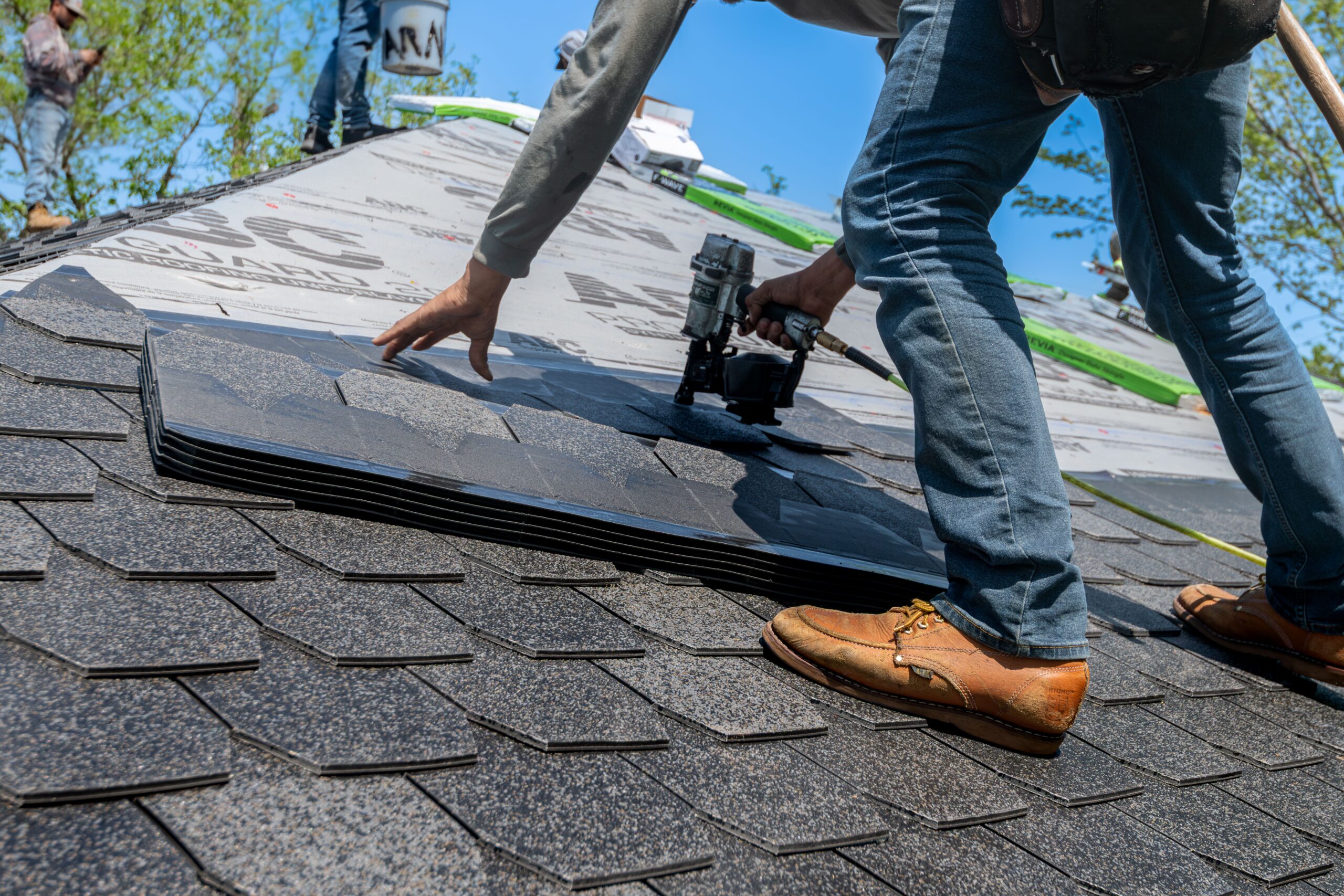
  • Best Home Improvement Services for Increasing Property Value

    Best Home Improvement Services for Increasing Property Value

    Home improvements can make a property more comfortable, attractive, and functional. They can also influence resale appeal. However, not every renovation delivers the same financial benefit. If your goal is to protect or increase property value, choosing the right project matters.

    This guide to the Best Home Improvement Services for Increasing Property Value covers the upgrades that deserve the most attention. It also explains how to balance renovation costs, buyer appeal, maintenance, and potential return on investment.

    Recent remodeling research shows an important trend. Exterior replacement projects continue to perform strongly when measured by resale value. Zonda’s 2025 Cost vs. Value report ranked garage door replacement, steel entry door replacement, manufactured stone veneer, and siding replacement among the strongest projects nationally. A minor kitchen remodel also ranked highly.

    What Home Improvements Add the Most Value?

    The best improvement depends on your property, neighborhood, budget, and reason for renovating. A homeowner planning to sell soon may prioritize curb appeal and visible repairs. Someone staying for many years may focus more on comfort, energy efficiency, and functionality.

    In general, improvements that solve visible problems or improve everyday usability tend to be safer investments than highly personalized renovations.

    Home Improvement Service Primary Benefit Value Potential
    Garage door replacement Curb appeal and function Very strong
    Entry door replacement First impression and security Very strong
    Siding replacement Appearance and protection Strong
    Minor kitchen remodel Function and buyer appeal Strong
    Bathroom update Function and appearance Moderate to strong
    Deck or outdoor living area Usable living space Moderate
    Interior painting Fresh appearance Moderate

    These categories should be treated as general guidance. Actual resale results vary by market and property. Zonda’s research also emphasizes that regional differences can be significant.

    1. Garage Door Replacement

    A garage door occupies a large portion of many home’s front elevations. That makes it one of the first features buyers notice.

    Replacing an old or damaged garage door can improve curb appeal while also addressing functionality. A modern door can give the exterior a cleaner appearance without requiring a major structural renovation.

    Zonda’s 2025 Cost vs. Value report ranked garage door replacement as its number-one project. The report estimated a national job cost of $4,672 and a value at sale of $12,507, representing 267.7% of cost recouped.

    These figures are national averages, not guaranteed returns. Still, they demonstrate why relatively focused exterior upgrades can outperform larger discretionary remodels.

    2. Front Door Replacement

    Your entry door creates an immediate impression. An outdated, damaged, or poorly maintained door can make the entire property look older.

    A new steel entry door can provide a relatively simple visual upgrade. It may also improve weather sealing and everyday functionality.

    Zonda ranked steel door replacement second in its 2025 national Cost vs. Value results. The report listed an average job cost of $2,435 and $5,270 in value at sale, or 216.4% of the investment recouped.

    If your existing door is in good condition, a professional repaint and updated hardware may provide a less expensive alternative.

    3. Exterior Siding Replacement

    Siding protects the home while contributing heavily to curb appeal. Cracked, faded, warped, or deteriorating siding can make a property look neglected.

    Replacing worn siding can improve the appearance of the entire exterior. It may also address maintenance issues that could concern prospective buyers during an inspection.

    Zonda’s 2025 report ranked fiber-cement siding replacement fourth nationally, with a reported 113.7% of cost recouped. Vinyl siding replacement ranked sixth, with 96.5% of cost recouped.

    The best material depends on your climate, existing architecture, maintenance preferences, and neighborhood standards.

    Before choosing a material, consider our exterior home improvement guide for additional planning ideas.

    4. Minor Kitchen Remodeling

    Kitchens remain important to buyers. However, that does not mean a complete luxury kitchen renovation is always the best financial decision.

    A targeted update can often make more sense. Consider replacing outdated appliances, updating cabinet fronts, changing hardware, improving lighting, repainting, or installing a new countertop.

    Zonda’s 2025 Cost vs. Value report ranked a minor kitchen remodel fifth nationally. It reported an average job cost of $28,458 and a value at sale of $32,141, representing 112.9% of cost recouped.

    This supports an important renovation principle: strategic home improvements can be more financially sensible than overbuilding.

    For budgeting help, see our kitchen remodeling cost guide.

    5. Bathroom Remodeling

    Bathrooms receive daily use, so condition matters. Buyers often notice outdated fixtures, poor lighting, damaged surfaces, and inefficient layouts.

    A bathroom update does not always require moving plumbing or rebuilding the entire room. Replacing worn fixtures, improving lighting, updating the vanity, refreshing tile, and repainting can create a noticeable change.

    If a bathroom has functional problems, address those before focusing on decorative features. Water damage, leaks, poor ventilation, and damaged flooring can create larger issues if ignored.

    For homeowners considering a larger project, our bathroom remodeling cost guide can help you plan the major expense categories.

    6. Manufactured Stone Veneer

    Manufactured stone veneer can create a high-end exterior appearance without completely rebuilding the home’s exterior.

    It can be used around entry areas, lower exterior sections, garages, or architectural features. The key is to use it in a way that complements the home’s existing design.

    Zonda ranked manufactured stone veneer third in its 2025 Cost vs. Value report. The national figures showed a $11,702 job cost and $24,328 in value at sale, or 207.9% of cost recouped.

    Because installation quality matters, homeowners should compare experienced contractors and ask how the veneer will be integrated with the existing exterior.

    7. Deck and Outdoor Living Improvements

    Outdoor living space can make a home more enjoyable. A well-designed deck can provide space for relaxing, dining, and entertaining.

    However, the return depends on the home’s location and buyer expectations. A large deck may not be worthwhile if similar homes in the neighborhood do not have one.

    Zonda’s 2025 report placed wood deck additions eighth and composite deck additions ninth among its top 10 projects. It reported 94.9% of cost recouped for wood decks and 88.5% for composite decks.

    Choose materials that fit the climate and expected maintenance level. A practical design can be more appealing than an oversized outdoor structure.

    8. Interior Painting

    Interior painting is one of the simplest ways to refresh a home. It can make rooms feel cleaner and more current.

    Neutral, broadly appealing colors are usually a safer choice when resale is a priority. Strong personal colors can work beautifully for homeowners, but they may require repainting before a sale.

    Preparation is important. Repair holes, cracks, stains, and damaged surfaces before applying new paint. A professional finish can make a modest renovation look significantly more polished.

    Read our house painting cost guide to compare interior and exterior painting expenses.

    9. Flooring Replacement

    Flooring has a major visual impact. Damaged, stained, worn, or mismatched floors can reduce the perceived condition of a property.

    When replacing flooring, focus on durability and consistency. Hardwood, quality engineered wood, tile, and well-selected resilient flooring can all work in different parts of a home.

    Avoid choosing flooring based solely on appearance. Consider moisture, traffic, maintenance, pets, and expected lifespan.

    Our flooring installation cost guide explains material, labor, and preparation expenses.

    10. Energy-Efficient Home Improvements

    Energy efficiency can improve comfort and reduce ongoing household expenses. Potential projects include insulation, efficient heating and cooling systems, air sealing, modern windows, and energy-efficient lighting.

    The financial return depends heavily on the home’s current condition and local utility costs. Therefore, evaluate the expected savings before committing to a major upgrade.

    Start with an energy assessment when possible. It can help identify where the home is losing energy and prevent you from spending money on improvements that have little practical effect.

    Maintenance Improvements Can Protect Property Value

    Not every valuable improvement creates an obvious visual transformation. Preventive maintenance can protect the property’s existing value.

    Roof problems, water leaks, damaged gutters, drainage issues, deteriorating siding, and unsafe electrical conditions should receive attention before cosmetic upgrades.

    A beautiful kitchen cannot compensate for serious maintenance problems. Buyers and inspectors may notice those issues quickly.

    Therefore, the best home improvement services often begin with protecting the structure itself.

    How to Choose Home Improvements Based on ROI

    Start by identifying your goal. Are you preparing to sell? Planning to stay for ten years? Improving a rental property? Each situation requires a different strategy.

    If You Plan to Sell Soon

    Focus on curb appeal, visible maintenance, neutral finishes, and functional improvements. Avoid highly personalized upgrades that may not appeal to a broad group of buyers.

    If You Plan to Stay Long-Term

    Comfort and functionality become more important. You can prioritize projects that make daily life easier, even if the immediate resale return is not the highest.

    If You Have a Limited Budget

    Prioritize small projects with visible results. Fresh paint, updated lighting, improved landscaping, modern hardware, and repaired exterior features can change the appearance of a home without requiring a major renovation.

    How Much Should You Spend on Home Improvements?

    There is no universal renovation budget. Spending should reflect the property’s current value, neighborhood, condition, and your plans for ownership.

    One common mistake is over-improving a property compared with nearby homes. A luxury renovation may look impressive, but the surrounding market may not support the added cost.

    Research comparable homes before beginning a large project. Look at recent sales and the features buyers expect in your area.

    Should You Hire a Professional Home Improvement Contractor?

    Professional installation can be worthwhile for projects involving structural work, electrical systems, plumbing, roofing, siding, or other specialized tasks.

    When comparing contractors, request written estimates. Confirm the scope of work, materials, expected schedule, payment terms, and warranty information.

    Do not choose a contractor based only on the lowest quote. A detailed proposal can reveal differences in preparation, materials, labor, and cleanup.

    Final Thoughts on the Best Home Improvement Services for Increasing Property Value

    The Best Home Improvement Services for Increasing Property Value are not always the largest or most expensive renovations. Current remodeling research suggests that exterior replacement projects can deliver particularly strong resale performance, while targeted interior projects such as minor kitchen remodels can also provide meaningful value.

    Start with the condition of the property. Fix maintenance problems first. Then focus on improvements that strengthen curb appeal, functionality, and buyer appeal.

    Garage doors, entry doors, siding, manufactured stone veneer, minor kitchen upgrades, bathrooms, flooring, painting, and outdoor living areas can all play a role. The right combination depends on your property and local market.

    Most importantly, think beyond resale value. A successful home improvement project should also make the property safer, more comfortable, easier to maintain, or more enjoyable to live in. When you balance those benefits with cost, you can make smarter renovation decisions and protect your home’s long-term appeal.

  • Home Remodeling Contractors: How to Compare & Hire

    Home Remodeling Contractors: How to Compare & Hire

    Choosing the right Home Remodeling Contractors: How to Compare & Hire can make a major difference in the success of your renovation. A skilled contractor can help manage materials, labor, schedules, permits, and subcontractors. The wrong choice can lead to delays, unexpected costs, poor workmanship, and unnecessary stress.Whether you are remodeling a kitchen, bathroom, basement, living room, or entire home, it pays to compare contractors carefully. Price matters, but it should not be the only factor. Experience, communication, insurance, licensing, references, and contract terms are also important.

    This guide explains how to find, compare, interview, and hire home remodeling contractors with confidence. It also covers warning signs, cost questions, contracts, and practical ways to protect your remodeling budget.

    What Does a Home Remodeling Contractor Do?

    A remodeling contractor manages the work needed to improve or change an existing home. Depending on the project, the contractor may handle demolition, framing, flooring, drywall, painting, cabinetry, plumbing, electrical work, and finish installation.

    Some contractors perform most of the work themselves. Others manage a team of subcontractors. A general remodeling contractor may coordinate specialists such as electricians, plumbers, HVAC technicians, roofers, and tile installers.

    The contractor’s role can also include scheduling inspections, ordering materials, coordinating deliveries, and keeping the project moving. For larger renovations, good project management can be just as important as construction skill.

    When Should You Hire a Remodeling Contractor?

    Not every home improvement project requires a contractor. Simple painting, decorating, or minor upgrades may be manageable as DIY projects if you have the required skills.

    However, professional help is often valuable when a project involves structural changes, plumbing, electrical systems, major demolition, permits, or multiple trades.

    A contractor can also be useful when you have limited time. Managing several trades and material deliveries can become a full-time responsibility. An experienced professional can coordinate those tasks for you.

    Before starting, review our home remodeling budget guide to establish a realistic spending plan.

    How to Find Home Remodeling Contractors

    Start by creating a shortlist of contractors who regularly complete projects similar to yours. Recommendations from friends, relatives, neighbors, and other homeowners can be useful.

    Online reviews can provide additional information, but do not rely on ratings alone. Look for patterns in customer feedback. Pay attention to comments about communication, timelines, cleanliness, workmanship, and how the contractor handled problems.

    You can also explore professional directories and consumer resources. The National Association of the Remodeling Industry provides resources for homeowners and remodeling professionals.

    For another useful source, check the National Association of Home Builders for information related to residential construction and remodeling.

    What to Look for in a Remodeling Contractor

    Relevant Experience

    Experience should match your project. A contractor who specializes in bathroom renovations may not be the best choice for a major structural addition.

    Ask how many projects similar to yours the contractor has completed. Request photos of recent work when available. Ask about challenges encountered on similar projects and how they were resolved.

    Licensing and Insurance

    Licensing requirements vary by state and local jurisdiction. Before hiring a contractor, check the requirements where you live.

    Ask for proof of applicable licenses and insurance. Depending on the project, appropriate coverage may include general liability insurance and workers’ compensation coverage.

    You can use the official state consumer resources to locate relevant state agencies and consumer information.

    Strong Communication

    Communication is easy to overlook during the selection process. Yet it can strongly affect your remodeling experience.

    Notice how quickly the contractor responds. Does the contractor answer your questions clearly? Do they explain costs and timelines? Are they willing to put important details in writing?

    A contractor does not need to promise that everything will go perfectly. Instead, they should explain how potential problems will be handled.

    How Many Remodeling Contractors Should You Compare?

    For a significant remodeling project, comparing several contractors is a smart approach. Three detailed proposals can give you a useful view of local pricing and project scope.

    Avoid requesting dozens of quotes simply to find the lowest number. Quality contractors invest time in preparing estimates. A smaller shortlist makes it easier to compare experience, communication, materials, and pricing.

    Make sure each contractor receives the same basic project information. Otherwise, the quotes may not be directly comparable.

    How to Compare Remodeling Contractor Estimates

    The lowest estimate is not automatically the best value. A low bid may exclude important services or use lower-cost materials.

    Review each estimate line by line. Look for labor, materials, demolition, disposal, permits, subcontractors, fixtures, finishes, and cleanup.

    Ask whether the quote is fixed or an estimate. Also ask how changes will be priced if unexpected work becomes necessary.

    Compare the Scope of Work

    The scope should clearly explain what the contractor will do. It should identify the areas being remodeled and the major materials involved.

    For example, a kitchen remodeling quote should ideally specify cabinets, countertops, flooring, backsplash, appliances, plumbing, electrical work, painting, and cleanup when those services are included.

    A detailed scope reduces the chance of disagreements later.

    Compare Material Allowances

    Some contractors use allowances for items that you will select later. These may include tile, lighting, plumbing fixtures, appliances, or countertops.

    Ask how much has been budgeted for each allowance. A quote can look inexpensive when the allowances are unrealistically low.

    Questions to Ask Before Hiring a Contractor

    A contractor interview should go beyond asking, “How much will it cost?” Ask questions that reveal how the project will actually be managed.

    • How long have you been remodeling homes?
    • Have you completed projects like mine?
    • Who will supervise the project?
    • Will you use subcontractors?
    • How are subcontractors selected and managed?
    • What permits will be required?
    • What is your expected project timeline?
    • How will delays be communicated?
    • How are change orders handled?
    • What payment schedule do you require?
    • Do you provide a written warranty?
    • Can you provide recent references?

    The answers can help you identify contractors who are organized and transparent.

    Understanding Home Remodeling Contractor Costs

    Remodeling costs vary greatly based on the project’s size, location, materials, labor, and complexity. A cosmetic room update may cost much less than a whole-home renovation involving structural changes.

    According to Angi, homeowners can spend anywhere from several thousand dollars to well over $100,000 depending on the size and scope of a home remodeling project. ([angi.com](https://www.angi.com/articles/how-much-does-it-cost-remodel-house.htm?utm_source=chatgpt.com))

    For additional planning information, home remodeling cost resources can help you understand common project expenses.

    Do not assume a contractor’s price is simply a labor charge. Your quote may include materials, subcontractors, project management, permits, insurance, transportation, waste removal, and overhead.

    Red Flags to Watch For

    Knowing what to avoid is just as important as knowing what to look for.

    Extremely Low Estimates

    A quote that is dramatically lower than every other proposal deserves careful attention. Ask what is included and whether important costs have been omitted.

    Large Upfront Payments

    Be cautious about contractors who demand an unusually large payment before work begins. Payment rules vary by location, so check local requirements and use a written agreement.

    No Written Contract

    A verbal agreement is not enough for a major renovation. A written contract should describe the scope, price, payment schedule, materials, timeline, and procedures for changes.

    Pressure to Decide Immediately

    Be careful if a contractor pressures you to sign immediately because of a supposedly limited-time offer. A reputable professional should give you reasonable time to review the proposal.

    Unclear Communication

    If a contractor avoids basic questions before the project starts, communication may become even harder after construction begins.

    What Should Be in a Remodeling Contract?

    A strong remodeling contract protects both the homeowner and contractor. It should clearly describe the project and expectations.

    Important items include the contractor’s information, scope of work, materials, estimated schedule, total price, payment terms, change-order process, warranty details, insurance information, and cleanup responsibilities.

    Make sure verbal promises are added to the written agreement. If a feature matters to you, it should appear in the contract.

    For additional guidance, the Federal Trade Commission consumer resources can help homeowners understand broader consumer protection considerations.

    How to Avoid Remodeling Budget Problems

    Even a well-planned renovation can uncover unexpected problems. Older homes may contain outdated wiring, damaged plumbing, moisture issues, or structural concerns.

    Set aside a contingency fund before construction starts. Many homeowners choose to reserve around 10% to 20% of their remodeling budget for unexpected costs, although the appropriate amount depends on the home’s age and project complexity.

    Also separate essential improvements from optional upgrades. If costs increase, you will know which features can be postponed.

    Our home improvement costs guide can also help you organize renovation expenses across different areas of your property.

    How to Make the Final Hiring Decision

    Once you have several proposals, create a simple comparison list. Score each contractor based on experience, scope, price, communication, references, schedule, insurance, and contract quality.

    Then consider overall value. A contractor with a slightly higher quote may be the better choice if the proposal includes better materials, stronger project management, more complete preparation, and clearer warranty terms.

    Trust your judgment. You will spend significant time communicating with the contractor during the renovation. Professionalism and reliability matter.

    Tips for a Successful Remodeling Project

    Once you hire your contractor, keep communication organized. Agree on how often you will receive updates and which method you will use for important decisions.

    Make selections early. Cabinets, tile, appliances, lighting, windows, and specialty fixtures can have long lead times. Delayed selections can slow down construction.

    Keep records of contracts, invoices, change orders, receipts, product selections, and communications. Good documentation can be valuable if questions arise.

    Finally, avoid making unnecessary changes after construction begins. Changes can affect both the schedule and budget. If you need to change something, ask for a written change order before the work is completed.

    Home Remodeling Contractors: Final Takeaways

    Finding the right Home Remodeling Contractors: How to Compare & Hire does not have to be complicated. Start with several qualified candidates. Check relevant experience, licensing, insurance, references, and communication skills.

    Next, compare detailed estimates instead of focusing only on price. Review the scope of work, materials, allowances, labor, permits, and payment schedule. Make sure the final agreement is written and easy to understand.

    Most importantly, choose a contractor based on overall value and trust. A successful remodel depends on good workmanship, clear communication, realistic planning, and careful budget management.

    With the right contractor and a well-defined plan, your remodeling project can be more predictable, organized, and rewarding. Take your time during the hiring process. The effort you make before construction begins can help prevent expensive problems later.

  • How Much Does Home Renovation Cost? Complete Guide

    How Much Does Home Renovation Cost? Complete Guide

    If you are planning a home renovation, one of the first questions you will ask is: how much does home renovation cost? The answer depends on the size of your home, the rooms you renovate, your location, labor rates, permits, and the quality of materials.

    In 2026, a typical whole-house renovation can cost around $19,000 to $88,000, with an average near $52,000 for many projects. However, a small cosmetic update can cost much less, while a major renovation with structural changes can exceed $100,000.

    This complete guide explains the main renovation costs, what affects your budget, how to save money, and how to create a realistic renovation plan before hiring a contractor.

    How Much Does Home Renovation Cost in 2026?

    The cost of renovating a home varies widely. A simple refresh may involve painting, flooring, lighting, and minor repairs. A full renovation may include kitchen and bathroom work, new electrical systems, plumbing, demolition, structural changes, and premium finishes.

    As a general U.S. planning guide, whole-house renovation costs are often estimated at $15 to $60 per square foot. High-end projects can reach $150 or more per square foot. For a 1,600-square-foot home, that means a broad planning range of about $24,000 to $96,000 before considering unusual structural or luxury work.

    These numbers are starting points, not guaranteed quotes. Local labor rates and the condition of your property can change the final price significantly.

    Average Home Renovation Cost by Project

    Not every renovation requires a complete house makeover. Renovating one or two important rooms can be a better way to control your spending.

    Renovation Project Typical Cost Range
    Bedroom $1,500–$5,500
    Living room $5,000–$10,000
    Bathroom $6,500–$28,000
    Kitchen $14,500–$40,500
    Basement $12,000–$35,000
    Attic $4,500–$16,500

    These figures are useful for early planning. Your actual quote can be higher or lower based on room size, layout changes, materials, and local labor costs.

    Kitchen Renovation Cost

    The kitchen is usually one of the most expensive rooms to renovate. It combines cabinets, countertops, appliances, flooring, lighting, plumbing, and electrical work.

    A typical kitchen renovation can cost roughly $14,500 to $40,500. A minor update may cost less, while a high-end kitchen with custom cabinets, premium countertops, new appliances, and layout changes can cost considerably more.

    One effective way to lower your home renovation cost is to keep the existing kitchen layout. Moving sinks, gas lines, electrical connections, and walls can add substantial labor and material expenses.

    Bathroom Renovation Cost

    Bathroom renovations can range from simple cosmetic improvements to complete replacements. A basic update may involve paint, fixtures, lighting, and flooring. A major project may require new plumbing, waterproofing, a shower, bathtub, vanity, tile, and electrical work.

    Current estimates put many bathroom remodels between $6,500 and $28,000. Large or luxury bathrooms can cost even more when plumbing is relocated or premium materials are selected.

    Because bathrooms involve water and electrical systems, professional installation is often important. Cutting corners on waterproofing or electrical work can create expensive problems later.

    What Factors Affect Home Renovation Cost?

    1. Size of the Home

    A larger property usually requires more flooring, paint, cabinets, lighting, labor, and materials. However, size is not the only factor. A smaller home with extensive structural work can cost more than a larger home receiving cosmetic updates.

    2. Location

    Labor and material prices vary by region. Renovations in large metropolitan areas may cost more than similar work in lower-cost markets. Always use local contractor quotes when building your final budget.

    3. Materials and Finishes

    Material selection can dramatically change your total. Standard flooring, stock cabinets, and mid-range fixtures can keep spending under control. Custom cabinetry, natural stone, designer fixtures, and premium appliances can push the budget much higher.

    4. Labor

    Labor is a major part of renovation spending. Current estimates suggest labor can represent roughly 40% to 60% of a remodeling budget. The percentage varies by project and location.

    5. Demolition and Preparation

    Removing old flooring, cabinets, walls, fixtures, or other finishes takes time. Older homes may also require repairs before new materials can be installed.

    6. Permits

    Major renovation work may require building permits. Permit costs vary by location and project scope. Some estimates place typical major-remodel permit costs around $500 to $2,500, although local fees can differ substantially.

    Check local requirements before starting construction. Your contractor can often help identify which permits are needed.

    Renovation Budget by Project Level

    Budget Renovation

    A budget renovation focuses on high-impact improvements without changing the home’s basic structure. You might repaint walls, replace lighting, update flooring, refinish cabinets, and replace selected fixtures.

    This approach works well when the existing layout is functional and major systems are in good condition.

    Mid-Range Renovation

    A mid-range project may include a complete kitchen or bathroom renovation, better flooring, updated lighting, new doors, improved storage, and several cosmetic upgrades.

    This is often a practical balance between appearance, durability, and cost.

    High-End Renovation

    A high-end renovation can involve custom cabinetry, premium stone, luxury fixtures, architectural changes, smart-home features, high-end appliances, and extensive structural work.

    At this level, design choices can have a major effect on the final budget. A detailed scope of work is essential before construction begins.

    Hidden Costs to Include in Your Budget

    One of the biggest renovation mistakes is budgeting only for visible improvements. Unexpected costs can appear once walls, floors, or ceilings are opened.

    Potential additional expenses include:

    • Permit and inspection fees
    • Demolition and disposal
    • Electrical upgrades
    • Plumbing repairs
    • Water damage
    • Mold remediation
    • Structural repairs
    • Temporary accommodation
    • Post-construction cleaning
    • Design and architectural services

    For this reason, many renovation budgeting guides recommend keeping 10% to 20% of the project budget available for unexpected expenses.

    How to Save Money on Home Renovation

    Keep the Existing Layout

    Changing the location of plumbing, electrical connections, doors, or walls can quickly increase labor costs. Keeping the current layout can help you spend more on finishes that matter.

    Choose Mid-Range Materials

    The cheapest materials are not always the best value. Mid-range products often provide a useful balance between price, durability, and appearance.

    Refinish Instead of Replace

    If cabinets, floors, doors, or other features are structurally sound, refinishing them may cost less than complete replacement.

    Get Multiple Quotes

    Request detailed estimates from at least three qualified contractors. Do not compare only the final price. Compare the scope, materials, labor, warranties, payment schedule, and exclusions.

    A low quote can become expensive if important work is left out. A detailed quote makes it easier to compare contractors fairly.

    Prioritize the Most Important Projects

    Make two lists: must-have improvements and nice-to-have upgrades. Complete essential repairs first. You can add cosmetic improvements later if your budget allows.

    Should You Renovate the Whole House at Once?

    Renovating everything at once can create a consistent design and may reduce repeated preparation work. However, it also requires a larger upfront budget and can make the home difficult to use during construction.

    A phased renovation may be better if your budget is limited. Start with areas that have safety, functional, or maintenance issues. Then move toward cosmetic upgrades.

    For more planning ideas, use this home renovation checklist before you begin.

    How to Create a Realistic Renovation Budget

    Start by deciding what you want the renovation to accomplish. Then divide your plan into categories such as demolition, labor, materials, permits, appliances, fixtures, and cleanup.

    Next, research local prices and request itemized contractor estimates. Add your contingency fund after calculating the expected project cost.

    For example, if your renovation estimate is $50,000, a 10% to 20% contingency would add another $5,000 to $10,000. That gives you a potential working budget of $55,000 to $60,000.

    For another useful budgeting reference, review this home renovation cost estimator guide.

    Does Home Renovation Increase Property Value?

    Renovation can improve comfort, functionality, appearance, and market appeal. However, not every project produces the same financial return.

    Before spending heavily, consider the value of similar homes in your neighborhood. A very expensive renovation may not deliver the same return if nearby properties have much lower values.

    Kitchen and bathroom improvements are often popular because they combine everyday usefulness with visual appeal. Still, the best renovation is usually one that solves a genuine problem while staying appropriate for the property.

    Frequently Asked Questions

    What is the average cost of renovating a house?

    Current U.S. estimates put the average whole-house renovation near $52,000, although typical projects can range from about $19,000 to $88,000. Larger or more complex renovations can cost much more.

    How much does a 1,500-square-foot home renovation cost?

    Using a broad planning range of $15 to $60 per square foot, a 1,500-square-foot renovation could fall around $22,500 to $90,000. Local labor rates, materials, and project complexity can move the final cost outside that range.

    Is it cheaper to renovate one room at a time?

    It can be easier on your cash flow, but it is not always cheaper overall. Some projects may benefit from completing related work together. Compare both approaches with contractor estimates.

    How much should I keep for unexpected renovation costs?

    A 10% to 20% contingency fund is a common planning guideline. Older homes may deserve a larger reserve because hidden electrical, plumbing, water, or structural problems can appear during construction.

    Final Thoughts on Home Renovation Cost

    So, how much does home renovation cost? There is no single answer. A modest project may cost only a few thousand dollars, while a full renovation can reach tens or hundreds of thousands of dollars.

    The most reliable approach is to define your scope, research local prices, compare detailed quotes, and maintain a contingency fund. Focus your spending on improvements that make your home safer, more functional, and more comfortable.

    Most importantly, do not choose a contractor based on price alone. Look at experience, references, insurance, licensing requirements, contract details, and the exact work included in the quote.

    With careful planning, a realistic budget, and clear priorities, your renovation can become a valuable long-term investment rather than an unexpected financial burden.

    Related resource: Learn more about how to plan a home remodeling project before requesting contractor quotes.