Tag: Home Insulation Cost
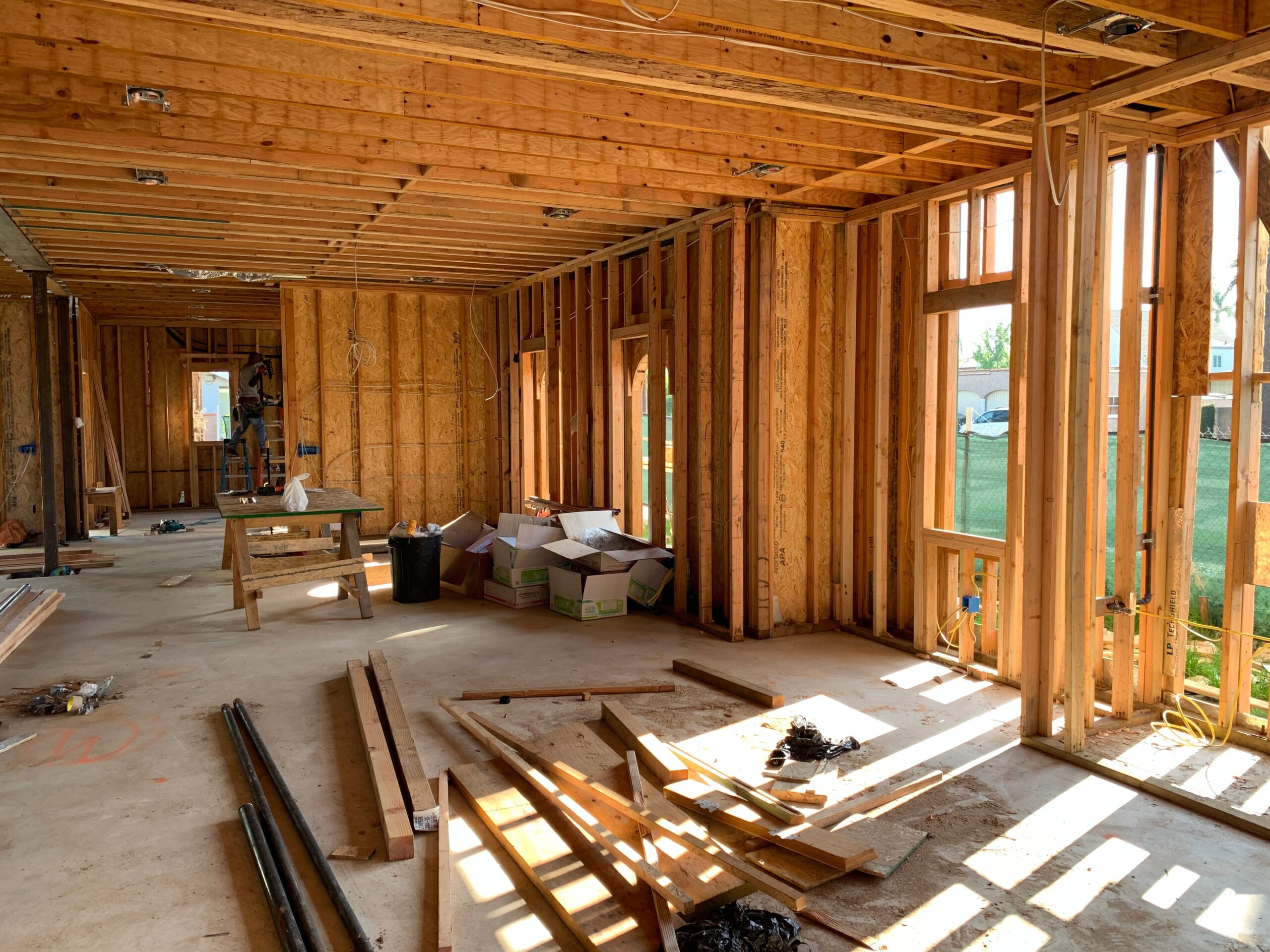
  • Home Insulation Cost: Installation, Savings & Benefits

    Home Insulation Cost: Installation, Savings & Benefits

    Understanding Home Insulation Cost: Installation, Savings & Benefits can help homeowners plan a smarter home improvement project. Proper insulation can make indoor spaces more comfortable. It can also reduce unwanted heat transfer and help heating and cooling systems work more efficiently.

    However, insulation is not a one-size-fits-all upgrade. The total cost depends on the area being insulated, the type of material, the required R-value, labor, accessibility, and the condition of the existing insulation.

    In this guide, you will learn what affects home insulation cost, which insulation types are available, how installation works, where insulation matters most, and how to evaluate potential energy savings.

    How Much Does Home Insulation Cost?

    Home insulation costs vary significantly from one property to another. A small attic project may cost much less than insulating an entire house. Wall cavities, crawl spaces, basements, and difficult-to-access areas can also change the final price.

    For this reason, online cost averages should be treated as planning figures rather than guaranteed prices. A professional estimate should account for your home’s size, construction, existing insulation, climate, and project requirements.

    Main Factors That Affect Home Insulation Cost

    • Area size: Larger spaces require more insulation material and labor.
    • Insulation type: Fiberglass, cellulose, mineral wool, rigid foam, and spray foam have different costs.
    • R-value: Higher thermal resistance may require more material or a different product.
    • Accessibility: Tight crawl spaces and difficult attic areas can increase labor costs.
    • Existing insulation: Removal may add to the project cost when old material is damaged or contaminated.
    • Air sealing: Sealing gaps and penetrations may be recommended before adding insulation.
    • Home location: Local labor rates and climate requirements affect material choices and pricing.

    The U.S. Department of Energy insulation guidance explains that insulation needs can vary by climate zone and that R-value is an important part of insulation performance.

    What Is R-Value and Why Does It Matter?

    R-value measures an insulation material’s resistance to heat flow. In general, a higher R-value means greater resistance to heat transfer.

    The right R-value depends on factors such as climate, the part of the house being insulated, and the home’s construction. Adding more insulation is not always as simple as choosing the highest number available.

    Proper installation matters too. Gaps, compression, moisture problems, and air leaks can reduce the expected performance of an insulation system.

    Before buying materials, check local building requirements and use climate-specific recommendations. The ENERGY STAR insulation and air-sealing guide provides useful information for homeowners planning an insulation project.

    Types of Home Insulation

    Different insulation materials are designed for different applications. The best choice depends on the location, budget, desired performance, and installation method.

    Fiberglass Insulation

    Fiberglass is one of the most common insulation materials. It is available in batts, rolls, and loose-fill products.

    Fiberglass can be a cost-effective option for attics, walls, floors, and other suitable areas. It is also widely available, which can make it easier to source.

    Cellulose Insulation

    Cellulose is commonly made from recycled paper fibers and is often installed as loose-fill material. It can work well in attics and wall cavities when installed correctly.

    Blown-in cellulose can fill irregular spaces more easily than some batt products. Professional installation can help ensure consistent coverage.

    Mineral Wool Insulation

    Mineral wool is made from mineral-based fibers. It can provide thermal insulation and is also valued for its fire-resistance characteristics.

    It is available in batt and board products for different building applications.

    Rigid Foam Insulation

    Rigid foam comes in board form and can provide relatively high insulation performance for its thickness. It is commonly used in certain wall, foundation, and specialty applications.

    Installation details are important because joints and edges must be handled correctly to create an effective thermal and air barrier.

    Spray Foam Insulation

    Spray foam expands after application and can fill gaps and irregular areas. Depending on the product, it can also contribute to air sealing.

    Because application involves specialized materials and equipment, spray foam installation may be best handled by trained professionals. The Department of Energy insulation resource provides additional information about common insulation materials and applications.

    Where Should You Add Insulation?

    Not every part of a home needs the same insulation strategy. Prioritizing the right locations can help you get more value from your budget.

    Attic Insulation

    The attic is often an important place to evaluate. Heat can move through an under-insulated attic, increasing the workload on heating and cooling equipment.

    ENERGY STAR recommends checking attic insulation levels and addressing air leaks before adding insulation. Its guidance notes that insulation at or below the level of the attic floor joists can indicate that more insulation may be needed.

    A well-insulated attic can improve comfort and help reduce energy waste. It can also be one of the more accessible insulation projects in an existing home.

    Wall Insulation

    Wall insulation can be more complicated because finished walls may need to remain intact. In some older homes, contractors can use specialized methods to add insulation to existing wall cavities.

    If you are already planning exterior renovations, such as new siding, additional wall insulation may be easier to incorporate into the project.

    Basement and Crawl Space Insulation

    Basements and crawl spaces can contribute to uncomfortable floors and temperature differences. The appropriate insulation method depends on whether the area is conditioned, ventilated, damp, or exposed to outdoor air.

    Moisture should be addressed before insulation is installed. Adding insulation without solving a water problem can create longer-term building issues.

    Floor Insulation

    Floors above unconditioned spaces can benefit from insulation. This may help reduce heat transfer and improve comfort in rooms located above garages, crawl spaces, or other unconditioned areas.

    Insulation Installation Process

    A professional insulation project usually begins with an inspection. The contractor evaluates existing insulation, air leakage, moisture conditions, access points, and areas that may need improvement.

    Step 1: Inspect the Home

    The contractor identifies areas with insufficient insulation or visible gaps. Attics, walls, floors, crawl spaces, and basements may be evaluated.

    Step 2: Address Air Leaks

    Air sealing can be an important part of the project. Small openings around wiring, plumbing, ducts, and other penetrations can allow conditioned air to escape.

    ENERGY STAR estimates that air sealing a home and adding insulation in key areas can produce average savings of about 15% on heating and cooling costs, or about 11% of total energy costs in typical existing U.S. homes. Actual savings vary by home and climate.

    Step 3: Install the Insulation

    The selected insulation is installed according to the requirements of the space and product. Proper coverage is important. Gaps and compression can reduce performance.

    Step 4: Inspect the Finished Work

    The completed project should be checked for consistent coverage and appropriate ventilation. In an attic, insulation should not block required ventilation pathways.

    Benefits of Home Insulation

    Lower Heating and Cooling Costs

    One of the main reasons homeowners invest in insulation is energy efficiency. Better insulation can reduce heat transfer, which may decrease the amount of heating or cooling needed.

    Energy savings vary widely. Climate, home size, existing insulation, air leakage, equipment efficiency, and occupant behavior all influence the result.

    Improved Indoor Comfort

    Insulation can help reduce temperature differences between rooms. It may also help make floors, walls, and ceilings feel more comfortable.

    Reduced Drafts

    Insulation works best as part of a complete building-envelope strategy. Combining insulation with appropriate air sealing can help reduce drafts.

    Noise Reduction

    Some insulation materials can also help reduce sound transmission between rooms or from outside sources. The amount of noise reduction depends on the material and the overall wall, ceiling, or floor assembly.

    Potential Home Value Benefits

    Energy-efficient improvements can make a home more attractive to some buyers. However, insulation should be viewed primarily as a comfort and efficiency improvement rather than a guaranteed increase in resale value.

    How Much Can You Save With Home Insulation?

    There is no universal savings figure. A poorly insulated home may have more opportunities for improvement than a newer home that already meets modern efficiency standards.

    ENERGY STAR reports an average potential reduction of 15% in heating and cooling costs from cost-effective air sealing and insulation improvements in typical existing U.S. homes. The modeled savings vary by climate zone, with different results in heating-dominated and cooling-dominated regions.

    This means homeowners should avoid promises of a specific monthly savings amount. Instead, consider an energy assessment or professional evaluation before making a major investment.

    How to Reduce Your Home Insulation Cost

    There are several ways to control project expenses without choosing a low-quality installation.

    Prioritize High-Impact Areas

    If your budget is limited, start with areas that have clear insulation deficiencies. An attic with very little insulation may be a higher priority than a wall system that already performs reasonably well.

    Get Multiple Estimates

    Request detailed estimates from several qualified contractors. Each quote should explain the material, R-value, coverage area, labor, air sealing, removal work, and cleanup.

    Check Rebates and Incentives

    Some utilities and government programs may offer rebates or incentives for qualifying energy improvements. Eligibility changes by location and program.

    ENERGY STAR recommends checking local utility programs and available incentives before starting insulation work.

    Consider a Professional Energy Assessment

    An energy assessment can help identify where your home is losing energy. This can prevent you from spending your entire budget on an improvement that is not the home’s highest priority.

    You can also review our home energy efficiency guide for additional ways to improve household performance.

    DIY Insulation vs. Professional Installation

    Some homeowners may be able to handle basic insulation projects. However, the work must be appropriate for the material and location.

    Professional installation can be a better choice for difficult attic spaces, wall cavities, spray foam, moisture-prone areas, or projects involving complicated building details.

    Safety is also important. Some insulation products require protective equipment and careful handling. Electrical wiring, recessed lights, ventilation systems, and other building components may require special attention.

    ENERGY STAR provides a DIY guide to sealing and insulating that explains basic considerations for homeowners.

    Questions to Ask an Insulation Contractor

    Before hiring a contractor, ask these questions:

    • Which areas of my home need more insulation?
    • What insulation material do you recommend?
    • What R-value will you install?
    • Will you perform air sealing before insulation?
    • Will existing insulation need to be removed?
    • How will attic ventilation be protected?
    • Is labor included in the estimate?
    • Does the work include a warranty?
    • Are permits or inspections required?
    • Are local rebates available for this project?

    Get the answers in writing whenever possible. A detailed quote makes it easier to compare contractors based on the complete scope of work rather than price alone.

    Final Thoughts on Home Insulation Cost: Installation, Savings & Benefits

    Understanding Home Insulation Cost: Installation, Savings & Benefits can help homeowners make a better investment decision. Insulation prices depend on the size of the project, material, R-value, labor, accessibility, existing conditions, and location.

    Attic insulation is often a practical starting point. However, walls, floors, basements, and crawl spaces may also need attention. Air sealing is another important part of the process because insulation cannot fully compensate for major air leaks.

    The potential benefits include improved comfort, reduced heat transfer, lower heating and cooling costs, and better overall energy efficiency. ENERGY STAR estimates that cost-effective air sealing and insulation improvements can produce meaningful average energy savings, but actual results vary from one home to another.

    Before starting, compare detailed estimates, check available incentives, and choose insulation that suits your home’s climate and construction. Most importantly, prioritize proper installation. A well-planned insulation system can provide comfort and energy benefits for many years.