Tag: Home Appliances
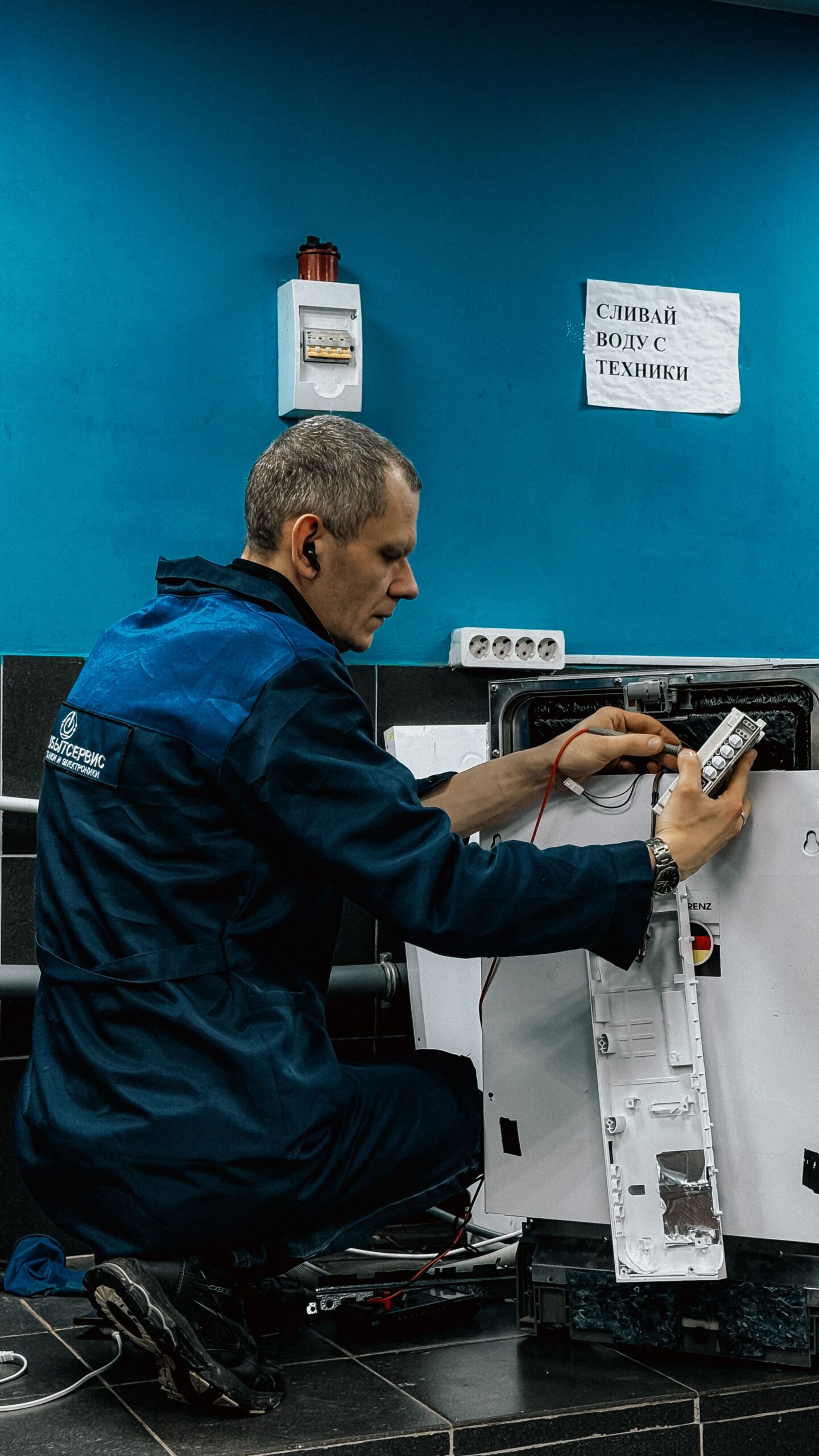
  • Appliance Repair Services: Pricing, Benefits & Tips

    Appliance Repair Services: Pricing, Benefits & Tips

    When a refrigerator stops cooling, a washing machine starts leaking, or an oven refuses to heat, getting the problem fixed quickly matters. In many cases, Appliance Repair Services: Pricing, Benefits & Tips can help homeowners restore essential appliances without the cost of buying new ones.

    Professional appliance repair can also save time, reduce waste, and extend the useful life of expensive household equipment. However, repair costs can vary based on the appliance, problem, replacement parts, labor rates, and location. Knowing what to expect can make the repair process easier.

    This guide explains how appliance repair services work, how much repairs may cost, the main benefits of professional repairs, and practical tips for choosing a reliable technician.

    What Are Appliance Repair Services?

    Appliance repair services are professional services that diagnose and fix problems with household appliances. Common appliances include refrigerators, freezers, washing machines, dryers, dishwashers, ovens, ranges, cooktops, and microwaves.

    A qualified technician usually begins with an inspection. The technician identifies the source of the problem and explains the recommended repair. Depending on the issue, the service may involve cleaning, adjusting, replacing a component, or repairing an electrical or mechanical part.

    For homeowners, the goal is simple: restore the appliance safely and efficiently while avoiding unnecessary replacement costs.

    How Much Do Appliance Repair Services Cost?

    One of the most common questions homeowners ask is how much an appliance repair will cost. There is no single price for every repair. The final amount depends on several factors.

    Typical Appliance Repair Pricing Factors

    • Diagnostic fee: Some companies charge a fee to inspect and identify the problem.
    • Labor: Labor rates vary by technician, location, repair complexity, and service time.
    • Replacement parts: Genuine or high-quality replacement parts can increase the total price.
    • Appliance type: Some appliances require more specialized knowledge than others.
    • Emergency service: Same-day, weekend, or after-hours appointments may cost more.
    • Accessibility: Difficult-to-reach appliances can require additional time and effort.

    For example, a simple component replacement may be relatively inexpensive. A major refrigerator cooling problem or complex electronic fault may cost considerably more. Therefore, it is better to request a written estimate instead of relying on a general price range.

    Before approving work, ask whether the estimate includes labor, parts, diagnostic fees, service charges, and taxes. This can help prevent unexpected costs.

    When Should You Repair an Appliance?

    Repair is often worth considering when the appliance is relatively new, the problem is limited, and the expected repair cost is reasonable compared with replacement.

    The appliance’s age also matters. An older appliance may have several worn components. In that situation, spending money on one repair may not be the best long-term decision.

    Consider the appliance’s condition, repair history, energy efficiency, and replacement price. You can also compare the repair estimate with the cost of a new model before making a decision.

    For energy-related information when comparing older and newer appliances, ENERGY STAR appliance efficiency information can be a useful reference.

    Benefits of Professional Appliance Repair

    1. Save Money

    Repairing a faulty appliance can cost less than replacing it. A technician may be able to replace one failed component instead of requiring you to purchase an entirely new appliance.

    This is particularly helpful when the appliance is otherwise in good condition. A professional diagnosis can also prevent you from replacing an appliance because of a problem that has a relatively simple solution.

    2. Extend Appliance Life

    Regular maintenance and timely repairs can help appliances remain functional for longer. Small problems can become larger when they are ignored.

    A noisy dryer, slow-draining dishwasher, or refrigerator that struggles to maintain temperature may need attention before the issue becomes more expensive.

    Our guide to appliance maintenance tips can help homeowners develop simple maintenance habits.

    3. Improve Convenience

    Household appliances play an important role in everyday routines. A broken washing machine or refrigerator can quickly disrupt a family’s schedule.

    Professional repair can restore normal operation without requiring you to spend time researching, transporting, and installing a replacement appliance.

    4. Reduce Waste

    Repairing appliances can also reduce unnecessary disposal. Keeping a working appliance in service longer may help reduce the amount of equipment sent to landfills.

    However, repair should always be performed safely. Appliances with electrical, gas, heating, or refrigerant-related problems may require professional attention.

    For additional household appliance safety information, visit the U.S. Consumer Product Safety Commission appliance safety resources.

    5. Professional Diagnosis

    Modern appliances can contain sensors, electronic controls, motors, pumps, heating elements, and other specialized components. Guessing the cause of a failure can lead to unnecessary part purchases.

    A trained technician can use diagnostic methods to identify the likely source of the problem before completing the repair.

    Common Appliance Problems That Need Repair

    Different appliances develop different problems. Some of the most common service calls involve basic performance issues.

    Refrigerator Problems

    Refrigerators may stop cooling properly, develop excessive frost, make unusual noises, leak water, or experience problems with doors and seals.

    A refrigerator that is not maintaining a safe temperature should receive prompt attention because food can spoil when temperatures rise.

    Washing Machine Problems

    Common washing machine issues include failure to drain, excessive vibration, water leaks, unusual sounds, and problems starting a cycle.

    Simple maintenance, such as checking hoses and cleaning accessible filters when recommended by the manufacturer, may help prevent certain problems.

    Dryer Problems

    Dryers may take too long to dry clothes, stop heating, make unusual noises, or shut off unexpectedly. Restricted airflow can also affect dryer performance.

    Because dryers generate heat, unusual smells, overheating, or electrical problems should not be ignored.

    Dishwasher Problems

    A dishwasher may fail to drain, leave dishes dirty, leak water, produce unusual sounds, or fail to heat water correctly.

    Cleaning filters and following the manufacturer’s maintenance instructions can help support normal performance.

    Oven and Range Problems

    Ovens may experience uneven heating, temperature problems, faulty controls, or heating-element issues. Gas appliances require extra caution because fuel and combustion are involved.

    If you suspect a gas leak or another immediate safety issue, leave the area and contact the appropriate emergency or utility service rather than attempting a DIY repair.

    DIY Repair vs. Professional Appliance Repair

    Not every appliance problem requires a technician. Basic maintenance tasks can often be handled by homeowners when the manufacturer’s instructions allow it.

    Examples may include cleaning removable filters, checking that an appliance is receiving power, inspecting accessible hoses for visible issues, or cleaning around an appliance.

    However, opening an appliance can expose you to electrical components, moving parts, sharp edges, heat, gas, or other hazards. Complex repairs should be handled by a qualified professional.

    If an appliance is under warranty, check the warranty terms before attempting repairs. Unauthorized work may affect warranty coverage.

    For more practical guidance, see our DIY vs. professional appliance repair guide.

    How to Choose the Right Appliance Repair Company

    Choosing a repair company should involve more than comparing the cheapest advertised price. A reliable provider should offer clear information about its services, pricing, availability, and repair process.

    Check Experience and Specialization

    Look for technicians who regularly work with your appliance type and brand. Experience can be especially important for modern appliances with complex electronic controls.

    Ask About Pricing

    Ask whether the company charges a diagnostic fee. Also ask how labor and replacement parts are priced. A clear estimate can make it easier to compare providers.

    Review Warranty Information

    Ask whether the repair and replacement parts come with a warranty. Written warranty information is preferable to vague promises.

    Read Recent Reviews

    Customer reviews can provide useful information about punctuality, communication, workmanship, and customer service. Look for consistent patterns rather than focusing on one extremely positive or negative review.

    Confirm Credentials When Relevant

    Depending on your location and the type of appliance, certain repairs may require specific qualifications or licensing. This is especially important for gas-related or specialized electrical work.

    Tips for Saving Money on Appliance Repairs

    There are several practical ways to manage repair expenses.

    • Compare estimates from reputable repair providers.
    • Ask about diagnostic and service-call fees before booking.
    • Describe the symptoms accurately when scheduling service.
    • Keep model and serial number information available.
    • Follow the manufacturer’s recommended maintenance schedule.
    • Address minor performance problems before they become major failures.
    • Ask whether the repair includes a parts or labor warranty.
    • Check whether the appliance is still covered by a manufacturer warranty.

    It can also help to keep records of previous repairs. A repair history gives technicians useful background information and helps you identify appliances that may be reaching the end of their practical service life.

    Questions to Ask Before Booking Appliance Repair

    Before scheduling an appointment, consider asking these questions:

    • What is the diagnostic or service-call fee?
    • Is the fee applied toward the final repair cost?
    • Do you repair my specific appliance brand and model?
    • Are replacement parts included in the estimate?
    • Do you provide a repair warranty?
    • How soon can a technician visit?
    • Will I receive an estimate before the repair begins?

    Clear answers can help you compare companies and avoid misunderstandings.

    How to Prevent Future Appliance Problems

    Prevention is one of the easiest ways to reduce unexpected repair bills. Start by following the manufacturer’s care instructions. Avoid overloading washing machines and dryers. Clean filters as recommended. Keep refrigerator vents clear and inspect accessible seals periodically.

    Do not ignore unusual sounds, smells, leaks, or performance changes. These signs do not always mean a major failure, but they can indicate that an appliance needs attention.

    You can also explore our home appliance buying guide when it is time to compare replacement options.

    Final Thoughts on Appliance Repair Services: Pricing, Benefits & Tips

    Understanding Appliance Repair Services: Pricing, Benefits & Tips can help homeowners make better decisions when an essential appliance stops working. Repair costs depend on the appliance, diagnosis, parts, labor, and location, so a personalized estimate is usually the most reliable way to determine the final price.

    Professional repair can provide several benefits. It may save money, extend appliance life, reduce waste, and restore convenience. At the same time, not every appliance should be repaired. Age, condition, energy efficiency, repair history, and replacement cost should all be considered.

    The best approach is to act early, compare reputable service providers, ask for transparent pricing, and avoid repairs that create safety risks. With proper maintenance and timely professional service, many household appliances can continue working reliably for years.