Tag: Email Security

  • Top Cyber Security Solutions for Businesses: Protect Against

    Top Cyber Security Solutions for Businesses: Protect Against

    Cyber threats are becoming more complex every year. Businesses of every size now depend on cloud platforms, remote workers, mobile devices, and online applications. This creates more opportunities for attackers.

    Choosing the Top Cyber Security Solutions for Businesses: Protect Against Online Threats is therefore more than an IT decision. It is a business decision that can protect customer information, financial records, employee accounts, and business operations.

    A strong cybersecurity strategy does not rely on one product. It combines several layers of protection. These may include endpoint security, network protection, identity management, cloud security, email protection, backup systems, and employee training.

    Why Businesses Need Strong Cyber Security Solutions

    Cyberattacks can affect businesses in many ways. An attacker may steal sensitive information, lock important files, compromise an employee account, or disrupt business operations.

    Small businesses are not immune. In fact, limited IT resources can make smaller organizations attractive targets. A single compromised password can sometimes provide access to email, cloud storage, customer data, or financial systems.

    The right cybersecurity tools can reduce these risks. They can also help businesses detect suspicious activity before it becomes a serious incident.

    Businesses should also follow recognized security frameworks. The NIST Cybersecurity Framework provides a useful structure for identifying, protecting, detecting, responding to, and recovering from cybersecurity risks.

    What Are the Top Cyber Security Solutions for Businesses?

    The best approach is usually a layered security strategy. Different technologies protect different parts of a business environment.

    1. Endpoint Security and Antivirus Protection

    Computers, laptops, and mobile devices are common entry points for cyberattacks. Endpoint security software helps protect these devices from malware, ransomware, malicious applications, and suspicious activity.

    Modern endpoint protection can do more than traditional antivirus software. Many solutions use behavioral analysis and threat detection to identify unusual activity.

    Businesses should consider endpoint security for company-owned devices as well as approved remote-work devices. Centralized management is also valuable because administrators can monitor security status from one dashboard.

    2. Firewall and Network Security

    A firewall helps control network traffic. It can block unauthorized connections while allowing legitimate business communication.

    For organizations with multiple offices or remote employees, network security may also include secure gateways, intrusion prevention, and virtual private network technology.

    Businesses should review firewall rules regularly. Outdated configurations can create unnecessary security gaps.

    3. Identity and Access Management

    Passwords alone are no longer enough for many business systems. Identity and access management helps organizations control who can access specific applications and data.

    Multi-factor authentication is one of the most important security controls businesses can adopt. It adds another verification step after the password.

    Businesses should also use the principle of least privilege. Employees should receive only the access they need to perform their jobs. This can limit the damage caused by a compromised account.

    4. Cloud Security

    Cloud services are now central to many modern businesses. Companies use cloud platforms for email, file storage, customer management, accounting, communication, and software development.

    Cloud security helps protect these services from unauthorized access and configuration errors. Businesses should review user permissions, authentication settings, data access policies, and security logs.

    For organizations using Microsoft cloud services, Microsoft Security solutions provide tools for identity, endpoint, cloud, and threat protection.

    5. Email Security

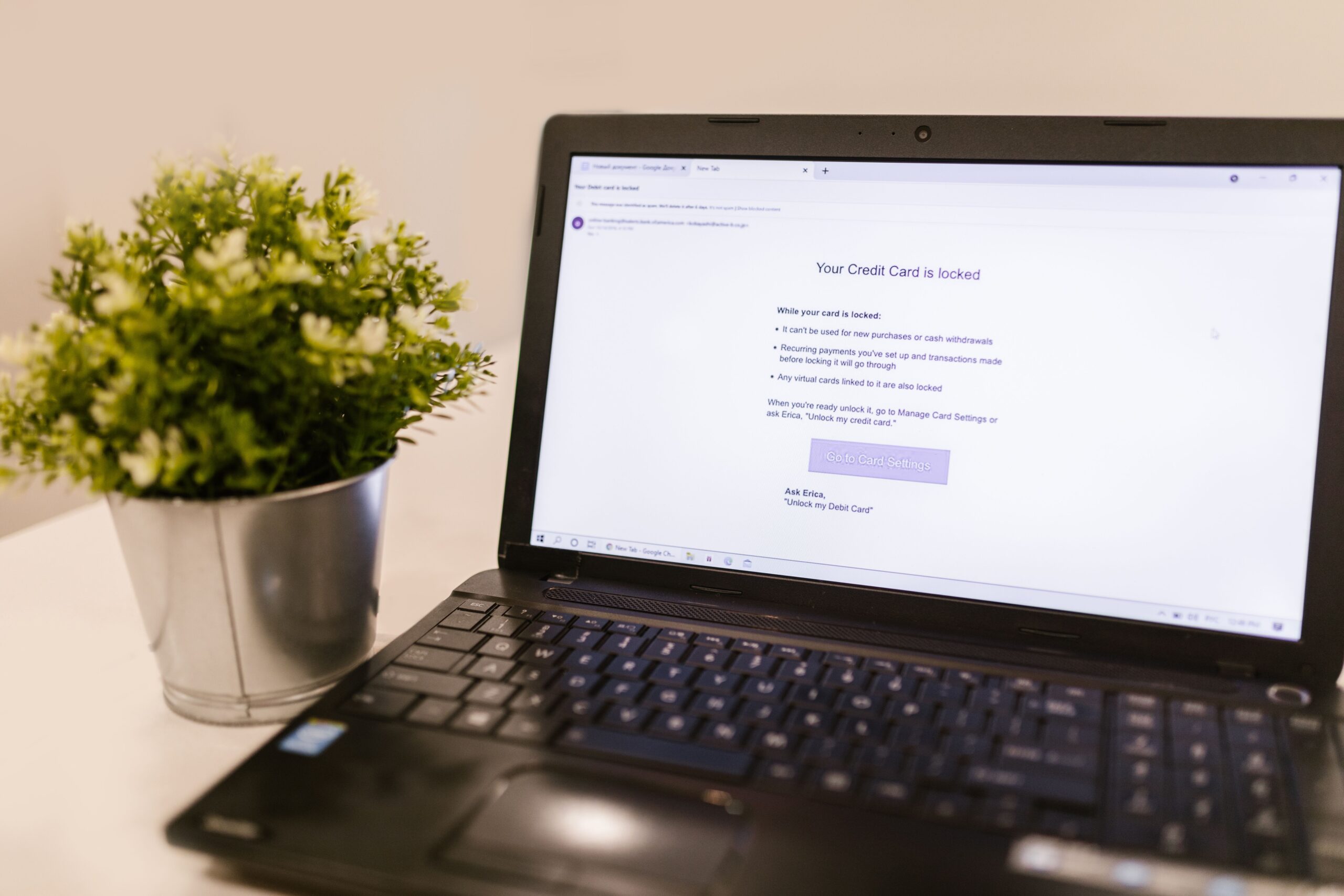
    Email remains a major target for cybercriminals. Phishing messages can trick employees into revealing passwords, opening harmful attachments, or sending confidential information.

    Strong email security can filter suspicious messages before they reach employees. However, technology should be combined with employee awareness training.

    Employees should learn how to identify suspicious links, unexpected attachments, urgent payment requests, and unusual login notifications.

    6. Data Backup and Recovery

    Cybersecurity is not only about preventing attacks. Businesses also need a recovery plan.

    Regular backups can help organizations restore important information after accidental deletion, hardware failure, or a security incident. Backups should be protected from unauthorized access and tested regularly.

    A backup that has never been tested may not work when it is needed. Businesses should therefore verify that important files and systems can be restored.

    How to Choose the Right Cyber Security Solution

    There is no single cybersecurity product that is perfect for every organization. The right solution depends on business size, industry, technology, budget, and risk level.

    Start by identifying the most valuable business assets. These may include customer information, payment data, intellectual property, employee records, and business applications.

    Next, identify how employees access those assets. Consider office computers, personal devices, cloud applications, remote connections, and third-party services.

    Then evaluate the security controls already in place. This makes it easier to identify gaps instead of paying for unnecessary tools.

    Businesses should also compare pricing carefully. Some cybersecurity providers charge per user, while others charge per device, workload, or service level.

    Look for Centralized Security Management

    Managing several disconnected security products can become difficult. A centralized security platform can make monitoring and reporting easier.

    Look for solutions that provide clear alerts, automated updates, reporting tools, access controls, and integration with existing business systems.

    Consider Managed Cyber Security Services

    Not every company has a dedicated security team. A managed security service provider can help businesses monitor threats, manage security tools, and respond to suspicious activity.

    This can be especially useful for small and medium-sized businesses with limited internal IT resources.

    Before selecting a provider, review its service scope, response process, support availability, security certifications, contract terms, and pricing structure.

    Cyber Security Best Practices for Businesses

    Technology works best when it is supported by good security practices. Businesses should create clear policies for passwords, access control, software updates, data handling, and remote work.

    Regular software updates are important because security patches can fix known vulnerabilities. Businesses should also remove unused accounts and applications.

    Employee training is another essential layer. A well-trained employee is more likely to recognize a suspicious request before clicking a dangerous link.

    Organizations can use the CISA cybersecurity resources to learn more about security awareness, risk management, and protection strategies.

    Common Cybersecurity Mistakes to Avoid

    One common mistake is relying only on antivirus software. Antivirus protection is valuable, but modern business security requires multiple layers.

    Another mistake is using weak or reused passwords. Employees should use strong, unique credentials and multi-factor authentication wherever possible.

    Ignoring software updates is another risk. Attackers can target known vulnerabilities in outdated applications and operating systems.

    Businesses should also avoid giving every employee administrator-level access. Excessive permissions can increase the potential impact of a compromised account.

    Building a Practical Cyber Security Strategy

    A practical strategy can begin with a simple security assessment. List the company’s devices, applications, users, cloud services, and important data.

    Next, prioritize the most important risks. A business does not need to solve every cybersecurity problem at the same time. Focus first on controls that can significantly reduce common threats.

    A basic security strategy may include:

    • Multi-factor authentication for important accounts.
    • Endpoint protection for company devices.
    • Firewall and network security controls.
    • Regular data backups and recovery testing.
    • Email and phishing protection.
    • Employee cybersecurity training.
    • Regular software and security updates.
    • Incident response planning.

    Businesses can also review their cybersecurity maturity regularly. As the organization grows, its security requirements will change.

    Cyber Security Solutions and Business Growth

    Security should support growth rather than slow it down. A secure business can build greater confidence with customers, employees, and business partners.

    Strong cybersecurity can also support compliance requirements in industries that handle sensitive information. Depending on the organization, these requirements may involve privacy, financial data, healthcare information, or payment systems.

    For businesses that operate online, cybersecurity is especially important. An online business may depend on websites, payment platforms, cloud applications, advertising accounts, and customer databases. Protecting these systems helps maintain business continuity.

    Whether a company runs an affiliate marketing website, a software company, an online store, or a traditional service business, security should be part of the long-term operating strategy.

    Final Thoughts

    The Top Cyber Security Solutions for Businesses: Protect Against Online Threats are not limited to one software package. Effective protection comes from combining technology, employee awareness, access controls, monitoring, backups, and clear security policies.

    Start with the basics. Protect user accounts with multi-factor authentication. Secure endpoints. Update software. Back up important information. Train employees. Then add advanced security controls as the organization grows.

    Businesses should also review their security strategy regularly. Cyber threats continue to evolve, so security practices must evolve with them.

    If you are building a broader digital business strategy, explore our Cyber Security Guide and Business Technology Resources for related topics.

    Choosing the right cybersecurity approach can reduce risk, protect valuable information, and create a stronger foundation for sustainable business growth.

  • Phishing Attacks Explained: How to Detect and Prevent Them

    Phishing Attacks Explained: How to Detect and Prevent Them

    Phishing Attacks Explained: How to Detect and Prevent Them is an essential topic for anyone who uses email, social media, online banking, cloud services, or business applications. Phishing is one of the most common forms of cybercrime. It relies on deception rather than advanced technical exploits. An attacker tries to convince a person to reveal information, open a harmful file, transfer money, or take another unsafe action.

    Phishing attacks can target individuals, employees, schools, small businesses, and large organizations. A convincing message can look like it came from a bank, employer, delivery company, technology provider, or even someone you know.

    The good news is that awareness can significantly reduce risk. By learning how phishing works, recognizing warning signs, and following strong security practices, you can make these attacks much harder to succeed.

    What Is Phishing?

    Phishing is a type of social engineering attack in which someone impersonates a trusted person or organization to manipulate a target. The goal is often to steal credentials, financial information, personal data, or access to an account.

    Attackers may use email, text messages, phone calls, social media, fake websites, or other communication channels. Some campaigns are broad and send similar messages to thousands of people. Others are highly targeted and use information about a specific person or organization.

    The CISA phishing guidance explains why recognizing suspicious communications is an important part of cybersecurity defense.

    How Do Phishing Attacks Work?

    A typical phishing campaign has several stages. First, the attacker creates a message designed to appear trustworthy. Next, the message creates a reason for the recipient to act. Finally, the attacker attempts to capture information or cause another harmful action.

    For example, a message may claim that an account needs verification. It might include a link to a fake login page. If the victim enters a username and password, the attacker may receive those credentials.

    Other attacks may use malicious attachments, fake invoices, fraudulent payment requests, or links to websites designed to distribute harmful software.

    Why Phishing Is So Effective

    Phishing works because it targets human decision-making. Attackers often create urgency, fear, curiosity, or authority.

    A message might say that an account will be suspended soon. Another may claim that an important payment requires immediate approval.

    These messages are designed to reduce the time available for careful thinking. That is why slowing down is one of the simplest phishing defenses.

    Common Types of Phishing Attacks

    Email Phishing

    Email phishing is one of the most recognizable forms. Attackers send fraudulent messages that imitate legitimate organizations or individuals.

    Common examples include fake account notifications, password reset requests, invoices, delivery notices, and security alerts.

    Spear Phishing

    Spear phishing is more targeted. The attacker may research a specific person, company, department, or role before creating the message.

    Because the content can appear highly relevant, spear phishing may be harder to identify than a generic scam.

    Smishing

    Smishing is phishing delivered through SMS or other messaging services. A message might contain a suspicious link or ask the recipient to contact a fraudulent number.

    Never assume a text message is safe simply because it arrives on a mobile device.

    Vishing

    Vishing uses voice communication. A scammer may impersonate a bank employee, technical support representative, government official, or another trusted party.

    The caller may try to persuade the victim to reveal sensitive information or perform an action.

    Business Email Compromise

    Business email compromise involves impersonating executives, suppliers, employees, or other trusted business contacts. The attacker may attempt to redirect payments or obtain confidential information.

    Businesses can reduce this risk by using strong verification procedures for financial requests.

    Phishing Through Fake Websites

    Some phishing attacks depend on fraudulent websites. The site may copy the branding and layout of a legitimate service.

    Before entering sensitive information, check the website address carefully. However, do not rely on appearance alone. A professional-looking website can still be fraudulent.

    How to Detect a Phishing Attack

    Learning to recognize warning signs is one of the most valuable cybersecurity skills. A single suspicious detail does not always prove that a message is fraudulent. However, several warning signs together should make you stop and verify.

    1. Unexpected Urgency

    Be cautious when a message demands immediate action. Attackers often use deadlines to encourage quick decisions.

    If the request involves money, passwords, account access, or sensitive information, take time to verify it independently.

    2. Suspicious Links

    Hover over links on a computer when possible to inspect the destination before clicking. On mobile devices, be especially careful with shortened or unfamiliar links.

    Instead of following a link in an unexpected message, visit the organization’s official website using a trusted bookmark or manually entered address.

    3. Unexpected Attachments

    Be careful with unexpected documents, archives, or other attachments. A familiar-looking filename does not guarantee that a file is safe.

    If an attachment seems unusual, confirm with the sender through another trusted communication channel.

    4. Requests for Sensitive Information

    Be suspicious when someone unexpectedly asks for passwords, authentication codes, financial information, or other sensitive data.

    Legitimate organizations generally have established procedures for handling sensitive information. Verify unusual requests before responding.

    5. Sender Address Problems

    Look closely at the sender’s address. Attackers may use addresses that resemble legitimate ones but contain subtle differences.

    Also remember that sender information can sometimes be manipulated. Therefore, the sender address should be only one part of your assessment.

    6. Unusual Language or Formatting

    Grammar mistakes can be a warning sign, but modern phishing messages can be professionally written. Do not assume a message is legitimate simply because it has perfect spelling and formatting.

    Focus on the entire context. Was the message expected? Is the request normal? Does the sender normally communicate this way?

    How to Prevent Phishing Attacks

    Effective phishing prevention combines user awareness with technical security controls. Individuals should know what to look for, while organizations should reduce the damage caused by mistakes.

    Use Multifactor Authentication

    Multifactor authentication adds another layer of protection beyond a password. If a password is stolen, an additional authentication factor can make account takeover more difficult.

    Organizations should prioritize strong authentication for email, administrative accounts, financial systems, and other important services.

    Our website security guide provides additional information about protecting online systems and accounts.

    Use Strong, Unique Passwords

    Do not reuse the same password across important accounts. If attackers obtain a reused password, they may attempt to use it elsewhere.

    A reputable password manager can help generate and store unique passwords.

    Keep Software Updated

    Regular updates can address known security weaknesses. Keep operating systems, browsers, applications, security software, and mobile devices updated.

    Updates are only one layer of defense, but they are an important part of a broader cybersecurity strategy.

    Enable Email Security Controls

    Organizations can use email security technologies to identify and block suspicious messages. Domain-based authentication technologies can also help reduce certain forms of email impersonation.

    Administrators should consider protections such as SPF, DKIM, and DMARC as part of a broader email security program.

    Train Employees Regularly

    Security awareness training should not happen only once a year. Short and regular training can help employees recognize changing attack techniques.

    Organizations can combine training with clear reporting procedures. Employees should know where to report suspicious messages without fear of embarrassment.

    Our cybersecurity resources can also help businesses develop broader security awareness and protection practices.

    What to Do If You Click a Phishing Link

    Do not panic. Taking quick, sensible action can limit potential damage.

    First, stop interacting with the suspicious website or message. If you entered a password, change that password through the legitimate service. If you reused the password elsewhere, change it on those accounts too.

    If you provided sensitive information or believe an account may have been compromised, notify the appropriate organization or administrator. Businesses should follow their cybersecurity incident response plan when a potential security incident occurs.

    If you downloaded a suspicious file, avoid opening it and report the event to the appropriate technical or security team.

    How Businesses Can Reduce Phishing Risk

    Businesses need more than employee awareness. A layered approach can reduce both the likelihood and impact of phishing incidents.

    Start with strong identity security. Use multifactor authentication and apply least-privilege access. Protect administrative accounts carefully.

    Next, improve email security. Use filtering, domain authentication, malware detection, and suspicious-link protection where appropriate.

    Organizations should also maintain reliable backups and test recovery procedures. If an attack causes disruption, tested backups can improve resilience.

    Security teams should monitor authentication events and investigate unusual activity. This is particularly important after suspected credential theft.

    The FTC cybersecurity guidance for businesses offers additional recommendations for improving organizational security practices.

    Phishing Prevention Checklist

    Use this simple checklist whenever you receive an unexpected message:

    • Stop before clicking.
    • Check whether you expected the message.
    • Inspect the sender carefully.
    • Check links before opening them.
    • Be cautious with unexpected attachments.
    • Question urgent requests.
    • Never share passwords or authentication codes unexpectedly.
    • Verify financial requests through another channel.
    • Use multifactor authentication.
    • Report suspicious messages promptly.

    Phishing and Online Security: A Bigger Picture

    Phishing prevention is part of a much larger cybersecurity strategy. Strong passwords, multifactor authentication, secure devices, software updates, backups, access controls, and employee education all work together.

    This matters for individuals and businesses alike. A small organization may have limited security resources, but basic controls can still make a major difference.

    If you operate a small company, review our small business cyber security checklist for additional defensive measures.

    It is also useful to understand how attackers evolve. Phishing messages can become more personalized and convincing over time. Therefore, cybersecurity awareness should be treated as an ongoing process rather than a one-time lesson.

    Final Thoughts on Phishing Attacks Explained: How to Detect and Prevent Them

    Phishing Attacks Explained: How to Detect and Prevent Them comes down to one essential principle: do not let an unexpected message force you into a quick decision.

    Check the context. Verify the sender. Inspect links carefully. Avoid unexpected attachments. Use multifactor authentication and unique passwords. Businesses should also combine employee training with strong technical controls.

    Phishing attacks continue to rely heavily on trust and deception. However, awareness and layered security can reduce the chances of a successful attack. When something feels unusual, pause and verify it through a trusted channel before taking action.