Tag: Electric Furnace
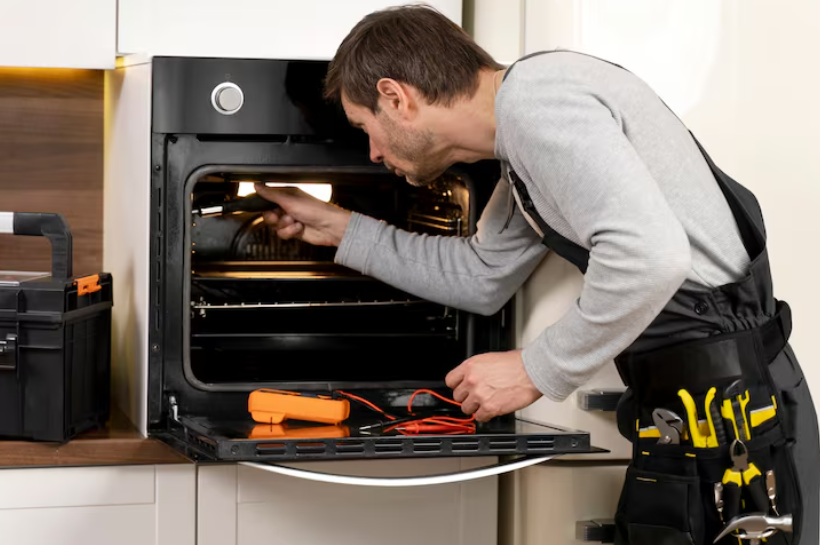
  • Furnace Repair Services: Common Problems & Costs

    Furnace Repair Services: Common Problems & Costs

    When your furnace stops working on a cold day, getting reliable help quickly becomes a priority. A furnace problem can range from a simple thermostat issue to a failed blower motor, ignition component, heat exchanger, or electrical part.

    Understanding Furnace Repair Services: Common Problems & Costs can help you make a better decision before hiring a heating professional. It can also help you recognize warning signs and understand why one repair may cost much more than another.

    In this guide, we cover common furnace problems, typical repair costs, factors that affect pricing, repair versus replacement, maintenance tips, and questions to ask an HVAC contractor.

    How Much Does Furnace Repair Cost?

    Furnace repair costs vary widely. A minor repair may cost around $100 to $300, while more complicated repairs can reach $1,000 or more. Major component replacement can sometimes cost several thousand dollars.

    A common planning range for many residential furnace repairs is approximately $150 to $1,000. However, this is only a general estimate. Your location, furnace type, parts, labor, accessibility, and time of service can change the final price.

    Emergency service may also cost more than a scheduled appointment. Before approving work, ask whether the estimate includes diagnosis, labor, parts, service fees, and after-hours charges.

    Furnace Repair Typical Planning Range
    Diagnostic or service visit $75–$200+
    Thermostat replacement $100–$400
    Ignition repair $150–$500
    Flame sensor service $100–$300
    Blower motor repair $300–$900+
    Control board replacement $300–$800+
    Gas valve replacement $300–$800+
    Heat exchanger replacement $1,000–$3,500+

    These figures should be used for budgeting rather than as guaranteed quotes. Always request a written estimate for your specific furnace.

    Common Furnace Problems

    Furnace Will Not Turn On

    A furnace that does not start can have several causes. The thermostat may not be communicating correctly. The electrical supply may be interrupted. A safety control may have prevented ignition.

    Other possibilities include a failed ignition system, faulty control board, or malfunctioning limit switch.

    Because several different problems can produce the same symptom, professional diagnosis is often more useful than replacing parts based on guesswork.

    Furnace Blows Cold Air

    Cold air from the vents can be caused by thermostat settings, airflow problems, ignition failure, or other equipment issues.

    Check the thermostat settings first. You should also make sure the air filter is not heavily clogged. If the furnace still does not produce warm air, contact an HVAC professional.

    Furnace Short-Cycles

    Short cycling occurs when a furnace turns on and off more frequently than expected. Several problems can cause this behavior.

    A dirty filter can restrict airflow. A faulty thermostat or safety control can also cause cycling. Equipment sizing and ductwork can play a role as well.

    Frequent cycling should not be ignored. It can affect comfort and may place additional stress on the equipment.

    Furnace Makes Strange Noises

    Unusual sounds can provide clues about a developing problem. Rattling may indicate a loose component. Grinding can point to a motor or bearing issue. Repeated clicking may be related to ignition or electrical components.

    Do not attempt to dismantle the furnace to identify the problem. Gas and electrical heating equipment should be serviced by appropriately qualified professionals.

    Weak Airflow

    Weak airflow can result from a dirty filter, blocked return, ductwork problem, blower issue, or other restriction.

    Replacing a dirty filter may solve a simple airflow problem. If airflow remains weak, a professional should inspect the system.

    Furnace Repair Cost by Common Problem

    The specific component that fails is one of the biggest factors in furnace repair cost.

    Thermostat Problems

    A faulty thermostat may prevent the furnace from receiving the correct signal. Repair or replacement can be relatively affordable compared with major furnace components.

    Smart thermostats can cost more because they include additional features. Professional installation may also add to the total.

    Ignition System Problems

    Modern furnaces use electronic ignition systems rather than traditional standing pilot lights in many installations. A failed igniter can prevent the burners from starting.

    Ignition repairs often fall in the lower to middle range of furnace repair costs, but the final price depends on the equipment and required part.

    Blower Motor Failure

    The blower moves heated air through your ductwork. If the motor fails, your furnace may run without properly distributing warm air.

    Blower motor repairs or replacements can be more expensive because the component and labor requirements are greater.

    Control Board Failure

    The control board manages several furnace functions. A failed board can create confusing symptoms, including ignition problems, fan problems, or a furnace that will not start.

    Diagnosis is important because replacing a control board without confirming the problem can lead to unnecessary expense.

    Heat Exchanger Problems

    The heat exchanger is a critical furnace component. Damage or cracking can create serious safety concerns, particularly with gas-fired equipment.

    If a technician identifies a heat exchanger problem, ask for a clear explanation and written recommendation. In some situations, the cost and age of the furnace may make replacement more practical than repair.

    What Affects Furnace Repair Pricing?

    Furnace Type

    Gas, electric, oil, and other heating systems have different components and maintenance requirements. Repair costs therefore vary by equipment type.

    Age of the Furnace

    Older furnaces may require harder-to-find replacement parts. They may also have lower efficiency than modern equipment.

    If an older furnace needs repeated repairs, compare the repair cost with the expected cost of replacement and future energy use.

    Labor Rates

    HVAC labor rates differ between cities and regions. Emergency visits can also cost more than normal appointments.

    Part Availability

    Some furnace components are readily available. Others may need to be ordered. A hard-to-find part can increase both the repair time and total cost.

    Accessibility

    A furnace located in a difficult-to-access area may require additional labor. Tight mechanical rooms and complicated ductwork can make some repairs more time-consuming.

    Furnace Repair vs. Replacement

    Repairing a furnace is often sensible when the system is relatively young and the problem is minor. Replacement deserves consideration when the furnace is old, unreliable, inefficient, or requires a major component.

    There is no single rule that applies to every household. Instead, consider the furnace’s age, repair history, efficiency, warranty status, and expected future repairs.

    ENERGY STAR provides guidance for homeowners considering heating-system upgrades. Its resources explain how efficient heating equipment and proper installation can affect household energy use. Explore ENERGY STAR heating and cooling guidance.

    Signs You May Need a New Furnace

    Several warning signs can indicate that replacement is worth discussing with an HVAC professional.

    • The furnace requires frequent repairs.
    • Heating costs are increasing without an obvious explanation.
    • The system struggles to maintain comfortable temperatures.
    • The furnace is approaching the end of its expected service life.
    • Replacement parts are difficult to obtain.
    • A major component has failed.
    • The system has significant safety or combustion concerns.

    Do not replace equipment based on age alone. A professional assessment can help determine whether continued repair is reasonable.

    How to Reduce Furnace Repair Costs

    Replace Dirty Filters

    One of the simplest maintenance tasks is checking the furnace filter regularly. A heavily loaded filter can restrict airflow and make the system work harder.

    ENERGY STAR recommends checking heating and cooling system filters regularly and replacing them when they become dirty. Review the ENERGY STAR HVAC maintenance checklist.

    Schedule Preventive Maintenance

    Professional maintenance can help identify worn components and potential problems before they become major failures.

    A maintenance visit may include inspecting electrical connections, controls, airflow, combustion-related components, and other furnace parts.

    Keep Vents Clear

    Make sure furniture, curtains, boxes, and other objects do not block heating vents or return-air grilles. Good airflow helps the system distribute heat properly.

    Address Problems Early

    A furnace that makes unusual noises or cycles frequently may be giving you an early warning. Delaying diagnosis can sometimes allow a small problem to become more expensive.

    Furnace Safety: When to Stop Using the System

    Heating equipment should be treated seriously when there are signs of a safety problem.

    If you smell gas, leave the area and follow your local gas utility’s emergency guidance. Do not use electrical switches or open flames in an area where you suspect a gas leak.

    Carbon monoxide is another important concern with fuel-burning appliances. The U.S. Consumer Product Safety Commission recommends installing carbon monoxide alarms on each level of a home and outside sleeping areas. CPSC carbon monoxide safety guidance provides additional information.

    Never ignore a carbon monoxide alarm. Leave the area and contact the appropriate emergency service or utility according to local guidance.

    How to Choose a Furnace Repair Service

    Choosing the cheapest contractor is not always the best strategy. Look for a company that provides clear communication and a detailed diagnosis.

    Verify Qualifications

    Licensing requirements vary by state and local jurisdiction. Ask the contractor about applicable licensing and insurance before approving major work.

    Request an Itemized Estimate

    A written estimate should explain the problem, recommended repair, parts, labor, service fees, and warranty information.

    Ask About Warranty Coverage

    Find out whether the replacement part and labor are covered by a warranty. Keep your invoice and warranty documentation after the repair.

    Compare Contractors

    For expensive repairs, consider obtaining multiple estimates. Compare the scope of work, not just the final dollar amount.

    Questions to Ask Before Approving Furnace Repairs

    Before hiring a furnace repair professional, ask:

    • What caused the problem?
    • What is the diagnostic fee?
    • How much will the repair cost?
    • Does the price include labor and parts?
    • Is the repair temporary or permanent?
    • What warranty is included?
    • Would you recommend repair or replacement?
    • Are there other components that should be inspected?

    These questions can help you understand the repair and avoid unexpected charges.

    How Furnace Maintenance Can Save Money

    Preventive maintenance does not guarantee that a furnace will never fail. However, it can help identify problems earlier and support efficient operation.

    ENERGY STAR recommends annual pre-season HVAC checkups and regular filter maintenance. Its guidance also highlights the importance of checking system components and ensuring that heating equipment is operating properly. See the full HVAC maintenance checklist.

    Homeowners should also pay attention to changes in comfort. Uneven heating, unusual smells, strange noises, and repeated shutdowns are worth investigating.

    Frequently Asked Questions About Furnace Repair

    What is the average furnace repair cost?

    Many residential furnace repairs cost several hundred dollars, although simple repairs can cost less and major component replacements can exceed $1,000. Local labor rates and the failed component have a major impact.

    Is it worth repairing a 15-year-old furnace?

    It depends on the repair and overall furnace condition. If a major component has failed or repairs have become frequent, compare the repair estimate with replacement options.

    How often should a furnace be serviced?

    Annual professional maintenance is a common recommendation. A pre-season inspection can help identify problems before the furnace is heavily used.

    Why is my furnace running but not heating?

    Possible causes include airflow restrictions, thermostat problems, ignition issues, burner problems, or other mechanical faults. A professional diagnosis can identify the specific cause.

    Can I repair my furnace myself?

    Simple maintenance, such as replacing an appropriate air filter, may be suitable for homeowners. However, gas, combustion, electrical, and major mechanical repairs should be handled by appropriately qualified professionals.

    Final Thoughts on Furnace Repair Services

    Understanding Furnace Repair Services: Common Problems & Costs makes it easier to respond when your heating system stops working.

    Many furnace problems can be repaired without replacing the entire system. However, major component failures on older equipment may justify a replacement evaluation.

    Start with an accurate diagnosis. Ask for an itemized estimate. Compare repair and replacement options when the cost is significant. Also, keep up with basic maintenance throughout the year.

    A reliable furnace is important for comfort, safety, and energy management. By recognizing warning signs early and choosing a qualified HVAC professional, you can make more informed decisions and potentially avoid larger repair bills in the future.

    Related resource: Homeowners can also review this heating and cooling efficiency guide for practical information about maintaining and upgrading residential HVAC equipment.