Tag: DUI Lawyer Near Me
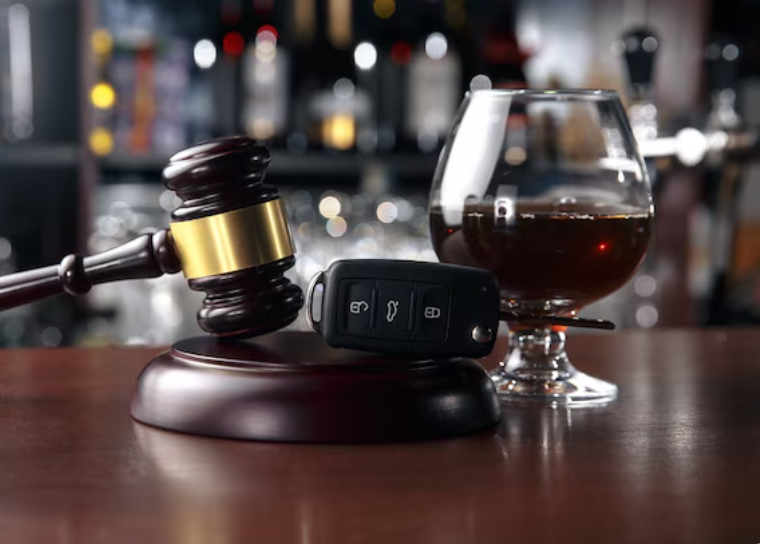
  • How to Find a DUI Lawyer in Your Area

    How to Find a DUI Lawyer in Your Area

    Facing a DUI charge can be stressful and confusing. You may have questions about court dates, driving privileges, penalties, evidence, and your legal options. Choosing the right attorney can help you understand the process and make informed decisions.

    If you are searching for How to Find a DUI Lawyer in Your Area, start by looking beyond advertisements. A strong DUI lawyer should have relevant experience, understand local laws, communicate clearly, and explain fees before you hire them.

    This guide explains how to find a qualified DUI lawyer, what questions to ask during a consultation, which credentials to check, and what warning signs to avoid.

    Why Choosing the Right DUI Lawyer Matters

    DUI cases can involve both criminal and administrative issues. Depending on the jurisdiction, a case may involve questions about a traffic stop, field sobriety testing, chemical testing, license consequences, or other evidence.

    Because DUI laws vary by state, local legal knowledge matters. An attorney who regularly handles DUI cases may be familiar with the procedures and issues that commonly arise in the area.

    The best attorney for you is not necessarily the one with the biggest advertisement. Instead, look for a lawyer whose experience matches the circumstances of your case.

    You can also explore our DUI defense resources for additional general information about DUI-related legal issues.

    1. Search for DUI Lawyers in Your Area

    Begin with a local search for terms such as “DUI lawyer near me,” “DUI attorney in [your city],” or “DUI defense lawyer [your state].” Local searches can help you create an initial list of attorneys to research.

    Do not hire the first lawyer you find. Create a shortlist of several attorneys. Then compare their practice areas, professional credentials, experience, reviews, consultation policies, and fee structures.

    The American Bar Association Lawyer Referral Directory can also help you locate state and local lawyer referral resources.

    2. Check the Lawyer’s License

    Before hiring a lawyer, confirm that the attorney is licensed to practice in the relevant jurisdiction.

    State bar organizations generally provide ways to verify an attorney’s professional status. You may also find information about disciplinary matters where such records are publicly available.

    This step is simple, but it is important. A professional website does not replace verification through an appropriate licensing authority.

    3. Look for DUI-Specific Experience

    Not every criminal defense attorney focuses on DUI cases. Ask how frequently the lawyer handles DUI matters and whether they have experience with cases similar to yours.

    Relevant experience may include cases involving traffic stops, breath or blood testing, field sobriety testing, license-related proceedings, repeat allegations, or disputed evidence.

    Ask the attorney:

    • How often do you handle DUI cases?
    • Have you handled cases similar to mine?
    • Do you regularly appear in the local courts involved in DUI cases?
    • Who will be responsible for my case?
    • What information do you need to evaluate my situation?

    Experience should be relevant. A lawyer who handles many unrelated areas of law may not offer the same focused experience as an attorney who regularly practices DUI defense.

    4. Understand the Difference Between DUI and DWI

    You may see the terms DUI and DWI used during your research. These terms can have different meanings depending on the jurisdiction.

    Some states use DUI, while others use DWI or another term. The legal definitions and penalties can also vary.

    For this reason, do not assume that information from another state applies to your case. The National Highway Traffic Safety Administration’s impaired-driving resources provide general background on impaired driving and related safety issues.

    5. Read Reviews With Care

    Online reviews can help you learn about a firm’s communication and client service. However, reviews should be only one factor in your decision.

    Look for patterns rather than relying on one review. Pay attention to comments about responsiveness, professionalism, organization, and communication.

    You should also distinguish between client-service feedback and claims about legal outcomes. A positive review does not guarantee that a lawyer will achieve the same result in your case.

    Likewise, a negative review may not provide enough information to understand what actually happened.

    6. Schedule a DUI Lawyer Consultation

    A consultation gives you an opportunity to ask questions and learn how an attorney evaluates your situation.

    Before the meeting, organize the documents you already have. These may include a citation, court notice, paperwork provided after an arrest, insurance information, or other relevant documents.

    Do not alter, destroy, or hide evidence. Give your lawyer accurate information. An attorney needs a truthful understanding of the circumstances to provide appropriate legal advice.

    7. Ask How the Lawyer Will Evaluate the Evidence

    Evidence can be an important part of a DUI case. Depending on the circumstances, an attorney may examine the reason for the traffic stop, observations recorded by officers, testing procedures, documentation, witness information, and other available evidence.

    Your lawyer can explain which issues may be relevant under the law that applies to your case.

    Do not expect an attorney to promise a particular result during an initial consultation. A responsible lawyer should explain both potential strengths and uncertainties.

    8. Ask About License Consequences

    A DUI allegation may involve more than a criminal court case. Depending on the jurisdiction, administrative procedures can also affect driving privileges.

    Ask your attorney whether there are separate license-related deadlines or proceedings that you need to understand.

    Do not assume that your criminal court date is the only important date. The applicable procedures vary by state.

    Our DUI license suspension guide can provide additional general information about driving-related consequences.

    9. Understand DUI Lawyer Fees

    Legal fees can vary considerably. The cost of a DUI lawyer may depend on the complexity of the case, the attorney’s experience, location, expected workload, and whether the matter requires extensive litigation.

    Some attorneys charge a flat fee. Others use hourly billing or another fee arrangement. Ask for a clear explanation before signing an agreement.

    Questions to Ask About Fees

    • Is your fee flat-rate or hourly?
    • What services are included?
    • Are court appearances included?
    • Are motions or trial preparation billed separately?
    • Are additional expenses possible?
    • Will I receive the fee agreement in writing?

    The Federal Trade Commission’s guide to hiring a lawyer provides general consumer information about selecting an attorney and understanding legal fees.

    10. Evaluate Communication

    Communication is an important part of any attorney-client relationship. During your consultation, consider whether the lawyer listens to your questions and explains legal concepts in language you can understand.

    Ask who will be your primary contact. In some firms, the attorney handles most communications. In others, paralegals or case managers may handle routine updates.

    Also ask how you will receive updates. The firm may use email, phone calls, a client portal, or scheduled meetings.

    There is no single correct system. The important point is to establish clear expectations before you hire the attorney.

    11. Ask About the Local Court System

    Local knowledge can be useful in DUI cases. Courts, procedures, filing requirements, and administrative processes can differ between jurisdictions.

    Ask whether the attorney regularly practices in the court where your case is pending. You can also ask whether the lawyer has experience handling the type of charge involved.

    However, be careful with claims that suggest an attorney can guarantee a favorable result because of relationships with judges or prosecutors. No lawyer can ethically promise a specific outcome.

    12. Be Careful About Promises and Guarantees

    One of the biggest warning signs is a lawyer who guarantees that your charges will be dismissed or promises a specific result before reviewing the relevant facts.

    Every DUI case has uncertainties. Evidence may change the analysis. Procedural issues may arise. Prosecutors, courts, and applicable laws can affect the case.

    A qualified attorney should discuss possible outcomes without making unrealistic promises.

    13. Consider Public Defense Options

    If you cannot afford a private attorney, you may qualify for a public defender or court-appointed counsel. Eligibility rules vary by jurisdiction and financial circumstances.

    Do not assume that you have no legal options simply because you cannot afford a private lawyer.

    The U.S. Courts defender services information provides general information about federal defender services. State and local systems may have different rules.

    Questions to Ask a DUI Lawyer Before Hiring Them

    A consultation is an opportunity to compare attorneys. Prepare questions in advance so you can make the most of your time.

    Experience Questions

    • How long have you practiced criminal defense?
    • How frequently do you handle DUI cases?
    • Have you handled cases involving similar allegations?
    • Will you personally handle my case?

    Case Questions

    • What information do you need from me?
    • What legal issues should I understand?
    • Are there important deadlines I should know about?
    • Could there be separate license-related proceedings?

    Communication Questions

    • Who will answer my questions?
    • How will I receive case updates?
    • How quickly does your office usually respond?

    Fee Questions

    • What is the total fee structure?
    • What services are included?
    • Could additional legal expenses arise?
    • Will I receive a written agreement?

    Red Flags When Choosing a DUI Lawyer

    Knowing what to avoid can make your search easier. Consider looking elsewhere if an attorney guarantees a specific result, refuses to explain fees, pressures you to sign immediately, or cannot clearly describe who will handle your case.

    You should also be cautious if the lawyer does not appear interested in the details of your situation.

    A professional consultation should give you a clearer understanding of your options. It should not leave you feeling pressured into making a decision you do not understand.

    How to Compare DUI Lawyers in Your Area

    After speaking with several attorneys, compare them using objective factors.

    Start with relevant DUI experience. Then consider professional credentials, local practice experience, communication, fees, availability, and your understanding of the proposed legal strategy.

    Do not select an attorney solely because the firm has a large marketing budget. Advertising does not automatically demonstrate legal ability.

    Likewise, the cheapest attorney is not necessarily the best choice. Consider the overall value of the legal services and whether the attorney’s experience fits your needs.

    Final Thoughts on How to Find a DUI Lawyer in Your Area

    Learning How to Find a DUI Lawyer in Your Area starts with careful research. Search for local attorneys, verify their licenses, compare DUI-specific experience, read reviews carefully, and schedule consultations before making a decision.

    Ask clear questions about evidence, court procedures, driving privileges, communication, and fees. Most importantly, avoid lawyers who promise guaranteed results.

    DUI laws and procedures can change from one jurisdiction to another. If you are facing a DUI charge, investigation, or related legal proceeding, consider speaking with a qualified attorney licensed in the jurisdiction where your case is being handled.

    For more general information, visit our criminal defense legal resources and related guides.

    Disclaimer: This article is provided for general informational purposes only and does not constitute legal advice. DUI and DWI laws, deadlines, penalties, license procedures, and court rules vary by jurisdiction. For advice about your specific circumstances, consult a qualified lawyer licensed in the relevant jurisdiction.