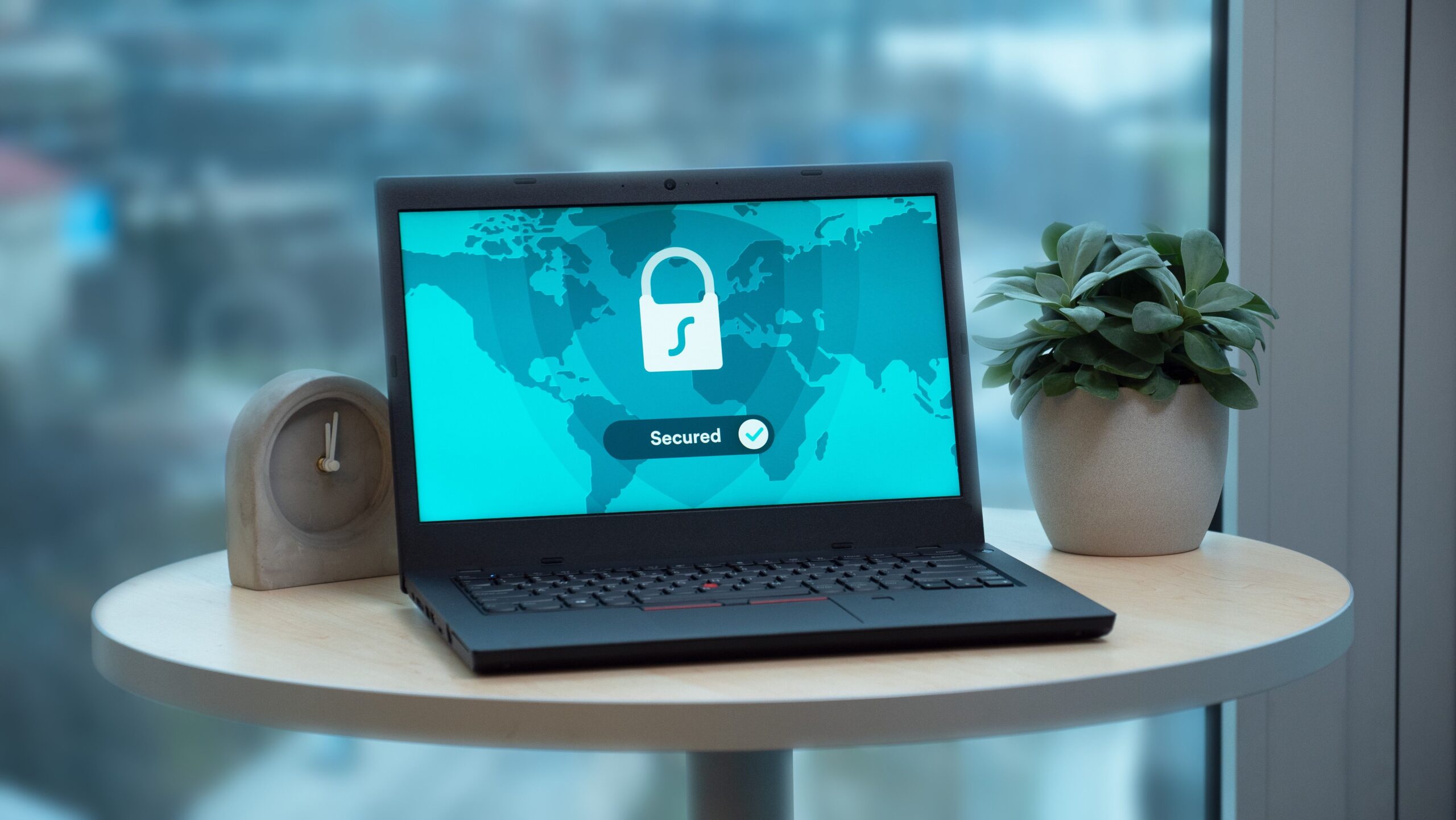
Tag: Cyber Threats

  • Top Cyber Security Solutions for Businesses: Protect Against

    Top Cyber Security Solutions for Businesses: Protect Against

    Cyber threats are becoming more complex every year. Businesses of every size now depend on cloud platforms, remote workers, mobile devices, and online applications. This creates more opportunities for attackers.

    Choosing the Top Cyber Security Solutions for Businesses: Protect Against Online Threats is therefore more than an IT decision. It is a business decision that can protect customer information, financial records, employee accounts, and business operations.

    A strong cybersecurity strategy does not rely on one product. It combines several layers of protection. These may include endpoint security, network protection, identity management, cloud security, email protection, backup systems, and employee training.

    Why Businesses Need Strong Cyber Security Solutions

    Cyberattacks can affect businesses in many ways. An attacker may steal sensitive information, lock important files, compromise an employee account, or disrupt business operations.

    Small businesses are not immune. In fact, limited IT resources can make smaller organizations attractive targets. A single compromised password can sometimes provide access to email, cloud storage, customer data, or financial systems.

    The right cybersecurity tools can reduce these risks. They can also help businesses detect suspicious activity before it becomes a serious incident.

    Businesses should also follow recognized security frameworks. The NIST Cybersecurity Framework provides a useful structure for identifying, protecting, detecting, responding to, and recovering from cybersecurity risks.

    What Are the Top Cyber Security Solutions for Businesses?

    The best approach is usually a layered security strategy. Different technologies protect different parts of a business environment.

    1. Endpoint Security and Antivirus Protection

    Computers, laptops, and mobile devices are common entry points for cyberattacks. Endpoint security software helps protect these devices from malware, ransomware, malicious applications, and suspicious activity.

    Modern endpoint protection can do more than traditional antivirus software. Many solutions use behavioral analysis and threat detection to identify unusual activity.

    Businesses should consider endpoint security for company-owned devices as well as approved remote-work devices. Centralized management is also valuable because administrators can monitor security status from one dashboard.

    2. Firewall and Network Security

    A firewall helps control network traffic. It can block unauthorized connections while allowing legitimate business communication.

    For organizations with multiple offices or remote employees, network security may also include secure gateways, intrusion prevention, and virtual private network technology.

    Businesses should review firewall rules regularly. Outdated configurations can create unnecessary security gaps.

    3. Identity and Access Management

    Passwords alone are no longer enough for many business systems. Identity and access management helps organizations control who can access specific applications and data.

    Multi-factor authentication is one of the most important security controls businesses can adopt. It adds another verification step after the password.

    Businesses should also use the principle of least privilege. Employees should receive only the access they need to perform their jobs. This can limit the damage caused by a compromised account.

    4. Cloud Security

    Cloud services are now central to many modern businesses. Companies use cloud platforms for email, file storage, customer management, accounting, communication, and software development.

    Cloud security helps protect these services from unauthorized access and configuration errors. Businesses should review user permissions, authentication settings, data access policies, and security logs.

    For organizations using Microsoft cloud services, Microsoft Security solutions provide tools for identity, endpoint, cloud, and threat protection.

    5. Email Security

    Email remains a major target for cybercriminals. Phishing messages can trick employees into revealing passwords, opening harmful attachments, or sending confidential information.

    Strong email security can filter suspicious messages before they reach employees. However, technology should be combined with employee awareness training.

    Employees should learn how to identify suspicious links, unexpected attachments, urgent payment requests, and unusual login notifications.

    6. Data Backup and Recovery

    Cybersecurity is not only about preventing attacks. Businesses also need a recovery plan.

    Regular backups can help organizations restore important information after accidental deletion, hardware failure, or a security incident. Backups should be protected from unauthorized access and tested regularly.

    A backup that has never been tested may not work when it is needed. Businesses should therefore verify that important files and systems can be restored.

    How to Choose the Right Cyber Security Solution

    There is no single cybersecurity product that is perfect for every organization. The right solution depends on business size, industry, technology, budget, and risk level.

    Start by identifying the most valuable business assets. These may include customer information, payment data, intellectual property, employee records, and business applications.

    Next, identify how employees access those assets. Consider office computers, personal devices, cloud applications, remote connections, and third-party services.

    Then evaluate the security controls already in place. This makes it easier to identify gaps instead of paying for unnecessary tools.

    Businesses should also compare pricing carefully. Some cybersecurity providers charge per user, while others charge per device, workload, or service level.

    Look for Centralized Security Management

    Managing several disconnected security products can become difficult. A centralized security platform can make monitoring and reporting easier.

    Look for solutions that provide clear alerts, automated updates, reporting tools, access controls, and integration with existing business systems.

    Consider Managed Cyber Security Services

    Not every company has a dedicated security team. A managed security service provider can help businesses monitor threats, manage security tools, and respond to suspicious activity.

    This can be especially useful for small and medium-sized businesses with limited internal IT resources.

    Before selecting a provider, review its service scope, response process, support availability, security certifications, contract terms, and pricing structure.

    Cyber Security Best Practices for Businesses

    Technology works best when it is supported by good security practices. Businesses should create clear policies for passwords, access control, software updates, data handling, and remote work.

    Regular software updates are important because security patches can fix known vulnerabilities. Businesses should also remove unused accounts and applications.

    Employee training is another essential layer. A well-trained employee is more likely to recognize a suspicious request before clicking a dangerous link.

    Organizations can use the CISA cybersecurity resources to learn more about security awareness, risk management, and protection strategies.

    Common Cybersecurity Mistakes to Avoid

    One common mistake is relying only on antivirus software. Antivirus protection is valuable, but modern business security requires multiple layers.

    Another mistake is using weak or reused passwords. Employees should use strong, unique credentials and multi-factor authentication wherever possible.

    Ignoring software updates is another risk. Attackers can target known vulnerabilities in outdated applications and operating systems.

    Businesses should also avoid giving every employee administrator-level access. Excessive permissions can increase the potential impact of a compromised account.

    Building a Practical Cyber Security Strategy

    A practical strategy can begin with a simple security assessment. List the company’s devices, applications, users, cloud services, and important data.

    Next, prioritize the most important risks. A business does not need to solve every cybersecurity problem at the same time. Focus first on controls that can significantly reduce common threats.

    A basic security strategy may include:

    • Multi-factor authentication for important accounts.
    • Endpoint protection for company devices.
    • Firewall and network security controls.
    • Regular data backups and recovery testing.
    • Email and phishing protection.
    • Employee cybersecurity training.
    • Regular software and security updates.
    • Incident response planning.

    Businesses can also review their cybersecurity maturity regularly. As the organization grows, its security requirements will change.

    Cyber Security Solutions and Business Growth

    Security should support growth rather than slow it down. A secure business can build greater confidence with customers, employees, and business partners.

    Strong cybersecurity can also support compliance requirements in industries that handle sensitive information. Depending on the organization, these requirements may involve privacy, financial data, healthcare information, or payment systems.

    For businesses that operate online, cybersecurity is especially important. An online business may depend on websites, payment platforms, cloud applications, advertising accounts, and customer databases. Protecting these systems helps maintain business continuity.

    Whether a company runs an affiliate marketing website, a software company, an online store, or a traditional service business, security should be part of the long-term operating strategy.

    Final Thoughts

    The Top Cyber Security Solutions for Businesses: Protect Against Online Threats are not limited to one software package. Effective protection comes from combining technology, employee awareness, access controls, monitoring, backups, and clear security policies.

    Start with the basics. Protect user accounts with multi-factor authentication. Secure endpoints. Update software. Back up important information. Train employees. Then add advanced security controls as the organization grows.

    Businesses should also review their security strategy regularly. Cyber threats continue to evolve, so security practices must evolve with them.

    If you are building a broader digital business strategy, explore our Cyber Security Guide and Business Technology Resources for related topics.

    Choosing the right cybersecurity approach can reduce risk, protect valuable information, and create a stronger foundation for sustainable business growth.

  • Cyber Security Trends to Watch in 2026

    Cyber Security Trends to Watch in 2026

    Cybersecurity is changing faster than ever. Artificial intelligence is reshaping both attacks and defense. Cyber-enabled fraud is becoming more sophisticated. Supply chains are creating new points of exposure. At the same time, geopolitical tensions are influencing the way organizations prepare for cyber risk.

    Understanding the Cyber Security Trends to Watch in 2026 is important for businesses, technology professionals, and everyday internet users. The biggest changes are not limited to new malware or security software. They involve how organizations manage identity, artificial intelligence, third-party services, data, and operational resilience.

    The World Economic Forum’s Global Cybersecurity Outlook 2026 identifies artificial intelligence, geopolitical fragmentation, cyber-enabled fraud, resilience, and supply-chain vulnerabilities as major forces shaping the cybersecurity environment this year.

    Here are the major cybersecurity trends in 2026 that organizations and individuals should watch closely.

    1. Artificial Intelligence Will Reshape Cybersecurity

    Artificial intelligence is arguably the biggest cybersecurity trend of 2026. AI is being used by defenders to analyze security alerts, detect unusual activity, automate repetitive tasks, and improve incident response.

    However, attackers can use the same technology. AI can help criminals create more convincing social-engineering messages, automate reconnaissance, and increase the speed of certain attacks.

    The World Economic Forum reports that 94% of surveyed respondents expect AI to be the most significant driver of cybersecurity change in 2026. It also reports that 87% identified AI-related vulnerabilities as the fastest-growing cyber risk during 2025.

    AI Security Will Become a Business Priority

    Organizations are moving beyond simply experimenting with AI. They are beginning to ask whether AI systems themselves are secure.

    Companies need to consider what data AI tools can access, where that data is stored, how models are configured, and who can use them. They also need safeguards against accidental data exposure and inappropriate automated decisions.

    The 2026 World Economic Forum report found that the share of organizations with processes for assessing AI security increased from 37% in 2025 to 64% in 2026.

    This points toward a broader shift from AI adoption to secure AI adoption.

    2. AI Agents Will Create New Security Challenges

    Generative AI is only part of the story. AI agents can perform tasks, interact with applications, access information, and potentially make decisions with less direct human involvement.

    That creates a new security problem: organizations now have to manage machine identities and permissions alongside human users.

    An AI agent with excessive access could create serious consequences if its instructions are manipulated or its underlying system contains a vulnerability.

    The World Economic Forum notes that the growth of AI agents increases the importance of managing their credentials, permissions, interactions, audit trails, and accountability. It also highlights risks such as prompt injection and excessive privileges.

    In 2026, organizations will increasingly need AI governance, access controls, monitoring, and security testing designed specifically for agentic systems.

    3. Cyber-Enabled Fraud Will Take Center Stage

    Ransomware remains a serious threat. However, fraud and phishing are becoming major concerns for executives and consumers alike.

    Cybercriminals can combine stolen information, social engineering, automation, and artificial intelligence to make fraudulent messages appear more convincing.

    The World Economic Forum reports that 73% of respondents said they or someone in their network had been personally affected by cyber-enabled fraud during 2025. Phishing, payment fraud, and identity theft were among the most common forms reported.

    Phishing Is Becoming More Convincing

    Traditional phishing messages often contained obvious warning signs. Poor grammar, unusual formatting, and generic wording could make them easier to recognize.

    AI can reduce some of these weaknesses. Attackers can potentially generate messages that better match a target’s language, industry, or communication style.

    For consumers, this makes basic cybersecurity awareness more important. Do not trust a message simply because it looks professional. Verify unexpected requests through a separate trusted channel.

    4. Deepfakes and Synthetic Identity Attacks Will Grow

    AI-generated audio, images, and video are creating new challenges for identity verification.

    A convincing voice or video is no longer sufficient proof that a person is genuine. Criminals can potentially use synthetic media as part of impersonation and fraud campaigns.

    This trend will push businesses toward stronger identity verification processes. Instead of trusting a single communication channel, organizations may increasingly verify sensitive requests using multiple signals.

    Consumers should also be cautious when someone urgently asks for money, passwords, verification codes, or sensitive information. A familiar voice or recognizable image should not automatically be treated as proof of identity.

    5. Ransomware Will Remain a Major Threat

    Ransomware is not disappearing in 2026. It remains a major concern because successful attacks can disrupt operations and create significant financial and reputational damage.

    Attackers continue to target organizations where downtime can be costly. Businesses therefore need to focus not only on preventing ransomware but also on recovering quickly when an incident occurs.

    The World Economic Forum reports that ransomware remains the leading concern for CISOs, even as CEOs increasingly prioritize cyber-enabled fraud and AI vulnerabilities.

    Resilience Will Matter as Much as Prevention

    No security program can guarantee that an organization will never experience an incident. That is why cyber resilience is becoming a central cybersecurity strategy.

    Organizations should maintain reliable backups, test recovery procedures, protect critical systems, and establish clear incident-response responsibilities.

    The goal is simple. When an attack happens, the organization should be able to contain the problem and restore important operations.

    6. Supply Chain Security Will Become More Important

    Modern businesses rarely operate alone. They depend on cloud providers, software vendors, contractors, payment processors, technology platforms, and other third parties.

    That interconnected ecosystem can create security weaknesses.

    An attacker may target a smaller or less-protected supplier instead of directly attacking a larger organization. This makes third-party risk management an increasingly important part of cybersecurity.

    The World Economic Forum reports that 65% of large companies surveyed identified third-party and supply-chain vulnerabilities as their greatest challenge, up from 54% in 2025.

    Software Supply Chains Need Greater Visibility

    Businesses need to understand what software and services they depend on. This includes identifying important vendors, tracking dependencies, reviewing security practices, and planning for supplier disruptions.

    Software bills of materials and other inventory approaches can help organizations understand the components within their technology environments.

    Supply-chain security will increasingly become a shared responsibility between technology providers and their customers.

    7. Zero Trust Will Continue to Expand

    The traditional idea of a secure internal network is becoming less practical. Employees work remotely. Cloud applications are everywhere. Contractors and automated systems need access to business resources.

    Zero Trust security takes a different approach. Instead of automatically trusting a user or device because it is inside a network, access decisions are continuously evaluated.

    Identity, device health, permissions, application context, and other signals can influence whether access should be granted.

    This approach is particularly relevant as organizations manage human users, cloud applications, APIs, connected devices, and AI agents within the same digital environment.

    8. Identity Security Will Become a Bigger Priority

    Identity is at the center of many modern cyberattacks. If an attacker obtains legitimate credentials, they may be able to access systems without deploying traditional malware.

    That makes identity and access management a critical cybersecurity investment.

    Organizations should review user privileges, remove unnecessary accounts, protect administrative identities, and use multi-factor authentication for important systems.

    Individuals should also use unique passwords and MFA on important personal accounts.

    Strong identity security can reduce the damage caused by stolen credentials and unauthorized access.

    9. Cloud Security Will Keep Evolving

    Cloud computing continues to support business applications, data storage, development platforms, and remote work.

    As cloud adoption increases, cloud configuration becomes an important security issue. Misconfigured storage, excessive permissions, exposed services, and weak credentials can create significant risks.

    Organizations need clear responsibility for cloud security. Developers, IT teams, security professionals, and business leaders should understand who controls each part of a cloud environment.

    Regular configuration reviews and automated security checks can help identify problems before attackers discover them.

    10. Geopolitics Will Influence Cyber Risk

    Cybersecurity is increasingly connected to international politics. Government-backed groups, cybercrime organizations, critical infrastructure operators, and private companies can all become part of broader geopolitical conflicts.

    The World Economic Forum reports that geopolitics remained the top factor influencing cyber-risk mitigation strategies in its 2026 research. It found that 64% of organizations were accounting for geopolitically motivated cyberattacks.

    This means cybersecurity teams may need to consider risks beyond conventional criminal activity. Disruption, espionage, infrastructure attacks, and politically motivated campaigns can affect organizations across borders.

    11. Cybersecurity Regulation Will Receive More Attention

    Governments around the world are continuing to introduce or strengthen cybersecurity requirements. Organizations may face greater expectations around data protection, incident reporting, software security, and risk management.

    This creates an important connection between cybersecurity compliance and technical security.

    Compliance alone does not guarantee security. However, regulatory requirements can encourage organizations to formalize security processes and document how risks are managed.

    Businesses should monitor regulations relevant to their industry and location instead of waiting until a security incident exposes a compliance gap.

    12. Cyber Resilience Will Become a Board-Level Issue

    Cybersecurity is no longer only an IT department concern. A major cyber incident can affect revenue, customer trust, operations, legal obligations, and brand reputation.

    For that reason, executives and boards increasingly need to understand cyber risk.

    The 2026 cybersecurity landscape reinforces this shift. The World Economic Forum describes cyber risk as a strategic, economic, and societal issue rather than simply a technical problem.

    Businesses should connect cybersecurity investments with business priorities. The most useful question is not simply, “How secure are we?” It is also, “Which systems are most important to our organization, and how quickly can we recover if they fail?”

    How Businesses Can Prepare for 2026

    Following the Cyber Security Trends to Watch in 2026 is useful, but preparation matters more than prediction.

    Businesses can strengthen their security posture by focusing on several practical areas:

    • Implement strong multi-factor authentication.
    • Review privileged accounts and unnecessary permissions.
    • Maintain accurate inventories of hardware, software, and cloud services.
    • Test backups and incident-response procedures.
    • Assess important third-party suppliers.
    • Establish security controls for AI applications and agents.
    • Train employees to recognize modern phishing and fraud.
    • Patch critical systems promptly.
    • Monitor important networks and cloud environments.
    • Measure recovery capabilities, not just prevention controls.

    For organizations looking for broader security guidance, the NIST Cybersecurity Framework provides a widely used structure for managing cybersecurity risk.

    What Individuals Should Watch in 2026

    Cybersecurity trends affect consumers as well as businesses. Individuals should expect more sophisticated phishing, impersonation, account-takeover attempts, and fraudulent messages.

    Use unique passwords and enable MFA on important accounts. Keep your devices and applications updated. Be cautious with unexpected links and urgent requests.

    AI-generated content also requires greater skepticism. A message that looks or sounds authentic may still be fraudulent.

    When something involves money, account recovery, passwords, or sensitive information, verify the request independently.

    Final Thoughts on Cyber Security Trends to Watch in 2026

    The Cyber Security Trends to Watch in 2026 show that cybersecurity is becoming more interconnected, automated, and strategic.

    AI will influence both attacks and defense. Cyber-enabled fraud will continue to challenge consumers and organizations. Ransomware will remain a serious operational risk. Supply-chain vulnerabilities will require greater visibility. Meanwhile, identity security, zero trust, cloud security, and cyber resilience will become increasingly important.

    The most effective strategy is not to chase every new technology. It is to build strong fundamentals and then adapt them to emerging risks.

    Organizations that combine secure technology, trained people, strong identity controls, effective governance, and tested recovery plans will be better positioned for the changing threat environment.

    In 2026, cybersecurity success will depend less on predicting exactly what attackers will do next and more on building systems that can withstand change, detect problems quickly, and recover when defenses are tested.

  • Data Breach Prevention: How Businesses Can Protect

    Data Breach Prevention: How Businesses Can Protect

    Data Breach Prevention: How Businesses Can Protect Customer Data is a critical priority for companies of every size. Businesses collect customer names, contact details, account credentials, payment information, purchase records, and other sensitive data every day.

    This information helps companies provide better products and services. However, it also makes businesses attractive targets for cybercriminals. A single security incident can expose customer information, interrupt operations, damage trust, and create significant financial and legal consequences.

    Effective data breach prevention requires more than one security product. Businesses need a layered approach that combines technology, employee training, access controls, data protection, monitoring, and incident response.

    This guide explains practical ways businesses can protect customer data and reduce the risk of costly security incidents.

    What Is a Data Breach?

    A data breach occurs when sensitive or confidential information is accessed, disclosed, altered, or obtained without proper authorization. Breaches can affect customer data, employee records, intellectual property, financial information, and internal business documents.

    Cyberattacks are not the only cause. Accidental disclosure, lost devices, misconfigured cloud storage, weak passwords, and human error can also expose information.

    That is why data breach prevention should address both external threats and internal risks.

    The CISA cybersecurity resources provide businesses with information about common cyber threats and practical security measures.

    Why Customer Data Needs Strong Protection

    Customer data can have significant value. Attackers may target information for identity fraud, account takeovers, financial crime, extortion, or further attacks.

    A breach can also harm a company’s reputation. Customers expect businesses to handle their information responsibly. When sensitive data is exposed, customers may lose confidence in the organization.

    The consequences can extend beyond reputation. Depending on the type of information involved and the location of the affected customers, businesses may also face regulatory obligations, contractual issues, investigation costs, and other expenses.

    For these reasons, protecting customer information should be treated as a core business responsibility rather than an optional technical task.

    Know What Customer Data You Collect

    The first step in data breach prevention is understanding what information your business actually holds.

    Create an inventory of customer data. Identify where it is collected, where it is stored, who can access it, and which third-party services process it.

    Data may exist in customer relationship management systems, payment platforms, email accounts, cloud storage, databases, employee devices, and backup systems.

    Once you know where sensitive information exists, you can determine which systems require the strongest protection.

    Classify Data by Sensitivity

    Not all information carries the same level of risk. A public product description does not require the same controls as a database containing customer credentials or financial information.

    Classify information according to its sensitivity and business value. This helps security teams prioritize resources and apply appropriate safeguards.

    Collect Only the Data You Need

    One of the simplest ways to reduce breach risk is to avoid collecting unnecessary information.

    Every additional piece of sensitive information creates another responsibility. If a business does not need certain data, there may be little reason to collect and retain it.

    Review customer-data collection forms and databases regularly. Ask whether each field has a legitimate business purpose.

    Data minimization can reduce the amount of information available to attackers if a security incident occurs.

    Use Strong Access Controls

    Customer data should only be accessible to people who need it for legitimate business purposes.

    Use the principle of least privilege. Employees should receive the minimum permissions required to perform their roles.

    For example, a customer-service employee may need to view specific customer information. That employee may not need permission to export an entire customer database.

    Regularly review user permissions. Remove access when employees leave the organization or change roles.

    Administrator accounts deserve special attention because they can provide extensive access to business systems.

    Strengthen Authentication With MFA

    Compromised credentials are a major security concern. A password can be stolen through phishing, malware, credential leaks, or other methods.

    Multi-factor authentication, or MFA, adds another layer of protection. It requires users to provide an additional verification factor during login.

    Businesses should enable MFA for email, cloud services, administrative systems, remote access, and other important accounts whenever supported.

    The NIST Digital Identity Guidelines provide detailed guidance on authentication and protecting digital identities.

    Encrypt Sensitive Customer Information

    Encryption is an important part of a modern data protection strategy. It helps protect information by transforming readable data into a protected form.

    Businesses should consider encryption for sensitive information stored in databases, laptops, mobile devices, backups, and other systems.

    Encryption is also important when sensitive information travels between systems. Secure communication protocols can help protect data during transmission.

    However, encryption must be managed correctly. Organizations need appropriate controls for encryption keys and access to encrypted information.

    Secure Cloud Storage and Applications

    Cloud services have become essential for modern businesses. Companies use cloud platforms for storage, communication, customer management, accounting, collaboration, and many other functions.

    Cloud systems can be secure when properly configured. However, incorrect permissions can accidentally expose sensitive information.

    Review cloud-sharing settings regularly. Avoid public links for confidential documents. Limit access to specific users or groups whenever possible.

    Businesses should also enable security features such as MFA, logging, access controls, and security alerts where available.

    Protect Customer Data From Phishing

    Technology alone cannot prevent every data breach. Employees are often targeted because attackers know that human trust can be easier to exploit than technical defenses.

    Phishing messages may imitate banks, software providers, managers, customers, or business partners. Attackers may ask employees to open an attachment, click a link, provide credentials, or transfer information.

    Teach employees to recognize suspicious messages. Encourage them to verify unusual requests before taking action.

    The CISA phishing guidance offers practical information that businesses can use as part of security-awareness training.

    Keep Business Software Updated

    Outdated software can contain known vulnerabilities. Attackers may exploit these weaknesses to gain unauthorized access to systems.

    Businesses should maintain a structured patch-management process. Keep operating systems, browsers, applications, servers, networking equipment, and security software updated.

    Prioritize critical security updates. Organizations should also replace unsupported software that no longer receives security fixes.

    Automated updates can help with some systems, but businesses should still monitor whether important updates have been successfully installed.

    Secure Customer Databases

    Customer databases require strong technical and administrative controls because they may contain large amounts of sensitive information.

    Restrict database access to authorized applications and employees. Monitor administrative activity and investigate unusual access patterns.

    Do not expose databases directly to the public internet unless there is a carefully designed and justified reason to do so.

    Use strong authentication, network segmentation, encryption, logging, and regular security testing as appropriate for the environment.

    Protect Backups From Ransomware

    Backups are essential for recovering from data loss. They can help businesses restore operations after hardware failure, accidental deletion, ransomware, or other incidents.

    However, backups must also be protected. If attackers can access both production systems and backups, they may attempt to compromise or delete recovery copies.

    Maintain appropriate backup isolation and access controls. Test restoration procedures regularly so the business knows whether important information can actually be recovered.

    A backup strategy should also consider how quickly critical business systems need to be restored after an incident.

    Monitor for Suspicious Activity

    Effective data breach prevention includes detecting suspicious activity as early as possible.

    Security logs can provide valuable information about unusual login attempts, unexpected downloads, privilege changes, and other events.

    Organizations should determine which activities need monitoring and how security alerts will be investigated.

    Smaller businesses may use managed security services if they do not have a large internal security team. The important goal is to ensure that suspicious events do not go unnoticed.

    Secure Third-Party Vendors

    Businesses often share customer data with third-party providers. These may include payment processors, cloud platforms, marketing systems, analytics services, shipping providers, and customer-support tools.

    A company’s security can be affected by the security practices of its vendors.

    Before providing sensitive information to a third party, understand what data the provider receives, why it needs that information, how it protects the data, and how long it retains it.

    Contracts should clearly define relevant security and privacy responsibilities. Businesses should also review important vendors periodically rather than assuming their security practices never change.

    Use Data Retention Policies

    Keeping customer data indefinitely can increase risk. Old information may still be exposed if an attacker compromises a system.

    Create a clear data retention policy. Define how long different categories of customer information should be retained and when they should be securely deleted.

    Retention requirements can vary by industry, location, contract, and type of information. Businesses should consider applicable legal and regulatory obligations when developing their policies.

    Train Employees Regularly

    Employees play a major role in preventing data breaches. Security training should therefore be practical and continuous.

    Training can cover phishing, password security, MFA, secure file sharing, device protection, social engineering, and incident reporting.

    Employees should also know what to do if they make a mistake. Quick reporting can give security teams an opportunity to contain a problem before it becomes a major incident.

    Create a Data Breach Response Plan

    No security strategy can guarantee that a breach will never happen. Businesses should prepare for the possibility of an incident.

    An incident-response plan should explain who is responsible for investigating the incident, containing affected systems, communicating with stakeholders, restoring operations, and handling required notifications.

    Test the plan periodically. A response process that exists only in a document may not work effectively during a real emergency.

    The NIST Privacy Framework can also help organizations identify and manage privacy risks associated with collecting and using personal information.

    Regularly Test Your Security

    Security controls should be tested instead of simply assumed to work.

    Businesses can use vulnerability assessments, security reviews, penetration testing, configuration audits, phishing-awareness exercises, and access reviews to identify weaknesses.

    Testing should focus on the organization’s actual risk profile. High-value systems and sensitive customer-data stores should receive appropriate attention.

    Data Breach Prevention Checklist

    Use this checklist to review your organization’s approach to Data Breach Prevention: How Businesses Can Protect Customer Data:

    • Inventory customer information and identify where it is stored.
    • Classify information according to sensitivity.
    • Collect only the customer data you genuinely need.
    • Apply least-privilege access controls.
    • Use strong authentication and MFA.
    • Encrypt sensitive information where appropriate.
    • Secure cloud storage and sharing permissions.
    • Keep software and systems updated.
    • Protect and test backups.
    • Train employees to recognize phishing.
    • Monitor important systems for suspicious activity.
    • Assess the security practices of third-party vendors.
    • Establish appropriate data-retention rules.
    • Create and test an incident-response plan.
    • Review and test security controls regularly.

    Final Thoughts on Data Breach Prevention

    Data Breach Prevention: How Businesses Can Protect Customer Data requires a combination of technology, processes, and employee awareness.

    Businesses should begin by understanding what customer information they collect and where it exists. From there, they can reduce unnecessary data collection, restrict access, strengthen authentication, encrypt sensitive information, secure cloud systems, and protect backups.

    Employee training is equally important. A suspicious email or careless sharing decision can create a security problem even when sophisticated technical controls are in place.

    Businesses should also prepare for incidents rather than assuming they will never experience one. Regular testing, monitoring, and a well-designed response plan can reduce the impact of a breach.

    Ultimately, effective data breach prevention is an ongoing process. By combining strong security controls with responsible data management, businesses can reduce cyber risk, protect customer information, and build greater trust with the people they serve.

  • Data Security Best Practices for Protecting Sensitive Information

    Data Security Best Practices for Protecting Sensitive Information

    Data Security Best Practices for Protecting Sensitive Information are essential for individuals, businesses, and organizations that collect, store, or share digital information. Personal records, customer details, financial information, employee data, business documents, and account credentials can all become targets for cybercriminals.

    Data security is not only about installing antivirus software. It involves protecting information throughout its entire lifecycle. That means securing data when it is collected, stored, transferred, accessed, backed up, and eventually deleted.

    A strong security strategy also reduces the impact of human error. Simple mistakes, such as using weak passwords or sending confidential information to the wrong person, can create serious risks.

    This guide explains practical data security best practices that can help protect sensitive information and build a stronger cybersecurity strategy.

    What Is Data Security?

    Data security refers to the practices and technologies used to protect information from unauthorized access, modification, disclosure, loss, or destruction.

    It applies to many types of information. Examples include customer records, payment information, health-related records, employee files, intellectual property, business plans, and login credentials.

    Effective data security focuses on three core goals: confidentiality, integrity, and availability. Confidentiality means only authorized people can access information. Integrity means information remains accurate and protected from unauthorized changes. Availability means authorized users can access data when they need it.

    The NIST Cybersecurity Framework provides a widely used approach for managing cybersecurity risks and improving organizational security practices.

    Identify and Classify Sensitive Data

    You cannot protect information effectively if you do not know where it is stored or what information you have.

    Start by creating an inventory of important data. Identify where information is stored, who can access it, which applications process it, and how it moves between systems.

    Next, classify data according to its sensitivity. Not every file requires the same level of protection.

    For example, a public marketing brochure may need basic access controls. A customer database containing personal information requires much stronger safeguards.

    Examples of Sensitive Information

    • Personal identification information
    • Financial and payment information
    • Customer records
    • Employee information
    • Authentication credentials
    • Confidential business documents
    • Intellectual property
    • Private communications

    Data classification helps organizations apply appropriate security controls without making every system unnecessarily difficult to use.

    Use Strong Access Controls

    One of the most important data security best practices is limiting access to sensitive information. Employees should only have access to the data and systems required for their roles.

    This principle is commonly called least privilege. It reduces the potential damage if an account becomes compromised.

    For example, an employee who only needs to view customer records may not need permission to delete or export the entire database.

    Review access permissions regularly. Remove access when employees change roles or leave an organization. Also review inactive accounts and unnecessary administrator privileges.

    Protect Accounts With Strong Authentication

    Passwords remain an important part of data protection. Weak or reused passwords can give attackers an easy route into sensitive systems.

    Use long, unique passwords for important accounts. A reputable password manager can help employees create and store different passwords without having to memorize every credential.

    Multi-factor authentication provides another layer of protection. It requires users to verify their identity using an additional factor beyond a password.

    The NIST Digital Identity Guidelines provide detailed guidance on authentication and protecting digital identities.

    Encrypt Sensitive Information

    Encryption is another fundamental component of data security. It transforms readable information into a protected form that requires an appropriate key to access.

    Organizations should consider encryption for sensitive data both when it is stored and when it is transmitted across networks.

    For example, full-disk encryption can help protect information stored on a laptop if the device is lost. Encryption during transmission can help protect information moving between systems.

    However, encryption should be implemented as part of a broader security strategy. Strong key management is also essential. Losing encryption keys can make legitimate access to protected information difficult or impossible.

    Secure Data During Transmission

    Sensitive information should not be transmitted through insecure channels. Businesses should use secure communication protocols and properly configured applications when moving confidential information.

    Websites that collect sensitive information should use HTTPS. Employees should also follow company policies when sending confidential documents through email or file-sharing platforms.

    Before sharing a document, check the recipient and the permissions. Avoid creating public links for sensitive files unless there is a legitimate reason to do so.

    Keep Software and Systems Updated

    Software vulnerabilities can create opportunities for attackers. Developers regularly release security updates to address known problems.

    Delayed updates can leave systems exposed to vulnerabilities that attackers already understand.

    Keep operating systems, browsers, applications, servers, networking equipment, and security tools updated. Where appropriate, enable automatic updates.

    Organizations should maintain an effective patch-management process. This helps security teams identify vulnerable systems and prioritize important updates.

    Back Up Important Data

    Backups are an essential part of protecting information from accidental deletion, hardware failure, ransomware, and other incidents.

    Important business data should have reliable backups. However, simply creating backups is not enough. Organizations should also test whether those backups can actually be restored.

    Keep appropriate copies protected from the systems they back up. This can help reduce the risk of an attacker compromising both production data and its backups.

    Employees should follow company backup procedures and store important work files in approved locations rather than relying on a single computer.

    Protect Against Phishing and Social Engineering

    Technology cannot eliminate every data-security risk. Human behavior also matters.

    Phishing attacks attempt to trick people into revealing credentials, opening malicious files, transferring money, or sharing confidential information.

    Be cautious with unexpected emails, messages, attachments, and login requests. Check the sender carefully. Do not assume a message is legitimate simply because it uses a familiar logo or company name.

    The CISA phishing resources provide practical information about recognizing common phishing threats.

    Security awareness training can help employees identify suspicious activity and report potential incidents quickly.

    Secure Cloud Storage

    Cloud platforms are now central to many businesses. They make it easier to collaborate and access information from different locations.

    However, cloud storage must be configured carefully. Incorrect permissions can accidentally expose sensitive information.

    Review sharing settings regularly. Limit access to specific users when possible. Avoid public access for confidential documents.

    Organizations should also enable available security features, monitor account activity, and use strong authentication for cloud services.

    Use Data Loss Prevention Strategies

    Data loss prevention, often called DLP, can help organizations identify and control the movement of sensitive information.

    DLP solutions may monitor data across devices, networks, applications, and cloud services. Depending on the implementation, they can help prevent sensitive information from being copied or transferred through unauthorized channels.

    DLP is particularly useful for organizations that handle large amounts of customer, financial, intellectual-property, or regulated information.

    Secure Employee Devices

    Laptops, smartphones, and tablets can contain significant amounts of sensitive information. Protecting these devices is therefore a critical part of data security best practices.

    Use screen locks, strong authentication, device encryption, and security updates. Employees should report lost or stolen company devices immediately.

    Organizations can also use mobile and endpoint management tools to enforce security policies. These tools may help monitor device health and apply required configurations.

    Be Careful With Removable Storage

    USB drives and other removable storage devices can create additional security risks. A lost device may expose confidential files. Unknown devices may also contain malicious software.

    Organizations should establish clear policies for removable storage. When sensitive information must be stored on portable media, use appropriate encryption and access controls.

    Securely Delete Unnecessary Information

    Keeping information forever creates unnecessary risk. Old records may become targets even when they are no longer needed.

    Organizations should establish data-retention policies that explain how long different types of information should be kept. When information is no longer required, it should be securely disposed of according to applicable requirements.

    Digital deletion should be handled carefully because simply moving a file to a recycle bin may not securely remove every underlying copy.

    Monitor Systems for Suspicious Activity

    Strong security includes more than prevention. Organizations should also monitor systems for unusual activity.

    Security logs can help identify suspicious login attempts, unusual downloads, unexpected permission changes, and other warning signs.

    Monitoring can be especially valuable when combined with an incident-response plan. When an organization knows what to do after detecting suspicious activity, it can respond faster.

    The NIST Privacy Framework can also help organizations think about privacy risk alongside broader security and data-management practices.

    Create an Incident Response Plan

    No security system is perfect. Organizations should prepare for the possibility of a data breach or other security incident.

    An incident-response plan should identify responsibilities, communication procedures, containment steps, recovery processes, and reporting requirements.

    Employees should know how and where to report suspicious activity. Fast reporting can help security teams investigate an incident before it becomes more serious.

    Train Employees Regularly

    Employees are an important part of any data protection strategy. Security training should therefore be practical and ongoing.

    Training can cover password security, phishing, device protection, safe file sharing, social engineering, and incident reporting.

    Short, regular training sessions may be more useful than relying on a single annual presentation. Employees should understand not only what the rules are, but why those rules matter.

    Data Security Best Practices Checklist

    Use this checklist to review your current approach to Data Security Best Practices for Protecting Sensitive Information:

    • Identify and classify sensitive information.
    • Limit access using the principle of least privilege.
    • Use strong, unique passwords.
    • Enable multi-factor authentication.
    • Encrypt sensitive information where appropriate.
    • Keep software and systems updated.
    • Create and test reliable backups.
    • Train employees to recognize phishing.
    • Secure cloud storage and sharing permissions.
    • Protect laptops and mobile devices.
    • Monitor systems for suspicious activity.
    • Establish data-retention and secure-deletion policies.
    • Create and regularly test an incident-response plan.

    Final Thoughts on Data Security

    Data Security Best Practices for Protecting Sensitive Information should be viewed as an ongoing process rather than a one-time project.

    Organizations need to know what information they hold, where it is stored, who can access it, and how it moves through their systems. They should then apply appropriate controls based on the sensitivity of that information.

    Strong authentication, encryption, secure backups, access controls, software updates, employee training, and monitoring all work together to create multiple layers of protection.

    Most importantly, security should become part of everyday business operations. By adopting practical data security best practices and regularly reviewing them, organizations can reduce avoidable risks and build greater confidence in the way they protect sensitive information.

  • Ransomware Protection: How Businesses Can Stay Safe

    Ransomware Protection: How Businesses Can Stay Safe

    Ransomware is one of the most disruptive cybersecurity threats facing businesses today. A successful attack can prevent employees from accessing important systems, interrupt operations, expose sensitive information, and create major recovery costs.

    That is why Ransomware Protection: How Businesses Can Stay Safe should be part of every organization’s cybersecurity strategy. Waiting until an attack happens is risky. Businesses need preventive controls, employee awareness, reliable backups, and a tested incident response plan.

    The good news is that ransomware risk can be reduced. No security strategy can guarantee that an organization will never face an attack. However, layered defenses can make attacks harder to succeed and help businesses recover more quickly.

    What Is Ransomware?

    Ransomware is a type of malicious software designed to disrupt access to systems or data. Attackers may encrypt files and demand payment in exchange for restoring access. Some campaigns also steal data and threaten to publish it.

    Ransomware can affect businesses of every size. Small organizations may be attractive targets because they often have fewer security resources. Larger companies can also face significant risk because they operate complex networks and manage large amounts of valuable information.

    The CISA StopRansomware resources provide guidance for organizations looking to understand ransomware risks and strengthen their defenses.

    Why Ransomware Protection Matters

    A ransomware incident can affect much more than individual files. It can interrupt customer services, delay transactions, affect supply chains, and create expensive recovery work.

    Businesses may also face legal, regulatory, and reputational consequences when sensitive information is compromised.

    For this reason, ransomware protection should not be treated as a single security product. Effective protection uses multiple layers. These layers should cover people, devices, applications, networks, accounts, data, and recovery processes.

    1. Keep Business Systems Updated

    Outdated software can increase cybersecurity risk. Software vendors regularly release security updates that address known vulnerabilities. Delaying important updates can leave systems exposed to weaknesses that attackers may already know about.

    Create a formal patch management process. Maintain an inventory of business devices and applications. Prioritize security updates based on risk and the importance of affected systems.

    Do not focus only on employee computers. Servers, network devices, cloud applications, mobile devices, and other connected systems can also require updates.

    2. Use Strong Authentication

    Compromised accounts can provide attackers with a path into business systems. Strong authentication can reduce this risk.

    Businesses should use unique passwords and enable multi-factor authentication wherever practical. MFA adds another verification step, making stolen passwords less useful to attackers.

    Pay particular attention to administrator accounts and remote-access services. Privileged accounts can provide extensive access, so they deserve stronger protection and careful monitoring.

    3. Apply the Principle of Least Privilege

    Employees should have access to the information and systems they need to perform their jobs. They should not automatically receive broad administrative privileges.

    This principle is known as least privilege. Limiting unnecessary access can reduce the potential impact of a compromised account.

    Review permissions regularly. Remove access when employees change roles or leave the organization. Separate administrative accounts from normal user accounts when appropriate.

    4. Create Reliable and Protected Backups

    Backups are one of the most important parts of a ransomware recovery strategy. If attackers disrupt production systems, a reliable backup can help an organization restore important data.

    However, simply having backups is not enough. Businesses should regularly test whether backups can actually be restored.

    Consider maintaining multiple copies of important data and keeping some backups separated from normal production environments. Protect backup accounts with strong authentication and restrict unnecessary access.

    The CISA Ransomware Guide provides additional recommendations for preparing for and responding to ransomware incidents.

    5. Train Employees to Recognize Threats

    Technology alone cannot provide complete ransomware protection. Employees are also an important part of a business security program.

    Many attacks begin with social engineering or phishing. An employee may receive a convincing message that attempts to persuade them to open a malicious attachment, visit a harmful website, or reveal account information.

    Security awareness training should be practical and easy to understand. Teach employees how to identify suspicious messages, verify unexpected requests, report security concerns, and use company systems safely.

    Training should be ongoing rather than a once-a-year event.

    6. Secure Email and Web Access

    Email remains an important business communication tool, which also makes it an attractive target for attackers.

    Organizations should use appropriate email security controls to detect suspicious messages and attachments. Web filtering can also help reduce exposure to known malicious destinations.

    Employees should be encouraged to report suspicious messages rather than investigate them independently. A fast report can help security teams identify threats before they spread.

    7. Segment Important Networks

    Network segmentation can limit how far an attacker can move after gaining access to one system.

    Instead of placing every device and service on one unrestricted network, businesses can separate important environments based on their function and risk.

    For example, critical servers, employee devices, guest networks, and specialized systems may require different access rules. Segmentation can reduce unnecessary communication between systems.

    This approach supports a broader defense-in-depth strategy. If one security control fails, additional controls can still provide protection.

    8. Monitor Systems for Suspicious Activity

    Early detection can make a major difference during a security incident. Businesses should monitor important systems and investigate unusual activity.

    Security teams can look for indicators such as unusual login behavior, unexpected administrative activity, abnormal network traffic, or suspicious changes to important files.

    Smaller organizations may not have a large internal security team. Managed security services can be an option for businesses that need additional monitoring and expertise.

    9. Develop an Incident Response Plan

    Businesses should decide what they will do before an incident occurs. An incident response plan provides a structured approach to handling security events.

    What Should an Incident Response Plan Include?

    • Key people and their responsibilities
    • Internal and external communication procedures
    • Methods for isolating affected systems
    • Backup and recovery procedures
    • Important technology and vendor contacts
    • Legal and regulatory considerations
    • Processes for documenting the incident
    • Post-incident review procedures

    Do not let the plan sit in a document that nobody reads. Conduct appropriate exercises and update the plan when business systems or responsibilities change.

    10. Protect Cloud Accounts

    Cloud services are now essential to many businesses. They also introduce security responsibilities that organizations cannot ignore.

    Use strong authentication for cloud accounts. Limit administrator access. Review permissions and monitor account activity. Disable unused accounts and services.

    Businesses should also understand the shared-responsibility model that applies to their cloud services. The provider may secure parts of the underlying infrastructure, while the customer remains responsible for areas such as account configuration, permissions, and data protection.

    The NIST Cloud Computing Program provides useful resources for organizations evaluating cloud security and risk.

    11. Secure Remote Work

    Remote and hybrid work can expand the number of systems that employees use outside traditional office networks. Businesses should therefore establish clear security requirements for remote access.

    Use secure remote-access technologies and strong authentication. Keep company devices updated. Protect endpoints with appropriate security software and configuration controls.

    Employees should also understand how to protect business information when working from home or other locations.

    12. Create a Vendor Security Strategy

    Businesses often depend on third-party providers for software, cloud services, payment processing, hosting, communications, and other functions.

    A security incident at a vendor can create risks for the business that depends on that service. Vendor risk management should therefore be part of a broader cybersecurity risk management program.

    Before working with important providers, consider their security practices, access requirements, data handling procedures, incident notification processes, and business continuity arrangements.

    13. Follow a Recognized Cybersecurity Framework

    A structured framework can help organizations organize their security efforts. The NIST Cybersecurity Framework is designed to help organizations manage cybersecurity risk.

    The framework provides a flexible approach that organizations can use regardless of size or industry. It can help businesses identify important assets, establish protective measures, detect potential problems, respond to incidents, and recover operations.

    Businesses should avoid treating a framework as a checklist that is completed once. Cybersecurity is an ongoing process that requires regular assessment and improvement.

    What Should You Do During a Ransomware Incident?

    If ransomware is suspected, speed and organization are important. The appropriate response depends on the organization’s systems and incident response plan.

    Potentially affected systems may need to be isolated to help prevent further spread. Security teams should preserve relevant evidence and begin an investigation.

    Organizations should also activate their incident response procedures and involve appropriate technical, legal, management, and communications personnel.

    Do not make major decisions based only on assumptions. Work with qualified cybersecurity professionals and relevant authorities when appropriate.

    The CISA ransomware guidance can help organizations prepare for and respond to ransomware events.

    Should Businesses Pay a Ransom?

    There is no simple answer that applies to every organization. A ransom payment does not guarantee that attackers will restore access or delete stolen information.

    Payment decisions can also involve legal, financial, operational, insurance, and regulatory considerations. Organizations facing a ransomware incident should seek appropriate professional advice rather than making decisions under pressure without understanding the consequences.

    The stronger approach is preparation. Reliable backups, access controls, monitoring, segmentation, employee training, and a tested recovery plan can improve an organization’s ability to withstand disruption.

    Ransomware Protection Checklist for Businesses

    Use this simple checklist as a starting point for improving your security program:

    • Keep operating systems and applications updated.
    • Enable multi-factor authentication.
    • Use strong access controls and least privilege.
    • Maintain reliable and protected backups.
    • Test backup restoration regularly.
    • Train employees about phishing and social engineering.
    • Secure email and web access.
    • Segment critical systems where appropriate.
    • Monitor important systems and accounts.
    • Protect cloud and remote-access environments.
    • Review third-party security risks.
    • Create and test an incident response plan.
    • Review security controls regularly.

    Final Thoughts on Ransomware Protection

    Ransomware Protection: How Businesses Can Stay Safe is not about finding one perfect security tool. It is about building several layers of protection and preparing for the possibility that some defenses may fail.

    Start with the fundamentals. Update systems. Protect accounts. Limit access. Maintain tested backups. Train employees. Monitor important environments. Then create an incident response and recovery plan that your team can actually use.

    Businesses should also review their security strategy as technology and threats change. A plan that worked several years ago may not provide enough protection today.

    For more guidance, businesses can also explore our Cyber Security vs Information Security guide to understand the broader security landscape and our beginner’s cybersecurity career guide for information about cybersecurity skills and career paths.

    Strong cybersecurity is an ongoing investment. The goal is not only to prevent ransomware. It is to make your business more resilient, reduce disruption, protect important information, and recover effectively when security incidents occur.

  • Phishing Attacks Explained: How to Detect and Prevent Them

    Phishing Attacks Explained: How to Detect and Prevent Them

    Phishing Attacks Explained: How to Detect and Prevent Them is an essential topic for anyone who uses email, social media, online banking, cloud services, or business applications. Phishing is one of the most common forms of cybercrime. It relies on deception rather than advanced technical exploits. An attacker tries to convince a person to reveal information, open a harmful file, transfer money, or take another unsafe action.

    Phishing attacks can target individuals, employees, schools, small businesses, and large organizations. A convincing message can look like it came from a bank, employer, delivery company, technology provider, or even someone you know.

    The good news is that awareness can significantly reduce risk. By learning how phishing works, recognizing warning signs, and following strong security practices, you can make these attacks much harder to succeed.

    What Is Phishing?

    Phishing is a type of social engineering attack in which someone impersonates a trusted person or organization to manipulate a target. The goal is often to steal credentials, financial information, personal data, or access to an account.

    Attackers may use email, text messages, phone calls, social media, fake websites, or other communication channels. Some campaigns are broad and send similar messages to thousands of people. Others are highly targeted and use information about a specific person or organization.

    The CISA phishing guidance explains why recognizing suspicious communications is an important part of cybersecurity defense.

    How Do Phishing Attacks Work?

    A typical phishing campaign has several stages. First, the attacker creates a message designed to appear trustworthy. Next, the message creates a reason for the recipient to act. Finally, the attacker attempts to capture information or cause another harmful action.

    For example, a message may claim that an account needs verification. It might include a link to a fake login page. If the victim enters a username and password, the attacker may receive those credentials.

    Other attacks may use malicious attachments, fake invoices, fraudulent payment requests, or links to websites designed to distribute harmful software.

    Why Phishing Is So Effective

    Phishing works because it targets human decision-making. Attackers often create urgency, fear, curiosity, or authority.

    A message might say that an account will be suspended soon. Another may claim that an important payment requires immediate approval.

    These messages are designed to reduce the time available for careful thinking. That is why slowing down is one of the simplest phishing defenses.

    Common Types of Phishing Attacks

    Email Phishing

    Email phishing is one of the most recognizable forms. Attackers send fraudulent messages that imitate legitimate organizations or individuals.

    Common examples include fake account notifications, password reset requests, invoices, delivery notices, and security alerts.

    Spear Phishing

    Spear phishing is more targeted. The attacker may research a specific person, company, department, or role before creating the message.

    Because the content can appear highly relevant, spear phishing may be harder to identify than a generic scam.

    Smishing

    Smishing is phishing delivered through SMS or other messaging services. A message might contain a suspicious link or ask the recipient to contact a fraudulent number.

    Never assume a text message is safe simply because it arrives on a mobile device.

    Vishing

    Vishing uses voice communication. A scammer may impersonate a bank employee, technical support representative, government official, or another trusted party.

    The caller may try to persuade the victim to reveal sensitive information or perform an action.

    Business Email Compromise

    Business email compromise involves impersonating executives, suppliers, employees, or other trusted business contacts. The attacker may attempt to redirect payments or obtain confidential information.

    Businesses can reduce this risk by using strong verification procedures for financial requests.

    Phishing Through Fake Websites

    Some phishing attacks depend on fraudulent websites. The site may copy the branding and layout of a legitimate service.

    Before entering sensitive information, check the website address carefully. However, do not rely on appearance alone. A professional-looking website can still be fraudulent.

    How to Detect a Phishing Attack

    Learning to recognize warning signs is one of the most valuable cybersecurity skills. A single suspicious detail does not always prove that a message is fraudulent. However, several warning signs together should make you stop and verify.

    1. Unexpected Urgency

    Be cautious when a message demands immediate action. Attackers often use deadlines to encourage quick decisions.

    If the request involves money, passwords, account access, or sensitive information, take time to verify it independently.

    2. Suspicious Links

    Hover over links on a computer when possible to inspect the destination before clicking. On mobile devices, be especially careful with shortened or unfamiliar links.

    Instead of following a link in an unexpected message, visit the organization’s official website using a trusted bookmark or manually entered address.

    3. Unexpected Attachments

    Be careful with unexpected documents, archives, or other attachments. A familiar-looking filename does not guarantee that a file is safe.

    If an attachment seems unusual, confirm with the sender through another trusted communication channel.

    4. Requests for Sensitive Information

    Be suspicious when someone unexpectedly asks for passwords, authentication codes, financial information, or other sensitive data.

    Legitimate organizations generally have established procedures for handling sensitive information. Verify unusual requests before responding.

    5. Sender Address Problems

    Look closely at the sender’s address. Attackers may use addresses that resemble legitimate ones but contain subtle differences.

    Also remember that sender information can sometimes be manipulated. Therefore, the sender address should be only one part of your assessment.

    6. Unusual Language or Formatting

    Grammar mistakes can be a warning sign, but modern phishing messages can be professionally written. Do not assume a message is legitimate simply because it has perfect spelling and formatting.

    Focus on the entire context. Was the message expected? Is the request normal? Does the sender normally communicate this way?

    How to Prevent Phishing Attacks

    Effective phishing prevention combines user awareness with technical security controls. Individuals should know what to look for, while organizations should reduce the damage caused by mistakes.

    Use Multifactor Authentication

    Multifactor authentication adds another layer of protection beyond a password. If a password is stolen, an additional authentication factor can make account takeover more difficult.

    Organizations should prioritize strong authentication for email, administrative accounts, financial systems, and other important services.

    Our website security guide provides additional information about protecting online systems and accounts.

    Use Strong, Unique Passwords

    Do not reuse the same password across important accounts. If attackers obtain a reused password, they may attempt to use it elsewhere.

    A reputable password manager can help generate and store unique passwords.

    Keep Software Updated

    Regular updates can address known security weaknesses. Keep operating systems, browsers, applications, security software, and mobile devices updated.

    Updates are only one layer of defense, but they are an important part of a broader cybersecurity strategy.

    Enable Email Security Controls

    Organizations can use email security technologies to identify and block suspicious messages. Domain-based authentication technologies can also help reduce certain forms of email impersonation.

    Administrators should consider protections such as SPF, DKIM, and DMARC as part of a broader email security program.

    Train Employees Regularly

    Security awareness training should not happen only once a year. Short and regular training can help employees recognize changing attack techniques.

    Organizations can combine training with clear reporting procedures. Employees should know where to report suspicious messages without fear of embarrassment.

    Our cybersecurity resources can also help businesses develop broader security awareness and protection practices.

    What to Do If You Click a Phishing Link

    Do not panic. Taking quick, sensible action can limit potential damage.

    First, stop interacting with the suspicious website or message. If you entered a password, change that password through the legitimate service. If you reused the password elsewhere, change it on those accounts too.

    If you provided sensitive information or believe an account may have been compromised, notify the appropriate organization or administrator. Businesses should follow their cybersecurity incident response plan when a potential security incident occurs.

    If you downloaded a suspicious file, avoid opening it and report the event to the appropriate technical or security team.

    How Businesses Can Reduce Phishing Risk

    Businesses need more than employee awareness. A layered approach can reduce both the likelihood and impact of phishing incidents.

    Start with strong identity security. Use multifactor authentication and apply least-privilege access. Protect administrative accounts carefully.

    Next, improve email security. Use filtering, domain authentication, malware detection, and suspicious-link protection where appropriate.

    Organizations should also maintain reliable backups and test recovery procedures. If an attack causes disruption, tested backups can improve resilience.

    Security teams should monitor authentication events and investigate unusual activity. This is particularly important after suspected credential theft.

    The FTC cybersecurity guidance for businesses offers additional recommendations for improving organizational security practices.

    Phishing Prevention Checklist

    Use this simple checklist whenever you receive an unexpected message:

    • Stop before clicking.
    • Check whether you expected the message.
    • Inspect the sender carefully.
    • Check links before opening them.
    • Be cautious with unexpected attachments.
    • Question urgent requests.
    • Never share passwords or authentication codes unexpectedly.
    • Verify financial requests through another channel.
    • Use multifactor authentication.
    • Report suspicious messages promptly.

    Phishing and Online Security: A Bigger Picture

    Phishing prevention is part of a much larger cybersecurity strategy. Strong passwords, multifactor authentication, secure devices, software updates, backups, access controls, and employee education all work together.

    This matters for individuals and businesses alike. A small organization may have limited security resources, but basic controls can still make a major difference.

    If you operate a small company, review our small business cyber security checklist for additional defensive measures.

    It is also useful to understand how attackers evolve. Phishing messages can become more personalized and convincing over time. Therefore, cybersecurity awareness should be treated as an ongoing process rather than a one-time lesson.

    Final Thoughts on Phishing Attacks Explained: How to Detect and Prevent Them

    Phishing Attacks Explained: How to Detect and Prevent Them comes down to one essential principle: do not let an unexpected message force you into a quick decision.

    Check the context. Verify the sender. Inspect links carefully. Avoid unexpected attachments. Use multifactor authentication and unique passwords. Businesses should also combine employee training with strong technical controls.

    Phishing attacks continue to rely heavily on trust and deception. However, awareness and layered security can reduce the chances of a successful attack. When something feels unusual, pause and verify it through a trusted channel before taking action.

  • Small Business Cyber Security: Complete Protection Guide

    Small Business Cyber Security: Complete Protection Guide

    Cyber threats are no longer a problem reserved for large corporations. Small companies are also attractive targets because they often have valuable customer information, payment data, business accounts, and intellectual property but fewer security resources. That makes small business cyber security a critical part of running a modern company.

    This Small Business Cyber Security: Complete Protection Guide explains the practical steps you can take to protect your business. You do not need a huge security team to build a strong defense. You need the right priorities, clear policies, reliable tools, and regular security habits.

    Why Small Business Cyber Security Matters

    A cyberattack can interrupt operations, expose customer information, damage your reputation, and create unexpected costs. Common threats include phishing, ransomware, stolen passwords, malware, fraudulent payments, and compromised accounts.

    Many attacks begin with something simple. An employee may click a fake login link. A reused password may be exposed in a data breach. An outdated application may contain a known vulnerability. A criminal may impersonate a supplier and request an urgent payment.

    The good news is that many basic risks can be reduced with sensible security controls. The goal is not to make your business impossible to attack. Instead, the goal is to make attacks harder, detect suspicious activity quickly, and recover when something goes wrong.

    Build a Small Business Cyber Security Plan

    Start by creating a simple cybersecurity plan. Identify the systems and information that your business depends on most. These may include email accounts, customer databases, accounting software, websites, cloud applications, employee devices, and payment systems.

    Next, identify the people responsible for security decisions. In a small company, this might be the owner, operations manager, IT provider, or another trusted employee.

    A useful framework is the NIST Cybersecurity Framework 2.0. NIST provides a dedicated small-business quick-start guide for organizations with limited cybersecurity resources. Its approach helps businesses organize cybersecurity around governing, identifying, protecting, detecting, responding, and recovering from risks.

    NIST Small Business Cybersecurity Quick-Start Guides are a useful starting point for building a practical security program.

    Protect Business Accounts With Strong Passwords

    Passwords remain one of the most important parts of small business cyber security. Weak or reused passwords can give attackers an easy way into business systems.

    Require unique passwords for important accounts. Avoid using the same password for email, accounting, cloud storage, and other services. A password manager can help employees create and store strong, unique passwords without having to remember every credential.

    Business owners should also review administrator accounts regularly. Remove accounts that are no longer needed. Give employees only the access required for their jobs.

    Turn On Multi-Factor Authentication

    Multi-factor authentication (MFA) adds another layer of protection. Instead of relying only on a password, MFA requires an additional verification method.

    Enable MFA for email, financial accounts, cloud services, administrator accounts, remote access, and other systems that support it. Prioritize accounts that could cause serious damage if compromised.

    Train Employees to Recognize Phishing

    Technology cannot protect a business by itself. Employees are an important part of your security strategy.

    Phishing messages may appear to come from a manager, customer, bank, supplier, or familiar online service. They often create urgency. The message may ask someone to open an attachment, enter a password, approve a payment, or click a link.

    Teach employees to pause before acting on unexpected requests. They should verify unusual payment instructions through a trusted communication channel. They should also report suspicious messages instead of being embarrassed about making a mistake.

    Regular training does not need to be complicated. Short security reminders and occasional practice exercises can help employees build better habits.

    Keep Software and Devices Updated

    Outdated software can create security weaknesses. Attackers often look for systems that have not received available security patches.

    Enable automatic updates when appropriate. Keep operating systems, web browsers, business applications, plugins, mobile devices, and security software current.

    NIST recommends maintaining updated antivirus software, applying software patches, learning about phishing and ransomware, and training employees in basic cybersecurity practices.

    NIST Cybersecurity Basics for Small Businesses provides additional practical guidance.

    Secure Your Business Email

    Email is often one of the most valuable targets for criminals. A compromised business email account can expose sensitive conversations and allow attackers to impersonate employees.

    Use MFA on business email accounts. Review account recovery settings. Remove former employees promptly. Monitor unusual login notifications and investigate unexpected password-reset messages.

    Businesses that operate their own domain should also explore email authentication technologies. These controls can help reduce certain forms of email spoofing and improve trust in legitimate messages.

    Back Up Critical Business Data

    A strong backup strategy is essential for small business cyber security. If important files are deleted, encrypted, corrupted, or otherwise unavailable, reliable backups can help your business recover.

    Back up critical information on a regular schedule. Consider customer records, financial documents, contracts, operational files, website data, and other information that would be difficult to recreate.

    Do not assume that a backup exists simply because a service stores files in the cloud. Understand how your provider handles deleted files, account compromise, recovery, and retention.

    Test your backups periodically. A backup that cannot be restored when needed is not an effective recovery plan.

    Secure Your Wi-Fi and Business Network

    Your network should be protected with strong administrative credentials and current security settings. Change default administrator passwords on networking equipment. Keep routers and other network devices updated.

    Separate business systems from guest devices when practical. A guest Wi-Fi network can help prevent visitors from gaining unnecessary access to internal resources.

    For remote employees, use trusted business services and secure connections. Review who can access company systems remotely and remove unnecessary access.

    Protect Customer and Financial Information

    Data protection is a central part of small business cyber security. Start by understanding what sensitive information your business collects and where it is stored.

    Collect only information that your business genuinely needs. Limit access based on job responsibilities. Encrypt sensitive information when appropriate and use secure services for payments and financial transactions.

    Also review your legal and contractual obligations. Depending on your industry and location, privacy and data-security requirements may apply to your business.

    The FTC Cybersecurity Guide for Small Businesses provides practical advice covering data protection, secure networks, vendor security, remote access, and common cyberattacks.

    Secure Your Website and Online Business Tools

    Your website is part of your business security perimeter. Keep its content management system, themes, plugins, and supporting software updated.

    Use strong administrator credentials and MFA when available. Remove unused plugins and accounts. Make regular website backups, especially before major updates.

    If your business uses third-party platforms for email marketing, accounting, customer relationship management, ecommerce, or file storage, review their security settings as well.

    Your online business may depend on dozens of services. A security review should therefore include the entire technology ecosystem rather than only the computers in your office.

    Manage Third-Party and Vendor Risk

    Your business may share information with accountants, payment processors, hosting providers, software companies, marketing agencies, and other vendors.

    Before giving a third party access to sensitive information, understand what data it receives and why. Review available security documentation and access controls. Remove vendor access when it is no longer necessary.

    Vendor security is especially important when a small company relies heavily on cloud platforms. A compromised vendor account can create risks even when your internal systems are well protected.

    Create a Cyber Incident Response Plan

    Every business should know what to do when something goes wrong. Your incident response plan does not need to be dozens of pages.

    Document who should be contacted during an incident. Include your IT provider, leadership team, relevant vendors, legal contacts, and other important parties. Keep emergency contact information available even if normal business systems are unavailable.

    Define basic actions for situations such as a compromised account, suspected malware, lost device, fraudulent payment request, or data exposure.

    Speed matters. The faster a business identifies and contains an incident, the more effectively it may limit the impact.

    Consider Cyber Insurance

    Cyber insurance may help eligible businesses manage certain financial consequences of a cyber incident. However, coverage varies widely between policies.

    Review exclusions, security requirements, deductibles, incident-response services, business interruption coverage, and notification-related expenses. Insurance should complement your security program rather than replace it.

    A Practical Small Business Cyber Security Checklist

    Use this checklist as a starting point for improving your security posture:

    • Use MFA on important business accounts.
    • Give every employee a unique account and appropriate access.
    • Use strong, unique passwords and consider a password manager.
    • Keep operating systems and applications updated.
    • Back up critical business information regularly.
    • Test backup restoration.
    • Train employees to identify phishing and social engineering.
    • Secure business Wi-Fi and networking equipment.
    • Protect administrator accounts carefully.
    • Review third-party vendors and connected applications.
    • Secure your website and remove unused software.
    • Create a simple incident response plan.
    • Review privacy, regulatory, and contractual requirements.
    • Consider whether cyber insurance fits your risk profile.

    How to Improve Cyber Security on a Limited Budget

    You do not have to purchase every security product available. Start with controls that reduce common and high-impact risks.

    For many small companies, MFA, automatic updates, reliable backups, employee training, access control, and secure account management provide a strong foundation.

    Then identify your most valuable systems and prioritize them. A risk-based approach helps you spend limited resources where they can provide the greatest benefit.

    NIST’s small-business guidance is designed specifically for organizations that may have modest or no cybersecurity plans. It can help turn cybersecurity from a vague concern into a structured risk-management process.

    Final Thoughts on Small Business Cyber Security

    Small Business Cyber Security: Complete Protection Guide is ultimately about building layers of protection. No single tool can stop every threat. Strong passwords, MFA, employee awareness, software updates, backups, access controls, secure networks, vendor reviews, and an incident response plan work together.

    Cybersecurity should also be treated as an ongoing business process. Review your systems when your company adds employees, launches new services, adopts new software, or changes how it stores customer information.

    If you are starting from scratch, do not try to solve everything in one day. Begin with your most important accounts and data. Turn on MFA. Update your systems. Create reliable backups. Train your team. Then continue improving.

    A consistent approach can make small business cyber security more manageable while helping protect your customers, employees, finances, reputation, and long-term business operations.

    Recommended Resources

    For deeper guidance, review the NIST Cybersecurity Framework 2.0 Quick-Start Guides and the FTC Small Business Cybersecurity Resources.

    For internal navigation, connect this article to relevant pages on your WordPress site, such as Cybersecurity Services, Business Technology Guides, Privacy Policy, and Contact Us. Replace these example paths with your site’s actual URLs.

  • How to Perform a Cyber Security Risk Assessment

    How to Perform a Cyber Security Risk Assessment

    Cyber threats are becoming a major concern for businesses of every size. A weak password, outdated application, exposed database, or compromised employee account can create serious problems. Businesses need a clear way to identify these risks before they become costly security incidents.

    Learning How to Perform a Cyber Security Risk Assessment gives organizations a practical method for finding vulnerabilities, understanding threats, and prioritizing security improvements. A well-planned assessment can also help businesses protect sensitive information, reduce downtime, and make better cybersecurity investments.

    This guide explains the complete process in simple steps. You will learn how to identify important assets, evaluate threats, measure risk, select security controls, and create an actionable risk treatment plan.

    What Is a Cyber Security Risk Assessment?

    A cyber security risk assessment is a structured process used to identify and evaluate cybersecurity risks within an organization. It examines important assets, potential threats, vulnerabilities, existing controls, and possible business impacts.

    The purpose is not to eliminate every possible threat. No organization can guarantee zero cyber risk. Instead, the goal is to understand the most important risks and decide how they should be managed.

    For example, a company may discover that employees can access sensitive files without multi-factor authentication. The assessment can identify this weakness, estimate its potential impact, and recommend stronger access controls.

    The NIST Guide for Conducting Risk Assessments provides a recognized methodology for organizations that want a structured approach to cybersecurity risk evaluation.

    Why Perform a Cyber Security Risk Assessment?

    Cybersecurity is more effective when decisions are based on actual business risks. Without an assessment, organizations may spend money on security tools without knowing whether those tools address their most important weaknesses.

    A risk assessment helps businesses:

    • Identify critical systems and information.
    • Discover security vulnerabilities.
    • Understand realistic cyber threats.
    • Estimate potential financial and operational losses.
    • Prioritize cybersecurity investments.
    • Improve security policies and procedures.
    • Strengthen incident response planning.
    • Support compliance and governance requirements.
    • Communicate security risks to business leaders.

    It also creates a useful baseline. Businesses can repeat assessments later and compare their progress over time.

    How to Perform a Cyber Security Risk Assessment Step by Step

    1. Define the Scope of the Assessment

    The first step is to decide what you will assess. A small business may review its entire technology environment. A larger organization may begin with a specific department, application, network, or cloud environment.

    Define the systems, users, locations, applications, data, and third-party services included in the assessment.

    You should also establish clear objectives. For example, the objective could be to assess the security of customer data or evaluate risks associated with remote employees.

    A well-defined scope keeps the project focused. It also makes the final report easier to understand.

    2. Create an Inventory of Business Assets

    You cannot protect assets that you do not know exist. Create an inventory of important hardware, software, applications, accounts, data, and business processes.

    Important assets may include:

    • Customer databases.
    • Financial records.
    • Employee information.
    • Websites and online applications.
    • Cloud storage accounts.
    • Business laptops and mobile devices.
    • Internal servers and networks.
    • Intellectual property.
    • Payment and transaction systems.

    Classify assets according to their importance. Critical systems should receive greater attention because their compromise could have a significant business impact.

    3. Identify Potential Cyber Threats

    The next step is to identify threats that could affect your assets. Threats can come from external attackers, malicious software, compromised accounts, insiders, or third-party providers.

    Common cybersecurity threats include phishing, ransomware, credential theft, malware, social engineering, denial-of-service attacks, software vulnerabilities, and unauthorized access.

    Do not create an endless list of hypothetical threats. Focus on threats that are realistic for your organization and industry.

    For example, an online retailer may pay particular attention to payment fraud and customer data exposure. A professional services company may focus more heavily on email compromise and confidential documents.

    4. Identify Security Vulnerabilities

    A vulnerability is a weakness that could potentially be exploited by a threat.

    Common vulnerabilities include outdated software, weak passwords, excessive user permissions, poor security configurations, unsupported operating systems, unsecured cloud storage, and insufficient employee training.

    Businesses can discover vulnerabilities through configuration reviews, vulnerability scanning, security testing, employee interviews, access reviews, and documentation analysis.

    Each significant vulnerability should be documented. Include the affected asset and explain why the weakness matters.

    5. Review Existing Security Controls

    Before assigning a risk level, determine what security controls are already in place.

    These controls may include firewalls, endpoint protection, encryption, multi-factor authentication, access management, backups, security monitoring, employee training, and incident response procedures.

    Do not assume that a control is effective simply because it exists. Check whether it is properly configured, consistently applied, and regularly maintained.

    For example, a company may have multi-factor authentication available but only enable it for administrators. That control may not adequately protect ordinary employee accounts that access sensitive systems.

    6. Evaluate the Likelihood of Each Risk

    Once threats and vulnerabilities are identified, estimate how likely each risk is to occur.

    You can use a simple scale such as low, medium, and high. Alternatively, a numerical scale from 1 to 5 can provide more detailed scoring.

    Consider factors such as internet exposure, known vulnerabilities, attacker interest, existing controls, employee behavior, and previous incidents.

    Keep your scoring method consistent. This makes different risks easier to compare.

    7. Measure Potential Business Impact

    Likelihood is only one part of risk. You must also consider the potential impact if an incident occurs.

    Think about the consequences for:

    • Revenue and financial performance.
    • Business operations.
    • Customer information.
    • Employee information.
    • Regulatory obligations.
    • Business reputation.
    • Intellectual property.
    • Customer trust.

    A vulnerability affecting an internal testing environment may have limited impact. A similar vulnerability affecting a payment system could be much more serious.

    8. Calculate and Prioritize Cybersecurity Risks

    After estimating likelihood and impact, assign a risk rating.

    A simple risk model is:

    Risk = Likelihood × Impact

    For example, if likelihood is rated 4 out of 5 and impact is rated 5 out of 5, the resulting score is 20.

    You can then group risks into categories such as low, medium, high, and critical.

    The purpose is prioritization. High-impact risks with realistic likelihood should normally receive attention before minor issues.

    Build a Cybersecurity Risk Assessment Matrix

    A cybersecurity risk assessment matrix can make your findings easier to communicate.

    A basic matrix can compare likelihood against impact. Risks with low likelihood and low impact may require monitoring. Risks with high likelihood or high impact may require immediate action.

    For larger organizations, a risk register can provide additional information. It may include the affected asset, risk description, owner, risk rating, existing controls, recommended treatment, deadline, and current status.

    A consistent matrix also helps management understand why some security issues deserve greater investment than others.

    9. Choose the Right Risk Treatment

    After prioritizing risks, decide how each important risk should be handled.

    There are four common approaches:

    Risk Reduction

    Reduce the likelihood or impact by adding security controls. Examples include stronger authentication, better backups, network segmentation, employee training, or software updates.

    Risk Avoidance

    Stop an activity that creates unacceptable risk. For example, an organization may discontinue an insecure application or process.

    Risk Transfer

    Transfer some financial or operational risk through appropriate contracts, outsourcing arrangements, or cybersecurity insurance where suitable.

    Risk Acceptance

    Some risks may be accepted when the cost of additional controls is greater than the expected benefit. However, acceptance should be a deliberate business decision rather than an accidental outcome.

    10. Create a Cybersecurity Action Plan

    A risk assessment becomes valuable when findings lead to action.

    Create a plan for addressing priority risks. Each action should have a responsible owner and a target completion date.

    For example, a company might decide to enable multi-factor authentication for all privileged accounts, update unsupported software, improve backup procedures, and provide phishing awareness training.

    Actions should be realistic and measurable. This makes it easier to track progress and demonstrate improvements to management.

    11. Document and Report the Results

    Prepare a clear cybersecurity risk assessment report. The report should explain what was assessed, what was discovered, and what should happen next.

    Technical teams may need detailed vulnerability information. Business leaders usually need a concise explanation of potential impact, priority, cost, and recommended action.

    Good reporting connects technical findings with business outcomes. This helps decision-makers understand why cybersecurity investments matter.

    12. Monitor and Repeat the Assessment

    Cybersecurity risk changes continuously. New software, employees, vendors, cloud services, and business processes can create new risks.

    For this reason, a risk assessment should not be treated as a one-time project.

    Review your risk register regularly. Perform additional assessments after major technology changes, significant incidents, acquisitions, or major changes to business operations.

    The NIST Cybersecurity Framework provides a useful foundation for organizations seeking a structured approach to managing cybersecurity risk.

    Common Cyber Security Risk Assessment Mistakes

    Focusing Only on Technology

    People and processes can create significant security risks. Include employee awareness, policies, access procedures, vendor management, and incident response in your assessment.

    Ignoring Third-Party Risk

    Suppliers and technology providers may have access to important systems or information. Include critical vendors when evaluating your organization’s attack surface.

    Using Inconsistent Risk Scores

    Risk ratings should follow documented criteria. Otherwise, different teams may interpret the same level of risk differently.

    Failing to Test Security Controls

    A documented policy does not automatically mean that a security control works. Test important controls and verify that they operate as expected.

    Never Updating the Risk Register

    A risk register becomes less useful when it is outdated. Review priorities and status regularly.

    Best Practices for a Successful Cyber Risk Assessment

    Keep the assessment connected to business objectives. Focus on the assets and processes that matter most.

    Use clear language. Avoid unnecessary technical terminology when communicating with executives or nontechnical employees.

    Prioritize high-value improvements. Strong authentication, timely patching, secure backups, access management, employee training, and effective monitoring can form an important foundation.

    Use recognized cybersecurity guidance when appropriate. The CISA cybersecurity best practices offer practical recommendations that organizations can use to strengthen their security posture.

    Benefits of Performing Regular Cyber Risk Assessments

    Regular assessments can provide several long-term benefits.

    First, they improve visibility. Businesses gain a clearer understanding of their systems, data, vulnerabilities, and dependencies.

    Second, assessments improve decision-making. Security teams can focus on risks that matter most instead of reacting to every alert equally.

    Third, they can support business continuity. Understanding critical assets helps organizations prepare for potential disruptions.

    Finally, regular assessments encourage a stronger security culture. Employees and managers become more aware of their roles in protecting business information.

    Final Thoughts

    Knowing How to Perform a Cyber Security Risk Assessment is an important skill for modern businesses. Cybersecurity is not simply about purchasing security software. It is about understanding risk and making informed decisions.

    Start by defining the assessment scope. Identify important assets and realistic threats. Find vulnerabilities and review existing controls. Then evaluate likelihood and business impact.

    Prioritize the highest risks and create a practical treatment plan. Assign responsibilities and track progress. Finally, repeat the process as your business and technology environment change.

    A consistent cyber security risk assessment can help organizations make smarter security decisions, strengthen resilience, and reduce exposure to preventable cyber threats.

  • Cyber Security Risk Assessment: Step-by-Step Guide

    Cyber Security Risk Assessment: Step-by-Step Guide

    Cyber threats can affect businesses of every size. A stolen password, vulnerable application, or misconfigured cloud service can create serious problems. Businesses therefore need to understand their cyber risks before deciding how to reduce them.

    A Cyber Security Risk Assessment: Step-by-Step Guide can help organizations identify weaknesses, evaluate potential threats, and prioritize security improvements. It also gives business leaders a clearer view of where cybersecurity investments can have the greatest impact.

    A risk assessment is not simply a technical exercise. It connects cybersecurity with business goals, critical systems, sensitive information, and operational priorities. This guide explains how to perform a practical cyber security risk assessment from start to finish.

    What Is a Cyber Security Risk Assessment?

    A cyber security risk assessment is a structured process for identifying cybersecurity threats, vulnerabilities, potential impacts, and levels of risk. The goal is to understand what could go wrong and determine which risks deserve attention first.

    For example, a business may discover that employees have access to more data than they need. It may also find that an important application lacks multi-factor authentication. These findings can then be ranked according to their potential business impact.

    The NIST Guide for Conducting Risk Assessments provides a formal approach that organizations can use when planning, conducting, and maintaining risk assessments.

    Why Is Cyber Security Risk Assessment Important?

    Cybersecurity budgets are rarely unlimited. Businesses must decide which controls, technologies, and processes deserve priority.

    A risk assessment helps answer those questions. Instead of applying security measures randomly, an organization can focus on its most important assets and highest-priority risks.

    A well-designed assessment can help businesses:

    • Identify critical systems and sensitive data.
    • Discover security weaknesses.
    • Understand likely cyber threats.
    • Estimate potential business impact.
    • Prioritize security investments.
    • Improve incident preparedness.
    • Support compliance and governance efforts.
    • Communicate cybersecurity risks to leadership.

    NIST’s Cybersecurity Framework 2.0 is also useful because it helps organizations understand, assess, prioritize, and communicate cybersecurity risks.

    Cyber Security Risk Assessment vs. Security Audit

    A risk assessment and a security audit are related, but they are not identical.

    A security audit often checks whether specific controls, policies, or requirements are being followed. A risk assessment focuses more broadly on threats, vulnerabilities, potential consequences, and risk priorities.

    For example, an audit may determine whether a company has a password policy. A risk assessment can go further by asking whether current authentication controls are appropriate for the company’s most sensitive systems.

    Businesses may use both approaches as part of a broader cybersecurity strategy.

    Step-by-Step Cyber Security Risk Assessment

    Step 1: Define the Scope

    Start by deciding what the assessment will cover. The scope could include the entire organization or a specific department, application, network, cloud environment, or business process.

    Define the systems, locations, employees, vendors, and data included in the assessment. Also identify the assessment objectives.

    A clear scope prevents the project from becoming unnecessarily complicated. It also makes the final results easier to understand.

    Step 2: Identify Critical Assets

    Next, create an inventory of important business assets. These assets may include computers, servers, cloud platforms, applications, databases, websites, intellectual property, customer information, and financial records.

    Do not focus only on hardware. Information and business processes can be just as valuable.

    Classify assets according to their importance. Critical assets usually deserve stronger protection and closer monitoring.

    Step 3: Identify Cyber Threats

    Once assets are identified, consider the threats that could affect them. Common examples include phishing, malware, ransomware, credential theft, insider misuse, software vulnerabilities, supply chain incidents, and unauthorized access.

    The goal is not to predict every possible attack. Instead, focus on realistic threats that could have a meaningful impact on the organization.

    Threat information should also be reviewed regularly because the cybersecurity landscape changes over time.

    Step 4: Find Vulnerabilities

    A vulnerability is a weakness that could potentially be exploited. Vulnerabilities can exist in technology, processes, configurations, or human behavior.

    Examples include outdated software, weak access controls, excessive user privileges, poor security configurations, unsupported systems, and insufficient employee training.

    Security testing, configuration reviews, vulnerability scanning, documentation reviews, and interviews with employees can help identify weaknesses.

    Businesses should document each important vulnerability clearly. This makes it easier to connect weaknesses with specific threats and business impacts.

    Step 5: Analyze Existing Security Controls

    Do not assume that every vulnerability represents the same level of risk. Existing controls may already reduce the likelihood or impact of an incident.

    Review controls such as firewalls, endpoint protection, encryption, multi-factor authentication, backups, access management, monitoring, employee training, and incident response procedures.

    Ask whether each control is working as intended. A security control that exists on paper but is not properly implemented may provide limited protection.

    Step 6: Determine the Likelihood

    Estimate how likely each identified risk is to occur. Organizations can use simple categories such as low, medium, and high.

    The likelihood assessment should consider factors such as the attractiveness of the asset, exposure to external threats, known vulnerabilities, existing controls, and previous incidents.

    A consistent scoring method makes it easier to compare risks across departments and systems.

    Step 7: Estimate the Business Impact

    Next, determine what could happen if a particular risk becomes an incident.

    Consider financial loss, operational disruption, data exposure, legal obligations, regulatory consequences, customer trust, and reputational damage.

    For example, an outage affecting an internal test system may have limited consequences. An outage affecting a payment platform could have a much greater business impact.

    Step 8: Calculate and Prioritize Risk

    After estimating likelihood and impact, assign an overall risk rating. A simple model can classify risks as low, medium, high, or critical.

    Some organizations use numerical scoring. Others use risk matrices. The exact method matters less than applying it consistently.

    The purpose is to create a prioritized list. High-impact risks with a realistic likelihood should generally receive attention before minor issues.

    Step 9: Create a Risk Treatment Plan

    Identifying risk is only half the job. The next step is deciding what to do about it.

    Common risk treatment options include reducing, transferring, avoiding, or accepting risk.

    Risk reduction may involve implementing multi-factor authentication, improving network segmentation, updating software, restricting privileges, strengthening backups, or providing additional security training.

    Risk transfer may involve appropriate insurance or contractual arrangements. Risk acceptance means formally acknowledging a risk when reducing it further is not practical or cost-effective.

    Step 10: Document the Results

    Create a clear report that records the assessment findings. The report should be understandable to both technical teams and business leaders.

    Useful information can include the asset, threat, vulnerability, existing controls, likelihood, impact, risk rating, recommended action, owner, and target completion date.

    A strong report turns technical findings into business decisions.

    How to Build a Cybersecurity Risk Assessment Matrix

    A cybersecurity risk assessment matrix can make risk priorities easier to visualize.

    For example, organizations can rate likelihood from 1 to 5 and impact from 1 to 5. Multiplying the two values creates a basic risk score.

    A risk with a likelihood of 4 and an impact of 5 would receive a score of 20. A lower score would generally indicate a lower priority, although organizations should always consider business context.

    The scoring method should be documented. This prevents different teams from using inconsistent definitions of high and low risk.

    Common Cyber Security Risk Assessment Mistakes

    Ignoring Business Context

    Technical severity does not always equal business priority. A vulnerability should be considered in the context of the affected asset and business process.

    Forgetting Third-Party Risk

    Suppliers, contractors, cloud providers, and software vendors can introduce additional risks. Include important third-party relationships in the assessment.

    Focusing Only on Technology

    People and processes matter too. Poor training, unclear responsibilities, and weak procedures can create significant security exposure.

    Treating the Assessment as a One-Time Project

    Cyber risk changes when businesses add applications, hire employees, move to new cloud services, or adopt new technologies.

    Therefore, assessments should be reviewed periodically and after significant changes.

    How Often Should Businesses Perform a Cyber Risk Assessment?

    There is no universal schedule that fits every organization. The appropriate frequency depends on business size, industry, risk level, technology changes, and regulatory requirements.

    Many organizations conduct formal assessments periodically and perform additional reviews after major changes or significant security incidents.

    A continuous risk-management mindset is more valuable than simply completing an annual checklist.

    The NIST CSF 2.0 Quick-Start Guides include resources for organizations that want to improve their cybersecurity risk management approach.

    Tools That Can Support a Cyber Risk Assessment

    Businesses can use different tools depending on their size and security maturity. Common options include asset-management platforms, vulnerability scanners, security information and event management systems, cloud security tools, configuration-management systems, and risk registers.

    However, technology should support the assessment rather than replace human judgment. A tool can identify a technical weakness, but business teams still need to determine its importance and appropriate response.

    Organizations can also use established frameworks to create consistency. NIST CSF 2.0 provides a flexible structure that organizations can use to manage cybersecurity risk across different levels of maturity.

    Benefits of Regular Cyber Risk Assessments

    Regular assessments can create both security and business benefits.

    They can help organizations discover weaknesses before attackers exploit them. They can also improve security spending by connecting investments with measurable risks.

    Another benefit is better communication. Executives can understand which risks require funding, while technical teams receive clearer priorities.

    Regular assessments can also support business continuity. When organizations understand their most important systems and dependencies, they can prepare more effectively for disruptions.

    Final Thoughts

    A Cyber Security Risk Assessment: Step-by-Step Guide should be viewed as a practical business process, not just an IT checklist.

    Start by defining the scope. Then identify critical assets, threats, vulnerabilities, and existing controls. Evaluate likelihood and impact. Prioritize the most important risks and create a treatment plan with clear owners and deadlines.

    Finally, review the assessment regularly. Cybersecurity risks change as technology, employees, suppliers, and business operations change.

    For organizations that want a structured foundation, NIST resources provide valuable guidance for cybersecurity risk management. Combining that guidance with an understanding of your own business can help create a security program that is practical, measurable, and easier to maintain.

  • Cyber Security Solutions: A Complete Guide for Businesses

    Cyber Security Solutions: A Complete Guide for Businesses

    Modern businesses depend on technology for almost every operation. From customer payments to cloud storage, digital systems keep companies moving. However, this dependence also creates new risks. Cybercriminals can target businesses of every size, often looking for weak passwords, outdated software, exposed data, or untrained employees.

    This is why Cyber Security Solutions: A Complete Guide for Businesses is an important topic for every organization. A strong cybersecurity strategy can help protect sensitive information, reduce downtime, support compliance, and maintain customer trust.

    Cybersecurity is no longer only an IT concern. It is a business priority. In this guide, you will learn what cyber security solutions are, why they matter, which solutions businesses should consider, and how to build a practical security strategy.

    What Are Cyber Security Solutions?

    Cyber security solutions are technologies, services, policies, and practices designed to protect business systems and information from cyber threats. They can help prevent unauthorized access, detect suspicious activity, respond to incidents, and recover after an attack.

    A complete cybersecurity program usually includes several layers of protection. These may include endpoint security, network security, cloud security, identity management, data protection, employee training, backup systems, and incident response.

    Businesses should avoid relying on one security product. Effective protection comes from multiple security controls working together.

    Why Cyber Security Solutions Matter for Businesses

    Cyberattacks can affect more than computers. A successful attack may interrupt operations, expose customer information, create financial losses, and damage a company’s reputation.

    Small businesses can also be attractive targets because they may have fewer security resources. Larger organizations face different challenges because they often manage thousands of users, devices, applications, and third-party connections.

    According to the NIST Cybersecurity Framework, organizations can improve cybersecurity by focusing on activities such as identifying risks, protecting systems, detecting threats, responding to incidents, and recovering from disruptions.

    A structured approach makes cybersecurity easier to manage. It also helps business leaders understand where their most important risks exist.

    Types of Cyber Security Solutions Businesses Need

    1. Endpoint Security

    Employees use laptops, desktops, smartphones, and other devices to access business systems. Every connected device can become a potential entry point for attackers.

    Endpoint security helps protect these devices against malware, unauthorized applications, suspicious activity, and other threats. Businesses should keep endpoint software updated and use strong security policies across company-managed devices.

    Endpoint protection is particularly important for remote and hybrid teams. Employees may connect from homes, hotels, coworking spaces, and other networks.

    2. Network Security

    Network security protects the connections that allow devices and systems to communicate. Common controls include firewalls, secure configurations, network monitoring, access controls, and intrusion detection technologies.

    A properly designed network can limit unnecessary access. It can also help security teams identify unusual traffic before a problem becomes more serious.

    Businesses can review the CISA cybersecurity best practices for practical guidance on strengthening organizational security.

    3. Cloud Security

    Cloud platforms have transformed how companies store information and operate applications. However, moving systems to the cloud does not automatically make them secure.

    Cloud security involves protecting cloud accounts, applications, configurations, identities, and stored information. Businesses should use strong authentication, appropriate permissions, encryption where suitable, monitoring, and regular security reviews.

    One important principle is least privilege. Users should receive only the access they need to perform their responsibilities.

    4. Identity and Access Management

    Stolen credentials are a common way attackers gain access to business accounts. Strong identity controls can reduce this risk.

    Identity and access management helps organizations control who can access specific systems and resources. Multi-factor authentication is an especially important security control because it adds another verification step beyond a password.

    Businesses should also remove inactive accounts quickly and regularly review administrative privileges.

    5. Data Security

    Business data may include customer records, financial information, intellectual property, employee information, and confidential documents. Protecting this information should be a central part of any cybersecurity plan.

    Data security can include encryption, access controls, secure storage, data classification, retention policies, and monitoring. Companies should know what sensitive information they hold and where that information is stored.

    Strong data protection can also support regulatory and contractual requirements.

    6. Backup and Disaster Recovery

    Security incidents can make files or systems unavailable. Reliable backups can help businesses recover more quickly.

    A good backup strategy should consider which information is critical, how frequently it should be backed up, where copies are stored, and how recovery will be tested.

    Backups should not simply exist. Businesses should periodically test whether they can actually restore important systems and information.

    7. Security Awareness Training

    Technology alone cannot eliminate cybersecurity risk. Employees interact with emails, websites, applications, customer requests, and business systems every day.

    Security awareness training can teach employees how to recognize phishing attempts, suspicious links, social engineering, unsafe downloads, and other common threats.

    Training should be practical and regular. Employees should also know how and where to report suspicious activity without fear of being blamed.

    How to Choose the Right Cyber Security Solutions

    There is no single cybersecurity package that works for every company. The right approach depends on business size, industry, technology, budget, regulatory requirements, and risk exposure.

    Start With a Risk Assessment

    Before purchasing new security products, identify the systems and information that matter most. Consider what could happen if a critical application became unavailable or sensitive data were exposed.

    Prioritize risks based on their potential business impact. This helps prevent companies from spending heavily on low-priority controls while overlooking fundamental weaknesses.

    Consider Managed Security Services

    Some organizations do not have enough internal staff to monitor security continuously. In such cases, managed security services can provide access to external security expertise and monitoring capabilities.

    When evaluating a provider, look beyond product features. Review its monitoring process, incident response capabilities, support model, security certifications, reporting, and service-level commitments.

    Review Compliance Requirements

    Different industries may have specific privacy, security, and data-handling requirements. A cybersecurity strategy should consider the regulations and contractual obligations that apply to the organization.

    The FTC business privacy and security guidance is another useful resource for organizations reviewing their information-security practices.

    Cybersecurity Best Practices for Businesses

    A strong cybersecurity strategy does not need to begin with complicated technology. Businesses can start with several fundamental practices.

    • Use strong, unique passwords and a password manager where appropriate.
    • Enable multi-factor authentication for important accounts.
    • Keep operating systems, applications, and security tools updated.
    • Limit administrative access.
    • Back up critical business information.
    • Train employees to recognize phishing and social engineering.
    • Monitor important systems for unusual activity.
    • Review third-party and vendor access.
    • Create an incident response plan.
    • Test backup restoration and recovery procedures.

    Businesses can also use the CISA StopRansomware resources to learn more about ransomware prevention and preparedness.

    How to Build a Cybersecurity Strategy

    Building a cybersecurity program is an ongoing process. A practical strategy can follow five basic stages.

    Identify

    Inventory devices, applications, accounts, data, vendors, and critical business processes. Identify the assets that require the strongest protection.

    Protect

    Deploy appropriate security controls. These may include access management, endpoint protection, encryption, employee training, secure configurations, and backups.

    Detect

    Use monitoring and security alerts to identify unusual activity. Early detection can give organizations more time to contain a potential incident.

    Respond

    Prepare clear procedures for handling security incidents. Define responsibilities in advance so employees know what to do when something goes wrong.

    Recover

    Recovery focuses on restoring normal operations and learning from the incident. Businesses should review what happened and improve their controls afterward.

    Common Cybersecurity Mistakes to Avoid

    One common mistake is assuming that cybersecurity is only about installing antivirus software. Modern threats require a broader approach.

    Another mistake is ignoring software updates. Attackers can exploit known vulnerabilities when organizations leave systems unpatched.

    Businesses should also avoid giving every employee excessive permissions. Unnecessary privileges can increase the potential impact of a compromised account.

    Finally, do not overlook incident planning. Even well-protected organizations should prepare for the possibility that an attack or security failure may occur.

    How Much Do Cyber Security Solutions Cost?

    The cost of cyber security solutions varies widely. Factors include company size, number of devices, security requirements, cloud usage, industry regulations, internal expertise, and the services selected.

    Instead of choosing a solution based only on price, businesses should consider total value and risk reduction. A low-cost solution may not provide adequate protection, while an unnecessarily complex system can create management challenges.

    A sensible approach is to prioritize high-impact security controls first and expand the program as the organization grows.

    Future of Cyber Security for Businesses

    Cybersecurity will continue to evolve as businesses adopt cloud platforms, artificial intelligence, remote work tools, connected devices, and automated systems.

    Organizations will need to focus increasingly on identity protection, data security, continuous monitoring, secure software development, third-party risk, and employee awareness.

    Artificial intelligence may also change both sides of cybersecurity. Security teams can use automation to identify patterns and prioritize alerts, while attackers may use automation to make certain threats more sophisticated.

    Final Thoughts

    Cyber Security Solutions: A Complete Guide for Businesses comes down to one key principle: cybersecurity should be treated as an ongoing business process rather than a one-time technology purchase.

    Start by identifying your most important assets and risks. Then strengthen access controls, protect endpoints and networks, secure cloud environments, back up critical data, train employees, and prepare for incidents.

    The best cybersecurity strategy is one that matches your organization’s real risks and can evolve as your business changes. By taking a layered and proactive approach, businesses can reduce exposure to cyber threats while building greater confidence among customers, employees, and partners.