Tag: Basement Waterproofing
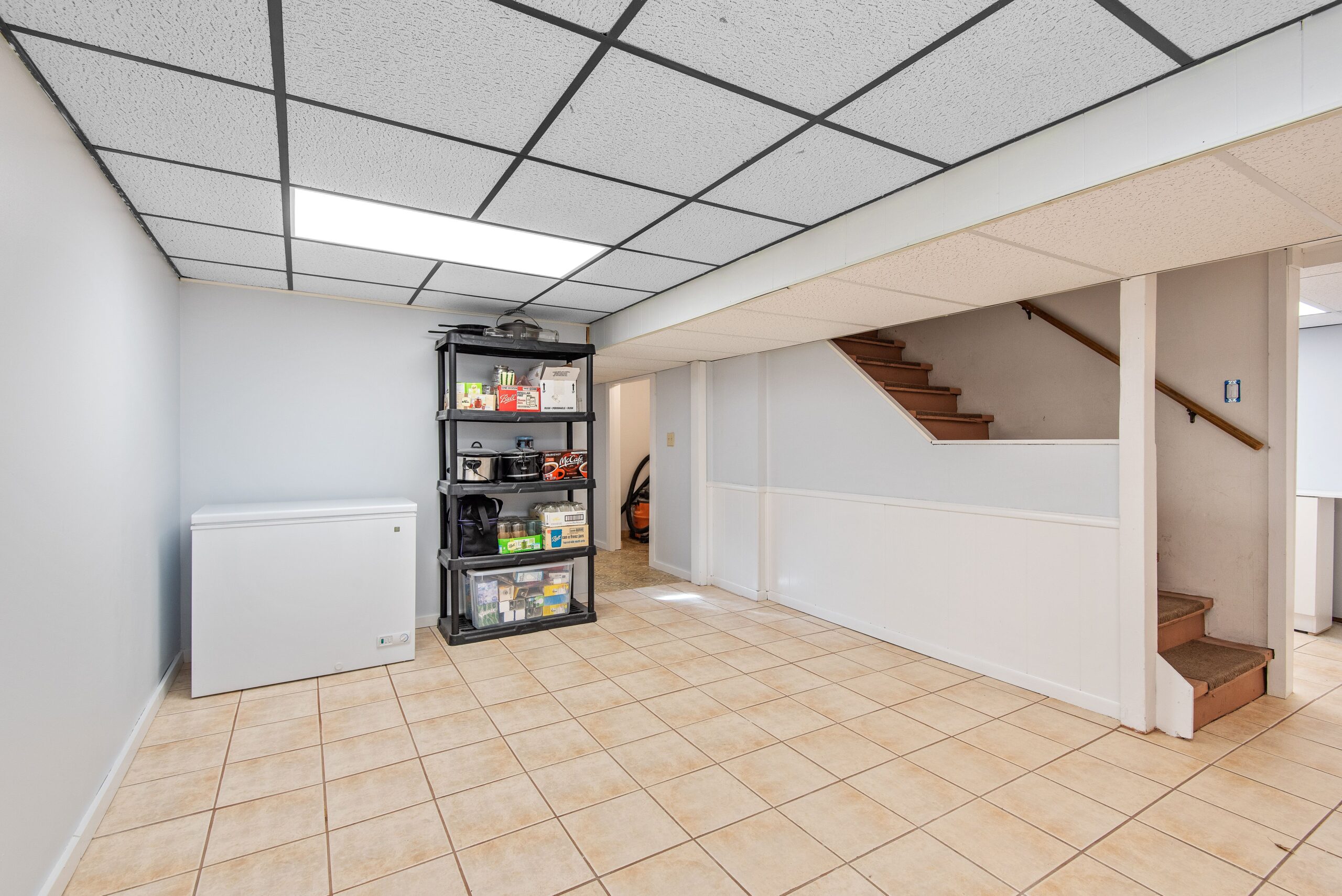
  • Basement Waterproofing Cost: Professional Home Guide

    Basement Waterproofing Cost: Professional Home Guide

    Basement Waterproofing Cost: Professional Home Guide is a useful starting point for homeowners dealing with leaks, damp walls, standing water, or recurring basement moisture. Waterproofing can protect a home from water damage and help create a cleaner, more usable basement.

    The right solution depends on where the water comes from. In some homes, better grading and downspout drainage may solve the problem. Other properties need interior drainage, a sump pump, exterior excavation, foundation waterproofing, or a combination of methods.

    Understanding the costs and available solutions makes it easier to compare contractors and avoid paying for work that does not address the actual source of the water.

    What Is Basement Waterproofing?

    Basement waterproofing is a group of methods used to reduce or prevent water from entering a basement. These methods can manage groundwater, surface runoff, foundation seepage, and other moisture sources.

    Water can reach a foundation in several ways. Rainwater may collect around the house. Poor grading can direct runoff toward foundation walls. Groundwater can enter through cracks, joints, floors, or walls. Plumbing leaks can also create basement moisture.

    The U.S. Environmental Protection Agency recommends managing water outside the foundation, fixing leaks, and controlling moisture before problems become more serious.

    Basement Waterproofing Cost in 2026

    Current U.S. cost estimates vary considerably. HomeGuide reports an average basement waterproofing range of approximately $6,000 to $18,000. It places interior waterproofing around $6,000 to $12,000 and exterior waterproofing around $10,000 to $18,000.

    Angi reports a broader professional waterproofing range of about $2,461 to $8,201, depending on the method and basement size. Its figures also show that individual components, such as sump pumps, drainage systems, grading, and exterior membranes, can have very different prices.

    These differences are important. A small moisture-control project is not comparable to a complete exterior excavation and foundation waterproofing project.

    Waterproofing Approach Typical Planning Range Best Used For
    Basic moisture corrections Hundreds to several thousand dollars Minor drainage and runoff issues
    Interior waterproofing $6,000–$12,000 Interior drainage and water management
    Exterior waterproofing $10,000–$18,000 Foundation-level water intrusion
    Sump pump installation About $1,200–$2,500 Collecting and pumping basement water

    Use these numbers as budgeting guidelines rather than guaranteed prices. A professional inspection is the best way to determine the actual project cost.

    What Affects Basement Waterproofing Cost?

    Basement Size

    A larger basement usually requires more materials and labor. Longer foundation walls can also increase the amount of drainage work required.

    Foundation Type

    Concrete block, poured concrete, stone, and other foundation types can present different moisture challenges. The condition of the foundation also matters.

    Severity of Water Intrusion

    A few damp spots are different from repeated flooding. Significant water entry may require drainage improvements, pumps, excavation, or foundation repairs.

    Accessibility

    Interior projects can become more complicated when contractors need to work around finished walls, flooring, plumbing, utilities, or built-in structures.

    Local Soil and Drainage

    Soil conditions affect how water moves around a foundation. Poor drainage can keep soil saturated and increase pressure against foundation walls.

    The EPA explains that foundations are exposed to rainwater, plumbing leaks, rain-soaked soil, groundwater, and condensation.

    Most Common Basement Waterproofing Methods

    Interior Drainage Systems

    An interior drainage system collects water that reaches the basement and directs it toward a sump or suitable discharge point. This approach can be practical when exterior excavation is difficult or expensive.

    Interior systems may include drainage channels, drain tile, collection points, and a sump pump. The exact design depends on where water enters and how the basement is constructed.

    Sump Pump Installation

    A sump pump collects water in a pit and pumps it away from the foundation. A properly designed system can be an important part of basement water management.

    Backup protection may also be worth considering in areas where power outages or heavy storms are common. Ask the contractor what type of backup system is appropriate for your property.

    Exterior Waterproofing

    Exterior waterproofing addresses water at the outside of the foundation. It may involve excavation, foundation-wall preparation, waterproof membranes, drainage materials, and backfilling.

    This approach can be more expensive because excavation requires significant labor. However, it can address water before it reaches the foundation wall.

    Angi notes that exterior methods generally cost more than interior work because excavation is labor-intensive.

    Foundation Crack Repair

    Foundation cracks can allow water to enter a basement. The appropriate repair depends on the type, size, location, and cause of the crack.

    A contractor should determine whether the crack is simply a moisture-entry point or a sign of a larger foundation problem. Do not assume that sealing a crack alone will solve every basement leak.

    Grading and Downspout Improvements

    Not every waterproofing project requires major construction. Sometimes the first step should be improving exterior drainage.

    Water should move away from the foundation rather than collect beside it. The EPA recommends managing water outside foundation walls and directing downspout runoff away from the house.

    For homeowners planning broader drainage work, the EPA moisture-control guidance provides useful information about managing water and preventing moisture problems.

    Interior vs. Exterior Basement Waterproofing

    Choosing between interior and exterior waterproofing depends on the source of the problem.

    Interior waterproofing manages water after it reaches the interior side of the foundation. It can be useful when exterior access is limited. It may also have a lower initial cost in some situations.

    Exterior waterproofing attempts to stop water before it enters the foundation. It usually requires excavation and can be more expensive. However, it may be appropriate when exterior drainage and foundation-wall conditions are the main causes of water intrusion.

    There is no universal solution. A qualified contractor should inspect the property before recommending a major system.

    Signs Your Basement May Need Waterproofing

    Several warning signs deserve attention. These include:

    • Recurring water on the basement floor.
    • Damp or discolored foundation walls.
    • Musty odors.
    • Visible mold or mildew growth.
    • White mineral deposits on masonry.
    • Peeling paint or damaged finishes.
    • Water entering after heavy rain.
    • Cracks that repeatedly allow moisture inside.
    • A sump pump that runs frequently.

    A damp basement should not simply be covered with paint or finished over. The moisture source should be identified first. The EPA specifically recommends correcting basement moisture problems before converting a basement into living space.

    Basement Waterproofing Process

    1. Inspection

    A professional should first identify where the water comes from. This may involve inspecting foundation walls, floors, gutters, downspouts, grading, plumbing, and existing drainage systems.

    2. Moisture Source Identification

    The contractor should determine whether the problem involves surface water, groundwater, condensation, plumbing, foundation cracks, or several sources.

    3. System Recommendation

    Once the cause is understood, the contractor can recommend an appropriate solution. This may involve exterior drainage, interior drainage, a sump pump, crack repair, grading, or another combination.

    4. Installation

    Installation methods vary by project. Interior drainage may require opening sections of the basement floor. Exterior waterproofing can require excavation along foundation walls.

    5. Water Management and Testing

    After installation, the drainage and pumping system should be checked. The contractor should also explain where collected water is discharged and how the system should be maintained.

    How to Choose a Basement Waterproofing Contractor

    Choosing the contractor is as important as choosing the waterproofing method. Start by getting multiple written estimates.

    Each estimate should explain the problem, recommended solution, materials, labor, warranty, drainage design, and any additional repairs.

    • Ask whether the quote includes excavation or concrete removal.
    • Ask how the contractor identified the source of water.
    • Confirm whether permits are required.
    • Review the warranty in writing.
    • Ask whether cleanup and restoration are included.
    • Check references and relevant experience.
    • Compare several detailed estimates before signing.

    Homeowners can also research local professionals through established home-service resources such as home improvement contractor services.

    Ways to Reduce Basement Waterproofing Costs

    Early action can sometimes prevent a small drainage issue from becoming a larger project. Start with basic exterior water management.

    Keep gutters clean. Extend downspouts away from the foundation. Check whether the soil slopes away from the house. Repair plumbing leaks promptly.

    The EPA recommends directing surface water away from foundation walls and correcting drainage problems.

    However, avoid choosing a cheap fix simply because it has the lowest upfront price. A waterproof coating may not solve a groundwater problem. Similarly, a sump pump may not address exterior grading or foundation-wall issues.

    The best value comes from fixing the underlying cause.

    Basement Waterproofing and Home Value

    Waterproofing is primarily a property-protection investment. It can help reduce the risk of recurring water damage, mold-related moisture problems, and deterioration of finished basement areas.

    It can also make a basement more practical for storage, recreation, or future renovation. However, homeowners should not assume that every dollar spent on waterproofing will translate directly into an equal increase in resale value.

    Instead, think of waterproofing as preventative maintenance and risk reduction. A dry basement can support the long-term condition and usability of the property.

    Final Thoughts on Basement Waterproofing Cost: Professional Home Guide

    Basement Waterproofing Cost: Professional Home Guide shows why there is no single price for every home. Current U.S. estimates range from relatively small drainage projects to major waterproofing systems costing many thousands of dollars.

    The most important step is identifying the source of the water. A good solution should manage that source rather than simply hide its symptoms.

    Start with gutters, downspouts, grading, and visible leaks. If those measures do not solve the problem, obtain a professional assessment. Compare detailed quotes and ask exactly what each contractor plans to install.

    With the right approach, basement waterproofing can help protect your foundation, reduce moisture problems, and create a more usable home for years to come.