The modern workplace is changing quickly. New technologies, business models, and job requirements continue to reshape many industries. As a result, professionals often need to learn new skills to remain competitive and prepare for better opportunities.
Fortunately, education is no longer limited to a traditional classroom. Online learning gives students and working professionals access to courses, certificates, and degree programs from almost anywhere. This flexibility makes it easier to learn while managing work and other responsibilities.
How Online Education Can Help You Advance Your Career is an important question for anyone planning their next professional step. The right online program can help you build valuable skills, improve your résumé, prepare for new responsibilities, and explore a career change.
However, online education is not a guaranteed shortcut to career success. The results depend on choosing relevant education and applying what you learn. This guide explains how online learning can support long-term career growth.
What Is Online Education?
Online education refers to learning delivered through digital platforms. It can include short courses, professional certificates, boot camps, training programs, and full degree programs.
Some courses are self-paced. Others include live classes, deadlines, group projects, and instructor feedback. Students may use videos, digital textbooks, discussion boards, quizzes, assignments, and practical projects.
This variety allows learners to select an education format that fits their goals and schedule.
If you are exploring different learning options, visit our online learning resources for additional guides and tips.
1. Learn Skills That Employers Need
One of the biggest benefits of online education is the ability to develop specific professional skills.
Instead of spending years completing a full degree, a professional may take a focused course to improve a particular ability. For example, someone working in marketing could study SEO, analytics, content strategy, or digital advertising.
A technology professional might study programming, cloud computing, cybersecurity, or data analysis. A business professional could learn project management, financial analysis, leadership, or business communication.
The key is to choose skills that connect with your career goals. Research job descriptions in your target field and identify skills that employers frequently request.
2. Improve Your Résumé
A well-chosen online course can add relevant education to your résumé. This can be especially helpful when you are developing a new skill or moving into a different area.
However, simply collecting certificates is not enough. Employers want evidence that you can apply your knowledge.
Whenever possible, choose courses that include practical projects. A completed project can demonstrate what you learned and give you something specific to discuss during an interview.
For more guidance, explore our career development tips to learn how education can fit into a broader professional strategy.
3. Prepare for a Promotion
Career advancement does not always require changing employers. Sometimes the next opportunity is available within your current organization.
Online education can help you prepare for additional responsibilities. For example, an employee who wants to move into management could study leadership, communication, budgeting, or project management.
Before choosing a course, look at the skills required for the position you want. Then choose training that helps you close specific skill gaps.
It can also be useful to discuss professional development with your manager. Your employer may offer training budgets or other learning benefits.
4. Make Career Changes More Accessible
Changing careers can feel difficult when you lack experience in a new field. Online education can provide a structured way to start building relevant knowledge.
For example, someone with a business background may explore data analytics. A communications professional might study user experience or digital marketing. A creative professional could learn new software or technical skills.
You do not need to master an entirely new field overnight. Start with foundational knowledge. Then build practical skills through projects and additional training.
This approach can make a career transition more manageable while allowing you to continue your existing responsibilities.
5. Gain Industry-Recognized Credentials
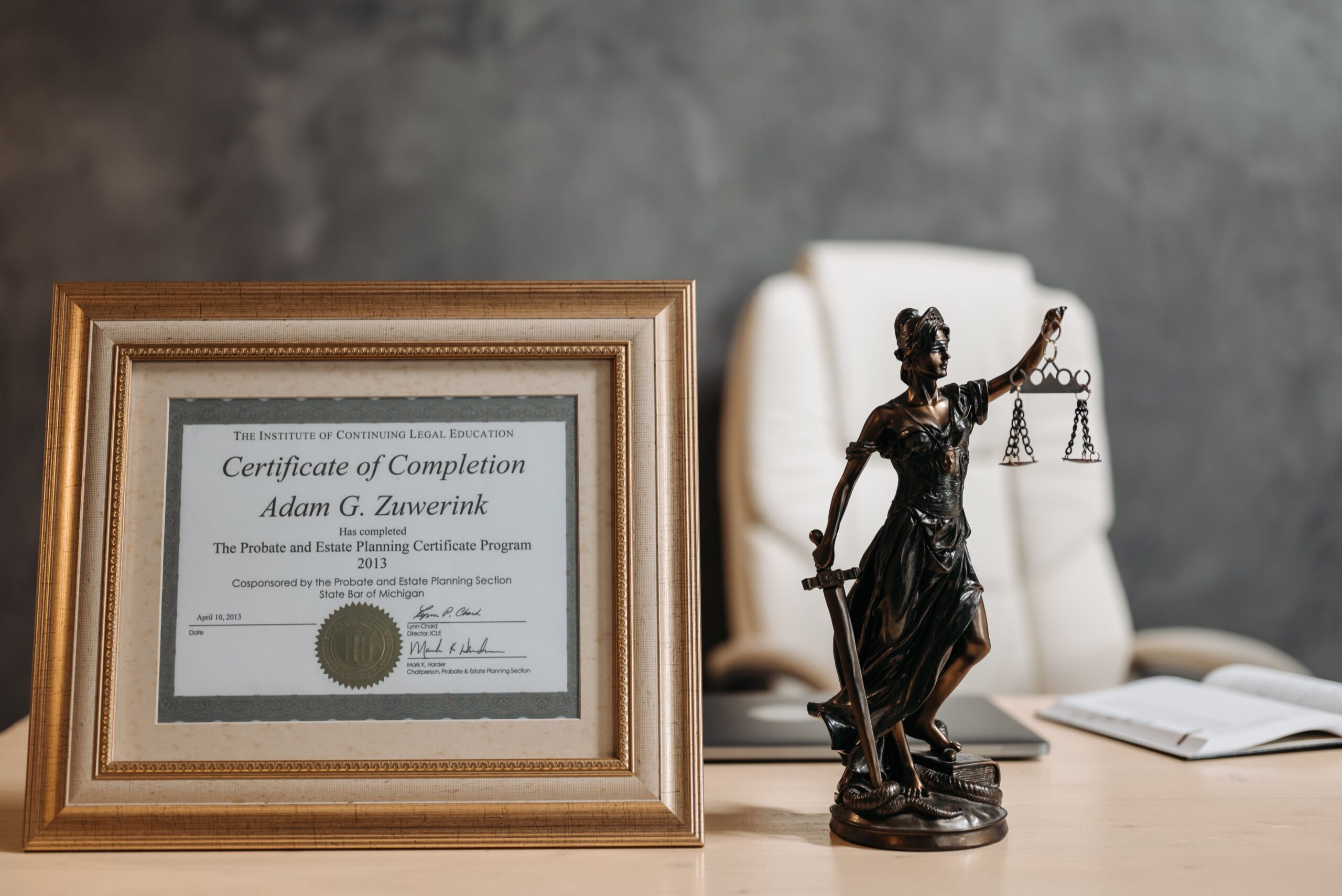
Some online programs provide certificates or prepare learners for professional credentials. Depending on the industry, these qualifications can demonstrate knowledge in a particular area.
Before paying for a certification program, research whether employers in your target field value the credential. Requirements can differ significantly between industries.
For general online learning and professional education, Coursera online learning programs offer courses and professional credentials across numerous subjects.
You should also investigate the organization behind any credential. A certificate has greater practical value when employers understand what it represents.
6. Build Practical Experience
Learning theory is important, but practical experience can make your education more useful.
Look for courses that include assignments, simulations, case studies, and portfolio projects. These activities allow you to practice skills instead of simply watching lectures.
For example, a student studying web development could create a website. Someone learning data analytics could analyze a dataset and present the results. A marketing student could develop a sample campaign strategy.
Practical work gives you evidence of your abilities. It can also help you discover which parts of a career you enjoy.
7. Learn While Working
One reason online education has become popular is flexibility. Many programs allow students to study outside traditional classroom hours.
This can make professional development easier for people who already have jobs. Instead of leaving work to attend a full-time program, learners may be able to complete coursework during evenings or weekends.
However, flexibility still requires planning. Set realistic study hours and avoid enrolling in more courses than you can manage.
A consistent schedule is often more effective than trying to complete everything at the last minute.
8. Develop Digital Skills
Digital skills are increasingly relevant across many professions. Even jobs that were once primarily offline may now involve digital tools and platforms.
Online education can help professionals become more comfortable with technology. Depending on your career, useful skills might include spreadsheet analysis, presentation software, data visualization, digital communication, project management platforms, or artificial intelligence tools.
Technology changes quickly, so continuous learning can help professionals keep their skills current.
9. Expand Your Professional Network
Online learning can also create opportunities to connect with other students, instructors, and professionals.
Some programs include discussion forums, group assignments, live sessions, or professional communities. These interactions can expose you to different perspectives and career experiences.
Networking does not mean asking everyone for a job. Instead, focus on meaningful professional relationships. Participate in discussions, share useful ideas, and learn from people working in your field.
10. Explore Entrepreneurship and Online Business Skills
Online education is not only useful for traditional employment. It can also help people explore entrepreneurship.
Courses in accounting, marketing, web design, customer research, and business planning can provide useful foundations for an online business.
Some learners may explore affiliate marketing, while others may research ecommerce models. If you are comparing different models, our guide to online business ideas and strategies can provide additional context.
However, business education should be approached realistically. Concepts such as passive income often require substantial upfront work and ongoing management. Likewise, understanding affiliate vs dropshipping can help beginners recognize that different business models have different costs, skills, and responsibilities.
Education can provide useful knowledge, but it does not guarantee business income.
11. Choose Courses From Reputable Providers
The quality of online education varies. Before enrolling, research the institution, instructor, curriculum, reviews, cost, and learning format.
For degree programs, accreditation is particularly important. For professional courses, investigate whether employers recognize the credential and whether the curriculum reflects current industry practices.
Another established learning provider is edX online courses and programs, which offers educational content from universities and other organizations.
Do not choose a program solely because it has a large number of advertisements or promises dramatic career results. Focus on measurable learning outcomes and practical value.
12. Compare the Cost With the Potential Value
Education is an investment, so cost should be considered carefully.
Compare tuition with the course length, curriculum, instructor support, practical projects, credential, and career relevance. Also check for additional costs such as software, exams, textbooks, or certificate fees.
A more expensive program is not automatically better. Similarly, a free course may not provide the depth you need for a specific career goal.
The best option is usually the one that offers relevant education at a cost you can realistically manage.
How to Choose the Right Online Course for Career Growth
Before enrolling, create a simple checklist.
- Define your goal: Decide whether you want a promotion, new skills, a career change, or broader knowledge.
- Research demand: Review current job descriptions in your target field.
- Check the syllabus: Make sure the course teaches relevant skills.
- Review the instructor: Look for appropriate academic or professional experience.
- Look for practical work: Projects can help you apply what you learn.
- Compare costs: Consider the full cost rather than tuition alone.
- Check reviews: Look for consistent feedback from learners.
- Consider flexibility: Choose a schedule you can maintain.
- Research credentials: Determine whether employers value the certificate.
Common Mistakes to Avoid
Choosing a Course Because It Is Popular
A popular course may not match your career needs. Always compare its curriculum with your goals.
Expecting a Certificate to Guarantee a Job
A certificate can demonstrate learning, but it does not guarantee employment. Skills, experience, communication, projects, and interview performance also matter.
Taking Too Many Courses
More courses do not always produce better results. Focus on learning useful skills and applying them.
Ignoring Practical Experience
Knowledge becomes more valuable when you can demonstrate how you use it. Choose courses with projects whenever possible.
How Online Education Can Help You Advance Your Career
How Online Education Can Help You Advance Your Career depends on how strategically you use it. Online learning can help you build in-demand skills, strengthen your résumé, prepare for promotions, explore career changes, and develop knowledge for an online business.
The most effective approach is to begin with a specific goal. Identify the skills you need. Find reputable programs that teach those skills. Then create a realistic study schedule and apply your new knowledge through practical work.
Final Thoughts
Career growth is rarely based on one course or one qualification. It is usually the result of continuous learning, practical experience, professional relationships, and consistent effort.
Online education can make that process more accessible. You can learn new skills without necessarily leaving your current job or relocating to another city. You can also choose specialized courses that target specific gaps in your knowledge.
The important thing is to choose education with purpose. Do not collect certificates simply to fill space on a résumé. Select programs that support your professional goals and teach skills you can actually use.
When approached strategically, online learning can become a valuable part of your long-term career plan. Whether your goal is a promotion, career change, professional certification, or entrepreneurship, the right education can help you take a meaningful next step.