Many startups focus on product development and customer acquisition first. Security may receive attention only after something goes wrong. That approach can be costly. A compromised account, stolen customer data, or ransomware incident can disrupt operations and damage trust.
This guide to Cyber Security for Startups: 15 Essential Security Practices explains the most important steps founders and startup teams can take to build stronger security from the beginning.
You do not need a massive security budget to get started. Good security comes from strong fundamentals, consistent processes, and informed decisions.
Why Cyber Security Matters for Startups
Startups can be attractive targets because they often have valuable data but limited security resources. A growing company may also rely on many cloud services, third-party applications, remote workers, and external vendors.
Every new tool can create another account, integration, or access point. Without proper controls, these connections can increase risk.
Strong startup cybersecurity helps protect customer information, intellectual property, financial records, employee accounts, and business operations.
The NIST Cybersecurity Framework provides a useful foundation for organizations that want to identify and manage cybersecurity risks.
15 Essential Cyber Security Practices for Startups
1. Use Multi-Factor Authentication
Passwords can be stolen through phishing, malware, data breaches, or reused credentials. Multi-factor authentication adds another verification step.
Enable MFA on email, cloud platforms, financial accounts, code repositories, administrative tools, and other critical services.
Prioritize administrator accounts first. These accounts can provide access to important systems and data.
2. Create Strong Password Policies
Every startup should have a basic password policy. Employees should use strong, unique passwords for business accounts.
A password manager can help teams create and store unique credentials securely. Avoid sharing passwords through chat messages, spreadsheets, or ordinary email.
Strong password practices are one of the simplest ways to improve your overall cyber security for startups.
3. Control Employee Access
Employees should only have access to the systems and information they need for their jobs.
This principle is known as least privilege. It reduces the potential impact of a compromised account.
Review permissions when employees change roles. Remove access promptly when someone leaves the company.
4. Secure Cloud Services
Modern startups often depend heavily on cloud platforms. These services may host customer data, source code, documents, analytics, and internal communications.
Review cloud permissions regularly. Protect administrator accounts with MFA. Avoid public access settings unless they are intentionally required.
Document which cloud services your startup uses. This creates a clearer picture of your technology environment.
5. Protect Source Code and Development Systems
Software startups should treat source code as a critical business asset. Protect code repositories with strong authentication and carefully managed permissions.
Never store passwords, API keys, or other sensitive credentials directly in source code. Use appropriate secret-management tools instead.
Review repository permissions regularly and remove inactive accounts.
6. Keep Software Updated
Outdated software can contain known security vulnerabilities. Attackers may exploit these weaknesses when businesses fail to install available security updates.
Keep operating systems, browsers, applications, plugins, servers, and security tools updated.
Automate updates where practical. For critical systems, establish a process for testing and deploying important patches quickly.
7. Train Employees to Recognize Phishing
People are an important part of startup security. Employees may receive fake invoices, login alerts, document-sharing messages, or requests that appear to come from company executives.
Teach employees to inspect unexpected messages carefully. They should avoid clicking suspicious links or opening unexpected attachments.
Make reporting simple. Employees should feel comfortable reporting suspicious activity without fear of punishment.
The CISA cybersecurity resources offer practical information about common threats and defensive practices.
8. Back Up Critical Data
A reliable backup strategy can help a startup recover from hardware failure, accidental deletion, ransomware, and other incidents.
Identify your most important data first. This may include customer records, financial documents, databases, source code, product assets, and business files.
Backups should be protected from unauthorized access. Test restoration regularly to make sure the recovery process actually works.
9. Secure Company Devices
Laptops and smartphones can contain sensitive business information. Protect company devices with screen locks, encryption, security software, and automatic updates.
Maintain an inventory of company devices. Know who has each device and what data it can access.
When a device is lost or stolen, the business should have a clear process for protecting accounts and company information.
10. Create a Vendor Security Process
Startups often depend on external vendors for hosting, payments, analytics, communications, marketing, accounting, and other services.
Before connecting a vendor to sensitive systems, consider its security practices. Determine what information the vendor receives and what access it requires.
Review important vendors periodically. Remove integrations that are no longer necessary.
11. Protect Customer Data
Customer information is one of a startup’s most valuable assets. Collect only the information you genuinely need.
Limit access to sensitive records. Use appropriate encryption and access controls. Establish procedures for retaining and deleting information.
Privacy and security should be considered during product development rather than added later.
The FTC privacy and security guidance can help businesses understand practical approaches to protecting customer information.
12. Secure Your Website and Online Business
A startup website can be an important business asset. It may process customer information, accept payments, collect leads, or connect to internal systems.
Keep your website platform and plugins updated. Protect administrator accounts with MFA where available.
If your company operates an online business, review website permissions, backups, hosting security, and third-party integrations regularly.
You can also use your website security guide for additional website protection practices.
13. Build an Incident Response Plan
Every startup should know what to do when a security incident occurs.
Create a simple incident response plan. Define who should be contacted, which systems may need to be isolated, and how important information should be protected.
Include emergency contact information for key technology providers. Keep the plan accessible even if normal business systems become unavailable.
Practice the plan periodically. A short tabletop exercise can reveal gaps before a real incident occurs.
14. Monitor Security Activity
Prevention is important, but startups also need ways to identify suspicious activity.
Monitor important accounts, authentication events, administrative actions, and unusual system behavior when practical.
Security alerts should be reviewed rather than ignored. Early detection can reduce the potential impact of an incident.
15. Perform Regular Security Assessments
Startup environments change quickly. New employees join. New applications are deployed. Vendors are added. Infrastructure evolves.
For this reason, cybersecurity should be reviewed regularly.
Consider performing a cybersecurity audit or risk assessment to identify weaknesses across your technology environment.
A professional assessment can help prioritize security improvements based on business risk rather than guesswork.
How Startups Can Build Security Into Their Culture
Cybersecurity should not belong only to the IT team. Founders, developers, marketers, sales staff, finance teams, and contractors can all affect security.
Create simple security expectations from the beginning. New employees should receive security guidance during onboarding.
Make security part of normal workflows. For example, new software should be reviewed before employees begin using it. New employees should receive appropriate account permissions from day one.
This approach creates a security-first culture without slowing down the entire organization.
Cybersecurity Priorities for Early-Stage Startups
Not every startup can afford a dedicated security team. That does not mean security has to wait.
Start with high-impact fundamentals. Enable MFA. Use strong passwords. Keep systems updated. Back up important data. Limit access. Train employees. Protect customer information.
Next, document your technology environment and identify your most important business risks.
As the company grows, consider additional controls such as centralized identity management, endpoint management, vulnerability assessments, security monitoring, penetration testing, and formal compliance programs where appropriate.
Common Startup Cybersecurity Mistakes
Several mistakes appear repeatedly in growing companies.
One is giving employees excessive permissions. Another is allowing former employees to retain access. Using personal accounts for business systems can also create problems.
Other common mistakes include ignoring software updates, failing to test backups, storing credentials insecurely, and assuming that a cloud provider automatically handles every aspect of security.
Recognizing these issues early can help your startup avoid unnecessary risk.
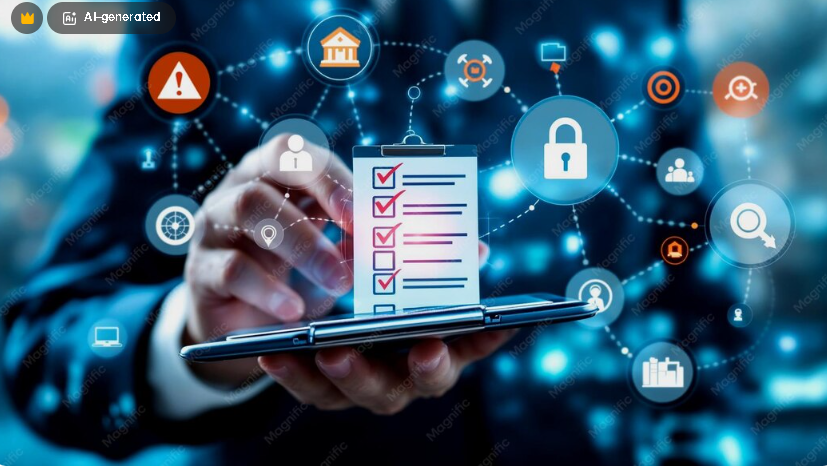
A Simple Startup Cyber Security Checklist
- Enable MFA on critical accounts.
- Use strong and unique passwords.
- Deploy a password manager where appropriate.
- Review employee permissions.
- Remove access when employees leave.
- Keep software and devices updated.
- Train employees about phishing and social engineering.
- Back up critical business data.
- Protect laptops and smartphones.
- Secure cloud services.
- Protect source code and development environments.
- Review third-party vendor access.
- Protect customer information.
- Create an incident response plan.
- Review cybersecurity risks regularly.
When Should a Startup Invest in Professional Cybersecurity?
Professional security support can become valuable as a startup grows. Consider getting expert help when your company handles sensitive information, serves larger customers, enters regulated markets, raises significant investment, or develops a complex technology environment.
External security professionals can provide specialized assessments and identify issues that an internal team may overlook.
The right time to seek help depends on your risk profile. Do not wait for a security incident to make cybersecurity a priority.
Conclusion
Cyber Security for Startups: 15 Essential Security Practices is not simply a technology topic. It is a business priority.
Startups depend on data, software, cloud services, employees, customers, and digital infrastructure. Protecting these assets can help maintain operations and build long-term trust.
Start with practical measures. Enable MFA. Strengthen passwords. Limit access. Update software. Back up data. Train employees. Protect customer information. Then continue improving your security as the business grows.
A strong cybersecurity program does not have to slow down innovation. When security is built into everyday processes, startups can grow with greater confidence and fewer avoidable risks.