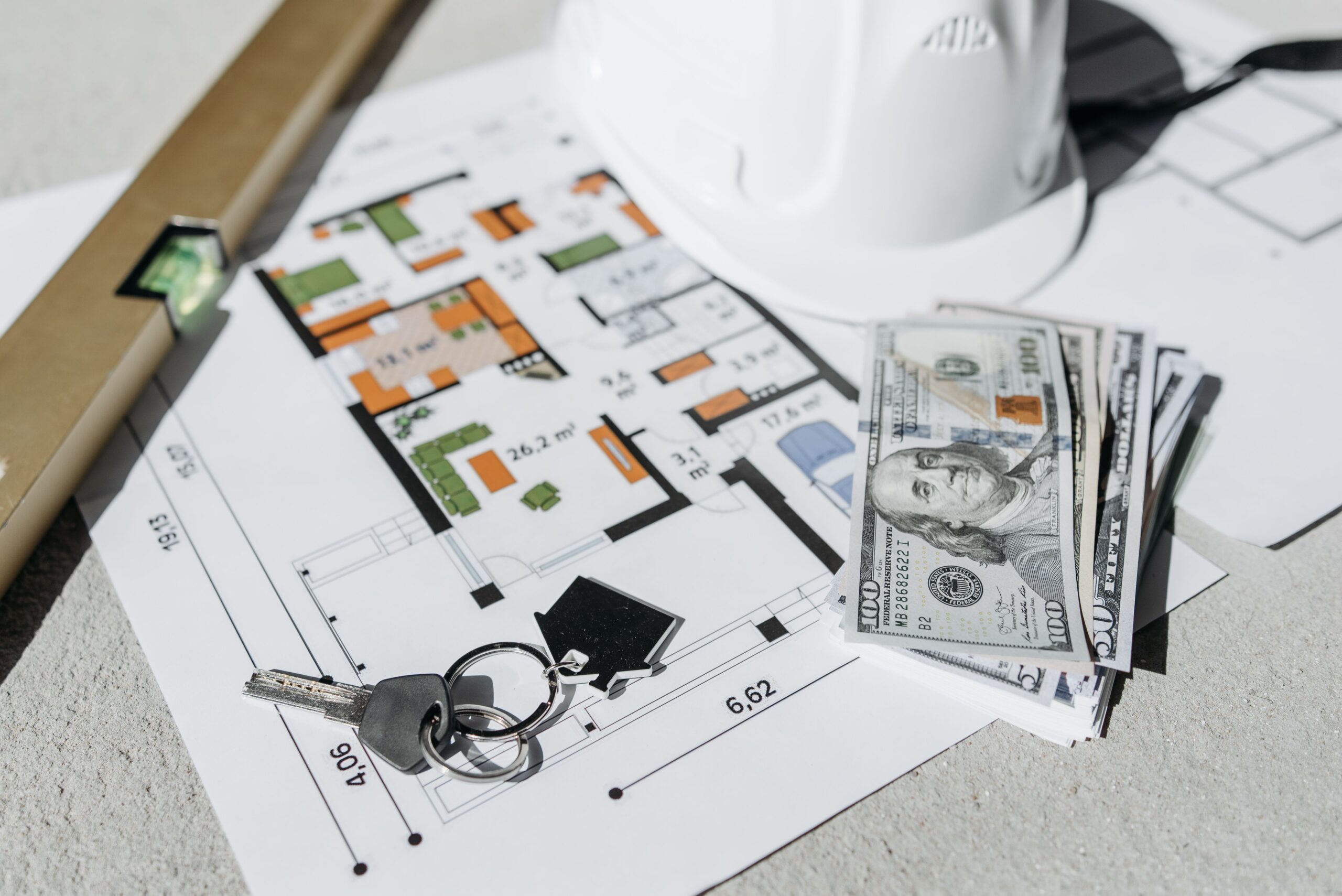
For beginners, the goal should not be to buy a property as quickly as possible. Instead, learn how real estate works, understand different investment strategies, and create a plan that fits your financial situation.
This guide explains the basics of real estate investing, including how to choose a strategy, evaluate properties, understand financing, estimate cash flow, manage risk, and avoid common beginner mistakes.
What Is Real Estate Investing?
Real estate investing involves purchasing, owning, managing, or financing property with the goal of earning a return. Investors may earn money through rental income, property appreciation, business income, or a combination of these sources.
There are several types of real estate investments. Residential rental properties are popular with beginners. Other options include commercial properties, real estate investment trusts, house flipping, and real estate crowdfunding.
Each strategy has a different level of risk, capital requirement, time commitment, and potential return. Therefore, choosing the right strategy is one of the first steps in building a successful investment plan.
Why Do People Invest in Real Estate?
Real estate attracts investors for several reasons. One is the potential to generate recurring rental income. Another is the possibility that a property may increase in value over time.
Real estate may also provide portfolio diversification. Unlike stocks and bonds, property is a physical asset that can generate income while you own it.
However, real estate is not guaranteed to increase in value. Markets can decline. Properties can remain vacant. Repairs can become expensive. Financing costs can also affect your returns.
That is why beginners should focus on risk management as much as potential profits.
Choose a Real Estate Investment Strategy
Before searching for properties, decide how you want to invest. Your strategy should match your budget, experience, goals, and available time.
Buy-and-Hold Rental Properties
Buy-and-hold investing involves purchasing a property and holding it for several years. The property may generate rental income while potentially appreciating over time.
This approach is popular because investors can potentially benefit from both rental cash flow and long-term equity growth.
However, landlords must manage tenants, maintenance, vacancies, insurance, taxes, and other expenses. You can reduce the workload by hiring a professional property manager, although management fees will reduce cash flow.
House Flipping
House flipping involves purchasing a property, improving it, and selling it for a potential profit.
The strategy can produce returns more quickly than a long-term rental strategy. However, it also carries significant risks. Renovation costs can exceed estimates, projects can take longer than expected, and market conditions can change before the property is sold.
Real Estate Investment Trusts
A REIT allows investors to gain exposure to real estate without directly purchasing and managing a property.
Publicly traded REITs can generally be purchased through a brokerage account. The SEC’s REIT investor education page provides useful information about how REITs work and the risks investors should understand.
Real Estate Crowdfunding
Real estate crowdfunding platforms may allow investors to participate in property-related investments with less capital than a traditional property purchase. However, these investments can have different fees, liquidity limitations, and risks.
Always research the investment structure and read the relevant disclosures before committing money.
How Much Money Do You Need to Start?
There is no single amount required to begin investing in real estate. Your required capital depends on the strategy you choose.
Buying a rental property may require a down payment, closing costs, inspections, repairs, and cash reserves. You should not use every dollar available for the purchase.
Maintaining an emergency fund and property reserves can help you handle unexpected expenses. A major repair or temporary vacancy should not immediately put your personal finances under pressure.
For beginners, creating a detailed real estate investment budget can make the buying process easier and more disciplined.
Understand the Numbers Before Buying
One of the most important lessons in real estate investing: a complete guide for beginners is learning how to evaluate a property’s financial performance.
Start by estimating the property’s gross rental income. Then subtract realistic operating expenses.
Common expenses include:
- Property taxes
- Insurance
- Repairs and maintenance
- Property management
- Vacancy costs
- Utilities paid by the owner
- HOA fees
- Landscaping
- Pest control
- Capital expenditure reserves
After estimating these expenses, calculate the property’s net operating income, or NOI.
NOI = Rental Income − Operating Expenses
Then consider the mortgage and other financing costs to estimate actual cash flow.
Cash Flow = NOI − Debt Service
This calculation gives you a better idea of whether the property can produce positive cash flow.
Learn Key Real Estate Investment Metrics
Cash-on-Cash Return
Cash-on-cash return compares annual pre-tax cash flow with the amount of cash you invested.
Cash-on-Cash Return = Annual Cash Flow ÷ Total Cash Invested × 100
This metric is particularly useful when comparing financed rental properties.
Capitalization Rate
The cap rate measures the property’s operating return relative to its purchase price.
Cap Rate = NOI ÷ Property Value × 100
Cap rates can help you compare properties. However, a higher cap rate does not automatically mean a better investment. Location, tenant demand, property condition, and risk also matter.
Cash Flow
Cash flow shows how much money remains after rental income and expenses are accounted for. Positive cash flow can provide recurring income, while negative cash flow means you may need to contribute additional money to the property.
Use our rental property ROI calculator to compare potential returns using different purchase prices, rents, expenses, and financing assumptions.
Understand Real Estate Financing
Financing can have a major effect on your investment returns. A mortgage allows you to control a property without paying the entire purchase price in cash.
However, borrowing also introduces interest costs and monthly debt obligations. A property that looks profitable without debt may produce much lower cash flow after financing.
Compare the interest rate, loan term, down payment, closing costs, and monthly payment before choosing a loan.
You should also understand how changes in interest rates may affect your future borrowing costs. The Consumer Financial Protection Bureau’s mortgage resources can help buyers understand important mortgage concepts and costs.
Location Matters in Real Estate
The old real estate principle of focusing on location remains important. A property with attractive features may still struggle if it is in an area with weak rental demand.
Research employment opportunities, population trends, transportation, schools, local amenities, crime data, property taxes, and housing supply.
Also study comparable rental properties. Look at current asking rents and, when possible, actual rental activity.
Do not rely only on a seller’s projected income. Verify the numbers independently.
Calculate Your Rental Property ROI
Before purchasing an investment property, calculate the expected return using realistic assumptions.
For example, suppose you purchase a rental property for $250,000. You invest $60,000 in the down payment, closing costs, and initial improvements.
Assume the property generates $26,400 in annual scheduled rent. After accounting for vacancy and operating expenses, suppose the property produces $16,000 in NOI. If annual mortgage payments total $12,000, your estimated annual pre-tax cash flow would be $4,000.
Your approximate cash-on-cash return would be:
$4,000 ÷ $60,000 × 100 = 6.67%
This is only an example. Your actual return will depend on financing, taxes, insurance, repairs, vacancy, rent, property value, and other factors.
For a more detailed analysis, read our guide on how to calculate rental property ROI before buying.
Do Not Ignore Taxes and Insurance
Taxes and insurance can significantly affect your investment’s profitability.
Property taxes vary by location. Insurance premiums also depend on the property’s location, condition, coverage, and other factors.
Rental property owners should also understand how rental income, expenses, depreciation, and property sales may be treated for tax purposes.
The IRS residential rental property guide provides information about rental income, expenses, depreciation, and related tax topics.
Tax rules can be complicated. Consider consulting a qualified tax professional before making decisions based on expected tax benefits.
Build a Real Estate Investment Plan
A written plan can help you avoid emotional decisions.
Your plan should define your investment goals, target markets, preferred property type, budget, financing approach, expected return, and risk tolerance.
For example, one investor may prioritize monthly passive income. Another may focus on long-term appreciation. A third investor may prefer REITs because they do not want to manage tenants.
There is no universal strategy. The best approach depends on your objectives.
Common Beginner Mistakes
Buying Based on Emotion
A beautiful property is not necessarily a profitable investment. Let the numbers guide your decision.
Underestimating Expenses
New investors sometimes focus on rent while ignoring repairs, vacancies, insurance, taxes, and maintenance. Use conservative estimates instead.
Having Too Little Cash Reserves
Unexpected expenses are part of property ownership. Maintain adequate reserves so one major repair does not create a financial crisis.
Assuming Appreciation Is Guaranteed
Property values can rise or fall. Do not make an investment decision based entirely on expected appreciation.
Skipping Due Diligence
Inspect the property carefully. Review leases, financial records, taxes, insurance, permits, and relevant property documents before closing.
How to Reduce Risk as a Beginner
Start with education. Learn how rental properties work before making a large financial commitment.
Next, analyze multiple properties. This teaches you how pricing, rent, expenses, and returns differ between investments.
Keep your assumptions conservative. If a deal only works with perfect occupancy and rapidly rising rents, it may be too risky.
Finally, build a professional team. Depending on your investment, this may include a real estate agent, lender, property manager, inspector, insurance professional, and tax adviser.
Is Real Estate Investing Right for You?
Real estate can be a powerful wealth-building tool, but it is not suitable for everyone.
Direct property ownership requires capital, research, time, and ongoing management. Some investors prefer a more hands-off approach through REITs or other real estate investments.
If your primary goal is to create passive income, remember that rental property is not completely passive. Tenants, repairs, vacancies, and administrative tasks still require attention unless you outsource them.
Real estate can also complement other forms of income. Some entrepreneurs build an online business, explore affiliate marketing, or operate a dropshipping business alongside traditional investments. These strategies have different risks and should not be treated as interchangeable with real estate.
Final Thoughts
Real estate investing: a complete guide for beginners comes down to understanding the fundamentals before putting your money at risk.
Choose a strategy that matches your goals. Research the market. Analyze the property. Calculate realistic income and expenses. Understand financing. Keep cash reserves. Then stress-test the investment before making an offer.
The strongest real estate investors do not simply ask, “How much could this property make?” They also ask, “What could go wrong, and would the investment still work?”
By taking a disciplined approach, beginners can make more informed decisions and build a real estate strategy designed for long-term financial goals.
Disclaimer: This article is for educational purposes only. It is not financial, investment, tax, legal, or real estate advice. Real estate investments involve risk, and past performance or projected returns do not guarantee future results. Consult qualified professionals before making investment decisions.