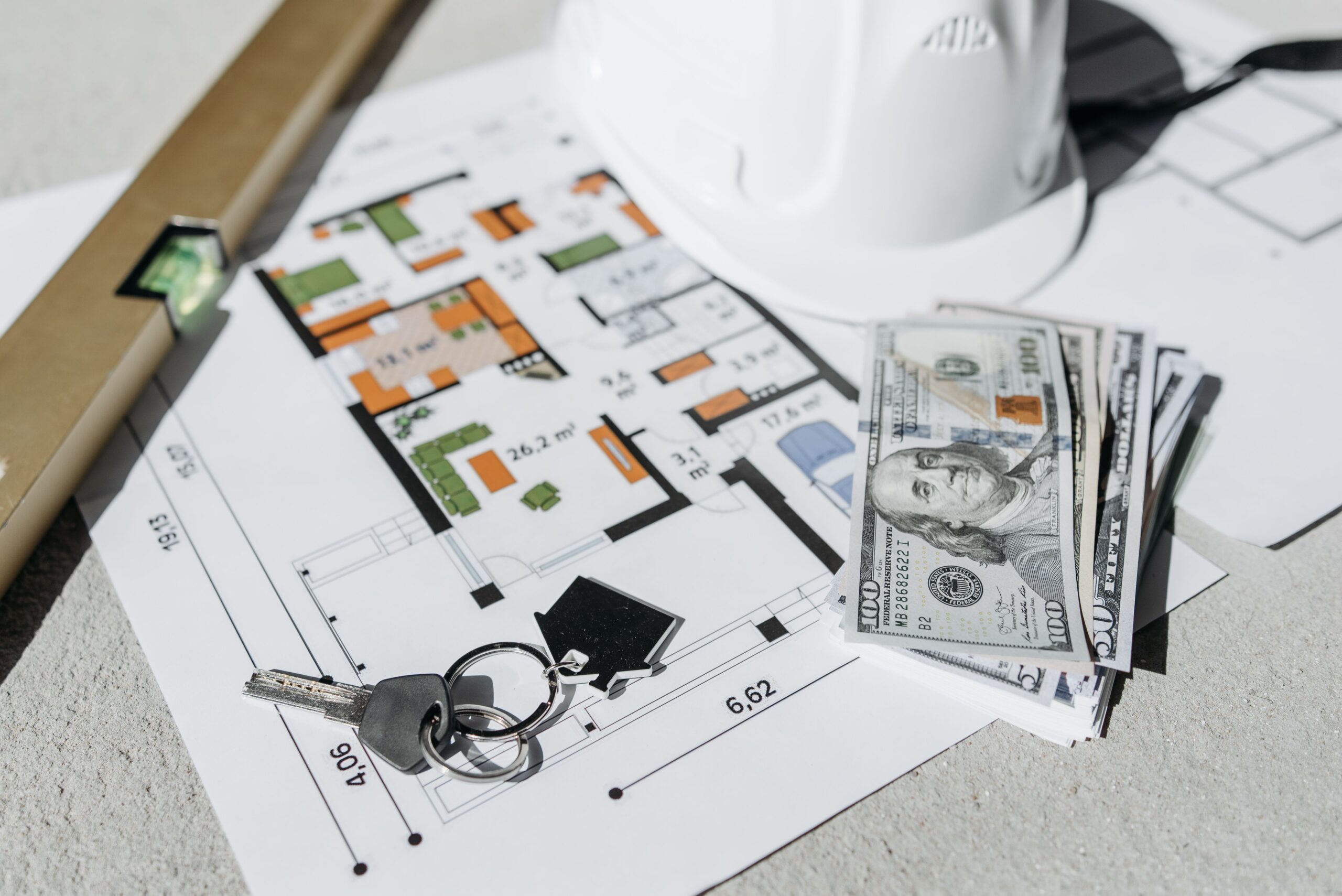
Tag: Passive Income

  • Real Estate Investing: A Complete Guide for Beginners

    Real Estate Investing: A Complete Guide for Beginners

    Real estate investing: A complete guide for beginners starts with one simple idea: understand the numbers before you invest your money. Real estate can help build wealth, generate passive income, and create long-term financial opportunities. However, every property has risks, costs, and responsibilities.

    For beginners, the goal should not be to buy a property as quickly as possible. Instead, learn how real estate works, understand different investment strategies, and create a plan that fits your financial situation.

    This guide explains the basics of real estate investing, including how to choose a strategy, evaluate properties, understand financing, estimate cash flow, manage risk, and avoid common beginner mistakes.

    What Is Real Estate Investing?

    Real estate investing involves purchasing, owning, managing, or financing property with the goal of earning a return. Investors may earn money through rental income, property appreciation, business income, or a combination of these sources.

    There are several types of real estate investments. Residential rental properties are popular with beginners. Other options include commercial properties, real estate investment trusts, house flipping, and real estate crowdfunding.

    Each strategy has a different level of risk, capital requirement, time commitment, and potential return. Therefore, choosing the right strategy is one of the first steps in building a successful investment plan.

    Why Do People Invest in Real Estate?

    Real estate attracts investors for several reasons. One is the potential to generate recurring rental income. Another is the possibility that a property may increase in value over time.

    Real estate may also provide portfolio diversification. Unlike stocks and bonds, property is a physical asset that can generate income while you own it.

    However, real estate is not guaranteed to increase in value. Markets can decline. Properties can remain vacant. Repairs can become expensive. Financing costs can also affect your returns.

    That is why beginners should focus on risk management as much as potential profits.

    Choose a Real Estate Investment Strategy

    Before searching for properties, decide how you want to invest. Your strategy should match your budget, experience, goals, and available time.

    Buy-and-Hold Rental Properties

    Buy-and-hold investing involves purchasing a property and holding it for several years. The property may generate rental income while potentially appreciating over time.

    This approach is popular because investors can potentially benefit from both rental cash flow and long-term equity growth.

    However, landlords must manage tenants, maintenance, vacancies, insurance, taxes, and other expenses. You can reduce the workload by hiring a professional property manager, although management fees will reduce cash flow.

    House Flipping

    House flipping involves purchasing a property, improving it, and selling it for a potential profit.

    The strategy can produce returns more quickly than a long-term rental strategy. However, it also carries significant risks. Renovation costs can exceed estimates, projects can take longer than expected, and market conditions can change before the property is sold.

    Real Estate Investment Trusts

    A REIT allows investors to gain exposure to real estate without directly purchasing and managing a property.

    Publicly traded REITs can generally be purchased through a brokerage account. The SEC’s REIT investor education page provides useful information about how REITs work and the risks investors should understand.

    Real Estate Crowdfunding

    Real estate crowdfunding platforms may allow investors to participate in property-related investments with less capital than a traditional property purchase. However, these investments can have different fees, liquidity limitations, and risks.

    Always research the investment structure and read the relevant disclosures before committing money.

    How Much Money Do You Need to Start?

    There is no single amount required to begin investing in real estate. Your required capital depends on the strategy you choose.

    Buying a rental property may require a down payment, closing costs, inspections, repairs, and cash reserves. You should not use every dollar available for the purchase.

    Maintaining an emergency fund and property reserves can help you handle unexpected expenses. A major repair or temporary vacancy should not immediately put your personal finances under pressure.

    For beginners, creating a detailed real estate investment budget can make the buying process easier and more disciplined.

    Understand the Numbers Before Buying

    One of the most important lessons in real estate investing: a complete guide for beginners is learning how to evaluate a property’s financial performance.

    Start by estimating the property’s gross rental income. Then subtract realistic operating expenses.

    Common expenses include:

    • Property taxes
    • Insurance
    • Repairs and maintenance
    • Property management
    • Vacancy costs
    • Utilities paid by the owner
    • HOA fees
    • Landscaping
    • Pest control
    • Capital expenditure reserves

    After estimating these expenses, calculate the property’s net operating income, or NOI.

    NOI = Rental Income − Operating Expenses

    Then consider the mortgage and other financing costs to estimate actual cash flow.

    Cash Flow = NOI − Debt Service

    This calculation gives you a better idea of whether the property can produce positive cash flow.

    Learn Key Real Estate Investment Metrics

    Cash-on-Cash Return

    Cash-on-cash return compares annual pre-tax cash flow with the amount of cash you invested.

    Cash-on-Cash Return = Annual Cash Flow ÷ Total Cash Invested × 100

    This metric is particularly useful when comparing financed rental properties.

    Capitalization Rate

    The cap rate measures the property’s operating return relative to its purchase price.

    Cap Rate = NOI ÷ Property Value × 100

    Cap rates can help you compare properties. However, a higher cap rate does not automatically mean a better investment. Location, tenant demand, property condition, and risk also matter.

    Cash Flow

    Cash flow shows how much money remains after rental income and expenses are accounted for. Positive cash flow can provide recurring income, while negative cash flow means you may need to contribute additional money to the property.

    Use our rental property ROI calculator to compare potential returns using different purchase prices, rents, expenses, and financing assumptions.

    Understand Real Estate Financing

    Financing can have a major effect on your investment returns. A mortgage allows you to control a property without paying the entire purchase price in cash.

    However, borrowing also introduces interest costs and monthly debt obligations. A property that looks profitable without debt may produce much lower cash flow after financing.

    Compare the interest rate, loan term, down payment, closing costs, and monthly payment before choosing a loan.

    You should also understand how changes in interest rates may affect your future borrowing costs. The Consumer Financial Protection Bureau’s mortgage resources can help buyers understand important mortgage concepts and costs.

    Location Matters in Real Estate

    The old real estate principle of focusing on location remains important. A property with attractive features may still struggle if it is in an area with weak rental demand.

    Research employment opportunities, population trends, transportation, schools, local amenities, crime data, property taxes, and housing supply.

    Also study comparable rental properties. Look at current asking rents and, when possible, actual rental activity.

    Do not rely only on a seller’s projected income. Verify the numbers independently.

    Calculate Your Rental Property ROI

    Before purchasing an investment property, calculate the expected return using realistic assumptions.

    For example, suppose you purchase a rental property for $250,000. You invest $60,000 in the down payment, closing costs, and initial improvements.

    Assume the property generates $26,400 in annual scheduled rent. After accounting for vacancy and operating expenses, suppose the property produces $16,000 in NOI. If annual mortgage payments total $12,000, your estimated annual pre-tax cash flow would be $4,000.

    Your approximate cash-on-cash return would be:

    $4,000 ÷ $60,000 × 100 = 6.67%

    This is only an example. Your actual return will depend on financing, taxes, insurance, repairs, vacancy, rent, property value, and other factors.

    For a more detailed analysis, read our guide on how to calculate rental property ROI before buying.

    Do Not Ignore Taxes and Insurance

    Taxes and insurance can significantly affect your investment’s profitability.

    Property taxes vary by location. Insurance premiums also depend on the property’s location, condition, coverage, and other factors.

    Rental property owners should also understand how rental income, expenses, depreciation, and property sales may be treated for tax purposes.

    The IRS residential rental property guide provides information about rental income, expenses, depreciation, and related tax topics.

    Tax rules can be complicated. Consider consulting a qualified tax professional before making decisions based on expected tax benefits.

    Build a Real Estate Investment Plan

    A written plan can help you avoid emotional decisions.

    Your plan should define your investment goals, target markets, preferred property type, budget, financing approach, expected return, and risk tolerance.

    For example, one investor may prioritize monthly passive income. Another may focus on long-term appreciation. A third investor may prefer REITs because they do not want to manage tenants.

    There is no universal strategy. The best approach depends on your objectives.

    Common Beginner Mistakes

    Buying Based on Emotion

    A beautiful property is not necessarily a profitable investment. Let the numbers guide your decision.

    Underestimating Expenses

    New investors sometimes focus on rent while ignoring repairs, vacancies, insurance, taxes, and maintenance. Use conservative estimates instead.

    Having Too Little Cash Reserves

    Unexpected expenses are part of property ownership. Maintain adequate reserves so one major repair does not create a financial crisis.

    Assuming Appreciation Is Guaranteed

    Property values can rise or fall. Do not make an investment decision based entirely on expected appreciation.

    Skipping Due Diligence

    Inspect the property carefully. Review leases, financial records, taxes, insurance, permits, and relevant property documents before closing.

    How to Reduce Risk as a Beginner

    Start with education. Learn how rental properties work before making a large financial commitment.

    Next, analyze multiple properties. This teaches you how pricing, rent, expenses, and returns differ between investments.

    Keep your assumptions conservative. If a deal only works with perfect occupancy and rapidly rising rents, it may be too risky.

    Finally, build a professional team. Depending on your investment, this may include a real estate agent, lender, property manager, inspector, insurance professional, and tax adviser.

    Is Real Estate Investing Right for You?

    Real estate can be a powerful wealth-building tool, but it is not suitable for everyone.

    Direct property ownership requires capital, research, time, and ongoing management. Some investors prefer a more hands-off approach through REITs or other real estate investments.

    If your primary goal is to create passive income, remember that rental property is not completely passive. Tenants, repairs, vacancies, and administrative tasks still require attention unless you outsource them.

    Real estate can also complement other forms of income. Some entrepreneurs build an online business, explore affiliate marketing, or operate a dropshipping business alongside traditional investments. These strategies have different risks and should not be treated as interchangeable with real estate.

    Final Thoughts

    Real estate investing: a complete guide for beginners comes down to understanding the fundamentals before putting your money at risk.

    Choose a strategy that matches your goals. Research the market. Analyze the property. Calculate realistic income and expenses. Understand financing. Keep cash reserves. Then stress-test the investment before making an offer.

    The strongest real estate investors do not simply ask, “How much could this property make?” They also ask, “What could go wrong, and would the investment still work?”

    By taking a disciplined approach, beginners can make more informed decisions and build a real estate strategy designed for long-term financial goals.

    Disclaimer: This article is for educational purposes only. It is not financial, investment, tax, legal, or real estate advice. Real estate investments involve risk, and past performance or projected returns do not guarantee future results. Consult qualified professionals before making investment decisions.

  • Best Rental Property Markets for Real Estate Investors

    Best Rental Property Markets for Real Estate Investors

    Finding the Best Rental Property Markets for Real Estate Investors requires more than looking for cities with rising rents. A strong rental market should offer a balance of purchase prices, rental demand, employment growth, vacancy levels, property taxes, insurance costs, and long-term economic potential.

    In 2026, that balance matters even more. U.S. rental conditions have become more competitive for landlords in some markets while renters have gained more options in others. Realtor.com reported that median asking rent across the 50 largest U.S. metros fell 1.4% year over year in July 2026. At the same time, rents remained above pre-pandemic levels.

    For investors, this creates an important opportunity. Instead of chasing the highest advertised rent, investors can focus on markets where reasonable property prices and dependable tenant demand may create a healthier long-term investment case.

    What Makes a Rental Property Market Attractive?

    The Best Rental Property Markets for Real Estate Investors usually have several characteristics in common. First, there should be a stable base of renters. Second, the local economy should provide jobs that support housing demand. Third, investors should be able to purchase properties at prices that make sense relative to expected rental income.

    Vacancy is another important factor. A market with strong rental demand and limited available housing can give landlords more pricing power. Zillow’s 2026 rental-market research highlights how low vacancy and limited concessions can signal strong competition among renters.

    Investors should also consider property taxes, homeowners insurance, maintenance, utilities, management fees, and local landlord regulations. A property that looks inexpensive at first can become expensive when these costs are included.

    Best Rental Property Markets for Real Estate Investors in 2026

    1. Columbus, Ohio

    Columbus remains an interesting market for investors who prioritize affordability and a large renter population. The city benefits from a diverse economy, major employers, universities, and continued population demand.

    Columbus also appeared favorably in Realtor.com’s July 2026 rental data. The metro had a median asking rent of $1,181 for the rental properties covered by the report, while the estimated monthly cost of buying a starter home was $2,111.

    For investors, the key attraction is not simply the rent level. It is the relationship between acquisition costs and potential rental income. Neighborhood-level research is essential because performance can vary substantially within the same metropolitan area.

    2. Oklahoma City, Oklahoma

    Oklahoma City is worth considering for investors seeking comparatively accessible property prices and a broad rental base. The market also stood out in Realtor.com’s 2026 data because starter-home listing prices were falling faster than rents, while average weekly earnings were growing.

    That combination can create an interesting environment for buyers. Lower acquisition prices can improve the potential economics of a rental property, although investors still need to account for financing costs, insurance, repairs, vacancy, and property taxes.

    Oklahoma City also ranked among markets where buying conditions were improving in 2026. That does not guarantee investment gains, but it makes the market worth deeper analysis.

    3. San Antonio, Texas

    San Antonio can appeal to investors looking for a large Texas market without the same purchase-price profile as some of the state’s most expensive metros. The city has a diversified economy and a substantial population of renters.

    Realtor.com’s July 2026 report placed San Antonio among the more rent-favorable large metros. Median asking rent was $1,156, while the estimated monthly cost of buying a starter home was $1,982.

    Investors should pay close attention to property taxes and insurance costs in Texas. These expenses can materially affect cash flow, so gross rent alone should never be used to judge a potential rental investment.

    4. Dallas-Fort Worth, Texas

    Dallas-Fort Worth remains one of the largest and most economically significant metropolitan areas in the country. Its large employment base and population provide a broad foundation for rental housing demand.

    However, investors should be selective. A large metro can contain neighborhoods with very different vacancy rates, rents, property values, taxes, and development pipelines.

    Realtor.com’s July 2026 data showed median asking rent of $1,463 and an estimated starter-home buying cost of $2,657 in Dallas-Fort Worth.

    The best strategy may be to compare individual neighborhoods rather than treating the entire metro as one investment market.

    5. Milwaukee, Wisconsin

    Milwaukee deserves attention from investors looking for a Midwest market with relatively moderate rental costs. Zillow’s 2026 ranking placed Milwaukee among its 10 hottest rental markets, with annual rent growth of 4.1% and a forecast vacancy rate of 3.8% in its analysis.

    Those figures illustrate why investors should look beyond headline property appreciation. A market with healthy rental demand can offer opportunities for landlords even when home prices are not rising rapidly.

    As always, investors should evaluate individual properties carefully. Older housing stock can require higher maintenance spending, which may reduce actual returns.

    6. Virginia Beach, Virginia

    Virginia Beach was another standout in Zillow’s 2026 rental-market research. Zillow reported annual rent growth of 4.8% and an asking rent of approximately $1,843 in its May 2026 analysis.

    The area’s employment base, coastal location, and military-related demand can support a diverse renter pool. However, investors should carefully evaluate insurance, storm exposure, property condition, and neighborhood-specific rental demand.

    7. Providence, Rhode Island

    Providence ranked first on Zillow’s summer 2026 list of the hottest rental markets. Zillow reported approximately 5% annual rent growth, a 5.1% forecast vacancy rate, and relatively few rental concessions compared with the other markets in its top 10.

    Strong rental competition can be attractive to landlords. However, Providence also has higher housing costs than many Midwest and Southern markets. Investors should therefore focus on the complete investment equation rather than assuming strong rental demand automatically means strong cash flow.

    Other Markets Worth Watching

    Several additional markets deserve attention depending on an investor’s strategy. Chicago, for example, appeared sixth on Zillow’s 2026 hottest rental-market list, with reported annual rent growth of 5.7%. Hartford and New York also ranked highly for rental-market competitiveness.

    Meanwhile, Nashville, Orlando, Tampa, and Las Vegas showed improving buying conditions in Realtor.com’s 2026 analysis because listing prices were declining while wage growth remained relatively strong.

    This highlights an important point: the hottest rental market is not necessarily the best market for every investor. A market with fast rent growth can still produce weak returns if acquisition costs are too high.

    How to Evaluate the Best Rental Property Markets

    Compare Rent With Purchase Price

    One of the first calculations should be the relationship between expected rent and the property’s purchase price. Investors sometimes use the 1% rule as an initial screening tool, but it should not be treated as a guarantee of profitability.

    A better approach is to calculate expected income and subtract realistic expenses. Include vacancy, repairs, property management, taxes, insurance, utilities paid by the owner, and financing costs.

    Study Rental Demand

    Rental demand is more important than a city’s popularity. Look for employment centers, universities, healthcare facilities, transportation links, and population trends that can support a stable tenant base.

    Local rental listings can also reveal whether landlords are offering concessions. Zillow reported that concessions were common nationally in 2026, although the most competitive rental markets tended to have fewer concessions.

    Check Vacancy and New Construction

    Supply matters. A large pipeline of new apartments can increase competition and limit rent growth. Realtor.com reported that continued multifamily construction was contributing to softer national rent conditions in 2026.

    Before purchasing, check planned apartment developments and housing permits near the property. A neighborhood with thousands of new units coming online may face different rental conditions than a neighborhood with limited new supply.

    Calculate Cash Flow Conservatively

    Projected passive income should never be based only on advertised rent. Use conservative assumptions for vacancy and maintenance. Also model different interest rates and unexpected repair costs.

    This is especially important in 2026 because mortgage rates remain substantially higher than the unusually low levels seen earlier in the decade. Realtor.com’s revised 2026 forecast placed the average mortgage rate around 6.3%.

    Rental Market Trends Investors Should Watch

    The national rental market is changing. Realtor.com expects rents to decline modestly in 2026 as additional rental supply reaches the market. Its revised forecast calls for a 1.2% annual decline in rent growth, while vacancy was expected to move closer to its longer-term average.

    At the same time, Zillow’s forecasts show a more moderate rental-growth environment rather than the dramatic increases seen during the pandemic-era housing boom.

    For investors, this means the investment thesis should not depend on rapidly rising rents. Properties that work under conservative assumptions may provide a stronger margin of safety.

    Common Mistakes Real Estate Investors Should Avoid

    One common mistake is choosing a city based only on population growth. Population growth can support housing demand, but it does not guarantee that every neighborhood or property will perform well.

    Another mistake is ignoring expenses. Property taxes, insurance, repairs, management, vacancy, and capital expenditures can significantly reduce rental income.

    Investors should also avoid assuming that historical rent growth will continue indefinitely. Current data shows a much more balanced national rental environment.

    Finally, do not confuse a strong rental market with a guaranteed investment return. Real estate involves financial risk, and local market conditions can change quickly.

    Final Thoughts on the Best Rental Property Markets for Real Estate Investors

    The Best Rental Property Markets for Real Estate Investors are not necessarily the cities with the highest rents or fastest home-price growth. They are markets where purchase prices, rental demand, operating expenses, employment, supply, and long-term economic fundamentals create a reasonable investment opportunity.

    In 2026, markets such as Columbus, Oklahoma City, San Antonio, Dallas-Fort Worth, Milwaukee, Virginia Beach, and Providence offer different combinations of affordability, rental demand, and market momentum. Other markets, including Chicago, Nashville, Orlando, Tampa, and Las Vegas, may also deserve consideration depending on an investor’s goals.

    Before buying, compare several properties in the same neighborhood. Build a conservative cash-flow model. Research local regulations. Check insurance and taxes. Most importantly, base the decision on the individual property’s numbers rather than the reputation of the city.

    For additional market research, investors can review Zillow Research housing data, Realtor.com economic research, and U.S. Census housing data. These resources can help investors compare housing, rental, demographic, and economic trends before making a decision.

    Real estate investing is a long-term strategy. The strongest opportunity is often the property that still makes sense when rent growth is modest, vacancy is higher than expected, and expenses increase.

  • How to Calculate Rental Property ROI Before Buying

    How to Calculate Rental Property ROI Before Buying

    Buying a rental property can create passive income, build long-term wealth, and diversify your investments. However, a property that looks attractive on paper may produce disappointing returns after financing, taxes, repairs, vacancies, and other costs.

    That is why learning how to calculate rental property ROI before buying is essential. A proper ROI analysis helps you compare properties using realistic numbers instead of relying on expected rent or future appreciation alone.

    In this guide, you will learn the key rental property ROI formulas, which expenses to include, how financing changes returns, and how to stress-test a deal before making a purchase decision.

    What Is Rental Property ROI?

    Rental property ROI, or return on investment, measures how much you earn compared with the money you put into a property. It can be calculated in several ways because real estate investors may focus on cash flow, equity growth, appreciation, or the total return.

    A simple ROI formula is:

    Rental Property ROI = Annual Investment Return ÷ Total Cash Invested × 100

    The challenge is determining what counts as the investment and what should be included in the annual return. A basic calculation may ignore important costs. A better analysis considers the full financial picture.

    Step 1: Calculate the Total Investment

    Before calculating ROI, determine how much money you will actually invest. Do not look only at the down payment.

    Your initial investment may include:

    • Down payment
    • Closing costs
    • Loan fees
    • Inspection costs
    • Initial repairs
    • Renovation expenses
    • Appliances or furnishings
    • Initial reserves for repairs and vacancies

    For example, suppose you purchase a rental property for $250,000. You make a $50,000 down payment and spend another $12,000 on closing costs and initial improvements.

    Your initial cash investment would be approximately $62,000, before considering any additional reserves.

    This number is important because your cash-on-cash return will be based on the money you actually put into the deal.

    For more guidance on evaluating property expenses, you can review this rental property expenses guide before building your investment spreadsheet.

    Step 2: Estimate Realistic Rental Income

    Next, estimate how much income the property can generate. Start with market rent rather than the rent advertised by the seller.

    Research similar properties in the same neighborhood. Compare factors such as location, size, bedrooms, bathrooms, condition, parking, amenities, and lease terms.

    Suppose the property could rent for $2,200 per month.

    Gross Scheduled Rent = $2,200 × 12 = $26,400 per year

    However, you should not assume the property will be occupied every day of every year. Vacancy and nonpayment can reduce actual income.

    If you use a 5% vacancy assumption, your estimated effective rental income would be approximately $25,080 per year.

    A conservative vacancy estimate can make your ROI calculation more realistic and help protect you from overly optimistic projections.

    Step 3: Calculate Operating Expenses

    Operating expenses are one of the most important parts of how to calculate rental property ROI before buying. Many new investors focus on rent and mortgage payments while overlooking the other costs of ownership.

    Common operating expenses include:

    • Property taxes
    • Landlord insurance
    • Property management
    • Repairs and maintenance
    • Utilities paid by the owner
    • HOA or association fees
    • Landscaping
    • Pest control
    • Accounting and legal costs
    • Advertising and tenant turnover costs

    You should also account for capital expenditures. These can include major items such as a roof, HVAC system, exterior work, or other significant replacements.

    The IRS guide to residential rental property explains rental income, deductible expenses, depreciation, and other tax considerations for rental property owners. Tax treatment can vary based on your circumstances, so consider speaking with a qualified tax professional before relying on tax benefits in your investment projections.

    Step 4: Calculate Net Operating Income

    Once you estimate income and operating expenses, calculate your net operating income (NOI).

    The basic formula is:

    NOI = Effective Rental Income − Operating Expenses

    For example, assume your effective rental income is $25,080 per year and your operating expenses are $9,000.

    NOI = $25,080 − $9,000 = $16,080

    NOI is useful because it shows how the property performs before financing costs. This makes it especially helpful when comparing different properties with different loan structures.

    Step 5: Calculate Cash Flow After Financing

    If you are financing the purchase, calculate the mortgage payment and other debt-related costs after determining NOI.

    For example, if annual mortgage principal and interest payments total $12,000:

    Annual Cash Flow = NOI − Annual Debt Service

    Annual Cash Flow = $16,080 − $12,000 = $4,080

    This means the property produces an estimated $4,080 in annual pre-tax cash flow.

    Positive cash flow does not automatically mean the property is a good investment. You should also consider your total cash invested, expected appreciation, future repairs, taxes, and the risk of vacancies.

    Step 6: Calculate Cash-on-Cash Return

    Cash-on-cash return is one of the most useful metrics for a financed rental property.

    The formula is:

    Cash-on-Cash Return = Annual Pre-Tax Cash Flow ÷ Total Cash Invested × 100

    Using the example above, suppose your total cash investment is $62,000 and annual pre-tax cash flow is $4,080.

    Cash-on-Cash Return = $4,080 ÷ $62,000 × 100 = 6.58%

    This tells you that the property generates an estimated 6.58% annual cash return on the cash you invested.

    You can use our rental property ROI calculator to organize these numbers and compare different investment scenarios.

    Step 7: Understand Cap Rate

    The capitalization rate, commonly called the cap rate, measures the property’s operating return before financing.

    The formula is:

    Cap Rate = NOI ÷ Property Purchase Price × 100

    If the property costs $250,000 and produces $16,080 in NOI:

    Cap Rate = $16,080 ÷ $250,000 × 100 = 6.43%

    Cap rate can help you compare properties in the same market. However, it should not be used alone. A higher cap rate may reflect greater vacancy risk, weaker demand, deferred maintenance, or a less desirable location.

    Step 8: Consider Appreciation and Equity Growth

    Rental property ROI is not limited to monthly cash flow. Investors may also benefit from property appreciation and mortgage principal reduction.

    For example, if your property increases in value over time, your equity can grow even if monthly cash flow remains modest. Each mortgage payment may also reduce the loan balance, increasing your ownership stake.

    However, appreciation should be treated as an assumption rather than guaranteed income. Avoid purchasing a property solely because you expect prices to rise.

    A stronger analysis separates cash flow, equity growth, and appreciation so you can see where your expected return is coming from.

    Step 9: Include Taxes Carefully

    Taxes can affect the final return from a rental property. Depending on your situation, rental owners may have tax deductions and depreciation considerations.

    The IRS states that rental income generally must be reported and that certain rental expenses may be deductible. Depreciation can also play a role in the tax treatment of qualifying rental property.

    Do not automatically add a large tax benefit to your ROI calculation without understanding your personal tax position. Rules can depend on factors such as property use, income, ownership structure, and other circumstances.

    The IRS rental property recordkeeping guidance is also useful when planning how to track rental income and expenses.

    Step 10: Stress-Test the Investment

    One of the smartest steps in how to calculate rental property ROI before buying is testing what happens when your assumptions change.

    Run several scenarios instead of relying on one forecast.

    Conservative Scenario

    Assume higher vacancy, increased maintenance costs, slower rent growth, and unexpected repairs. This shows whether the property can survive a difficult year.

    Base Scenario

    Use reasonable market rent, normal vacancy, expected operating expenses, and realistic financing terms.

    Optimistic Scenario

    Assume stronger rental demand and favorable property performance. This scenario can show the potential upside, but it should not be the foundation of your purchase decision.

    If a property only looks attractive under optimistic assumptions, it may not provide enough margin of safety.

    Common Rental Property ROI Mistakes

    Ignoring Vacancy

    Assuming 100% occupancy can make projected returns look much better than reality.

    Underestimating Repairs

    Older properties can require significant maintenance. Include a realistic reserve rather than assuming repairs will be minimal.

    Forgetting Management Costs

    Even if you plan to manage the property yourself, consider the value of your time. A management expense can also help you compare the investment with other opportunities.

    Using Only the Down Payment

    Your actual investment can include closing costs, renovations, inspections, reserves, and other upfront expenses.

    Relying on Appreciation

    Future appreciation is uncertain. A strong rental investment should make sense based on reasonable operating assumptions rather than guaranteed price growth.

    A Simple Rental Property ROI Example

    Consider a $250,000 property with $2,200 monthly rent.

    • Annual scheduled rent: $26,400
    • Estimated vacancy: $1,320
    • Effective rental income: $25,080
    • Operating expenses: $9,000
    • NOI: $16,080
    • Annual debt service: $12,000
    • Pre-tax cash flow: $4,080
    • Total cash invested: $62,000
    • Cash-on-cash return: approximately 6.58%
    • Cap rate: approximately 6.43%

    These figures are illustrative. Actual returns depend on the property’s purchase price, financing, rent, expenses, taxes, vacancy, market conditions, and your investment strategy.

    Final Checklist Before Buying a Rental Property

    Before making an offer, review the property using a consistent checklist.

    • Verify realistic market rent.
    • Estimate vacancy and turnover.
    • List every recurring operating expense.
    • Estimate repairs and capital expenditures.
    • Calculate NOI.
    • Calculate annual debt service.
    • Calculate annual cash flow.
    • Calculate cash-on-cash return.
    • Calculate cap rate.
    • Review potential tax considerations.
    • Stress-test the investment with conservative assumptions.
    • Keep sufficient cash reserves after closing.

    For additional planning, our real estate investing guide can help you evaluate rental properties alongside other wealth-building strategies.

    Conclusion

    Understanding how to calculate rental property ROI before buying can help you make better investment decisions. The goal is not simply to find the property with the highest projected percentage. The goal is to understand how much cash you invest, how much income the property produces, what risks you face, and where your potential return comes from.

    Start with realistic rent. Subtract vacancy and operating expenses. Calculate NOI. Then account for financing and determine your cash flow and cash-on-cash return. Finally, consider appreciation, equity growth, taxes, and unexpected costs.

    A rental property should be evaluated using conservative assumptions and multiple scenarios. When the numbers still work after a reasonable stress test, you have a much stronger foundation for deciding whether the property deserves further due diligence.

    Disclaimer: This article is for educational purposes only and does not constitute financial, tax, legal, or investment advice. Real estate involves risk, and individual results can vary. Consult qualified professionals before making a property purchase or investment decision.

  • Real Estate Investment Loans: What You Need to Know

    Real Estate Investment Loans: What You Need to Know

    Real Estate Investment Loans: What You Need to Know before buying a rental property, second home, or other income-producing property. Financing can help investors purchase real estate without paying the entire cost upfront. However, investment property loans work differently from many owner-occupied home loans.

    Lenders usually look closely at your income, credit history, existing debts, cash reserves, down payment, and the property itself. The expected rental income may also matter when a lender evaluates the transaction.

    Before choosing a loan, understand the costs, qualification requirements, risks, and repayment terms. A loan that looks affordable at first can become expensive if interest rates, vacancies, repairs, insurance, or other property costs reduce your cash flow.

    If you are new to investing, our real estate investing guide can help you understand the fundamentals before you start comparing financing options.

    What Are Real Estate Investment Loans?

    Real estate investment loans are financing products used to purchase or refinance properties that are intended primarily for investment purposes. A common example is a mortgage used to purchase a rental house.

    The property may generate rental income, but the investor remains responsible for making the loan payments. This is important because rental income is not guaranteed. Tenants may leave, repairs may be necessary, or the property may remain vacant.

    Investment property financing can therefore require more financial preparation than simply qualifying for a mortgage on a primary residence.

    How Investment Property Loans Differ From Primary-Home Mortgages

    Lenders generally view investment properties as carrying different risks from owner-occupied homes. If an investor experiences financial difficulties, an investment property may be less financially important than the investor’s primary residence.

    As a result, lenders may apply different underwriting standards. Requirements can vary by lender, borrower profile, property type, loan program, and market conditions.

    For example, lenders may consider the borrower’s credit profile, debt obligations, liquid reserves, down payment, and expected rental income.

    Fannie Mae’s current selling guide includes specific documentation and rental-income qualification rules for eligible one-to-four-unit investment properties. That means investors should not assume that every lender will calculate rental income in the same way.

    Types of Real Estate Investment Loans

    Conventional Investment Property Mortgages

    Conventional mortgages can be used for certain residential investment properties. These loans are generally offered through banks, credit unions, mortgage companies, and other lenders.

    The exact requirements vary. Lenders may assess credit history, income, assets, debt-to-income ratios, property characteristics, and reserves.

    For eligible one-to-four-unit properties, rental income may sometimes be considered during underwriting when the required documentation is provided. Fannie Mae’s current guidance, for example, specifies documentation that can include rental schedules, appraisal reports, and qualifying lease agreements.

    Portfolio Loans

    A portfolio loan is generally retained by the lender instead of being sold into the secondary mortgage market. Because the lender keeps the loan, its underwriting approach may differ from standardized conventional financing.

    This can sometimes make portfolio lending useful for borrowers or properties that do not fit conventional guidelines. However, terms and pricing can vary widely.

    Always compare the complete cost of the loan. Do not focus only on the advertised interest rate.

    Hard Money Loans

    Hard money loans are typically short-term financing products secured by real estate. They are often associated with renovation or investment projects where speed and property value are important factors.

    These loans can be more expensive than traditional mortgage financing. Short repayment periods can also create additional pressure.

    Because of these risks, investors should carefully calculate the total borrowing cost and have a realistic repayment or refinancing plan before considering this type of financing.

    Commercial Real Estate Loans

    Commercial financing may be appropriate for larger properties or properties used primarily for commercial purposes. Examples can include apartment buildings, retail properties, office buildings, and other commercial real estate.

    Commercial loans can have different underwriting standards, repayment structures, fees, and terms than residential mortgages.

    If you are considering commercial property, compare financing options with help from qualified lending and financial professionals.

    What Do Lenders Look For?

    Credit History

    Your credit history can affect your ability to qualify for financing and the terms a lender offers. Stronger credit may improve your financing options, although credit is only one part of the underwriting process.

    Review your credit reports before applying. Check for errors and understand your current debts.

    Income and Employment

    Lenders generally want evidence that you can meet your financial obligations. They may review employment income, self-employment income, investment income, and other qualifying sources.

    Documentation requirements vary. Investors should be prepared to provide financial records when requested.

    Debt-to-Income Ratio

    Your debt-to-income ratio compares certain monthly debt obligations with qualifying income. A high ratio may make it harder to qualify for some loans.

    Reducing unnecessary debt before applying can strengthen your overall financial position.

    Down Payment and Cash Reserves

    Investment property purchases may require substantial upfront funds. Besides the down payment, investors should budget for closing costs, inspections, repairs, insurance, taxes, and reserves.

    Keeping emergency funds is particularly important for rental properties. A vacant property still has expenses.

    How Much Can You Borrow for an Investment Property?

    There is no universal investment property loan amount. Your borrowing capacity depends on factors such as income, assets, credit profile, existing debt, property value, loan type, and lender requirements.

    Do not decide how much you can afford based solely on the maximum amount a lender is willing to approve. Your personal investment budget should account for unexpected costs.

    A conservative approach is to estimate the property’s income and expenses before deciding how much debt is comfortable.

    Calculate the Real Cost of Investment Property Financing

    The interest rate is only one part of the cost. Investors should examine the annual percentage rate, origination charges, points, appraisal fees, closing costs, insurance, taxes, and other financing expenses.

    Also consider the property’s operating costs. These may include maintenance, repairs, property management, utilities, vacancy costs, and homeowners association fees.

    Our rental property calculator can help organize the numbers during your initial analysis.

    For example, imagine a rental property produces $30,000 in annual rent. If mortgage payments, taxes, insurance, maintenance, vacancy, and management expenses total $25,000, the remaining cash flow is $5,000 before considering other factors.

    This simple example shows why investors should analyze the complete property rather than looking at rental income alone.

    Understanding Interest Rates

    Interest rates can have a major effect on an investment property’s cash flow. A higher rate can increase monthly payments and reduce the amount of money left after expenses.

    Fixed-rate financing generally provides a predictable principal-and-interest payment during the fixed-rate period. Adjustable-rate financing can change according to the loan’s terms.

    Do not select a loan simply because the initial rate appears attractive. Understand how the rate can change, when adjustments occur, and whether the loan has other important conditions.

    Investment Property Loan Fees to Watch

    Loan fees can make a meaningful difference in the total cost of financing. Common expenses can include origination charges, appraisal fees, credit-report fees, title expenses, recording charges, and other closing costs.

    Points can also affect the cost of borrowing. They are generally prepaid interest or loan charges, depending on the specific arrangement.

    For U.S. rental properties, the IRS explains that some mortgage interest and certain rental expenses may be deductible, while many acquisition-related closing costs are instead added to the property’s tax basis.

    Tax treatment can be complicated. Always verify current rules with a qualified tax professional before making decisions based on a potential deduction.

    Rental Income and Loan Qualification

    One major question for investors is whether expected rent can help them qualify for financing.

    The answer depends on the loan program and lender. Documentation may be required to establish the property’s market rent or existing rental income.

    For eligible transactions, Fannie Mae’s current guidelines describe specific methods for documenting rental income from one-to-four-unit investment properties.

    This is why investors should ask lenders exactly how rental income will be treated before assuming that projected rent will cover a particular portion of the mortgage payment.

    Investment Property Loans and Taxes

    Financing decisions can have tax consequences. In the United States, rental income generally must be reported. The IRS also identifies mortgage interest, insurance, taxes, repairs, management fees, and other costs among potential rental expenses, subject to applicable rules and limitations.

    Depreciation can also play an important role in rental-property taxation. However, tax deductions are not the same as cash savings from a loan.

    Never choose a property or loan solely because you expect a tax benefit. The underlying investment should make financial sense on its own.

    How to Compare Real Estate Investment Loans

    Compare APR, Not Just Interest Rate

    The annual percentage rate can provide a broader view of borrowing costs. Compare APRs alongside interest rates, fees, points, and other loan terms.

    Compare Loan Terms

    Check the loan term, amortization schedule, prepayment provisions, rate structure, and refinancing conditions.

    Compare Total Cash Required

    Calculate how much money you need at closing. Include the down payment, closing costs, prepaid expenses, reserves, and immediate repairs.

    Compare Multiple Lenders

    Different lenders may offer different terms. Getting multiple quotes can help you understand the range of available financing.

    Ask each lender for a clear breakdown of costs. This makes comparisons easier.

    Common Mistakes to Avoid

    One common mistake is borrowing based on the maximum amount available instead of the amount that fits your budget.

    Another mistake is underestimating repairs. Older properties can require significant maintenance. New properties can also have unexpected costs.

    Investors should also avoid assuming that property values will always increase. Appreciation is possible, but it is not guaranteed.

    Finally, do not ignore vacancy risk. A rental property can generate passive income, but it is not completely passive. Tenant issues, maintenance, vacancies, and administrative work can affect returns.

    A Simple Checklist Before Applying

    Before applying for real estate investment loans, review your financial position and investment plan.

    • Check your credit profile.
    • Calculate your existing monthly debt.
    • Set a realistic investment budget.
    • Prepare income and asset documentation.
    • Estimate the property’s rental income.
    • Calculate taxes, insurance, repairs, and maintenance.
    • Budget for vacancies and unexpected expenses.
    • Compare several lenders and loan structures.
    • Understand every major loan fee.
    • Consult qualified professionals when tax or legal issues arise.

    Final Thoughts: Real Estate Investment Loans: What You Need to Know

    Real Estate Investment Loans: What You Need to Know starts with understanding that financing is a tool, not a guarantee of investment success.

    The right loan can help you purchase an income-producing property while preserving some of your available capital. The wrong loan can create excessive monthly costs and increase financial risk.

    Before signing, compare interest rates, APRs, fees, repayment terms, down payment requirements, reserves, and potential rental income. Then analyze the property using conservative assumptions.

    Remember that real estate investing involves risk. Rental income can change. Property values can decline. Expenses can rise. Interest rates can affect refinancing costs.

    A disciplined investor focuses on the complete financial picture. With careful research, realistic budgeting, and appropriate professional guidance, financing can become an important part of a long-term real estate investment plan.

  • Best Cities to Invest in Real Estate in 2026

    Best Cities to Invest in Real Estate in 2026

    Finding the Best Cities to Invest in Real Estate in 2026 requires more than looking at home-price growth. Successful investors also study job creation, population trends, rental demand, affordability, housing supply, and long-term economic strength.

    The 2026 housing market is also more balanced than it was during the most competitive years of the pandemic. Buyers have more opportunities in many markets. At the same time, borrowing costs remain important. That makes careful market selection more valuable than ever.

    Several U.S. cities stand out because they combine affordability with economic growth and housing demand. This guide explores promising markets for investors and explains what makes each location worth researching.

    If you are new to property investing, start with our real estate investing guide before choosing a market or property.

    What Makes a City a Good Real Estate Investment Market?

    The best investment market is not necessarily the city with the fastest home-price growth. Investors should look at several factors together.

    Job and Population Growth

    Strong employment growth can support housing demand. Population growth can also create more renters and buyers. Markets with diverse industries may offer additional protection against a downturn in one sector.

    Housing Affordability

    Affordable markets can provide investors with a lower entry price. They may also offer a larger pool of potential tenants. However, low prices alone do not make a property a good investment.

    Rental Demand

    Investors should examine rents, vacancy rates, tenant demand, and the supply of competing rental properties. A growing population does not automatically mean every neighborhood will have strong rental demand.

    Housing Supply

    New construction can be positive because it signals economic activity. However, a large supply of new rental units may increase competition for landlords. Investors should examine both current inventory and planned development.

    Best Cities to Invest in Real Estate in 2026

    There is no single winner for every investor. The following markets stand out for different reasons. NAR included Charleston, Charlotte, Columbus, Indianapolis, Jacksonville, Minneapolis-St. Paul, Raleigh, Richmond, Salt Lake City, and Spokane among its 2026 housing hot spots. Realtor.com and Zillow identified several overlapping markets while emphasizing affordability, buyer conditions, and future growth potential.

    1. Indianapolis, Indiana

    Indianapolis is one of the strongest markets to research in 2026. Zillow ranked Indianapolis first among its most buyer-friendly major U.S. housing markets for the year. The city combines relatively accessible housing costs with employment growth and a large regional economy.

    For investors, Indianapolis can be particularly interesting for long-term rental research. The metro has a broad employment base and a large population. Investors can also find different property types and price points.

    Still, neighborhood selection matters. Study local rents, property taxes, insurance, maintenance costs, and vacancy rates before purchasing.

    2. Charlotte, North Carolina

    Charlotte continues to attract attention because of its population growth, employment opportunities, and expanding economy. NAR listed Charlotte among its 2026 housing hot spots, while Zillow placed it among the most buyer-friendly large markets.

    The city’s diverse economy can support housing demand. Its financial, technology, healthcare, and professional-services sectors are important parts of the local economy.

    Charlotte also has substantial new construction. That can create opportunities, but it means investors should compare older properties with new developments before making a decision.

    3. Raleigh, North Carolina

    Raleigh is another market worth watching in 2026. NAR identified Raleigh as one of its top housing hot spots. Strong employment, technology-related industries, education, and population growth have helped make the broader Triangle region an important housing market.

    Investors considering Raleigh should avoid assuming that every property will appreciate at the same rate. Instead, compare neighborhoods based on rental demand, transportation access, employment centers, and future housing supply.

    For a long-term strategy, areas with durable employment demand may deserve closer attention than locations selected only for short-term price momentum.

    4. Columbus, Ohio

    Columbus offers an appealing combination of affordability, population growth, education, healthcare, government, and business activity. NAR included Columbus among its 2026 housing hot spots.

    The city can be attractive to investors seeking a Midwest market with a large renter population. Its diversified economy may also support long-term housing demand.

    As with any market, investors should analyze individual neighborhoods. A strong metro does not guarantee that every property will produce positive cash flow.

    5. Jacksonville, Florida

    Jacksonville remains one of the major markets worth researching in 2026. NAR identified it as a housing hot spot, and Zillow included Jacksonville among its most buyer-friendly major markets.

    The city benefits from its large geographic footprint, transportation infrastructure, business activity, and coastal location. These factors can support housing demand.

    However, Florida investors should pay close attention to insurance costs, property taxes, flood exposure, and storm-related risks. These expenses can materially change the economics of a rental property.

    6. Richmond, Virginia

    Richmond stands out as another market with favorable 2026 indicators. It appears on both NAR’s 2026 hot-spot list and Realtor.com’s national 2026 market ranking.

    The city has a diversified economy and a relatively established housing market. Its location also provides access to larger employment centers along the Mid-Atlantic corridor.

    For investors, Richmond may be worth considering for long-term rental properties. Focus on neighborhood-level rental demand rather than relying on citywide averages.

    7. Pittsburgh, Pennsylvania

    Pittsburgh is particularly interesting for investors seeking a more affordable market. Realtor.com’s 2026 ranking placed Pittsburgh among the top 10 U.S. housing markets based on its expected combination of sales and price growth.

    The city also has a long-established housing stock. That can create opportunities for investors who understand renovation and property management. However, older homes may require more maintenance.

    Before buying, inspect the property carefully. Budget for repairs and compare the cost of renovation with realistic local rental income.

    8. Atlanta, Georgia

    Atlanta is another market that deserves attention. Zillow ranked Atlanta second among its most buyer-friendly major markets for 2026. Zillow also expects housing affordability to improve across most major markets during the year.

    Atlanta has a large and diverse economy. It also serves as a major transportation and business hub. These characteristics can support long-term demand for housing.

    The main challenge is market selection. The Atlanta metro is large, and neighborhood performance can vary significantly. Investors should compare rents, employment access, property taxes, insurance, and new construction.

    9. Hartford, Connecticut

    Hartford is one of the more surprising names on the 2026 list. Realtor.com ranked the Hartford-West Hartford-East Hartford metro first in its 2026 housing market ranking, based on its expected combination of existing-home sales and price growth.

    The market benefits from relative affordability compared with some nearby high-cost Northeast markets. This can attract buyers looking for better value.

    Investors should still perform detailed due diligence. A strong metro-level forecast does not eliminate risks related to individual properties, taxes, maintenance, or local regulations.

    10. Rochester, New York

    Rochester is another market that received strong attention from Realtor.com. It ranked second in the company’s 2026 top housing markets, reflecting a combination of expected sales and price growth.

    The city’s relatively affordable housing can make it interesting for investors looking for lower acquisition costs. Rochester also has established healthcare, education, and technology-related employment.

    However, investors should carefully evaluate neighborhood-level demand. Affordable properties can still produce weak returns if vacancy rates are high or maintenance expenses are excessive.

    How to Choose the Right City for Your Investment

    Knowing the Best Cities to Invest in Real Estate in 2026 is only the first step. The next challenge is finding the right property within the right city.

    Start With Your Investment Strategy

    A long-term rental investor may prioritize stable rents and tenant demand. A house flipper may care more about purchase discounts and renovation potential. A first-time investor may prefer a simpler property with predictable maintenance.

    Your strategy should determine which markets you research first.

    Calculate Cash Flow Carefully

    Do not use rent alone to estimate profitability. Include the mortgage, taxes, insurance, repairs, maintenance, vacancy, management, utilities, and other operating costs.

    Our rental property calculator can be used as part of your initial property analysis.

    Research Local Economic Data

    Use reliable sources to study employment, population, housing permits, prices, rents, and inventory. The U.S. Census Bureau provides valuable demographic and economic data for market research.

    You can also review the Bureau of Labor Statistics for employment and labor-market information.

    Compare Neighborhoods, Not Just Cities

    A city can contain both excellent and challenging investment areas. Neighborhood-level research is therefore essential.

    Look at rent levels, crime trends, schools, transportation, local employers, development plans, property taxes, and comparable sales. Talk with local professionals when appropriate.

    Real Estate Investment Trends to Watch in 2026

    The national market is becoming more balanced. Realtor.com lowered its 2026 national home-price growth forecast in its July 2026 midyear update, citing softer sales and asking-price trends.

    At the same time, NAR’s research points to improving opportunities in markets where affordability, inventory, employment, and demographic trends align.

    This creates an important lesson for investors. A rising market is not the only market worth considering. Markets with reasonable prices and solid fundamentals can also provide attractive long-term opportunities.

    Common Mistakes Real Estate Investors Should Avoid

    One common mistake is choosing a city only because it appears on a “best markets” list. Rankings are useful starting points, but they should never replace property-level analysis.

    Another mistake is ignoring expenses. Insurance, taxes, repairs, vacancies, and management can significantly reduce passive income.

    Investors should also avoid assuming that property prices will always rise. Real estate markets move through different cycles. Conservative assumptions can help reduce the risk of overpaying.

    Final Thoughts on the Best Cities to Invest in Real Estate in 2026

    The Best Cities to Invest in Real Estate in 2026 include markets such as Indianapolis, Charlotte, Raleigh, Columbus, Jacksonville, Richmond, Pittsburgh, Atlanta, Hartford, and Rochester. These cities stand out in current 2026 housing research for combinations of affordability, economic activity, buyer conditions, demographic trends, or expected market performance.

    However, there is no universally perfect investment city. The best choice depends on your budget, investment strategy, financing, desired risk level, and time horizon.

    Use city rankings as a starting point. Then move deeper into neighborhood data and individual properties. Calculate realistic expenses. Check rental demand. Review local regulations. Finally, make decisions based on evidence rather than hype.

    Real estate can support long-term wealth building and passive income, but it also involves financial risk. Careful research and conservative planning are essential before making an investment decision.

  • How to Buy Your First Investment Property

    How to Buy Your First Investment Property

    Learning How to Buy Your First Investment Property can feel overwhelming. There are many numbers to understand, financing options to compare, and decisions to make before you ever submit an offer. However, the process becomes much easier when you follow a clear plan.

    An investment property can potentially generate passive income, build long-term wealth, and provide an asset that may appreciate over time. But real estate is not automatically profitable. A property can also create unexpected expenses, vacancies, maintenance bills, and financing costs.

    The goal is not simply to buy a property. The goal is to buy a property that fits your finances, investment strategy, and risk tolerance.

    1. Decide Why You Want an Investment Property

    Before looking at listings, define your main objective. Some investors want monthly rental income. Others focus on long-term appreciation, property improvements, or building a portfolio over many years.

    Your strategy affects almost every decision that follows. For example, an investor focused on cash flow may prioritize affordable properties with strong rental demand. Someone focused on appreciation may accept lower initial cash flow in an area with strong long-term growth prospects.

    Write down your goal and the amount of risk you are comfortable taking. This simple step can prevent emotional decisions later.

    2. Check Your Financial Readiness

    One of the most important steps in How to Buy Your First Investment Property is understanding your finances before contacting sellers or making offers.

    Review your income, existing debts, savings, credit profile, and monthly expenses. Then determine how much money you could reasonably dedicate to the purchase without leaving yourself financially stretched.

    Do not assume that your entire budget should go toward the down payment. You may also need money for closing costs, inspections, repairs, insurance, taxes, and reserves.

    Mortgage-related expenses can include lender charges, appraisal fees, title-related costs, government fees, prepaid expenses, and other closing costs. The Consumer Financial Protection Bureau mortgage closing cost guide explains several of these costs.

    3. Build an Investment Property Budget

    A common beginner mistake is focusing only on the purchase price. Instead, calculate the complete cost of owning the property.

    Your budget may include:

    • Down payment
    • Mortgage payment
    • Property taxes
    • Insurance
    • Maintenance and repairs
    • Property management
    • Utilities paid by the owner
    • Vacancy costs
    • Legal and professional fees
    • Closing costs
    • Emergency reserves

    Keeping a cash reserve is especially important. A rental property can need an expensive repair at an inconvenient time. Having reserves gives you more flexibility when something goes wrong.

    4. Learn How Investment Property Financing Works

    Financing an investment property can differ from financing a home you plan to occupy. Lenders may consider factors such as your income, credit history, existing debt, down payment, property type, and expected rental income.

    Before shopping seriously, speak with qualified mortgage professionals and compare available loan terms. Look beyond the advertised interest rate. Consider the total borrowing cost, fees, loan structure, and monthly payment.

    The CFPB guide to mortgage costs is a useful starting point for understanding common borrowing expenses.

    5. Choose the Right Location

    Location can have a major effect on an investment property’s performance. A beautiful property in an area with weak rental demand may be a poor investment, while a modest property in a strong rental market can perform better.

    Research factors such as:

    • Rental demand
    • Employment opportunities
    • Population trends
    • Local amenities
    • Transportation
    • Schools and services
    • Property taxes
    • Insurance costs
    • Local rental regulations
    • Typical vacancy rates

    Do not rely on one statistic. Study several indicators and compare multiple neighborhoods before choosing where to invest.

    6. Understand the Numbers Before Making an Offer

    Knowing How to Buy Your First Investment Property is largely about learning how to evaluate numbers objectively.

    Start with expected rental income. Then subtract realistic operating expenses and financing costs. The result gives you a clearer picture of potential cash flow.

    For example, suppose a property could rent for $2,000 per month. That does not mean you have $2,000 in monthly income. Mortgage costs, taxes, insurance, maintenance, vacancies, management, and other expenses reduce the amount available to you.

    Consider using measures such as net operating income, cash flow, cash-on-cash return, and capitalization rate when appropriate. These measurements can help you compare properties using consistent assumptions.

    Use Conservative Estimates

    Do not build your investment case around perfect conditions. Test what happens if rent is lower than expected, the property sits vacant, repairs cost more, or expenses increase.

    A property that only works under optimistic assumptions deserves extra caution.

    7. Inspect the Property Carefully

    Never assume that a property looks good simply because it appears attractive in photos or during a showing.

    A professional inspection can help identify issues involving the roof, plumbing, electrical systems, heating and cooling equipment, structure, drainage, and other components.

    You should also investigate the property’s age and maintenance history when records are available. Major repairs can change the economics of a deal very quickly.

    If the property is part of an association, review applicable rules, fees, and restrictions before moving forward. Rental restrictions can be particularly important for investors.

    8. Calculate Potential Rental Income Realistically

    Research comparable rentals rather than assuming you can charge the highest advertised rent in the area.

    Look for properties with similar locations, sizes, conditions, amenities, and bedroom counts. Remember that asking rents are not necessarily the same as rents actually achieved.

    You should also account for vacancy. Even a property with strong demand may experience periods without a tenant.

    This is where passive income can be misunderstood. Rental property can produce income without requiring you to work at the property every day, but it still requires management, financial oversight, and responsibility.

    9. Understand Taxes and Legal Responsibilities

    Real estate investors should understand the tax and legal rules that apply to their situation before purchasing a property.

    For U.S. investors, rental real estate can involve deductions, depreciation, passive activity rules, and other tax considerations. The IRS explains rental-property rules in its Residential Rental Property guidance.

    The IRS also explains passive activity and at-risk rules in Publication 925. These rules can affect how rental losses are treated.

    Tax rules can be complicated and can change. Consider speaking with a qualified tax professional before relying on a particular tax strategy.

    10. Make a Strong but Disciplined Offer

    Once you find a property that meets your criteria, determine an offer based on your analysis rather than emotion.

    Your offer should reflect the property’s condition, comparable sales, expected income, financing costs, and your required return.

    Depending on the transaction and local laws, a purchase contract may include contingencies related to financing, inspection, appraisal, or other matters. Work with qualified real estate professionals who understand your local market.

    11. Prepare for Property Management

    Decide whether you will manage the property yourself or hire a property manager.

    Self-management may reduce management fees, but it requires time. You may need to communicate with tenants, coordinate repairs, handle maintenance requests, manage paperwork, and respond to problems.

    Professional management can reduce your day-to-day workload but adds an expense. Include that expense in your investment analysis even if you initially plan to manage the property yourself.

    12. Avoid Common First-Time Investor Mistakes

    First-time investors often make similar mistakes. Recognizing them can help you make better decisions.

    Buying Based on Emotion

    A property can look exciting while still being a poor investment. Let the numbers guide the decision.

    Underestimating Expenses

    Maintenance, vacancies, insurance, taxes, and repairs can significantly affect cash flow. Use realistic assumptions.

    Ignoring the Neighborhood

    The property itself is only part of the investment. Rental demand and neighborhood conditions matter too.

    Using Too Much Leverage

    Borrowing can increase purchasing power, but it can also increase financial risk. Make sure the property remains manageable if conditions become less favorable.

    Skipping Professional Advice

    Real estate transactions can involve legal, tax, financing, and property-specific issues. Qualified professionals can help identify problems you might otherwise miss.

    13. Create a Simple Investment Checklist

    Before purchasing your first property, review these questions:

    • Does the property match my investment goal?
    • Can I comfortably afford the upfront costs?
    • Do I have adequate cash reserves?
    • Have I researched comparable rents?
    • Have I calculated realistic operating expenses?
    • Does the property still work with conservative assumptions?
    • Have I completed appropriate inspections?
    • Have I reviewed local rental rules?
    • Have I considered property management costs?
    • Have I discussed relevant tax issues with a professional?

    Final Thoughts on How to Buy Your First Investment Property

    Learning How to Buy Your First Investment Property does not require becoming an expert overnight. The most important skill is learning how to evaluate a property before committing your money.

    Start with your financial position. Choose a market carefully. Study rental demand. Calculate every major expense. Stress-test your assumptions. Then work with qualified professionals to complete the transaction properly.

    Real estate investing can be a useful part of a long-term wealth-building strategy, but it is not risk-free. A successful investor focuses on sound numbers, adequate reserves, responsible financing, and disciplined decision-making.

    Most importantly, do not rush simply because you found a property that looks attractive. The best first investment is not necessarily the first property you can buy. It is the property that makes sense for your financial situation and investment goals.

  • Best Real Estate Investment Strategies for Beginners

    Best Real Estate Investment Strategies for Beginners

    Real estate can be an attractive way to build long-term wealth, generate passive income, and diversify an investment portfolio. However, getting started can feel overwhelming. There are many property types, financing options, market conditions, and investment strategies to understand.The good news is that beginners do not need to master every strategy at once. The best approach is to choose a method that matches your budget, risk tolerance, time, and financial goals. This guide explores the Best Real Estate Investment Strategies for Beginners and explains how each approach works.Before investing, research your local market, understand the costs, and consider speaking with qualified financial, tax, and real estate professionals. Real estate investments can lose value, and results vary by location and market conditions.

    Why Real Estate Can Be a Good Investment

    Real estate has several characteristics that appeal to long-term investors. A rental property may produce income while the property itself potentially appreciates over time. Investors may also benefit from building equity as a mortgage balance is paid down.

    However, real estate is not automatically profitable. Property taxes, insurance, repairs, vacancies, financing costs, management fees, and unexpected expenses can reduce returns.

    That is why successful investing starts with realistic numbers rather than optimistic assumptions. A property should make sense based on its actual income, expenses, financing, and expected risks.

    1. House Hacking

    House hacking is one of the most popular real estate strategies for beginners who want to become property owners while reducing their housing costs. The basic idea is to live in a property while renting part of it to tenants.

    For example, an owner might purchase a duplex, live in one unit, and rent the other unit. Another option may involve renting spare bedrooms, where local laws and property rules permit it.

    This strategy can help beginners gain practical experience as landlords. It may also reduce the owner’s net housing expense.

    Financing rules vary by country and loan program. In the United States, HUD notes that FHA-insured loans can have down payments as low as 3.5% and can be used for eligible 1-to-4-unit properties. Always verify current requirements with an approved lender before relying on a particular financing option.

    Learn more about FHA home financing options

    2. Buy-and-Hold Rental Properties

    Buying a property and holding it for several years is a classic real estate investment strategy. The investor purchases a property, rents it to tenants, manages the property, and aims to benefit from long-term income and potential appreciation.

    The key is buying the right property at a reasonable price. Beginners should analyze expected rent against mortgage payments, property taxes, insurance, maintenance, vacancies, utilities, management costs, and other expenses.

    Do not assume that monthly rent equals profit. A property producing $2,000 in rent may have substantial monthly and annual costs.

    Tax treatment also varies by location. In the United States, the IRS explains that rental income generally must be reported and that certain rental expenses may be deductible. Its guidance also covers depreciation and rental-property recordkeeping.

    Review IRS rental property tax guidance

    3. Invest in Real Estate Investment Trusts

    Not every beginner wants to become a landlord. Real estate investment trusts, commonly called REITs, can provide another way to gain exposure to real estate.

    A REIT typically owns or operates income-producing real estate or related assets. Publicly traded REITs can generally be bought and sold through a brokerage account, much like other publicly traded securities.

    This approach can be simpler than purchasing a physical property. Investors do not have to find tenants, coordinate repairs, or manage a building themselves.

    However, REITs still involve investment risk. Share prices can fluctuate, and different REITs may be exposed to different property sectors, interest-rate conditions, and economic cycles.

    Read the SEC’s Investor.gov REIT guide

    4. Real Estate Crowdfunding

    Real estate crowdfunding can allow investors to participate in certain property-related opportunities without purchasing an entire building themselves. Depending on the platform and offering, investors may gain exposure to debt, equity, or other real estate investments.

    This approach can lower the amount of capital needed compared with buying a property outright. However, lower entry requirements do not mean lower risk.

    Investors should carefully review fees, liquidity, projected returns, property information, sponsor experience, and potential losses before committing money.

    In the United States, securities-based crowdfunding is subject to specific SEC rules. Regulation Crowdfunding offerings must generally be conducted through an SEC-registered intermediary, and investment limits can apply to non-accredited investors.

    Review SEC Regulation Crowdfunding information

    5. Real Estate Partnerships

    A partnership can make real estate investing more accessible when one person does not have enough capital, experience, or time to complete a project alone.

    One partner might contribute capital while another provides property-management experience or handles the investment process. The exact arrangement depends on the partnership agreement.

    Partnerships can be useful, but they also introduce additional risks. Money, responsibilities, decision-making authority, profit distribution, and exit plans should be clearly documented.

    Never rely only on a verbal agreement. Before entering a real estate partnership, consider obtaining professional legal and tax advice.

    6. Fix-and-Flip Properties

    Fix-and-flip investing involves purchasing a property, improving it, and selling it for a potential profit. It can generate returns faster than a long-term rental strategy, but it also carries significant risks.

    Renovation costs can exceed the original budget. Construction delays can increase financing expenses. Market prices can also change while the property is being renovated.

    Beginners should be especially careful with this strategy. A profitable-looking deal can quickly become unprofitable when unexpected repairs, permits, holding costs, and selling expenses are included.

    A conservative investment analysis should include the purchase price, renovation budget, financing costs, taxes, insurance, utilities, selling expenses, and a contingency reserve.

    7. The BRRRR Strategy

    The BRRRR strategy stands for Buy, Rehab, Rent, Refinance, and Repeat. It is designed around purchasing a property that needs improvement, renovating it, renting it, and potentially refinancing it to recover some invested capital.

    This strategy can appeal to experienced investors who want to build a rental portfolio. However, it involves several moving parts and depends heavily on property values, rental demand, financing terms, and appraisal results.

    Beginners should understand the risks before attempting this approach. Refinancing is not guaranteed, and changing interest rates or property values can affect the results.

    How to Choose the Best Real Estate Investment Strategy

    There is no single strategy that is best for every investor. The right choice depends on your financial situation and goals.

    Consider Your Available Capital

    Start by calculating how much money you could realistically invest without putting essential savings at risk. Remember that property investing involves more than the purchase price. Closing costs, repairs, reserves, insurance, taxes, and other expenses may require additional funds.

    Consider Your Time

    Physical rental properties can require ongoing work. Tenant communication, maintenance, inspections, bookkeeping, and property management can take time.

    If you prefer a more hands-off approach, REITs may be worth researching. If you enjoy property operations, direct ownership may be more suitable.

    Understand Your Risk Tolerance

    Every investment carries risk. Real estate can experience falling property values, vacancies, unexpected repairs, financing challenges, and changing economic conditions.

    A beginner-friendly strategy should not simply promise the highest possible return. It should also fit your ability to handle potential losses.

    Study the Local Market

    Location matters enormously in real estate. Before purchasing a property, research employment trends, population changes, rental demand, property taxes, insurance costs, transportation, schools, development projects, and comparable property prices.

    Do not purchase a property solely because someone claims a particular neighborhood is the next hot market. Base your decision on evidence and conservative assumptions.

    A Simple Real Estate Investment Analysis

    Before making an investment decision, create a simple property analysis. Start with expected annual rental income. Then subtract realistic operating expenses and financing costs.

    For example, consider a property expected to produce $24,000 in annual rent. If operating expenses total $8,000 and annual debt payments are $10,000, the remaining amount would be $6,000 before considering certain taxes and other factors.

    This simple example does not guarantee a return. It demonstrates why investors should calculate the complete financial picture instead of focusing only on rent or property appreciation.

    You can also explore our real estate investing guide and rental property calculator to organize your research.

    Common Mistakes Beginners Should Avoid

    Ignoring Operating Expenses

    Repairs, insurance, property taxes, maintenance, vacancies, and management can have a major impact on cash flow. Always include realistic estimates.

    Using Too Much Debt

    Borrowing can increase purchasing power, but it can also increase losses when conditions move against you. Make sure the financing remains manageable under less favorable scenarios.

    Expecting Guaranteed Appreciation

    Property values can rise, but appreciation is never guaranteed. A strong investment should make sense without relying entirely on future price increases.

    Skipping Due Diligence

    Review inspections, property records, local regulations, leases, expenses, financing terms, and comparable properties before completing a purchase.

    Best Real Estate Investment Strategies for Beginners: Final Thoughts

    The Best Real Estate Investment Strategies for Beginners are not necessarily the strategies promising the fastest profits. The strongest starting point is a strategy that matches your capital, knowledge, time, and risk tolerance.

    House hacking can help some buyers reduce housing costs while learning property management. Buy-and-hold rentals may suit investors focused on long-term ownership. REITs can provide real estate exposure without directly managing property. Partnerships and crowdfunding may offer other ways to participate, while fix-and-flip and BRRRR strategies can be considered after gaining more experience.

    Most importantly, focus on education and disciplined analysis. Compare multiple opportunities, use conservative assumptions, maintain appropriate cash reserves, and understand the costs before committing capital.

    Real estate can be a valuable part of a diversified financial plan, but it is not risk-free. Take time to understand each strategy and seek professional advice when tax, legal, mortgage, or investment decisions become complex.