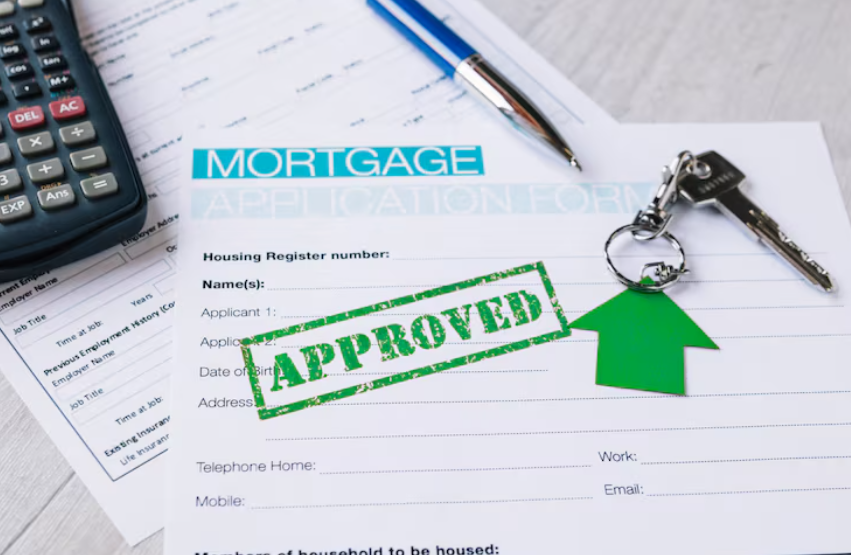
Buying a home is a major financial decision. Before you start attending open houses or making offers, it helps to know what you can realistically afford. That is where mortgage pre-approval comes in.
Understanding how mortgage pre-approval works before buying a home can give you a clearer picture of your borrowing power. It can also help you shop with confidence and avoid wasting time on homes outside your budget.
A mortgage pre-approval is not a guarantee that your loan will close. Instead, it is an early assessment of your financial ability to qualify for a mortgage. The lender reviews information such as your income, debts, credit history, assets, and employment.
In this guide, you will learn what mortgage pre-approval means, how the process works, what documents lenders may request, how long approval can take, and what you should do after receiving a pre-approval letter.
What Is Mortgage Pre-Approval?
A mortgage pre-approval is a preliminary decision from a lender indicating that you may qualify for a home loan up to a certain amount. The lender typically reviews your financial information before issuing the pre-approval.
This process is different from simply using a mortgage calculator. A calculator provides an estimate based on numbers you enter. A pre-approval involves a lender reviewing your actual financial circumstances.
The amount shown on a pre-approval letter can help establish your home-shopping range. However, it should not automatically become your spending target. Your personal budget may be lower than the maximum amount a lender is willing to approve.
For additional guidance, the Consumer Financial Protection Bureau home-buying resources explain important mortgage and home-financing concepts for buyers.
Why Mortgage Pre-Approval Matters Before Buying a Home
Getting pre-approved before shopping for a property can make the buying process more efficient. You have a better idea of what type of home fits your financing options.
Pre-approval can also strengthen your position when making an offer. In a competitive market, sellers may prefer an offer from a buyer who has already taken steps to arrange financing.
Another benefit is that pre-approval can uncover financial issues early. For example, the lender may identify questions about income, debt, credit history, or documentation that need to be resolved.
Addressing those issues before you find your dream home can make the later mortgage process smoother.
How Mortgage Pre-Approval Works Before Buying a Home
The mortgage pre-approval process usually involves several steps. The exact process varies between lenders, but most borrowers can expect a similar sequence.
1. Review Your Financial Situation
Before applying, review your income, monthly debts, savings, and credit history. This gives you a realistic starting point.
Make a list of recurring obligations. Include student loans, auto loans, credit card payments, personal loans, and other debts.
You should also determine how much cash you have available for a down payment and closing costs. Avoid assuming that all your savings should go toward the purchase. Homeowners also need money for emergencies, moving expenses, repairs, and maintenance.
2. Compare Mortgage Lenders
You do not have to use the first lender you contact. Banks, credit unions, mortgage companies, and mortgage brokers may offer different loan programs and pricing.
When comparing lenders, look beyond the advertised interest rate. Ask about fees, loan terms, mortgage insurance, closing costs, and other charges.
Checking several lenders can help you understand the range of financing options available to you.
3. Submit a Mortgage Application
After selecting a lender, you will provide information about your financial situation. The lender may ask about your employment, income, assets, debts, and housing plans.
Accuracy is important. Do not guess when providing financial information. If you are unsure about something, ask the lender what documentation is required.
4. Provide Supporting Documents
The lender may request documents that verify the information in your application. Depending on your circumstances, these may include pay stubs, bank statements, tax documents, employment records, and information about existing debts.
Self-employed borrowers or people with variable income may need additional documentation.
Having these records organized can help reduce delays. It also makes it easier to respond when the lender asks for clarification.
5. The Lender Reviews Your Credit
Your credit history is an important part of the mortgage evaluation. Lenders may review your credit reports, credit scores, payment history, outstanding debt, and other information.
Before applying, review your credit reports for potential errors. If you find inaccurate information, consider addressing it before submitting your mortgage application.
You can learn more about credit reports and scores through the CFPB credit resources.
6. The Lender Calculates Your Borrowing Capacity
The lender considers your income and debts when determining how much you may be able to borrow. One important measure is your debt-to-income ratio, commonly called DTI.
DTI compares your monthly debt obligations with your gross monthly income. A lower ratio can indicate that you have more income available for a potential mortgage payment.
For example, imagine your gross monthly income is $8,000. If qualifying monthly debt payments total $2,000, your DTI would be 25%.
Mortgage programs have different requirements. Your lender can explain which DTI limits apply to your specific loan.
7. Receive Your Pre-Approval Letter
If the lender determines that you meet its preliminary requirements, you may receive a mortgage pre-approval letter.
The letter may include an estimated loan amount, loan type, expiration date, and conditions. Read it carefully so you understand what the lender has actually approved at this stage.
What Information Do You Need for Mortgage Pre-Approval?
The documents required can vary based on the lender and your financial situation. However, many borrowers should be prepared to provide several types of information.
- Recent income documentation
- Employment information
- Recent bank or asset statements
- Information about outstanding debts
- Identification and personal information
- Tax documents when required
- Documentation for additional sources of income
Self-employed applicants may need to provide additional records to demonstrate their income and financial stability.
Do not send sensitive financial documents to anyone unless you have confirmed that you are dealing with a legitimate lender or authorized professional.
How Long Does Mortgage Pre-Approval Take?
The timeline depends on the lender and the complexity of your finances. A straightforward application with complete documentation may move quickly. More complicated applications can take longer.
You can help speed up the process by responding promptly to document requests and providing complete information.
It is also wise to begin the process before you seriously start making offers. That gives you time to resolve potential issues without feeling rushed.
How Long Is a Mortgage Pre-Approval Valid?
A pre-approval letter is generally valid for a limited period. The exact timeframe depends on the lender.
If your pre-approval expires while you are still searching for a home, contact the lender. You may need to update your income, asset, employment, or credit information.
Remember that a pre-approval amount and a mortgage rate are not necessarily the same thing. Unless your rate has been formally locked under specific terms, market conditions can change.
Pre-Approval vs. Pre-Qualification
The terms pre-approval and pre-qualification are sometimes used interchangeably. However, they can represent different levels of review.
A pre-qualification may rely more heavily on information provided by the borrower. Depending on the lender, it may involve limited documentation or verification.
A pre-approval generally involves a more detailed review. Still, lenders use these terms differently. Ask exactly what information has been reviewed and verified.
This distinction matters because a seller may view a documented pre-approval differently from a simple estimate of what you might qualify for.
Does Pre-Approval Mean You Are Guaranteed a Mortgage?
No. This is one of the most important things to understand about how mortgage pre-approval works before buying a home.
A pre-approval is not final loan approval. After you select a property, the lender may need to verify your finances again. The property may also need an appraisal or other evaluation.
The lender can also impose additional underwriting conditions before the mortgage is finalized.
Your financial situation can affect the process too. Taking on significant new debt, changing employment, or making major financial changes may require additional review.
How Much House Should You Buy After Getting Pre-Approved?
Your pre-approved amount should be viewed as a ceiling, not a goal.
For example, suppose a lender says you could qualify for a $500,000 mortgage. That does not mean a $500,000 mortgage is the right choice for your household.
Consider your complete monthly budget. Include groceries, transportation, utilities, insurance, childcare, subscriptions, savings, retirement contributions, and other expenses.
Then consider the full cost of homeownership. Property taxes, homeowners insurance, HOA fees, mortgage insurance, maintenance, and repairs can all increase your actual housing expenses.
A smaller mortgage may give you more flexibility to save money and handle unexpected expenses.
How Mortgage Rates Affect Your Pre-Approval
Mortgage rates can have a significant effect on your purchasing power. When rates rise, the same loan amount usually produces a higher principal-and-interest payment.
When rates fall, borrowers may be able to obtain a larger loan for the same target payment. However, rates are only one part of the mortgage equation.
You can monitor broad mortgage-rate trends using Freddie Mac’s Primary Mortgage Market Survey.
Your actual mortgage rate can differ from published averages. Lenders consider factors such as credit history, loan type, down payment, property type, and other circumstances.
What Not to Do After Mortgage Pre-Approval
Do Not Take on Major New Debt
A new auto loan or large credit-card balance can change your debt-to-income ratio. This could affect your mortgage application.
Do Not Empty Your Savings
Buying a home involves more than a down payment. Keep funds available for closing costs, moving expenses, repairs, and emergencies.
Do Not Make Major Financial Changes Without Asking Your Lender
If your employment, income, assets, or debts change significantly, tell your lender. The lender can explain whether the change needs to be documented.
Do Not Assume Your Pre-Approval Is a Final Approval
Continue following the lender’s instructions until the mortgage has completed underwriting and closed.
How to Compare Mortgage Offers
Once you are ready to move forward, compare mortgage offers carefully. Do not focus only on the interest rate.
Review the annual percentage rate, lender fees, discount points, estimated closing costs, mortgage insurance, loan term, and projected monthly payment.
The CFPB Loan Estimate guide can help you understand the information provided by lenders.
Compare similar loan products when possible. For example, compare one 30-year fixed-rate mortgage with another 30-year fixed-rate mortgage before deciding which offer is more competitive.
Final Thoughts on How Mortgage Pre-Approval Works Before Buying a Home
Understanding how mortgage pre-approval works before buying a home can give you a major advantage during the home-buying process. It helps you establish a realistic price range and identify financial issues before making an offer.
Start by reviewing your income, debts, credit, savings, and monthly expenses. Then compare lenders and ask questions about rates, fees, loan programs, and pre-approval requirements.
Once you receive a pre-approval, remember that it is not a guarantee of final financing. Keep your financial situation stable and provide requested documents promptly.
Most importantly, do not confuse the amount a lender is willing to approve with the amount you should spend. The best mortgage is one that fits comfortably into your complete budget.
If you are still determining your price range, read our guide on how much house you can afford on your income. You can also learn more about how to find the best home loan for your budget before comparing mortgage offers.
With careful planning, accurate financial information, and a realistic budget, mortgage pre-approval can turn an uncertain home search into a more organized and informed process.