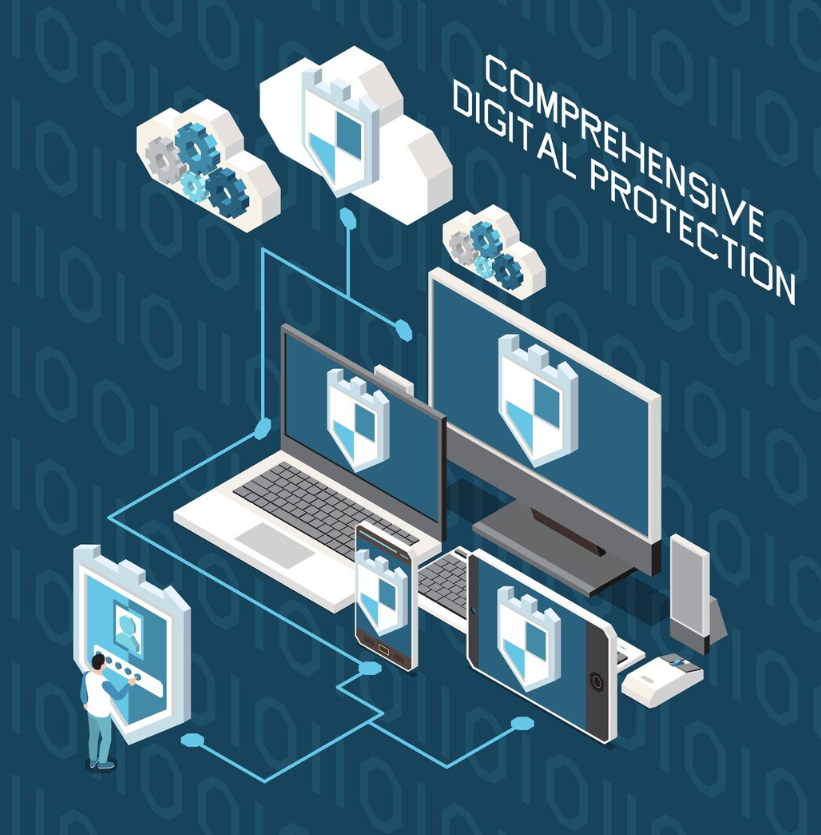
This guide to the Top Cyber Security Companies and Services to Consider explores leading providers and the security services they offer. It also explains what to look for when comparing cybersecurity solutions for a small business, growing company, or large enterprise.
The best provider is not always the company with the largest product catalog. Your ideal choice should match your infrastructure, security goals, budget, compliance requirements, and internal expertise.
Why Cybersecurity Services Matter
A modern business may have employees working from offices, homes, and mobile devices. Applications may run across multiple cloud platforms. Customer information may also pass through several third-party systems.
This creates a large security environment that can be difficult to monitor manually. Professional cybersecurity services can help organizations detect suspicious activity, protect endpoints, secure networks, monitor cloud environments, and respond to incidents.
Organizations should also combine technology with strong security practices. The CISA cybersecurity resources provide practical guidance for businesses, including recommendations around multifactor authentication, backups, access controls, and security planning.
Top Cyber Security Companies and Services to Consider
1. Palo Alto Networks
Palo Alto Networks is a major cybersecurity provider with solutions covering network security, cloud security, security operations, identity security, and threat intelligence.
Its portfolio is designed for organizations that want broader security visibility across networks, applications, users, devices, and cloud workloads. The company also provides professional services, incident response, threat intelligence, education, and support.
One advantage of a broad security platform is that businesses can reduce the number of disconnected security tools they need to manage. Palo Alto Networks highlights integrated protection across network, cloud, security operations, and identity environments.
Learn more through the Palo Alto Networks cybersecurity platform and review its services before making a purchasing decision.
2. CrowdStrike
CrowdStrike is well known for its cloud-native approach to endpoint and cybersecurity protection. Its Falcon platform focuses on areas such as endpoint protection, threat intelligence, security operations, and incident response.
Endpoint security is especially important because laptops, desktops, and other connected devices can become entry points for attackers. Strong endpoint protection can help organizations identify suspicious behavior and respond more quickly.
CrowdStrike may be worth considering for organizations that want a modern cloud-based security platform with a strong focus on endpoint protection and threat detection.
Explore the CrowdStrike cybersecurity solutions to understand which services may fit your organization.
3. Fortinet
Fortinet is another major name in enterprise cybersecurity. Its portfolio covers secure networking, firewalls, security operations, secure access, endpoint protection, and other security technologies.
Fortinet can be particularly interesting for organizations that want to combine networking and security capabilities. Its Security Fabric approach is designed to connect security technologies and provide centralized visibility.
This approach may help businesses reduce complexity as their infrastructure grows. It can also be useful for organizations managing distributed offices, cloud services, remote users, and connected devices.
Visit the Fortinet cybersecurity solutions page to explore its security and networking services.
4. Cisco Security
Cisco has a long history in networking and has expanded its security portfolio across networks, cloud environments, endpoints, email, and security operations.
Cisco Security may be a practical option for companies that already rely heavily on Cisco networking technologies. Integrating security with existing infrastructure can simplify administration and improve visibility.
The company also uses threat intelligence capabilities to help organizations identify and respond to security risks.
Businesses can review Cisco Security products and services when evaluating enterprise cybersecurity options.
Important Cybersecurity Services to Evaluate
Endpoint Security
Endpoint security protects devices such as computers and laptops from malicious software, suspicious activity, and other threats. It is a fundamental part of a modern security strategy.
When comparing providers, look for endpoint detection and response capabilities, centralized management, automated alerts, and support for different operating systems.
Network Security
Network security helps protect connections between users, applications, devices, and systems. Firewalls, intrusion prevention, secure access, and network monitoring can all play important roles.
Companies with hybrid or distributed infrastructure should pay close attention to how a provider protects both traditional networks and cloud-connected environments.
Cloud Security
Cloud adoption has changed the cybersecurity landscape. Businesses may use multiple cloud platforms while developers deploy applications at a rapid pace.
Cloud security services can help organizations identify configuration problems, protect workloads, manage access, and monitor cloud environments.
Security Operations and Managed Services
Not every organization has a large internal security team. Managed security services can provide monitoring and security expertise without requiring a company to build every capability internally.
A managed security provider may offer continuous monitoring, threat detection, security information and event management, incident response, and security reporting.
Identity and Access Management
Stolen credentials can give attackers access to valuable systems. Identity security therefore deserves a central place in any cybersecurity strategy.
Businesses should consider multifactor authentication, least-privilege access, privileged account management, and strong identity monitoring.
For additional guidance, review CISA security recommendations when developing authentication and access-control policies.
Incident Response
No security strategy can guarantee that an organization will never experience an incident. A strong response plan can reduce confusion and limit potential damage when something goes wrong.
Incident response services can help organizations investigate suspicious activity, contain threats, restore systems, and improve security after an incident.
How to Choose the Right Cybersecurity Company
Choosing between the Top Cyber Security Companies and Services to Consider requires more than comparing product features. Start by identifying your biggest risks and the systems that need protection.
Next, consider the following factors:
- Security coverage: Check whether the provider protects your endpoints, network, cloud, identity, and applications.
- Scalability: Make sure the solution can grow with your organization.
- Integration: Check whether it works with your existing technology.
- Monitoring: Determine whether you need business-hours monitoring or continuous coverage.
- Incident response: Understand what support is available during a security event.
- Compliance: Review whether the solution supports your industry’s regulatory requirements.
- Total cost: Consider licensing, implementation, training, support, and ongoing management.
Cybersecurity for Small and Medium-Sized Businesses
Small businesses should not assume that cybersecurity is only an enterprise concern. Smaller organizations can also face phishing, ransomware, account compromise, and data theft.
However, smaller companies often have limited budgets and fewer IT employees. A managed cybersecurity service may therefore be more practical than purchasing and managing many individual security products.
Start with the basics. Use multifactor authentication, maintain reliable backups, update software, restrict administrative access, and train employees to recognize common threats.
Businesses can also explore the CISA small business cybersecurity guidance for practical security recommendations.
Cybersecurity for Large Enterprises
Large organizations usually have more complex security requirements. They may operate across several countries, use multiple cloud environments, manage thousands of endpoints, and support a large remote workforce.
For these businesses, platform integration can be especially valuable. A centralized security architecture can make it easier for security teams to identify threats and prioritize incidents.
Enterprise buyers should also evaluate threat intelligence, security analytics, automation, identity protection, cloud security, data protection, and incident response capabilities.
Why an Integrated Security Strategy Is Important
Buying several unrelated security products does not automatically create strong protection. Security tools need to work together and produce useful information for the people responsible for protecting the organization.
An integrated strategy can reduce alert overload and simplify administration. It can also help security teams connect events across endpoints, identities, networks, and cloud workloads.
However, integration should not come at the expense of flexibility. Businesses should confirm that important security tools can connect with existing systems and future technology plans.
Cybersecurity Trends to Watch
Artificial intelligence is changing both sides of cybersecurity. Security teams are using AI and automation to analyze large amounts of data, prioritize alerts, and improve response workflows. At the same time, attackers can use automation to make threats more convincing and scalable.
Cloud adoption, identity security, zero-trust architecture, security automation, and managed security services are also becoming increasingly important.
This makes continuous security improvement more valuable than relying on a single security product. Organizations should regularly review their risks and update their controls as their technology changes.
Final Thoughts on the Top Cyber Security Companies and Services to Consider
The Top Cyber Security Companies and Services to Consider include providers such as Palo Alto Networks, CrowdStrike, Fortinet, and Cisco. Each offers different approaches to protecting networks, endpoints, cloud environments, identities, and security operations.
There is no universal cybersecurity solution for every organization. The right choice depends on your infrastructure, risk profile, budget, compliance needs, and internal security capabilities.
Before signing a contract, compare features, service levels, integration options, support, scalability, and total cost. Most importantly, focus on the security problems you need to solve rather than simply choosing the company with the longest list of features.
A strong cybersecurity strategy combines reliable technology, trained employees, clear policies, continuous monitoring, and a tested response plan. With the right combination of products and services, businesses can improve resilience and make it harder for cyber threats to disrupt their operations.
Related reading: Cybersecurity Guide for Businesses | Data Security Best Practices | Cloud Security Guide